
Most Tourists Overlook This Laid-Back Florida Gulf Coast Town
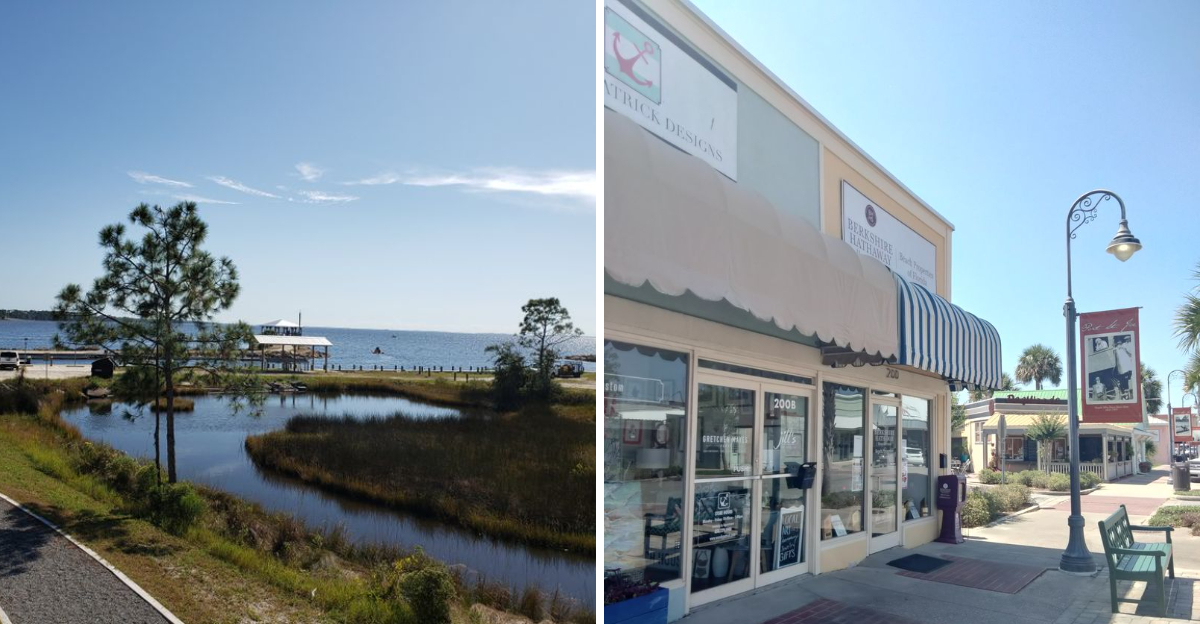
Port St. Joe sits quietly along Florida’s Gulf Coast, a small town that most travelers speed past on their way to busier beaches.
While crowds gather in Panama City Beach and Destin, this waterfront community maintains its unhurried rhythm, shaped more by fishing boats and bay tides than by tourism trends.
The town of roughly 3,300 residents offers something increasingly rare along Florida’s coast: a genuine sense of place that hasn’t been polished into generic resort appeal.
A Quiet Gulf Coast Town Many Travelers Drive Past
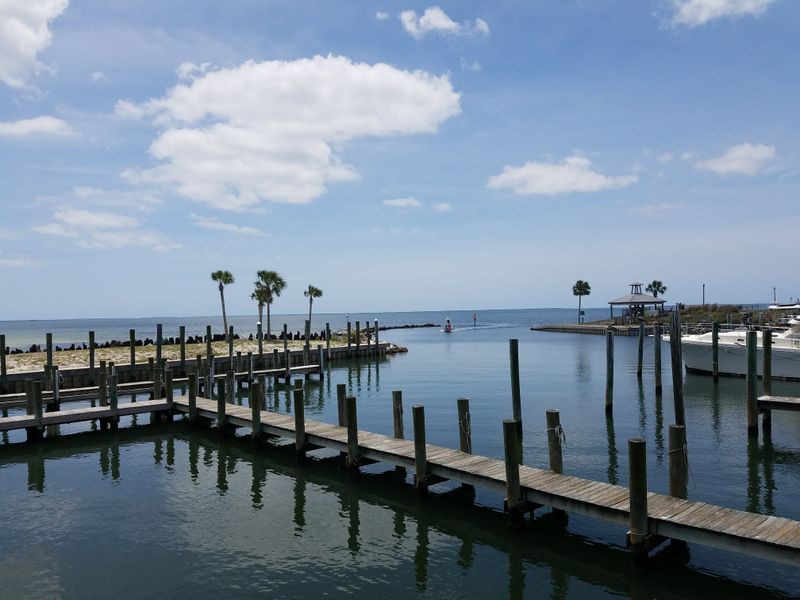
Highway 98 carries thousands of vacationers each year along Florida’s panhandle, but few slow down when they reach Port St. Joe.
The town doesn’t announce itself with billboard campaigns or neon-lit attractions.
Located at the intersection of U.S.
Highway 98 and State Road 71 in Gulf County, it occupies a stretch of coast that feels deliberately removed from the state’s tourism machine.
Visitors who do stop often discover they’ve stumbled onto something authentic—a working waterfront where commercial fishing still matters and local businesses outnumber chain stores.
The absence of aggressive marketing works in Port St. Joe’s favor.
People arrive without inflated expectations and leave pleasantly surprised by the town’s unpretentious character.
This isn’t a destination that tries to be everything to everyone, which paradoxically makes it perfect for travelers seeking exactly what it offers: quiet, water, and breathing room.
Where St. Joseph Bay Sets the Pace of Daily Life
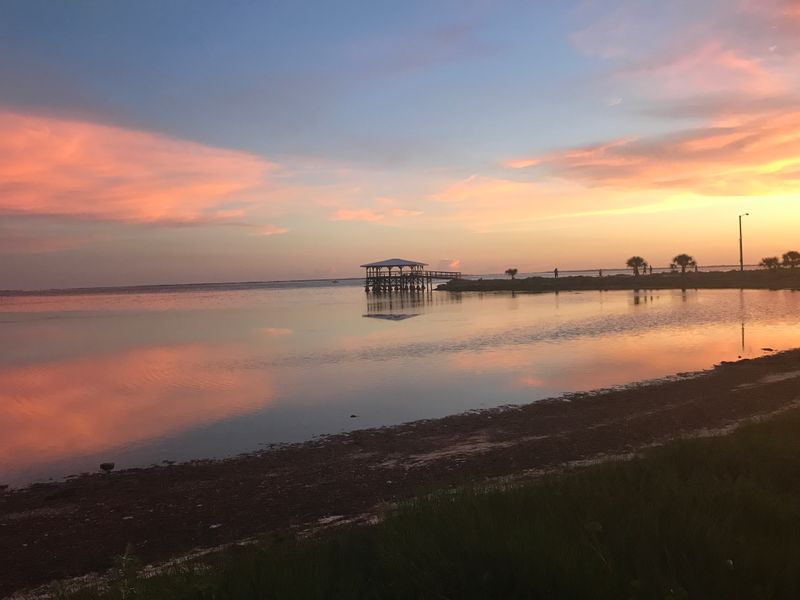
St. Joseph Bay defines Port St. Joe in ways both practical and atmospheric.
The bay’s protected waters curve around the town, creating a natural harbor that has shaped local life for generations.
Fishing boats depart before dawn, returning with catches that end up in nearby restaurants by dinnertime.
Unlike the open Gulf with its unpredictable moods, the bay maintains a gentler temperament.
Its calm surface reflects morning light in ways that feel almost meditative, and its shallow flats provide ideal conditions for wading birds and patient anglers alike.
Locals orient their days around the bay’s rhythms—tide charts matter here more than event calendars.
Visitors quickly notice how the water influences everything from restaurant menus to evening entertainment.
People gather at the waterfront not because it’s been designed as a tourist attraction, but because it remains the town’s natural gathering place, just as it has been for decades.
Calm, Clear Waters Instead of Crowded Surf Beaches
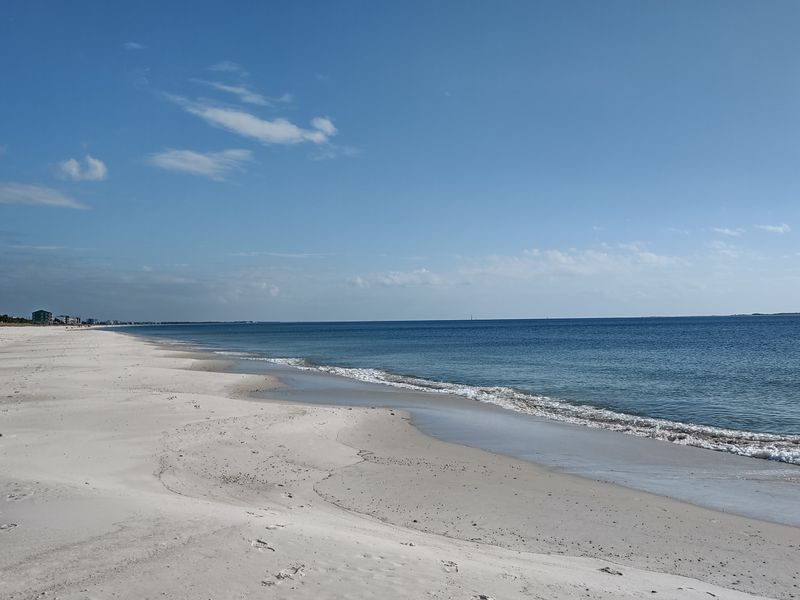
Beachgoers accustomed to Florida’s Atlantic coast or the state’s famous Gulf beaches often find Port St. Joe’s shores surprisingly tranquil.
The water here doesn’t crash dramatically against the sand.
Instead, gentle waves lap at beaches where visibility extends several feet down through remarkably clear water.
St. Joseph Peninsula State Park, located just north of town, offers miles of undeveloped shoreline where shell collectors and swimmers share space without jostling for position.
The bay side provides even calmer conditions—water so still that kayakers glide across its surface without effort.
Families with young children appreciate the shallow, gradual depths that allow safe wading far from shore.
This isn’t the Florida of spring break mythology or surf culture.
The absence of big waves disappoints some visitors, but for those seeking peaceful water time rather than adrenaline, these calm conditions represent exactly what they hoped to find along the Gulf Coast.
A Small-Town Waterfront Without High-Rise Resorts
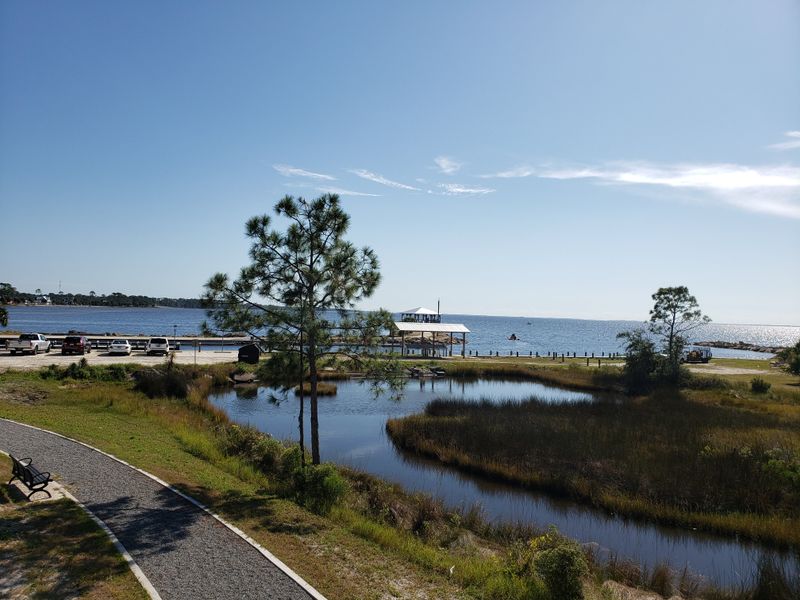
Port St. Joe’s skyline remains refreshingly horizontal.
No towering condominium complexes block the view, and no sprawling resort properties dominate the shoreline.
The town’s waterfront consists primarily of modest buildings—seafood restaurants, marine supply shops, and small motels that might have been built forty years ago.
This architectural restraint wasn’t entirely intentional.
Port St. Joe simply never experienced the development boom that transformed other Gulf Coast communities into vertical cities of vacation rentals.
Hurricane Michael in 2018 caused significant damage, but the town rebuilt with the same modest scale it had before.
Walking along the waterfront, visitors can actually see the water—a detail that sounds obvious but feels increasingly rare along developed coastlines.
The low-rise character preserves sightlines and maintains a human scale that makes the town feel accessible rather than overwhelming.
For travelers tired of navigating resort complexes, this simpler waterfront layout offers welcome relief.
Why Port St. Joe Feels Different From Florida’s Famous Beach Cities
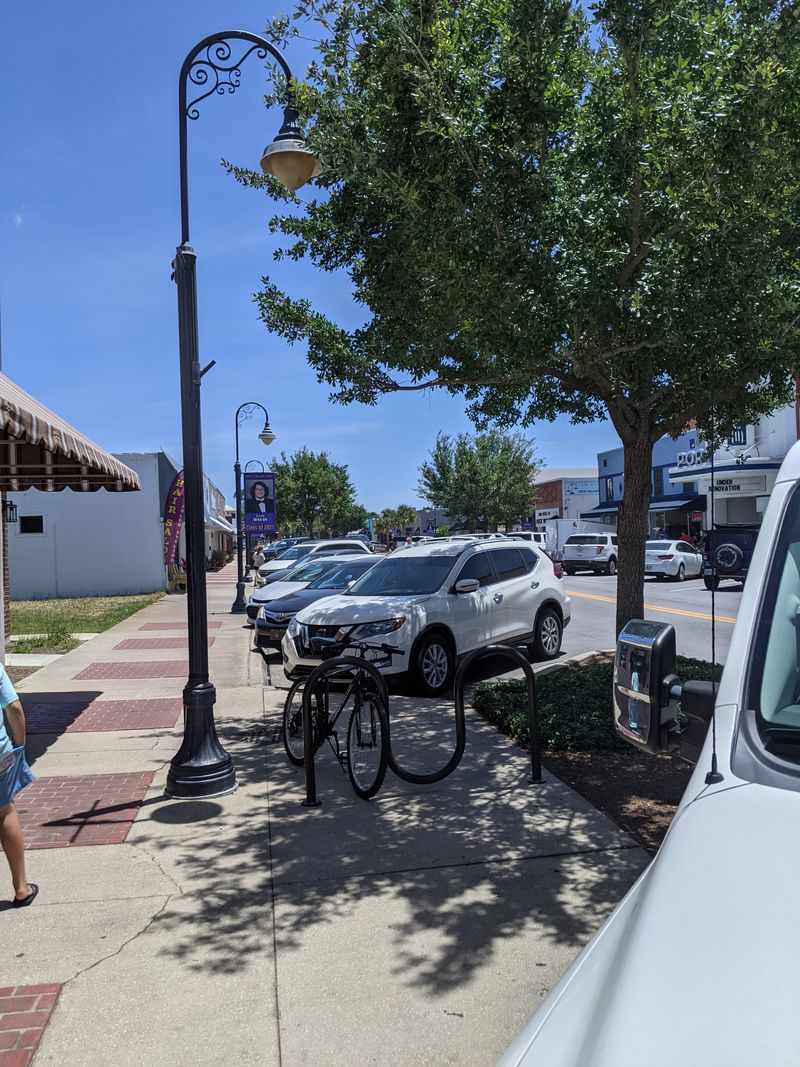
Comparing Port St. Joe to Panama City Beach or Destin reveals the difference between a working town that happens to have beaches and a beach destination that happens to have residents.
The distinction matters.
In Port St. Joe, tourism exists but doesn’t dominate.
You’ll find local hardware stores and insurance offices mixed among the waterfront businesses.
Residents outnumber visitors most of the year, and the town functions as an actual community rather than a seasonal service economy.
The pace feels noticeably slower—not because anyone manufactured a “laid-back vibe” for marketing purposes, but because there’s genuinely less urgency here.
Restaurants close earlier than in tourist towns.
Streets empty after sunset except for locals walking dogs or couples strolling to the pier.
This authenticity appeals to travelers who’ve grown weary of Florida’s more commercialized destinations.
Port St. Joe doesn’t try to entertain you constantly, which paradoxically makes it more interesting to those who appreciate places that simply exist rather than perform.
A Historic Gulf Coast Community Built on the Water
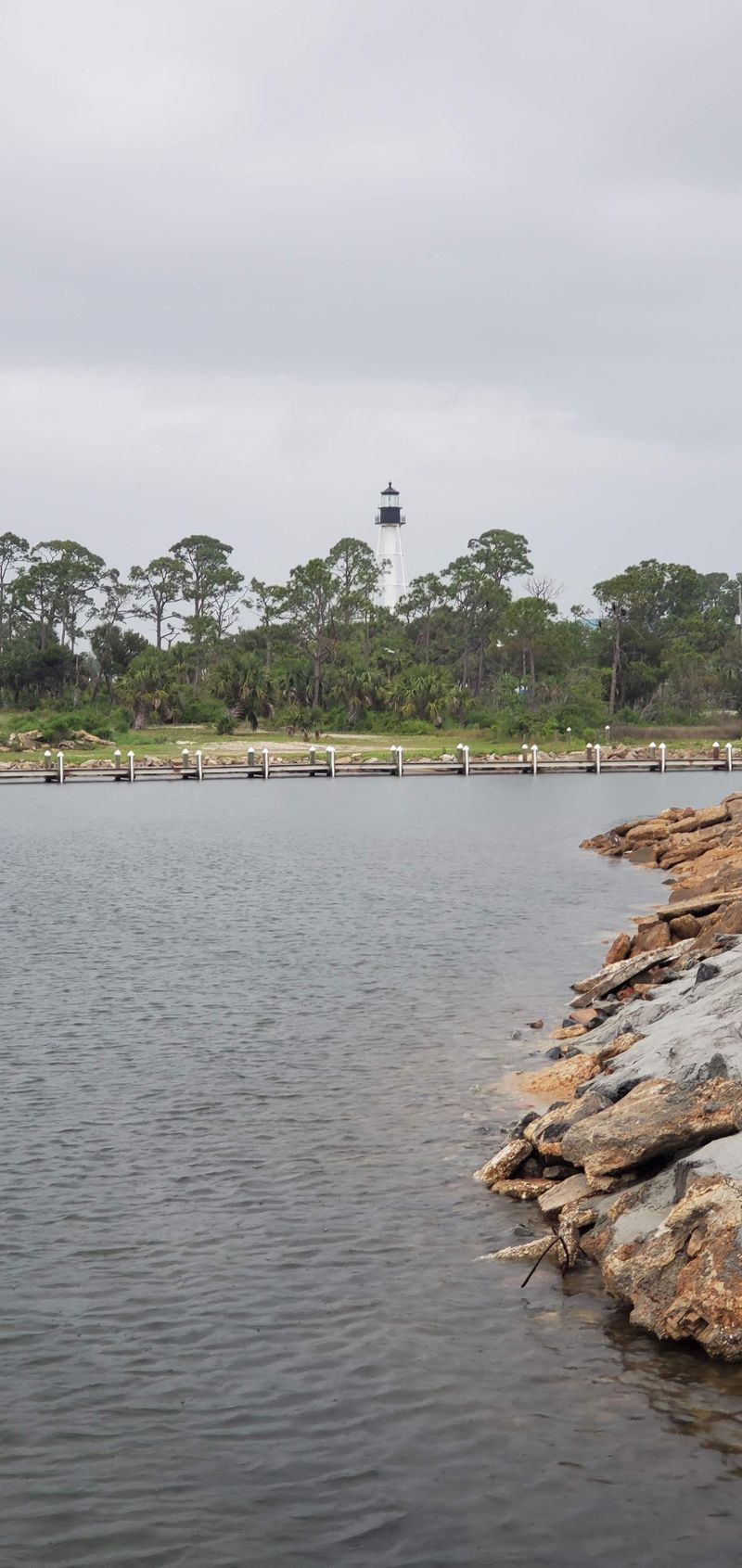
Port St. Joe’s history runs deeper than its current quiet reputation suggests.
The town served as Gulf County’s seat and once held ambitions of becoming a major Gulf port.
In the mid-1800s, it even hosted Florida’s first constitutional convention, a detail that surprises visitors who assume the town has always occupied the margins of state history.
Those grand plans never materialized, partly due to yellow fever outbreaks that devastated the population in the 1840s.
The town that eventually rebuilt took a more modest path, developing around timber, paper mills, and commercial fishing rather than becoming a major shipping hub.
Evidence of this history appears in scattered historic buildings and in the St. Joseph Historical Society’s collection, located at 115 Reid Avenue.
Understanding this background adds dimension to a visit.
Port St. Joe’s quiet character wasn’t inevitable—it’s the result of specific historical circumstances that shaped a community comfortable with its smaller scale and waterfront identity.
Bay Fishing, Kayaking, and Slow Outdoor Days
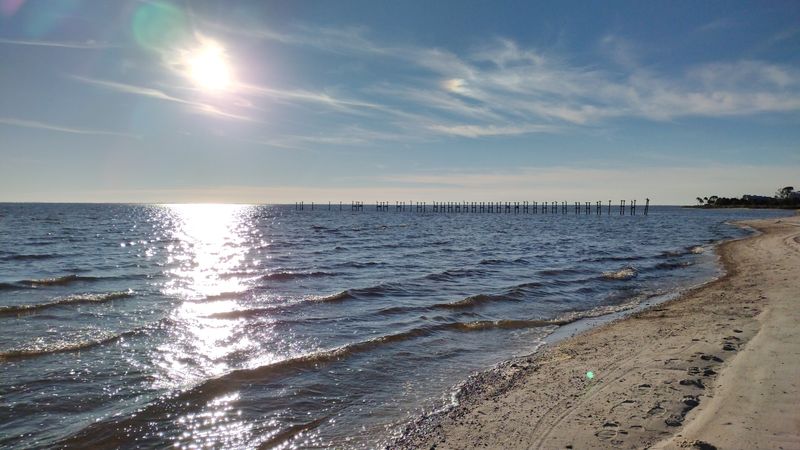
Outdoor activities in Port St. Joe tend toward the contemplative rather than the extreme.
Bay fishing from shore or boat requires patience and local knowledge rather than expensive equipment.
Redfish, speckled trout, and flounder move through the bay’s grass flats, and anglers who learn the tides and seasons do well.
Kayaking the bay’s calm waters appeals to paddlers of all skill levels.
Launch points exist throughout town, and the protected conditions mean even beginners can explore comfortably.
The bay’s clarity allows paddlers to watch stingrays and fish moving beneath their hulls.
These aren’t activities that generate dramatic social media content or adrenaline rushes.
They unfold slowly, requiring attention and presence rather than speed or athletic prowess.
For visitors whose idea of outdoor recreation involves quiet observation rather than conquest of nature, Port St. Joe’s offerings feel perfectly calibrated.
The town rewards those who can slow down enough to notice details rather than check activities off a list.
Uncrowded Beaches Just Minutes From Downtown
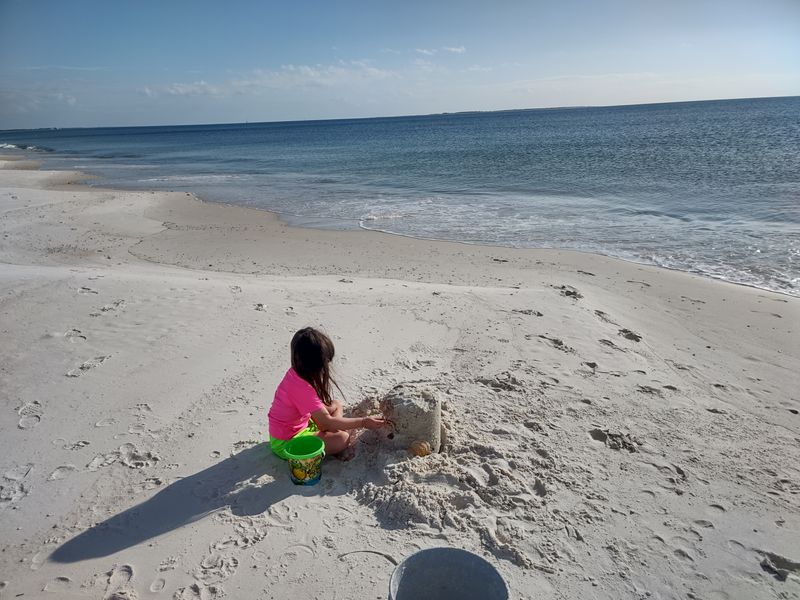
Port St. Joe’s beaches never require arriving at dawn to claim space.
St. Joseph Peninsula State Park, accessible via a short drive north from downtown, consistently ranks among Florida’s finest beaches despite remaining remarkably uncrowded.
Even during peak season, visitors can walk for long stretches encountering only scattered groups of beachgoers.
The peninsula’s unique geography creates distinct beach experiences on either side—Gulf waters on one edge, bay waters on the other.
Closer to town, smaller beach access points provide quick escapes for residents and visitors staying downtown.
These neighborhood beaches lack facilities but offer immediate access to sand and water without the drive to the state park.
The lack of crowds results partly from Port St. Joe’s low profile and partly from the abundance of beach space relative to visitor numbers.
Travelers who’ve experienced the elbow-to-elbow density of Florida’s famous beaches often find the spaciousness here almost disorienting at first, then deeply relaxing once they accept it as normal rather than anomalous.
Local Life Over Tourist Attractions
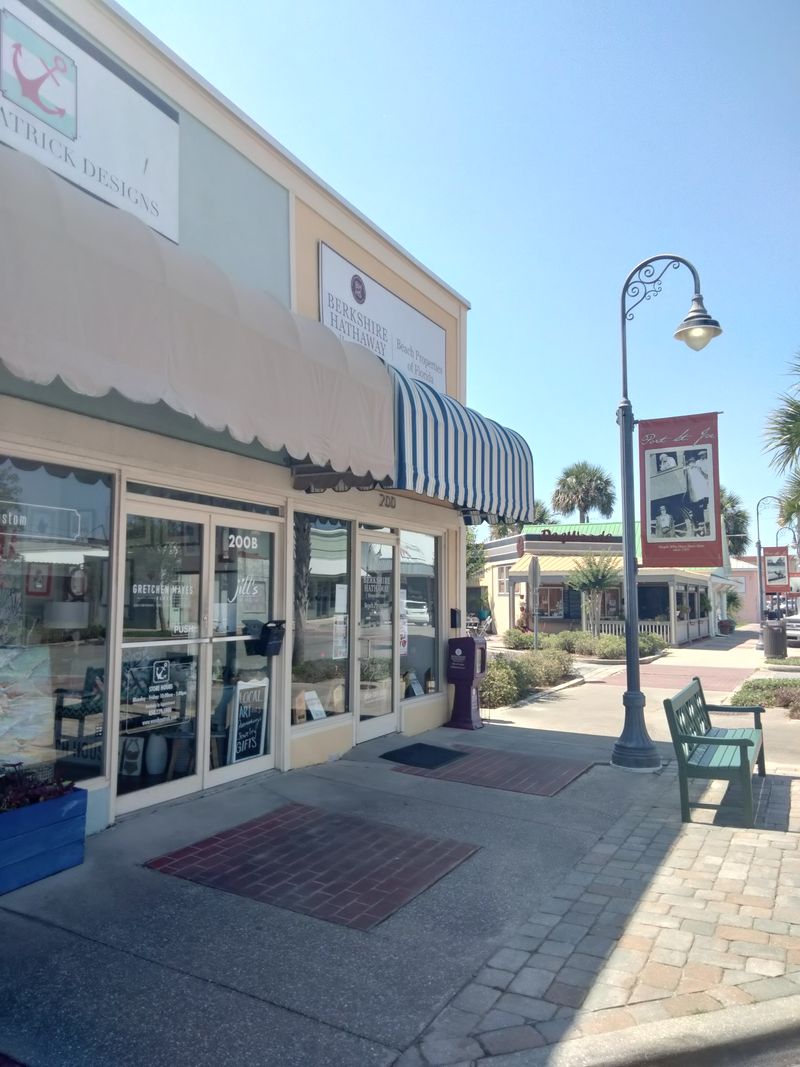
Port St. Joe offers almost no conventional tourist attractions, which turns out to be one of its primary appeals.
There are no theme parks, water parks, or attraction-style entertainment venues.
The town’s website at cityofportstjoe.com provides basic information about local government and services rather than promoting tourist activities.
Instead, visitors experience local life directly—shopping at the same grocery stores residents use, eating at restaurants that serve locals year-round, and occupying public spaces without feeling segregated into tourist zones.
The weekly farmers market, when operating, draws more residents than visitors.
Coffee shops serve regular customers who know each other’s names.
This integration feels unusual to travelers accustomed to tourist districts that exist separately from actual community life.
Some visitors find the lack of organized activities disappointing, especially those who prefer structured entertainment.
But for travelers seeking authentic experience over curated attraction, Port St. Joe’s very ordinariness becomes its most distinctive feature—a chance to inhabit a place rather than merely visit it.
A Gulf Coast Base for Relaxation, Not Rush
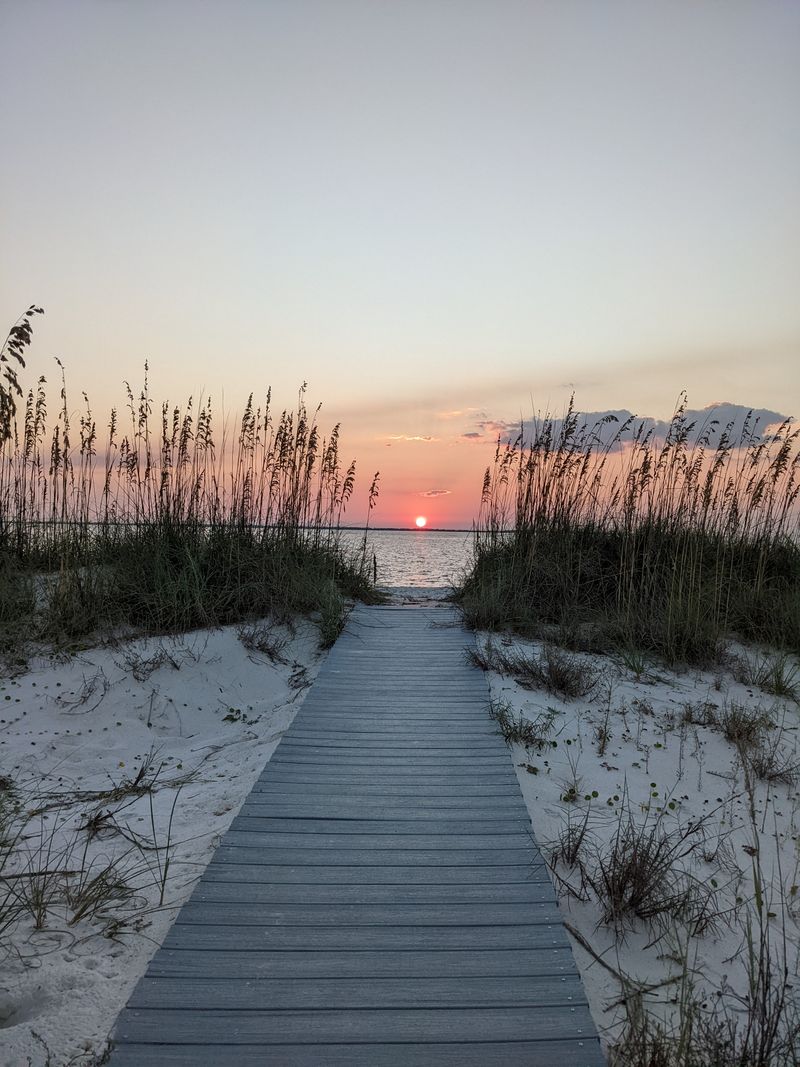
Visitors planning action-packed itineraries should probably look elsewhere.
Port St. Joe functions best as a base for doing less rather than more.
Mornings might involve coffee on a waterfront bench, watching boats leave the harbor.
Afternoons pass at the beach or on the water, moving slowly enough to notice how light changes on the bay’s surface.
Evenings center around fresh seafood dinners and early bedtimes.
This rhythm frustrates travelers who measure vacation success by activities completed, but it suits those who view travel as an opportunity to step off the accelerator entirely.
The town’s limited options actually simplify decision-making—there aren’t enough restaurants or activities to generate analysis paralysis.
Visitors quickly settle into routines, returning to favorite spots rather than constantly seeking novelty.
This repetition, which might feel monotonous in a longer trip, creates a sense of temporary belonging during shorter stays.
Port St. Joe rewards those who can resist the urge to optimize every hour and instead allow days to unfold without rigid structure.
How Nature Shapes the Town’s Laid-Back Identity
Geography determines character more than most towns acknowledge, and in Port St. Joe the connection feels particularly direct.
The bay’s protective curve creates calm waters that discourage high-speed water sports but encourage contemplative activities.
The absence of dramatic coastal features means the landscape doesn’t overwhelm—it simply exists as backdrop to daily life.
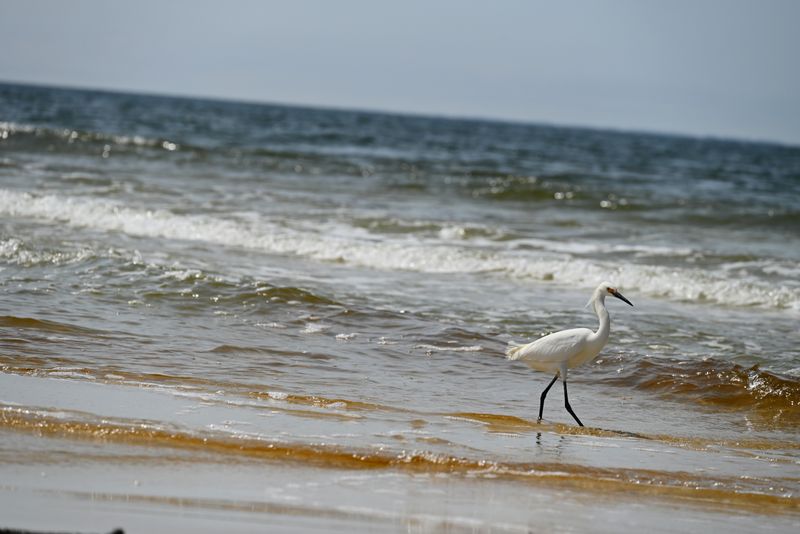
Wildlife moves through town casually rather than as tourist spectacle.
Dolphins surface in the bay regularly enough that locals barely glance up.
Shore birds work the flats at low tide, following their own schedules regardless of human activity.
This constant proximity to functioning natural systems—not nature as preserved park but nature as working ecosystem—influences the town’s temperament.
Residents operate on tide schedules and weather patterns, maintaining a connection to environmental rhythms that urban life often severs.
Visitors who stay more than a few days begin noticing these patterns themselves, checking tide charts and scanning the horizon for weather changes, unconsciously adopting the local orientation toward natural rather than human-made schedules.
Why Port St. Joe Remains One of Florida’s Best-Kept Secrets
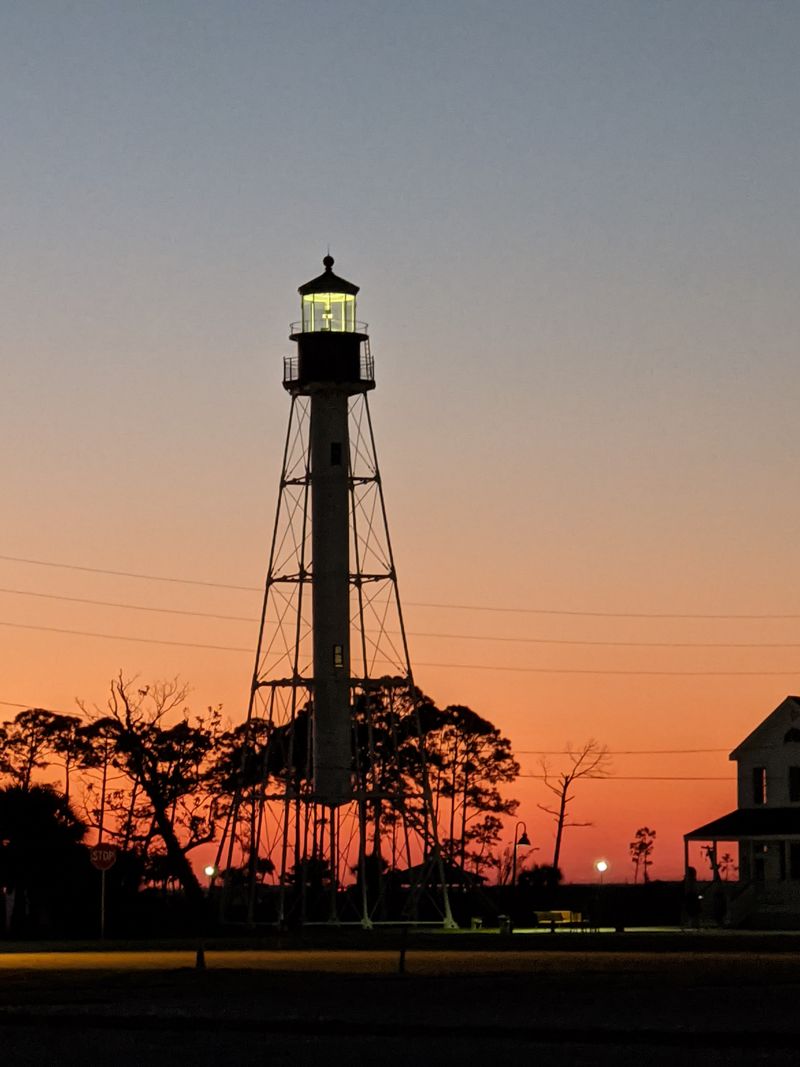
Port St. Joe’s continued obscurity results from multiple factors working in concert.
Its location between more famous destinations means travelers often pass through without stopping.
The town lacks the marketing budget and tourism infrastructure of nearby beach cities, so it remains largely invisible to casual vacation planners.
Hurricane Michael’s 2018 impact temporarily reduced the town’s already limited tourism capacity, though rebuilding has since progressed steadily.
Perhaps most significantly, Port St. Joe doesn’t particularly chase tourist attention.
The town functions primarily for its 3,357 residents rather than for visitors, which creates an authenticity that deliberate tourism development often destroys.
This low profile protects the qualities that make the town appealing in the first place.
Increased tourism would likely bring the chain restaurants, generic development, and crowded beaches that currently define what Port St. Joe isn’t.
For now, the town remains genuinely overlooked—a rarity along Florida’s increasingly developed coast, and a destination that rewards travelers who value character over convenience and quiet over excitement.