
Most Visitors Miss This Incredible Tennessee Bakery In A Quiet Cookeville Neighborhood
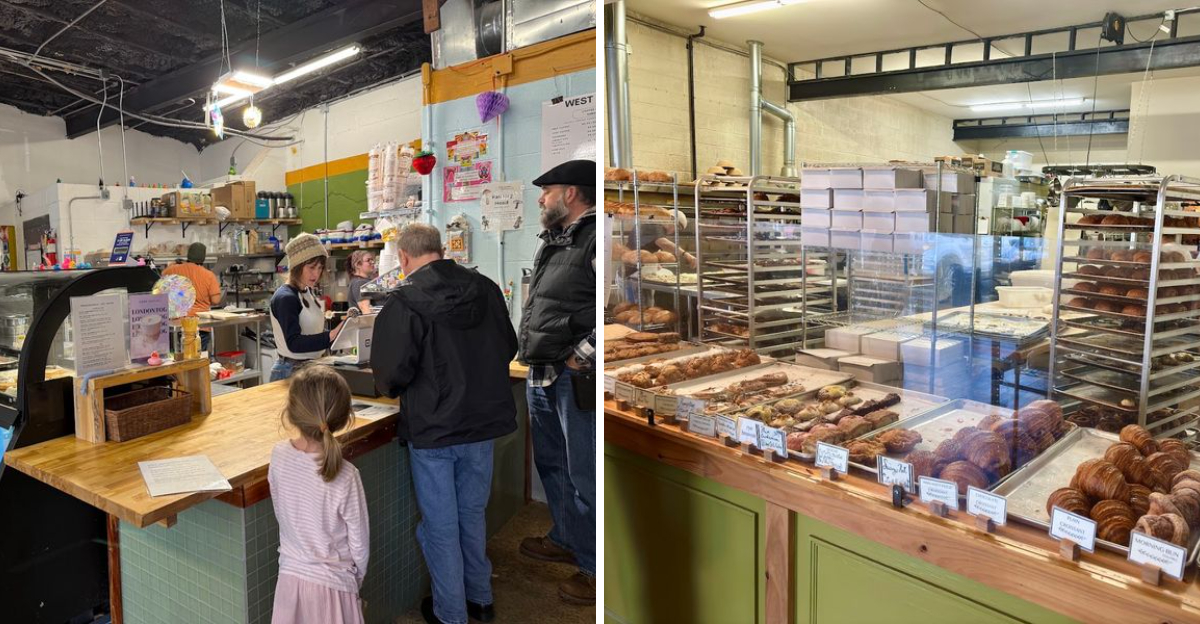
A small bakery in Cookeville has built a loyal following without much fanfare. Tennessee bread culture runs deep, and this place fits comfortably into that tradition.
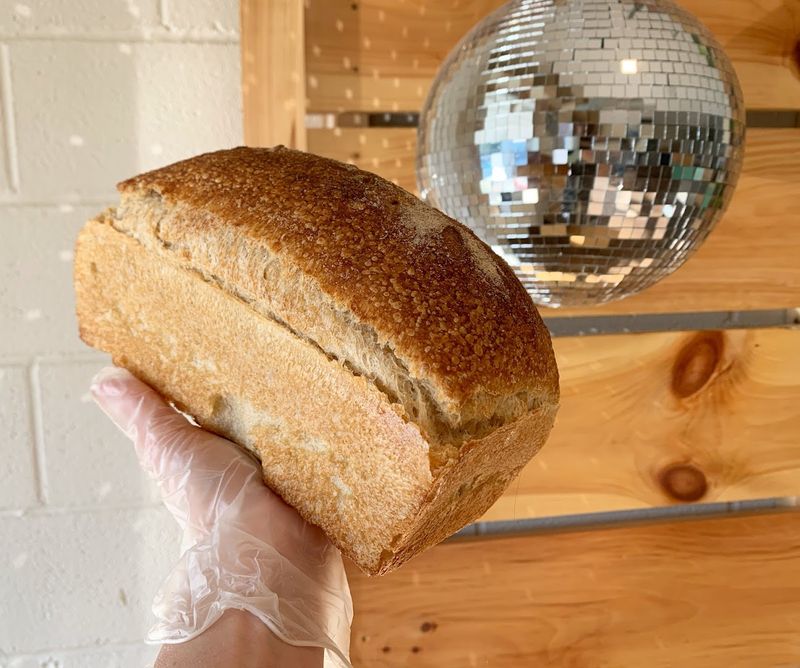
Sourdough loaves come out daily, shaped through slow methods that favor flavor over speed. The pastry case rotates with the seasons, offering something a little different depending on when you stop by.
Breakfast sandwiches draw a steady crowd, especially paired with coffee and a seat outside. Staff seem genuinely familiar with the menu, quick to point out what’s fresh that day.
Vegan and gluten-free items are clearly marked, giving most visitors an easy option. The atmosphere stays low key even during busier mornings.
It’s not a flashy stop, but it’s a reliable one for anyone passing through Cookeville looking for something fresh baked. A short visit here often turns into a longer one without much effort.
The Artistry Of Sourdough And Beyond
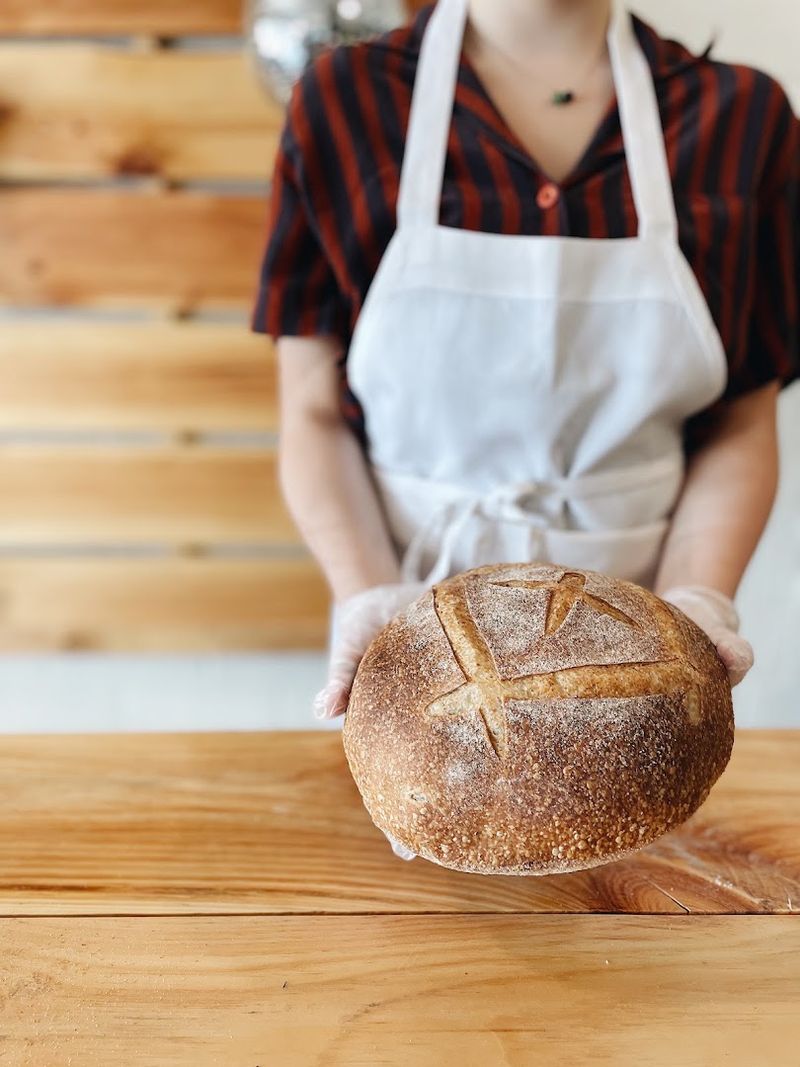
Long fermentation is the secret behind bread that actually tastes like something. At Meg’s Bread, the sourdough process is taken seriously, relying on natural leavening rather than commercial shortcuts.
The result is a crust that crackles and an interior that holds real chew and depth.
The bakery uses minimally processed flours, which means fewer additives and more honest flavor in every loaf.
Stone-ground Appalachian wheat sourced from Carolina Ground goes into the pies and pastries, giving each baked item a grounded, nutty quality that processed flour simply cannot replicate.
Most of the bread, aside from the cheese bread, is vegan-friendly.
Seasonal pastries rotate throughout the year, so the display case at Meg’s Bread tends to look different depending on when one stops in. Croissants, olive loaves, rosemary loaves, and chocolate chip cookies have all been part of the regular rotation.
The small-batch approach means quality stays consistent, and popular items tend to sell out before midday on busy days.
A Daily Ritual Of Freshly Baked Delights
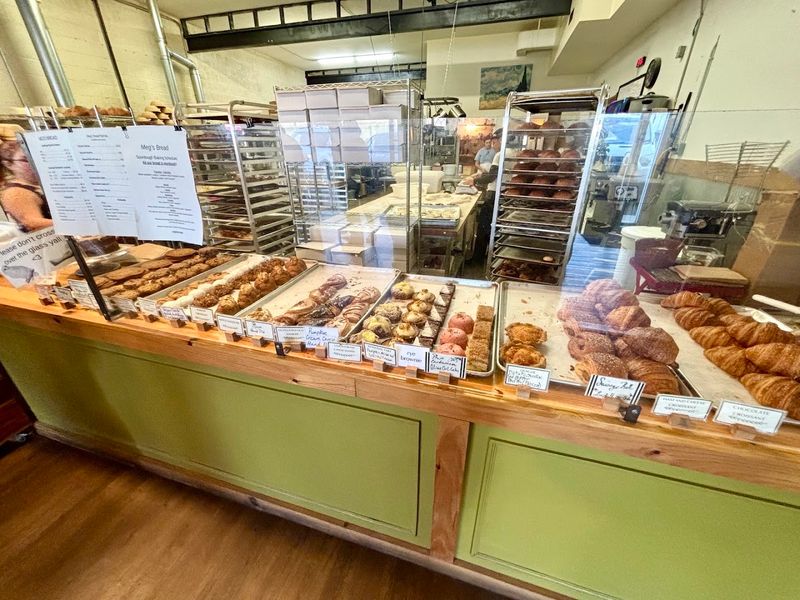
Everything at Meg’s Bread is made daily. That single commitment changes the entire experience of walking through the door.
The aroma alone, that warm, yeasty, buttery smell that greets anyone entering the space, signals that something was just pulled from the oven not long ago.
The bakery operates Tuesday through Saturday, from 9 AM to 2 PM. Those hours are intentional, built around a production rhythm that prioritizes freshness over convenience.
Arriving early in the day gives the best chance of finding a full selection, especially on weekends when items move quickly.
Seasonal pastries keep things interesting across the calendar year. Past offerings have included rhubarb and strawberry danishes, lemon and peach variations, broccoli cheddar croissants, and jalapeño cheddar focaccia.
The chocolate croissant has earned particular attention for its layered, flaky texture. Real butter and quality flour go into every item, with no artificial ingredients used.
The establishment at 52 S Cedar Ave keeps its ingredient standards consistent, which is part of why the baked goods here stand apart from what most bakeries in the region tend to produce on a regular basis.
This Bakery Offers Much More Than A Simple Loaf Of Bread
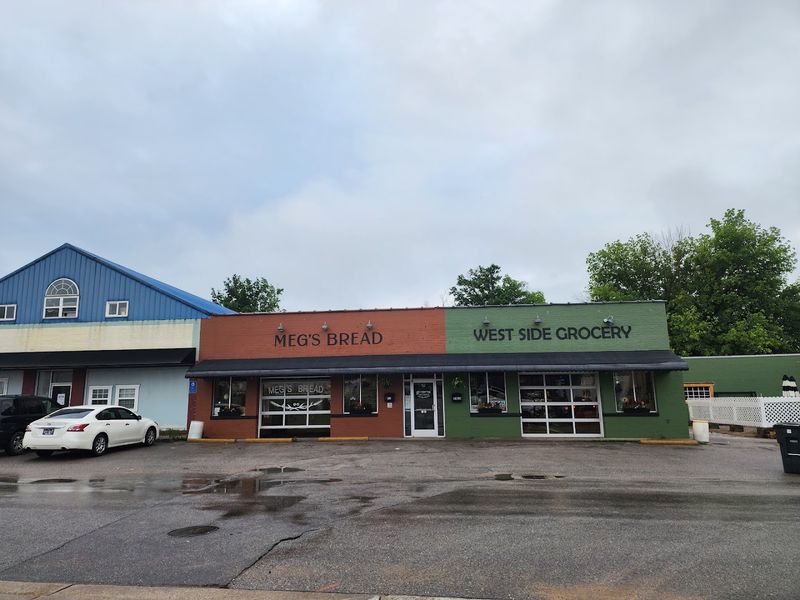
In 2023, West Side Grocery opened right next to the bakery, turning the space into something much larger than a simple bread stop.
Organic and local produce, bulk organic items, natural foods, and specialty goods now share the same building as the freshly baked loaves and pastries.
The grocery side carries items that are genuinely difficult to find elsewhere in Cookeville, including cultured vegetables, coconut kefir, kombucha, specialty cheeses, and grass-fed meats.
It functions as a one-stop spot for anyone prioritizing whole, minimally processed foods in their daily routine.
The cafe portion of the operation serves coffee alongside breakfast and lunch sandwiches made using Meg’s own bread.
Daily lunch options rotate through the week: sandwiches on Wednesdays and Thursdays, flatbread on Fridays, pizza on Saturdays, and bagels on Sundays.
The grocery side typically runs Monday through Saturday from 8 AM to 5 PM, and Sundays from 9 AM to 2 PM. The venue has quietly become a reliable source for pantry staples, fresh produce, and ready-made meals all under one roof.
The Comfort Of A Neighborhood Gathering Place
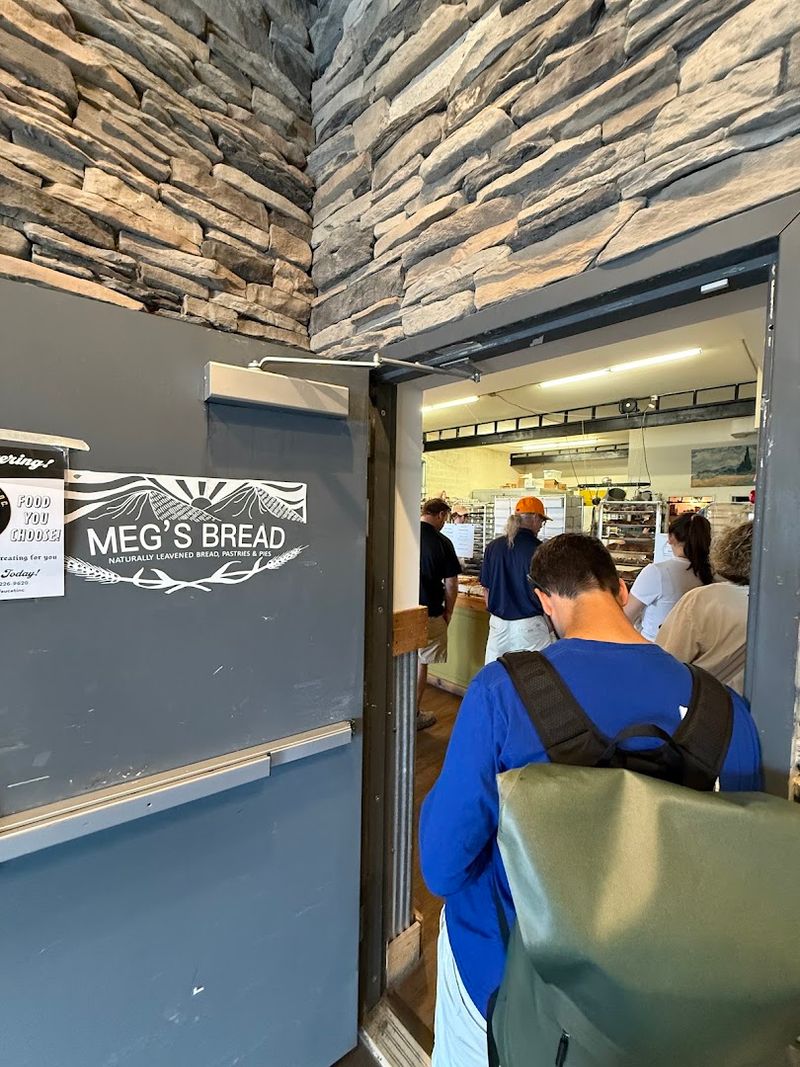
There is a particular kind of energy in a space that genuinely belongs to its neighborhood. Meg’s Bread carries that quality.
The interior features wooden tables, ample natural light, and a warmth that settles in quickly once inside. It does not feel designed for photographs. It feels designed for people.
The noise level can pick up during lunch hours, partly because the kitchen is active and the space draws a steady crowd. That energy, rather than being distracting, tends to add to the sense that something real is happening here.
Outdoor seating is also available for those who prefer open air with their coffee and pastry.
The space functions as a genuine community anchor. Local music and artists have been featured at events hosted by the establishment, reinforcing its role as more than a place to buy bread.
The building sits on the west side of the city, close enough to campus to attract a younger crowd but welcoming enough to bring in families, regulars, and first-timers alike.
Comfort here comes from consistency, and that consistency keeps people coming back through the week.
Ingredients Rooted In Local Fields
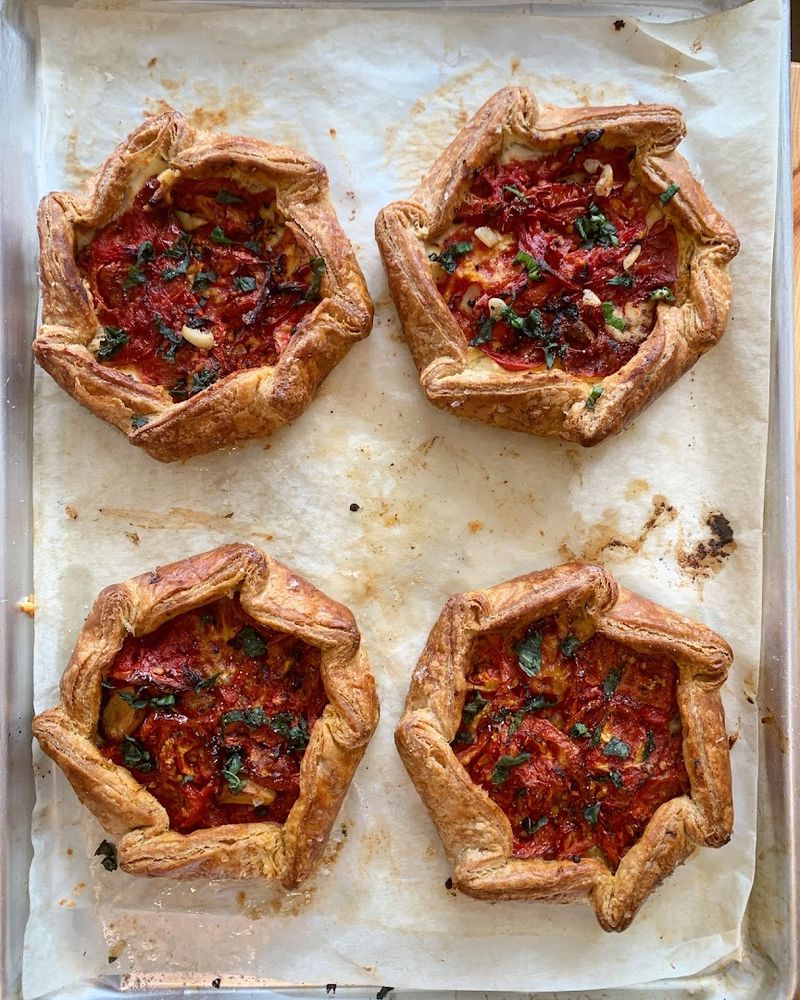
Sourcing decisions at Meg’s Bread are not incidental. A core principle behind the bakery is using high-quality, unprocessed ingredients, and that commitment runs from the flour in the bread to the produce in the sandwiches.
Stone-ground Appalachian wheat from Carolina Ground anchors the pastry and pie offerings.
Shiloh Farm, a local operation closely connected to the bakery, supplies a significant portion of the seasonal, organically grown produce used throughout the menu.
That direct relationship between farm and bakery means ingredients arrive fresh and in step with what the season actually offers.
It also means the menu shifts naturally as availability changes.
Real butter appears in the cookies and croissants. No artificial ingredients make it into any of the baked goods.
For anyone paying attention to what goes into their food, that transparency matters. This Tennessee culinary space treats sourcing as a foundational value rather than a marketing angle.
The result shows up in the flavor, the texture, and the way the food tends to sit well rather than feel heavy. Local fields and honest ingredients are genuinely at the center of what gets made here each day.
Planning Your Visit To A Beloved Cookeville Spot
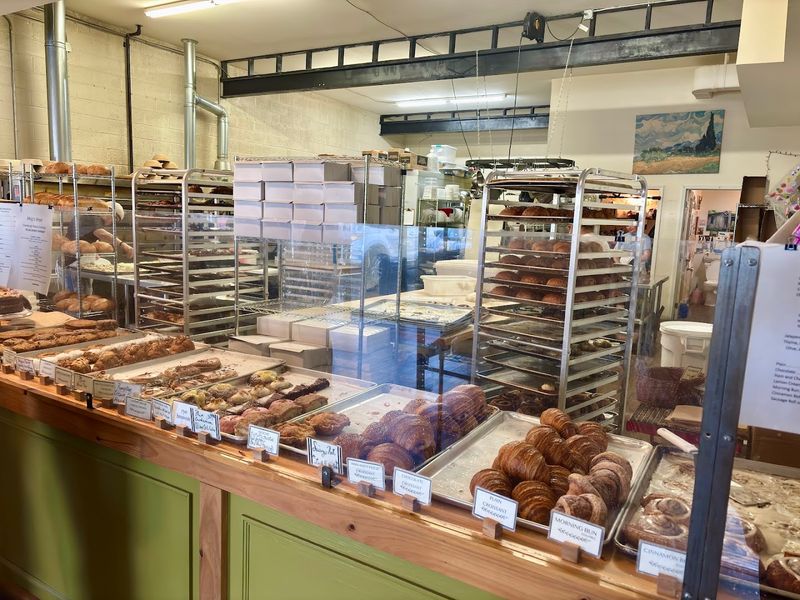
Knowing when to arrive makes a real difference at this bakery. Meg’s Bread operates Tuesday through Saturday from 9 AM to 2 PM, and popular items, especially sourdough loaves and croissants, tend to sell out well before closing time.
Getting there closer to opening gives the widest selection.
For anyone planning ahead, special orders for regular menu items require at least 48 hours notice. Custom special orders need three to four weeks of lead time.
Checking the bakery website at megsbreadtn.com before heading over is a practical step, especially for those traveling from a distance.
The location itself is straightforward to reach. Meg’s Bread sits at 52 S Cedar Ave, Cookeville, TN 38501, on the west side of the city.
Parking is generally accessible, and the building is easy to identify. Sunday and Monday are bakery closure days, so planning around Tuesday through Saturday is essential.
The mystery bag, sold at West Side Grocery on Sunday mornings, is a notable exception worth knowing about.
It typically contains day-old pastries at a reduced price and tends to move fast, so arriving early on Sundays for that specific item is equally recommended.
A Welcoming Space With Every Detail Considered
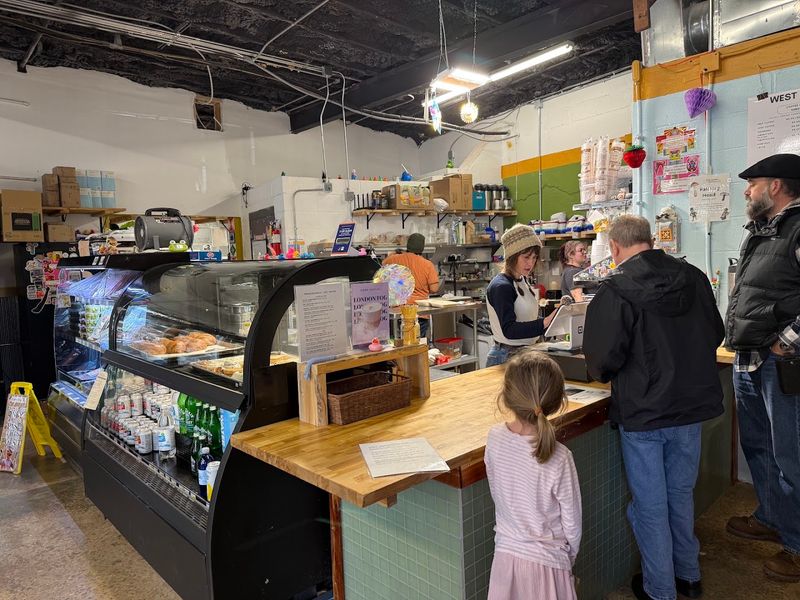
Light plays a significant role in how the space at Meg’s Bread feels throughout the morning hours. Natural light comes in generously, landing on the wooden tables and the display cases in a way that keeps the interior feeling open rather than closed off.
The layout encourages a relaxed pace.
Seating is available both inside and outside, offering options depending on the weather and personal preference. The indoor area can get lively during peak hours, with the sounds of the kitchen mixing with conversation.
That texture, the warmth, the movement, the smell of bread, creates an atmosphere that is both grounding and energizing at the same time.
Every detail in the space reflects a deliberate approach. From the ingredients on the shelves to the bread cooling on the counter, there is a cohesion to how Meg’s Bread presents itself.
Nothing feels random. The establishment has been thoughtfully arranged to serve both the quick morning stop and the longer, more leisurely visit.
Whether someone is grabbing a loaf on the way home or settling in with a coffee and a pastry, the space holds both experiences with equal ease and without any sense of being rushed out the door.
Cultivating Community Through Culinary Craft
Meg’s Bread opened in 2020 after beginning at local farmers markets and through home baking. That origin story matters because it explains the community-first energy that still runs through the place today.
It did not start as a business pitch. It started as a craft shared with neighbors.
Beyond selling bread and pastries, the bakery offers bread-making classes for those interested in learning the techniques behind naturally leavened dough.
These classes create a direct connection between the process and the person, making the knowledge accessible rather than keeping it behind the counter.
Community events, sometimes including local music and artists, have also been hosted at the location.
That combination of food, education, and local culture gives Meg’s Bread a role that extends beyond what most bakeries occupy in a town. It functions as a hub, a place where craft and community reinforce each other consistently.
This culinary space has grown into something that Cookeville residents genuinely rely on, not just for a good loaf of bread but for a sense of connection to the place they live.
That kind of establishment is not easy to build, and it is even harder to sustain over time.