
Most Visitors Overlook This Off-The-Grid South Carolina Amish Farm Stand
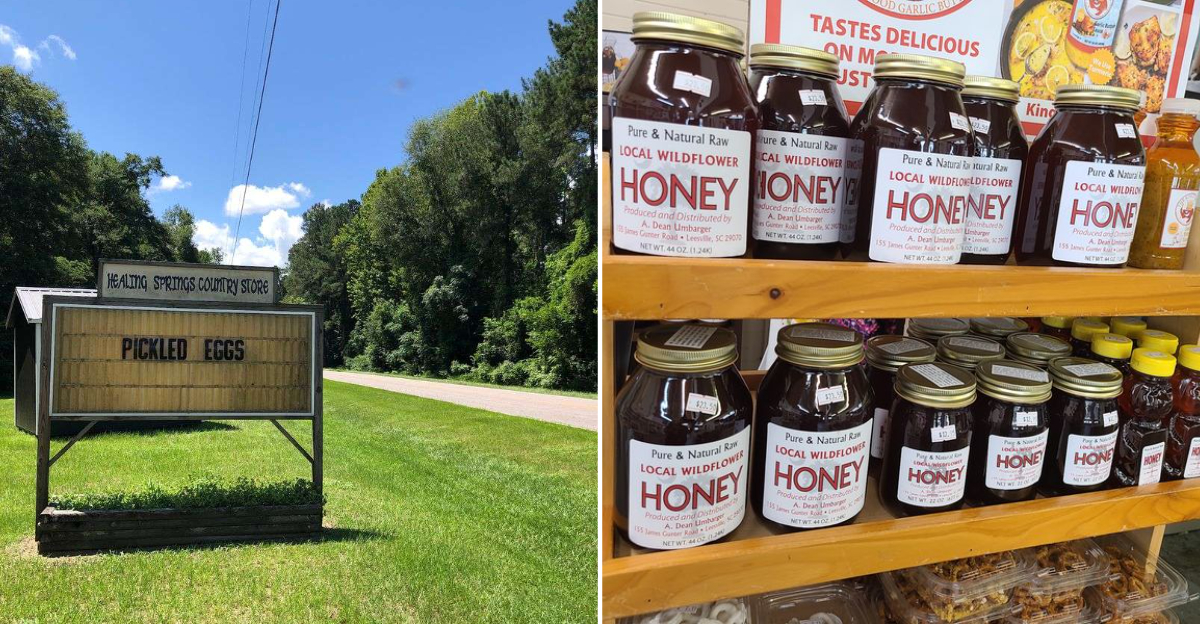
Amish places run mostly on homegrown, homemade products, and that’s exactly what customers appreciate most. This off-the-grid South Carolina farm stand gets overlooked by most visitors passing through the area.
Produce here changes with the season, never shipped in from somewhere else to fill gaps. Baked goods and preserves sit alongside fresh vegetables, all made without shortcuts or mass production.
Regulars know to check specific days for restocking, since inventory depends entirely on what’s ready that week. Nothing about the stand feels commercialized despite its growing reputation among those who find it.
Prices stay fair, reflecting the actual work behind every item rather than inflated demand. This stand proved that some of the best finds require driving somewhere most people never think to look.
Fresh Seasonal Vegetables And Fruits Selection
Produce here is the calendar, not a shipping schedule. That means what shows up depends on what the season is handing over, and South Carolina seasons are busy.
Summer usually brings tomatoes, squash, cucumbers, green beans, sweet corn, okra, and peppers. Cooler months lean toward collard greens, kale, turnips, carrots, beets, cabbage, and spinach.
Spring often means lettuce, radishes, asparagus, and broccoli looking suspiciously fresh. Local honey sits on the shelves year-round, which somehow always ends up in the shopping bag.
The Amish products are a big part of the draw, and many of them start as garden vegetables and orchard fruit. Sour kraut and spiced peaches are customer favorites for a reason.
Both come from seasonal harvests that got preserved instead of wasted. Shoppers who go in with an open mind tend to leave with things they never planned on buying.
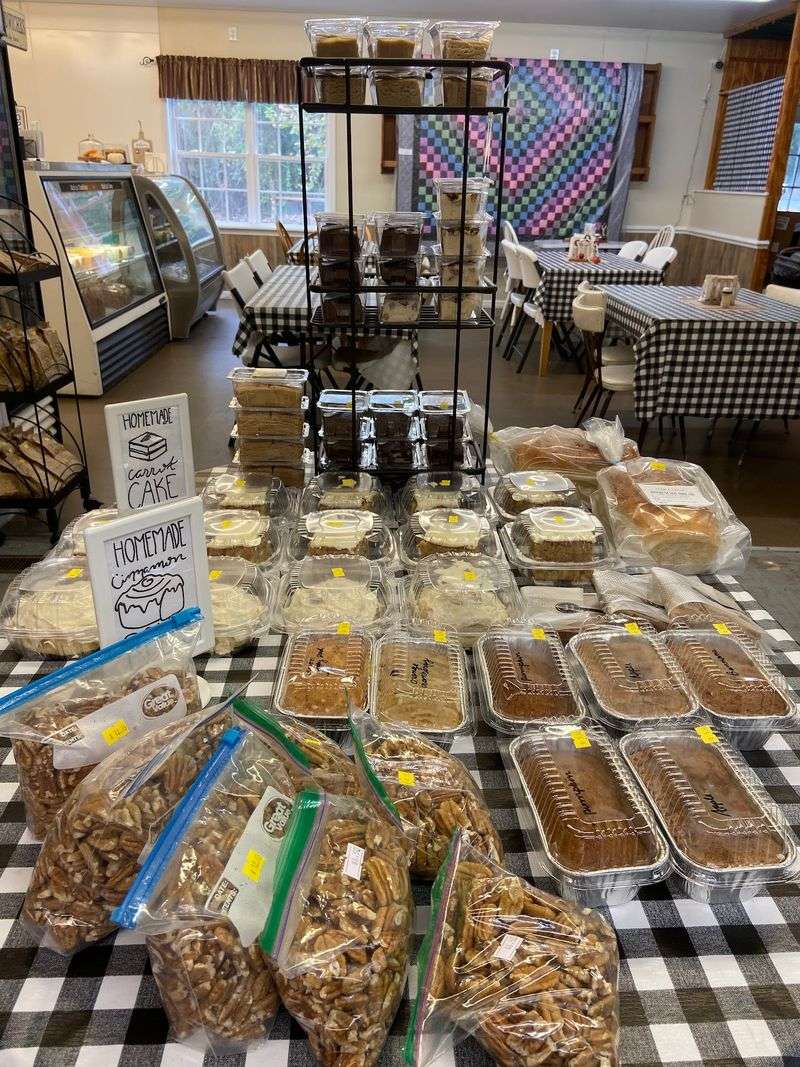
Homemade breads, cakes, cookies, and preserves round out the selection, and they use the same kind of simple ingredients. Nothing feels engineered for a warehouse shelf.
A smart move is asking what came in recently, since stock shifts constantly. Regulars know the good stuff moves fast, especially on Saturdays.
Hours run 9 AM to 3 PM Monday through Friday, 9 AM to 4 PM Saturday, and closed Sunday. Plan around that, and the trip stays stress-free.
Find it at 2563 Healing Springs Rd, Blackville, SC 29817.
Handmade Traditional Crafts And Artisan Goods
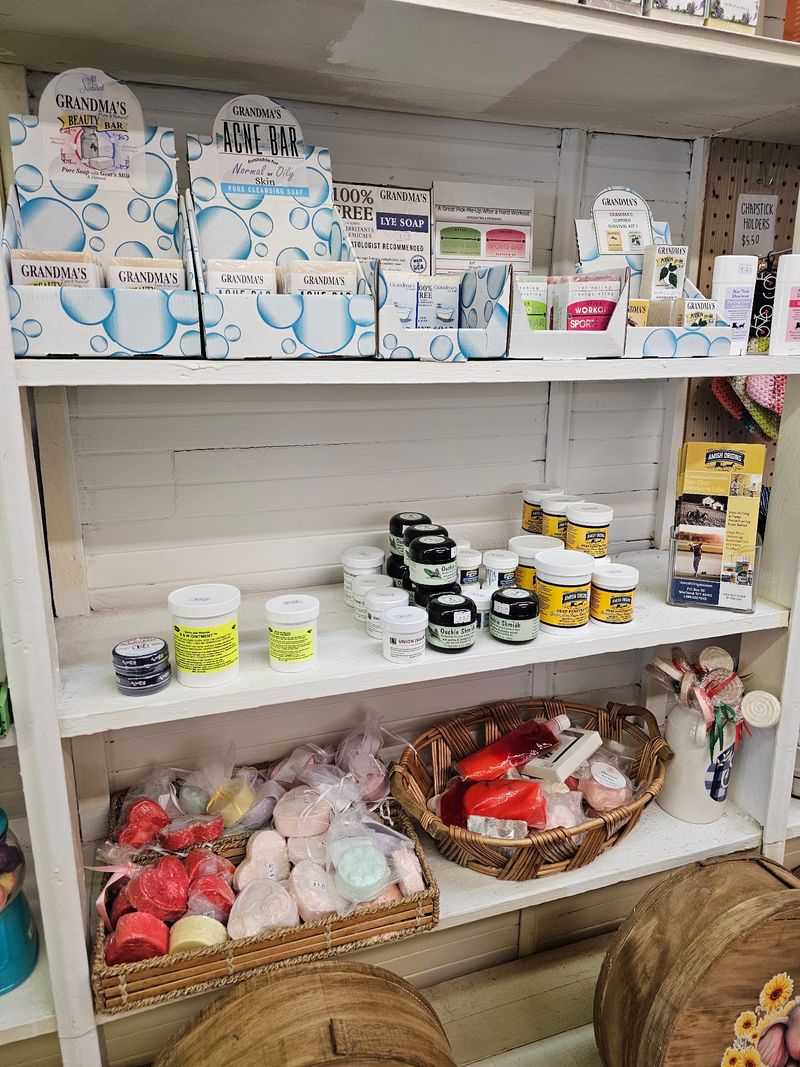
Gift shelves in country stores usually mean dusty snow globes. Not the case at this one, where the goods actually get made by hand.
Candles, unique gift items, and Amish remedies fill the front section. Jellies and local honey sit nearby, glowing like little stained glass windows when the light hits them.
Old-fashioned candies and snacks are the sneaky highlight. Drinks and treats that are hard to find elsewhere fill the shelves, which explains why people keep coming back.
Gingerbread cookies are a favorite worth stocking up on, since a single bag rarely makes it home intact. Fair advice, honestly.
Amish craftsmanship across South Carolina includes handcrafted mailboxes, lighthouses, and solid hardwood furniture. The tradition behind those pieces shows up here in smaller, easier-to-carry form.
The space itself is small, quaint, and often busy, so browsing takes patience. That is part of the charm rather than a problem.
Shoppers hunting for gifts do well here because everything feels specific to the place. A jar of preserves from a crossroads store beats another gift card.
The best plan is arriving earlier in the day when shelves are fully stocked, and the crowd is thinner.
Sustainable Farming Practices In Rural Communities

Horse-drawn plows still turn soil on Amish farms, and that choice is not just about tradition. Heavy machinery compacts soil, while horses tread lighter and keep the ground healthier.
Hand tools do much of the rest. Less equipment means less fossil fuel, which lines up with a self-sufficient way of living.
Soil health gets built the slow way. Animal manure feeds the ground, cover crops like red clover restore nutrients, and crop rotation keeps fields from wearing out.
Companion planting handles pests without chemical sprays. Certain plants simply do not get along with certain bugs, and farmers use that to their advantage.
The guiding idea is minimal intervention, working with the land rather than fighting it. Productivity matters, but so does leaving something usable for grandchildren.
Most of these farms stay small or medium-sized and family-run. Dairy, poultry, and vegetables tend to be the focus rather than one giant cash crop.
Production aims at feeding family and community first, with little interest in outside interference. Land often gets purchased within the community or from other Amish families, keeping farms consolidated and actively worked.
Shoppers at a store selling these goods are supporting that whole system indirectly. Every jar of preserves traces back to soil somebody worked carefully.
Understanding the method makes the food taste a little different, in the best possible way.
Local Recipes Featuring Farm Stand Ingredients

Ask around, and the sandwich talk starts immediately. Reubens, turkey clubs on toasted sourdough, ham off the bone, fried German bologna with cheese, barbecue, pulled pork, and loaded hot dogs with slaw, onions, and chili.
One traveler called the chili so good he turned his car around for a five-pound container. That is commitment.
Homemade breads, cakes, cookies, and preserves anchor the whole menu. Banana nut, zucchini, and cinnamon breads get named repeatedly by happy customers.
Sour kraut and spiced peaches show how seasonal produce becomes something you eat in February. Cabbage and peaches both peak briefly, then live on in jars.
Regional gardens supply tomatoes, peppers, eggplant, green beans, squash, cucumbers, and sweet corn. Those turn into relishes, casseroles, cornbread sides, and pies without much effort.
Home cooks can copy the approach easily. Slice tomatoes onto fresh bread with a little salt, or simmer peppers and squash into a summer skillet dish.
Desserts deserve their own paragraph. Homemade cheesecake, cakes, pies, cinnamon rolls, and peanut brittle all get glowing mentions from visitors.
Sides like potato salad and cole slaw come in small cups, perfect alongside a sandwich. Sweet tea, ciders including blueberry and apple cider by the gallon, grape juice, boba tea, and iced mocha round things out.
Buy ingredients, take them home, and the recipes practically write themselves.
The deli sits toward the back of the store.
Tips For Choosing The Best Produce At Market

Timing beats guessing every single time. Produce sold at farm stands is often harvested and available within a 24-hour window, so freshness is already working in your favor.
Compare that to items shipped across the country. Long trips mean early picking, and early picking means flavor never fully arrives.
Fruit and vegetables that ripen on the vine simply taste better. Sugars develop, texture improves, and tomatoes actually smell like tomatoes.
Small growers also plant varieties chosen for taste instead of durability. Commercial farms need produce that survives trucks, which is not the same goal as deliciousness.
Talking to the people behind the counter is the underrated move. Questions about how something was grown or when it arrived usually get honest, specific answers.
Buying what is in season keeps things easy. Seasonal items are more plentiful, generally cost less, and carry higher nutritional value.
A quick trick is watching what other shoppers grab first. Locals know which shelf holds the week’s best find, and copying them rarely backfires.
Bringing a cooler helps on longer drives, especially in South Carolina heat. Jars, breads, and produce all travel better that way.
Empty jugs are worth packing too, since free spring water sits just up the road at God’s Acre. People fill containers there constantly.
Show up with a flexible list rather than a rigid one and the trip pays off.
Community Impact Of Small Scale Farming
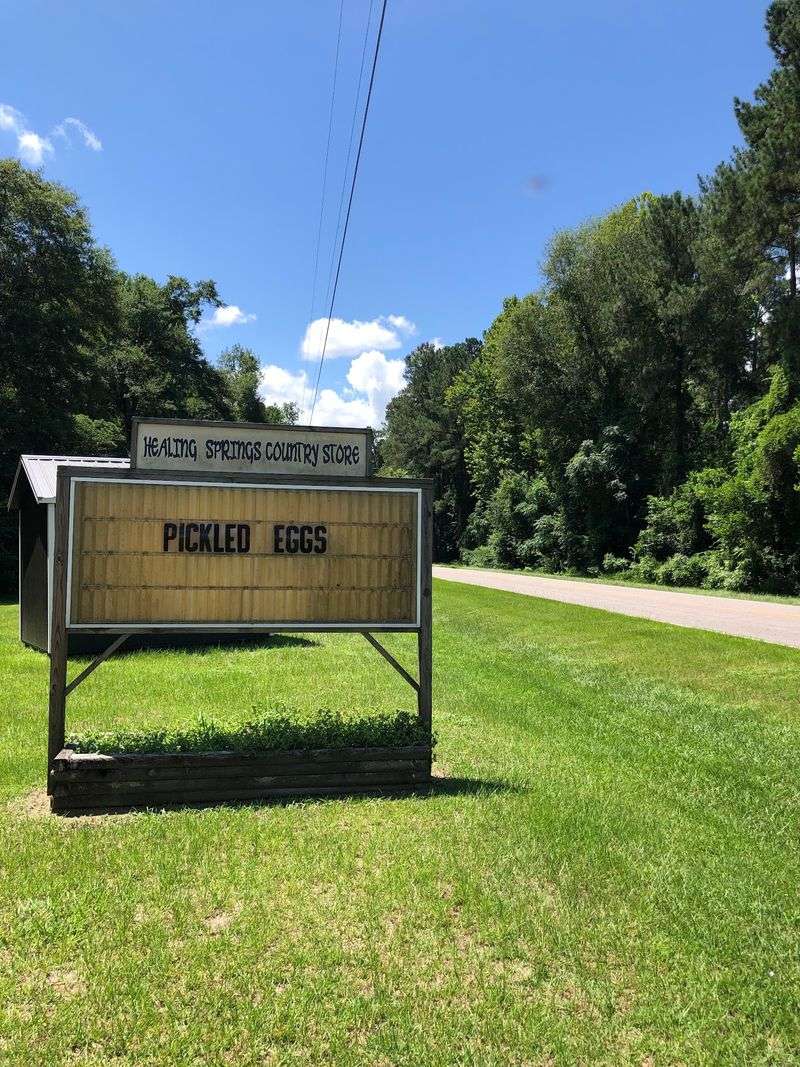
Money spent at a small farm stand behaves differently than money spent at a chain. It stays close, circulating through the region instead of leaving town immediately.
Farm families benefit first. Other family-owned businesses feel it next, since one local purchase tends to feed several others.
Some of these families have held their land for generations. Selling directly gives them a reason to keep farming rather than selling out to developers.
Local businesses also anchor a community’s economy. They add variety and create experiences that a strip mall simply cannot offer.
Jobs come along with that stability. Even a handful of positions matters in a rural county where options are limited.
Within Amish communities, sharing runs deep. Tools, equipment, and extra food move between families, and barn raisings remain the classic example of neighbors showing up for one another.
A small cafe at a rural crossroads often reflects this same spirit — a chalkboard menu, a community bulletin board, small details that reveal a tight-knit place.
With only a couple of people working the counter, service can be slower, but that pace often comes from a hands-on approach rather than a lack of effort.
Supporting a spot like this helps keep a crossroads alive — a meaningful return for the price of a sandwich.
Cultural Significance Of Amish Food Preservation
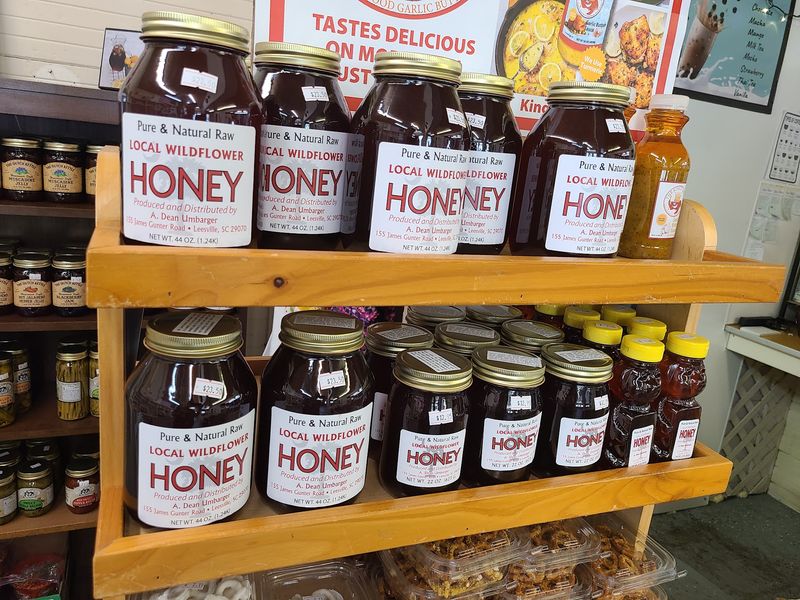
Canning is not a hobby in Amish households. It is a very popular practice built around a simple need, which is eating well through winter.
Shelves of filled jars mean a steady food supply all year. Nothing about that is decorative.
The tradition connects heritage, land, and a commitment to living sustainably. Preserving lets summer produce show up on the table in January.
Food waste drops sharply as a result. A bumper crop of peaches becomes spiced peaches instead of compost.
Recipes travel down through generations, often unchanged. Grandmothers teach daughters, who teach their own kids, and the method holds steady across decades.
Equipment stays refreshingly basic. Glass mason jars and large stockpots handle most of the work, no gadgets required.
Canning is only one piece of the puzzle. Dry curing, salt curing, smoking, sealing meat in lard, and root cellar storage all keep food safe without modern refrigeration.
Those skills exist because self-sufficiency demands them. When you cannot rely on a freezer, you learn other ways.
Store shelves reflect that history directly. Sour kraut and spiced peaches earn constant mention from customers who track them down specifically.
Picking up a jar means carrying home a technique that is older than the highway you drove in on. Worth thinking about while spreading jelly on toast.
Deli meats and cheeses sold by the pound follow similar old-school habits.
Benefits Of Buying From Family Owned Stands

Handing money straight to a farm family cuts out a long chain of middlemen. More of it stays local, which strengthens the whole regional economy.
Freshness improves too. Produce sold at these stands is often picked within 24 hours of reaching a shopper’s hands.
There is also the conversation factor. Buyers can ask the people who grew or made something exactly how it was done, and trust grows from those answers.
Shorter travel distances mean a smaller carbon footprint. Less trucking, less refrigeration, less energy burned on storage.
Crop diversity gets a boost as well. Small farms grow varieties that big distributors ignore because they do not survive weeks on a shelf.
Farmland stays farmland when small operations succeed. That matters in a county where open fields could easily become subdivisions.
What often stands out most is the personal touch. Visitors describe a friendly, laid-back atmosphere where they are treated less like customers and more like neighbors.
Owners are often known for going out of their way to accommodate requests, whether that means setting aside a larger portion or simply taking the time for a conversation.
A sign at the store noting that food is prepared by hand captures that same spirit. Simple, unpretentious, and accurate.
Seating is limited, so outdoor picnicking near the springs is a popular backup plan.