
8 Must-See Massachusetts Attractions To Visit Between World Cup Match Days
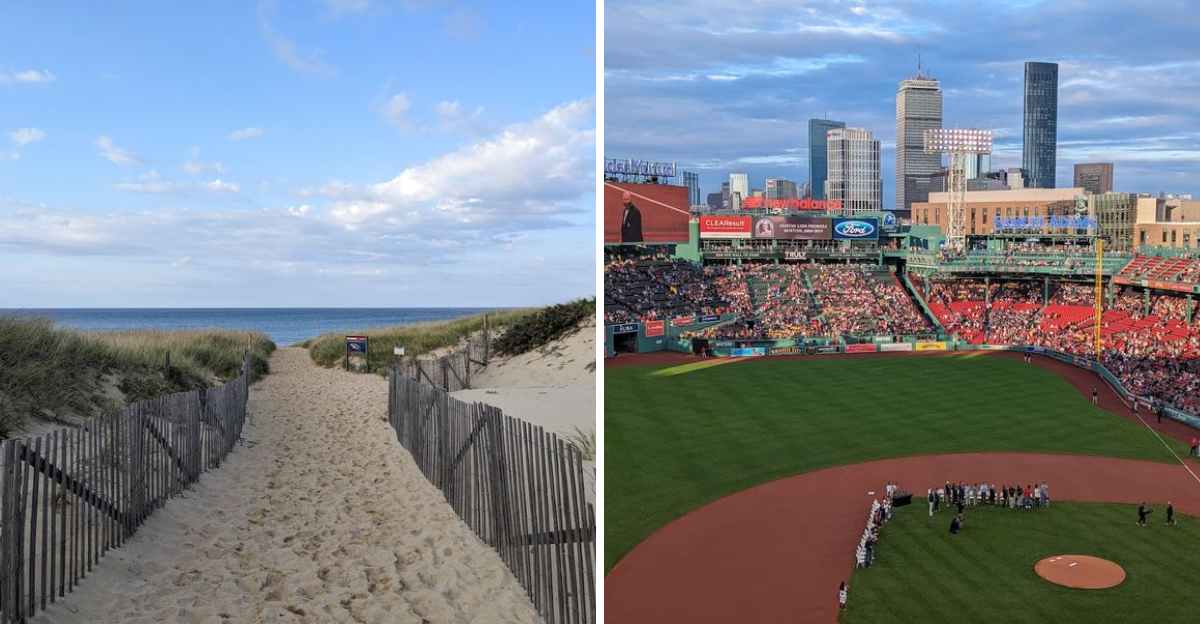
Match days bring the noise, but the time between games can be just as exciting. Massachusetts gives World Cup visitors plenty of ways to turn a free day into a real adventure.
You can chase ocean views, walk through history, grab a great meal nearby, or spend a few hours somewhere that feels completely different than the stadium crowd. That is the fun of planning around the tournament.
The schedule leaves space to explore, and this state makes that space easy to fill. Some stops are perfect for a quick outing. Others can stretch into a full afternoon without feeling rushed.
Fans already have soccer on the calendar, but the memories do not have to end when the final whistle blows. Massachusetts has the history, scenery, food, and energy to keep the trip moving.
These attractions give visitors a reason to arrive early, stay longer, and enjoy every moment between match days.
1. The Freedom Trail, Downtown Boston, Boston
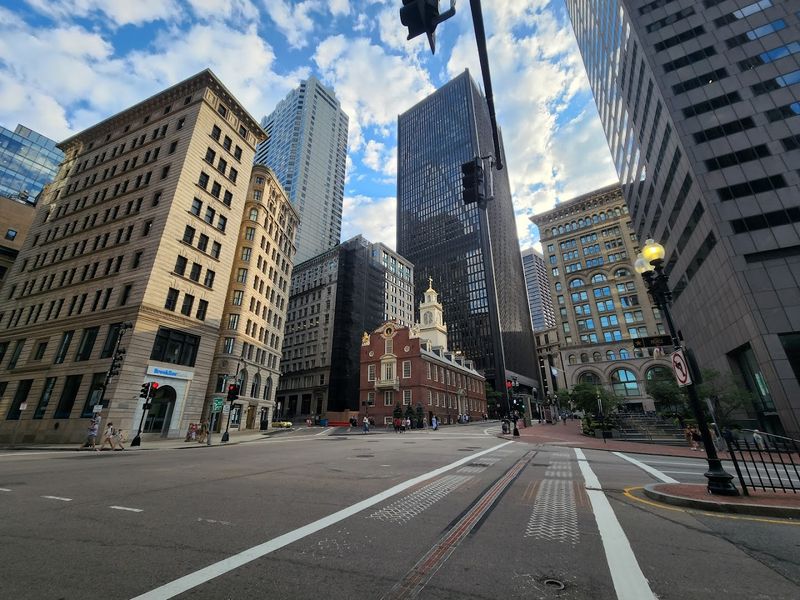
Two and a half miles of red brick lines the streets of downtown Boston, connecting 16 of the most significant sites from the American Revolution in one continuous walk.
The Freedom Trail is genuinely one of the most rewarding self-guided tours in the entire country, and the best part is that the trail itself is completely free to follow.
Start at Boston Common, the oldest public park in the United States, and let the red brick guide you from there.
Along the way, you will pass the golden dome of the Massachusetts State House, the eerie Granary Burying Ground where Samuel Adams and Paul Revere are buried, and the Old South Meeting House where colonists gathered before the Boston Tea Party.
The Old State House still stands surrounded by modern skyscrapers, a striking reminder of how old this city really is. Paul Revere’s actual home in the North End is open for tours, and it feels surprisingly small for someone who played such a large role in history.
The trail ends near the Bunker Hill Monument and the USS Constitution, the oldest commissioned warship still afloat in the world. Plan for roughly three to four hours if you stop at several sites, or a quick ninety minutes if you prefer a brisk walk with brief pauses.
Wear comfortable shoes, bring water, and keep an eye on the brick line at intersections. The trail rewards curious walkers who take their time and soak in each stop.
2. Plimoth Patuxent, 137 Warren Avenue, Plymouth
Long before the word “Thanksgiving” became a holiday staple, the English settlers and the Wampanoag people were building two very different but deeply connected worlds on the same stretch of New England coastline.
Plimoth Patuxent in Plymouth, Massachusetts, brings both of those worlds to life in a way that no textbook ever could.
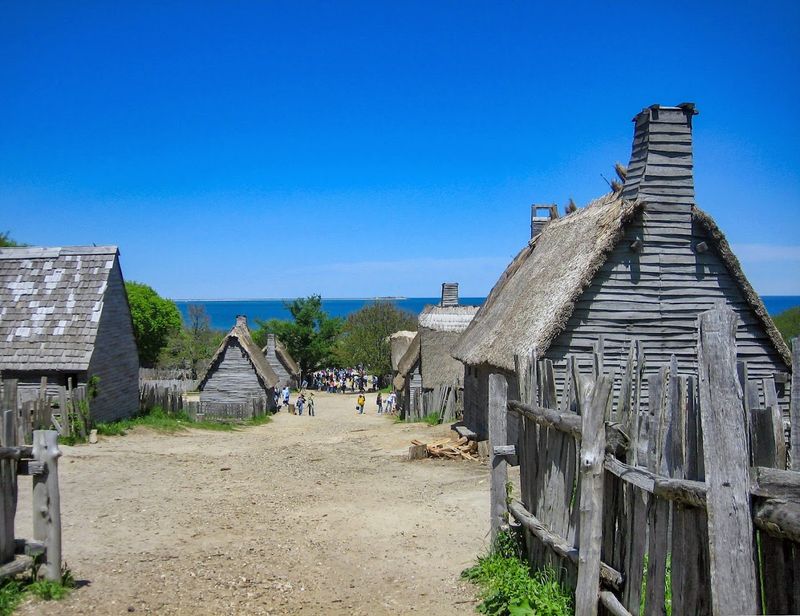
The centerpiece of the experience is the reconstructed 1627 Pilgrim Village, where costumed role-players speak, work, and live as if the year has never changed. They cook over open fires, tend to livestock, and answer your questions entirely in character.
Just as meaningful is the Historic Patuxent Homesite, where contemporary Wampanoag interpreters share the living traditions, crafts, and perspectives of their ancestors.
This part of the museum makes it clear that the Pilgrim story is only half the picture, and the Indigenous side deserves just as much attention.
The full-scale reproduction of the Mayflower II is docked nearby and is well worth boarding. Standing on the deck of that ship and imagining sixty-six days at sea gives you a whole new appreciation for what the crossing actually meant.
The museum is open from mid-March through November, so timing your visit during the World Cup window should work out perfectly. Budget at least three hours here, because rushing through Plimoth Patuxent means missing the quiet details that make it so genuinely moving.
3. Harvard Square And Harvard Yard, Cambridge
There is something undeniably energizing about walking through a place where ideas have been debated, tested, and argued over for nearly four centuries.
Harvard Square and Harvard Yard in Cambridge sit just across the Charles River from Boston, making them an easy and very worthwhile side trip on a match-free afternoon.
Harvard was founded in 1636, which makes it the oldest university in the United States, and the Yard at its center still feels like a living campus rather than a tourist attraction.
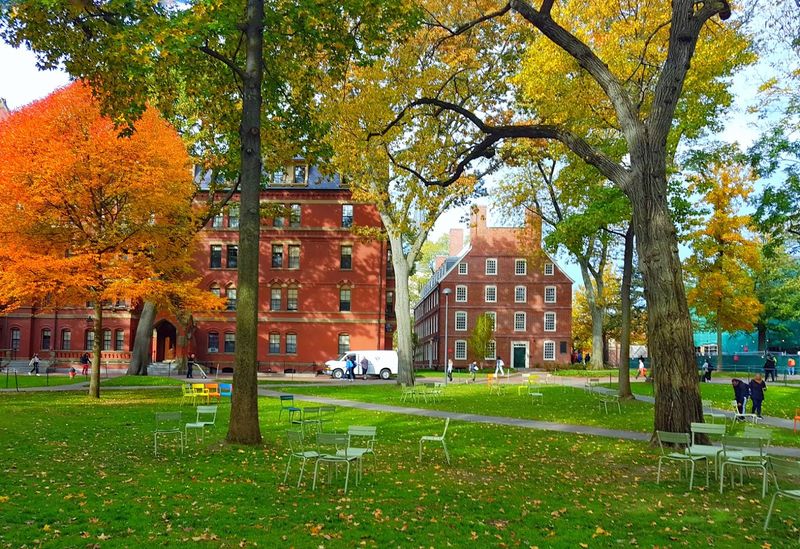
The red brick buildings, the canopy of old trees, and the occasional student rushing to class all give the place a grounded, real-world energy.
Walk through the Johnston Gate and take your time wandering past Massachusetts Hall and University Hall. The John Harvard statue in the center of the Yard is a popular photo stop, though locals love pointing out that it is actually a portrait of a random student, not John Harvard himself.
Outside the Yard, Harvard Square is a lively neighborhood packed with independent bookshops, cafes, and street musicians. The Harvard Book Store on Massachusetts Avenue is a genuine institution and a great place to spend an hour browsing.
The Harvard Art Museums offer one of the finest university art collections in the world at a very reasonable admission price. Cambridge rewards slow exploration, and Harvard Square is the kind of place you will want to return to before the tournament even ends.
4. Salem Historic District, Washington Street, Salem
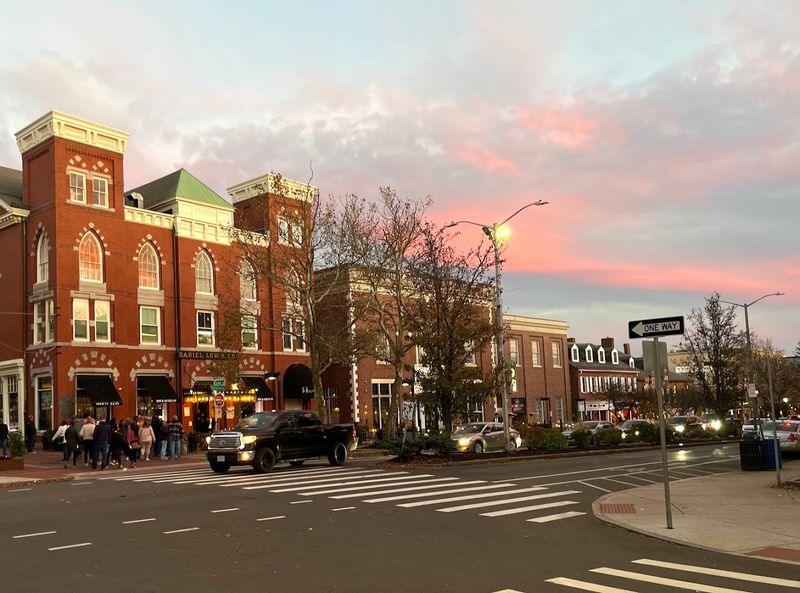
Most people arrive in Salem knowing only one chapter of its story, but the city has far more to offer than its famous 1692 witch trials.
The Salem Historic District preserves one of the most intact collections of early American architecture in New England, and walking through it feels like flipping through a very well-illustrated history book.
The Peabody Essex Museum is the crown jewel of a Salem visit and one of the finest art and culture museums in the entire country. Its collection spans maritime art, Asian export art, and American decorative arts.
For those who do want to explore the witch trials history, the Witch Trials Memorial near Charter Street is a sobering and thoughtful tribute to the twenty people who lost their lives during that period. It is quiet, understated, and far more affecting than any theatrical attraction in town.
The Charter Street Cemetery, one of the oldest in New England, sits right next to the memorial and contains the grave of John Hathorne, the judge who presided over the trials and an ancestor of author Nathaniel Hawthorne.
Salem is a year-round destination, but summer visits offer pleasant weather, open museums, and fewer crowds than the famous October rush. The city is only about thirty minutes north of Boston by commuter rail, making it a very manageable day trip between match days.
5. Fenway Park, 4 Jersey Street, Boston
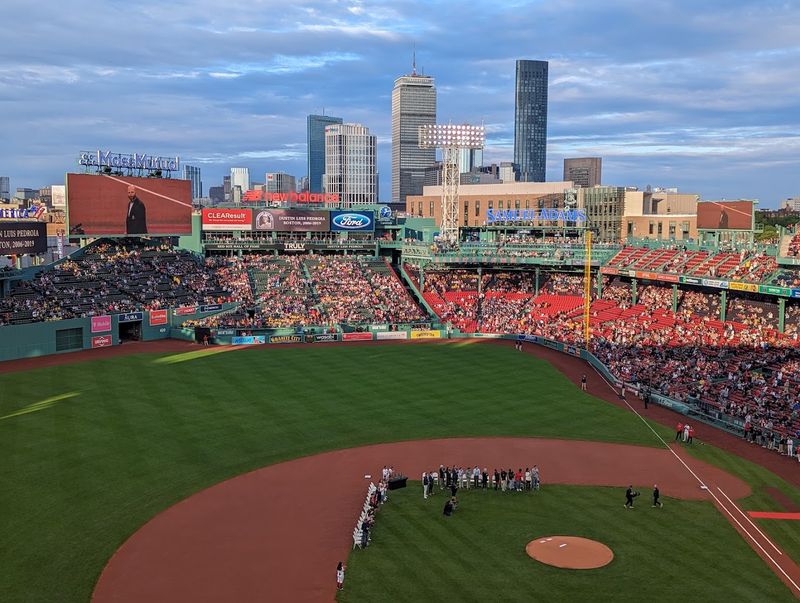
Built in 1912, Fenway Park is the oldest major league ballpark still in use in the United States, and it wears that age with enormous pride. Even if you have never followed baseball a single day in your life, standing inside this stadium feels like stepping into a piece of living American culture.
The most famous feature is the Green Monster, the towering 37-foot, 2-inch left field wall that has been confounding hitters and delighting fans for over a century. It looks even more impressive in person than it does on television, which is saying something.
Daily guided tours run throughout the year and last about one hour. Guides take you through the press box, the warning track, the visitors dugout, and up to the seats on top of the Green Monster itself, where the view of the city skyline is genuinely spectacular.
Look for Pesky’s Pole down the right field line, a yellow foul pole named after longtime Red Sox player Johnny Pesky. There is also a lone red seat in a sea of green ones, marking the spot where Ted Williams hit a 502-foot home run in 1946, the longest ever recorded at Fenway.
If a game happens to fall between your World Cup matches, grab tickets and experience the full atmosphere. The energy of a Red Sox crowd at Fenway Park on a warm summer evening is the kind of thing that sticks with you long after the final whistle of any tournament.
6. Cape Cod National Seashore, Wellfleet
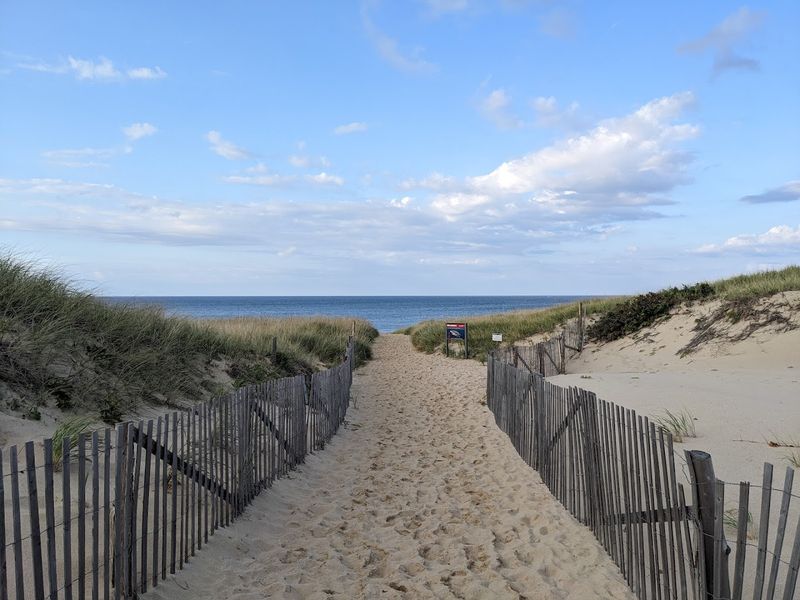
Stretching over 43,000 acres from Chatham all the way to Provincetown, Cape Cod National Seashore is one of the most beautiful protected coastlines on the entire East Coast.
President John F. Kennedy signed the legislation that created it in 1961, and the landscape has stayed remarkably wild and unspoiled ever since.
The beaches here are the main attraction, and they are stunning. Coast Guard Beach and Nauset Light Beach on the Atlantic-facing side offer powerful surf and dramatic views, while the bay-side beaches tend to be calmer and warmer.
Inland from the beaches, the seashore includes salt marshes, freshwater ponds, and forest trails that feel completely removed from the busy Cape Cod towns nearby.
The Nauset Marsh Trail near the Salt Pond Visitor Center in Eastham is a particularly rewarding walk, especially in the early morning when the light hits the water.
History fans will appreciate the Marconi Station site in Wellfleet, where Guglielmo Marconi sent the first transatlantic wireless message in 1903. The original towers are long gone, but the interpretive panels and the view from the bluff are genuinely impressive.
Cape Cod is about an hour and a half from Boston by car, and the drive itself is part of the experience. Arrive early to claim a parking spot at the popular beaches, and do not leave without trying the local clam chowder at one of the small shacks along Route 6.
7. New Bedford Whaling National Historical Park, New Bedford
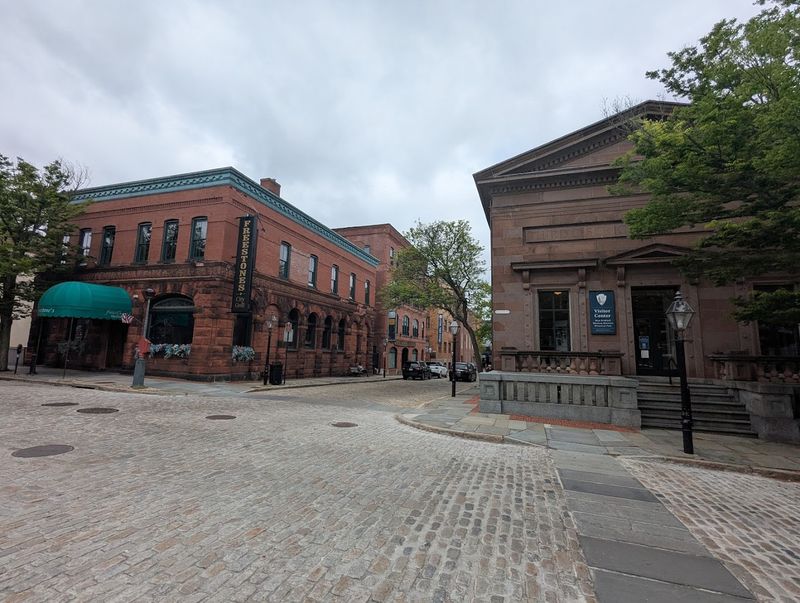
Herman Melville sailed out of New Bedford in 1841, and the experience changed his life so completely that he eventually wrote Moby-Dick.
The city has not forgotten that connection, and the New Bedford Whaling National Historical Park does an extraordinary job of preserving the world that inspired one of the greatest American novels ever written.
New Bedford was once the wealthiest city per capita in the United States, fueled almost entirely by the whaling industry during the 19th century. The park covers a thirteen-block historic district filled with cobblestone streets, Federal-style mansions, and restored waterfront buildings.
The New Bedford Whaling Museum is the largest museum in the world dedicated to the history of whaling. Its collection includes a half-scale model of a whaling ship, an enormous whale skeleton, and thousands of scrimshaw pieces carved by sailors during long voyages at sea.
The Seamen’s Bethel chapel, which Melville himself attended before his voyage and later described in Moby-Dick, still stands just across the street from the museum.
New Bedford is about an hour south of Boston and is easily combined with a visit to Plymouth or Cape Cod for a full day of coastal Massachusetts exploration. The park is free to enter, and the surrounding neighborhood has excellent seafood restaurants worth exploring after your visit.
8. Quincy Market And Faneuil Hall Marketplace, Boston
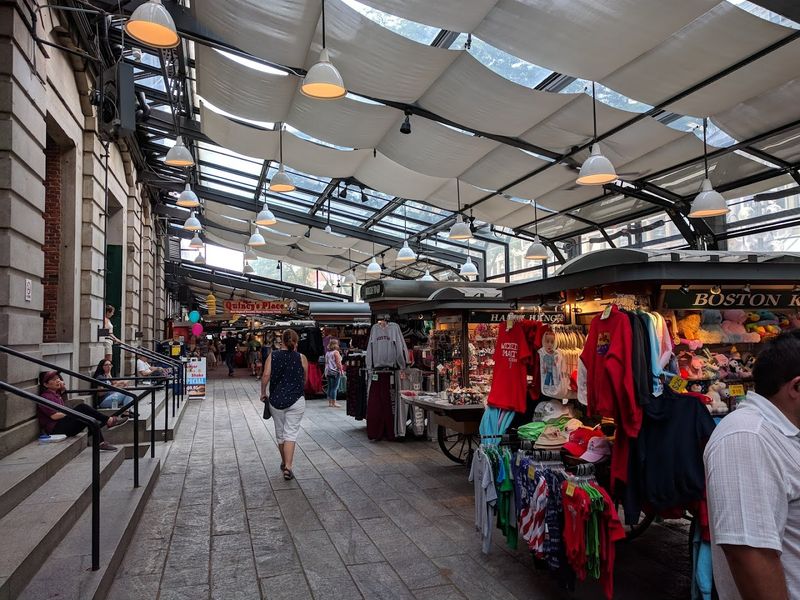
Since 1742, Faneuil Hall has stood at the heart of Boston as both a marketplace and a meeting place, earning the nickname the Cradle of Liberty for the fiery political speeches delivered inside its Great Hall.
Today, the surrounding Faneuil Hall Marketplace is one of the most visited spots in all of New England, and it earns that reputation honestly.
Quincy Market, the long granite building at the center of the complex, opened in 1826 and was one of the first large-scale commercial buildings in the United States.
The interior is now lined with food stalls offering everything from Boston clam chowder and lobster rolls to cannoli from the nearby North End.
Outside, the pedestrian plaza between the market buildings fills up with street performers on most afternoons and evenings. Jugglers, acrobats, and musicians set up in rotating spots throughout the day, and the energy can get surprisingly lively, especially on weekends.
Above the entrance to Faneuil Hall, keep an eye out for the gilded copper grasshopper weathervane that has been spinning on that rooftop since 1742.
Local legend says it was used as a symbol of recognition by Boston insiders, and spotting it still feels like a small, satisfying treasure hunt.
The marketplace sits right along the Rose Kennedy Greenway and is within easy walking distance of the Freedom Trail, the North End, and Long Wharf, making it a natural anchor point for a full day of exploring downtown Boston.