
10 Must-Visit Day Trips In Utah That Will Completely Change How You See The State
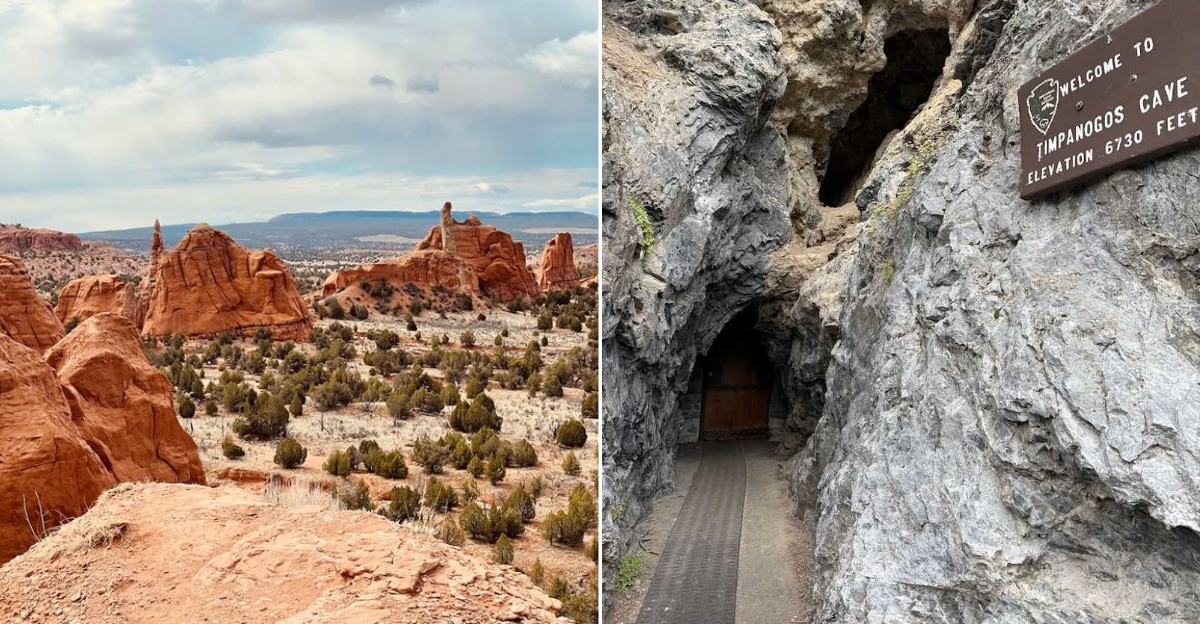
Utah is one of those states that makes you feel small in the best possible way. From wild rock formations to ancient forests, every corner has a story worth chasing.
Most people think they know Utah after visiting one or two famous parks, but trust me, they have barely scratched the surface. Get ready, because these day trips are about to flip everything you thought you knew about this incredible state.
1. Dead Horse Point State Park
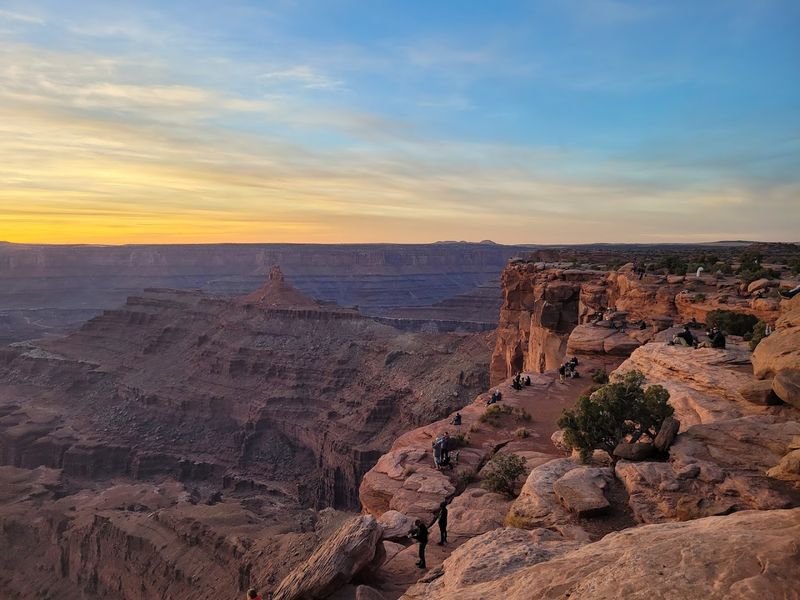
Standing at the edge of Dead Horse Point feels like the earth just dropped away beneath you. The Colorado River curls far below, shimmering like a ribbon of silver through layers of red rock.
The name alone sparks curiosity. Legend says cowboys once used this narrow mesa as a natural corral for wild horses, and the unlucky ones were left behind on the point.
Sunrise here is something else entirely. The canyon walls catch the light and glow like embers, and every photo you take looks unreal.
The park sits just 30 miles from Moab, making it a perfect morning escape. Trails along the rim are manageable and well-marked, so you do not need to be an expert hiker.
Crowds here are noticeably smaller than at nearby Canyonlands or Arches. You actually get space to breathe, think, and just stare at one of the most jaw-dropping views in the entire American West.
Bring water, wear sunscreen, and give yourself at least two hours to walk the rim trail. The viewpoint overlook is the obvious star, but the side trails reveal hidden angles worth exploring.
2. Goblin Valley State Park
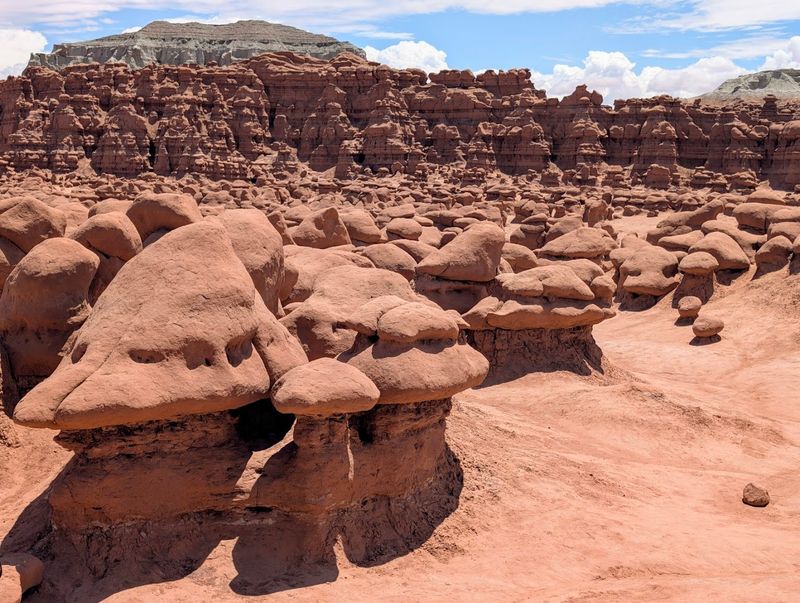
Entering Goblin Valley feels like someone shrunk you down and dropped you onto an alien planet. Thousands of sandstone formations rise from the valley floor in every direction, each one shaped like a stubby little goblin.
There are no rules about where you can walk. You are literally allowed to wander freely among the formations and even climb them, which rarely happens at protected natural sites.
The goblins, officially called hoodoos, formed over millions of years as softer rock eroded faster than the harder cap on top. The result is this wild, surreal landscape that looks sculpted by hand.
Kids absolutely lose their minds here. Adults do too, honestly.
There is something freeing about scrambling around ancient rock formations without a trail telling you exactly where to go.
Night skies at Goblin Valley are extraordinary. The park sits far from city lights, making it one of the better stargazing spots in the state.
Pack a blanket and stay past dark if you can.
The drive out is remote and beautiful, cutting through open desert with big sky views in every direction. Plan for a full day because you will not want to leave early.
Find this spot at 18630 Goblin Valley Rd, Green River, UT 84525.
3. Capitol Reef National Park
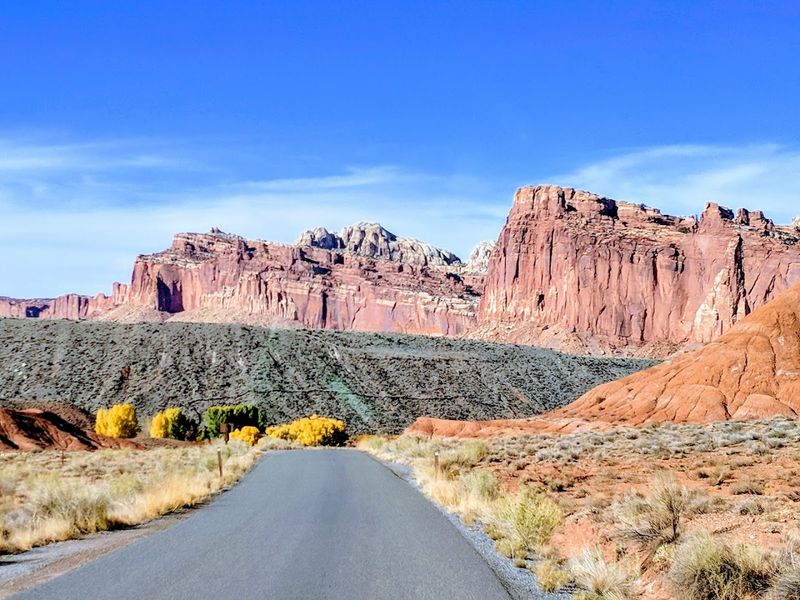
Capitol Reef is the park that serious Utah travelers call their favorite, and the casual tourists somehow keep skipping. That makes it even better for those who show up.
The centerpiece is the Waterpocket Fold, a 100-mile-long wrinkle in the Earth’s crust created by ancient geological forces. It looks like the ground just buckled under pressure and stayed that way for 65 million years.
The park sits along Utah Highway 24, which means you can see stunning scenery without even leaving your car. But the trails here reward effort.
Hickman Bridge Trail leads to a massive natural bridge that frames the sky perfectly.
One of the quirkiest features is the historic Fruita orchard. Early settlers planted apple, peach, and cherry trees, and those trees still produce fruit today.
Visitors can actually pick and eat fruit straight from the trees during harvest season.
The Capitol Dome formations, which inspired the park’s name, rise like massive white domes above the red canyon walls. They have a strangely formal presence, like nature decided to build its own government buildings.
Petroglyphs left by the Fremont people appear on canyon walls throughout the area. Finding them feels like stumbling onto a secret message from a thousand years ago.
4. Natural Bridges National Monument
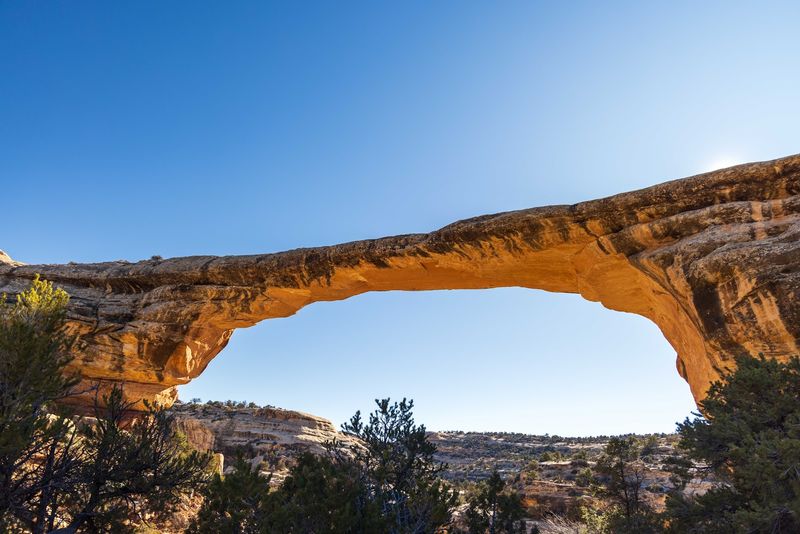
Most people have heard of arches, but natural bridges are a different thing entirely. Bridges form when rivers carve through rock over thousands of years, creating spans that look impossibly large and graceful.
Natural Bridges National Monument protects three of the largest natural bridges in the world. Sipapu, Kachina, and Owachomo each have their own character, their own size, and their own story to tell.
Sipapu Bridge is the second-largest natural bridge on the planet. Standing beneath it and looking up is the kind of moment that makes your brain short-circuit in the best way possible.
The monument was designated in 1908, making it one of Utah’s oldest protected sites. Ancient Puebloan people lived in this canyon for centuries, and their cliff dwellings are still visible in sheltered alcoves along the canyon walls.
The nine-mile loop drive connects all three bridges with short hiking trails leading down into the canyon. You can do the whole loop in a day without feeling rushed, which is a rare luxury.
At night, Natural Bridges earned the first International Dark Sky Park designation in the world back in 2007. The Milky Way here is not just visible; it is overwhelming.
5. Timpanogos Cave National Monument
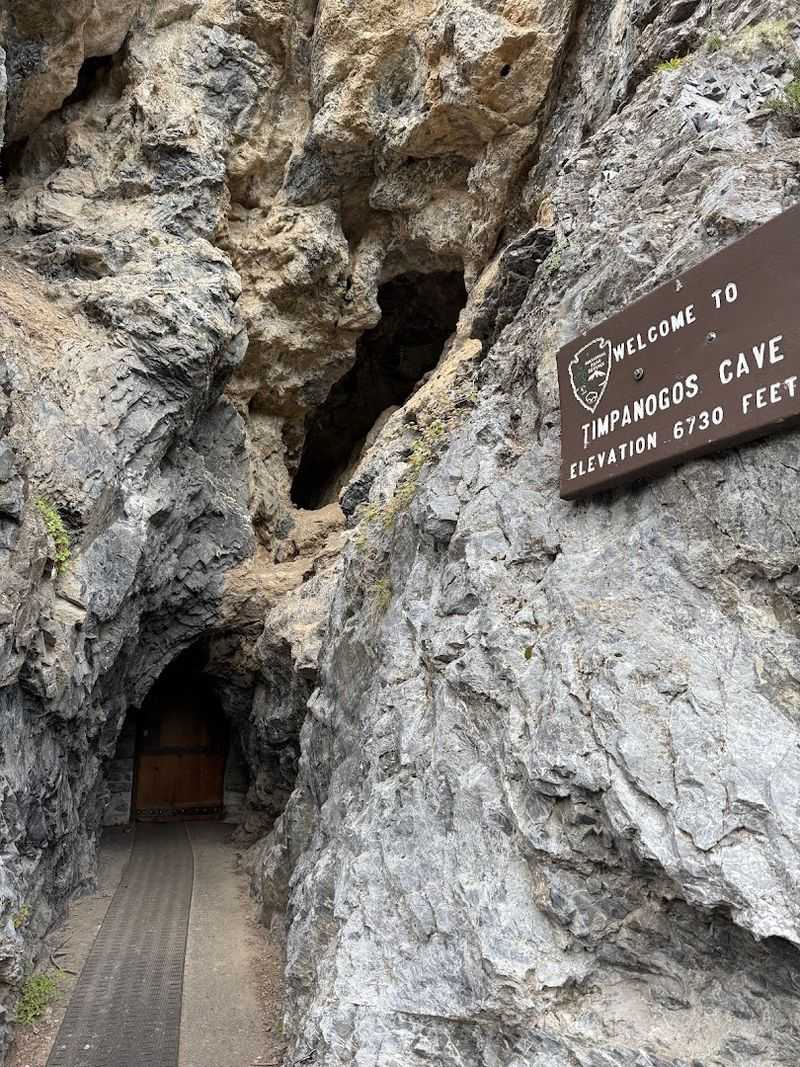
Utah day trips will take you to wide open spaces, so a cave feels like a plot twist in the best way. Timpanogos Cave National Monument hides underground in American Fork Canyon, and getting there is half the adventure.
The trail to the cave entrance climbs 1,065 feet in just 1.5 miles. It is steep and sunny, and you will absolutely feel it in your legs.
But the view of American Fork Canyon from the trail is worth every step before you even reach the cave.
Inside, the temperature drops to a cool 45 degrees year-round. After a sweaty hike up, that cold air hits like a reward.
The cave system connects three separate caverns, each with its own personality and formations.
The mineral formations inside are genuinely wild. Helictites grow in strange curling shapes that seem to defy gravity.
Stalactites drip from the ceiling in formations that took thousands of years to build.
Rangers lead guided tours through the cave, sharing the geology and the history of its discovery in 1887. The tours are fascinating and move at a comfortable pace for most ages and fitness levels.
Reservations fill up fast during the summer months, so book ahead. Arriving early gives you the best chance at a morning tour before afternoon crowds build.
Find Timpanogos Cave National Monument, 2038 E Alpine Loop Rd, American Fork, UT 84003.
6. Dinosaur National Monument
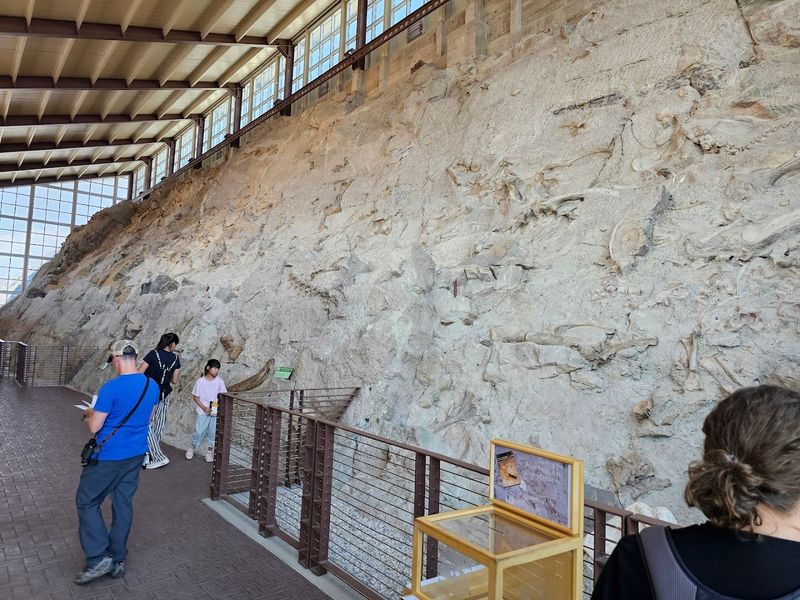
Imagine a wall with over 1,500 actual dinosaur bones embedded right in the rock, exactly where they were found. That is not a museum display.
That is the Quarry Exhibit Hall at Dinosaur National Monument, and it is completely real.
The monument straddles the Utah-Colorado border, but the famous fossil wall sits on the Utah side near Jensen. Paleontologists have been excavating here since 1909, and they intentionally left hundreds of bones in place for visitors to see in context.
Seeing Allosaurus, Stegosaurus, and Brachiosaurus remains in the actual ground where they came to rest millions of years ago is a different experience from any museum. The scale of the bones is staggering up close.
Beyond the fossils, the monument covers over 200,000 acres of rugged canyon country. The Green and Yampa Rivers cut dramatic gorges through the landscape, and river rafting trips through these canyons are legendary among outdoor enthusiasts.
Petroglyphs and pictographs left by ancient Native American cultures appear throughout the monument. The Fremont people carved detailed figures into canyon walls, and some panels are remarkably well-preserved after a thousand years.
The visitor center near Quarry Exhibit Hall has interactive displays that make the geology and paleontology accessible to all ages. Kids leave with a serious dinosaur obsession, guaranteed.
7. Kodachrome Basin State Park
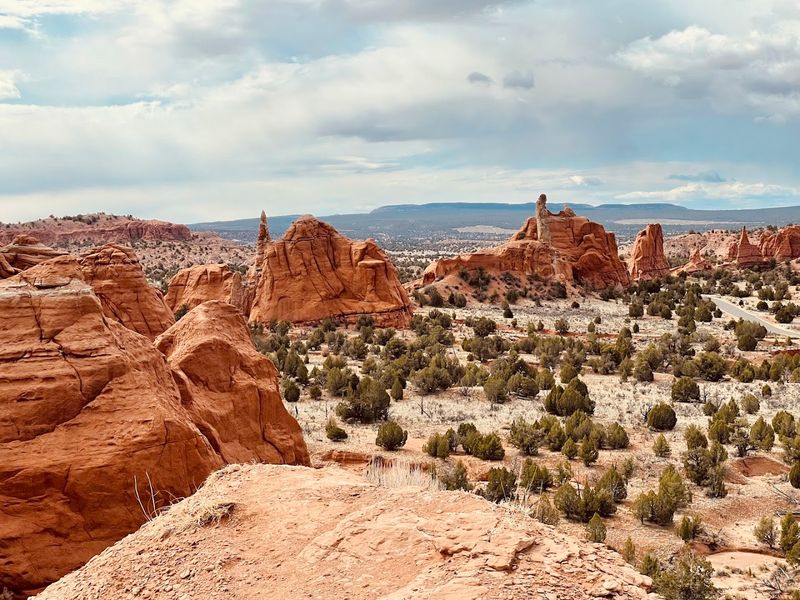
National Geographic named this park back in 1949, and the name Kodachrome stuck because the colors here look almost too vivid to be real. Sixty-seven sandstone spires shoot straight up from the desert floor like nature decided to go vertical.
These spires are called sand pipes, and scientists still debate exactly how they formed. One leading theory suggests ancient geysers deposited sediment that hardened over time while the surrounding rock eroded.
The result is genuinely bizarre and beautiful.
The park sits near Bryce Canyon but gets a fraction of the visitors. Trails here feel peaceful and unhurried, which is increasingly rare in Utah’s most popular areas.
The Panorama Trail loops through the basin and shows off the best spire clusters.
Wildlife sightings are common. Mule deer, pronghorn, and various bird species move through the park regularly.
Bring binoculars because the open terrain makes spotting animals much easier than in densely forested areas.
Camping here is genuinely excellent. The campground sits right among the spires, so waking up to that view every morning feels surreal.
Day visitors still get plenty of time to explore before the light fades.
The color palette at golden hour is extraordinary. Pink spires against a purple sky is not an exaggeration; it is just Tuesday evening at Kodachrome.
8. Antelope Island State Park
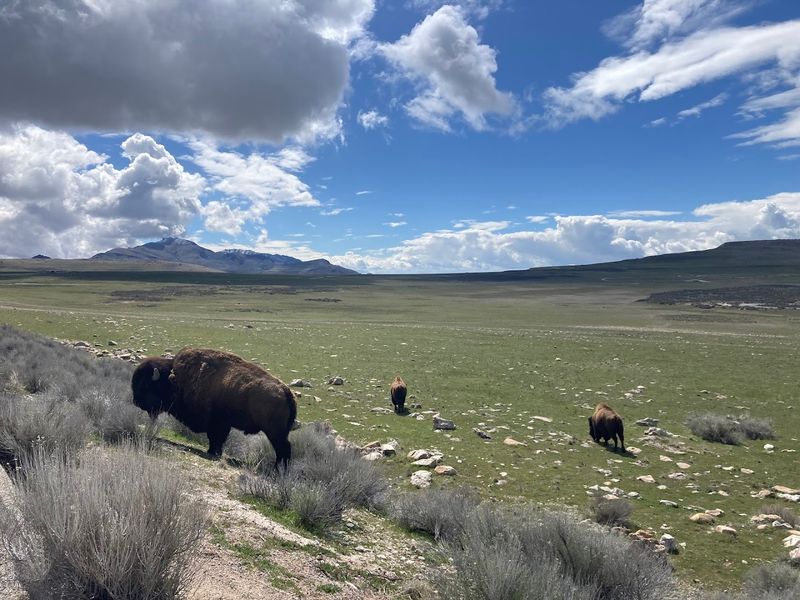
Driving across a causeway over the Great Salt Lake to reach an island full of wild bison is not something most people expect from a Utah day trip. Antelope Island delivers that exact experience, and it never gets old.
The island is the largest in the Great Salt Lake and home to one of the oldest and largest publicly-owned bison herds in the country. About 700 bison roam freely across the island, and you can often spot them from the road without even hiking.
The lake itself is fascinating and strange. The water is saltier than the ocean, which means you float effortlessly at Bridger Bay Beach.
It is an odd sensation, bobbing on the surface without effort, surrounded by mountains in every direction.
Brine shrimp and brine flies thrive in the hyper-salty water, which draws enormous flocks of migratory birds. Birders consider Antelope Island one of the best spots in the entire western United States for shorebird watching.
Hiking trails cover the island’s interior, climbing into the Antelope Island Mountains for panoramic views of the lake and the Wasatch Range. The Frary Peak trail is the most challenging and the most rewarding.
Sunsets from the island are legendary. The lake reflects the colors in a way that makes the whole sky look doubled.
9. Escalante Petrified Forest State Park
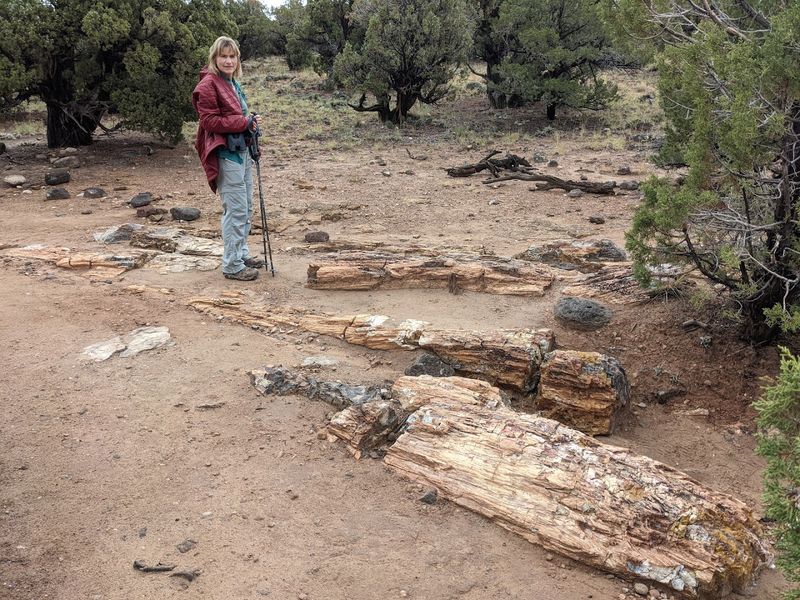
Petrified wood sounds mildly interesting until you hold a piece and realize you’re touching a tree that turned to stone 140 million years ago. Escalante Petrified Forest State Park makes that feeling accessible and free to explore.
The park protects an impressive concentration of petrified wood scattered across a colorful landscape of purple, lavender, and gray badlands. The colors alone are worth the drive before you even factor in the fossils.
Two short trails loop through the best petrified wood concentrations. The Petrified Forest Trail is under two miles and passes logs that still show their original wood grain and bark texture, just replaced entirely by silica crystal over millions of years.
Wide Hollow Reservoir sits right next to the park and adds a completely different vibe to the visit. Kayaking, fishing, and swimming are all available, making this a genuinely versatile stop for groups with different interests.
The visitor center has excellent interpretive displays explaining how wood becomes stone through a slow mineral replacement process. Understanding the science somehow makes the formations feel even more impressive.
Escalante town itself is a great launching point for Grand Staircase-Escalante National Monument, so combining both in one day trip is absolutely worth planning. The landscape between them is dramatic and constantly changing.
Visit Escalante Petrified Forest State Park at 710 Reservoir Rd, Escalante, UT 84726.
10. Fremont Indian State Park
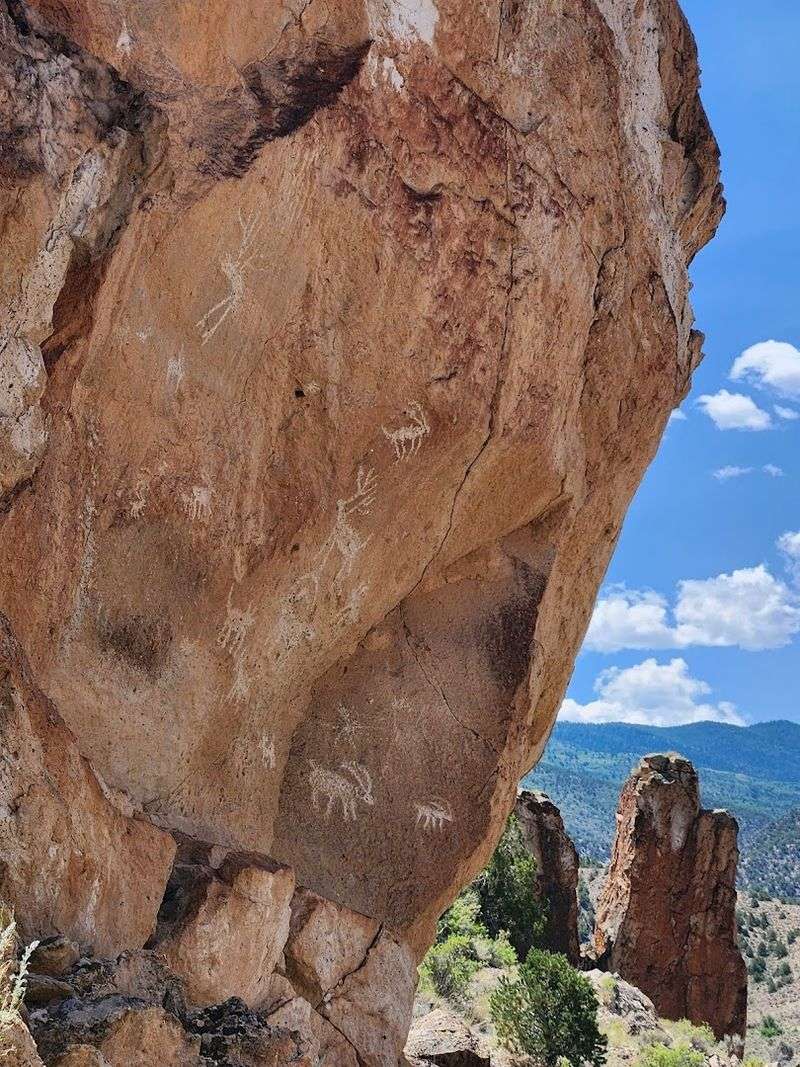
Around 1,300 years ago, a people called the Fremont lived throughout this canyon, leaving behind one of the largest collections of rock art ever found in one place in Utah. Discovering their story here feels genuinely humbling.
The park came about almost by accident. During the construction of Interstate 70 through Clear Creek Canyon in the 1980s, workers uncovered a massive Fremont village site.
Archaeologists scrambled to excavate before the highway was finished.
Today, the park protects thousands of petroglyphs and pictographs carved and painted onto canyon walls throughout the area. Some panels are immediately visible from short walking trails.
Others require a bit more searching, which makes finding them feel like a real discovery.
The Fremont people were distinct from other ancient cultures of the Southwest. They had their own pottery style, their own moccasin design, and their own artistic traditions.
The figures they carved into rock often feature elaborate headdresses and trapezoidal bodies.
The park museum is genuinely excellent and free with park admission. Artifacts recovered from the excavation are displayed with clear explanations of daily Fremont life, diet, and social structure.
Spending an hour there before hiking the trails makes everything you see outside more meaningful.
Clear Creek Canyon itself is scenic and peaceful, with the creek running alongside the trail. The combination of history, art, and natural beauty makes this one of Utah’s most underrated day trips.
Find this place at 3820 W Clear Creek Canyon Rd, Sevier, UT 84766.