
Nashville, Tennessee Has 8 Museums And Galleries That Are Completely Free
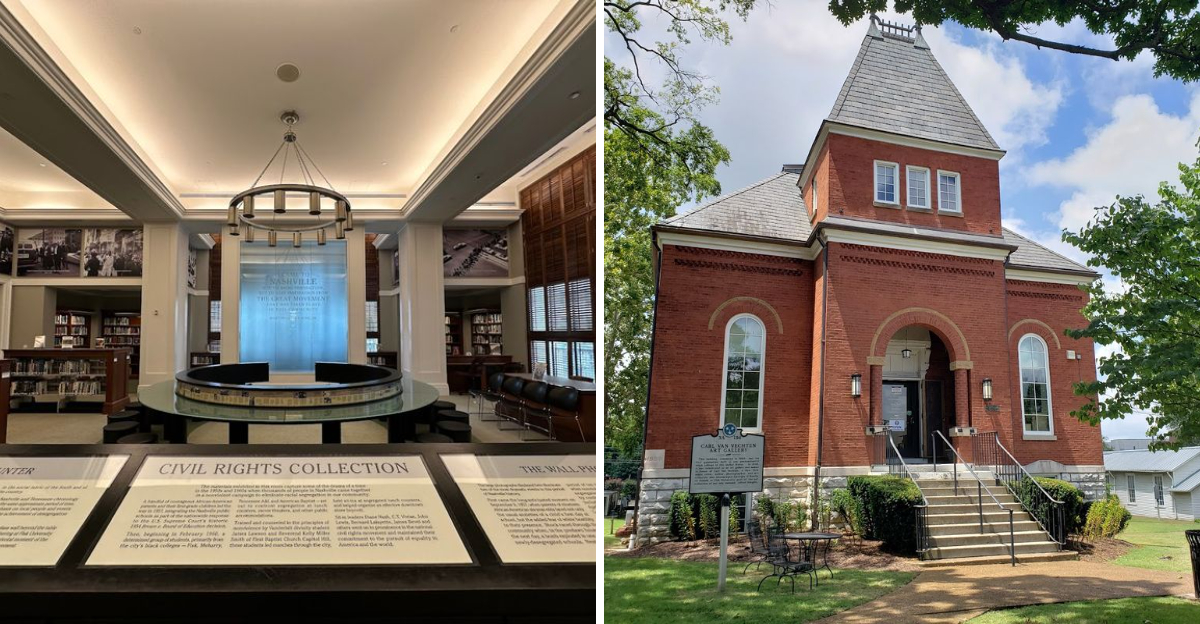
A fun day in Nashville does not have to drain your wallet. Tennessee’s capital may be known for music, hot chicken, and busy nights, but its free museum and gallery scene deserves real attention too.
Want history, art, culture, and a little quiet time without paying at the door? This city makes it surprisingly easy.
You can step inside spaces filled with state stories, powerful exhibits, creative work, old artifacts, and local voices that help Nashville feel bigger than its famous entertainment streets.
Some stops are perfect for families. Others are better for slow afternoons, solo wandering, or a low-cost date idea. That is the beauty of it. You get something interesting to do, something new to learn, and still keep your budget happy.
These free Nashville museums and galleries prove that a great day out does not always need a ticket.
1. Tennessee State Museum
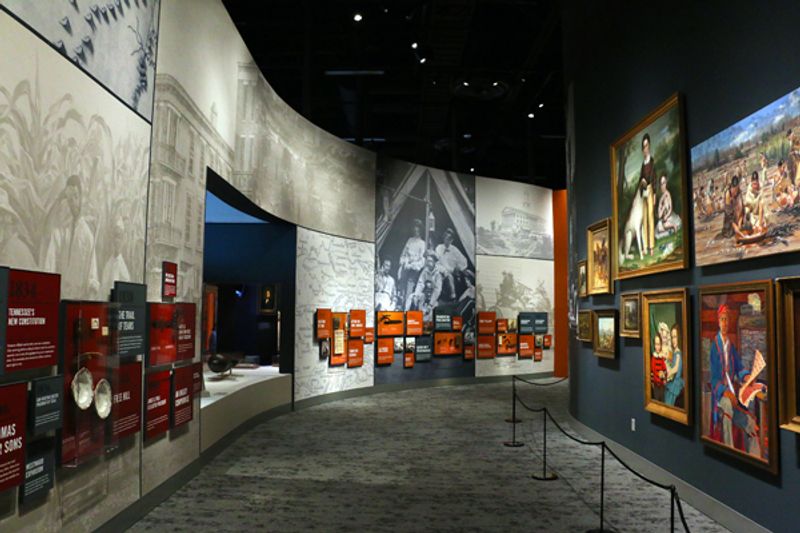
Few museums in the American South can match the sheer scale and storytelling power of the Tennessee State Museum at 1000 Rosa L Parks Blvd in downtown Nashville.
Spanning an impressive 137,000 square feet, this museum takes visitors on a journey through Tennessee’s history, from the earliest Indigenous peoples all the way to the modern era.
Six permanent exhibits anchor the experience, each packed with authentic artifacts, engaging films, and interactive displays that bring the past to life in vivid detail.
One of the real crowd-pleasers is the Children’s Gallery, a hands-on space where younger visitors can touch, explore, and learn without being told to keep their hands to themselves.
The museum also hosts rotating temporary exhibitions, so even if you have visited before, there is a good chance something new is waiting for you on your next trip.
Storytime events are offered regularly, making this a fantastic destination for families traveling with small children who might not yet have the patience for long exhibit halls.
Admission is completely free for everyone, which means there is no reason to rush through the galleries trying to feel like you got your money’s worth. The museum sits in a part of downtown Nashville that is easy to reach and surrounded by other landmarks worth exploring on foot.
Consider arriving early on a weekday to beat the crowds and give yourself enough time to absorb everything this remarkable institution has to offer.
2. Tennessee Agricultural Museum
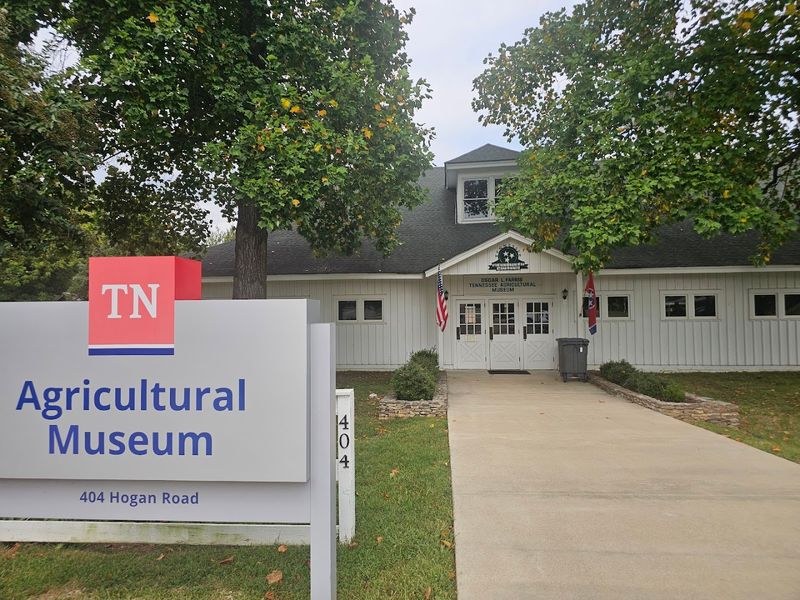
The Tennessee Agricultural Museum at 404 Hogan Rd is one of those places that sneaks up on you with how genuinely fascinating it turns out to be.
The museum traces the story of farming in Tennessee from the 1800s into the early 20th century, using a rich collection of home and farm artifacts that feel less like museum pieces and more like windows into real lives.
Cast-iron cookware, hand-hewn tools, spinning wheels, and antique plows fill the space with a tangible sense of the hard work that shaped this state’s agricultural identity.
Step outside and the experience only gets better, with historic log cabins standing on the property alongside carefully maintained heirloom gardens that showcase plants grown by Tennessee families generations ago.
A wooded trail winds through the grounds, offering a peaceful walk that feels far removed from the busy streets of Nashville just a short drive away.
Admission is free, and the museum is generally open on weekdays, making it a perfect mid-week stop for visitors who want to see a quieter, more reflective side of Tennessee’s heritage.
The staff here tend to be genuinely enthusiastic about the subject matter, so do not hesitate to ask questions if something catches your eye.
South Nashville does not always make the top of tourists’ itineraries, but this museum is a compelling reason to point the car in that direction and spend a couple of relaxed hours exploring.
3. Vanderbilt University Museum Of Art
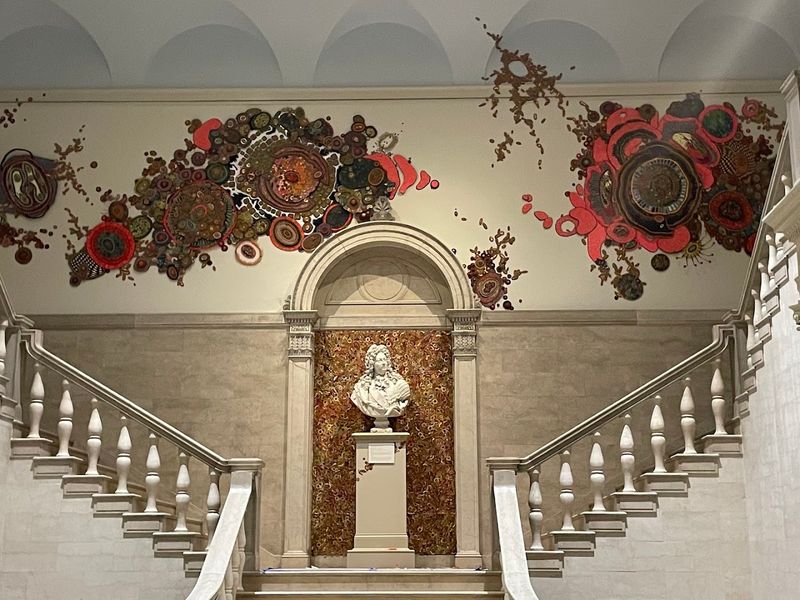
Housed inside the elegant Cohen Memorial Hall at 1220 21st Ave S on the Vanderbilt University campus in Nashville, the Vanderbilt University Museum of Art is the kind of place that rewards curiosity at every turn.
The permanent collection holds more than 7,000 works spanning thousands of years of human creativity, from ancient artifacts to striking contemporary pieces that feel completely at home in the 21st century.
Six exhibitions rotate through the gallery each year, which means the experience is genuinely different depending on when you visit, giving repeat visitors a solid reason to come back.
The range of artistic styles on display is one of the gallery’s greatest strengths, with works representing cultures and time periods from across the globe sitting side by side in thoughtfully curated arrangements.
Visiting a university art museum carries its own particular atmosphere, one that feels scholarly and open at the same time, encouraging visitors to look closely and think carefully about what they are seeing.
The gallery is open on both weekdays and weekends, which makes it easier to fit into almost any travel schedule without much planning required.
Admission is completely free, and the Vanderbilt campus itself is a beautiful place to spend time, with tree-lined paths and impressive architecture surrounding the gallery on all sides.
After your visit, the surrounding neighborhood along 21st Ave S offers plenty of options for coffee or a casual meal, making it easy to turn this into a full and satisfying afternoon out in Nashville.
4. Cooter’s Nashville
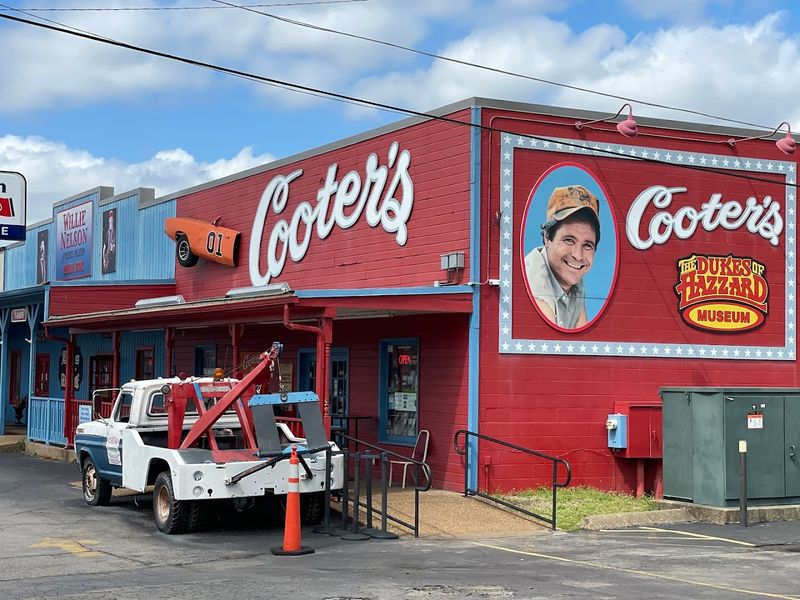
If you grew up watching the General Lee jump over things it had absolutely no business jumping over, then Cooter’s Nashville at 2613B McGavock Pk is going to feel like walking straight into your childhood Saturday mornings.
This free museum and store is dedicated entirely to the beloved television series “The Dukes of Hazzard,” and it is run by Ben Jones, the actor who played Cooter the mechanic on the original show.
Inside, you will find an impressive collection of memorabilia, including replica General Lee cars, costumes, props, and photographs that span the full run of the series and beyond.
The museum sits in the Opryland area of Nashville, making it a convenient add-on to a visit to the nearby Grand Ole Opry or Opry Mills shopping center.
What makes this spot particularly special is the personal touch that Ben Jones brings to the whole operation. The items on display feel curated with genuine affection rather than corporate detachment.
Visitors of all ages tend to find something to enjoy here, even those who have never seen a single episode of the show, because the collection tells a broader story about American pop culture in the late 1970s and early 1980s.
Admission is free, though the gift shop inside offers plenty of souvenirs if you feel the urge to take a little piece of Hazzard County home with you.
Cooter’s Nashville is one of those places that exists nowhere else on earth, and that alone makes it well worth the detour.
5. Fisk University Galleries (Carl Van Vechten Gallery And Aaron Douglas Gallery)
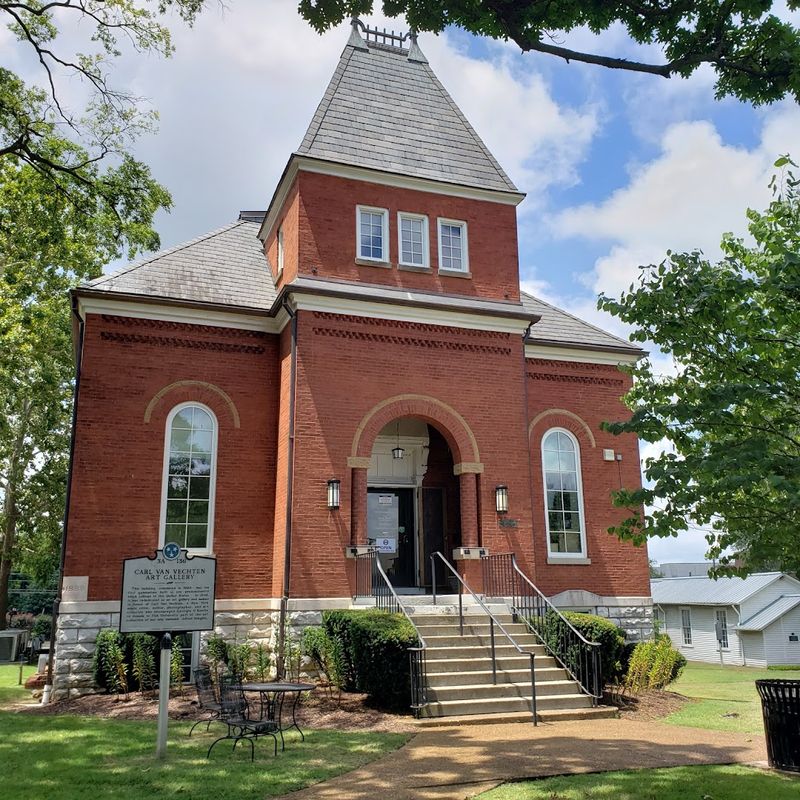
Art history has a complicated relationship with whose work gets celebrated and whose gets overlooked, which is exactly why the galleries at Fisk University in Nashville feel so important and so necessary.
The Carl Van Vechten Gallery houses the Alfred Stieglitz Collection, a remarkable group of works donated to Fisk by Georgia O’Keeffe that includes pieces by Picasso, Renoir, Cezanne, and O’Keeffe herself.
The fact that a historically Black university holds one of the most significant art collections in the American South is a story worth sitting with for a moment, because it speaks to the vision and ambition that has always defined Fisk.
The Aaron Douglas Gallery, also on campus, focuses specifically on African American art and cultural history, celebrating the legacy of Aaron Douglas, one of the leading figures of the Harlem Renaissance.
Together, these two galleries offer a depth of artistic and cultural experience that is genuinely rare, especially for a free admission venue.
The Fisk University campus itself carries a powerful sense of history, with buildings and grounds that reflect more than 150 years of education and community leadership in Nashville.
Visiting here feels like more than just a gallery trip. It feels like an education in American art, culture, and the stories that do not always make it into mainstream museum collections.
Plan to spend at least a couple of hours here, because rushing through either gallery would mean missing the full weight of what these collections represent.
6. Fort Negley Visitors Center
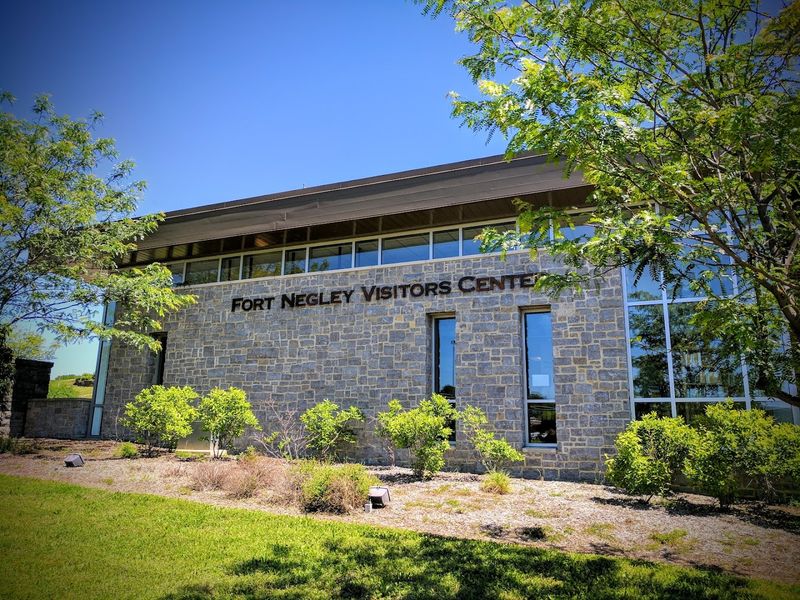
Standing on a hill just south of downtown Nashville, Fort Negley carries a weight of history that you can almost feel in the air around its weathered stone walls.
Built during the Civil War, Fort Negley at 1100 Fort Negley Blvd holds the distinction of being the largest inland masonry fort constructed during that entire conflict, a fact that tends to stop visitors in their tracks when they first hear it.
The free visitors center provides essential context for understanding what you are looking at, with interactive exhibits that explain the fort’s construction, its military significance, and the role it played in the Union Army’s occupation of Nashville.
One of the most sobering aspects of the site’s history is the story of the enslaved people and free Black laborers who were forced to build the fort under brutal conditions.
The ruins themselves are open for exploration, and walking through the remaining walls gives a visceral sense of the scale and ambition of the original structure.
Views from the hilltop extend across a wide swath of Nashville, offering a perspective on the city that feels both beautiful and historically loaded given what happened on this ground.
The site is managed by Metro Nashville Parks, and admission to both the ruins and the visitors center is completely free of charge. Fort Negley is the kind of place that stays with you long after you have driven back down the hill and returned to the noise of the city below.
7. Civil Rights Room At Nashville Public Library
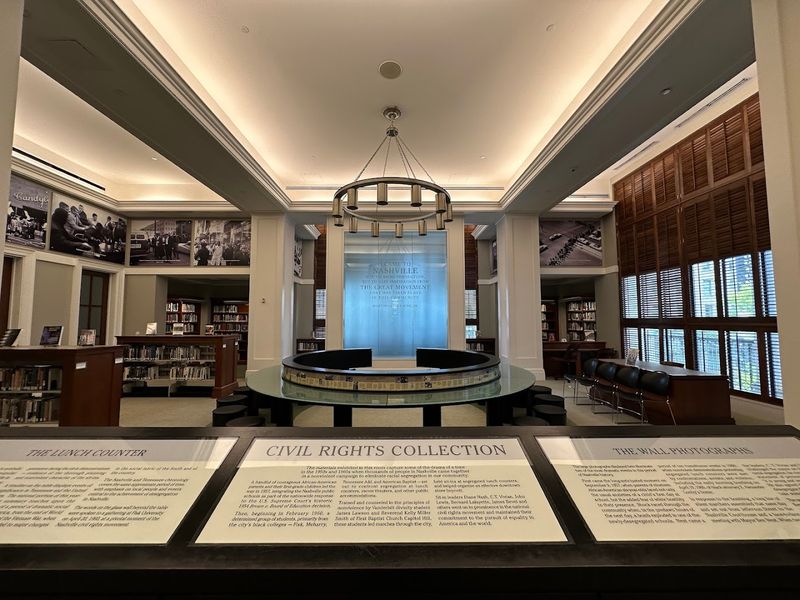
Some of the most powerful stories in American history were written not in Washington D.C. or on famous battlefields, but at lunch counters, on city buses, and in public libraries just like the one at 615 Church St in Nashville.
The Civil Rights Room at the Nashville Public Library is a free, permanent exhibit dedicated to Nashville’s central role in the American civil rights movement, and it is one of the most moving spaces you will encounter anywhere in the city.
Nashville was a training ground for nonviolent protest tactics, and the student sit-in movement that launched here in 1960 helped reshape the national conversation about segregation and equality in ways that still echo today.
The room features an iconic circular table modeled after the lunch counters where those brave student protesters staged their sit-ins, surrounded by photographs, documents, and films that bring the era to vivid life.
A glass ceiling etched with the names of significant figures in the Nashville movement looks down over the space, creating an atmosphere that feels both solemn and celebratory at the same time.
Because the exhibit is located inside a working public library, the experience of visiting feels uniquely democratic, open to everyone who walks through the door regardless of background or purpose.
Admission is free, and the library is centrally located in downtown Nashville, making it easy to combine with other nearby attractions on the same day. Walking out of the Civil Rights Room, it is hard not to feel a renewed appreciation for the courage it takes to stand up for what is right.
8. David Lusk Gallery
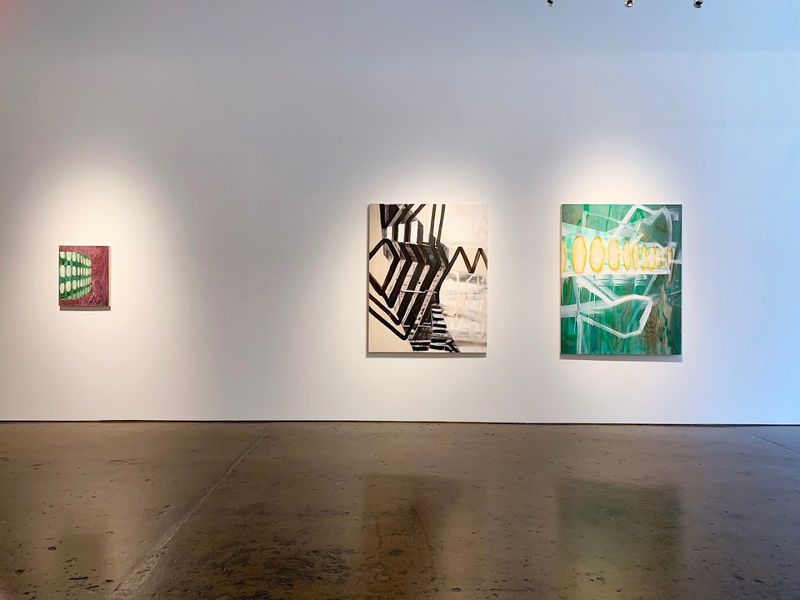
Contemporary art has a reputation for being intimidating, but walking into the David Lusk Gallery quickly dissolves that feeling with an atmosphere that is welcoming, curious, and alive with creative energy.
Founded in Memphis and expanded to Nashville, David Lusk Gallery represents a diverse roster of established and emerging artists whose work spans painting, sculpture, photography, and mixed media.
The gallery space itself is thoughtfully designed, with high ceilings and clean lines that let the artwork breathe and command attention without competing with the architecture around it.
Exhibitions rotate regularly throughout the year, so the gallery always has something fresh on the walls, making it worth revisiting multiple times even during a single extended stay in Nashville.
The programming here leans toward supporting living artists, which gives the space a sense of immediacy that older, more encyclopedic collections sometimes lack. You are seeing work being made right now, by people actively shaping what art looks like in the 21st century.
Located in the Wedgewood-Houston neighborhood, the gallery sits in one of Nashville’s most creatively charged areas, surrounded by studios, design shops, and other independent galleries that have turned this part of town into a genuine arts district.
Admission is completely free, and the staff are knowledgeable without being intimidating, happy to talk about the work on display if you want context or just a good conversation.
For anyone who wants to see where Nashville’s creative pulse is beating strongest right now, this gallery is exactly the right place to start.