
Nestled Deep In The Adirondacks, This Tiny New York Hamlet With A Population Under 150 Is The Ultimate Slow-Down Destination
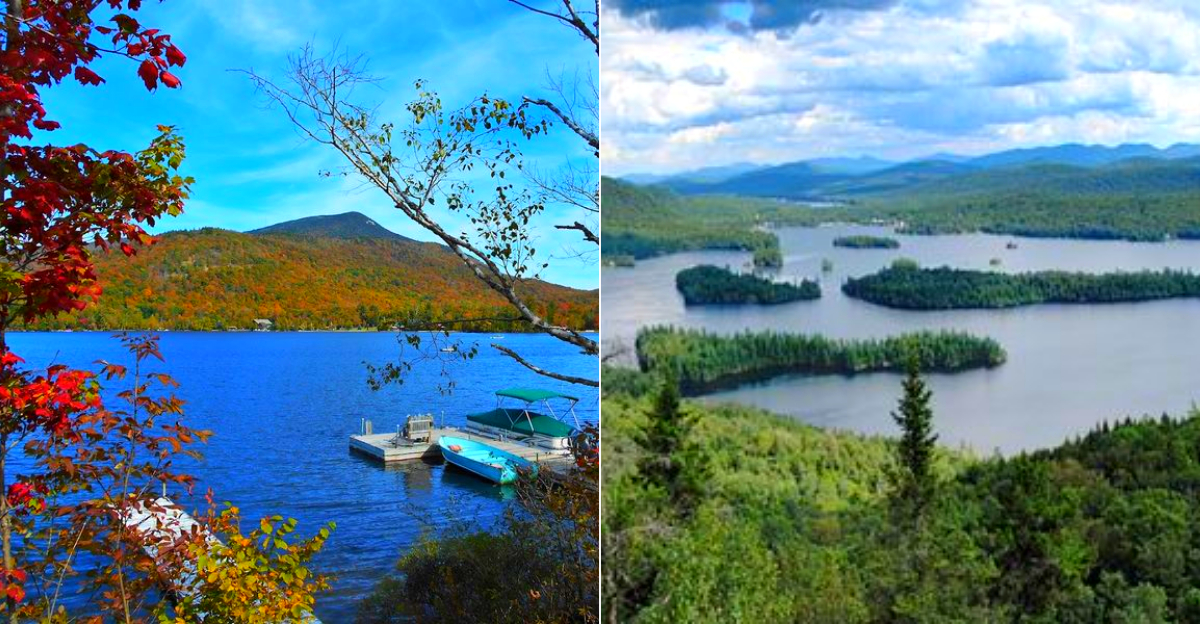
The Adirondacks have a way of making the rest of the world feel completely optional, and this tiny New York hamlet takes that feeling further than most. With a population that fits comfortably under one hundred and fifty people, it operates on a frequency that modern life has almost entirely forgotten.
No agenda, no noise, no pressure to be anywhere other than exactly where you are. What makes this place genuinely special is not what it has but what it refuses to become.
It has stayed small on purpose, unhurried by design, and achingly beautiful in the way that only places untouched by overcrowding can be. People come here burned out and leave walking slower, sleeping better, and seriously reconsidering some fairly major life decisions.
New York built the backdrop and this little hamlet quietly became the whole point of the trip.
A Place Where Time Moves Differently
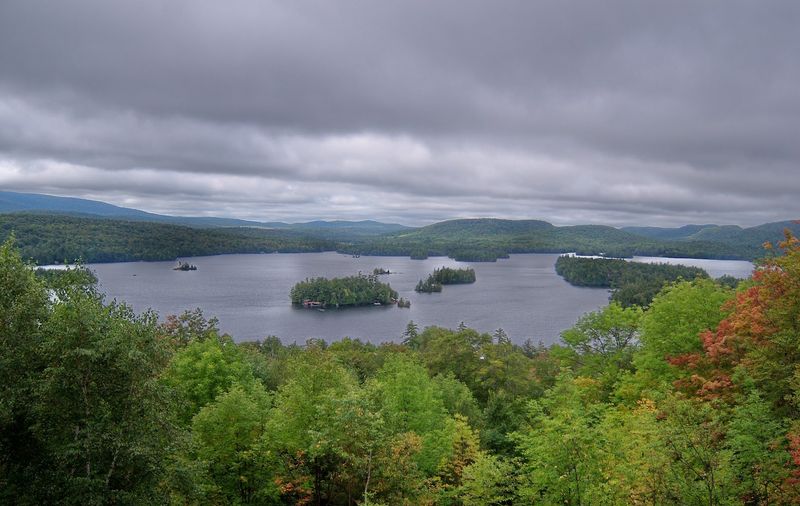
Not every destination earns its reputation for stillness. Some places simply exist at a frequency that modern life has largely forgotten, and the moment you arrive, you feel the difference in your shoulders before you even step out of the car.
The air carries the clean, resinous scent of balsam fir, and the silence is the kind that feels intentional rather than empty.
Situated at the intersection of New York Routes 28, 28N, and 30 in Hamilton County, this hamlet sits roughly halfway between Lake Placid and Old Forge, deep inside the protected boundary of Adirondack Park. The park itself spans over six million acres, making it the largest publicly protected area in the contiguous United States.
That scale of preserved land creates a buffer from the noise of modern civilization that is genuinely rare.
The median age of residents here is 67, and nearly 68 percent of the population is 65 or older. That demographic tells a quiet story about the kind of life this place supports.
People come here to stay, to settle into a pace that feels sustainable. Visitors tend to absorb that same energy within hours of arriving.
Blue Mountain Lake: The Hamlet And The Water It Calls Home
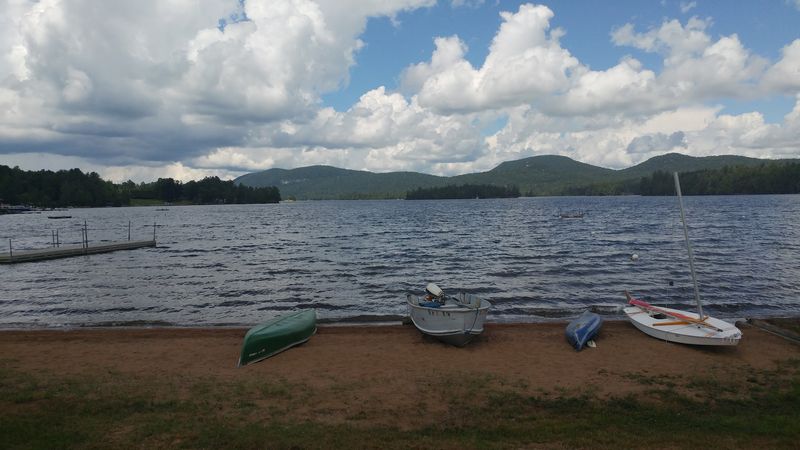
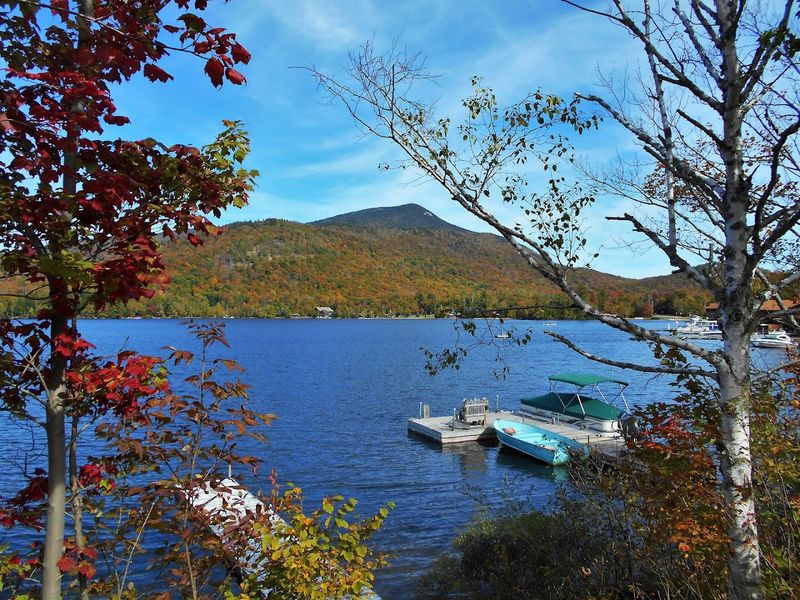
Blue Mountain Lake, the hamlet, takes its name from Blue Mountain Peak, which rises to 3,759 feet above sea level and watches over the surrounding terrain with quiet authority. The lake itself covers approximately 1,334 acres and sits at an elevation that keeps its waters cool and clear through much of the year.
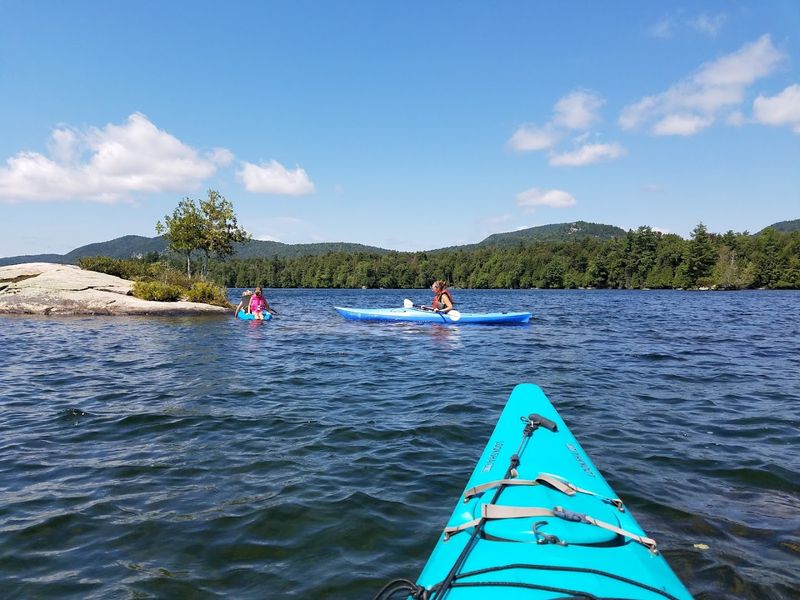
Connected to Eagle Lake and Utowana Lake as part of the Eckford Chain of Lakes, the water system offers miles of navigable waterway that canoeists have been exploring for well over a century.
The hamlet address places it in Indian Lake, NY, within Hamilton County, one of the least densely populated counties in the entire state. That geographic reality is not a drawback but rather a defining feature.
Fewer people means fewer crowds, cleaner trails, and a public beach where you can actually spread out a towel without negotiating for space.
Fishing on Blue Mountain Lake rewards patience with results. Lake trout, rainbow trout, and smallmouth bass are among the species that populate these waters.
Anglers who arrive with modest expectations and a willingness to sit quietly often find themselves pleasantly surprised by what the lake gives back. The water does not rush for anyone.
Adirondack Experience: The Museum That Earns Its Visit
Few regional museums anywhere in the northeastern United States match the depth and character of the Adirondack Experience, formally known as The Museum on Blue Mountain Lake.
Spread across a multi-acre campus, the institution uses a combination of indoor galleries, historic structures, and outdoor exhibits to tell the story of Adirondack life with genuine care and scholarly rigor.
It earned its reputation over decades, and that reputation holds up.
A restored fire tower stands on the grounds, offering visitors a tangible connection to the era when rangers climbed these structures daily to scan the horizon for smoke. Virtual guideboat paddling lets guests experience the traditional Adirondack watercraft without getting wet.
Exhibits on logging, wilderness culture, and the evolving relationship between people and the forest provide context that enriches every hike and paddle taken afterward.
The museum manages to be educational without feeling like homework. Families with children will find plenty of hands-on elements, while adults who arrive with a genuine curiosity about regional history will leave with considerably more knowledge than they brought.
Plan for at least three hours on the grounds, and consider that you may want more. The campus sits directly on the lake, and the view from certain points on the property is worth the admission alone.
Hiking Trails That Reward Every Fitness Level
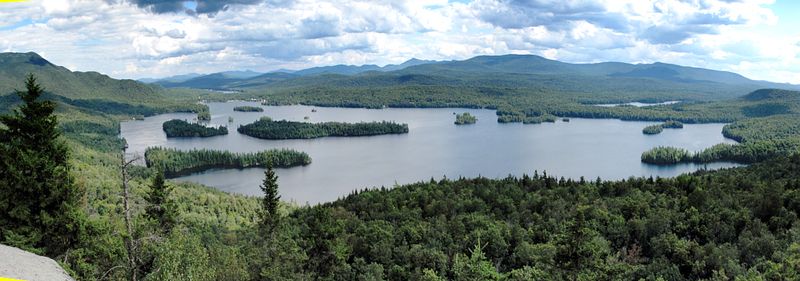
Blue Mountain itself offers one of the more satisfying summit hikes in the central Adirondacks. The trail climbs approximately 1,500 feet over roughly two miles, passing through hardwood and conifer forest before opening onto a summit where a functioning fire tower provides 360-degree panoramic views across the surrounding wilderness.
On a clear day, the visual reach extends for dozens of miles in every direction, taking in lakes, ridgelines, and the unbroken green canopy of the park.
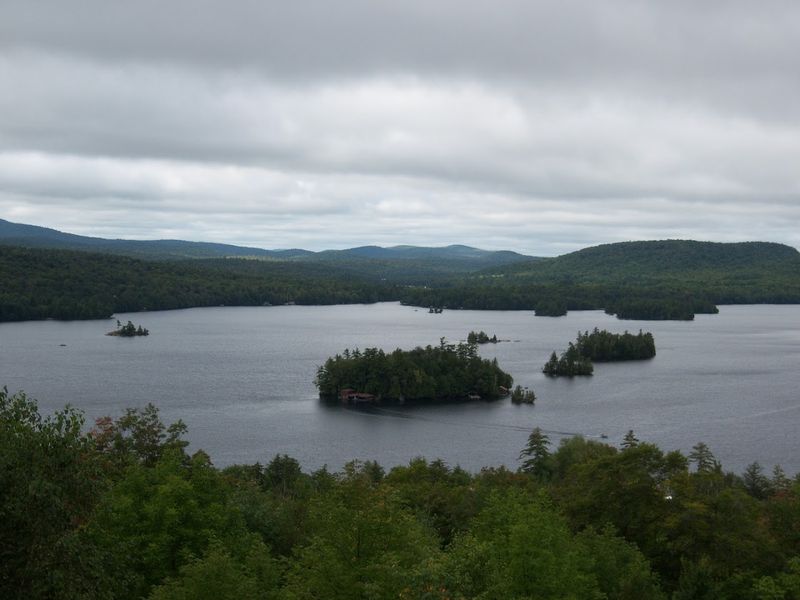
For those who prefer a gentler outing, Castle Rock presents a rewarding alternative. The trail is shorter and less demanding, yet the payoff at the top includes striking views over Blue Mountain Lake that photograph beautifully in almost any light.
It is the kind of hike where you arrive slightly winded and leave genuinely glad you made the effort. Families with younger children handle this trail with ease.
The trail network surrounding the hamlet extends well beyond these two signature routes. Day hikers, backpackers, and casual walkers all find options suited to their pace and endurance level.
The Adirondack Park trail system is maintained with care, and signage throughout the area makes navigation straightforward. Bring water, wear appropriate footwear, and allow yourself the luxury of stopping whenever the view demands it.
Adirondack Lakes Center For The Arts: Culture In The Wilderness
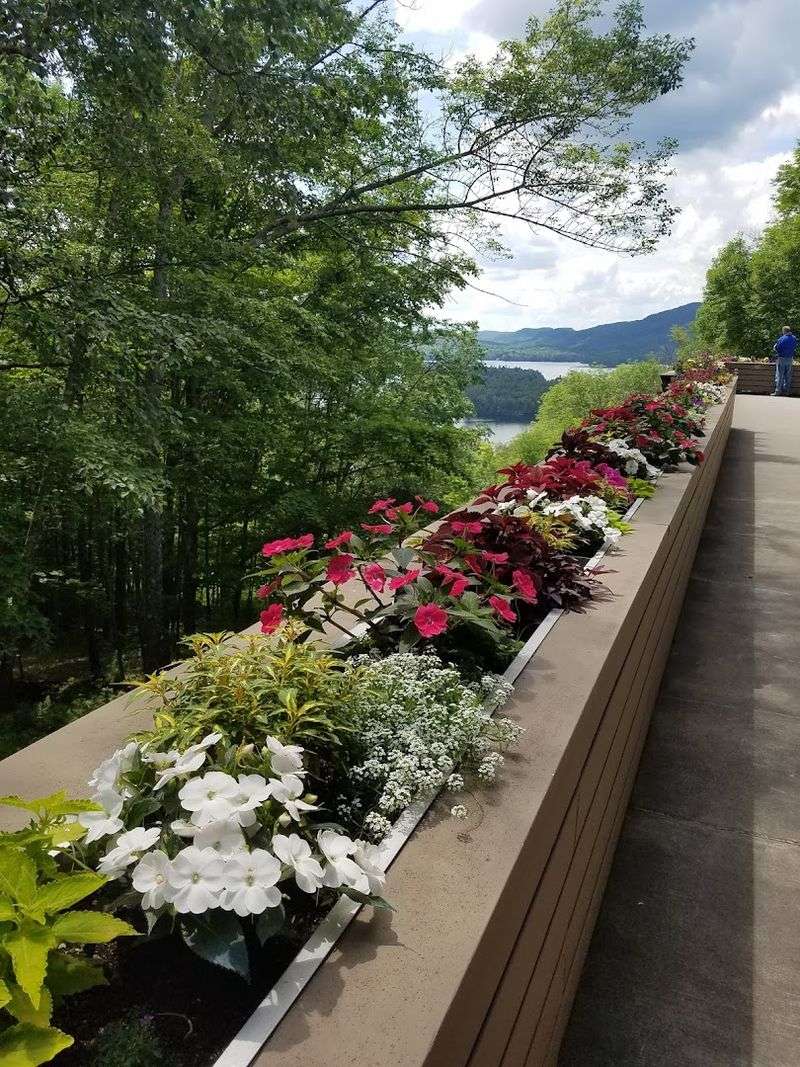
Finding a thriving arts center in a hamlet of fewer than 150 people is the kind of pleasant surprise that makes a destination memorable.
The Adirondack Lakes Center for the Arts has served the Blue Mountain Lake community and its visitors for decades, offering live music performances, theater productions, visual arts exhibitions, and community events throughout the year.
The programming calendar shifts with the seasons but maintains a consistent commitment to quality and accessibility.
The center functions as a genuine gathering point for the region. Artists from within the Adirondack community share space with visiting performers, creating a program that reflects both local character and broader creative ambition.
Gallery exhibitions rotate regularly, giving repeat visitors a fresh reason to stop in. The space itself carries an unpretentious, welcoming atmosphere that feels appropriate for its setting.
Attending a performance or browsing an exhibition here adds a layer of cultural richness to what might otherwise be a purely outdoor-focused trip. The arts center reminds visitors that the Adirondacks have always attracted creative people, from the painters of the Hudson River School to contemporary musicians who find inspiration in the landscape.
Checking the event schedule before your trip is worth the two minutes it takes, as certain performances sell out quickly during peak summer months.
Winter At Blue Mountain Lake: The Off-Season That Is Actually On
A common misconception about small Adirondack hamlets is that they hibernate once the leaves fall. Blue Mountain Lake operates year-round, and the winter version of this destination has a distinct character that summer visitors never get to experience.
The lake freezes to a depth that supports ice fishing, and the surrounding trails transform into groomed corridors for cross-country skiing and snowshoeing. The silence of a snow-covered forest is a different register of quiet entirely.
Snowmobiling is a serious pursuit in this region, and the trail network accessible from Blue Mountain Lake connects to hundreds of miles of groomed routes throughout Hamilton County. For visitors who enjoy motorized winter recreation, the area provides access to some of the most extensive snowmobile trail systems in New York State.
The combination of terrain and reliable snowfall makes this a destination worth planning around.
Ice fishing on Blue Mountain Lake draws anglers who appreciate the meditative quality of drilling a hole, dropping a line, and waiting with genuine patience. The same trout species that populate the lake in warmer months remain active beneath the ice.
Lodging options in the area stay open through the winter, and some properties specifically cater to cold-weather visitors with equipment storage and trail access. The off-season here turns out to be rather full.
How To Stay, What To Expect, And Why You Should Go Slowly
Lodging in and around Blue Mountain Lake leans toward the rustic and the intentional. Several properties in the area have built their identity around the absence of televisions, telephones, and radios in guest rooms, a choice that sounds jarring until you experience the first full evening without ambient screen noise.
Guests consistently report that they sleep better and think more clearly within a day of arriving. The numbers on your phone screen stop feeling urgent surprisingly fast.
The hamlet itself is compact enough to navigate entirely on foot once you are settled. The combination of the museum, the arts center, the public beach, and the trailheads provides a full itinerary without requiring a car after check-in.
Dining options are modest but satisfying, with locally focused menus that reflect the season and the setting rather than chasing culinary trends.
Planning a visit to Blue Mountain Lake rewards those who resist the urge to overbook their days. Leave margin in your schedule for an unplanned paddle, a longer summit than expected, or an afternoon spent reading on a dock.
The hamlet sits approximately 75 miles south of Lake Placid and about 55 miles northeast of Old Forge, making it reachable from most of the Northeast without requiring a flight. The drive in through the Adirondack forest is, by most accounts, already part of the experience.