
12 Nevada Bucket List Destinations Beyond The Strip And The Casinos
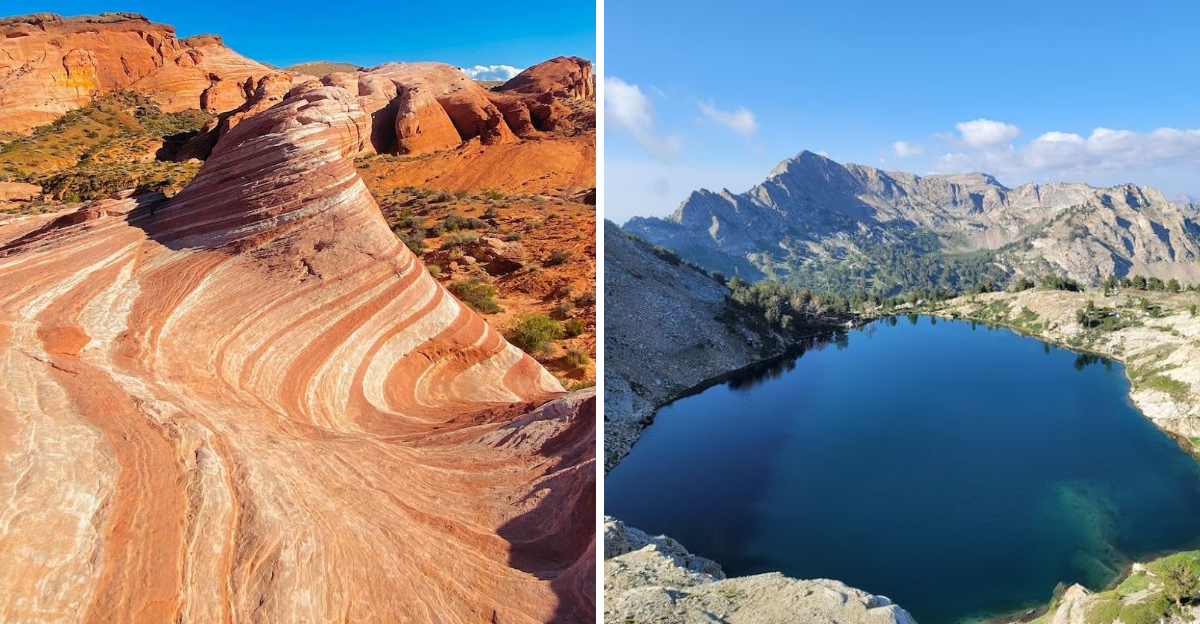
Everyone knows the bright side of Nevada, the casinos, the shows, the late nights, and the lights you can see before you even reach town. But after a while, it feels good to trade the crowds for quiet roads and wide-open views.
That is where the state really surprises you. One minute you are passing desert hills, and the next you are staring at red rocks, clear water, or mountains that make you forget to check your phone.
You do not need a fancy plan either. Pack snacks, bring water, pick a direction, and let the landscape do the work.
Nevada has a way of reminding you that the best trip moments often happen outside the obvious tourist places.
1. Hoover Dam, Nevada
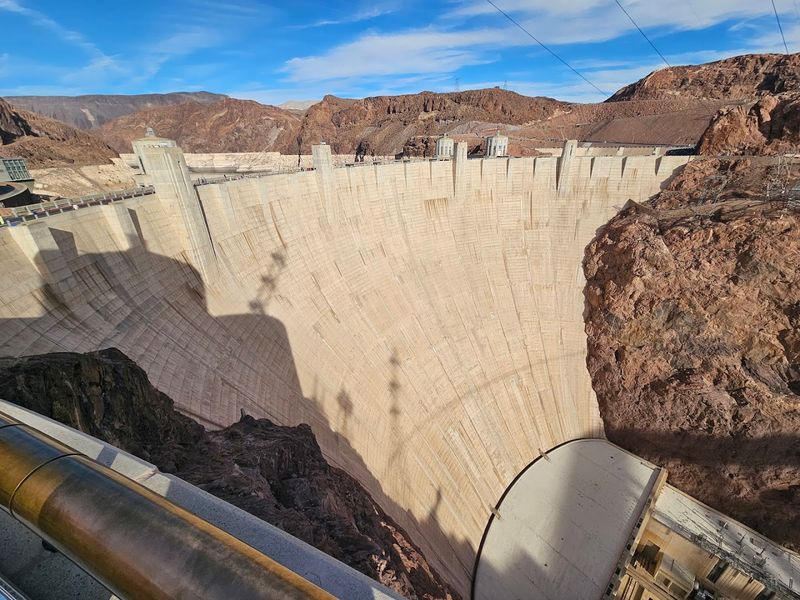
Standing at the base of this massive concrete giant makes you feel incredibly small. The Hoover Dam towers 726 feet above the Colorado River, and when you look up at those curved walls, you realize just how ambitious people were back in the 1930s.
Construction took five years and claimed 96 lives, but the result changed the entire Southwest forever.
Walking across the top gives you views into both Nevada and Arizona at once. The contrast is stunning: on one side, you see the turquoise waters of Lake Mead stretching toward the horizon, and on the other, the narrow Black Canyon with the river snaking through it.
The visitor center offers tours that take you deep inside the dam, where you can see the massive generators still humming away.
What surprises most people is how the engineering still holds up today. This structure provides water to millions of people and generates enough electricity to power 1.3 million homes.
The Art Deco details throughout the complex add an unexpected elegance to this industrial marvel. Plan to spend at least two hours here exploring everything.
2. Valley Of Fire State Park, Nevada
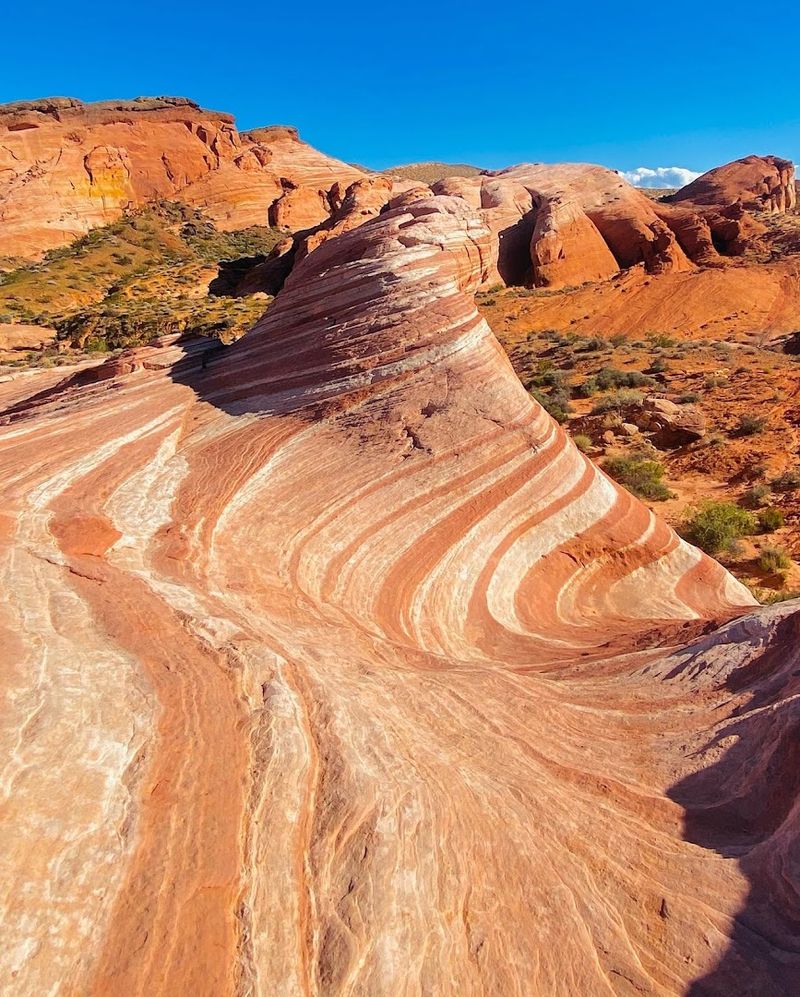
Fire seems like the perfect word when you first see these rocks. The sandstone here glows in shades of crimson, tangerine, and magenta that look almost unreal under the desert sun.
These formations started as sand dunes 150 million years ago, and time has sculpted them into waves, arches, and towers that photographers dream about.
The park spreads across 40,000 acres of Mojave Desert, and every trail reveals something different. Fire Wave is probably the most Instagram-famous spot, with its striped sandstone ripples that look like frozen flames.
But Mouse’s Tank trail takes you past ancient petroglyphs left by the Ancestral Puebloans centuries ago.
Summer temperatures here can hit 120 degrees, so visiting between October and April makes the most sense. Early morning light turns the rocks golden, while sunset bathes everything in deep reds and purples.
Pack plenty of water because the desert doesn’t mess around.
Rock formations like Elephant Rock and the Beehives offer easy photo opportunities right from the parking areas. If you want solitude, venture onto the Rainbow Vista trail where fewer people wander and the colors somehow look even more intense.
3. Great Basin National Park, Nevada
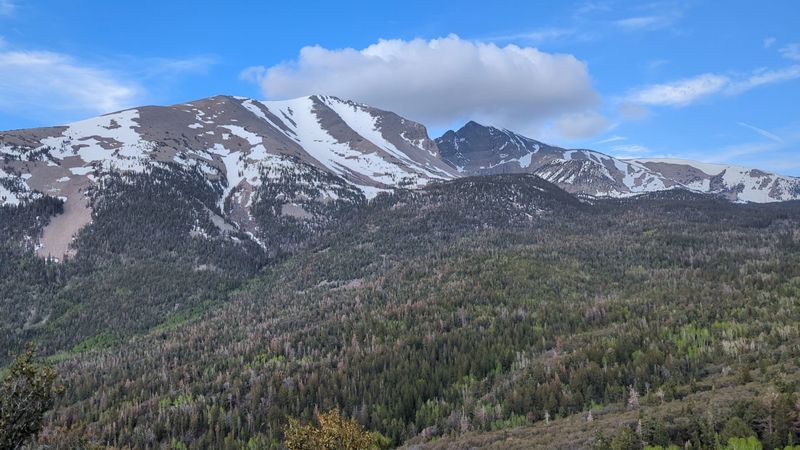
Most people have never heard of this park, which is exactly what makes it special. Great Basin sits in eastern Nevada near the Utah border, far from major cities and tourist crowds.
That isolation means dark skies perfect for stargazing and trails where you might not see another soul all day.
Wheeler Peak rises 13,065 feet above sea level, and the scenic drive up takes you through five distinct climate zones. You start in sagebrush desert and end up among ancient bristlecone pines, some of the oldest living organisms on Earth.
These twisted trees have survived for over 4,000 years in harsh conditions that would kill most plants.
Lehman Caves beneath the park offer a completely different experience. Underground passages filled with stalactites, stalagmites, and rare shield formations create an otherworldly atmosphere.
Rangers lead tours that explain how these limestone caverns formed over millions of years.
The park gets genuine seasons, including snow in winter that closes the upper roads. Fall brings golden aspens that contrast beautifully with evergreens, while summer wildflowers carpet the alpine meadows.
Camping here feels remote and peaceful in ways that crowded national parks never do.
4. Lake Tahoe, Nevada
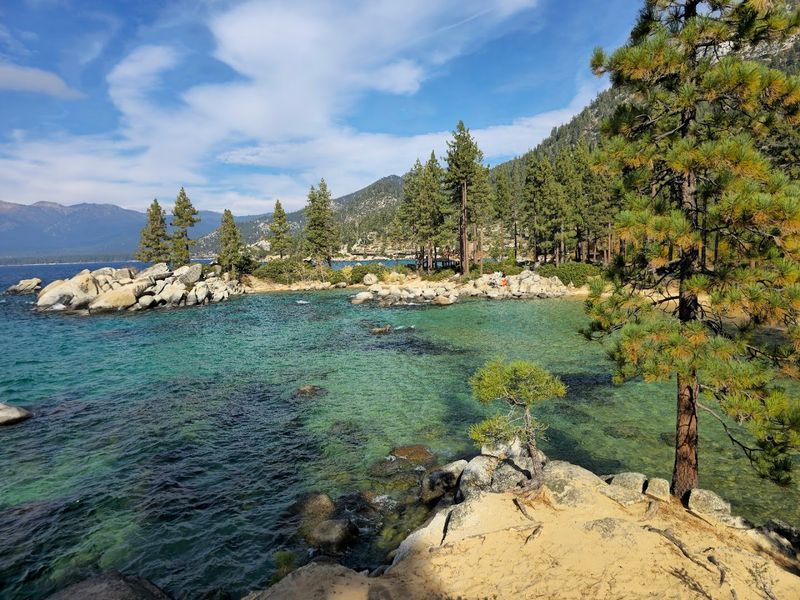
California gets most of the credit for Lake Tahoe, but the Nevada side offers something different. The water is just as impossibly blue, but you get fewer crowds and better beaches, especially at Sand Harbor.
Those massive granite boulders scattered along the shoreline create natural sculptures that make every photo look professional.
The clarity of this water will blow your mind. On calm days, you can see down 70 feet to the bottom, watching fish swim in slow motion beneath you.
The lake never freezes because it’s so deep, keeping its alpine blue color even in winter when snow blankets the surrounding peaks.
Incline Village sits on the north shore and feels more laid-back than the California resort towns. You can kayak, paddleboard, or just float in water so cold it takes your breath away.
The East Shore Trail offers stunning views as it winds along the coastline with the Sierra Nevada mountains rising dramatically across the lake.
Summer weekends bring plenty of visitors, but arrive early and you’ll snag parking at Sand Harbor. The Shakespeare festival hosts performances here with the lake as a backdrop, creating magical evenings under the stars.
5. Virginia City, Nevada
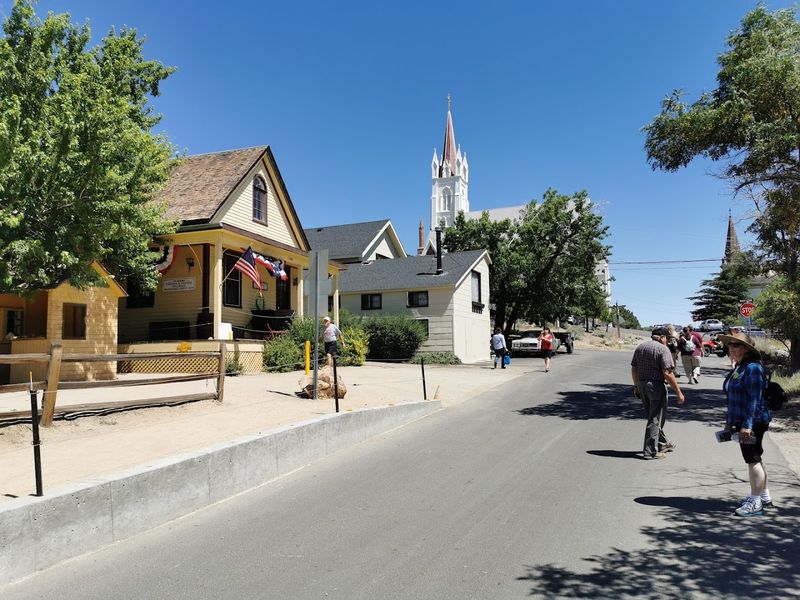
This town refuses to die, which is fitting since it was built on one of the richest silver strikes in American history. The Comstock Lode discovered here in 1859 produced over $400 million in silver and gold, transforming Virginia City into a wild boomtown of 25,000 people practically overnight.
Mark Twain worked at the local newspaper and wrote about the chaos that defined this place.
Today, the entire town is a National Historic Landmark, and walking down C Street feels like stepping onto a movie set. Wooden boardwalks connect authentic Victorian buildings where saloons still serve drinks and shops sell everything from antiques to fudge.
The Bucket of Blood Saloon has a name that perfectly captures the rough-and-tumble spirit of the mining era.
Take a tour of the Chollar Mine to descend into actual mining tunnels and see how dangerous this work was. The Fourth Ward School Museum sits on the hillside, a beautifully restored building that educated the children of miners and millionaires alike.
Ghost tours run after dark because Virginia City has plenty of spooky stories. The combination of history, quirky shops, and mountain scenery makes this day trip from Reno absolutely worth it.
6. Red Rock Canyon National Conservation Area, Nevada
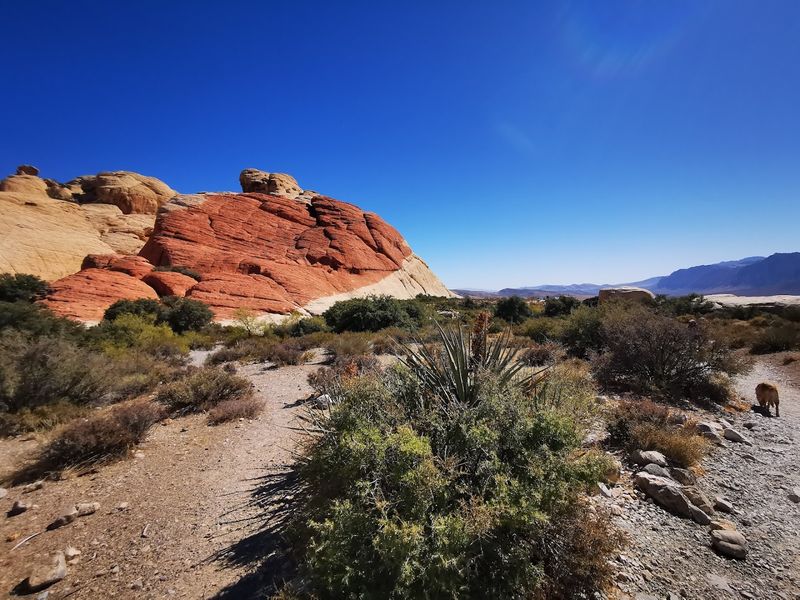
Just 17 miles west of the Las Vegas Strip, these crimson cliffs rise from the Mojave Desert like a natural fortress. The contrast is perfect: you escape the artificial glitz of casinos and find yourself surrounded by 3,000-foot sandstone peaks that have been here for 180 million years.
The 13-mile scenic loop road takes you past some of the most photogenic geology in Nevada.
Rock climbers come from around the world to tackle these walls, but you don’t need ropes to enjoy the place. Hiking trails range from easy nature walks to challenging scrambles up to overlooks.
Calico Tanks trail leads to natural water pockets where desert bighorn sheep sometimes drink, while Ice Box Canyon offers shade and cooler temperatures even in summer.
The red color comes from iron oxide in the sandstone, and depending on the time of day, these rocks shift from pale pink to deep burgundy. Sunrise and sunset create the most dramatic lighting, though midday works fine if you stick to shaded canyons.
Wild burros occasionally wander near the road, remnants of the mining days when they hauled equipment through these mountains. Spring brings desert wildflowers that soften the harsh landscape with unexpected splashes of yellow and purple.
7. Cathedral Gorge State Park, Nevada
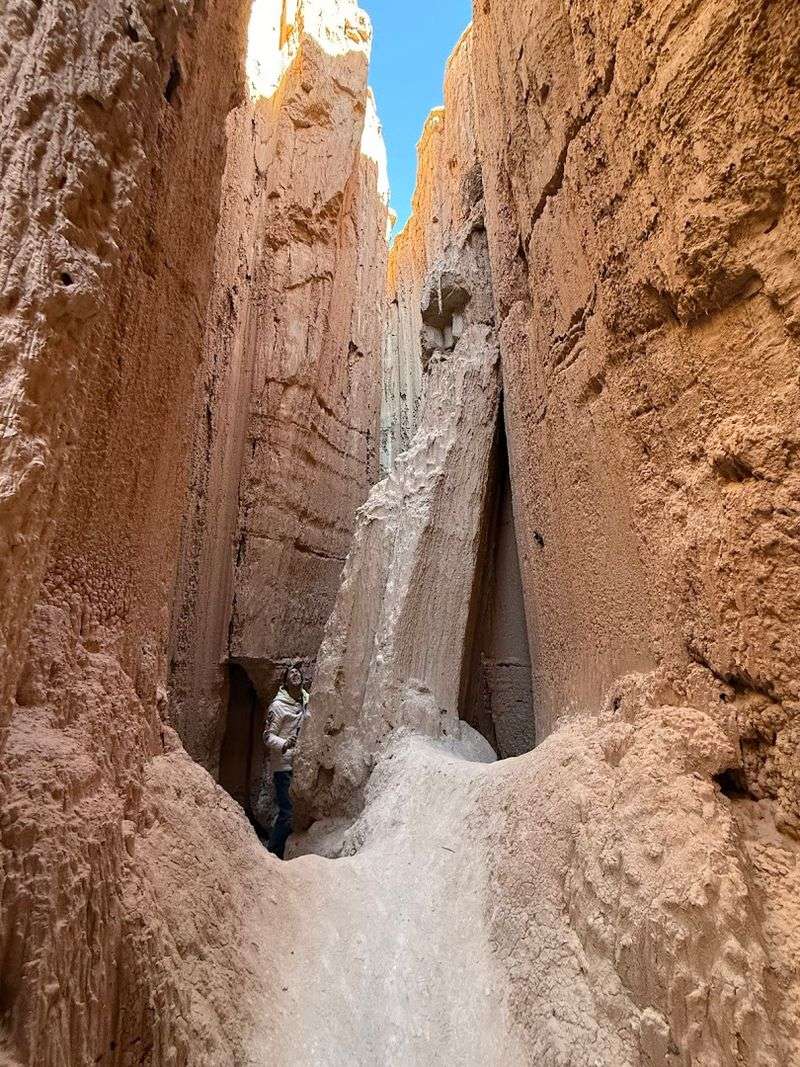
Walking into these narrow slot canyons feels like exploring a natural cathedral carved from soft clay. The walls tower 50 feet overhead in some places, creating corridors barely wide enough for one person.
Water carved these formations over millions of years from an ancient lakebed, leaving behind spires, caves, and passages that look almost intentional in their design.
The bentonite clay here erodes easily, which means the landscape constantly changes. After rainstorms, new formations appear and old ones crumble, making each visit slightly different.
The soft material feels smooth to the touch, and the tan and cream colors create a warm, earthy palette.
Kids absolutely love this place because the narrow passages feel like secret hideouts. You can wander for hours through the maze of slots, discovering small caves and alcoves tucked into the walls.
The Miller Point Overlook provides a bird’s-eye view of the entire gorge system spreading out below.
Located in remote eastern Nevada near the tiny town of Panaca, Cathedral Gorge sees far fewer visitors than more famous parks. That means you often have entire sections to yourself.
The campground here offers a peaceful night under incredibly dark skies perfect for stargazing.
8. Berlin-Ichthyosaur State Park, Nevada
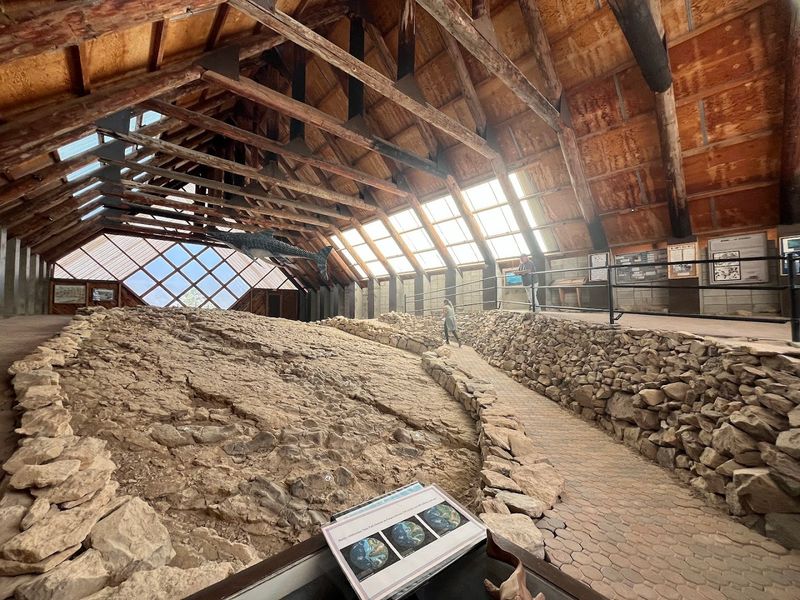
This park combines two completely different time periods in one fascinating location. First, you have the fossilized remains of ichthyosaurs, massive marine reptiles that swam in oceans covering Nevada 225 million years ago.
Then you have Berlin, a ghost town from the 1890s mining boom that sits perfectly preserved in the high desert.
The Fossil House protects the largest concentration of ichthyosaur fossils ever discovered. These creatures grew up to 50 feet long and looked like a cross between dolphins and dinosaurs.
Seeing their vertebrae and ribs still embedded in the rock where they died is genuinely amazing, especially when you consider this area was once underwater.
Berlin feels frozen in time with its weathered wooden buildings, rusted mining equipment, and the mill still standing on the hillside. Unlike many ghost towns that have been picked clean, Berlin remained isolated enough that most structures survived intact.
You can peer through windows and imagine what life was like for the miners who worked here.
Getting to this park requires driving on dirt roads through remote central Nevada, but that isolation is part of the appeal. The night sky here is phenomenal because there’s no light pollution for miles in any direction.
9. Pyramid Lake, Nevada
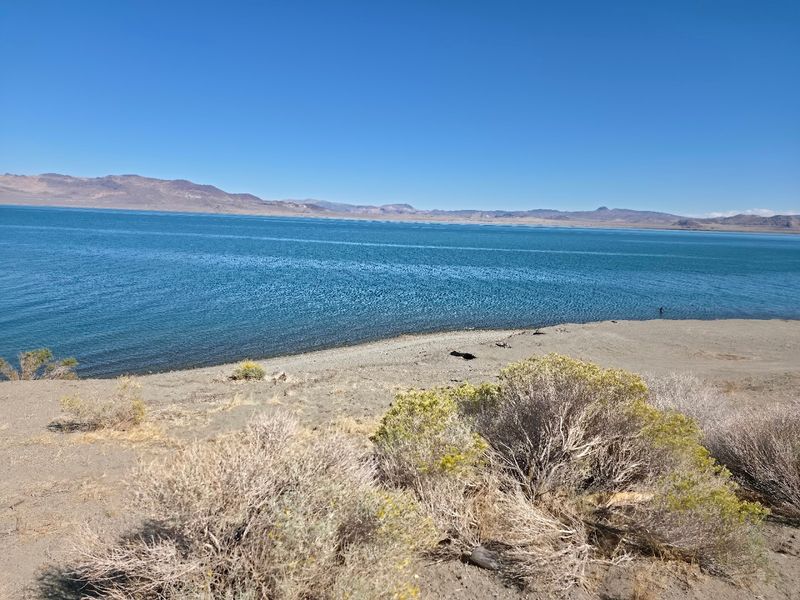
This ancient lake sits on Paiute tribal land about 40 miles northeast of Reno, and the moment you see it, you understand why indigenous people considered it sacred. Bizarre tufa formations rise from the turquoise water like stone sculptures, created by calcium carbonate deposits over thousands of years.
The pyramid-shaped rock that gives the lake its name stands as a natural monument visible from miles away.
Pyramid Lake is a remnant of ancient Lake Lahontan, which covered much of northwestern Nevada during the last ice age. Today, it’s one of the largest natural lakes in Nevada, fed by the Truckee River with no outlet.
That means the water is slightly salty and incredibly clear, supporting a unique ecosystem including the endangered cui-ui fish.
The lake is famous for trophy-sized cutthroat trout that can reach 20 pounds or more. Fishing requires a tribal permit, but the chance to catch massive trout in such a stunning setting attracts anglers from everywhere.
The shoreline offers excellent spots for photography, especially when storms roll across the water creating dramatic cloud formations.
Swimming is allowed at designated beaches where the water stays refreshingly cool even in summer. The contrast between the pale blue water and the surrounding desert mountains creates views that don’t quite seem real.
10. Lamoille Canyon, Nevada
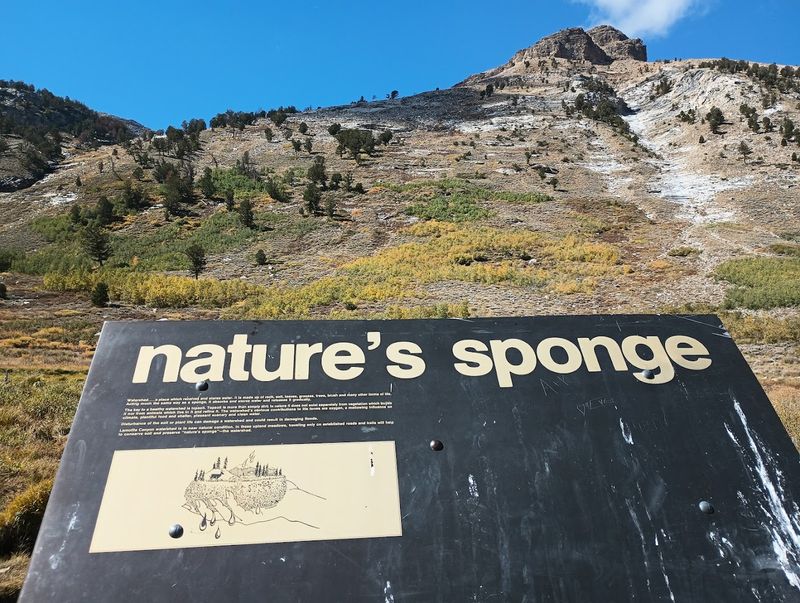
People call this the Yosemite of Nevada, and while that might be overselling it slightly, the comparison isn’t crazy. Lamoille Canyon is a glacially carved valley that cuts deep into the Ruby Mountains, with granite walls rising thousands of feet on both sides.
The 12-mile scenic byway climbs from sagebrush desert into alpine meadows where wildflowers bloom in summer and aspens turn gold in fall.
Glaciers shaped this landscape during the ice age, leaving behind a classic U-shaped valley with hanging side canyons and cirques. The road ends at Roads End, where several trailheads provide access to the Ruby Crest Trail and other high-country routes.
Waterfalls tumble down the canyon walls after snowmelt, and mountain goats sometimes appear on the rocky slopes above.
What makes Lamoille Canyon special is how few people know about it. You can drive this spectacular road on a summer weekend and encounter maybe a dozen other vehicles.
The Ruby Mountains receive significant snowfall, so the canyon road typically closes from November through June.
Fall offers the most stunning colors when the aspens change, painting the canyon in brilliant yellow and orange. The crisp mountain air and peaceful atmosphere make this one of Nevada’s best-kept secrets.
11. Rhyolite Ghost Town, Nevada
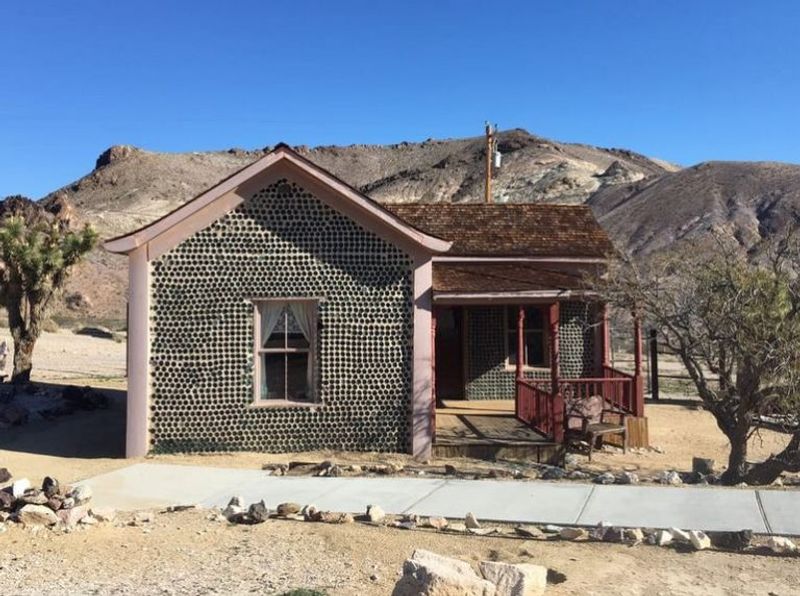
Rhyolite boomed fast and died faster, which is the story of so many Nevada mining towns. Founded in 1905 after a gold discovery, the town grew to 5,000 residents within two years.
Banks, hotels, an opera house, and even a stock exchange sprang up almost overnight. Then the mine played out, and by 1916, Rhyolite was essentially abandoned.
What remains today is hauntingly beautiful. The three-story bank building still stands with its concrete walls intact, windows gaping like empty eye sockets.
The famous Bottle House, built entirely from beer and liquor bottles, survived because the unusual construction proved more durable than wood. Train depot ruins and the old jail offer glimpses into daily life during the boom years.
Located just outside Death Valley National Park near Beatty, Rhyolite makes an excellent detour when traveling through the area. The desert setting adds to the ghostly atmosphere, with the Bullfrog Hills rising behind the ruins.
Artists have added outdoor sculptures around the site, creating an interesting contrast between old and new.
Sunrise and sunset provide the best lighting for photography, when the low angle emphasizes the textures of crumbling concrete and weathered wood. The site is free to explore and open year-round, though summer heat can be brutal.
12. Liberty Lake, Nevada
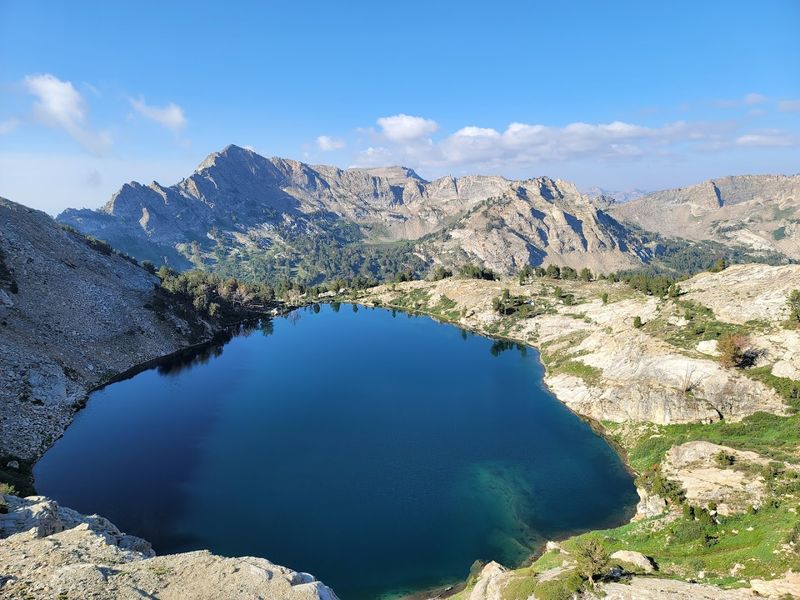
Reaching this pristine alpine lake requires effort, but that’s exactly what keeps it special. Liberty Lake sits at 10,400 feet elevation in the Ruby Mountains, accessible only by hiking several miles on steep trails.
The reward is a crystal-clear lake surrounded by granite peaks, wildflower meadows, and the kind of silence that city dwellers forget exists.
The hike typically starts from Lamoille Canyon and gains significant elevation as you climb into the high country. Snow can linger into July some years, so late summer offers the best conditions.
The trail passes through diverse terrain including aspen groves, conifer forests, and eventually treeless alpine zones where only hardy plants survive.
Once you arrive, the lake reflects the surrounding peaks like a perfect mirror on calm days. Cutthroat trout cruise the clear water, and if you’re lucky, you might spot mountain goats on the rocky slopes above.
Camping near the lake puts you under some of the darkest skies in Nevada, where the Milky Way stretches overhead in brilliant detail.
This is backcountry territory that requires preparation, proper gear, and awareness of changing mountain weather. But for those willing to make the effort, Liberty Lake delivers an unforgettable Nevada wilderness experience far from any crowds.