
Nevada Has A Lake That Used To Be Peaceful And Is Now At The Center Of Something Much Bigger
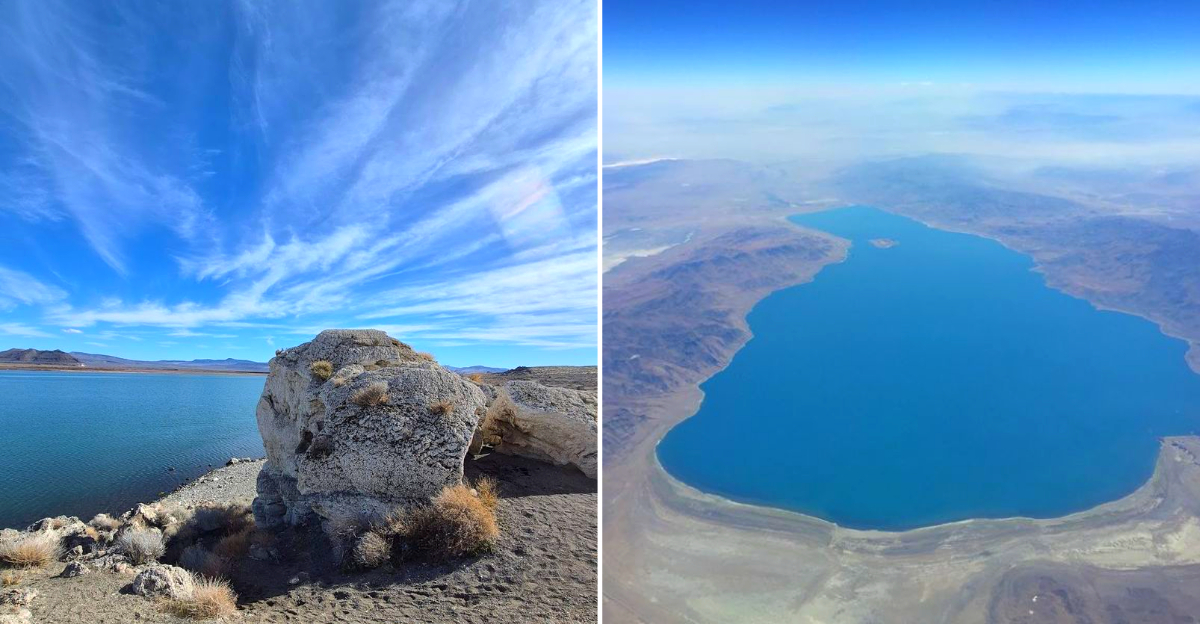
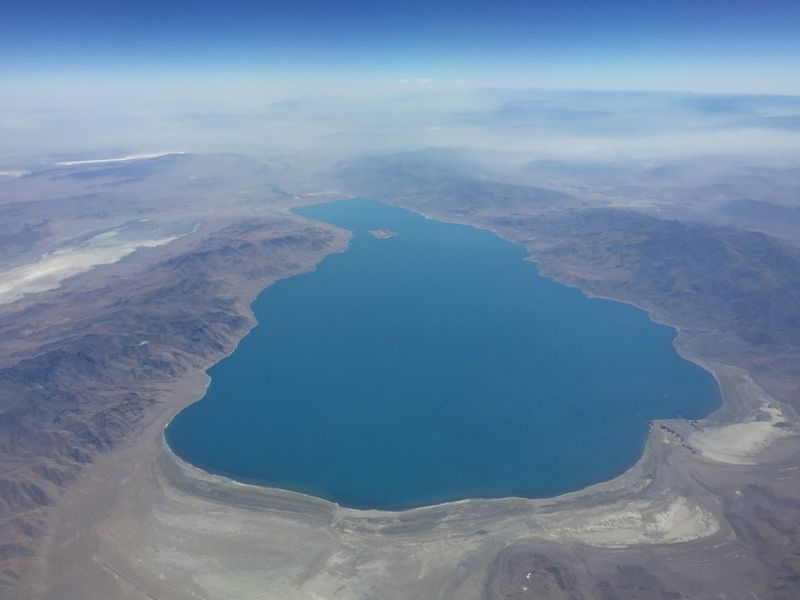
At first glance, it looks impossibly calm. Blue water cuts through the desert, pale mountains rise in the distance, and the silence feels big enough to swallow every worry you brought with you. But this is not just another scenic escape in Nevada.
Beneath that peaceful surface lies a story of history, cultural meaning, environmental pressure, and complex water debates.
What once drew mostly anglers and travelers craving solitude now attracts scientists, conservationists, tribal leaders, and visitors trying to understand what comes next.
The view may stop you in your tracks, but the real reason to stay is the tension between beauty and change. Every shoreline, rock formation, and stretch of open water feels connected to something larger.
This is the kind of place that looks simple from a distance. Spend a little time here, and you quickly realize it is anything but.
The Ancient Origins That Make This Lake Unlike Any Other
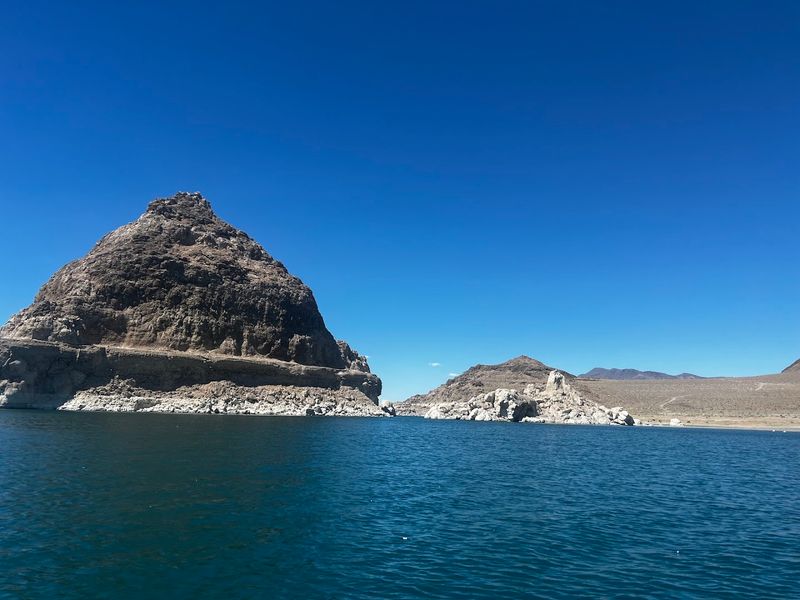
Long before Nevada was a state, before roads crossed the desert, and before anyone had mapped this corner of the West, Pyramid Lake already existed.
It is one of the largest remnants of ancient Lake Lahontan, a massive body of water that once covered much of what is now the Great Basin.
That ancient lake began shrinking thousands of years ago as the climate changed, and Pyramid Lake is one of the few places where you can still see what was left behind.
The lake lies at about 3,800 feet in elevation and covers roughly 125,000 acres. Its depth reaches more than 350 feet in some areas, which is remarkable for a desert lake. The water holds a striking blue-green color that shifts depending on the light and the time of day.
Geologists and historians alike find this place endlessly interesting. The lake bed and surrounding area contain fossilized corals and ancient shoreline features that tell the story of a very different landscape.
The famous pyramid-shaped island that gives the lake its name was described by explorer John C. Fremont in 1844, and it has been a landmark ever since. You are essentially looking at millions of years of Earth history every time you stand at the water’s edge here.
A Sacred Landscape With Generations Of Meaning
Pyramid Lake is not just a body of water. For the Pyramid Lake Paiute Tribe, it is home, history, and something deeply sacred.
The Paiute people have lived along the shores of this lake for generations, and their connection to it goes far beyond what most visitors can see on the surface. The lake is part of their creation story and remains central to their cultural identity today.
The Pyramid Lake Paiute Tribe manages the lake and the surrounding reservation land. When you visit, you are entering tribal territory, which means there are specific rules and permits required for fishing, camping, boating, and beach access.
These rules are not obstacles. They exist to protect a place that holds deep meaning for the people who have called it home for centuries.
The tribe has tribal police who patrol the area, and they take stewardship of the land seriously. Permits can be purchased in advance, and the tribe limits the number of daily passes to keep the lake from becoming overcrowded.
This is one of the reasons the water stays clean and the experience stays peaceful.
If you plan to visit Pyramid Lake at Nevada 89510, USA, taking the time to understand the tribal regulations before you arrive is both respectful and practical.
The Cutthroat Trout Story That Captured National Attention
Ask any serious angler about Pyramid Lake and you will get an immediate reaction. The Lahontan cutthroat trout that lives in these waters is the largest subspecies of cutthroat trout in the world, and it is found almost nowhere else on Earth. These fish can grow to enormous sizes.
Catches in the 15-pound range are not unusual, and historically, fish over 40 pounds have been recorded from this lake.
The story of the Lahontan cutthroat trout is also a story of near extinction and slow recovery. By the 1940s, the fish had completely disappeared from Pyramid Lake due to the diversion of water from the Truckee River, which cut off the fish’s spawning grounds.
Through decades of conservation work by the Paiute Tribe and state wildlife agencies, the trout was reintroduced and populations have been steadily growing.
Today, fishing at Pyramid Lake is considered a bucket-list experience for many anglers across the country and beyond. Catch-and-release practices are common and encouraged, helping to maintain the population.
The fish are wild, strong, and genuinely impressive to encounter. Nevada is home to many fishing spots, but none carry the combination of history, rarity, and size that this lake delivers season after season.
Water Rights Battles That Have Reshaped The Entire Region
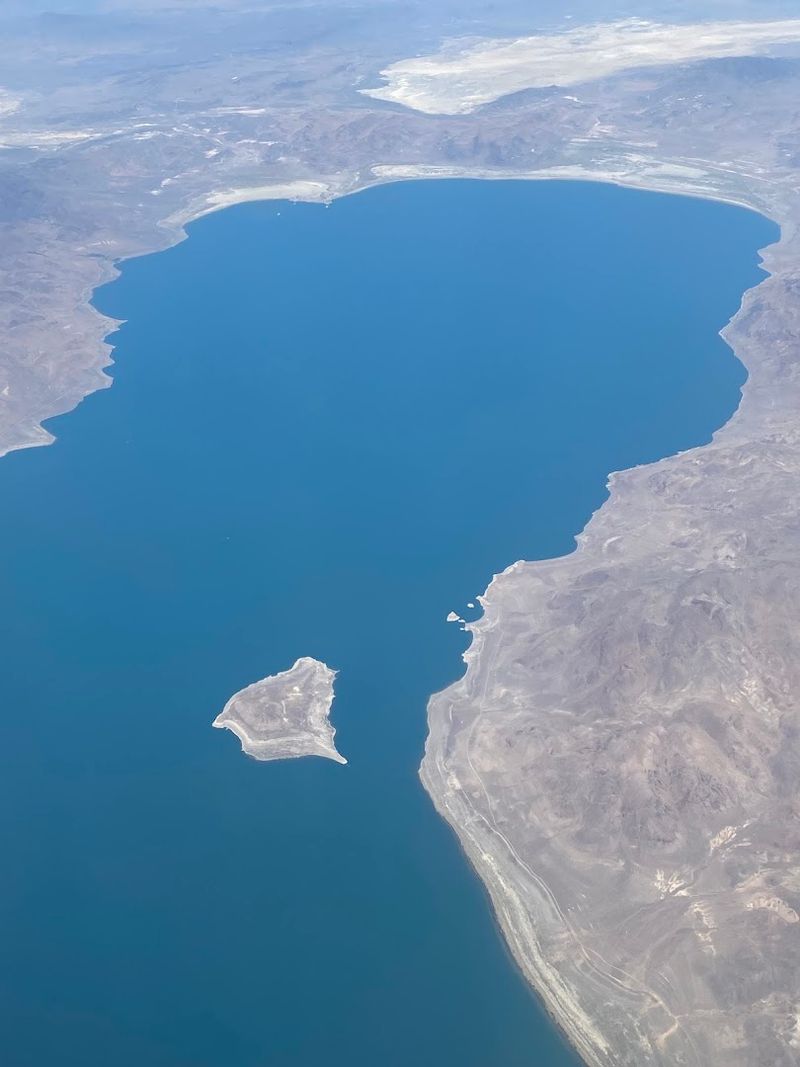
Here is where things get complicated in the best possible way. Pyramid Lake sits at the end of the Truckee River, which flows from Lake Tahoe through Reno and eventually into the lake. For over a century, that water has been fought over, diverted, negotiated, and litigated.
The battles over Truckee River water are some of the most significant water rights cases in the history of the American West.
Farmers, cities, tribes, and federal agencies have all had a stake in how that water is used. The diversion of river water for agriculture in the early 1900s caused the lake level to drop significantly and nearly destroyed the ecosystem.
The Pyramid Lake Paiute Tribe has been at the center of these legal fights, advocating for the lake’s water supply and the survival of the cutthroat trout for decades.
The Truckee River Operating Agreement, finalized in the 1990s, was a landmark deal that helped restore more water flow to the lake. But the conversation is far from over.
As Nevada’s cities grow and climate patterns shift, the question of how much water reaches Pyramid Lake becomes more urgent every year. What happens at this lake affects farmers, urban residents, and tribal communities across the entire region.
A Landscape So Striking It Feels Like Another Planet
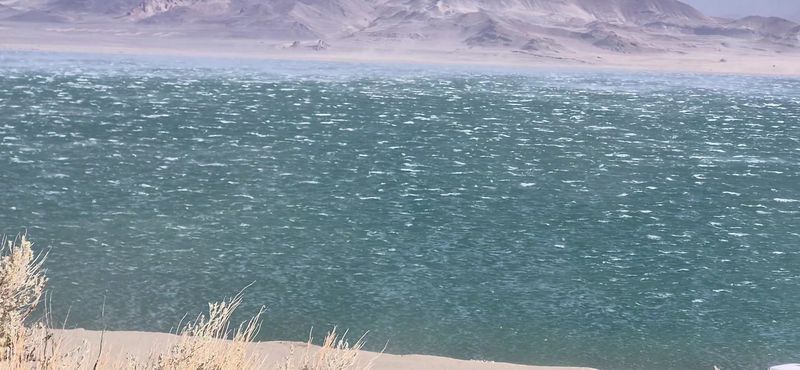
You do not need to be a geologist or a nature photographer to appreciate the scenery at Pyramid Lake. The contrast between the deep blue water and the surrounding tan and brown desert mountains is the kind of view that stops you in your tracks.
There are no trees lining the shore, no green meadows, and no typical lakeside scenery. What you get instead is raw, open, and completely honest landscape.
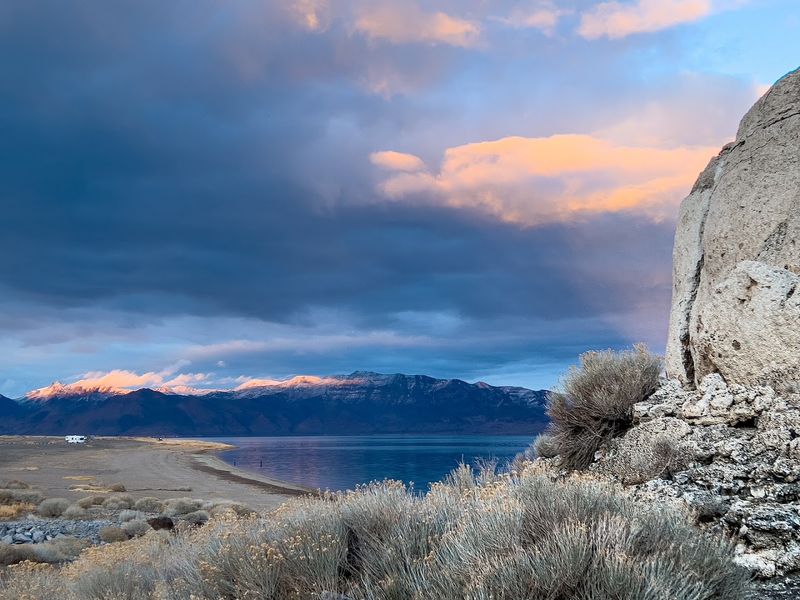
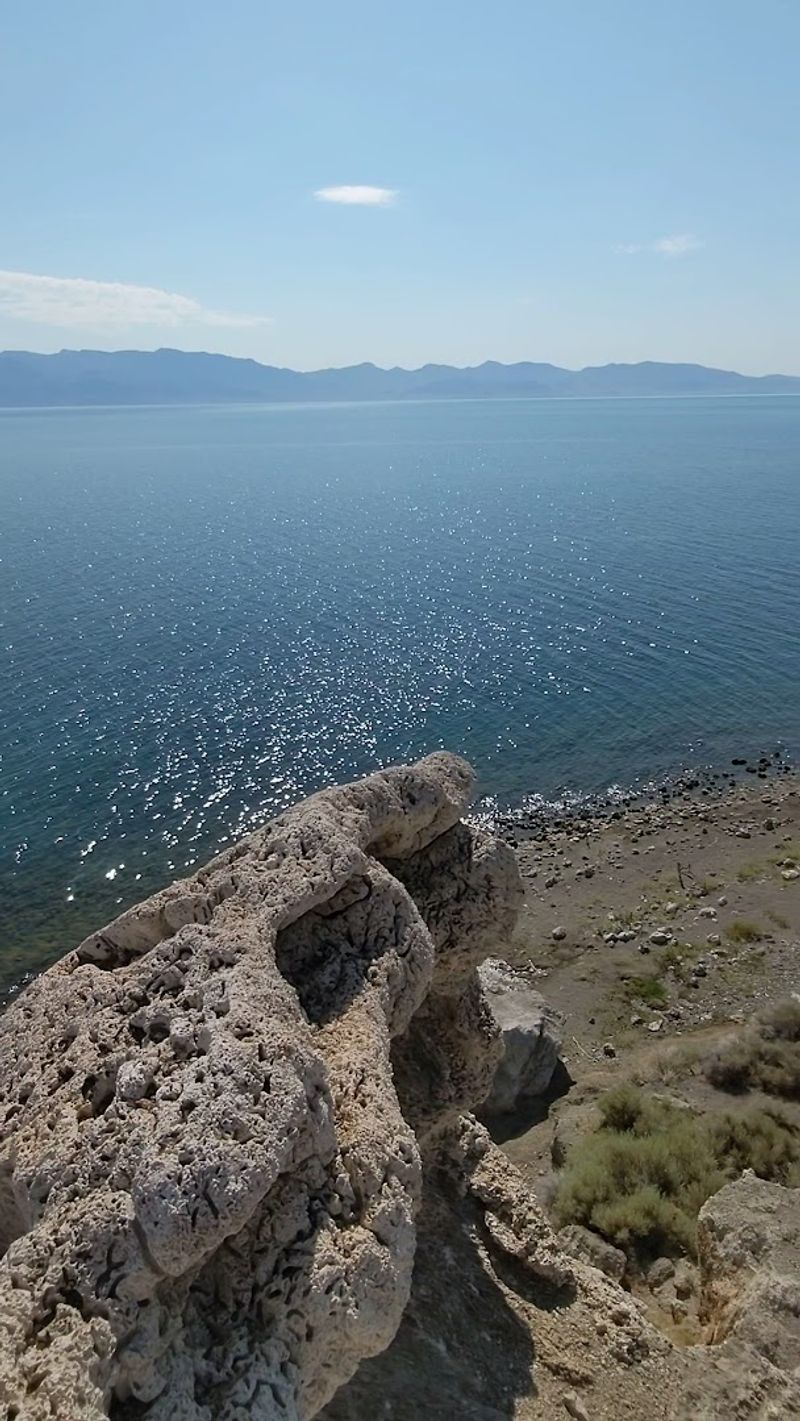
Strange calcium carbonate formations called tufas rise from the water and dot the shoreline. These ancient structures were formed when underwater springs interacted with the alkaline lake water over thousands of years. Some of them look like sculptures, others like miniature towers.
The pyramid-shaped island that gives the lake its name is one of the most photographed natural features in Nevada.
Sunsets here are genuinely something else. The sky turns shades of orange, pink, and purple over the water while the desert hills fade into shadow. Night skies at Pyramid Lake are dark and clear, making stargazing an experience that is hard to match anywhere in the region.
You can spend a full day here and never feel like you have seen everything the landscape has to offer. The scenery rewards slow, patient attention more than any quick stop could provide.
Enjoying The Water Without Leaving A Trace
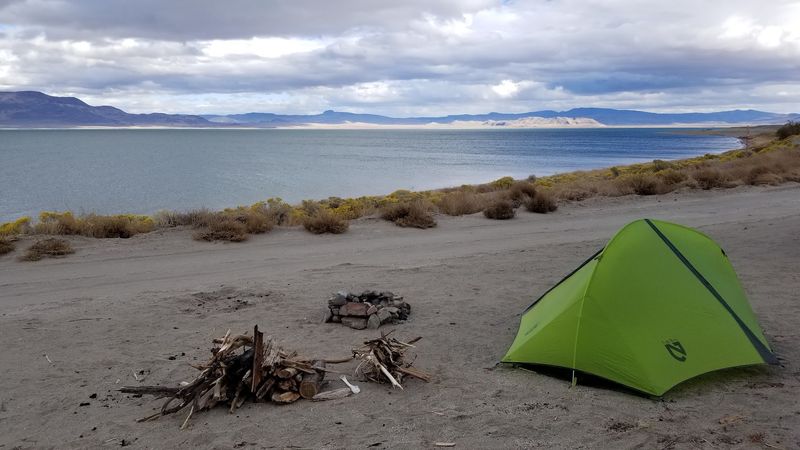
Spending a day or a weekend at Pyramid Lake is the kind of outdoor experience that stays with you. The beaches along the western shore offer sandy stretches where you can set up a chair, wade into the water, or just sit and watch the light change on the surface.
The water is often clear and calm in the morning, though afternoon winds can quickly create waves, especially for boaters.
Camping is available along the shoreline, and some spots allow you to park just steps from the water’s edge. There are no full-service campgrounds with amenities, so you need to come prepared. Pack out everything you bring in, bring your own water, and plan accordingly.
The primitive nature of the camping is actually part of what makes it special. You genuinely feel like you are out in the wilderness, not in a managed campground.
Boating is popular here, and the lake is large enough that you can spend an entire day on the water without feeling crowded. Permits are required for beach access and boating, and they are limited per day. Buying your pass in advance is strongly recommended.
Dogs are welcome in many areas, and the open beaches give them plenty of room to enjoy themselves alongside their owners.
The Crisis That Forced A New Era Of Restrictions
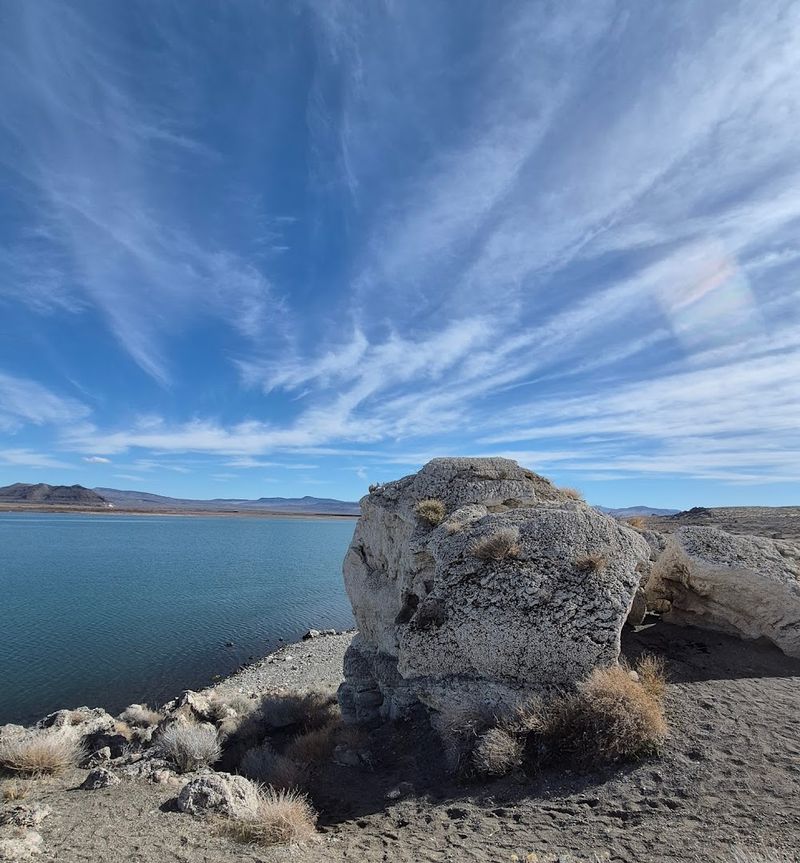
Not everything about this lake’s recent story is a feel-good tale. In early 2026, public access to some of the most iconic areas around Pyramid Lake was temporarily closed.
The reason was vandalism. People damaged ancient Indigenous petroglyphs, destroying irreplaceable cultural and historical artifacts. The closure affected access to the pyramid island and the Stone Mother, two of the most visited and photographed features at the lake.
The impact on visitors has been significant. Many people come specifically to see these landmarks up close, and the closure means that getting a good photo now requires a telephoto lens.
For the Paiute Tribe and cultural preservation advocates, the damage is far more serious than an inconvenience. These petroglyphs carry spiritual and historical meaning that cannot be restored once it is gone.
The situation has sparked a broader conversation about responsible tourism and what it means to visit a place that belongs to another community. Pyramid Lake is not a theme park. It is living tribal land with deep cultural roots.
The expectation is that visitors treat it with the same care and respect they would want for their own home. Following posted guidelines and staying on designated paths is not just a rule. It is the minimum standard of decency for anyone who visits.
What Makes This Lake Truly Unforgettable
Some places earn their reputation over time, and Pyramid Lake is one of them. It has been drawing people to its shores for decades, not because of flashy attractions or manufactured experiences, but because the lake itself is genuinely extraordinary.
The combination of natural beauty, cultural depth, world-class fishing, and open space makes it stand out in a state full of interesting destinations.
Located about 30 miles north of Reno, the drive to the lake takes you through open desert that feels increasingly remote as you go. The road is paved for most of the route, though some access roads require a truck or SUV. Once you arrive, the scale of the place is immediately apparent.
The lake stretches across the horizon, the water is impossibly blue against the brown hills, and the air is clean and quiet.
Nevada has a lot to offer visitors, but Pyramid Lake delivers something that is genuinely hard to find anywhere else. The lake is open to visitors who obtain the proper tribal permits.
Plan your trip with some flexibility, pack for a full day outdoors, and give yourself enough time to actually sit with the place.
The lake rewards people who slow down, look carefully, and appreciate what has been here long before any of us arrived.