
Nevada Has A Museum So Disturbing They Make You Sign A Waiver Before You Walk In
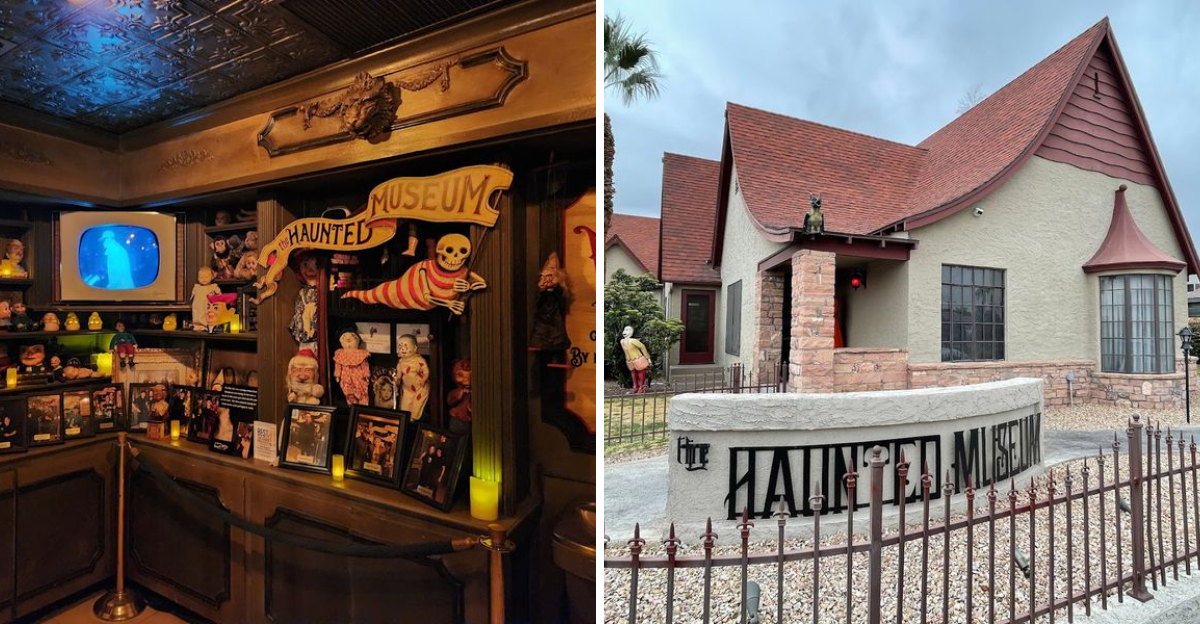
Vegas already knows how to raise a pulse, but this Nevada attraction does it without jackpots, stage lights, or poolside music. Before the first hallway, visitors face a waiver that basically says, yes, this may get weird.
Behind those doors waits a mansion packed with eerie rooms, unsettling objects, strange stories, and the kind of atmosphere that makes nervous laughter sound a little too loud.
You do not stroll through this place half asleep. You brace yourself, peek around corners, and wonder why your shoulders suddenly feel tight. That is the hook.
Part museum, part dare, part goosebump factory, it turns a regular Las Vegas outing into the sort of story friends ask you to repeat later.
More Than 30 Themed Rooms Keep The Tour Intense
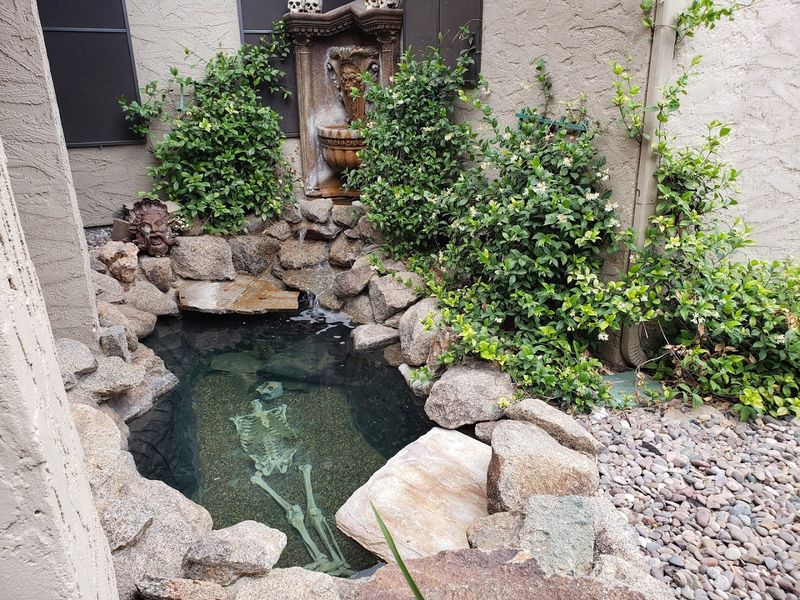
Each room follows a different theme. One holds memorabilia, another focuses on cursed dolls, and a third displays objects from famous hauntings.
The variety keeps the experience from feeling repetitive.
Tours last approximately two and a half to three hours. Guests move through narrow corridors and small chambers filled floor to ceiling with artifacts.
There is little time to rest. The pacing is deliberate, designed to maintain tension and prevent lingering too long near certain objects.
Every space has been curated with intention. Video screens show footage related to specific items.
Lighting shifts between rooms. Some areas feel claustrophobic while others open into larger displays.
The sheer volume of material makes it impossible to absorb everything in one visit.
The Waiver Sets The Tone Before The Tour Begins
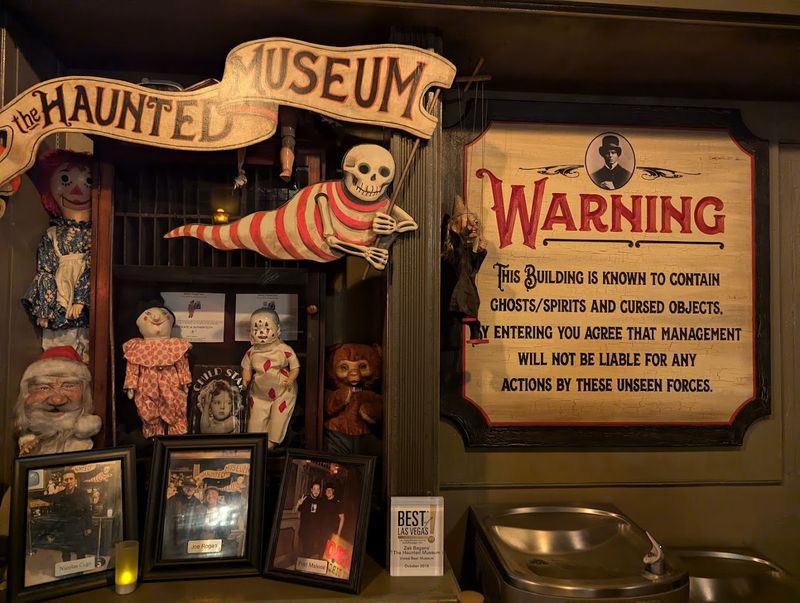
Signing a waiver at a museum sounds unusual until you understand what waits inside. Guests must acknowledge potential physical and psychological effects before entering.
The document warns of nausea, dizziness, chest tightness, and emotional distress.
This is not theater. The Nevada museum houses objects connected to violent crimes, occult rituals, and documented hauntings.
Some artifacts carry reputations for causing harm. Staff members take the waiver seriously because incidents have occurred during tours.
Reading through the terms creates an immediate shift in mood. What starts as curiosity becomes caution.
The waiver makes it clear that you are entering at your own risk, and that alone separates this experience from typical tourist attractions in Las Vegas.
The Museum Sits Inside A Historic Las Vegas Mansion
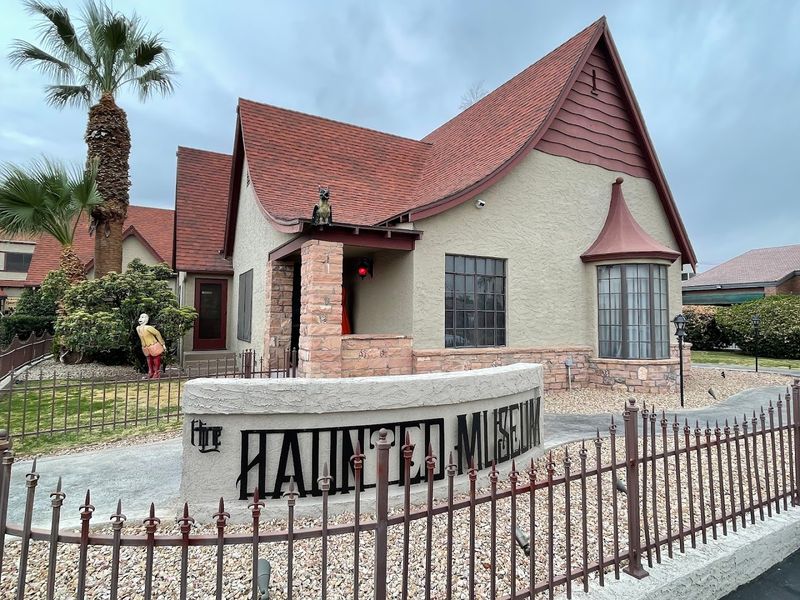
The building itself carries weight. Constructed in 1938, the mansion belonged to the Wengert family and served as a prominent residence in old Las Vegas.
Its architecture reflects a time when the city was far quieter and less commercial.
Zak Bagans chose this location deliberately. The mansion already had a reputation for strange occurrences long before it became a museum.
Former residents reported unexplained sounds, shadow figures, and rooms that felt unnaturally cold.
Walking up to the entrance, the structure looks imposing. Its size is deceptive from the outside.
Once inside, the layout reveals winding hallways, hidden passages, and over 30 rooms packed with objects. The mansion’s history blends with the collection to create an atmosphere that feels both preserved and unsettling.
The Wengert Mansion Adds A Dark Backstory
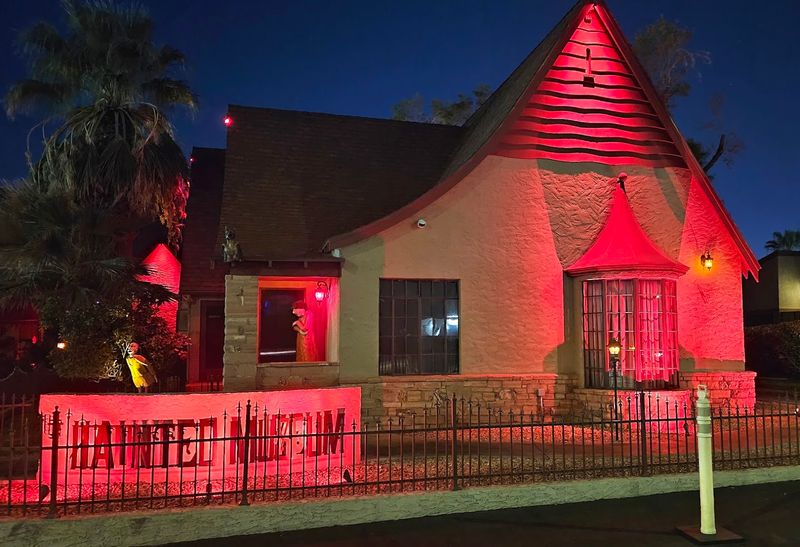
Before Zak Bagans purchased the property, the Wengert family lived here for decades. Stories from that era describe strange events that troubled residents and visitors alike.
Some family members refused to enter certain rooms.
Local historians note the mansion’s proximity to older parts of Las Vegas that saw violence and tragedy during the city’s early growth. The land itself holds layers of history.
Bagans researched these accounts and incorporated them into the museum’s narrative.
Knowing the building’s past adds depth to the tour. Guides reference original architectural features and point out areas where previous occupants reported activity.
The mansion is not just a container for haunted objects but an artifact itself, with its own reputation for paranormal phenomena that predates the collection.
Creepy Hallways And Secret Passageways Build The Suspense
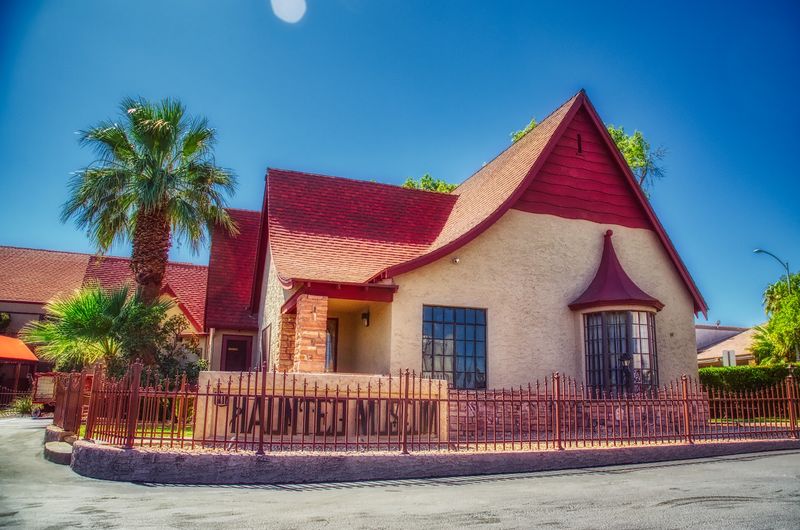
The museum’s layout disorients by design. Hallways curve unexpectedly.
Doors lead to staircases that descend into basements or climb to hidden upper floors. Secret passages connect rooms in ways that feel intentionally maze-like.
Bagans added tunnels and walkthrough sections that were not part of the original mansion. These additions create transitions between themed areas while heightening the sense of unease.
Fog machines pump mist through certain corridors. Lighting flickers.
Guests often lose track of where they are within the building. The architecture forces you to follow the guide closely.
There are no clear exit signs. The passageways create a feeling of being trapped inside, which amplifies the psychological impact of the objects on display around every turn.
The Collection Includes Some Of Zak Bagans’ Most Famous Objects
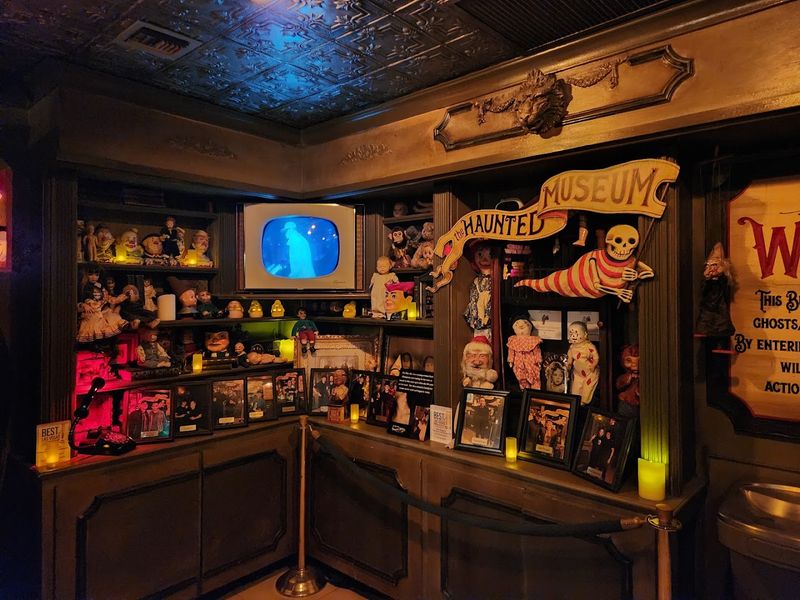
Bagans has spent years acquiring items tied to documented hauntings and criminal history. Many appeared on his television series before finding permanent homes at this Nevada spot.
Each piece comes with provenance and background research.
The collection spans categories. There are objects from execution sites, personal belongings, ritual tools from occult practices, and items connected to famous people.
Bagans does not rely solely on paranormal claims. He includes historical context and factual documentation.
Certain objects draw more attention than others. The museum rotates displays occasionally, but core pieces remain constant.
Guests familiar with Ghost Adventures recognize items from specific episodes. For others, the sheer variety of cursed, haunted, and historically significant artifacts creates an overwhelming experience that lasts long after leaving.
The Dybbuk Box Is One Of The Museum’s Biggest Draws
The Dybbuk Box holds a reputation that extends beyond paranormal circles. This wine cabinet allegedly contains a malicious spirit from Jewish folklore.
Its history includes a string of owners who reported illness, nightmares, and violent phenomena.
Bagans keeps the box sealed and behind protective barriers. Guests are not allowed to touch it.
Even standing near the display case reportedly causes physical reactions. Some visitors experience sudden headaches or nausea in the room.
The box gained widespread attention through media coverage and a Hollywood film loosely based on its story. Skeptics dismiss the claims, but the object’s documented history of affecting people remains consistent.
Guides explain the background while keeping the group at a safe distance, reinforcing the seriousness with which the museum treats this particular artifact.
Peggy The Doll Comes With Her Own Warning
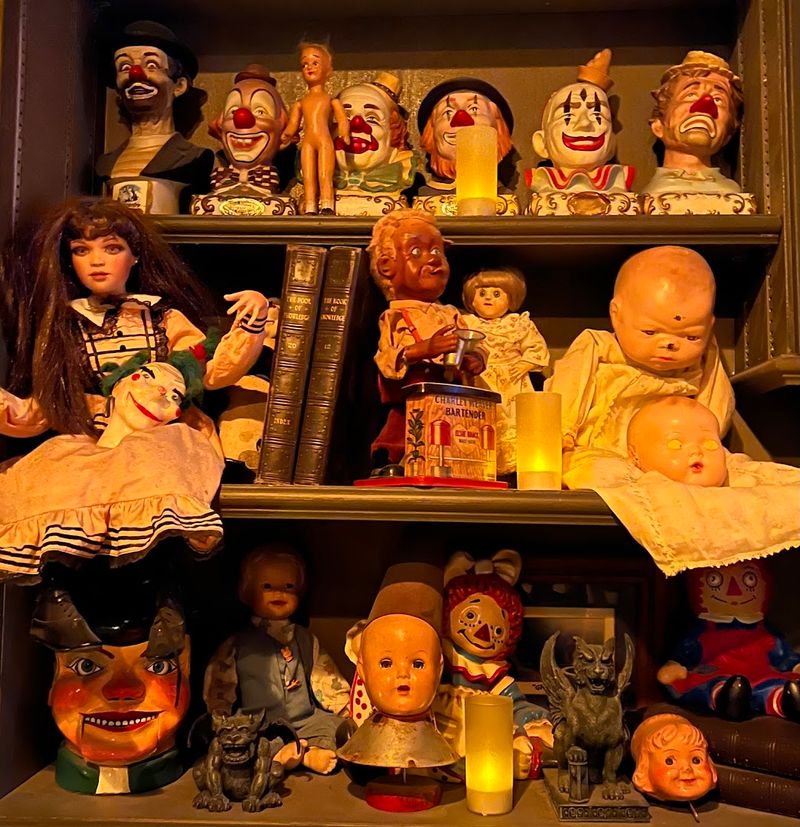
Peggy appears harmless at first glance. She is a doll from the 1940s with a porcelain face and period clothing.
Her appearance suggests nothing sinister until you learn about the reports surrounding her.
Visitors who stare directly into Peggy’s eyes report sudden chest pain, difficulty breathing, and overwhelming anxiety. The museum posts warnings advising against prolonged eye contact.
Video footage from surveillance cameras shows people collapsing near her display.
Bagans acquired Peggy after her previous owner could no longer keep her due to escalating disturbances. The doll now sits in a case marked with clear cautions.
Guides emphasize that the warnings are not for effect. Multiple guests have required assistance after ignoring the posted instructions, making Peggy one of the most unsettling items in the entire collection.
The Devil’s Rocking Chair Has A Chilling Reputation
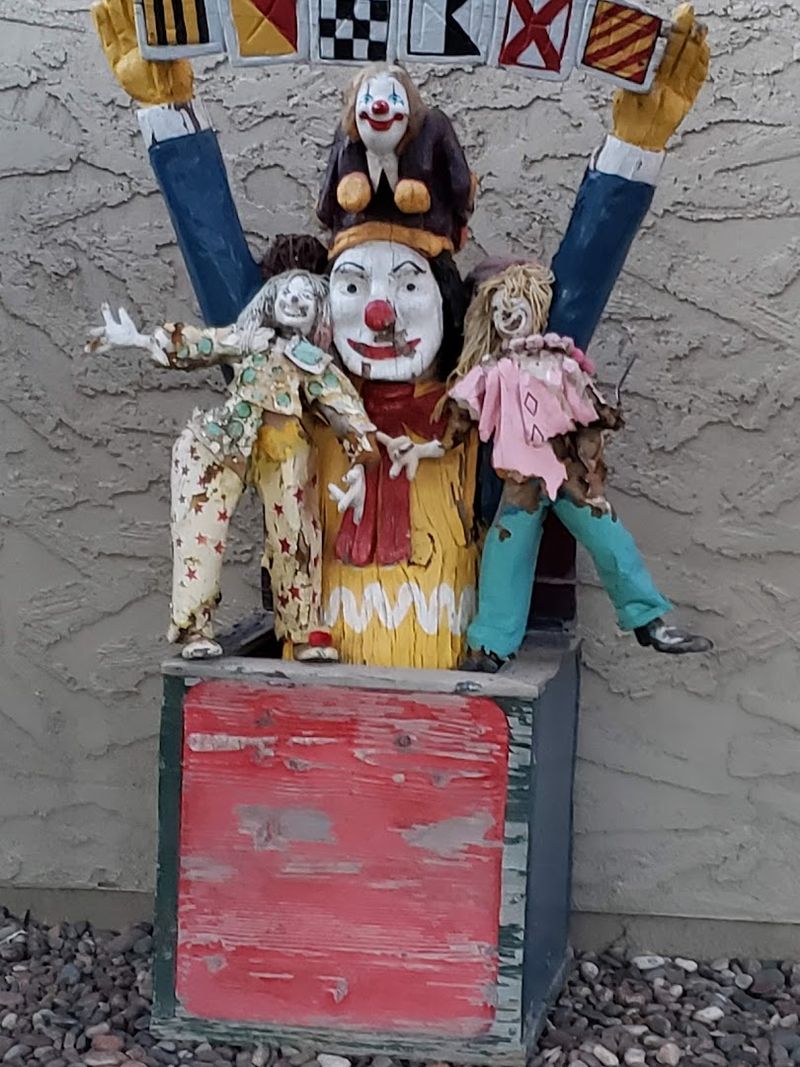
This rocking chair belonged to a woman who claimed to communicate with a demon while seated in it. She reportedly cursed anyone who sat in the chair after her.
Several people who ignored the warning died under strange circumstances.
The chair remains roped off. Museum staff forbid anyone from sitting in it or touching it.
Even approaching too closely makes some guests uncomfortable. The wood shows age and wear, and the chair’s simple construction belies its dark history.
Bagans includes documentation about the chair’s previous owners and the disturbing incidents long associated with it.The object serves as a reminder that some items in the collection are not merely associated with stories but have verifiable records of tragedy. The chair rocks occasionally on its own, according to staff, despite being on a level surface with no drafts.
Fog Strobe Lights And Flickering Effects Add To The Atmosphere
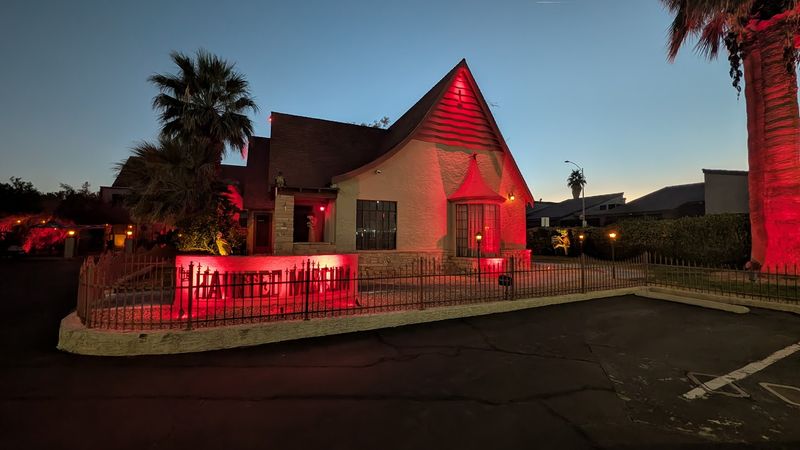
The museum employs theatrical techniques to heighten the experience. Fog machines pump mist through hallways and rooms, reducing visibility and creating an oppressive feeling.
Strobe lights flash in certain areas. Overhead lighting flickers as if on failing circuits.
These effects are intentional. Bagans designed the tour to disorient guests and make them more susceptible to the atmosphere.
The fog becomes particularly thick in basement areas and narrow passages. Combined with the heat and limited ventilation, the environment becomes physically challenging.
Some guests find these effects overwhelming. The combination of poor air circulation, dense fog, and constant movement for nearly three hours causes fatigue and lightheadedness.
The museum acknowledges this and allows people to step out if needed, but the effects serve their purpose by making the tour feel genuinely oppressive rather than simply educational.
No Photos Are Allowed During The Tour
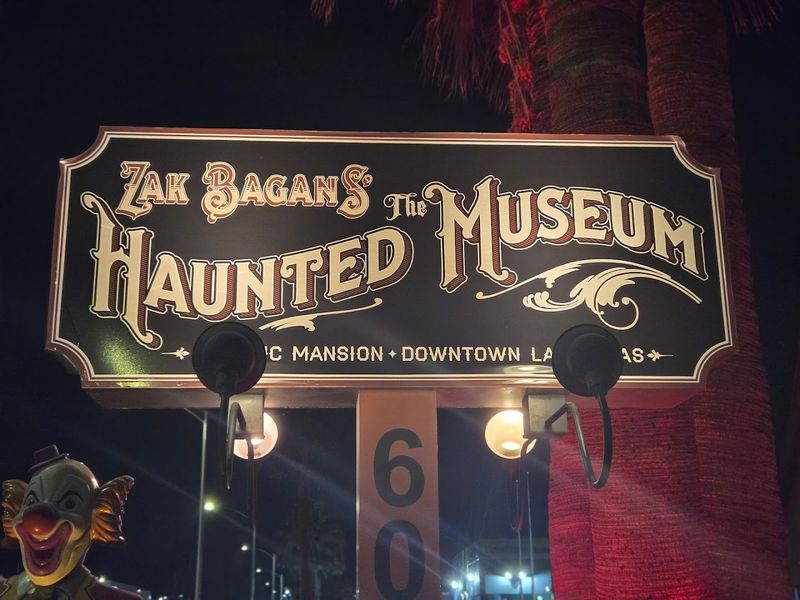
Phones must remain off throughout the entire tour. Photography and video recording are strictly prohibited.
Security enforces this rule consistently. The policy frustrates some visitors but serves multiple purposes.
Bagans cites respect for the objects and the spirits potentially attached to them. He also protects the museum’s intellectual property and maintains an element of mystery.
Without photos, guests must rely on memory, which makes the experience feel more personal and less like a social media opportunity.
The restriction means there is no visual record to take home beyond what the gift shop offers. Many guests wish they could photograph specific items to remember details later.
The policy forces full attention on the tour itself rather than on documenting it, which arguably makes the experience more immersive even if it proves inconvenient for those wanting souvenirs.
The Late Night Flashlight Tour Makes It Even More Unsettling
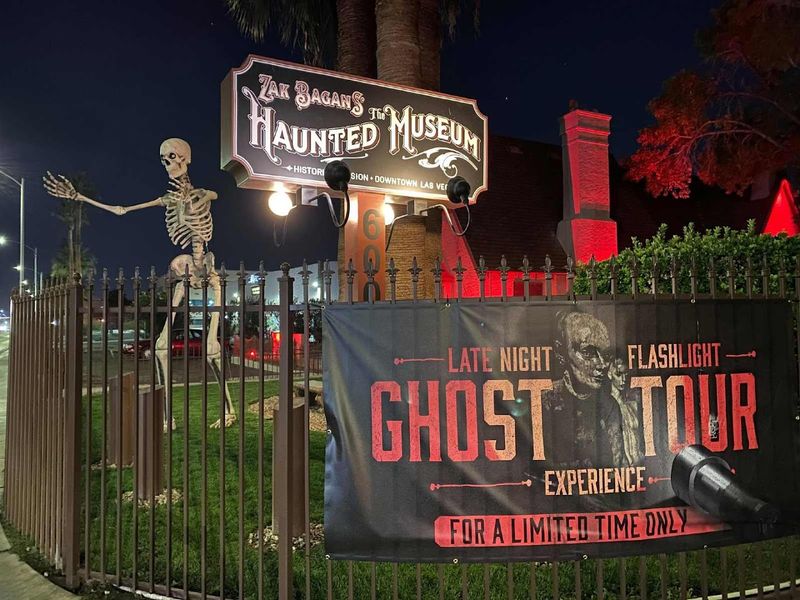
For those seeking a more intense experience, the museum offers late-night flashlight tours. These occur after regular hours when the building sits in near-total darkness.
Guests carry flashlights and move through the same rooms with minimal lighting.
The darkness transforms familiar spaces. Objects that seemed manageable in daylight become menacing when illuminated only by narrow beams.
Shadows move. Sounds echo differently.
The absence of other tour groups makes the mansion feel larger and more isolated.
Participants report higher rates of unusual experiences during these tours. The combination of darkness, fatigue, and heightened awareness creates conditions where people perceive things they might otherwise miss.
Guides encourage interaction with the objects through questions and EVP sessions. The flashlight tour is not recommended for first-time visitors or anyone uncomfortable with complete darkness and extended periods of tension.