
Nevada Has Over 600 Ghost Towns And This One Is The Most Haunting Of Them All
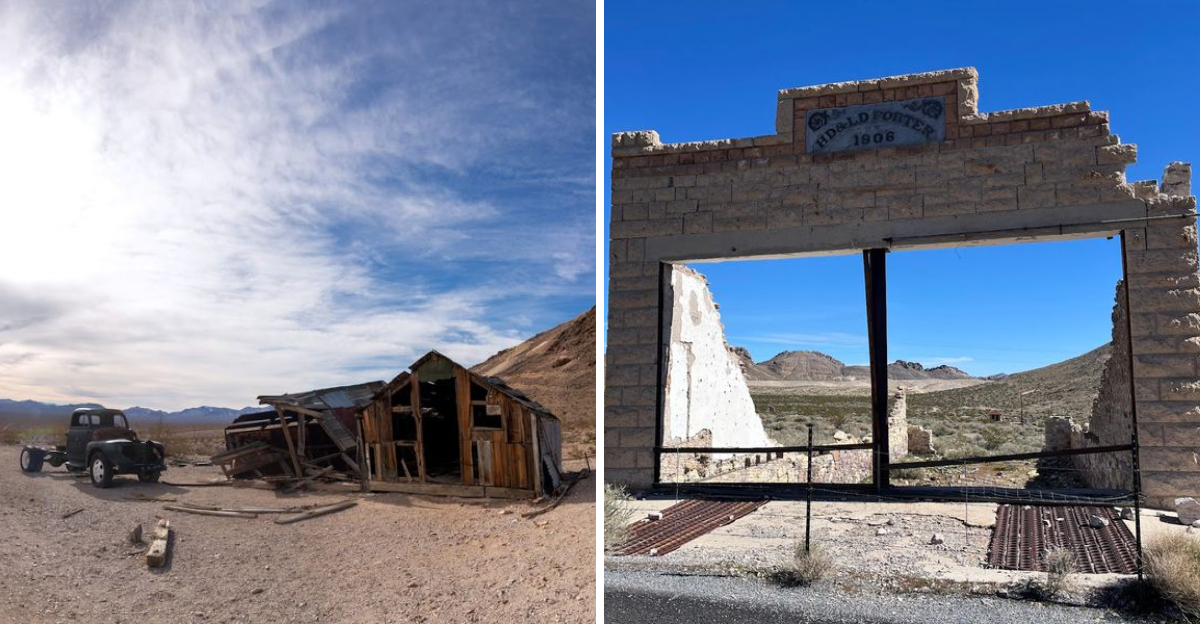
More than 600 ghost towns are scattered across Nevada, but only one makes visitors stop and stare. This particular ruin rose from bare desert in 1905, exploded into a city of thousands practically overnight, then collapsed just as fast.
Within fifteen years, nearly everyone had packed up and left. What remains today is something between an outdoor museum and a time capsule.
Crumbling concrete buildings bake under the desert sun, frozen at the moment the money ran out. Visitors travel from around the world just to wander streets that once buzzed with saloons, hotels, and a full-scale opera house.
The Mojave heat is relentless, the silence is total, and the whole place feels gloriously, irreversibly stuck in another era.
A Gold Rush Discovery Started It All
Frank Harris and Ed Cross stumbled upon green-colored, high-grade gold ore in 1904, setting off a chain reaction that would transform empty desert into a bustling city. The discovery sparked the Bullfrog Mining District and attracted thousands of fortune seekers who believed they had found the next great American bonanza.
Word spread quickly through mining camps across the West, and prospectors abandoned their claims elsewhere to stake new ones in this promising territory.
The ore quality exceeded expectations, and mining companies rushed to establish operations before competitors could claim the best ground. Within months, the desert floor transformed into a landscape of tents, makeshift shelters, and the beginnings of permanent structures.
The gold was real, the excitement was contagious, and Rhyolite was born from that singular moment of discovery in the Nevada wilderness.
The Town Rose Almost Overnight In The Desert
Rhyolite appeared in the desert with astonishing speed, growing from nothing to a city of thousands in just a few years. The town was officially platted in 1905, and by 1907 it claimed a population of 6,000 residents who lived in a community that boasted electric lights, running water, telephones, and newspapers.
Construction crews worked around the clock to keep pace with the influx of miners, merchants, and families seeking opportunity.
Three separate railroad lines eventually served the town, connecting Rhyolite to the wider world and making it the largest city in southern Nevada. The Tonopah and Tidewater, the Bullfrog Goldfield, and the Las Vegas and Tonopah railroads all recognized the commercial potential and invested heavily in infrastructure.
Banks opened, schools welcomed children, and an opera house brought culture to the frontier in ways that suggested permanence and prosperity.
Rhyolite Once Had Big City Ambitions
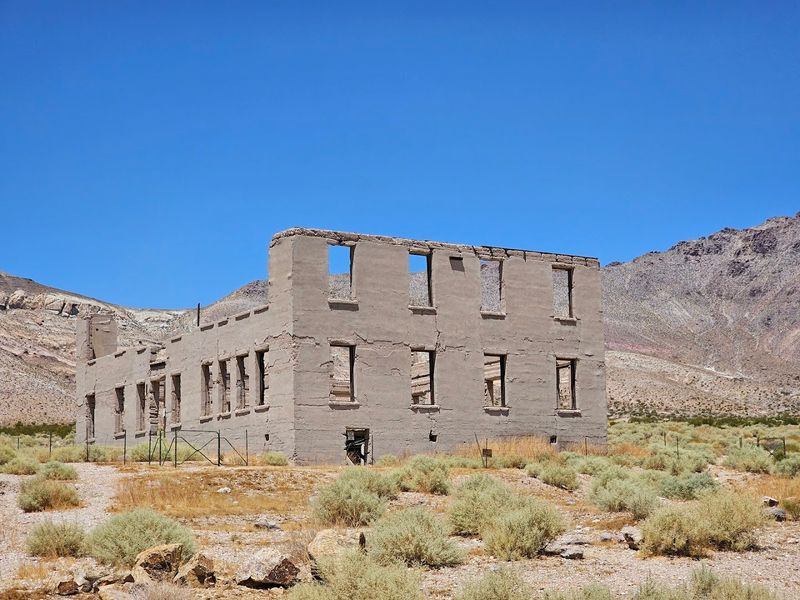
Rhyolite aimed to become a major metropolitan center, not just another mining camp that would fade when the ore ran out. The town featured a stock exchange where mining shares changed hands daily, a hospital that provided medical care, and multiple newspapers that chronicled civic life and business dealings.
Residents invested in substantial buildings made of concrete and adobe because local timber was scarce, giving the town an architectural character that differed from typical Western settlements.
Three separate water systems supplied homes and businesses, reflecting confidence that the population would continue growing for decades to come. City planners laid out wide streets and designated spaces for parks and public buildings that would serve future generations.
The ambition was genuine, the investments were substantial, and the belief in a lasting future seemed entirely reasonable given the wealth flowing from the mines during those early years.
The Cook Bank Building Became Its Most Famous Ruin
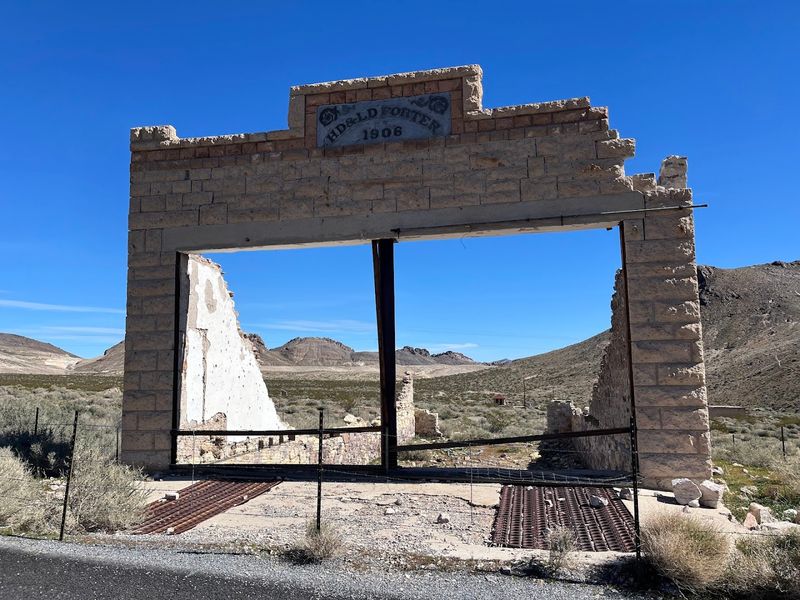
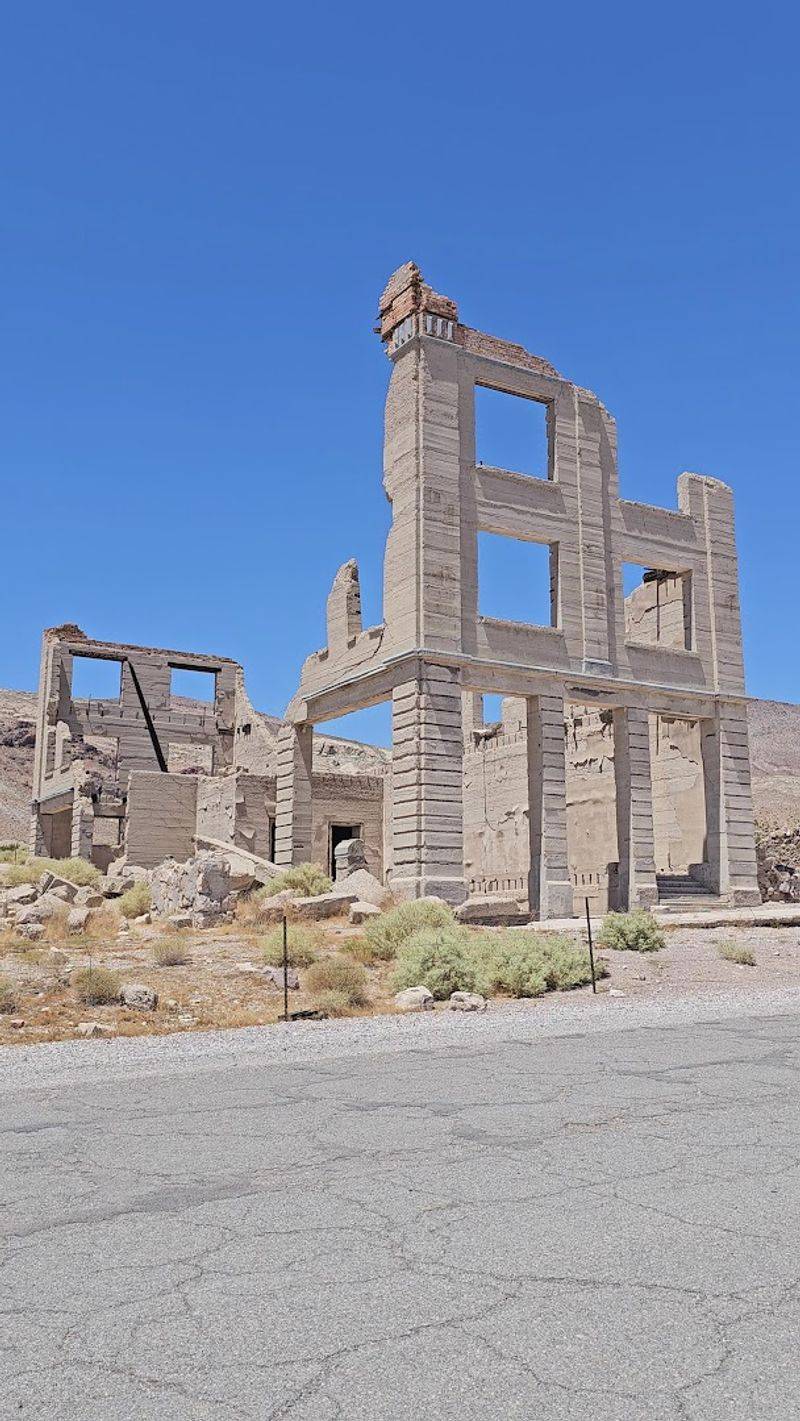
The three-story Cook Bank Building remains the most photographed structure in Rhyolite, standing as a testament to the financial confidence that once filled this desert town. Built with substantial concrete walls and designed to project stability and permanence, the bank processed enormous sums during the boom years when gold flowed freely from nearby mines.
The building housed not just banking operations but also office space for mining companies and professionals who believed Rhyolite would endure.
Today the structure stands with empty window frames that frame views of the surrounding desert, its concrete walls still solid despite more than a century of exposure to harsh elements. Visitors can approach the building closely and peer inside at the spaces where fortunes were made and lost in rapid succession.
The architectural details still visible in the ruins suggest the level of craftsmanship and investment that went into construction during those optimistic early years.
The Bottle House Still Feels Almost Impossible
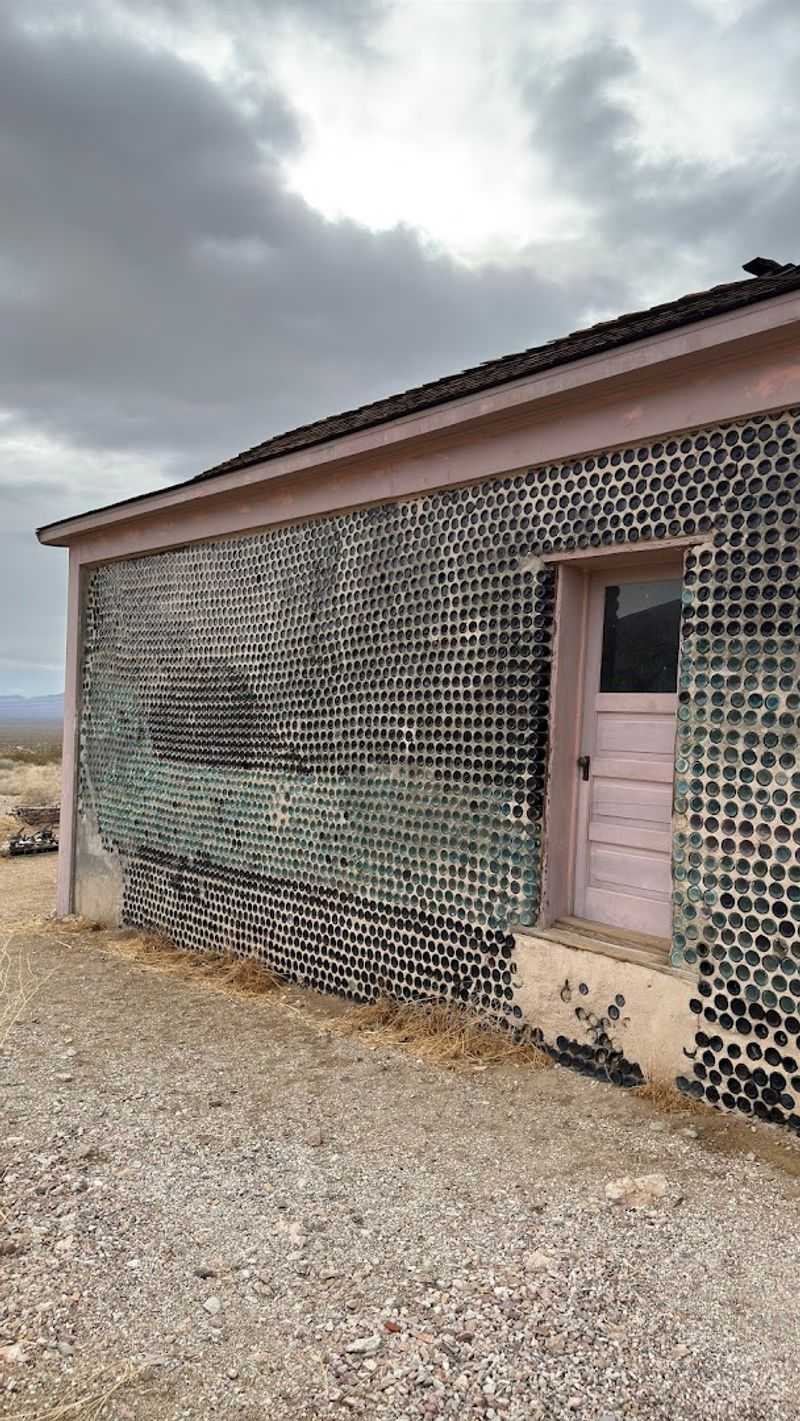
Tom Kelly constructed his home using approximately 50,000 glass bottles in 1906, creating one of the most unusual structures in the American West. The lack of affordable lumber in the desert forced creative solutions, and Kelly collected discarded beer and liquor bottles from the numerous saloons operating in town.
He laid the bottles on their sides with the bottoms facing outward, using adobe mortar to bind them together into walls that provided insulation against the desert temperature extremes.
The structure still stands today, carefully maintained and protected so visitors can marvel at the ingenuity born from necessity and scarcity. Light filters through the green and brown glass in patterns that change throughout the day, creating an interior atmosphere unlike any conventional building.
The Bottle House represents both the resourcefulness of early settlers and the environmental challenges they faced in building permanent homes in such an unforgiving landscape.
Its Boom Years Ended Shockingly Fast
The financial panic of 1907 devastated mining operations across the West, and Rhyolite suffered more than most because its economy depended almost entirely on gold extraction. Investment capital dried up overnight, and mines that had been producing steadily suddenly couldn’t secure the funding needed to continue operations at depth.
The closure of the Montgomery Shoshone Mine in 1910, owned by industrialist Charles Schwab, signaled the end of any hope for recovery.
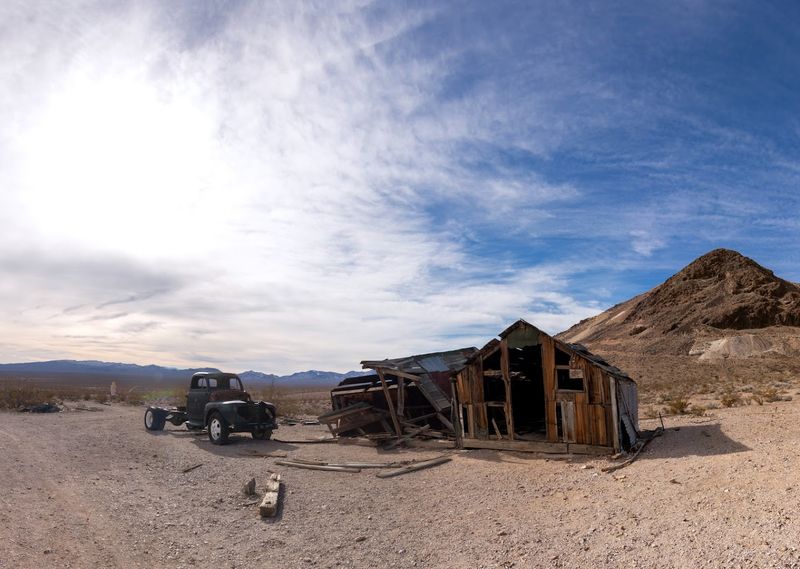
Residents began leaving as quickly as they had arrived, taking whatever they could carry and abandoning buildings that had seemed so permanent just years earlier. By 1916 the town was essentially deserted, and by 1920 only 14 residents remained among the empty structures.
The speed of the collapse shocked those who had invested everything in Rhyolite’s future, leaving behind a landscape of broken dreams and concrete ruins that would outlast the memories of those who built them.
The Desert Silence Makes The Ruins Feel Even Stranger
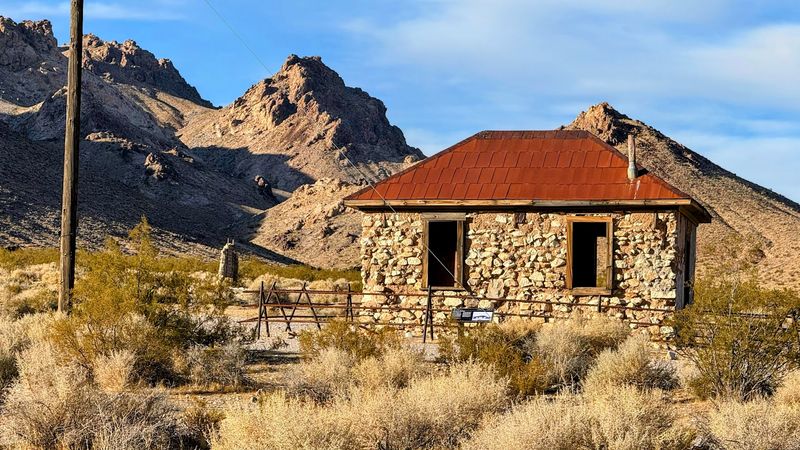
Standing among the ruins today, the silence feels almost physical in its intensity, broken only by occasional desert winds that whistle through empty window frames. The absence of human activity creates an atmosphere that allows visitors to imagine the bustling streets, the sounds of construction, and the voices of thousands of residents who once called this place home.
The contrast between past vitality and present emptiness gives Rhyolite an emotional weight that distinguishes it from other abandoned sites.
The desert has reclaimed much of the town, with native plants growing around foundations and sand drifting against walls that once faced busy sidewalks. Visitors often report feeling like they’ve stepped into a place suspended between two worlds, neither fully alive nor completely gone.
The preserved ruins allow close inspection, and historical plaques provide context, but the silence remains the most powerful element of any visit to this haunted landscape where time seems to have stopped abruptly.
The Old Train Depot Hints At Bigger Plans
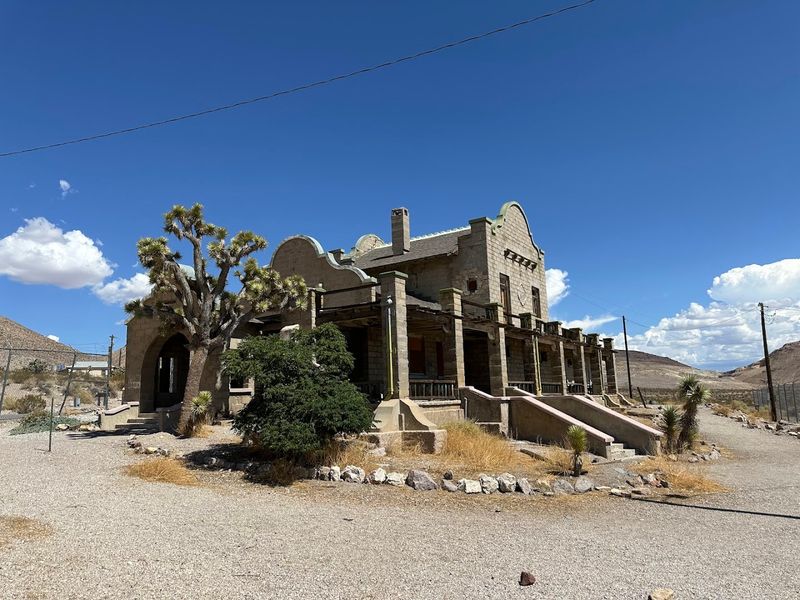
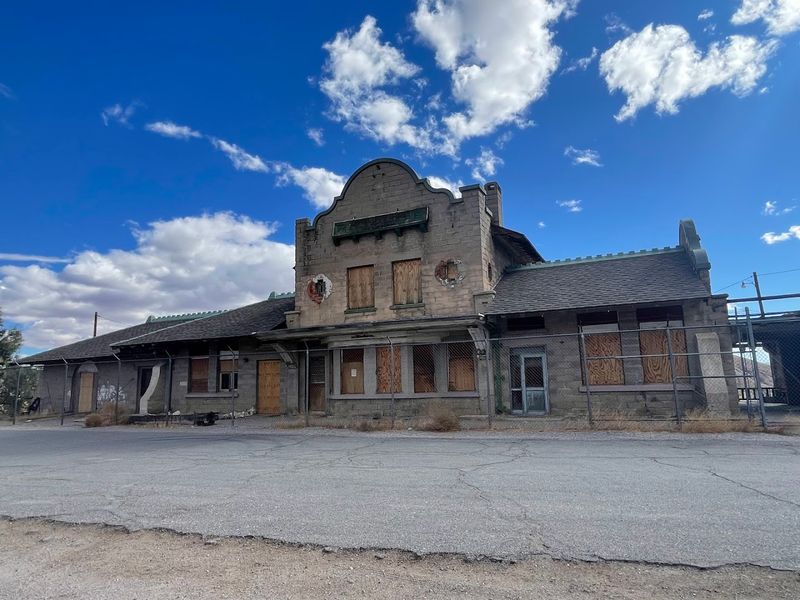
The Las Vegas and Tonopah Railroad depot built in 1908 still stands as evidence of the transportation infrastructure that once connected Rhyolite to the outside world. The building’s architecture reflects the optimism of an era when railroad companies believed this desert town would generate passenger and freight traffic for decades to come.
The covered platform where travelers once waited for trains now shelters only tourists and photographers who come to document what remains of this ambitious transportation hub.
Unfortunately, the depot has suffered from neglect and vandalism in recent years, with broken gates and open doors allowing weather and intruders to damage the interior. Architectural details that once impressed arriving visitors now crumble without intervention or restoration efforts.
The building represents both the grand ambitions that drove Rhyolite’s development and the sad reality of how quickly important structures can deteriorate when communities disappear and maintenance ends permanently.
Goldwell Open Air Museum Adds Another Eerie Layer
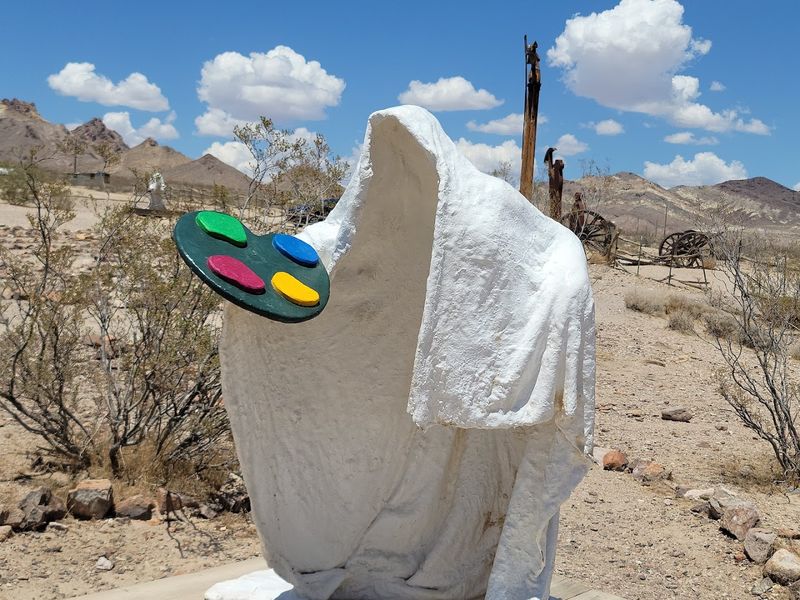
The Goldwell Open Air Museum sits adjacent to the historic ruins, featuring contemporary art installations that create an unexpected dialogue between past and present. Artists have created works that respond to the landscape and history, adding layers of meaning to a site already heavy with stories of human ambition and failure.
The contrast between century-old ruins and modern artistic expression creates a unique experience that attracts visitors interested in both history and contemporary culture.
The museum operates as a nonprofit organization dedicated to supporting artists and providing public access to outdoor art in this remote desert location. Sculptures and installations change periodically, ensuring that repeat visitors encounter new perspectives on the relationship between art, history, and environment.
The combination of ghost town ruins and contemporary art makes Rhyolite a destination that appeals to a broader audience than historic preservation alone might attract, expanding the site’s cultural significance beyond its mining heritage.
The Ghost Figures Nearby Make The Visit Feel Surreal
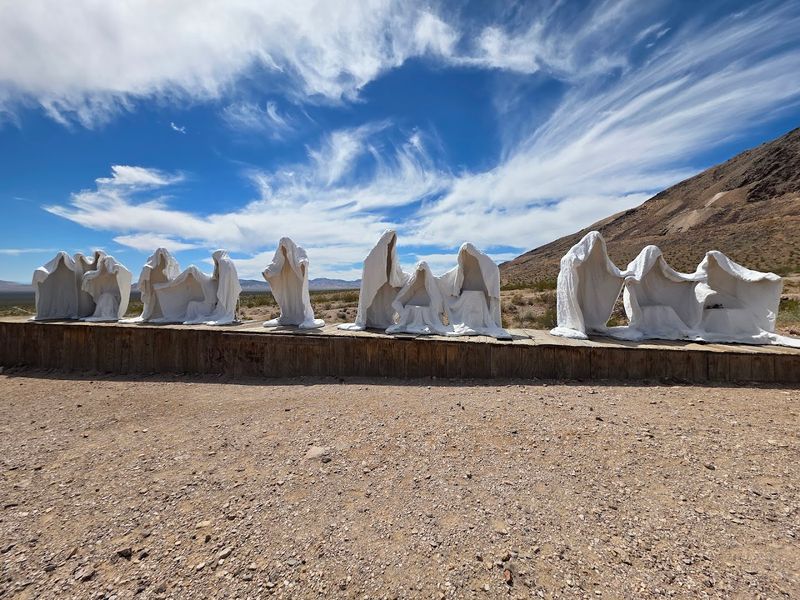
Belgian artist Albert Szukalski created a series of plaster ghost figures that stand in the desert near the historic ruins, their pale forms creating an unsettling presence in the landscape. The sculptures depict draped human figures that appear to float above the ground, evoking spirits of the thousands who once lived and worked in this now-empty place.
The installation titled “Last Supper” features multiple figures arranged in a composition that references religious iconography while commenting on the death of the community.
These ghostly forms have become one of the most photographed elements of the Rhyolite experience, their stark white surfaces contrasting dramatically with the brown desert and blue sky. Visitors often report feeling a chill when encountering the figures unexpectedly, as their human scale and haunting postures trigger emotional responses that connect past and present.
The sculptures transform a visit from a simple historical tour into something more contemplative and emotionally resonant, adding artistic depth to the already powerful atmosphere.