
10 Nevada Hikes You Should Try This Spring That Deliver Big Views In Short Miles
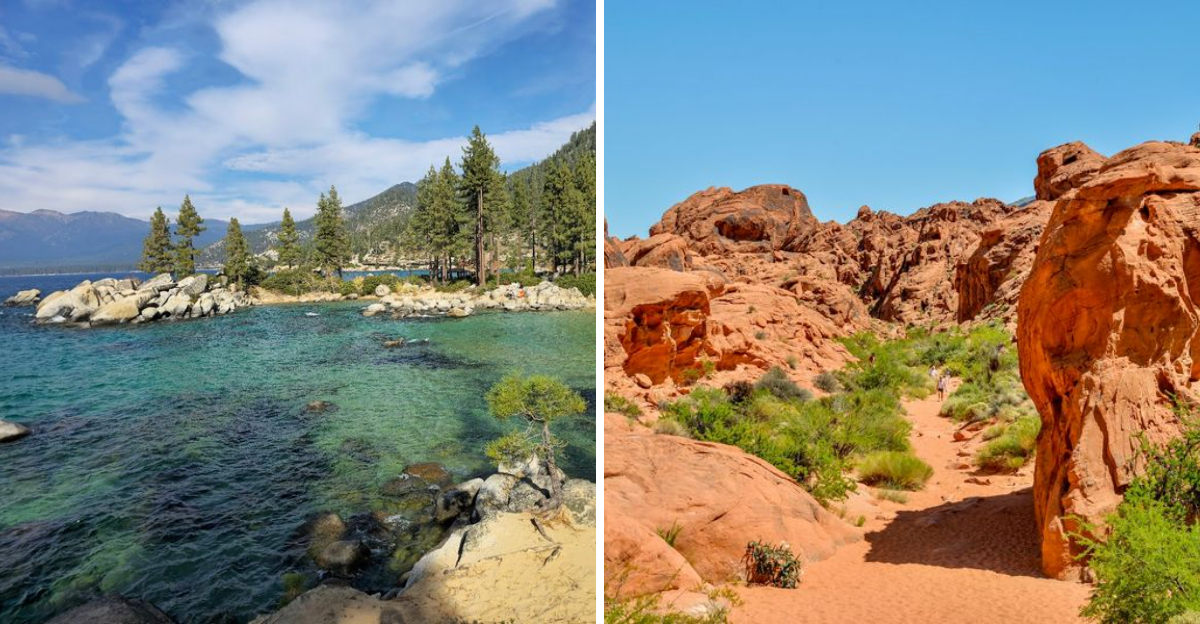
Spring gives Nevada’s desert a whole new personality. Red rocks glow brighter, wildflowers add flashes of colour, and the weather finally feels friendly enough for a trail day that does not require heroic levels of endurance.
The best part? You do not need a massive trek to enjoy the views.
Shorter hikes can still deliver canyon walls, open desert panoramas, lake scenery, sandstone shapes, and quiet moments that feel much bigger than the mileage suggests. These routes are ideal for anyone who wants fresh air, pretty photos, and a satisfying outdoor reset without spending the entire day on the trail.
Ready to see how much scenery Nevada can squeeze into just a few short miles?
1. Fire Wave Trail, Valley Of Fire State Park
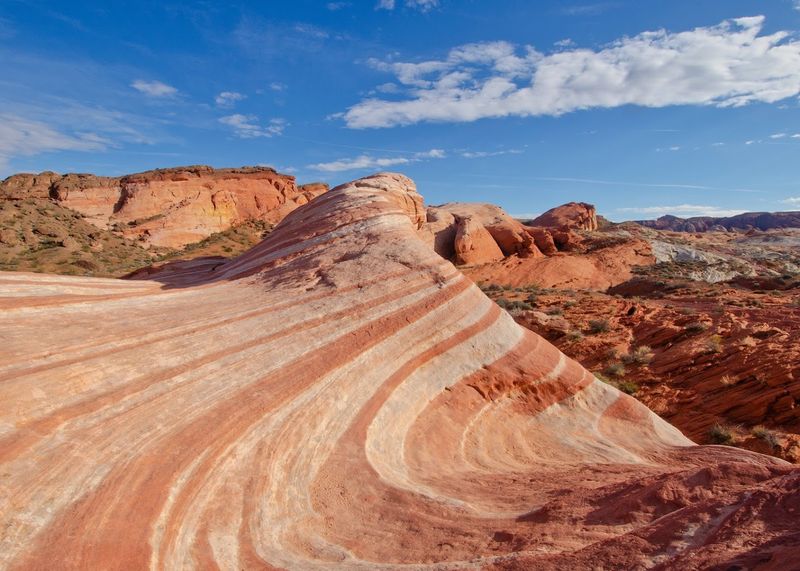
Picture swirling patterns of red, pink, white, and orange sandstone that look like frozen flames rippling across the desert floor. That’s Fire Wave, and it’s one of those places that makes you stop mid-step and just stare.
The colors shift throughout the day as sunlight moves across the striped rock, creating a natural kaleidoscope that photographers dream about.
Getting there requires just 1.5 miles of walking through otherworldly terrain that feels more like Mars than Earth. The trail isn’t marked with signs, but painted white dots guide you across slickrock and through sandy washes.
Most people reach the Wave itself in about 30 minutes, though you’ll probably spend twice that long exploring and snapping photos.
Spring brings comfortable temperatures that make this hike genuinely enjoyable instead of a sweaty survival challenge. Arrive early morning for the best lighting and fewer people sharing your view.
The parking area at White Domes serves as your starting point, and from there, the adventure unfolds across some of Nevada’s most photogenic geology.
Bring plenty of water even on this short trek because the desert doesn’t forgive poor planning. Wear shoes with good grip since the slickrock can be slippery despite looking rough.
2. White Domes Trail, Valley Of Fire State Park
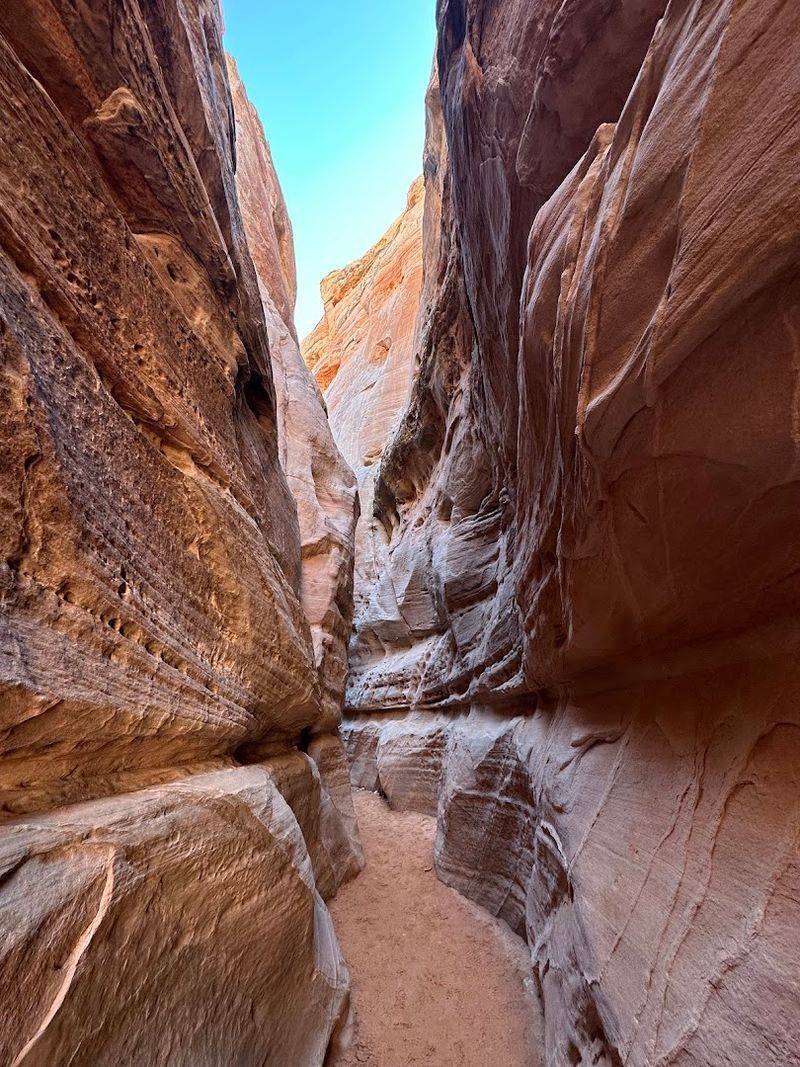
Slot canyons, towering domes, and a genuine movie set await you on this 1.1-mile loop that packs more variety into its short distance than seems physically possible. You’ll wind through narrow passages where canyon walls rise dramatically overhead, then emerge into open areas surrounded by brilliant white sandstone formations that give this trail its name.
The path takes you past the actual filming location from a 1966 movie, complete with remnants of old structures that add a touch of Hollywood history to your desert adventure. Kids absolutely love squeezing through the tight canyon sections, and the constantly changing scenery keeps everyone engaged.
Spring weather makes the enclosed canyon areas comfortable instead of stifling.
This trail works beautifully for families because it’s short enough for younger hikers but interesting enough that nobody gets bored. The loop design means you’re always seeing something new rather than retracing your steps.
Elevation change stays minimal, so you can focus on the scenery rather than huffing uphill.
Watch for petroglyphs carved into the rock walls by ancient peoples who found this landscape equally captivating. The contrast between the white domes and red surrounding rock creates photography opportunities around every bend.
3. Calico Tanks Trail, Red Rock Canyon
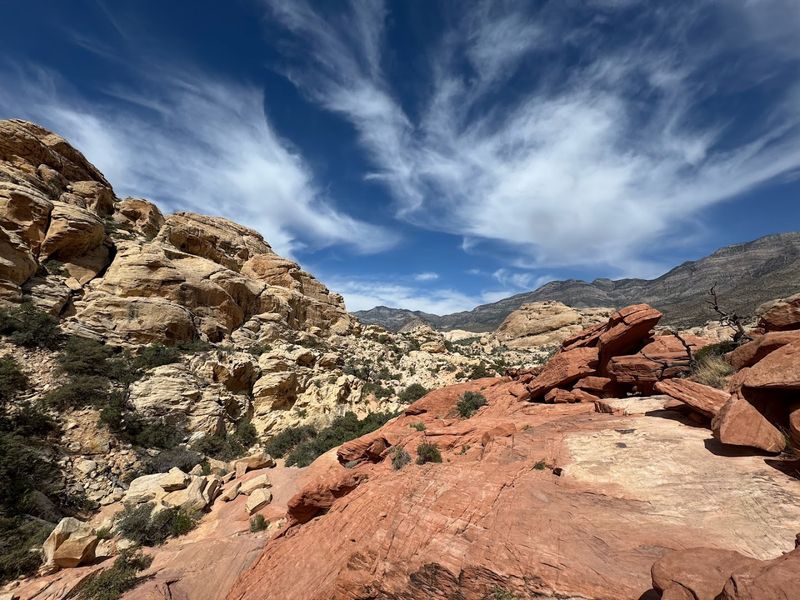
Scrambling over smooth sandstone toward a hidden water pocket might sound challenging, but this 2.5-mile round trip rewards your effort with sweeping views across Las Vegas Valley and a surprising desert pool that holds water year-round. The trail climbs about 400 feet through a landscape of colorful rock formations that shift from cream to rust to deep red as you ascend.
Spring transforms this hike from a brutal sun-baked ordeal into a pleasant adventure where you might even spot wildflowers tucked into rock crevices. The route requires some basic scrambling over boulders, which adds an element of fun rather than difficulty.
When you reach the tanks themselves, you’ll find natural basins carved into the rock by centuries of water erosion.
These pools support a micro-ecosystem of tadpoles, insects, and occasionally visiting birds who depend on this rare desert water source. The panoramic view from the tanks stretches across the entire valley, with the Las Vegas Strip visible in the distance creating a surreal contrast between wilderness and civilization.
Photographers love the late afternoon light that makes the rocks glow.
Start early to avoid afternoon heat and crowds from the nearby Sandstone Quarry parking area. The trail isn’t always obvious, so pay attention to rock cairns marking the way.
4. Ice Box Canyon Trail, Red Rock Canyon
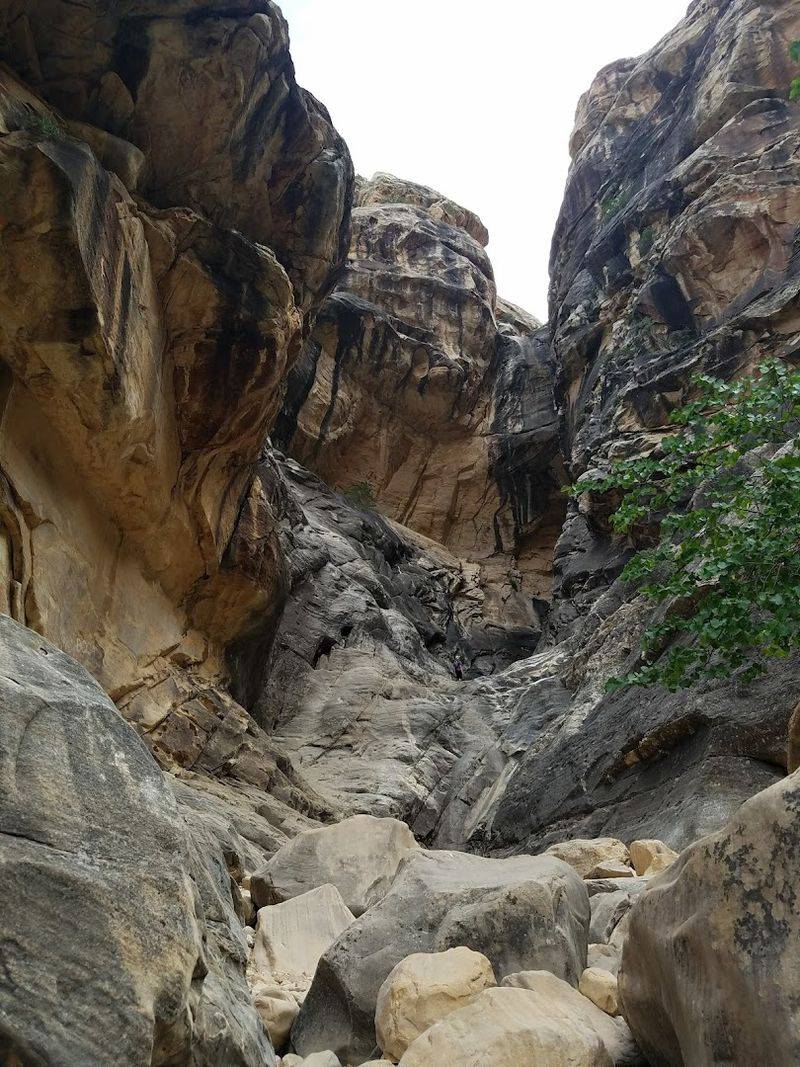
A seasonal waterfall in the desert sounds like an oxymoron until you experience Ice Box Canyon after spring snowmelt sends water cascading down a narrow slot carved through towering cliffs. This 2.6-mile out-and-back trail follows a wash that gradually narrows into a cool, shaded corridor where temperatures drop noticeably, hence the name.
The canyon walls rise hundreds of feet on either side, creating a natural air conditioning system that makes this trail refreshingly comfortable even as surrounding areas bake. Spring runoff creates the best waterfall conditions, though you’ll need to scramble over boulders to reach the falls themselves.
The journey through the canyon feels like entering a secret passageway hidden within the desert.
Vegetation thrives in this sheltered microclimate, with ferns and moss growing in spots that receive moisture from the seeping rock walls. Birds nest in the cliff faces, and you might hear their calls echoing off the stone.
The trail requires some rock hopping and isn’t suitable for those uncomfortable with uneven terrain.
Check recent trip reports before visiting since flash flood danger exists during storms. The parking area at the Ice Box Canyon trailhead fills quickly on nice spring weekends.
Bring a light jacket because that canyon shade really does cool things down considerably.
5. Mouse’s Tank Trail, Valley Of Fire State Park
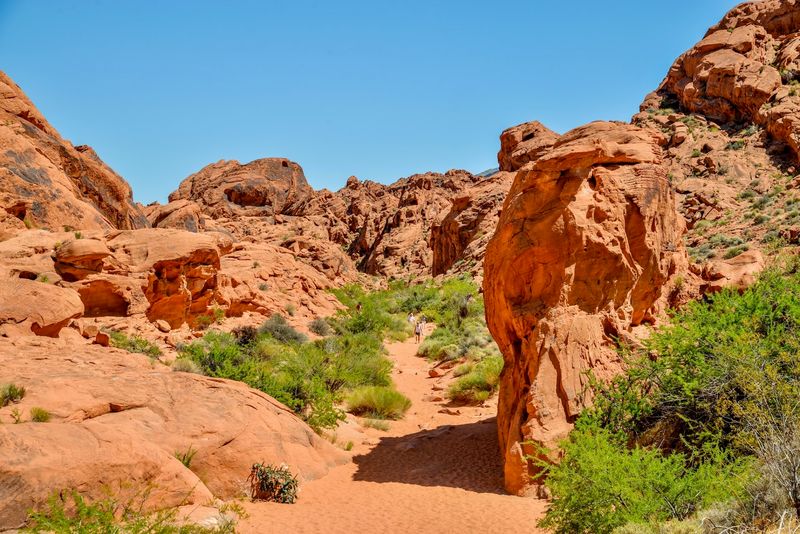
Walking through thousands of years of human history takes just 0.7 miles on this paved trail that leads to a natural water basin surrounded by incredible rock art. Native peoples carved petroglyphs into these canyon walls centuries ago, and they remain remarkably preserved, telling stories in symbols that still captivate modern visitors.
The trail got its name from a Paiute renegade called Mouse who supposedly hid in this area during the 1890s.
Spring rains occasionally fill the natural tank at the trail’s end, creating a genuine desert oasis that attracts wildlife and provides a cool contrast to the surrounding red rock. The paved surface makes this accessible for strollers and wheelchairs, though there’s a slight uphill grade.
Interpretive signs along the way explain the petroglyphs and geology, turning your hike into an educational experience.
Early morning light illuminates the canyon walls beautifully, making the ancient carvings easier to photograph and appreciate. The short distance means you can easily combine this with other Valley of Fire trails during a single visit.
Families appreciate how the rock art keeps children engaged and curious.
Respect these irreplaceable cultural treasures by looking without touching. The oils from human hands damage the ancient carvings over time.
6. First Creek Canyon Trail, Red Rock Canyon
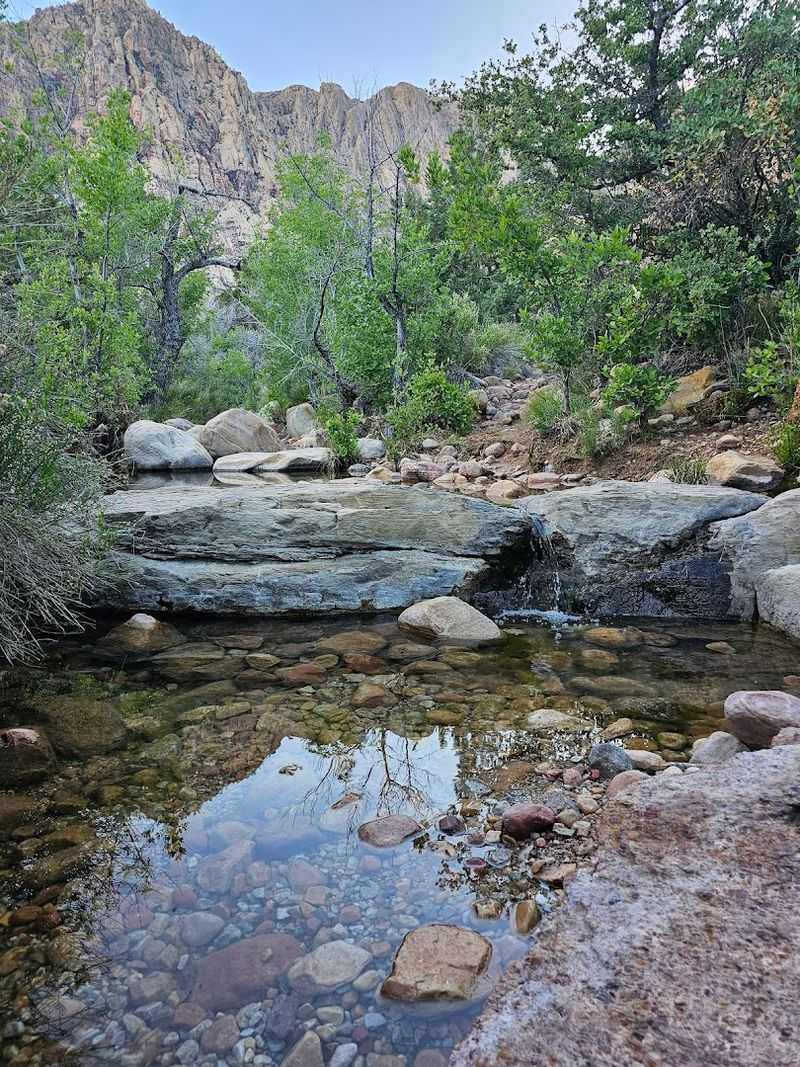
Following a genuine desert stream through a canyon that transitions from Mojave Desert to mountain forest in just 2.5 miles feels like hiking through multiple ecosystems without changing locations. First Creek flows year-round in most years, creating a ribbon of life that supports cottonwood trees, willows, and an impressive variety of birds and insects.
The trail starts in typical desert scrub but gradually climbs into a cooler zone where ponderosa pines appear, creating shade and a mountain atmosphere that seems impossible given your proximity to Las Vegas. Spring brings the creek to its fullest flow, and wildflowers bloom along the banks in colorful displays.
Multiple creek crossings keep things interesting, though you can usually rock-hop across without getting wet.
As you ascend, the canyon walls close in and the vegetation becomes lusher, culminating in a beautiful grove of tall pines surrounding pools and small cascades. This destination point, roughly 1.25 miles from the trailhead, makes a perfect lunch spot before heading back.
The 400-foot elevation gain happens gradually enough that it never feels strenuous.
Expect some route-finding since the trail isn’t always clearly defined, especially during creek crossings. Bring shoes that can get wet or pack sandals for the crossings.
Arrive early because parking at the First Creek Canyon trailhead is extremely limited.
7. Historic Railroad Tunnel Trail, Lake Mead
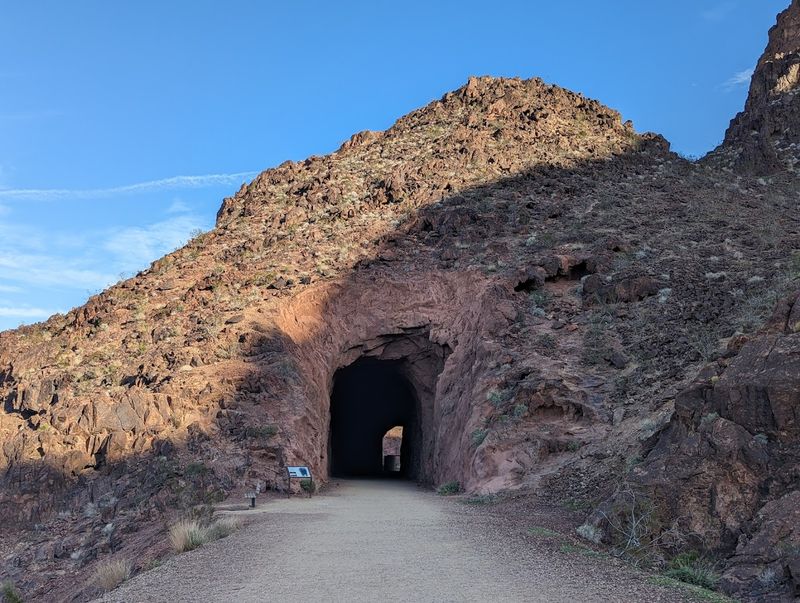
Five massive tunnels carved through solid rock in the 1930s create one of Nevada’s most unique hiking experiences, combining engineering history with stunning lake views on a paved 3.7-mile trail. These tunnels once carried railroad cars loaded with equipment and materials for Hoover Dam construction, and walking through them feels like stepping back into that ambitious era.
The trail follows the old railroad grade along the cliffs above Lake Mead, offering constant views of the blue water contrasting with red desert mountains. Each tunnel has a distinct character, with the longest stretching over 300 feet through darkness that makes a flashlight worthwhile.
Between tunnels, the path crosses dramatic rock faces where you can appreciate both the engineering feat and the natural beauty.
Spring temperatures make this exposed trail enjoyable rather than punishing, and the lake views become even more dramatic when desert wildflowers bloom. The paved surface accommodates bikes, strollers, and wheelchairs, making this accessible to almost everyone.
Interpretive signs explain the construction history and the role these tunnels played in building one of America’s most famous dams.
Start at the Railroad Tunnel Trailhead near Lake Mead and plan for about two hours round trip at a casual pace. Bring a headlamp or flashlight for the tunnels.
The trail continues beyond the fifth tunnel if you want to extend your hike.
8. Sand Harbor Nature Trail, Lake Tahoe Nevada State Park
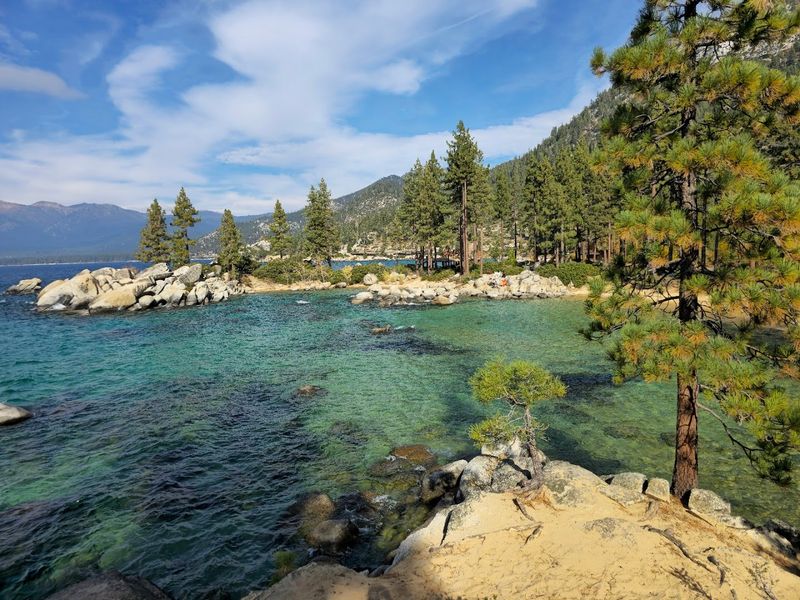
Crystal-clear turquoise water lapping against massive granite boulders creates postcard-perfect scenes along this easy 0.5-mile loop that showcases Lake Tahoe’s famous clarity and beauty. Sand Harbor ranks among Tahoe’s most photographed locations, and this short nature trail lets you experience the best views without the crowds that pack the beach during summer.
The path winds through fragrant Jeffrey pines and around enormous rounded boulders that look like they were placed by giants for maximum scenic effect. Interpretive signs explain the ecology of this alpine lake environment and the unique adaptations plants make to survive at 6,200 feet elevation.
Multiple viewpoints offer different perspectives of the impossibly blue water and surrounding Sierra Nevada peaks.
Spring means you’ll have this trail relatively to yourself before the summer hordes arrive, and the wildflowers blooming among the rocks add extra color to an already vibrant landscape. The easy terrain makes this suitable for all ages and fitness levels.
You can easily combine the nature trail with time relaxing on the beach or exploring the rocky shoreline.
Arrive early even in spring because Sand Harbor’s popularity means parking fills quickly on nice weekends. The Nevada State Park day-use fee applies.
Bring layers since temperatures near the lake can be significantly cooler than down in the valleys.
9. Hunter Creek Trail, Reno
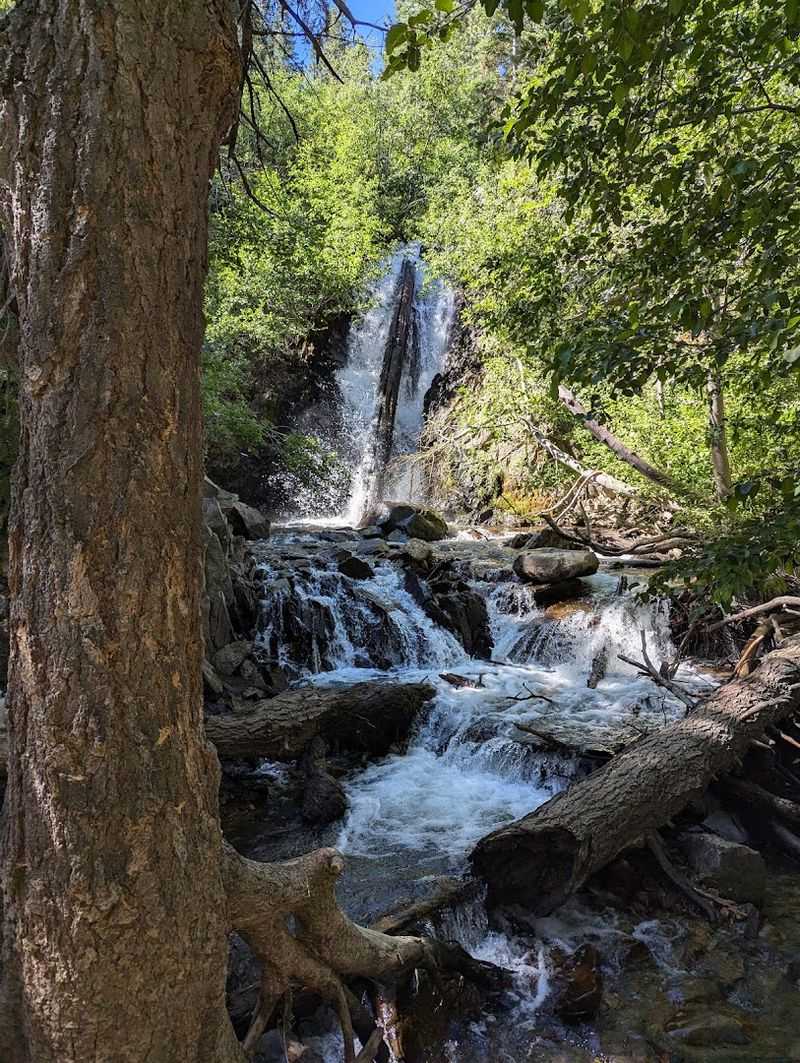
Starting from a suburban Reno neighborhood and reaching genuine Sierra Nevada wilderness in less than two miles seems impossible until you experience Hunter Creek Trail yourself. This easily accessible path follows a year-round creek upstream through a canyon that becomes progressively more beautiful and wild as you climb away from civilization.
The first mile passes through a transitional zone where desert vegetation mingles with mountain plants, creating an interesting botanical mix. As you continue, ponderosa pines and aspens take over, providing shade and that mountain forest atmosphere.
Spring runoff fills the creek with rushing water, and wildflowers bloom in abundance along the banks and in sunny meadows.
The trail eventually reaches Hunter Creek Falls, a modest but picturesque cascade that makes a satisfying turnaround point at roughly 2.5 miles from the trailhead. The 800-foot elevation gain happens gradually, and the constant presence of the creek provides both scenic beauty and a soothing soundtrack.
This trail serves as Reno locals’ favorite quick escape into nature without requiring a long drive.
The Hunter Creek Trailhead sits in a residential area with limited parking that fills quickly on weekends. Respect the neighboring homes by parking only in designated areas.
The trail continues well beyond the falls for those wanting a longer adventure. Watch for poison oak in lower sections.
10. Cathedral Gorge Miller Point Trail, Cathedral Gorge State Park
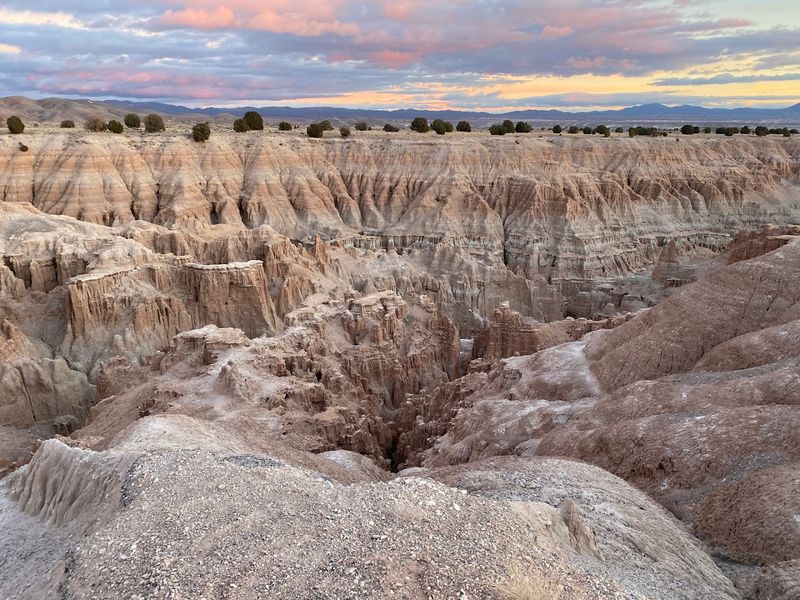
Eroded clay spires rising like Gothic cathedral columns create an otherworldly landscape that feels more like fantasy than reality on this 2-mile trail climbing to a panoramic overlook. Cathedral Gorge’s unique geology formed from ancient lake sediments that eroded into slots, spires, and caves unlike anything else in Nevada.
The buff-colored formations contrast beautifully with blue spring skies.
Miller Point Trail ascends the canyon rim, providing aerial views down into the maze of eroded formations below. The 300-foot climb rewards you with perspectives that reveal the true scale and complexity of this geological wonderland.
Spring brings comfortable temperatures for this exposed trail and occasionally decorates the desert with wildflowers blooming between the clay formations.
The trail isn’t heavily trafficked, giving you a sense of discovery as you explore this lesser-known state park. Side trails branch off to explore narrow slots and caves carved into the soft sediment.
Photographers love the late afternoon light that makes the formations glow golden against shadow-filled crevices.
The park sits in a remote area of eastern Nevada near Panaca, making it a perfect stop on road trips between Las Vegas and points north. Camping facilities exist if you want to spend more time exploring.
The fragile clay formations erode easily, so stay on established trails to preserve this unique landscape for future visitors.