
10 Nevada Lakeshores That Still Feel Untouched
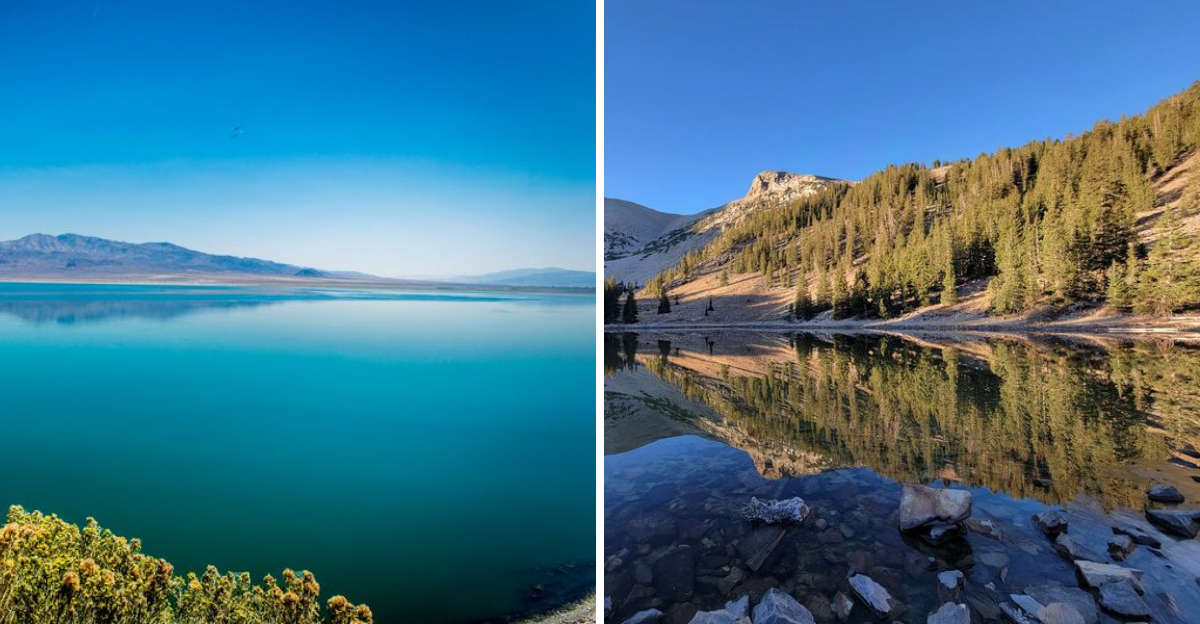
Casinos and desert highways get most of the Nevada attention, but the shoreline surprises are where the state really shows off. You can leave the busy roads behind and end up beside water so still it feels like everyone forgot to tell the crowds.
No packed boardwalks. No constant engine noise. Just clear reflections, rough peaks, bird calls, and the nice little thrill of having space to yourself. These lake spots reward people who do not mind driving farther, packing snacks, and letting the map look a little empty.
The payoff is simple. Cool water, open sky, quiet beaches, and that rare vacation feeling where doing almost nothing somehow feels like the best plan all day long.
1. Liberty Lake, Ruby Mountains, Elko County
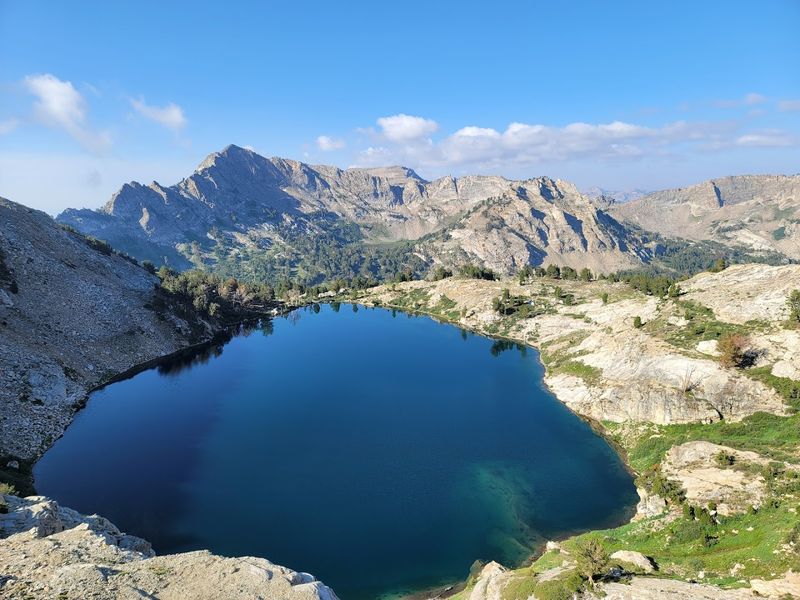
Getting to Liberty Lake requires some serious effort, but that’s exactly what keeps it feeling wild and untouched. You’ll hike about five miles through the Ruby Mountains, gaining over 1,500 feet in elevation, but every step rewards you with increasingly spectacular views.
The trail winds through aspen groves and alpine meadows before opening up to reveal this stunning glacial lake.
Once you arrive, the scene takes your breath away. Towering granite peaks rise dramatically on all sides, their reflections shimmering perfectly in the lake’s impossibly clear water.
The shoreline is mostly rocky with patches of soft grass, perfect for spreading out a picnic or just sitting quietly to absorb the majesty around you.
Because of the challenging access, you’ll rarely encounter crowds here. I’ve visited on summer weekends and had the entire lake practically to myself.
The water stays cold year-round, fed by snowmelt from the surrounding peaks, but brave souls do take quick dips on hot days.
Bring plenty of water, snacks, and layers since weather changes rapidly at this elevation. The isolation and raw beauty make Liberty Lake feel like stepping back in time to when Nevada’s wilderness was completely unexplored.
2. Pyramid Lake, Nixon
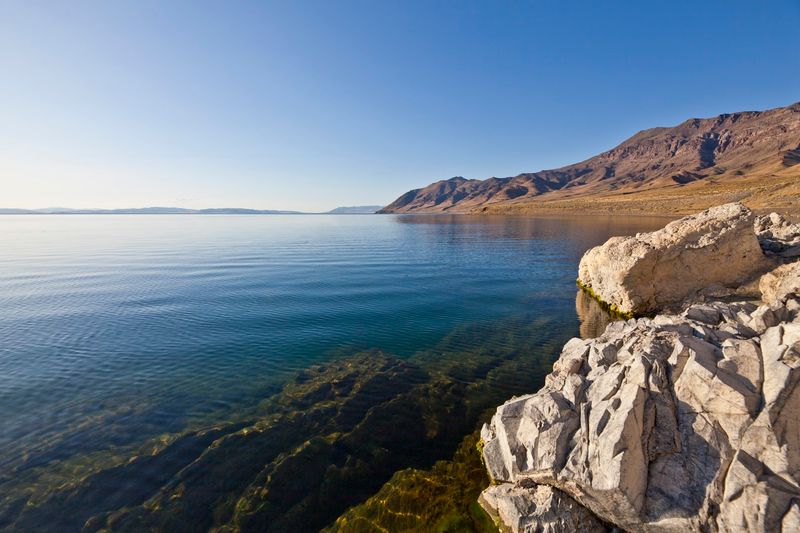
Pyramid Lake sits just outside Reno, yet it feels worlds away from civilization. This massive desert lake, one of the largest natural lakes in Nevada, belongs to the Pyramid Lake Paiute Tribe and offers a landscape so otherworldly you might think you’ve landed on another planet.
The namesake pyramid-shaped tufa formation juts dramatically from the turquoise water, created by ancient mineral deposits.
The shoreline stretches for miles with countless quiet coves and beaches where you can set up camp without another soul in sight. I’ve watched sunsets here that painted the water every shade of orange and pink imaginable, with the pyramid rock glowing like it was lit from within.
Fishing is spectacular if you’re into that. Pyramid Lake is famous for its massive Lahontan cutthroat trout, some reaching truly impressive sizes.
Even if fishing isn’t your thing, just walking along the shore and exploring the strange rock formations keeps you entertained for hours.
You’ll need a permit from the tribe to access the lake, which you can purchase at local stores. The water is saline, so swimming feels different than freshwater lakes.
Visit during spring or fall for the most comfortable temperatures and incredible bird watching opportunities along the shore.
3. Walker Lake, Hawthorne
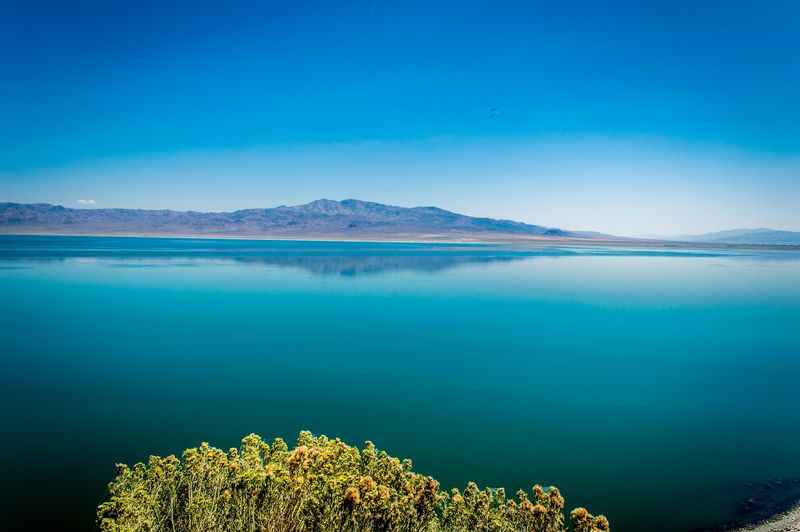
Walker Lake spreads across the desert landscape south of Reno like a mirage that turned out to be real. This natural lake has been shrinking over the years due to water diversions, but it remains a stunning and surprisingly peaceful destination.
The contrast between the deep blue water and the surrounding brown desert hills creates a visual drama that photographers absolutely love.
What strikes me most about Walker Lake is how empty it feels. You can drive along the eastern shore and find countless spots to pull off and have an entire beach to yourself.
The Bureau of Land Management maintains several primitive camping areas where you can pitch a tent right near the water and fall asleep to the sound of gentle waves.
The lake supports a population of Lahontan cutthroat trout, though fishing has become more restricted in recent years to help the species recover. Swimming is popular during summer months, and the mineral-rich water has a unique quality that leaves your skin feeling incredibly soft.
Hawthorne, the nearest town, provides basic supplies and has a quirky desert charm worth exploring. Bring everything you need because services around the lake are minimal.
The sunrises here are absolutely spectacular, with the morning light turning the water into liquid gold.
4. Marlette Lake, Lake Tahoe Basin, Carson City Area
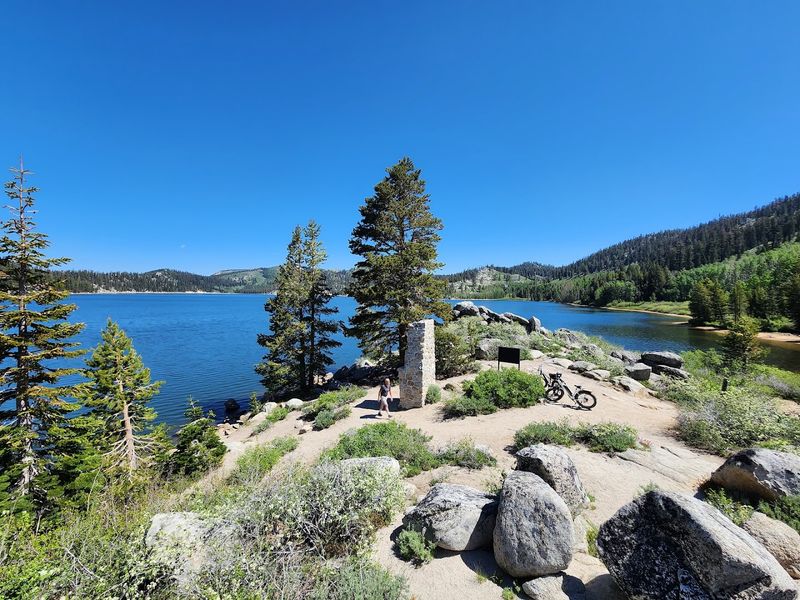
Marlette Lake hides in the mountains above Lake Tahoe, accessible only by foot or mountain bike, which immediately filters out the casual tourists. The journey to reach it involves either hiking or biking the famous Flume Trail, and while the effort is real, the payoff is absolutely worth every drop of sweat.
This pristine alpine lake sits in a forested basin that feels like nature’s private sanctuary.
Crystal-clear water reflects the surrounding pine trees and granite slopes in mirror-like perfection. The lake was originally created as a reservoir in the 1870s to supply Virginia City, but today it serves mainly as a gorgeous destination for outdoor enthusiasts seeking solitude.
Swimming is technically prohibited since it’s still part of the water system, but wading along the shore and soaking your tired feet after the hike is pure bliss.
I love visiting in early fall when the aspens turn golden and the crowds thin out considerably. The trail offers stunning views of Lake Tahoe far below, making the journey itself almost as rewarding as the destination.
Wildlife sightings are common, including deer, various birds, and occasionally black bears.
Pack out everything you bring in to keep this place pristine. The serenity and untouched quality of Marlette Lake make it feel like a genuine escape from the modern world.
5. Wild Horse Reservoir, Elko County
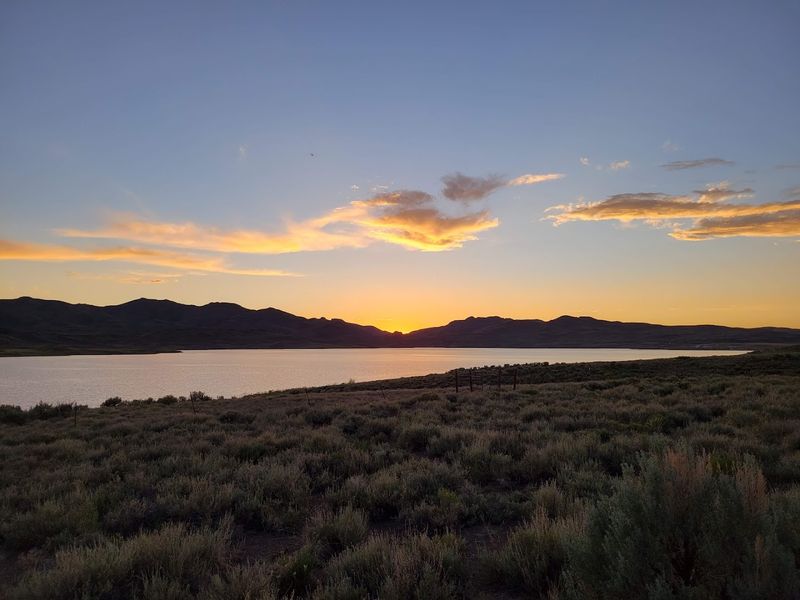
Wild Horse Reservoir sits in the remote high desert of northeastern Nevada, far enough from major cities that light pollution is nonexistent and the stars at night will absolutely blow your mind. This man-made reservoir was created for irrigation, but it has evolved into a recreation area that still maintains a wonderfully wild and undeveloped character.
The surrounding landscape is classic Great Basin terrain with sagebrush, juniper, and rolling hills.
Fishing here is excellent, with healthy populations of trout and bass that attract anglers from across the region. But even if you’re not into fishing, just being here offers something special.
The shoreline has numerous primitive camping spots where you can set up and enjoy complete solitude. I’ve spent weekends here without seeing another person for hours at a time.
Boating is popular, though you’ll rarely see more than a handful of boats even on busy summer weekends. The water stays relatively cool, making swimming refreshing on hot days.
Bring binoculars because the bird watching is phenomenal, especially during migration seasons when waterfowl stop here by the thousands.
Services are extremely limited, so come fully prepared with food, water, and supplies. The nearest town, Owyhee, is tiny and basic.
The isolation is the main attraction, offering a genuine sense of being far from everything in the best possible way.
6. Cave Lake, Ely
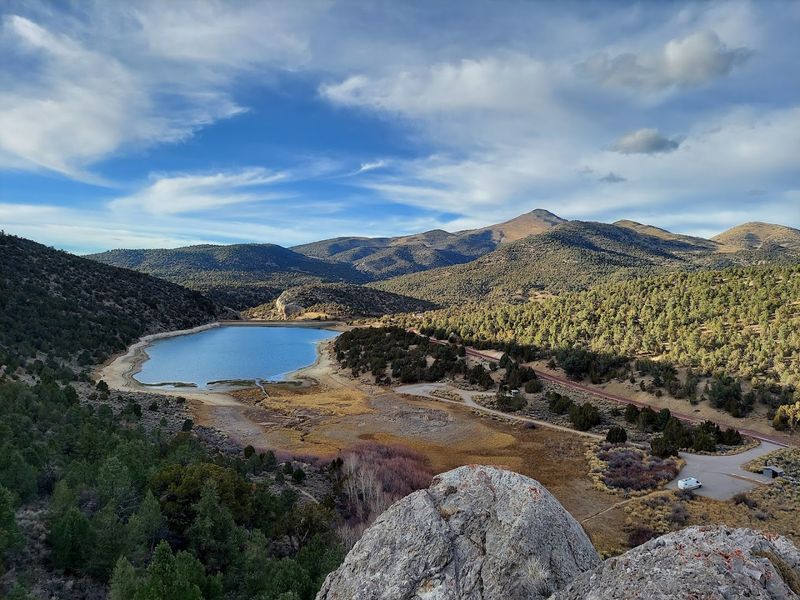
Cave Lake sits tucked into the mountains just outside Ely, offering a surprisingly lush oasis in what’s otherwise pretty arid country. The lake is surrounded by a mix of pine and aspen trees that create a genuine mountain atmosphere.
Limestone cliffs rise behind the lake, giving the area its name and adding dramatic vertical elements to the landscape.
A well-maintained campground sits near the lake, but it never feels crowded or overdeveloped. Sites are spread out among the trees, providing privacy and tranquility.
I’ve camped here multiple times and always appreciate how quiet it stays even when several sites are occupied. The sound of wind through the pines and water lapping the shore creates the perfect natural soundtrack.
Fishing is popular and productive, with the lake stocked regularly with rainbow trout. Non-motorized boats and small electric motors are allowed, keeping the water peaceful and calm.
A nice trail circles the lake, perfect for an easy morning walk while watching for wildlife.
The elevation here means cooler temperatures than the surrounding valleys, making Cave Lake an ideal summer escape from the heat. Fall brings spectacular color when the aspens turn golden.
Winter access can be limited by snow, but the other three seasons offer excellent conditions.
Ely provides all necessary services just a short drive away, so you can easily restock supplies without traveling far.
7. Comins Lake, Ely
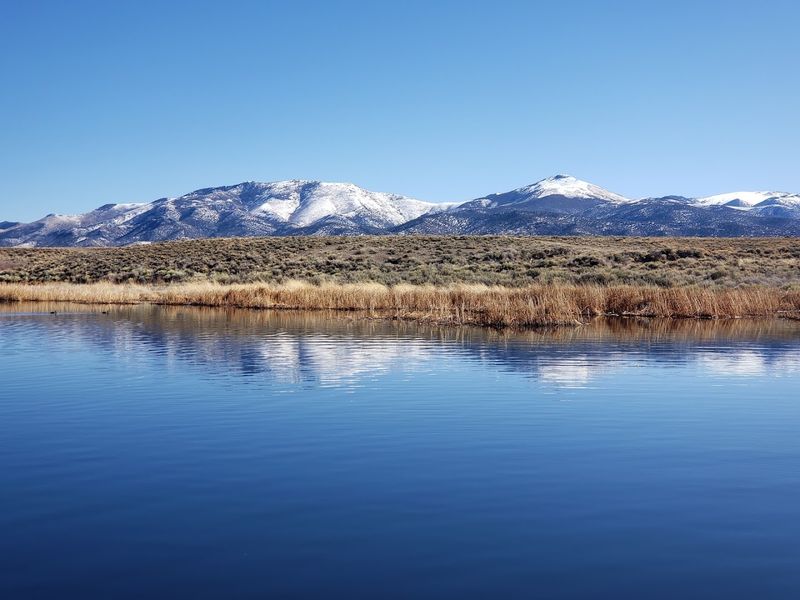
Comins Lake requires more effort to reach than its neighbor Cave Lake, and that extra challenge keeps it feeling genuinely remote and pristine. Located higher in the mountains outside Ely, this smaller alpine lake offers a more intimate wilderness experience.
The road accessing the area can be rough, requiring a high-clearance vehicle and some patience, but that’s part of what preserves its untouched character.
The lake itself is modest in size but stunning in its setting. Rocky terrain mixed with stands of pine creates a rugged mountain atmosphere.
The water is cold and clear, fed by snowmelt and springs. Fishing can be excellent for those willing to make the journey, with trout that see far less pressure than more accessible waters.
Camping around Comins Lake is primitive and dispersed, meaning you find your own spot and set up without designated sites or facilities. This appeals to people who want genuine solitude and don’t mind packing in and packing out everything.
I’ve spent nights here without seeing another human, just stars so bright and numerous they seem unreal.
Wildlife is abundant since human presence is limited. Deer, elk, and various birds are common sightings.
The surrounding mountains offer opportunities for exploring and hiking to even more remote areas.
Bring detailed maps and be prepared for changing weather conditions at this elevation, especially if visiting outside peak summer months.
8. Angel Lake, Wells
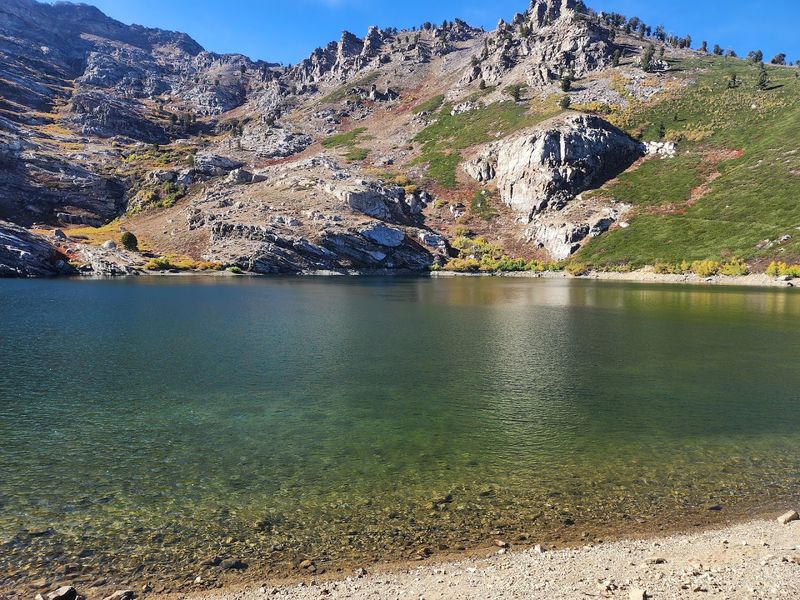
Angel Lake sits cradled in a glacial cirque in the East Humboldt Range, and the scenery is so dramatic it almost doesn’t seem real. Steep cliffs rise nearly vertically from the water’s edge, creating a natural amphitheater that makes you feel tiny in the best way possible.
The drive to reach the lake climbs through multiple ecosystems, from desert scrub to alpine tundra, ending at a parking area just a short walk from the shore.
Despite being relatively accessible by car, Angel Lake maintains a wild character. The high elevation means the season is short, typically from late June through September, with snow lingering well into summer some years.
When conditions are right, wildflowers carpet the meadows around the lake in explosions of color that rival anywhere in the West.
A trail leads around the lake and continues up to even more remote alpine lakes above, offering opportunities for adventurous hikers. The main lake itself is perfect for those who want spectacular scenery without extreme effort.
Fishing is allowed, and the trout here are feisty if small.
Camping is available at a small Forest Service campground near the lake, with sites that offer stunning views. Bring warm clothes even in summer because temperatures drop significantly at night at this elevation.
The sunrise over the cliffs, reflecting in the still water, creates one of the most beautiful scenes I’ve witnessed in Nevada.
9. Stella Lake, Great Basin National Park, Baker
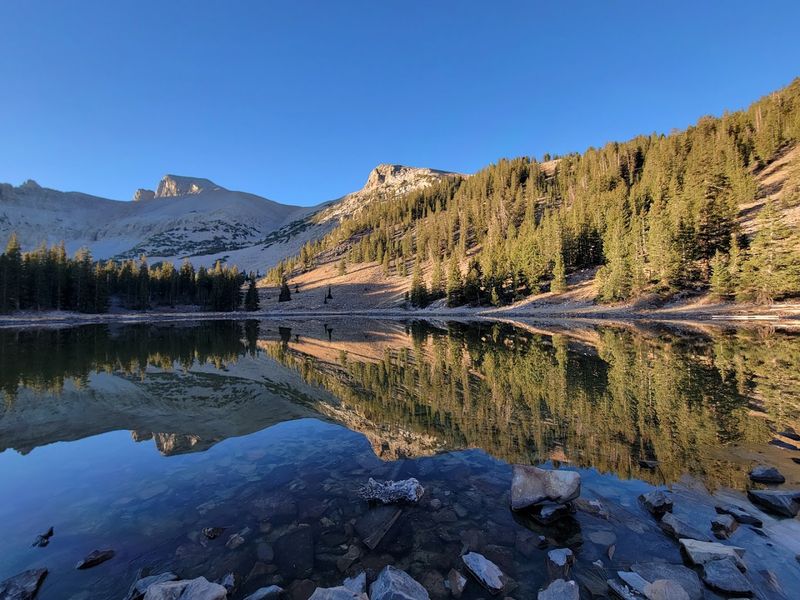
Stella Lake sits high in Great Basin National Park, surrounded by some of the oldest living trees on Earth. Ancient bristlecone pines, twisted and weathered by centuries of harsh mountain conditions, frame this small alpine lake in a setting that feels almost mystical.
The lake is accessible via a relatively short hike from the Wheeler Peak Scenic Drive, making it reachable for most visitors but still peaceful and uncrowded.
The lake itself is small, more of a pond really, but its setting is what makes it special. Wheeler Peak, Nevada’s second-highest mountain, rises dramatically in the background.
The water is cold and clear, fed by snowmelt that keeps it full even in dry years. Reflections of the surrounding peaks and ancient trees create photograph opportunities that will fill your camera’s memory card quickly.
A loop trail connects Stella Lake with nearby Teresa Lake, offering an easy way to explore the alpine environment. The thin air at this elevation means you’ll want to take your time and enjoy the scenery at a leisurely pace.
Wildlife sightings are common, including marmots, pikas, and various mountain birds.
The short hiking season means you’ll need to visit between late June and early October, depending on snow conditions. Camping in the park is available at lower elevations, with the Wheeler Peak Campground being the highest and most convenient for accessing Stella Lake.
The isolation and ancient beauty of this area make it feel truly untouched by time.
10. Lamoille Lake, Nevada
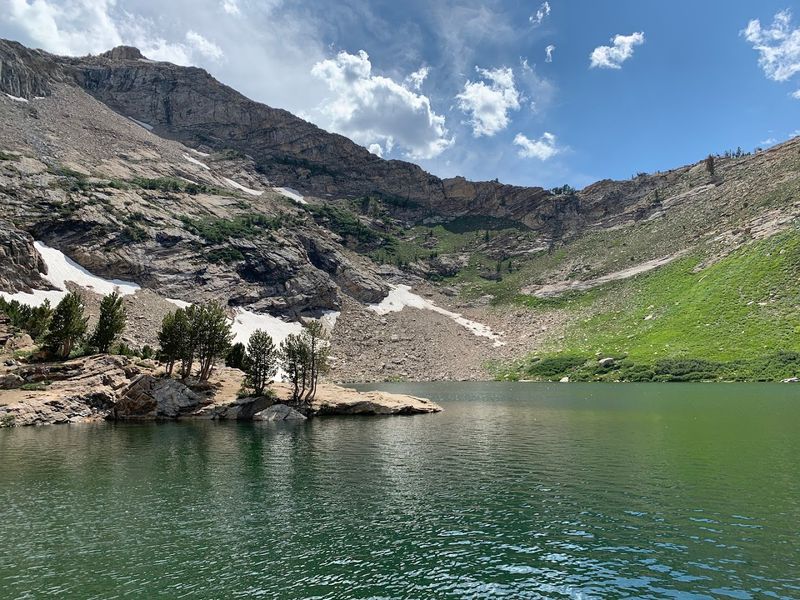
Lamoille Lake sits deep in the Ruby Mountains, accessible only by a challenging hike that keeps it wonderfully isolated from casual visitors. The trailhead starts in Lamoille Canyon, one of Nevada’s most scenic valleys, and climbs steadily through changing ecosystems before reaching the lake basin.
The journey covers about six miles with significant elevation gain, but hikers who make the effort are rewarded with one of the state’s most pristine alpine settings.
The lake occupies a classic glacial valley with towering peaks surrounding it on three sides. The water is incredibly clear and cold, fed by snowfields that persist well into summer most years.
Rocky shores interspersed with grassy meadows provide perfect spots for resting and taking in the majesty of the surroundings. I’ve watched thunderstorms roll through the peaks above while sitting by the lake, creating a dramatic natural show.
Fishing can be good for small trout, though most people come here for the scenery and solitude rather than the angling. The remoteness means you might go days without seeing another person, especially if visiting during weekdays or outside peak summer months.
Wildlife is abundant, including mountain goats that sometimes appear on the surrounding cliffs.
Backpackers often camp near the lake, and the stargazing from this elevation is phenomenal. Bring bear-safe food storage and practice Leave No Trace principles to keep this pristine area beautiful for future visitors.