
10 Nevada Museums So Oddly Specific You Will Wonder Who Built Them
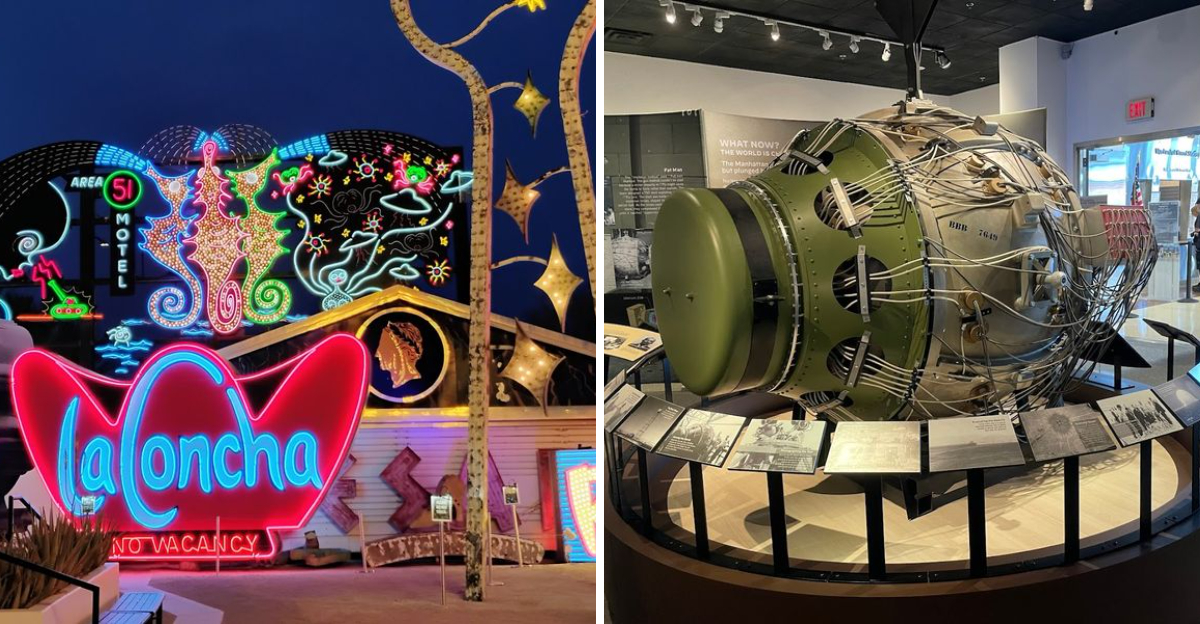
Casinos get the loudest attention, but the weirdest rooms in Nevada might be sitting behind museum doors. This is the kind of state where a road trip can lead to cursed objects, old arcade machines, oddball collections, and exhibits that make you stop mid-step and laugh.
Who decided this needed its own building? Honestly, that question is half the fun.
These places are not trying to be polished or predictable. They lean into strange passions, unusual histories, and the very human urge to save things most people would have thrown away.
One visit might feel creepy, another nostalgic, another completely ridiculous. Together, they prove Nevada’s personality gets much more interesting once you look past the neon.
1. Zak Bagans’ The Haunted Museum
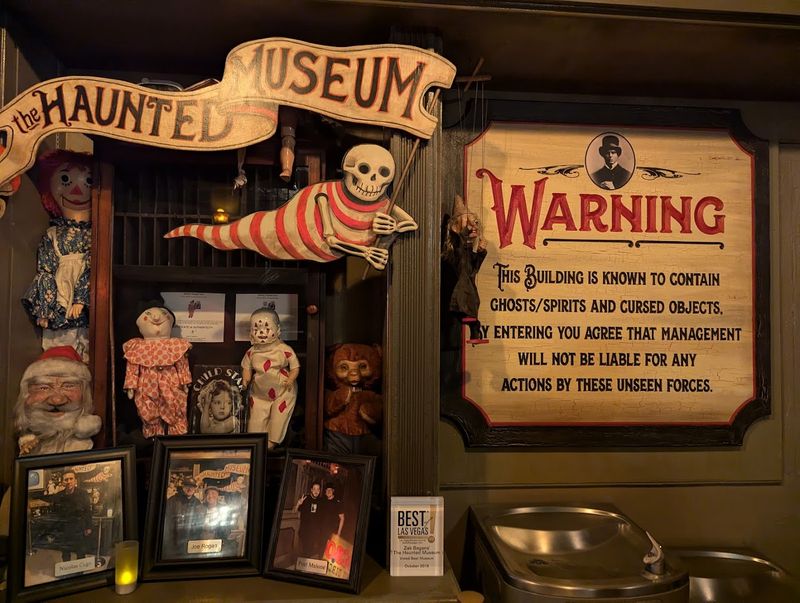
Walking into this place feels like stepping onto the set of a horror movie, except everything here is supposedly real. Zak Bagans, the host of Ghost Adventures, collected some of the most disturbing haunted objects from around the world and crammed them into a historic mansion in downtown Las Vegas.
You’ll find everything from cursed dolls to Charles Manson’s glasses.
The museum spans over 30 rooms across two floors, and each space tells a darker story than the last. Some artifacts are kept behind barriers because staff members reported strange experiences when people got too close.
The Dybbuk Box, Ed Gein’s cauldron, and Peggy the haunted doll all call this place home.
Tours are guided only, which means you can’t just wander around freely poking at haunted things. Your guide will share spine-tingling stories about each item’s history and the paranormal activity associated with it.
The experience takes about two hours, and you need to be at least 16 years old to enter because some exhibits are genuinely disturbing and not suitable for younger visitors.
2. The Neon Museum
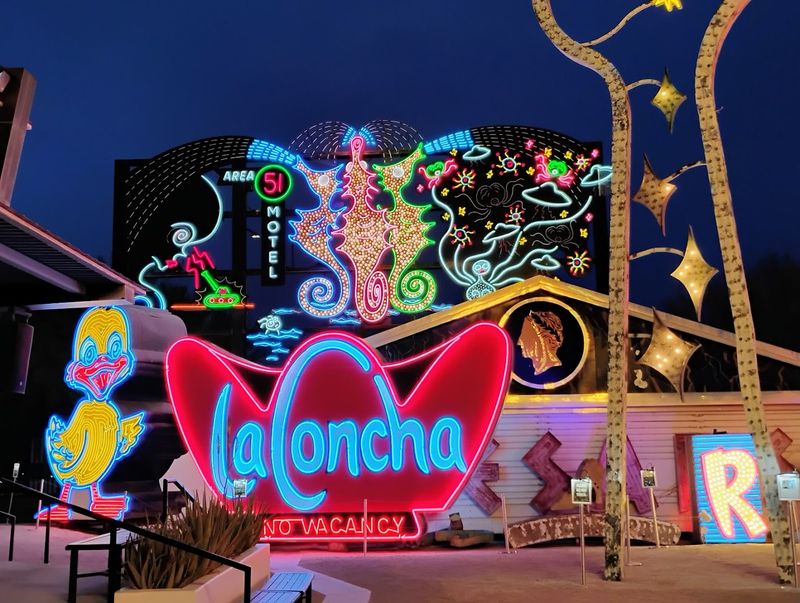
Imagine a graveyard where giant glowing signs go to retire after their casino days are over. The Neon Museum preserves iconic Las Vegas signs that once lit up the Strip, giving them a second life as outdoor art installations.
This isn’t your typical museum with stuffy exhibits behind glass.
The main attraction is the Neon Boneyard, an outdoor space filled with over 250 unrestored signs from old casinos, motels, and businesses. You’ll see the massive skull from the Treasure Island pirate show, the elegant script from the Stardust, and dozens of other pieces that defined Vegas’s visual identity.
Some signs are enormous, towering several stories high.
They also have the North Gallery, where restored signs are displayed and actually illuminated at night, creating a magical glow against the desert sky. Guided tours run throughout the day and evening, with the nighttime tours being particularly spectacular.
Photography is encouraged, so bring your camera. The museum sits on North Las Vegas Boulevard, housed partly in the former La Concha Motel lobby, which was moved to the site and restored as the visitor center.
3. National Atomic Testing Museum
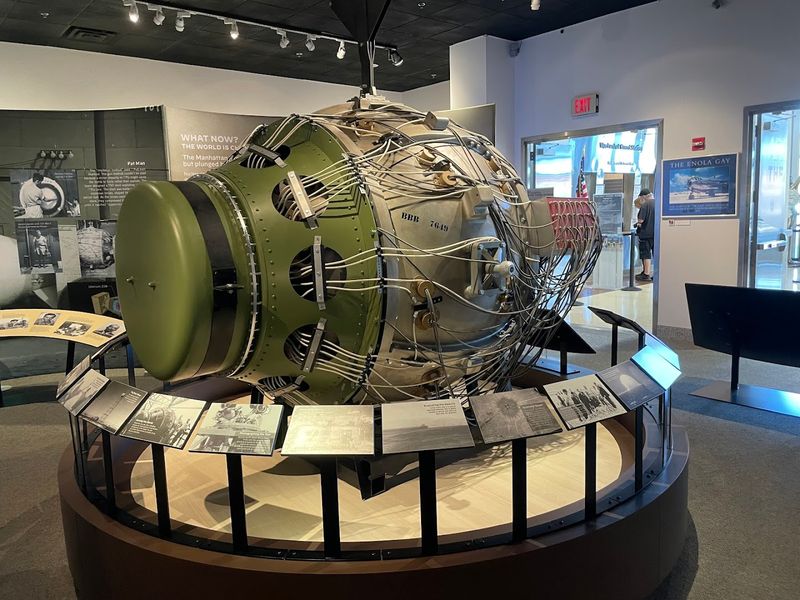
For decades, the government detonated nuclear bombs just outside Las Vegas, and this museum tells that absolutely wild story. The National Atomic Testing Museum is actually affiliated with the Smithsonian, which gives it serious credibility despite its unusual subject matter.
You’ll learn about the Nevada Test Site where over 900 nuclear tests took place between 1951 and 1992.
One of the coolest exhibits is the Ground Zero Theater, where you experience a simulated atmospheric atomic test. The room shakes, the lights flash, and you get a tiny sense of what it must have been like to witness these explosions from a distance.
They also have authentic artifacts like Geiger counters, testing equipment, and even a section about pop culture’s obsession with atomic age imagery.
The museum doesn’t shy away from the controversial aspects either, covering radiation exposure, environmental impact, and the ethics of nuclear testing. There’s also a permanent Area 51 exhibit that explores the mythology and actual history of Nevada’s most secretive military installation.
Located on Flamingo Road, this museum transforms a terrifying chapter of history into an educational experience.
4. The Mob Museum
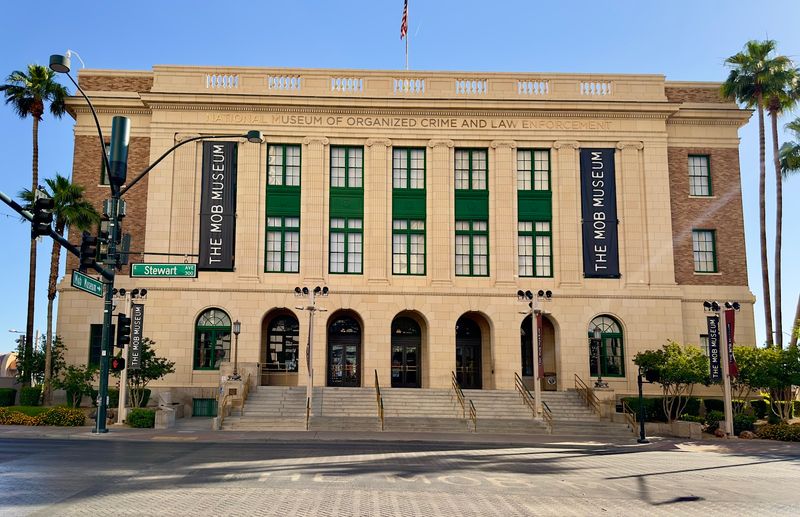
Las Vegas was literally built by mobsters, so it makes perfect sense that someone created an entire museum dedicated to organized crime. The Mob Museum occupies the historic former federal courthouse where actual mob trials took place, including the famous Kefauver Committee hearings in 1950.
Walking through the same rooms where gangsters once faced justice adds an eerie authenticity to the experience.
The exhibits cover everything from Prohibition to modern-day organized crime, with interactive displays that let you test your skills at cracking safes or analyzing crime scenes. You’ll see the actual brick wall from the St. Valentine’s Day Massacre, weapons used in mob hits, and personal belongings of famous gangsters like Al Capone and Bugsy Siegel.
The museum doesn’t glorify the violence but presents it honestly.
Downstairs, they’ve recreated a working speakeasy called The Underground, where you can grab a craft cocktail in an authentic Prohibition-era setting. There’s also a use-of-force training simulator where you make split-second decisions like law enforcement officers.
The museum sits on Stewart Avenue in downtown Las Vegas, spanning three floors of fascinating and sometimes disturbing history about America’s criminal underworld.
5. Burlesque Hall Of Fame
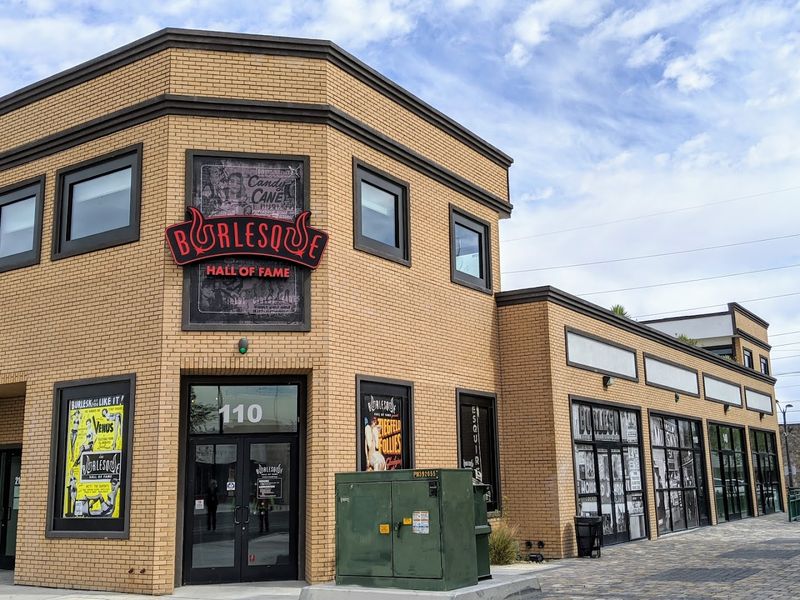
Someone decided that the art of the striptease deserved serious historical preservation, and thank goodness they did. The Burlesque Hall of Fame celebrates the performers, costumes, and cultural impact of burlesque entertainment from the 1800s to today.
This isn’t a sleazy peep show but rather a legitimate museum honoring an art form that’s often misunderstood.
The collection includes thousands of costumes, photographs, props, and personal items donated by legendary performers like Tempest Storm, Dixie Evans, and Sally Rand. You’ll see elaborate feathered fans, rhinestone-encrusted gowns, and the creative props performers used in their acts.
Each costume tells a story about the woman who wore it and the era she performed in.
They offer guided tours led by knowledgeable volunteers who can explain the history and techniques behind classic burlesque acts. The museum also hosts classes teaching classic burlesque moves and holds an annual competition where modern performers compete for titles.
Located on South Main Street in downtown Las Vegas, the space feels like stepping into a glamorous time capsule. The atmosphere is surprisingly educational and respectful, focusing on burlesque as performance art rather than just titillation.
6. Punk Rock Museum
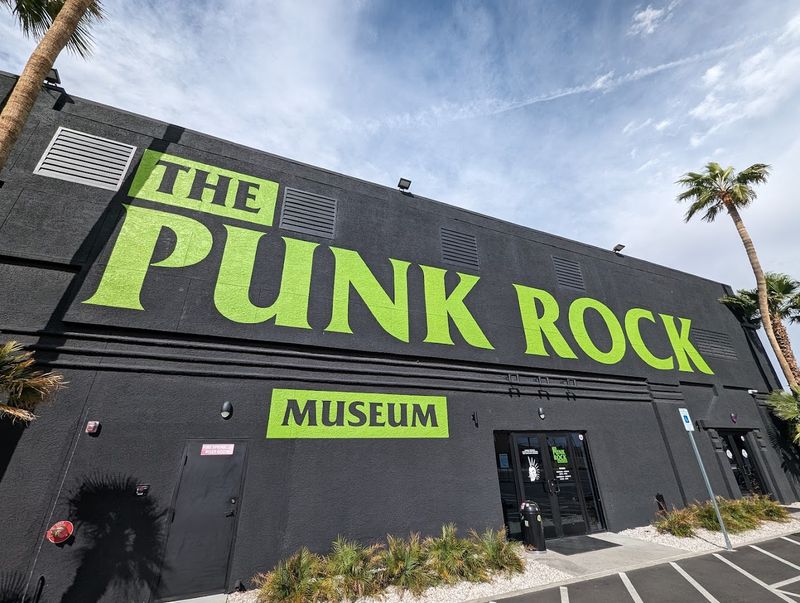
Fat Mike from NOFX decided Las Vegas needed a museum dedicated to punk rock history, and honestly, he was right. The Punk Rock Museum opened in 2023 and immediately became a pilgrimage site for fans of the genre.
This place captures the rebellious spirit, DIY ethos, and cultural impact of punk music from the 1970s to today.
The exhibits feature stage-worn clothing, instruments, handwritten lyrics, and personal items from punk legends across multiple generations. You’ll find Joey Ramone’s sunglasses, guitars smashed on stage by various bands, original flyers from historic punk shows, and even a recreated CBGB bathroom complete with graffiti.
Everything feels authentic because it was curated by people who actually lived the punk lifestyle.
They’ve also got a working bar and a small venue for live performances, keeping the space active rather than static. You can take lessons in the rehearsal rooms or record in their studio.
Located on Western Avenue, the museum includes interactive exhibits where you can try playing punk songs or design your own band flyer. The whole place rejects the sterile museum vibe in favor of something raw and energetic that matches punk’s anti-establishment attitude perfectly.
7. Pinball Hall Of Fame
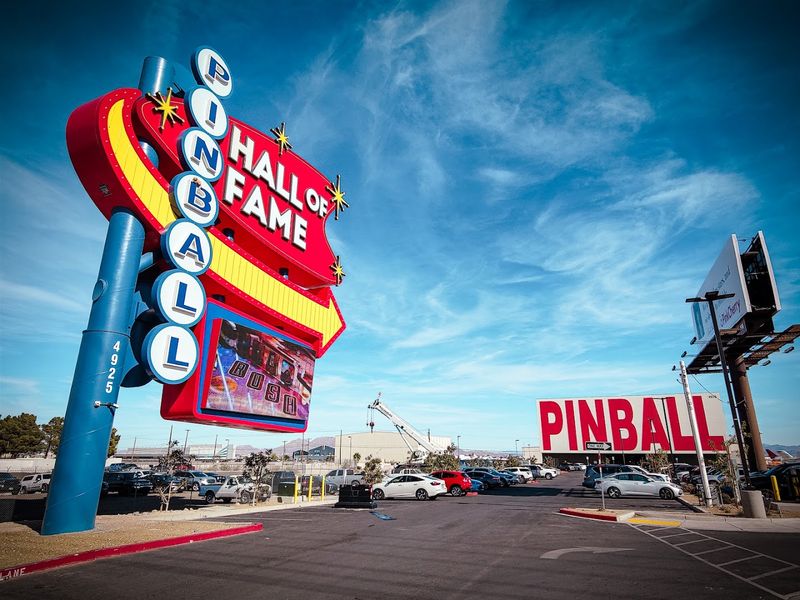
Tim Arnold spent decades collecting pinball machines, and eventually his hobby grew so large that he opened a massive museum where every single machine actually works. The Pinball Hall of Fame houses over 200 pinball machines spanning from the 1950s to modern releases.
This isn’t just a place to look at old games behind velvet ropes but an interactive playground where you can actually play them.
Every machine is maintained in working condition, and they’re all set to the original factory settings for authentic gameplay. You’ll find rare classics like Medieval Madness, Twilight Zone, and Addams Family alongside obscure machines most people have never seen.
The collection represents the entire evolution of pinball design and technology.
All the machines cost between 25 cents and a dollar to play, which is incredibly reasonable compared to modern arcade prices. The building itself is huge, recently relocated to a larger space on South Las Vegas Boulevard near the airport.
Tim runs the place as a nonprofit, with excess funds going to charity. There’s no admission fee, you just pay to play whatever machines catch your eye.
The atmosphere is casual and nostalgic, filled with the electronic bells and mechanical clatter of dozens of games being played simultaneously.
8. Nevada Northern Railway Museum
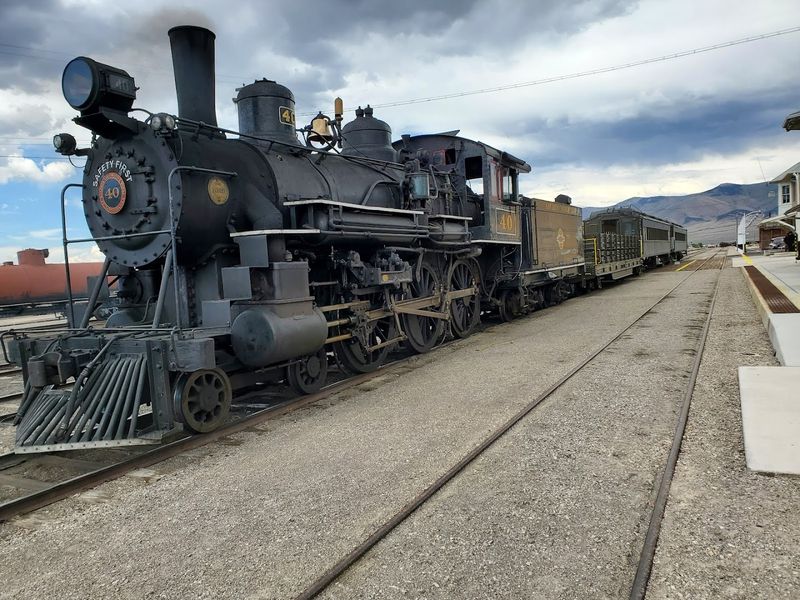
Up in the small town of Ely, someone preserved an entire working railroad from the early 1900s, complete with original locomotives, cars, and facilities. The Nevada Northern Railway Museum isn’t just a static display but a living museum where trains still run on original tracks through the Nevada wilderness.
This railroad was built to haul copper ore, and it operated continuously until 1983.
When the railroad shut down, everything was simply abandoned in place, which means the museum inherited an authentic time capsule. The original depot, engine house, machine shops, and even the worker housing remain largely unchanged.
You can explore the massive roundhouse where locomotives were serviced and see tools still sitting where workers left them decades ago.
They offer various train rides throughout the year, including regular excursions, dinner trains, and special themed rides like the Polar Express during holidays. You can even learn to operate a locomotive yourself through their engineer-for-an-hour program.
Located on Avenue A in Ely, this museum preserves an important piece of Nevada’s mining and transportation history. The trains, buildings, and equipment all feel genuinely historic rather than recreated, giving you an authentic glimpse into early industrial America.
9. International Car Forest Of The Last Church
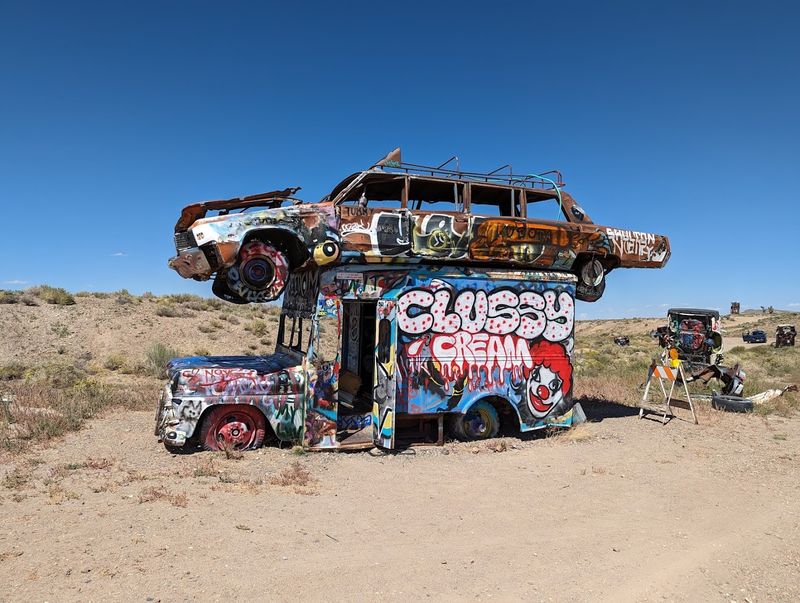
Out in the middle of nowhere near Goldfield, an artist named Mark Rippie started planting cars nose-first into the desert ground and inviting people to paint them. The International Car Forest of the Last Church has grown into a sprawling outdoor art installation featuring over 40 vehicles arranged in rows like a bizarre automotive Stonehenge.
Each car is covered in colorful graffiti, messages, and artwork from visitors.
The installation sits on private land but is open to the public for free. You can walk among the cars, add your own artwork if you bring paint, and experience one of Nevada’s most unusual roadside attractions.
The desert setting makes the whole thing feel even more surreal, with these brightly painted vehicles jutting from the sand against a backdrop of empty wilderness.
Rippie created this project as a commentary on consumerism and the American obsession with automobiles. The name references both the international nature of visitors who contribute artwork and the idea of creating something sacred from discarded objects.
Located on East Crystal Avenue in Goldfield, this free outdoor museum requires no tickets or guides. Just show up, explore, and maybe leave your own mark on one of the cars if inspiration strikes you during your visit.
10. Lost City Museum
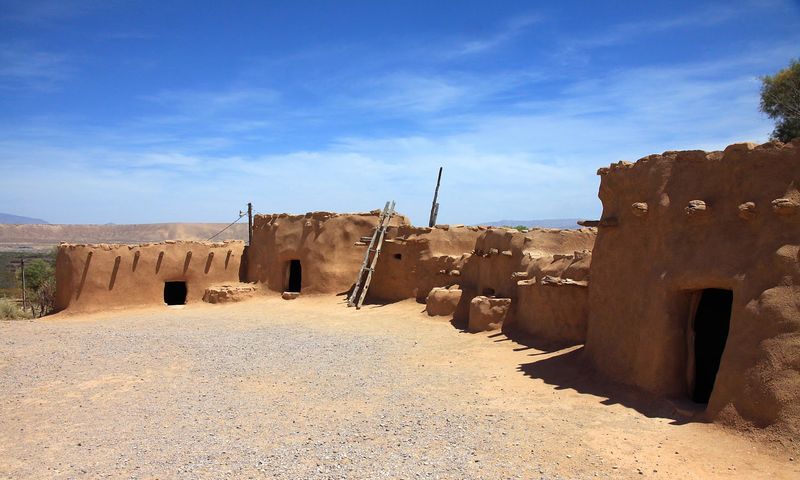
Before Lake Mead was created by Hoover Dam, the Moapa Valley was home to ancient Puebloan settlements that thrived for over a thousand years. When the dam flooded the valley in the 1930s, archaeologists rushed to excavate what they could before the sites disappeared underwater.
The Lost City Museum in Overton preserves artifacts and tells the story of these vanished communities.
The museum displays pottery, tools, weapons, and everyday objects recovered from the flooded archaeological sites. Outside, they’ve reconstructed several ancient pueblo structures based on the original foundations, giving you a sense of how these people lived.
The exhibits explain the complex irrigation systems, trade networks, and cultural practices of the Ancestral Puebloans who called this area home.
What makes this museum particularly poignant is knowing that most of the actual archaeological sites now lie beneath Lake Mead’s waters. When drought causes the lake level to drop, some ruins occasionally reemerge temporarily.
The museum sits on South Moapa Valley Boulevard in Overton, about an hour northeast of Las Vegas. It’s a small facility but incredibly well-curated, offering a fascinating glimpse into Nevada’s pre-contact history that most people never know existed in this desert state.