
Nevada’s Steam Train Still Climbs the Same Tracks Miners Rode a Century Ago
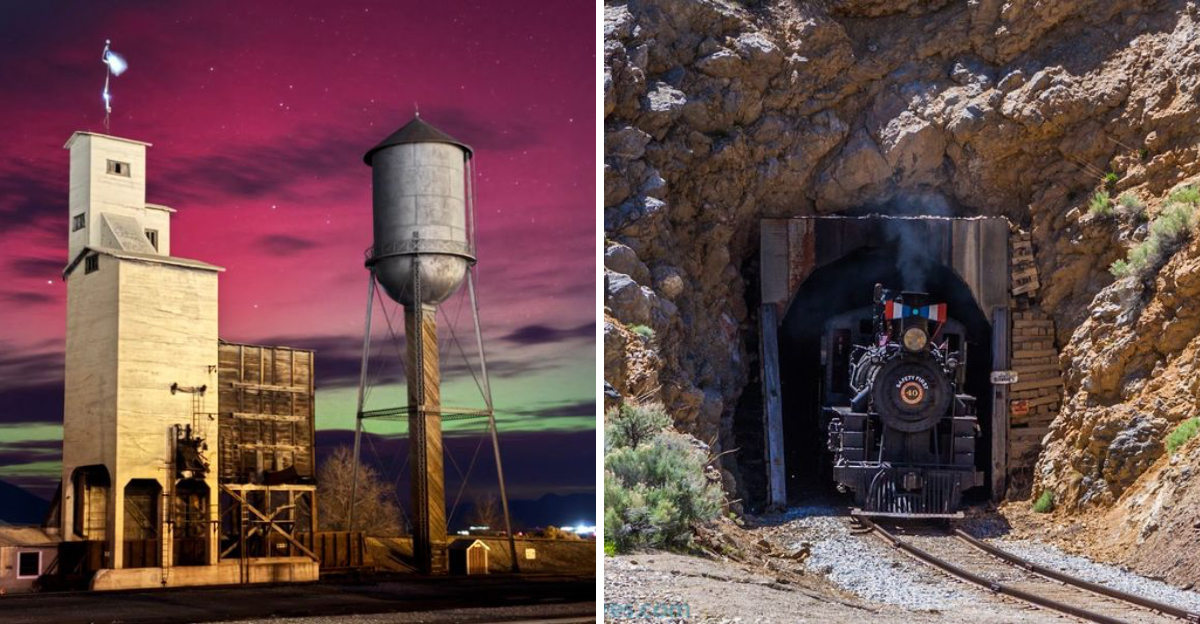
Real steam still rules this stretch of Nevada, and that whistle never quit. You are standing where miners once clocked out for the last time, and nobody came back to clean up.
Their tools still sit on the workbenches. Century-old locomotives still fire up on schedule and crack the desert silence wide open, and no photo prepares you for that sound.
A roundhouse full of secrets waits past the platform. Grab the throttle yourself, or sit back and let canyon walls swallow the horizon whole.
Wait until the sun drops. Nevada’s darkest skies pour stars straight down until the whole valley disappears beneath them.
Hollywood keeps borrowing this story, and the rails keep telling it better. Keep it on your radar for your next road trip.
A National Historic Landmark Frozen Mid-Shift
When the Smithsonian Institution calls a place the best-preserved historic railroad in North America, that is not a phrase tossed around lightly.
The Nevada Northern Railway earned that distinction by surviving exactly as it was, not through careful restoration, but through fortunate neglect.
When copper mining declined in the region, the East Ely yard simply sat untouched. No one modernized it.
No one cleared it out. The tools stayed on the workbenches.
The locomotives stayed in the roundhouse. The paperwork stayed in the drawers.
Designated a National Historic Landmark in 2006, the complex spans 56 acres and contains over 70 original structures. The main depot, built in 1907, still stands proud at 1100 Ave A, Ely, NV 89301.
Visitors can freely explore buildings that feel like a railyard where the crew stepped out and simply never came back. That eerie, electric sense of continuity with the past is what makes this site unlike anything else on the continent.
Copper, Tracks, and the Birth of a Railway
Everything about this railway starts with copper. Vast porphyry copper deposits discovered near Ely in the early 1900s set off a mineral rush that transformed a sleepy desert outpost into a boomtown almost overnight.
Transporting that ore required serious infrastructure. The Nevada Northern Railway was officially incorporated on June 1, 1905, and construction crews pushed tracks northward at a relentless pace.
By 1906, the line connected the copper mines and smelter to transcontinental rail networks, and a two-day celebration marked its grand opening in Ely.
The railway stretched roughly 140 miles, linking up with the Southern Pacific Railroad at Cobre. It became the economic spine of the entire region almost immediately.
Without those tracks, the copper could not move, and without the copper, Nevada’s eastern high desert would have remained an isolated stretch of scrubland. The railway did not just serve the mines.
It built the community, shaped the culture, and left behind a legacy that still runs on real steel rails today.
Steam Giants That Still Earn Their Keep
Most museums put their locomotives behind velvet ropes. The Nevada Northern Railway puts them to work.
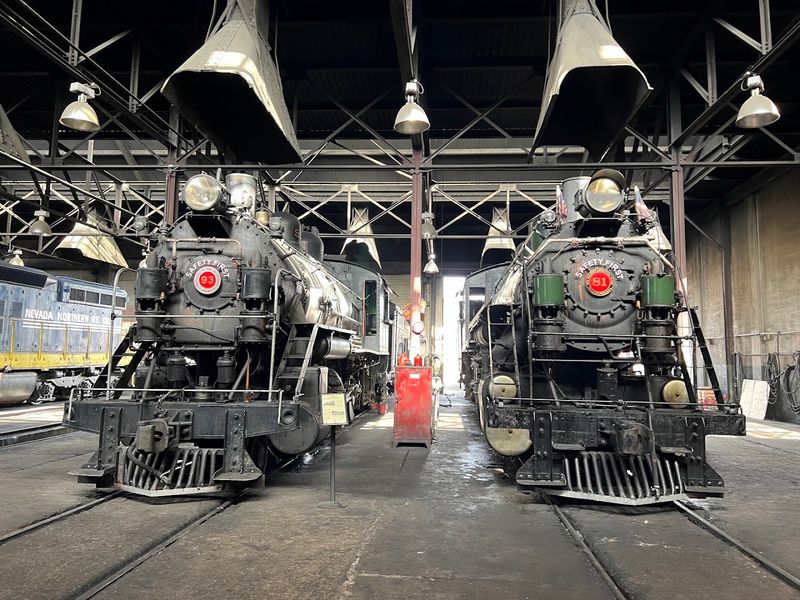
Locomotive No. 81, a Baldwin-built 2-8-0 from 1917, is the currently operating steam engine on the line. It spent decades hauling copper ore before returning to active excursion service in early 2026 after a lengthy mechanical overhaul.
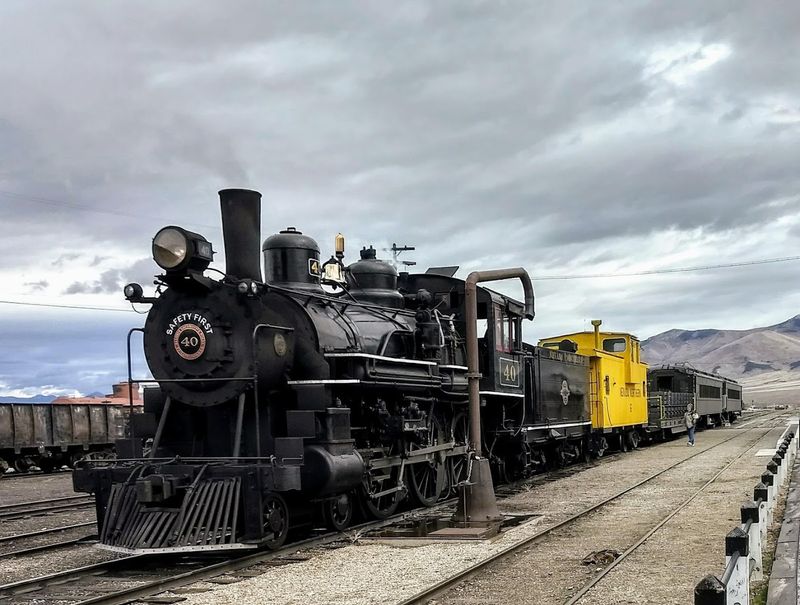
Locomotive No. 40 is arguably the most celebrated engine in the collection. Built by Baldwin in 1910, this 4-6-0 spent its entire working life on these rails and holds the honor of being the official state locomotive of Nevada.
No. 40 is currently sidelined for a federally mandated boiler inspection and running-gear rebuild, with a return to service expected in 2026 or 2027. Crews are rebuilding it piece by piece in the same machine shop it has called home for over a century.
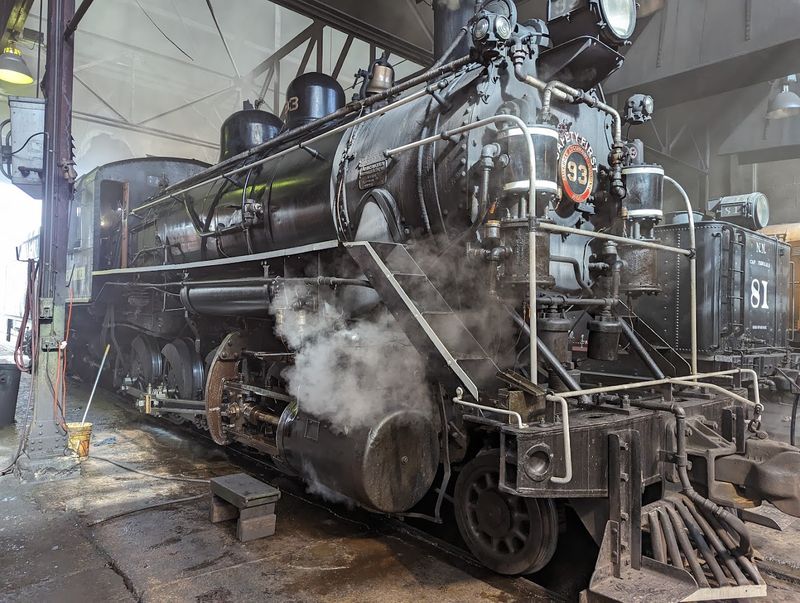
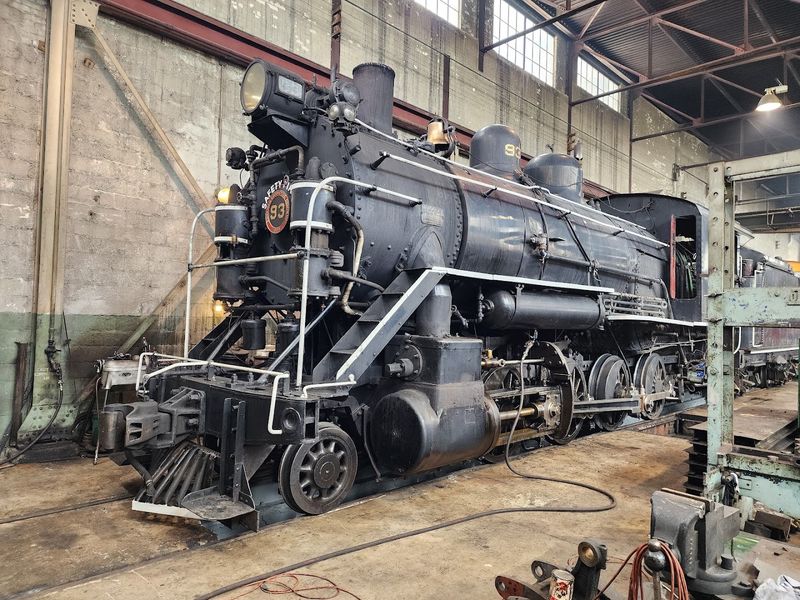
Locomotive No. 93, a heavy 2-8-0 freight engine built in 1909, spent years hauling massive ore loads before being retired in 1961. Restoration crews brought it back to life in 1993, and it ran excursions for decades before mechanical issues sidelined it again in 2025.
These machines are not trophies. Whether running today or waiting their turn in the shop, they remain active participants in a living railroad operation that has kept steam alive here for well over a century.
The Yard That Time Forgot to Update
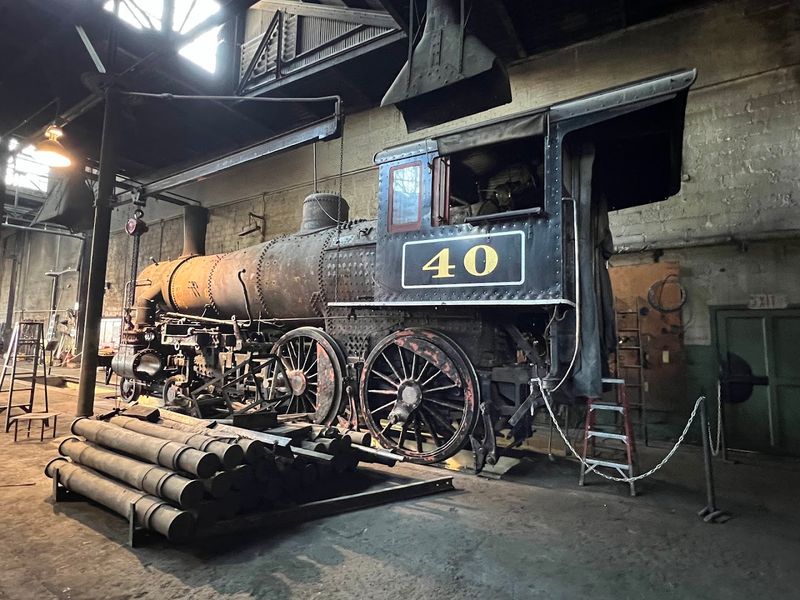
Step into the machine shop at the East Ely yard and the calendar seems to stop somewhere around 1920. Massive lathes, presses, and blacksmith equipment line the floor, and the remarkable part is that most of it still works.
This is not a display. Crews actively use these tools to maintain and restore the railway’s historic fleet.
The shop also houses the only functioning steam-powered crane in the United States, a detail that consistently stops visitors mid-sentence when they hear it for the first time.
The roundhouse shelters locomotives between runs, and the freight shed remains structurally intact after more than a century of use. Guided tours walk visitors through the entire operation, explaining how steam engines are disassembled, repaired, and rebuilt using methods that have not changed much since the yard opened.
For anyone who appreciates industrial craftsmanship, the machine shop alone is worth the trip to Ely. It carries what one visitor memorably described as a mechanical soul.
Canyon Rides Through Raw Desert Country
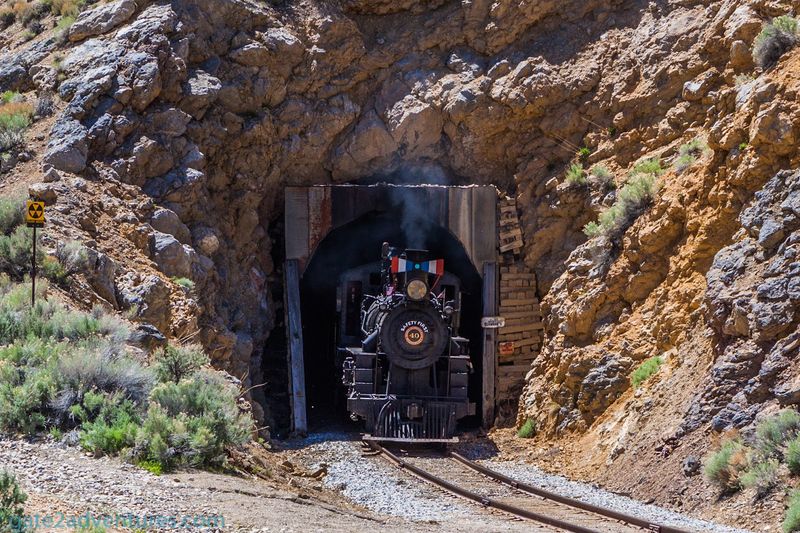
Riding a steam train through Robinson Canyon is the kind of experience that earns a permanent spot in memory. The canyon walls rise on either side, the engine breathes and churns ahead, and the high desert landscape unfolds in a way that no highway can replicate.
Most excursions run approximately 90 minutes and wind toward the historic Ruth mining district. Passengers can choose between enclosed coach cars for comfort or open-air cars for an unfiltered view of the passing terrain.
Both options deliver something genuinely compelling.
The Steptoe Valley Flyer uses original passenger car No. 5, built in 1882, adding another layer of authenticity to the journey. Knowledgeable staff narrate the route, connecting the landscape to the mining history that shaped it.
The canyon portion of the trip is a particular highlight, with the train passing through a tunnel that consistently ranks as a favorite moment for younger passengers. These rides are not scenic novelties.
They are moving history lessons set against one of Nevada’s most striking backdrops.
Take the Throttle Yourself
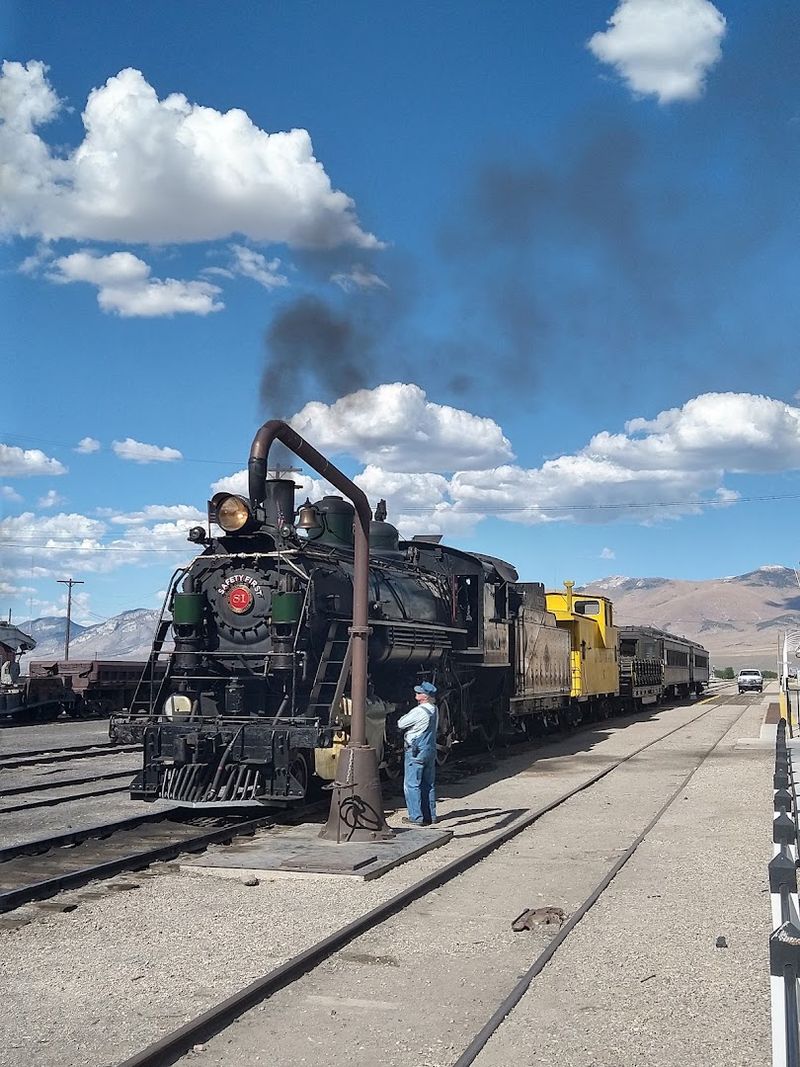
Most people watch locomotives from a safe distance. The Nevada Northern Railway offers something far more exhilarating: the chance to actually drive one.
The Be the Engineer program puts visitors directly in the cab of a working steam locomotive and hands them the controls for a portion of the run.
Feeling a multi-ton engine respond to your hand on the throttle is a sensation that is genuinely difficult to describe afterward. It is loud, powerful, and surprisingly technical.
Staff and experienced engineers guide participants through every step, making it accessible without removing the thrill.
For those who want an even deeper experience, Railroad Reality Week extends the immersion across multiple days. Participants learn braking techniques, train handling, and the daily operational rhythm of a working railroad.
The consensus among those who have tried it is consistent: hauling a full train offers a more complete challenge than running the engine alone. These programs transform a visit from a passive museum experience into something active, personal, and genuinely hard to top.
Stars, Steam, and the Dark Nevada Sky
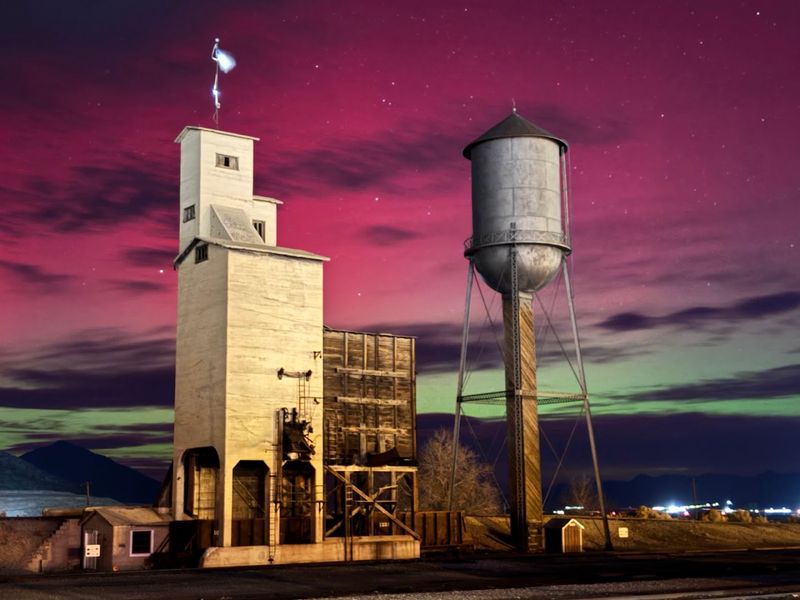
Eastern Nevada sits in one of the darkest corners of the continental United States, and the Nevada Northern Railway has found a brilliantly creative way to take advantage of that fact. The Star Train carries passengers out into the high desert after dark, away from every artificial light source, and stops at a remote Bortle 2 observing site.
At that darkness level, the Milky Way does not just appear. It dominates the sky in a way that genuinely catches people off guard, even those who thought they had seen a good starry night before.
Dark nebulae and star clouds emerge with startling clarity.
The evening stargazing excursion adds a romantic dimension, timing the departure to catch the transition from golden desert light to full astronomical darkness. These evening rides layer terrestrial history onto cosmic wonder in a combination that feels almost absurdly good.
Bringing a jacket is strongly recommended. Desert temperatures drop quickly after sunset, and the open-air cars do not hold warmth once the sun disappears behind the ridgeline.
The Ore Line That Fed a Mining Empire
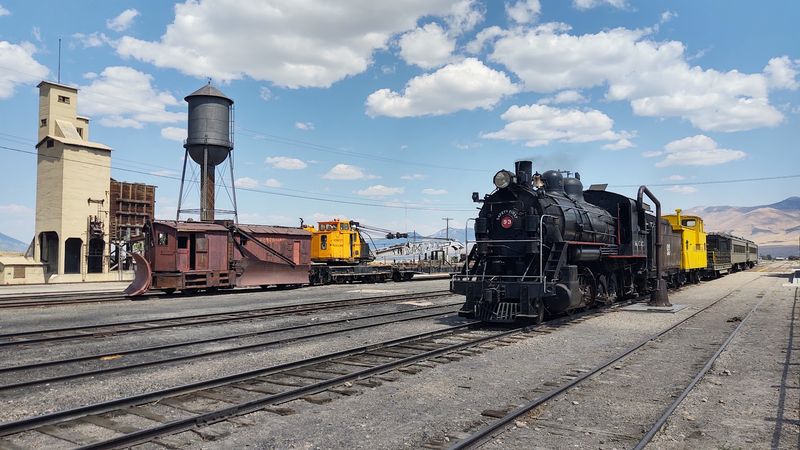
Before passenger excursions and stargazing rides, the Nevada Northern Railway existed for one primary purpose: moving copper ore. The Ore Line, constructed between 1907 and 1908, was the busiest and most commercially vital section of the entire railroad network.
Ore-loaded gondola cars departed from Copper Flat and traveled to the smelter at McGill, making dozens of round trips daily during peak production years. The constant movement of loaded and empty trains gave the line a rhythm that defined life in White Pine County for decades.
The scale of this operation is difficult to fully grasp today. Vast quantities of copper moved through this system to supply markets across the country.
The Ore Line was not merely a transportation route. It was the circulatory system of a regional economy.
Without it, the mines could not function, the smelter would sit idle, and the communities that grew up around both would never have existed. That industrial legacy is woven into every mile of track that still runs through the Nevada desert.
Hollywood Keeps Calling This Railroad
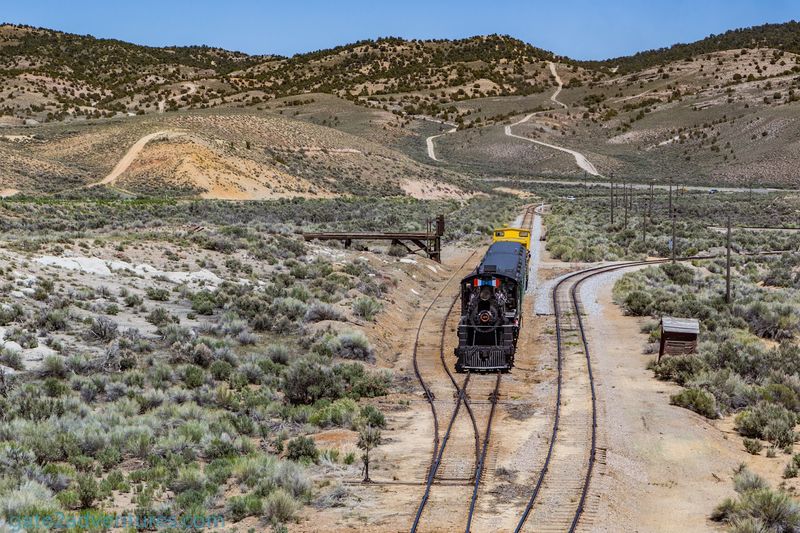
Filmmakers have a reliable instinct for authenticity, and the Nevada Northern Railway keeps passing their test. The remarkably intact yard, working locomotives, and period-accurate infrastructure have made this corner of Nevada a recurring destination for productions that need the real thing rather than a set built to approximate it.
PBS and The History Channel have both featured the railway extensively. Programs like Modern Marvels and American Restorations brought the railroad’s unique character to national television audiences.
The site has also served as a backdrop for feature film productions, with its untouched appearance translating directly into convincing historical atmosphere on screen.
The appeal is straightforward from a production standpoint. No expensive set construction is needed.
No digital backgrounds are required. The buildings are original.
The locomotives actually run. The tracks are real.
For directors working on period westerns or industrial history documentaries, the Nevada Northern Railway offers something that money genuinely cannot fabricate elsewhere. It is the kind of location that appears on a scout’s list and immediately ends the search for somewhere better.
The Foundation That Keeps the Fires Burning
Kennecott Copper Corporation donated the entire East Ely rail complex to the White Pine Historical Railroad Foundation between 1985 and 1987. That transfer of assets was the act that saved the Nevada Northern Railway from being dismantled, sold for parts, or simply left to decay.
The foundation now operates the property as the Nevada Northern Railway Museum, dedicating significant resources to maintaining and restoring the historic fleet and facilities. Locomotive No. 40 underwent extensive restoration work under foundation oversight, returning the state locomotive of Nevada to full operational condition after years of careful effort.
What makes this preservation model compelling is its commitment to keeping the railroad alive as a working entity rather than a static display. Locomotives run.
Mechanics turn wrenches. The machine shop stays active.
Visitors are not looking at history through glass. They are walking through a facility that operates on the same principles it always has.
That operational continuity is extraordinarily rare in the world of historic preservation, and the foundation works deliberately to protect it for future generations.
Seasonal Events That Pack the Platform
The Nevada Northern Railway does not run the same program every weekend and call it done. The events calendar rotates through a genuinely creative lineup that gives repeat visitors compelling reasons to come back across different seasons.
The Fireworks Train holds a distinction that is difficult to argue with: it is reportedly the only place on the planet where fireworks are launched from the back of a moving train. That combination of locomotive momentum and pyrotechnic spectacle against a dark desert sky produces something that photographs cannot fully capture.
October brings the Haunted Ghost Trains, where local volunteers animate spooky narratives for passengers as the train rolls through the darkness. Costumes are encouraged and the atmosphere leans enthusiastically into the theatrical.
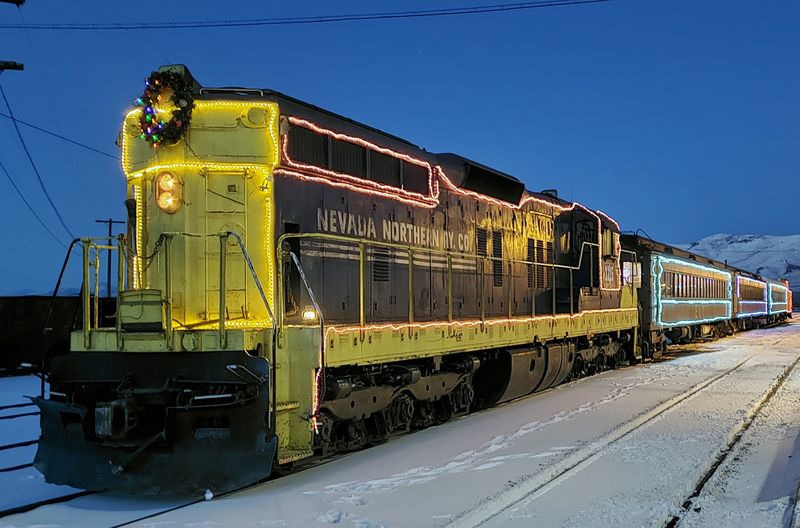
The Christmas season delivers Santa’s Reindeer Train, complete with hot chocolate, letters to Santa, and a soft snowball fight aboard the cars that has reportedly left multiple generations of grandparents feeling about eight years old again. Each event uses the historic railway as its stage, and the setting only amplifies the experience.
Dirt, the Machine Shop Cat With a Legacy
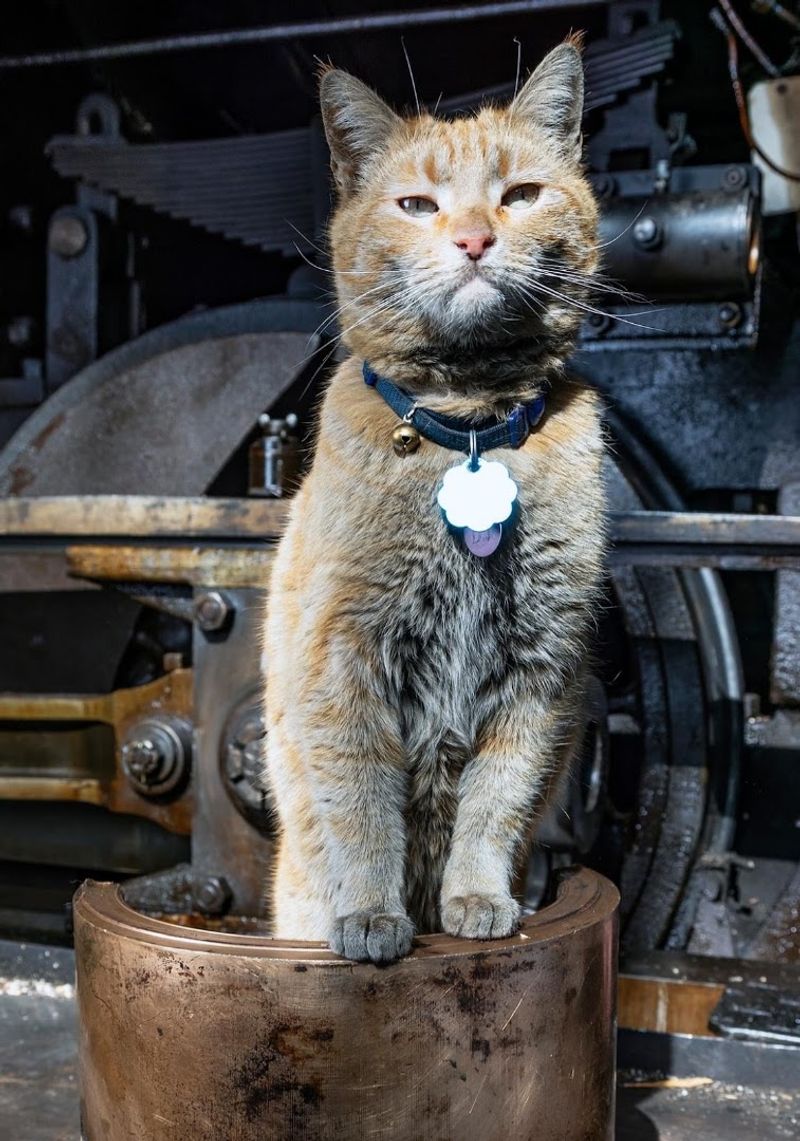
Every great institution eventually produces a mascot that takes on a life bigger than the institution itself. For the Nevada Northern Railway, that mascot was Dirt, a cat born in the historic engine house who became the unofficial resident and ambassador of the entire rail yard.
Dirt roamed the grounds with the calm authority of someone who had been there longer than most of the visitors and knew it. Guests who encountered him during tours often described the moment as unexpectedly memorable, a small warm interruption in an otherwise industrial landscape.
Dirt has since passed on, but his presence is honored through a dedicated memorial on the grounds that returning visitors make a point of visiting. Reviews mention it with genuine affection, noting that the yard feels different without him.
A third-generation machine shop cat has reportedly taken up residence since, continuing what has quietly become a tradition. Some legacies are grand and documented in archives.
Others are softer, lived out in sunlit corners of a century-old roundhouse, and no less real for it.