
10 New Hampshire Communities Experiencing Population Declines As Property Taxes Continue To Climb
The math stopped working for a lot of families before the moving trucks appeared. Property tax bills in some of these communities have doubled within a single decade.
New Hampshire built its reputation on low-income taxes and a certain kind of fiscal independence. What that arrangement quietly shifted onto property owners has been telling a different story for years.
These communities are feeling it most visibly right now. Younger residents left first, priced out before they had enough equity to absorb the increases.
Older homeowners followed, trading paid-off houses for lower-cost states and taking decades of community knowledge with them. The population numbers reflect a pressure that local governments are only beginning to publicly acknowledge.
1. Claremont
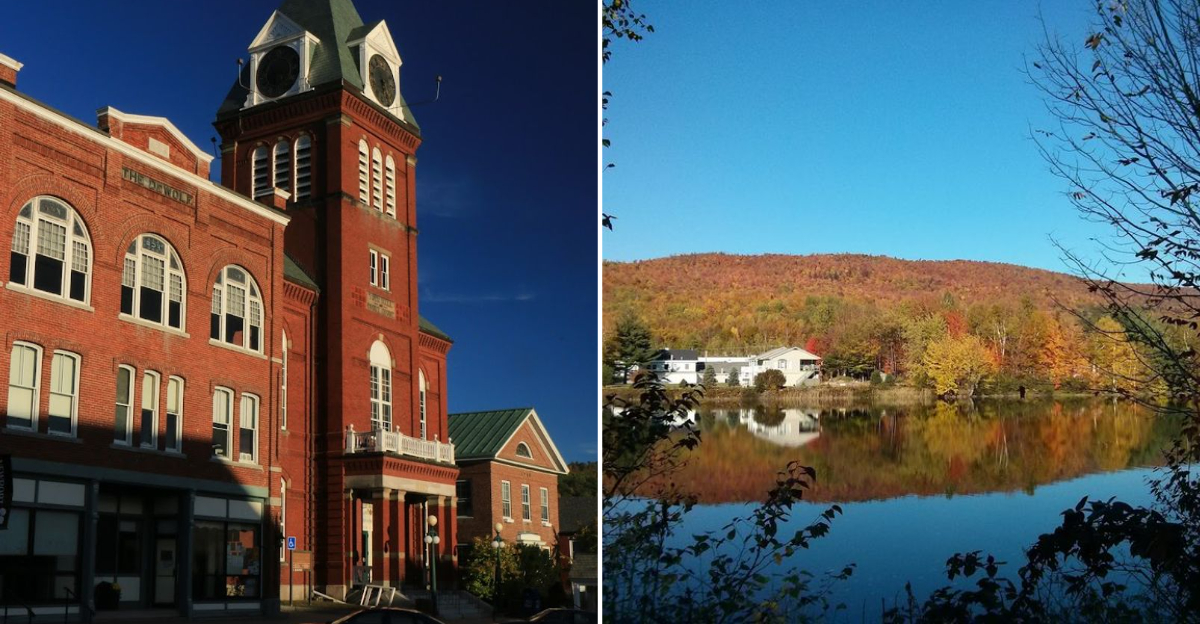
Claremont carries the kind of history that fills an entire chapter in New Hampshire’s story. It was once a booming mill town, full of energy and industry.
Now, the streets feel quieter than they used to.
Property taxes here have become a serious conversation topic at every town hall meeting. Sullivan County residents are feeling the squeeze, and many younger families are choosing not to stay.
That pattern shows up clearly in the numbers over the last several years.
The city still has a lot going for it. Sugar River runs right through town, and the outdoor access is genuinely impressive.
Old downtown buildings carry real architectural character that history lovers appreciate.
But charm alone does not pay a tax bill. When the cost of owning a home keeps rising faster than local wages, people start doing the math.
Some decide the math no longer works in their favor.
Claremont’s school funding challenges have added another layer to the pressure. The community has fought hard for equitable education funding for decades.
That ongoing struggle affects both perception and population.
If you want to see where New Hampshire’s property tax crisis hits hardest, this is one of the first places to look.
2. Keene
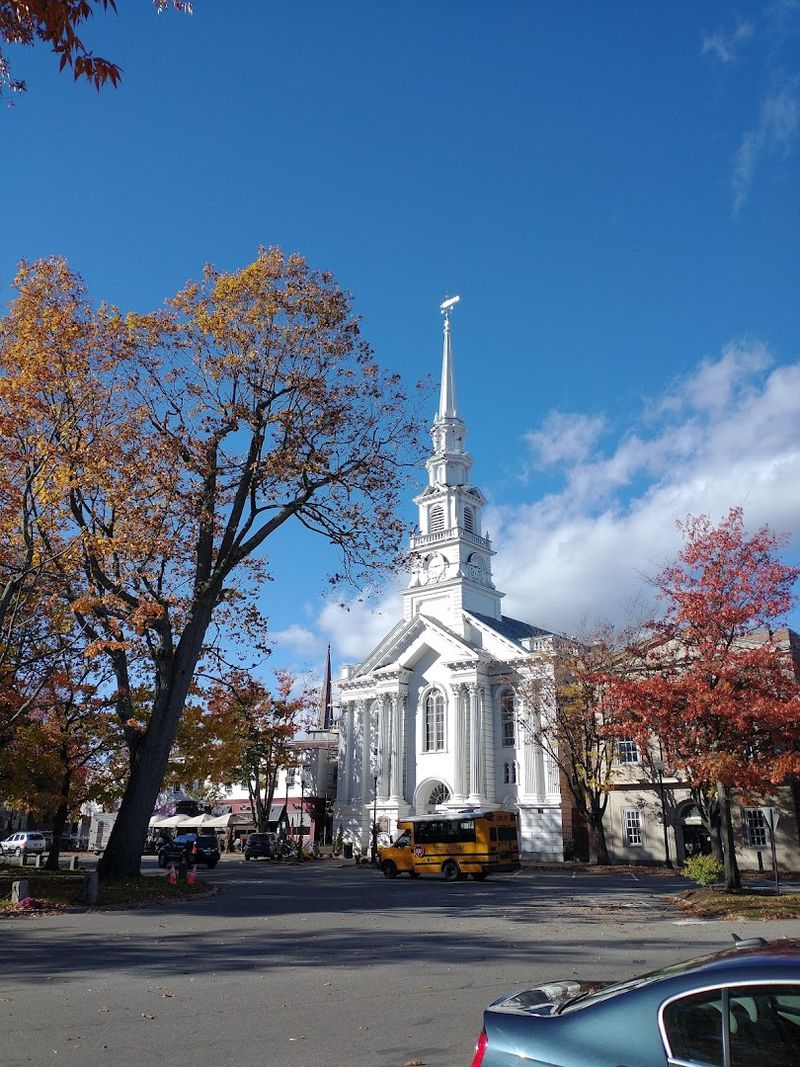
Keene is the kind of place that looks perfect on a postcard. Central Square is genuinely gorgeous in the fall, and the farmer’s market draws a loyal crowd every weekend.
It has a college-town energy that keeps things interesting.
Still, Keene’s population has been drifting downward. The numbers are modest, down about ten people between 2020 and 2024, but the trend is part of a broader Southwest New Hampshire story.
That region lost nearly 444 people between 2010 and 2020 alone.
Property taxes are a real sticking point here. Cheshire County homeowners are watching their bills climb while local services feel stretched.
That combination makes long-term planning harder for working families.
Keene State College adds youthful energy to the community. But students often leave after graduation, and not enough young professionals are sticking around to replace them.
That gap matters for a city’s long-term health.
The outdoor scene is a genuine draw. Pisgah State Park sits nearby, offering serious hiking for people who love getting off the pavement.
Nature access is one thing Keene truly delivers on.
For a city with this much character, the population pressure feels like a solvable problem. But it will take real policy work to reverse the trend.
3. Newport
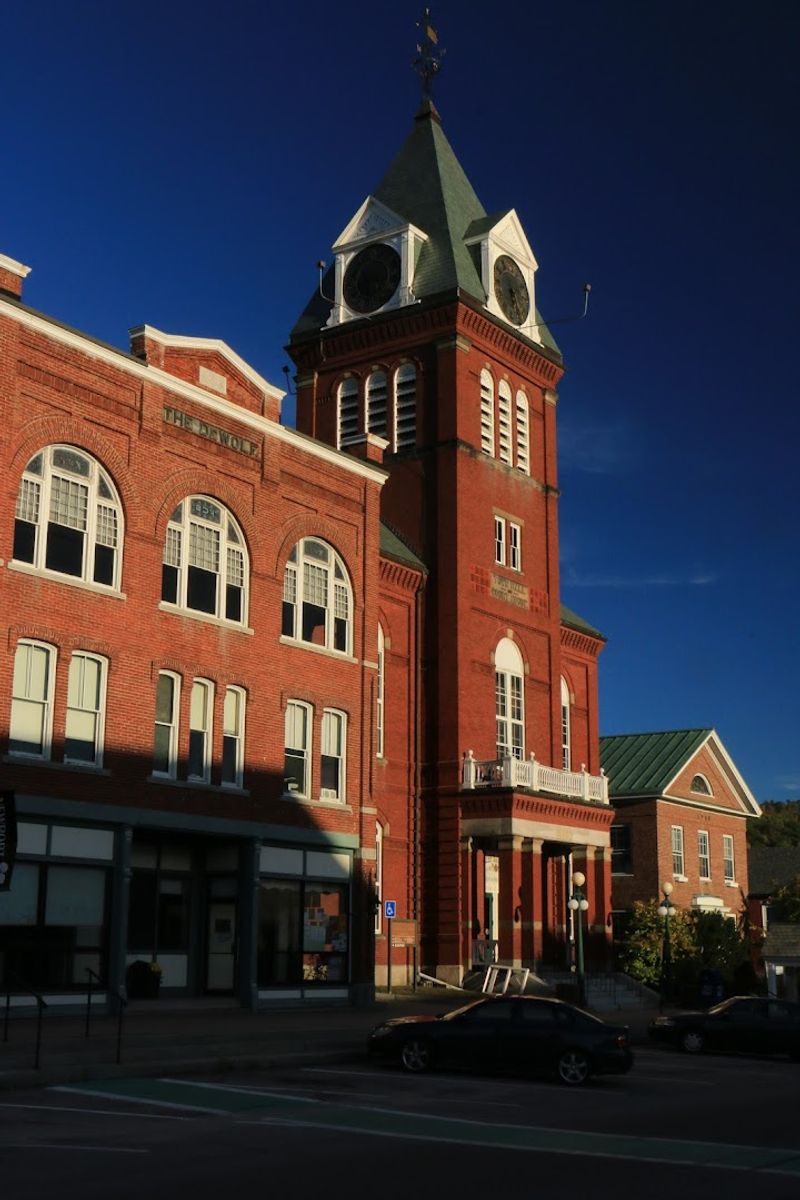
This spot sits in Sullivan County with a personality that is equal parts scrappy and proud. It is the county seat, which means it carries real civic weight for the surrounding region.
That responsibility comes with costs.
Property taxes in Newport have pushed some long-time residents to reconsider staying. When your tax bill climbs year after year, and your income stays flat, the math gets uncomfortable fast.
A lot of families in town know exactly what that feels like.
The community has a tight-knit feel that outsiders notice right away. Local events, the county fair, and the Lake Sunapee region nearby give Newport a sense of place that is hard to manufacture.
People who grew up here tend to love it fiercely.
But love does not always win against economics. Younger residents who want to buy their first home are finding Newport increasingly difficult to afford when property taxes are stacked on top of purchase prices.
That pricing reality is pushing people toward cheaper options in other states.
Newport’s downtown has seen better days, but there is genuine energy around revitalization efforts. Local advocates are working hard to bring new life to Main Street.
Progress is slow, but it is real.
The town has grit, and that counts for something in New Hampshire.
4. Franklin
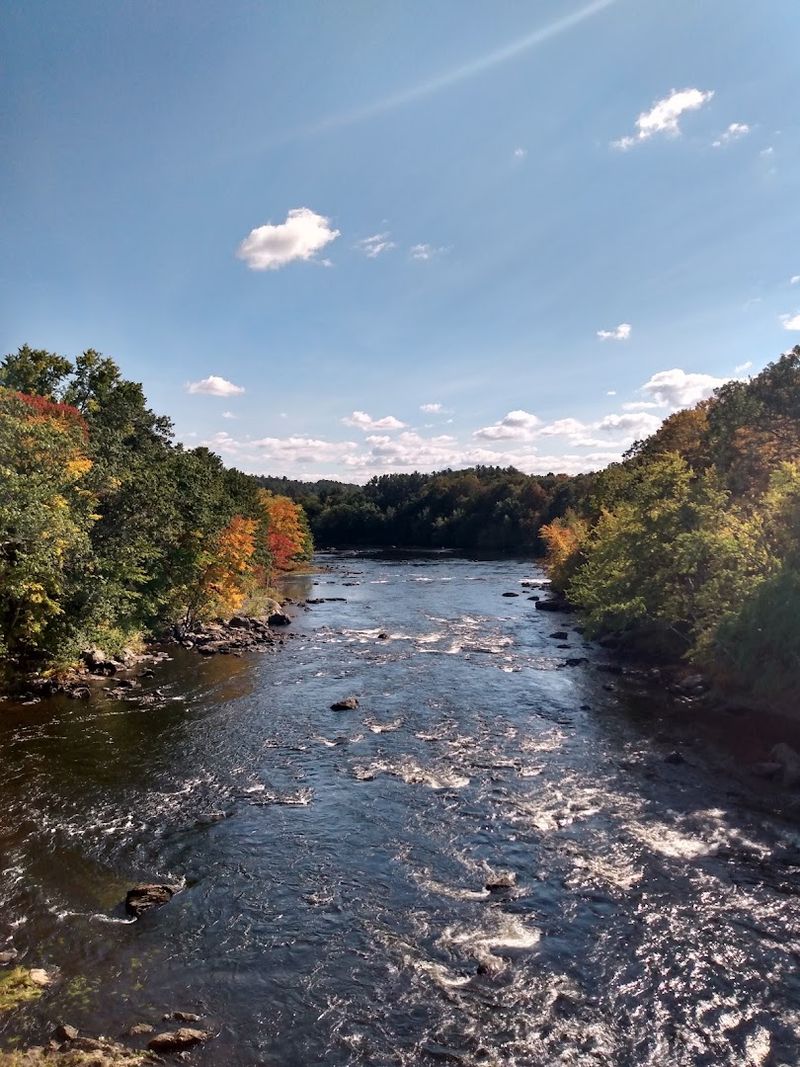
Franklin is the smallest city in New Hampshire by population, and it wears that title with an interesting mix of pride and challenge. Sitting at the confluence of two rivers, it has a geography that is genuinely dramatic.
The landscape alone is worth the drive out.
The city has faced real economic headwinds for decades. Mill-era buildings line the riverbanks as reminders of a more prosperous industrial past.
Transitioning away from that economy has been slow and often painful for residents.
Property taxes add fuel to an already complicated fire. Merrimack County homeowners in Franklin are paying bills that feel disproportionate to local incomes.
When taxes take a large chunk of a modest paycheck, people start looking at their options seriously.
Franklin has made genuine efforts to attract new residents and businesses. Community development initiatives and riverfront projects have drawn some positive attention.
Progress is happening, even if it is not happening fast enough for everyone.
Young families face a particularly tough calculation here. Good schools, affordable housing, and manageable taxes are the three things most families want.
Franklin is working on all three, but the balance is still off.
There is real heart in this community, and that matters more than people give it credit for.
5. Laconia
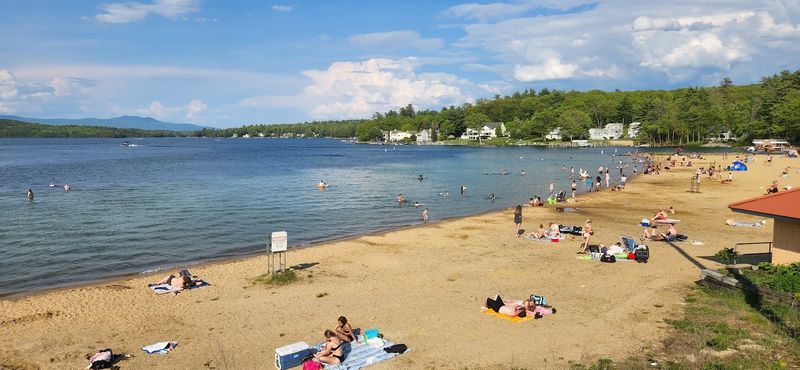
A place like this sits right in the heart of the Lakes Region, which sounds like a dream address. Lake Winnipesaukee is practically in the backyard, and the scenery during summer is genuinely stunning.
Tourism dollars flow through here every warm season.
But living in a tourist destination comes with its own set of complications. Property values rise with demand, and property taxes follow right behind.
Year-round residents end up subsidizing an economy that sometimes feels built for visitors rather than locals.
Population trends in Laconia reflect this tension. Working-class families and retirees on fixed incomes are feeling the squeeze most acutely.
When the tax bill arrives, the lake view suddenly feels less like a perk and more like a cost.
The city has a vibrant downtown that is worth exploring. Weirs Beach brings serious energy during Motorcycle Week every June, which is either exciting or exhausting, depending on your personality.
Either way, it puts Laconia on the national map.
Schools and municipal services in Laconia have faced funding debates that mirror the broader statewide conversation about property tax reliance. New Hampshire leans on property taxes more than any other state in the country.
That distinction hits Laconia residents directly.
The Lakes Region deserves better policy solutions, and so do the people who call it home year-round.
6. Pittsfield
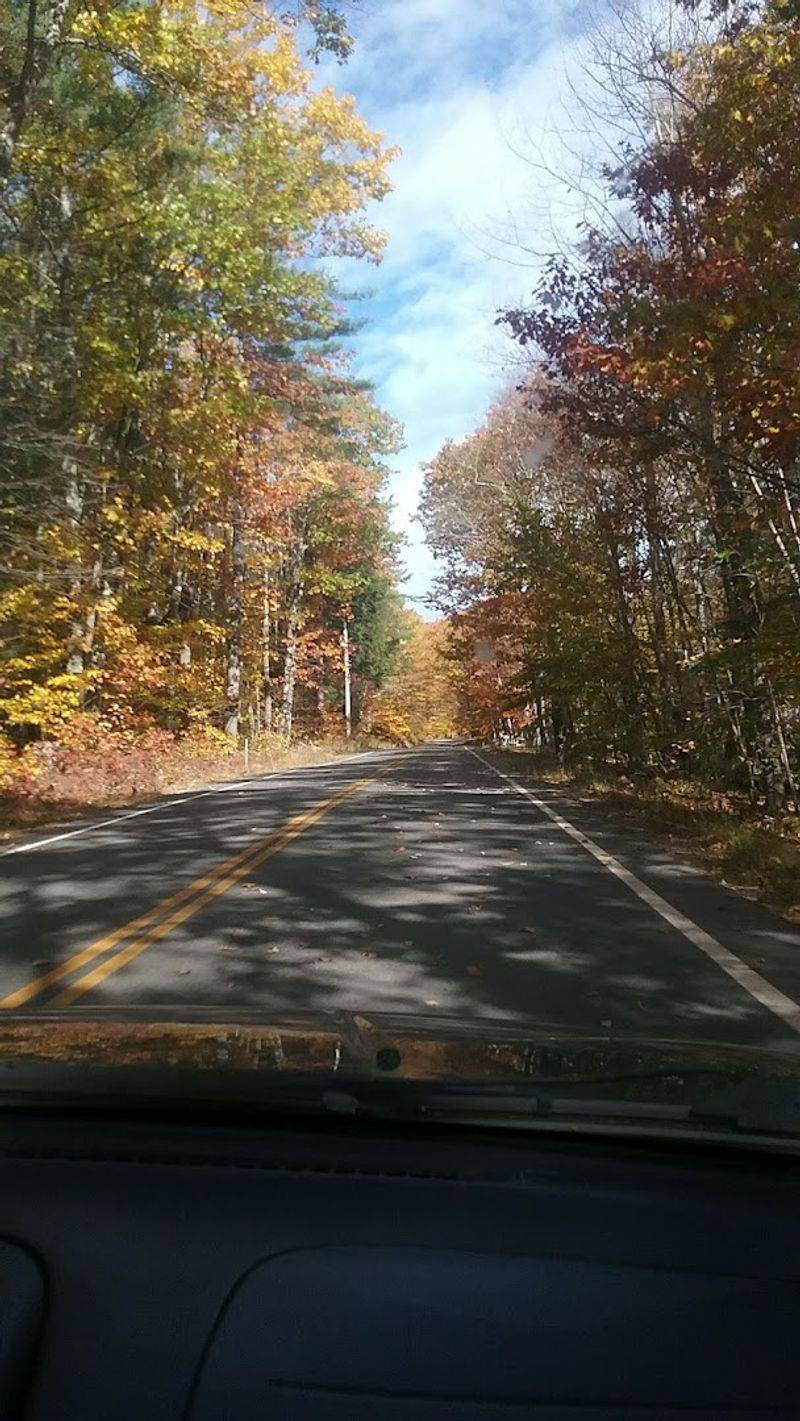
Pittsfield is the kind of small town that most people drive through without stopping. That is honestly their loss.
There is a quiet authenticity here that bigger towns spend millions trying to fake.
The community is tight, and neighbors actually know each other by name. Town meetings are real events where real decisions get made by real people.
That participatory spirit is something New Hampshire small towns do better than almost anyone.
Property taxes, however, have been putting pressure on that community fabric. Pittsfield’s tax rate has climbed steadily, and for a town with modest median incomes, that climb is felt at the kitchen table.
Families are making hard choices about whether to stay or go.
The school district has faced significant challenges over the years, including financial struggles that drew statewide attention.
Education funding in New Hampshire is deeply tied to local property taxes, which puts smaller towns like Pittsfield at a structural disadvantage.
That system needs serious reform.
Young people who grew up here often leave for college and do not return. Not because they do not love the place, but because the economic opportunities and housing costs make it hard to come back.
That brain drain compounds the population challenge.
Pittsfield still has character worth preserving.
7. Rochester
Rochester calls itself the Lilac City, and every spring the nickname earns its keep. The blooms across town are genuinely beautiful, and locals take great pride in that tradition.
It is one of those small details that gives a place a real identity.
The city is one of New Hampshire’s larger communities by population, which makes its demographic pressures especially worth watching. When a city this size starts losing residents, it signals something meaningful about regional economic health.
The numbers deserve honest attention.
Property taxes in Strafford County have been a persistent concern for Rochester homeowners. The city’s reliance on property tax revenue to fund schools and services puts real strain on middle-income households.
That strain is pushing some families toward neighboring states with lower overall tax burdens.
Rochester has a manufacturing and trade history that shaped its working-class identity. That heritage is still visible in the neighborhoods and the people.
But industrial jobs have changed, and the local economy is still adjusting to what comes next.
The downtown has seen some genuine investment in recent years. New restaurants, small businesses, and community events have added energy to the city center.
Momentum is building, even if slowly.
Rochester is a city with real potential and real challenges sitting side by side.
8. Berlin
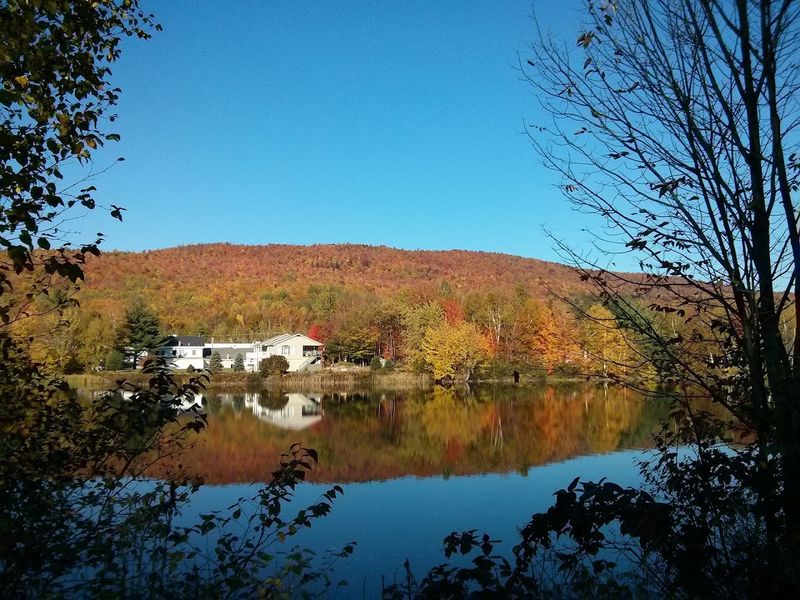
The Androscoggin River runs right through the city, and the White Mountain foothills frame the horizon. It is visually spectacular in a way that genuinely surprises first-time visitors.
But Berlin has been losing people steadily. Between 2020 and 2024, the city saw 158 residents leave, a decline of about 1.7 percent.
That is not a rounding error. That is a real shift in the fabric of a small community.
Coos County, where Berlin is located, lost another 115 residents between 2024 and 2025 alone. Property taxes in the region are a significant burden, particularly for households on fixed or modest incomes.
The numbers keep climbing even as the population keeps shrinking.
Berlin’s identity is rooted in its paper mill history. The mills brought waves of immigrants, built neighborhoods, and created a multicultural working-class culture that is genuinely unique in northern New England.
That history deserves recognition and respect.
Today, the city is working hard to reinvent itself. ATV trails, outdoor recreation, and renewable energy projects are part of the new economic pitch.
Whether those efforts can reverse the population trend remains an open question.
Berlin City Hall is located at 168 Main Street, Berlin, NH 03570.
9. Northumberland
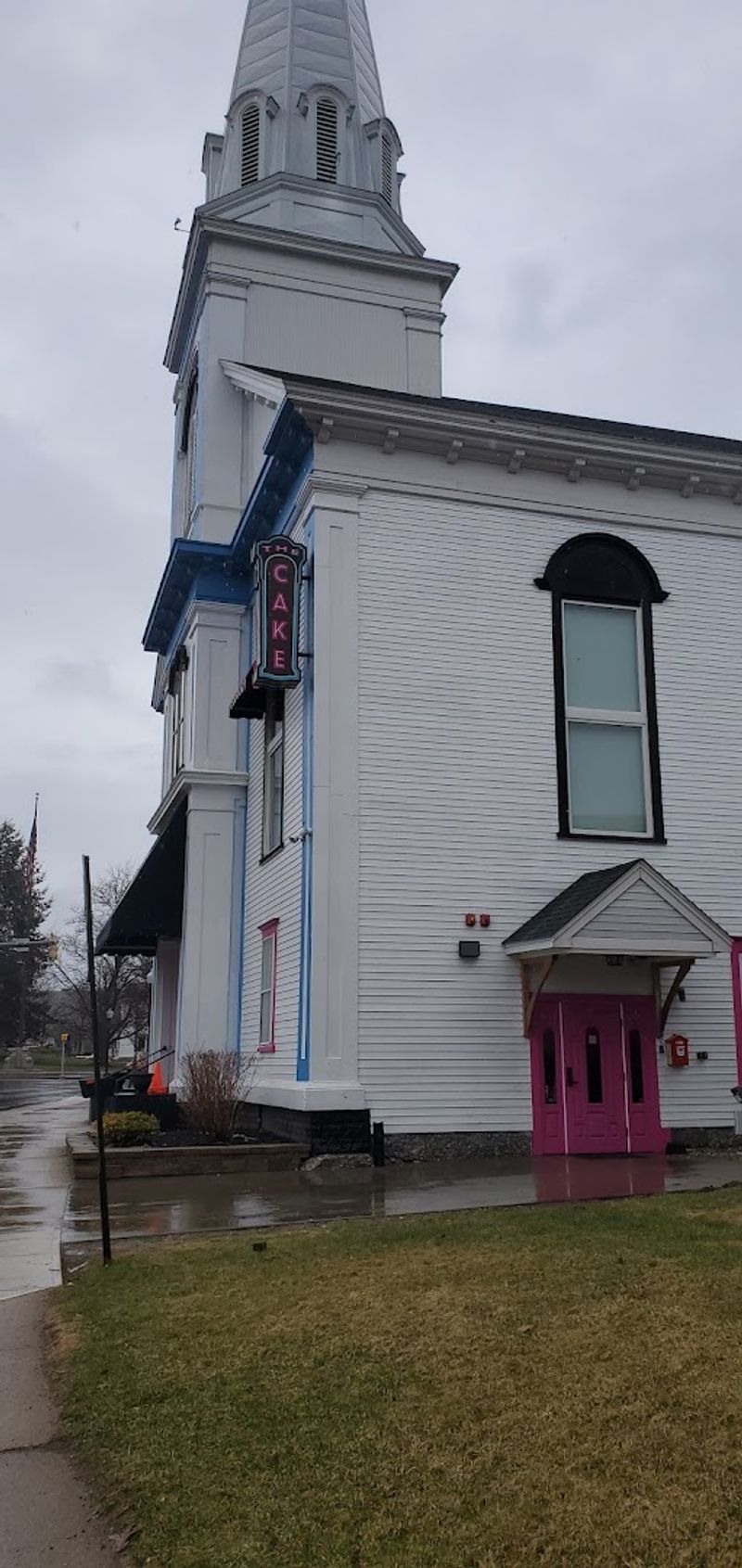
Northumberland is not a name that comes up often in New Hampshire conversations, and that is kind of the point. This is a quiet Coos County town that operates well outside the tourist radar.
Life here moves at its own pace, and most residents prefer it that way.
The Connecticut River forms the town’s western border, creating a natural boundary with Vermont that is as scenic as it is practical. Fishing, kayaking, and just sitting by the water are legitimate pastimes here.
Nature is not an amenity in Northumberland. It is the whole thing.
Population trends in Northumberland follow the broader Coos County pattern. As property taxes climb and economic opportunities stay limited, younger residents are making the difficult decision to leave.
The people who stay are often older, which changes the demographic makeup over time.
Small towns like this one face a structural disadvantage in New Hampshire’s tax system. With a limited commercial tax base, residential property owners carry a disproportionate share of the municipal burden.
That imbalance is hard to fix without state-level policy changes.
There is a genuine simplicity to life in Northumberland that some people find deeply appealing. No traffic, no crowds, no pretense.
Just river, forest, and community.
But simplicity cannot offset a tax bill that keeps growing.
10. Stark
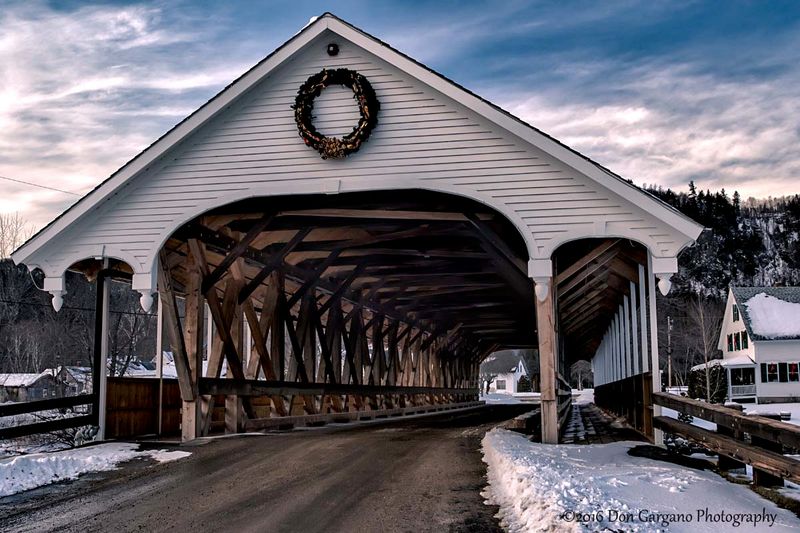
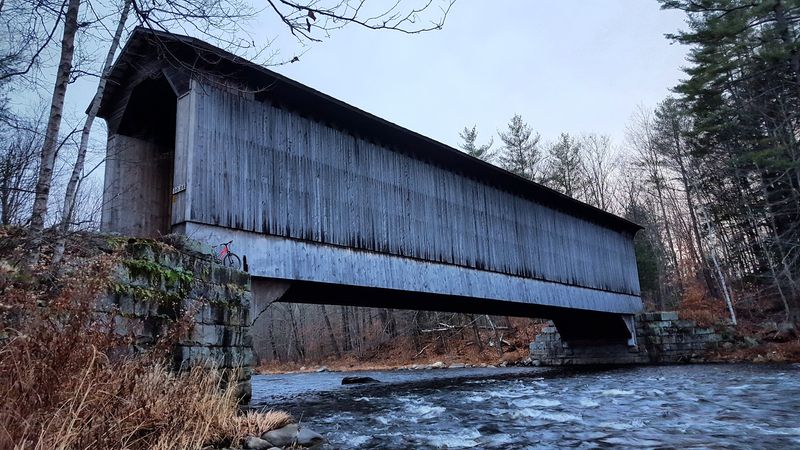
Stark might be the most photogenic tiny town in all of New Hampshire. The covered bridge over the Upper Ammonoosuc River has been photographed so many times it practically has its own fan club.
Autumn turns this place into something out of a painting.
With a population that fits comfortably in a school gymnasium, Stark is about as small as a New Hampshire town gets. Every resident counts, literally.
When a handful of families leave, the demographic impact is immediately visible in local institutions.
Property taxes in Coos County hit small towns like Stark especially hard. There is almost no commercial tax base to spread the load, so homeowners carry the full weight of municipal costs.
For retirees and working families alike, that is a serious financial reality.
The town has a fascinating World War II history that most people do not know about. A prisoner of war camp operated near Stark during the war, housing German POWs who worked in local logging operations.
That chapter of history is both surprising and worth knowing.
Getting to Stark requires genuine commitment. The roads are not exactly highway-adjacent, and winter adds a whole new layer of adventure to the commute.
That remoteness is either the town’s biggest selling point or its biggest challenge, depending on who you ask.