
New Hampshire’s Beloved Beach Towns Are Getting Harder To Call Home For The People Who Built Them
What if the place you grew up, the streets you learned to ride a bike on, the neighbors who knew your name, quietly became somewhere you could no longer afford to live?
That is the reality hitting New Hampshire’s beloved beach towns hard, and the numbers behind it will stop you cold.
From the scrappy shore communities along the Massachusetts border to the jaw-dropping estates overlooking rocky surf, the Granite State’s coastline is caught in a housing crisis that is rewriting who gets to stay and who gets pushed out.
Working families, essential workers, and longtime locals are all feeling it. New Hampshire is running out of room for the very people who built it.
1. Hampton Beach
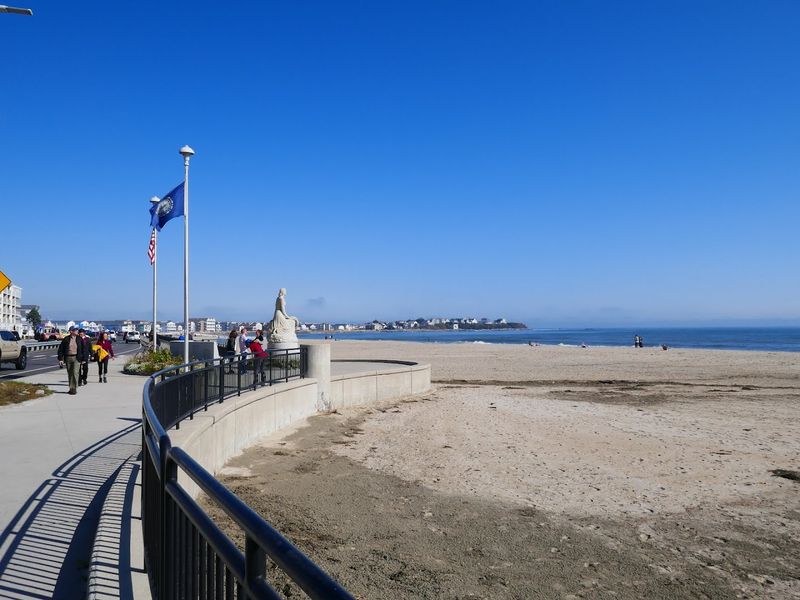
Hampton Beach is one of the most recognized stretches of sand on the entire New England coast. For decades, working families rented cottages here, local vendors set up shops along Ocean Boulevard, and seasonal workers returned year after year.
That rhythm is breaking down fast.
The cost of living at Hampton Beach runs significantly above the national average, with some widely used indexes placing it between 24% and 39% higher overall. Housing costs, the biggest driver, run far above average regardless of which measure is used.
Those numbers are not abstract. They translate directly into families being priced out of the neighborhoods they helped build.
Short-term rental platforms have converted many year-round homes into vacation properties. That shrinks the pool of affordable housing for the service workers, shop owners, and tradespeople who keep this beach town running every summer.
Seasonal workers who once lived within walking distance of their jobs now face long commutes from inland towns. That daily grind chips away at community ties and makes it harder for businesses to hold onto reliable staff.
Hampton Beach still draws enormous crowds each summer, and that tourism matters economically. But a town cannot survive on visitors alone.
It needs plumbers, teachers, cashiers, and childcare workers who can actually afford to live nearby.
The conversation about housing here is getting louder, and some local advocates are pushing for zoning changes that would allow more affordable units. Whether those efforts will move fast enough to matter is still an open question.
Location: Ocean Blvd, Hampton, NH 03842.
2. Seabrook Beach

Seabrook Beach has always had a scrappier, more unpretentious feel than some of its neighbors up the coast. It attracted families who wanted the ocean without the price tag of fancier resort towns.
That affordability edge is disappearing.
Seabrook sits at the southern tip of New Hampshire’s coastline, right on the Massachusetts border. That location makes it attractive to buyers and renters commuting to the Boston metro area, and that demand is pushing prices higher than many longtime locals can manage.
New Hampshire’s housing supply hovered around 2.5 months in 2025, well short of the six months considered healthy for a balanced market. Seabrook feels that squeeze acutely.
Listings move fast, and bidding wars have become common even for modest cottages.
Many seasonal properties in Seabrook Beach have shifted to short-term rental use, reducing the number of homes available for year-round families. That conversion accelerated after the pandemic, when remote work made coastal living more appealing to a much broader pool of buyers.
Essential workers in Seabrook face the same dilemma as those in other beach towns. They serve the community daily but cannot afford to be part of it residentially.
That disconnect strains both the workforce and the social fabric of the town.
Seabrook Beach deserves housing solutions as much as any higher-profile destination on this coastline. The people who built this community should not have to leave it behind.
Location: Seabrook Beach, Seabrook, NH 03874.
3. North Hampton

North Hampton carries a quieter, more understated reputation than its louder neighbor Hampton Beach. The town is known for its scenic stretch of Route 1A, elegant homes set back from the ocean, and a community that values its peaceful character.
But that character comes with a steep price tag.
Property values in North Hampton have climbed sharply, reflecting broader Seacoast trends. The median cost of a single-family home in the Seacoast region reached $689,000 in 2025, a jump of nearly 8% from the previous year, and North Hampton homes frequently trade well above that figure.
The people most affected are not wealthy second-home buyers. They are teachers, contractors, and healthcare workers who have ties to this community but cannot compete in a market driven by high-income buyers and remote workers relocating from expensive metros.
North Hampton has historically resisted dense development, and its land-use regulations reflect that preference. While that protects the town’s visual appeal, it also limits the creation of new housing stock that could ease affordability pressures for working residents.
Some residents and planners are starting to ask harder questions about who gets to live in a town like this. Preserving character is a legitimate goal, but not if it comes at the cost of economic diversity and community stability.
North Hampton is beautiful, and it should stay that way. The challenge is making sure beauty does not become a luxury only a few can afford to live near.
Location: North Hampton, NH 03862.
4. Hampton
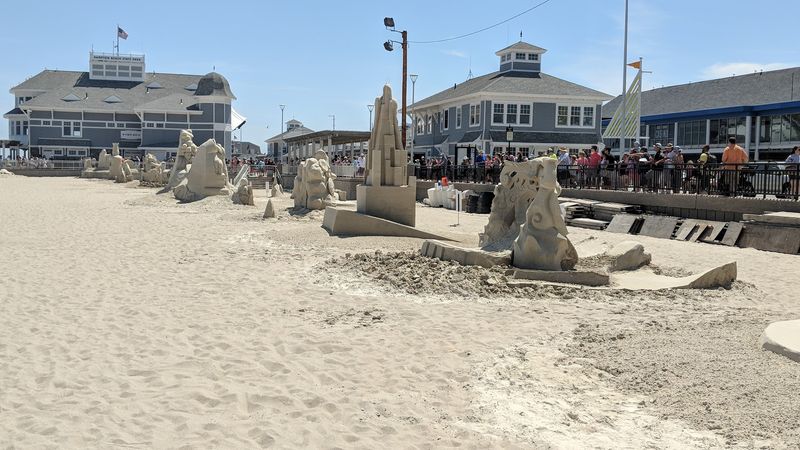
Hampton is more than just the beach. The town itself is a close-knit community with deep roots, a strong local workforce, and neighborhoods where people once expected to stay for life.
That expectation is harder to hold onto now.
Statewide, New Hampshire median home prices have climbed nearly 291% since 1999, a number that has continued to climb and shows no sign of slowing. Many longtime residents who rent here spend well over 30% of their income just on housing, which puts them squarely in the category of being cost-burdened.
The ripple effects show up everywhere. Local employers in retail, healthcare, and trades struggle to hire because potential employees cannot afford to live in town.
Some workers accept jobs here but commute from 30 to 45 minutes away, which wears people down over time.
Young adults who grew up in Hampton and want to stay face a brutal market. Starter homes that once seemed attainable have become out of reach for anyone without significant financial backing or family help.
Accessory dwelling units, sometimes called ADUs, are one tool that some New Hampshire towns are exploring to add housing stock without dramatically changing neighborhood character. Hampton could benefit from that kind of flexible thinking.
Community identity is built over generations, not just summers. When the people who grew up here can no longer afford to stay, something essential about the town starts to fade quietly.
Location: Town of Hampton, NH 03842.
5. Rye

Rye might be the most striking example of just how extreme the Seacoast housing market has become. Rye consistently ranks among the most expensive markets on the entire New Hampshire Seacoast.
Median sale prices regularly exceed $1 million, and in some months have climbed well above $2 million, reflecting both the town’s extreme desirability and the volatility of a very thin market
Rye hugs the coast with some of the most dramatic ocean views in New Hampshire. Rocky shorelines, crashing surf, and well-maintained estates define its visual identity.
It is genuinely beautiful. It is also genuinely unaffordable for the vast majority of working residents.
The town has long attracted wealthy buyers, but the pace of price escalation in recent years has been extraordinary even by Seacoast standards. Remote workers with high salaries and buyers fleeing pricier markets have accelerated competition for a very limited number of properties.
Long-term renters and working families in Rye face near-impossible odds. Even modest rental units are in short supply, and what remains commands prices that consume a disproportionate share of a middle-income household budget.
Rye’s identity has historically centered on its natural beauty and tight community bonds. But a community needs more than scenic views to function.
It needs people across income levels who can afford to participate in daily life there.
The question Rye now faces is whether it wants to be a living town or a luxury enclave. That is not a rhetorical question.
The answer will shape everything about what Rye looks like a generation from now. Location: Town of Rye, NH 03870.
6. Portsmouth
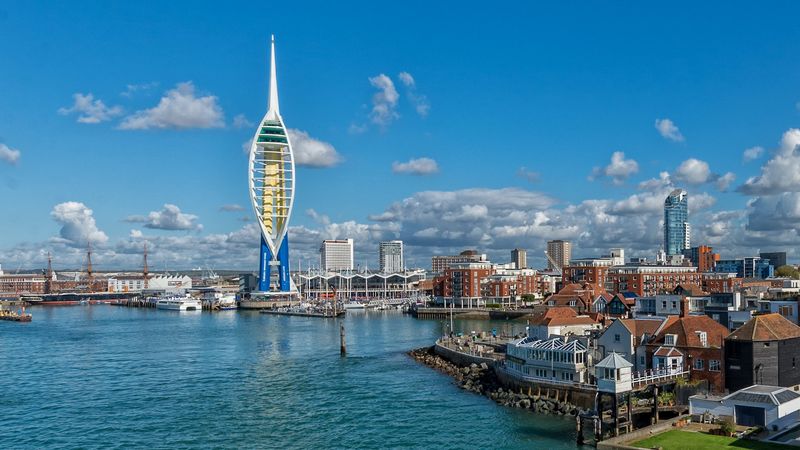
Portsmouth punches well above its weight. This compact, historic city draws food lovers, history buffs, and creative types from across New England, and its downtown is one of the most walkable and lively in the entire state.
It also ranks among the most expensive places to live in the region.
The median home sale price in Portsmouth reached $817,000 in late 2024, with average one-bedroom rents around $2,134 per month, and those numbers have climbed significantly since. For workers in hospitality, retail, and the service sector, those numbers make living in the city they work in functionally impossible.
Portsmouth’s proximity to Boston has long made it attractive to commuters who want a coastal lifestyle without paying Boston prices. The irony is that those commuters have helped push Portsmouth prices into a range that mirrors what they were fleeing.
The city has a strong arts scene, independent restaurants, and a genuine sense of civic pride. But the people who built that culture, the artists, cooks, and shop owners, are increasingly getting pushed to the margins as rents climb and housing inventory stays tight.
New Hampshire Housing and state-level initiatives have directed funding toward workforce housing in urban centers like Portsmouth. Progress exists, but demand continues to outpace supply by a significant margin.
Portsmouth is worth fighting for. The goal should be a city where the people who animate its streets can actually afford to sleep there too.
Location: Portsmouth, NH 03801.
7. Newcastle
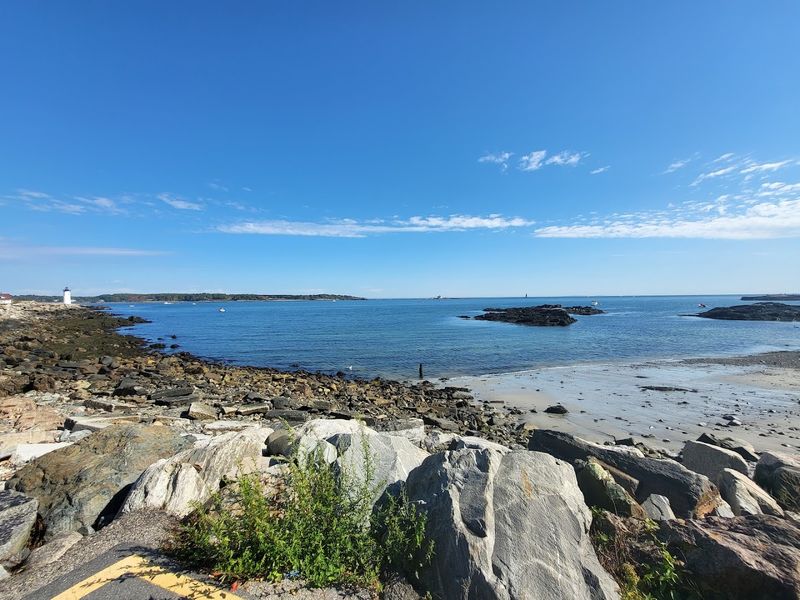
Newcastle is technically an island, connected to the mainland by bridges, and it carries that island energy in the best possible way. It is small, historic, and fiercely proud of its character.
It is also one of the most exclusive addresses on the New Hampshire Seacoast.
The town sits adjacent to Portsmouth and shares in the broader regional housing crunch that has made the Seacoast so difficult for working residents. With limited land and strict development constraints, new housing construction in Newcastle is essentially nonexistent.
That scarcity drives prices to levels that put homeownership out of reach for anyone outside a high income bracket. The few rental properties that exist turn over rarely, and when they do, competition is fierce and prices reflect the premium location.
Newcastle is home to Fort Stark State Historic Site, a former military fortification whose history connects the town to a much longer story about New Hampshire’s relationship with the Atlantic coast. That history matters, and it draws visitors who appreciate depth over flash.
But history does not pay rent. The workers who maintain Newcastle’s infrastructure, care for its older residents, and keep its small businesses running face the same housing squeeze as everyone else on this coastline, often with fewer options because the town is so small.
Newcastle’s charm is real and worth preserving. Doing that well means ensuring the people who serve this community can find a realistic path to staying in it.
Location: Newcastle, NH 03854.
8. Hampton Falls
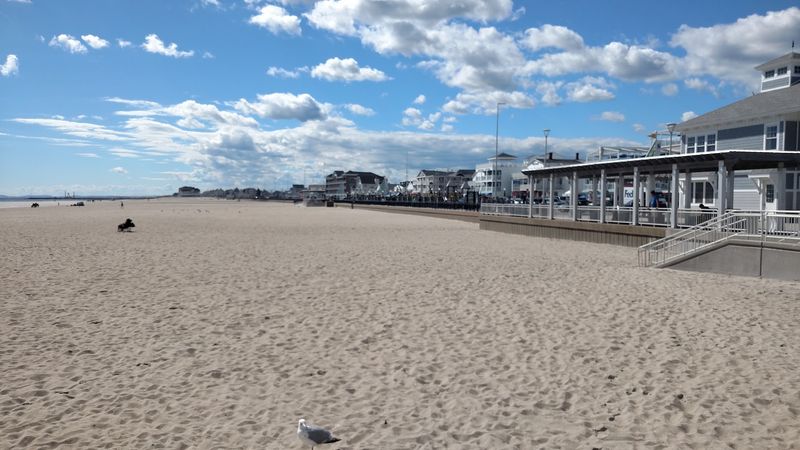
Hampton Falls sits just inland from the coast, and that slight distance gives it a quieter, more rural texture than its beachside neighbors. It is the kind of town where people wave from their driveways and kids still ride bikes on back roads.
It is also feeling the pressure of a regional housing market that does not stop at town lines.
As coastal towns become less accessible, buyers and renters have pushed inland, and Hampton Falls has seen growing interest from people priced out of Hampton, North Hampton, and Rye. That demand is reshaping what had been a more affordable corner of the Seacoast region.
The town has a small population and limited commercial development, which means it relies heavily on surrounding communities for jobs and services. Residents commute out, and the workers who serve Hampton Falls commute in, creating a web of long drives that nobody particularly enjoys.
New Hampshire’s housing shortage is not a coastal problem alone. It runs statewide.
Estimates put the need at roughly 90,000 additional housing units by 2040. Towns like Hampton Falls will need to be part of that solution, even if growth feels uncomfortable for some longtime residents.
The rural feel of Hampton Falls is genuinely appealing, and protecting it is a reasonable community goal. But protection cannot mean exclusion.
Housing policy that welcomes working families strengthens a town rather than diluting it.
Hampton Falls has something worth holding onto. Smart, inclusive housing choices will help it do exactly that.
Location: Hampton Falls, NH 03844.