
9 New Jersey Towns Losing Residents As Property Taxes Keep Climbing
For many homeowners, the hardest part about leaving New Jersey is not saying goodbye. It is realizing the property tax bill may have made the decision for them.
In several towns, residents are quietly packing up as housing costs keep climbing. A place that once felt manageable can start feeling impossible when the yearly tax bill rises faster than the paycheck.
That pressure is changing communities across the state. Families are reconsidering where they can afford to stay, while longtime homeowners are asking if remaining in the same town still makes financial sense.
New Jersey already carries some of the heaviest property tax burdens in the country, and certain towns are feeling the strain more than others. Population losses offer a revealing look at where that pressure may be hitting hardest.
These 9 towns show what happens when the cost of staying in the state starts competing with the desire to call it home.
1. Loch Arbour, Monmouth County
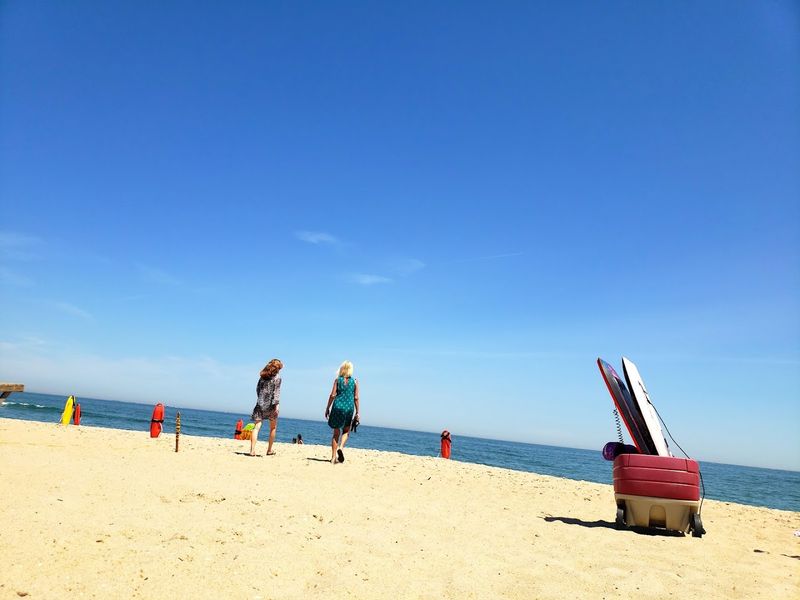
How does a tiny beach village lose residents despite prime oceanfront real estate? Property taxes provide the answer in Loch Arbour, one of New Jersey’s smallest municipalities.
This exclusive community covers less than one square mile but carries tax rates that shock even wealthy homeowners. Families who bought here for the beach lifestyle now question whether staying makes financial sense.
The village offers direct beach access and a tight-knit community feel that initially attracts buyers.
However, the annual tax bills often exceed what many consider reasonable for such a small area. Municipal services cost money, and with so few residents sharing the burden, individual tax bills climb steeply.
Maintenance of beaches, roads, and public facilities gets expensive quickly.
Some homeowners have converted their properties to seasonal rentals rather than living here year-round. Others have sold entirely and moved to more affordable shore towns nearby.
The population decline reflects a broader pattern along the Jersey Shore where taxes outpace income growth.
Retirees on fixed incomes find Loch Arbour particularly challenging. The dream of retiring by the ocean fades when property taxes consume too much of their savings and pensions each year.
Loch Arbour is a small borough in Monmouth County, New Jersey, situated along the Atlantic Ocean.
2. Asbury Park, Monmouth County
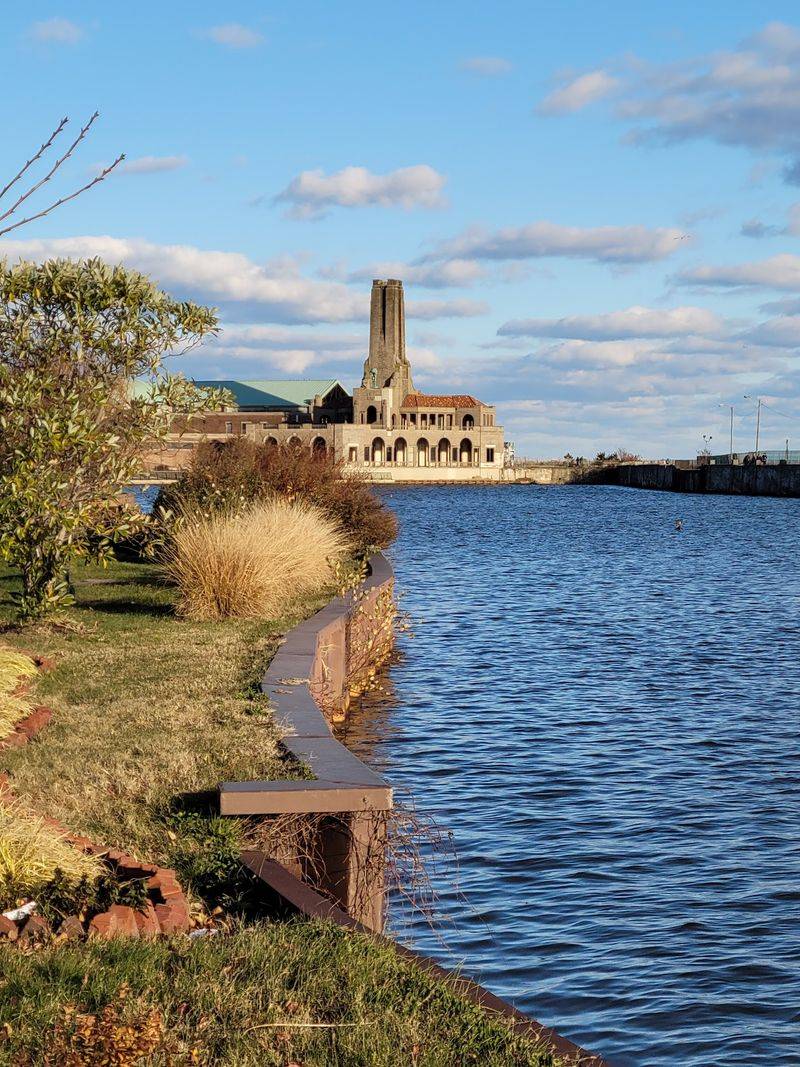
Property taxes here hit harder than the Atlantic waves crashing nearby. Asbury Park sits right on the Jersey Shore, offering beaches and boardwalks that should make it a dream location.
Yet many residents find themselves drowning in tax bills that keep climbing. The average property tax burden in this coastal town pushes families to their financial limits.
Young professionals and retirees alike have started looking elsewhere for more affordable options.
The town has worked hard to revitalize its downtown and waterfront areas. New businesses and restaurants have opened, bringing fresh energy to the community.
Despite these improvements, the tax situation remains a major concern for homeowners.
Schools, public safety, and infrastructure all require funding, but the cost falls heavily on property owners. Some long-time residents remember when Asbury Park felt more financially manageable.
Those days seem distant now as bills arrive with higher numbers each year.
Population numbers tell the story clearly. More people are leaving than arriving, creating a trend that worries local officials.
The beautiful beach location cannot overcome the reality of unaffordable property taxes for many families trying to build their futures here.
Asbury Park is located in Monmouth County along the Atlantic coast of New Jersey.
3. Millstone Borough, Somerset County
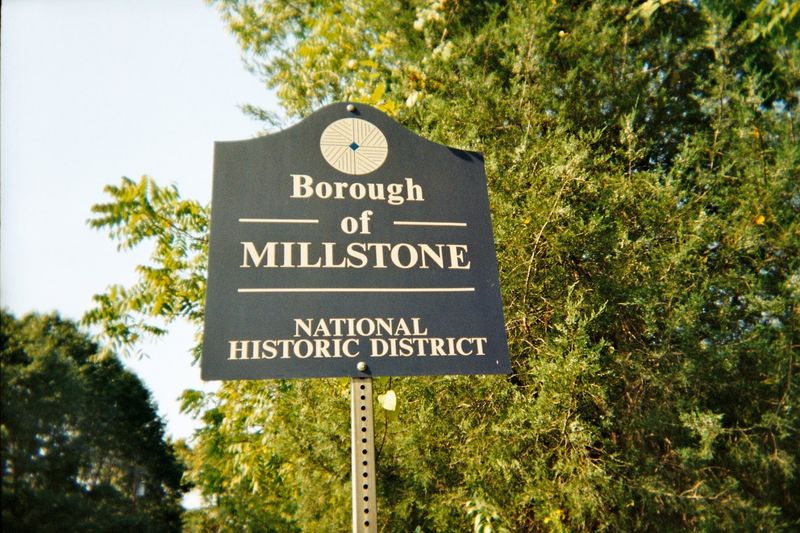
Rural charm comes with a hefty price tag in this Somerset County community. Millstone Borough maintains its small-town character, but keeping up with property taxes tests even devoted residents.
The borough population hovers around just a few hundred people, making it one of New Jersey’s tiniest municipalities. With such a small tax base, each property owner shoulders a disproportionate share of municipal costs.
Basic services like road maintenance, emergency response, and administration still require funding regardless of population size.
Many families moved here seeking a quieter lifestyle away from suburban sprawl. They found the peace they wanted but discovered property taxes that rival much larger towns.
The math simply does not work in favor of homeowners when so few people split the bills.
Borough officials face tough choices between cutting services and raising taxes further. Neither option appeals to residents already struggling with current rates.
Some longtime families have reluctantly decided to leave rather than continue paying such high amounts.
Younger residents especially find it hard to justify staying when nearby areas offer better value. The borough’s population decline reflects these difficult financial realities that push people toward more affordable communities across state lines or within New Jersey.
Millstone Borough is located in Somerset County in central New Jersey.
4. Neptune Township, Monmouth County

Tax bills here make waves that drive families away from this Monmouth County township. Neptune Township spreads across a larger area than many shore communities but faces similar affordability challenges.
Property taxes have climbed steadily over the past decade, outpacing wage growth for most residents. Families who once felt comfortable financially now struggle to keep up with annual increases.
The township includes diverse neighborhoods ranging from modest homes to more upscale properties.
Everyone feels the tax pressure regardless of home value. School funding accounts for a significant portion of property tax bills throughout New Jersey.
Neptune Township is no exception, with education costs driving much of the tax burden.
Public safety, road maintenance, and municipal services add to the total. Residents appreciate these services but question whether they should cost so much.
Some have started comparing Neptune’s tax rates to neighboring communities and finding better deals elsewhere.
The population decline shows people voting with their feet. Young families especially look for towns where their money stretches further and property taxes leave room in budgets for savings and quality of life.
Neptune Township continues losing residents who decide they cannot afford to stay despite community ties and established roots here.
Neptune Township is located in Monmouth County, New Jersey, near the Atlantic coast.
5. Irvington, Essex County
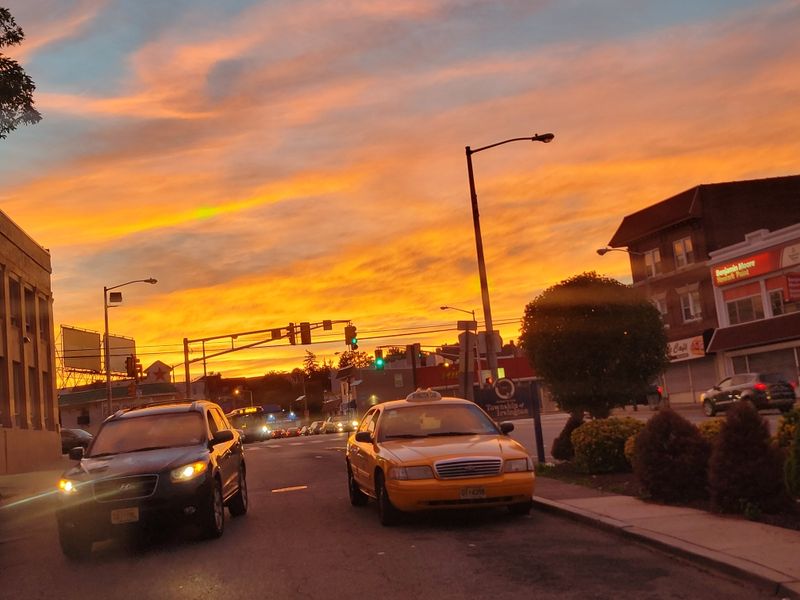
Urban living becomes unaffordable when property taxes spiral out of control. Irvington sits in Essex County, close to Newark, offering convenient access to jobs and transportation.
Despite these advantages, residents have been leaving in significant numbers as property taxes consume larger portions of household budgets. The town faces challenges common to many older New Jersey cities.
Infrastructure needs repairs, schools require funding, and public safety demands resources.
Property owners foot the bill through taxes that keep rising. Many homeowners bought in Irvington hoping for affordable urban living near major employment centers.
Instead, they found themselves trapped by tax rates that make saving money nearly impossible.
The town has worked to attract new residents and businesses to expand the tax base. Progress comes slowly, and current homeowners bear the burden while waiting for improvements.
Some families have lived in Irvington for generations but now consider leaving.
The emotional difficulty of abandoning a hometown gets weighed against financial survival. Property taxes in Irvington often surprise newcomers who did not research thoroughly before buying.
Long-time residents watch neighbors move away regularly, creating a sense of community decline that compounds the financial pressures pushing people toward other towns with lower tax burdens.
Irvington is located in Essex County, New Jersey, bordering Newark.
6. Union Beach, Monmouth County
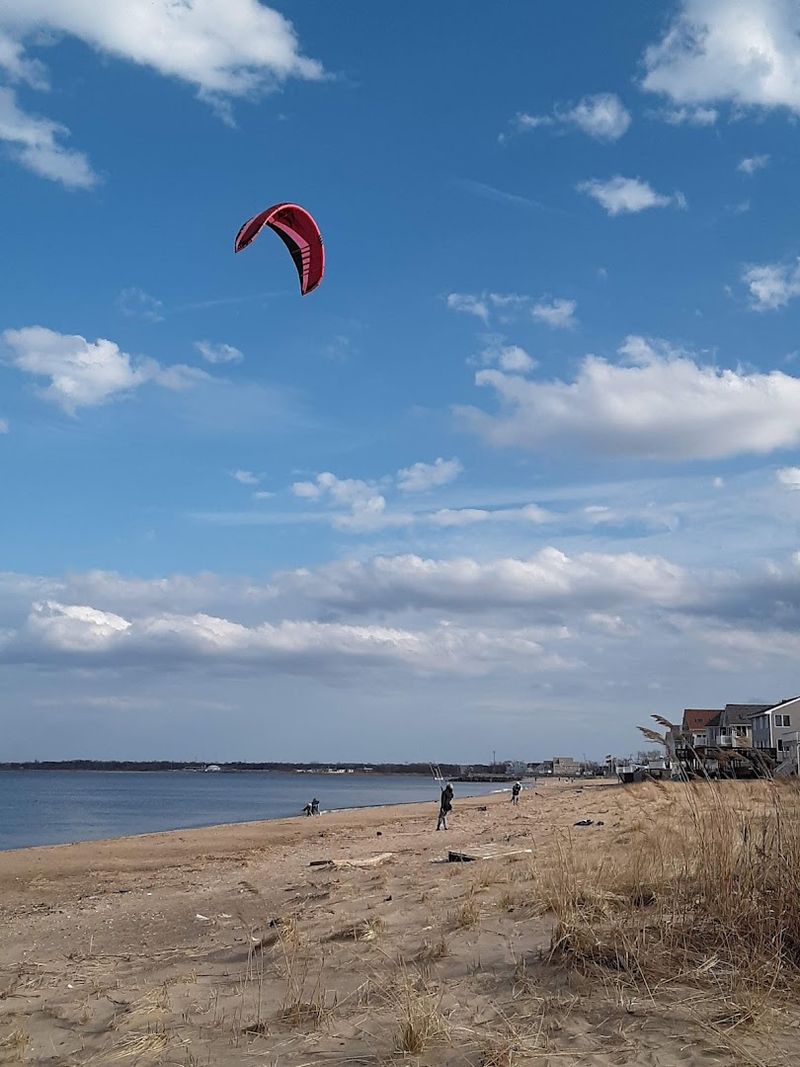
Waterfront living loses its appeal when property taxes make it unaffordable. Union Beach sits on Raritan Bay in Monmouth County, offering water views and a small-town atmosphere.
These attractive features have not prevented residents from leaving as tax bills climb higher each year. The borough still recovers from damage caused by past hurricanes and storms.
Rebuilding costs money, and property owners help fund recovery through their tax payments.
Many residents already struggled with taxes before natural disasters added extra financial pressure. The combination has proven too much for some families who decided to relocate.
Union Beach offers a quieter alternative to busier shore towns nearby.
Residents enjoy the bayfront location and community events that bring neighbors together. However, financial realities eventually override lifestyle preferences for many households.
Property taxes here compete with mortgage payments as the largest housing expense.
Families trying to save for college, retirement, or emergencies find little room in budgets after paying taxes. Some longtime residents remember when Union Beach felt more affordable and community-oriented.
Those memories make leaving harder but do not change the financial facts.
The population decline continues as people seek towns where property taxes leave money for other life goals and financial security beyond just keeping the house.
7. Plumsted, Ocean County
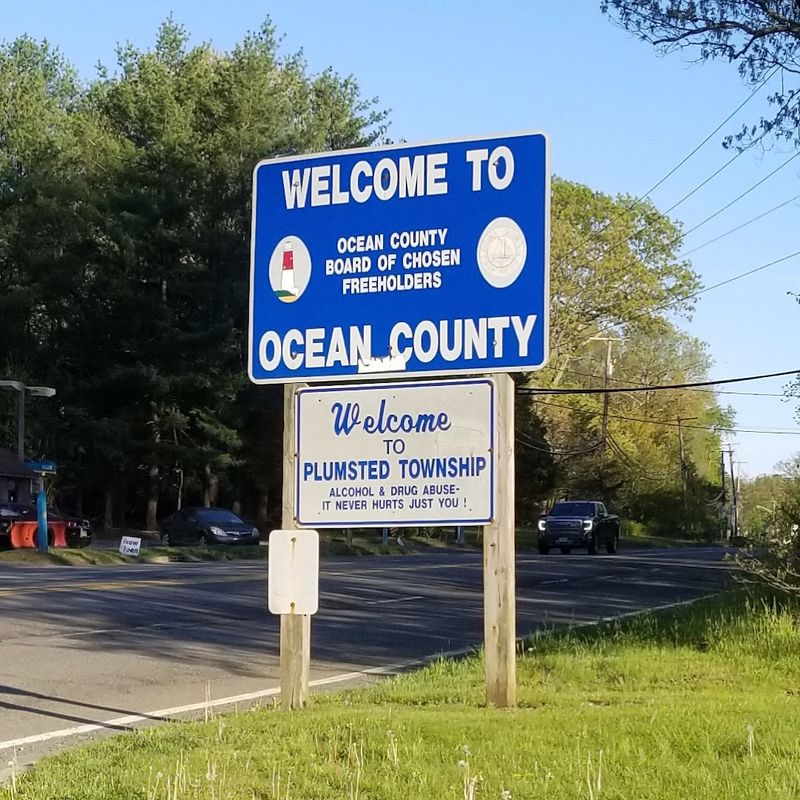
Rural space costs more than many families can afford in this Ocean County township. Plumsted offers a countryside setting with farms and open land that attracted people seeking room to breathe.
Property taxes have turned that dream into a financial nightmare for many residents. The township covers a large geographic area with a relatively small population.
This combination creates tax challenges as infrastructure and services must cover many miles.
Road maintenance alone becomes expensive when you have long distances to maintain. Schools, emergency services, and municipal operations still require funding regardless of how spread out residents live.
Property owners end up paying premium rates for rural living.
Some families moved to Plumsted specifically to escape higher costs in more developed areas. They found lower home prices but discovered property taxes that eliminated any savings.
The township has seen steady population decline as residents reconsider whether staying makes financial sense.
Commuters who work in other parts of New Jersey or even Philadelphia chose Plumsted for affordable housing. Property tax reality has changed that equation for many households.
Young families especially struggle to justify high taxes when they could live elsewhere for less money and potentially better services concentrated in smaller areas.
8. Lumberton, Burlington County
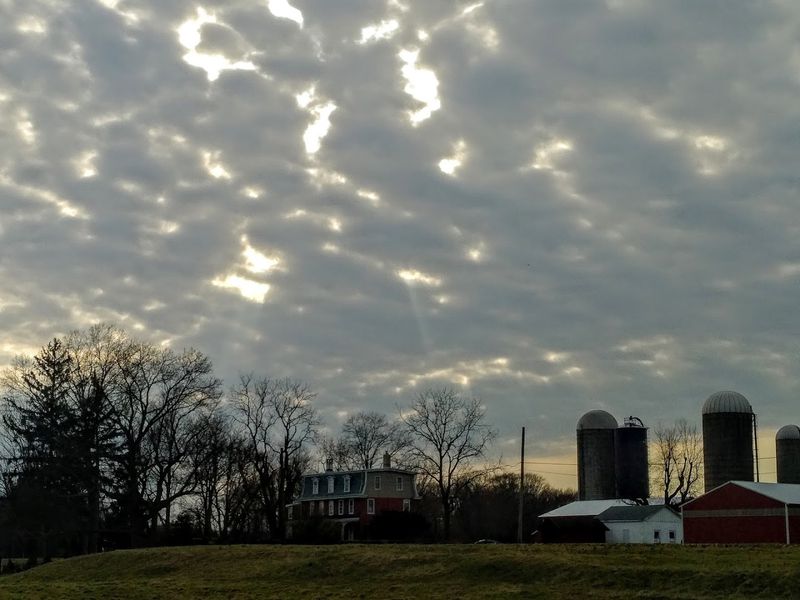
Suburban comfort comes at a steep price in this Burlington County township. Lumberton sits in South Jersey, offering a mix of residential neighborhoods and commercial development.
Despite these advantages, property taxes have driven many residents to seek more affordable options elsewhere. The township provides good schools and parks that families appreciate.
However, funding these amenities requires money that comes directly from property tax bills.
Residents watch their annual payments increase while wondering if they receive proportional value. Some homeowners have lived in Lumberton for decades and raised families here.
They now face retirement on fixed incomes with property taxes that threaten their ability to stay.
The emotional attachment to community and home conflicts with financial reality. Younger families moving to the area often experience sticker shock when they see their first full-year tax bill.
What seemed like an affordable suburban community becomes a financial stretch.
Lumberton competes with other Burlington County towns for residents and ratables. Property taxes play a major role in those decisions as families comparison shop for the best value.
The township has seen population numbers decline as people vote with moving trucks.
Many head to Pennsylvania or other states where property taxes take smaller bites from household budgets and leave more room for saving and spending on family needs.
9. Port Republic, Atlantic County

Coastal living becomes impossible when taxes drain bank accounts faster than tides. Port Republic sits in Atlantic County, offering a quieter shore experience away from casino towns.
This small city has watched residents leave as property tax burdens grow heavier each year. The population barely reaches one thousand people, creating the familiar small-town tax problem.
Municipal costs get divided among very few property owners.
Each household carries a disproportionate share of the total budget. Port Republic offers access to water activities and a slower pace of life.
These benefits attracted people seeking alternatives to busier shore communities.
Property taxes have undermined that appeal by making it financially unsustainable for many families. The city maintains basic services but cannot achieve the cost efficiencies that larger towns enjoy.
Everything from administration to public works requires funding from a tiny tax base.
Some residents have tried to fight tax increases through local government participation. Their efforts have met limited success against the mathematical reality of small populations and fixed costs.
Retirees who chose Port Republic for peaceful shore living now reconsider whether they can afford to stay.
Property taxes that rival or exceed monthly mortgage payments force difficult decisions about relocating during what should be relaxing retirement years.