
8 New York Beaches Where Metal Detectorists Find Rare Coins And Buried Artifacts
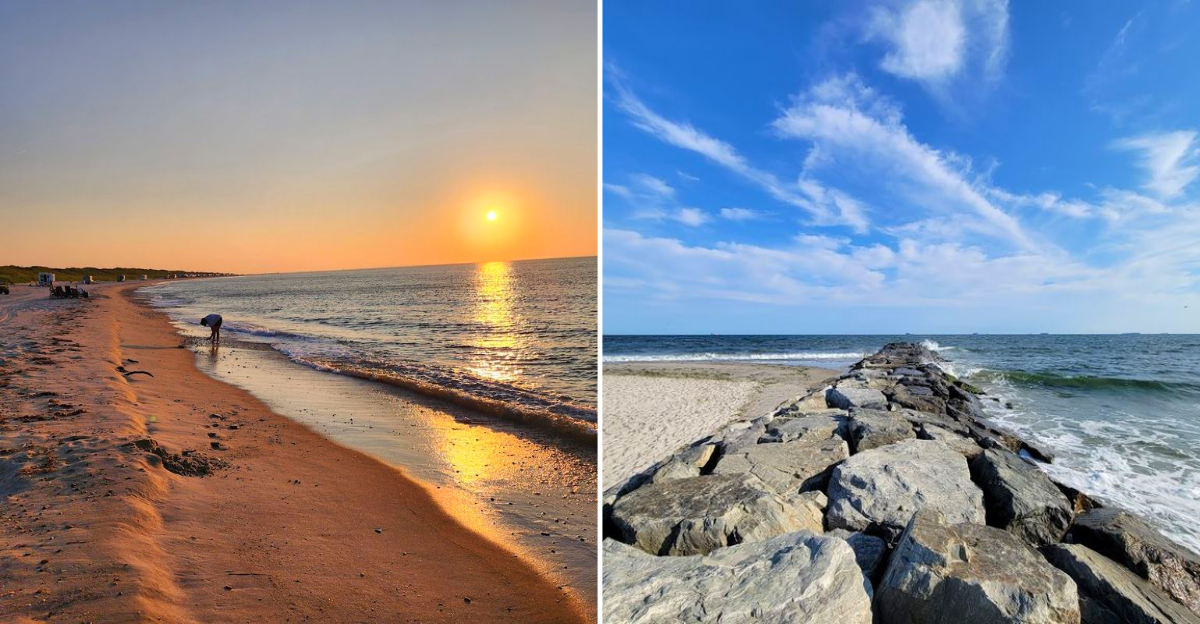
New York beaches have been collecting stories longer than most people realize, and metal detectorists know the sand can still give a few back.
Along city shorelines, Long Island stretches, and historic coastal edges, patient hunters search for coins, jewelry, buttons, relics, and small artifacts left behind by generations of visitors, storms, ship traffic, and changing tides.
The thrill is not just finding something valuable. It is hearing the detector signal, digging carefully, and wondering who last held the object before it disappeared beneath the sand.
These beaches appeal to history lovers, hobbyists, and anyone who likes a walk with a little mystery attached. Rules and permits matter, so it pays to check before you search.
Still, these eight New York beaches prove the past is not always locked inside museums. Sometimes, it is waiting just below your feet.
1. Coney Island Beach
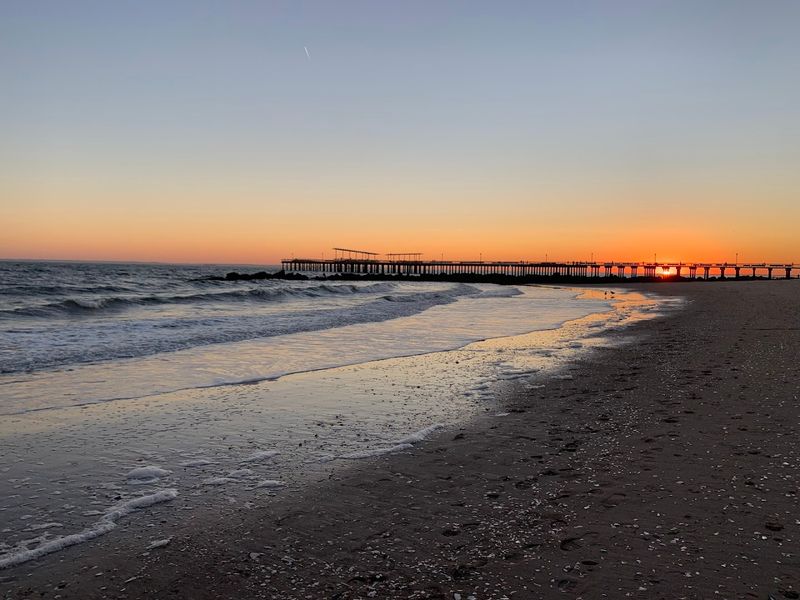
Few beaches in America carry as much history per square foot as Coney Island. The crowds have been coming here since the late 1800s, and every single one of them had pockets.
That math works out beautifully for detectorists who show up after the season ends.
Metal detecting is permitted at Coney Island Beach but not during the official beach season, so plan your visits for the off-season months. You will need a New York City Parks permit before you start sweeping.
The beach address is Surf Ave, Brooklyn, NY 11224, and the permit process runs through the NYC Parks Department.
Detectorist forums going back decades document coin finds here that would make any collector’s jaw drop. The real gold rush happens after major events like the Fourth of July, when coin lines form across the sand from all the dropped change.
Rings, old quarters, and even older coins have all been pulled from this legendary stretch of Brooklyn shoreline.
The key to success here is working the wet sand zone close to the waterline. That area tends to concentrate heavier items that roll down with wave action.
Bring a sand scoop with a long handle and a finds pouch with a good mesh bottom. Any significant object found must be reported to the Urban Park Service within 48 hours, so keep that rule front of mind.
Coney Island rewards the patient and prepared detectorist every single time.
2. Orchard Beach
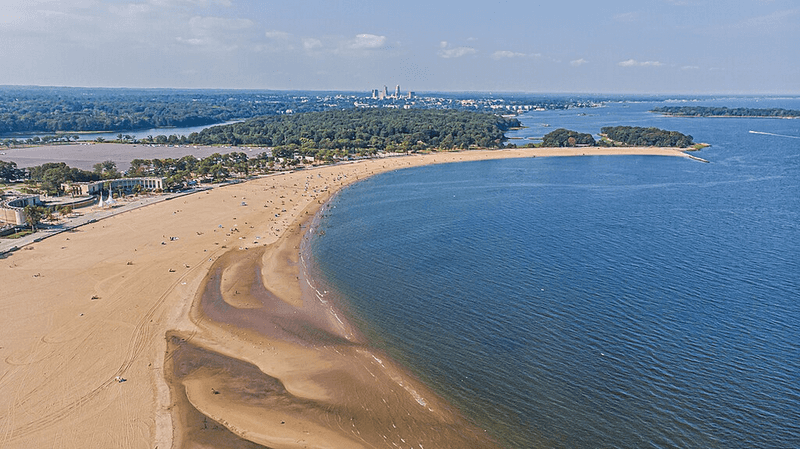
Orchard Beach earned the nickname the Riviera of New York City back in the 1930s, and at its peak it pulled in nearly a million visitors a day. That is not a typo.
One million people in a single day, all of them carrying jewelry, coins, and keys they would eventually lose.
The calm waters here are part of what makes it such a productive detecting spot. Unlike ocean-facing beaches where wave action scatters items, the protected bay keeps dropped objects right where they fell.
Jewelry and coins from the mid-20th century peak era have been documented finds at this location. The address is Orchard Beach Rd, Bronx, NY 10464, and a New York City Parks permit is required before you detect.
Gold finds get reported here with surprising regularity given the beach’s relatively protected profile. The sand holds items well, and the layers of history go deep because generations of visitors have been coming back season after season for nearly a century.
Working the areas near the old bathhouse footprint and along the main beach arc tends to produce the most consistent results. Off-season detecting is your best window since the permit rules restrict detecting during peak beach season.
Bring a pinpointer for precise recovery, and always refill your holes cleanly. The NYC Parks rules are firm on that point.
Any object of obvious historical significance must be reported within 48 hours to the Urban Park Service. Orchard Beach is genuinely one of the Bronx’s best-kept detecting secrets.
3. Jones Beach State Park
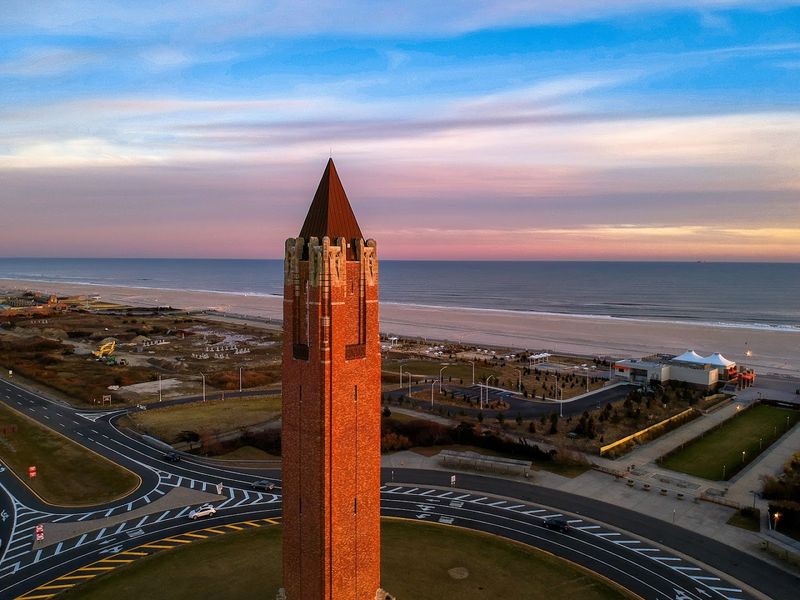
Jones Beach is the kind of place that detectorists talk about like it is hallowed ground, and honestly, it earns that reputation.
As one of the largest and most visited state-operated beaches in the country, it has been drawing massive summer crowds since it opened in 1929.
More visitors means more lost items, and more lost items means more finds waiting for you.
The park requires a New York State Long Island Region metal detecting permit, which runs about forty dollars per year and is genuinely worth every cent.
The address is Ocean Pkwy, Wantagh, NY 11793, and the permit is handled through the NYS Parks, Recreation, and Historic Preservation Office.
Note that some sandy state park beaches prohibit detecting between Memorial Day and Labor Day, so the off-season is your prime window.
Documented finds here include older coins and jewelry that span multiple decades of visitor history. The sheer volume of annual foot traffic means the sand is constantly being refreshed with new drops every single summer.
Detectorists consistently rank Jones Beach among the most productive state park detecting sites in all of New York.
Focus your efforts on the areas between the lifeguard stands and the waterline, where the heaviest foot traffic concentrates lost items. A quality waterproof detector is a smart investment here since the wet sand zone is where the older, heavier coins tend to settle.
Refill all holes and pack out any trash you find. Jones Beach rewards detectorists who follow the rules and put in the time.
4. Robert Moses State Park
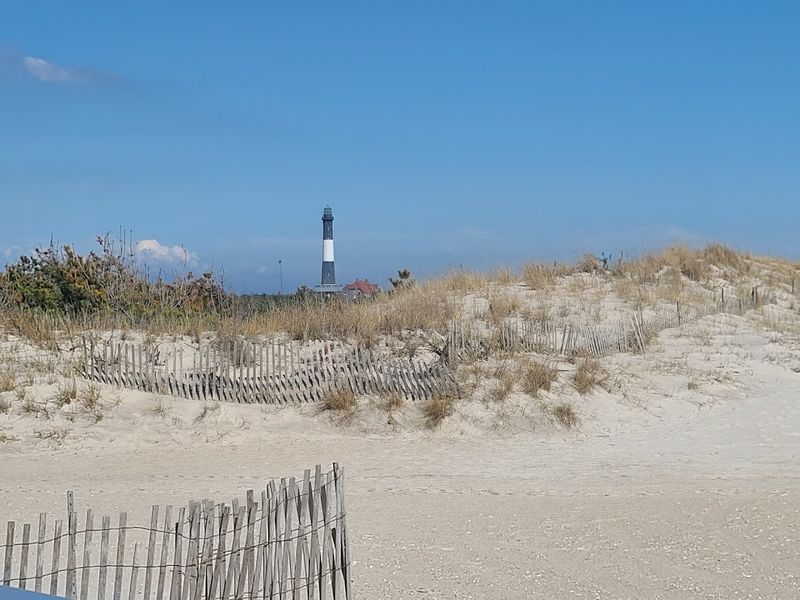
Robert Moses State Park sits at the western tip of Fire Island, and it has a personality all its own. The park covers multiple distinct beach sections, which means detectorists get variety built right into a single permit.
Old coins and jewelry have both been documented finds across the different zones here.
A New York State permit is required to detect at this location, and the address is Robert Moses Causeway, Babylon, NY 11702. The NYS Parks permit system covers this site, and the same seasonal restrictions apply here as at other state park beaches.
Plan around the off-season window and you will have far more productive detecting conditions anyway.
The beach sections closer to the parking fields tend to hold more modern drops from recent visitors. The sections farther from the main access points are where older finds tend to surface, since fewer casual visitors make the walk.
That pattern holds at most high-traffic beaches and Robert Moses is no exception.
Fire Island itself has a layered history that goes back centuries, and the barrier island geography means storm action regularly churns up items that had been buried for years. After a strong nor’easter, the detecting conditions at Robert Moses can be exceptional.
Bring a sturdy sand scoop because the wet sand here is dense and compact. All holes must be refilled under state park rules, and any object over 100 years old falls under federal ARPA protections, meaning it cannot be removed from park property.
Respect the rules and this beach will respect you back.
5. Smith Point County Park
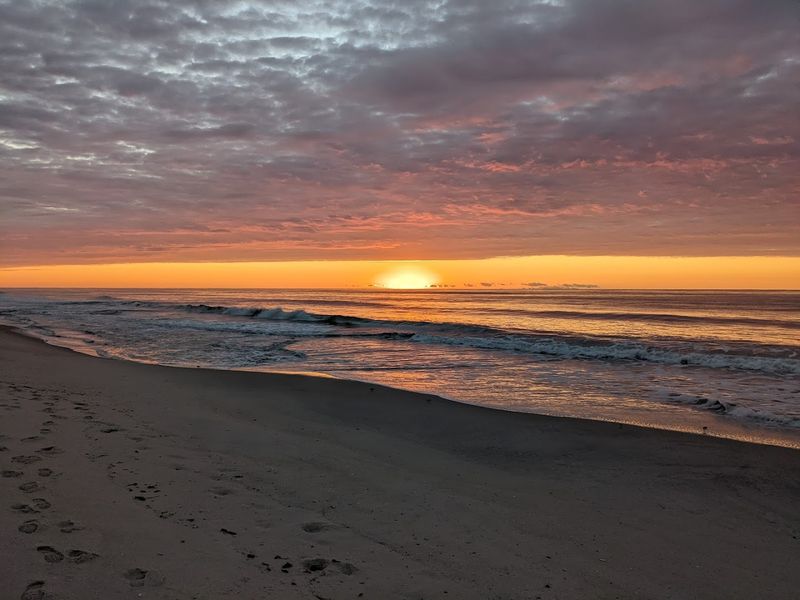
Smith Point County Park is one of the rare places in New York that has actually designated specific areas for metal detecting, which is a genuinely refreshing change from the usual permit-and-hope situation.
Suffolk County made it official, and the detecting community responded by making it one of the most consistently documented sites on Long Island.
The address is William Floyd Pkwy, Shirley, NY 11967, and a Suffolk County permit is required before you start. Getting the permit is straightforward and worth doing properly since rangers do check.
Coin finds and ring recoveries have both been specifically documented here, and the designated areas give you a clear sense of where your efforts are legally welcome.
The park sits on the southern shore of Long Island along the Atlantic-facing barrier island, which means storm-driven sand movement regularly exposes items that had been buried under layers of beach for years.
That natural churning effect makes the period right after a significant storm one of the best times to visit with a detector in hand.
Work methodically through the designated zones rather than randomly wandering. Overlapping your sweeps by about fifty percent ensures you cover the ground thoroughly and do not miss targets hiding just outside your coil’s edge.
A pinpointer will speed up your recovery time considerably on this beach since the sand can be loose and targets shift during extraction. Refill every hole and carry out any trash you recover.
Smith Point rewards the methodical detectorist with finds that keep the hobby exciting season after season.
6. Theodore Roosevelt County Park
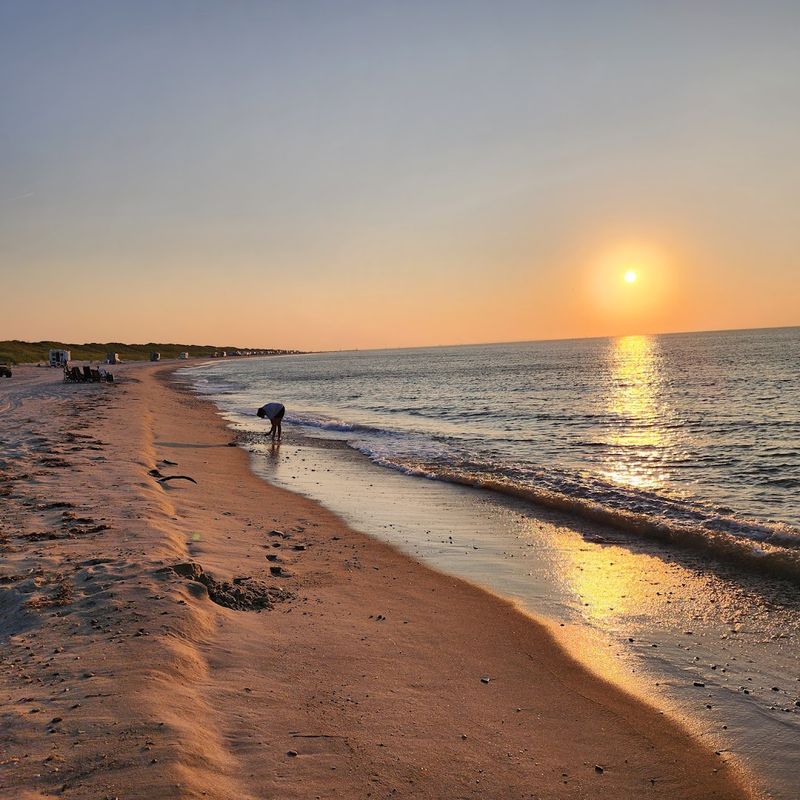
All the way out at the eastern tip of Long Island, Theodore Roosevelt County Park offers something that most other detecting sites simply cannot match: genuine historical depth.
The Montauk area has a human history stretching back thousands of years, and the designated metal detecting area within the park reflects that remarkable layered past.
Suffolk County has set aside a specific designated metal detecting zone here, which makes the permission question straightforward. The address is East Lake Dr, Montauk, NY 11954, and a Suffolk County permit is required before you detect.
Artifact finds here have been documented, and the historical character of the area makes every signal worth investigating carefully.
Montauk itself has served as a military training ground, a fishing hub, and a coastal landmark for generations. Each of those chapters left something behind in the soil.
The park’s terrain mixes sandy areas with grassland and light brush, so a detector with good ground balancing capability will serve you better than a basic entry-level unit.
The off-season months are ideal for working this park since the summer crowds thin out and the ground conditions often improve after fall rains. Bring layered clothing because Montauk weather at the eastern tip can shift fast and dramatically.
Any find that appears to be over 100 years old is subject to ARPA federal protections and cannot be removed from park land. Document everything with photos regardless.
Theodore Roosevelt County Park is the kind of detecting destination that makes you feel like you earned something just by making the drive out there.
7. Point Lookout Beach
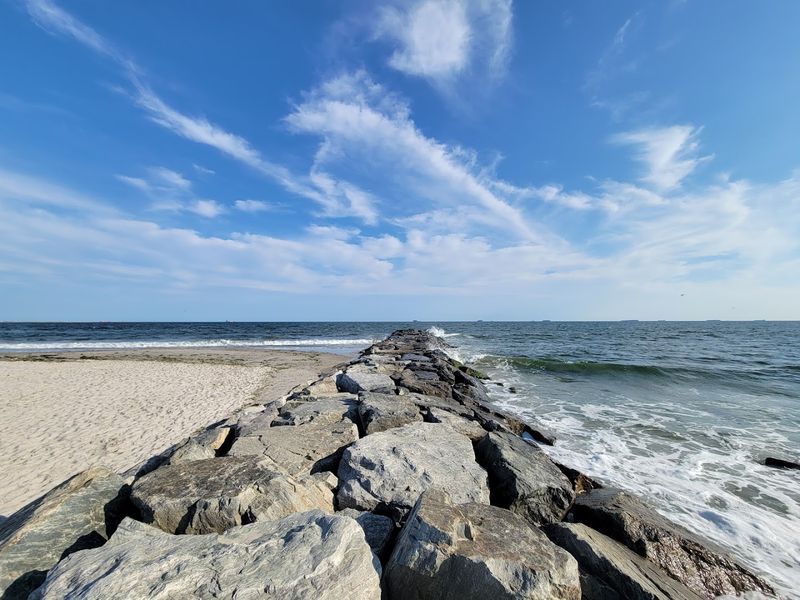
Point Lookout Beach sits on a slender barrier island between the Atlantic Ocean and Reynolds Channel, and that geography does something really interesting for detectorists.
Items lost on either side of the island can migrate toward the center over time as wave and tide action works them through the sand.
It is basically a natural coin and jewelry funnel.
Long Island metal detecting guides have specifically documented Point Lookout for coin and jewelry finds along this barrier island stretch.
The address is Lido Blvd, Point Lookout, NY 11569, and while the area is less bureaucratically complex than the state park system, it is always smart to contact local authorities before detecting to confirm current rules and any permit requirements.
The community at Point Lookout is tight-knit and the beach is smaller and quieter than the major state parks, which means less competition from other detectorists. Fewer people working the sand means targets get less disturbed between your visits.
That is a genuine advantage that bigger, more famous sites simply cannot offer.
Focus on the areas near beach access points and the spots where families tend to set up for the day. Those zones consistently produce the best density of dropped items.
Wet sand detecting along the waterline on both the ocean and channel sides can yield very different types of finds, so working both edges during a single outing doubles your opportunity. Bring a good pair of waterproof boots since the channel side can get soft and marshy.
Point Lookout is a quiet gem that the detecting community has known about for years.
8. Taconic State Park At Copake Falls
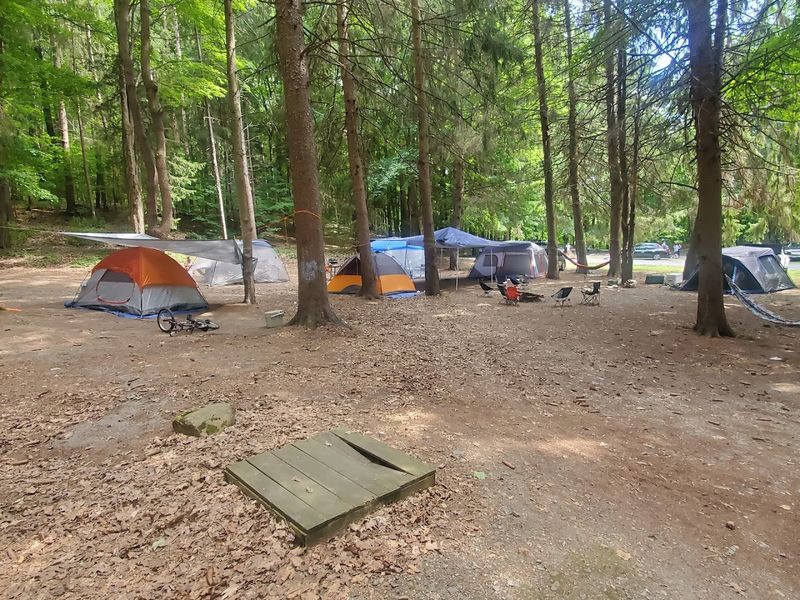
Not every great New York detecting site has an ocean view, and Taconic State Park at Copake Falls proves that point with enthusiasm.
Tucked up in the Hudson Valley near the Massachusetts border, this upstate location offers a completely different flavor of history than anything you will find on Long Island or in the city.
Documented finds here include Native American arrowheads, old coins, and jewelry, which tells you immediately that the ground here holds multiple chapters of human activity.
The address is State Route 344, Copake Falls, NY 12517, and an upstate New York State Parks permit is required.
The good news is that the upstate annual permit runs around ten dollars per year, making it one of the most affordable entry points in the entire New York detecting scene.
The terrain at Copake Falls mixes open grassy areas with wooded sections and streamside ground.
That variety means you need a detector with solid ground balancing since soil mineralization in upstate New York can be significantly higher than at coastal sandy beaches.
A multi-frequency machine will handle the variable ground conditions much better than a single-frequency unit.
The best areas to focus on are the old campground zones, the picnic areas near the creek, and the edges of the hiking trail network where foot traffic has historically concentrated.
Fall is an exceptional time to detect here because the leaf cover drops and ground visibility improves dramatically.
All holes must be refilled and any significant historical artifact is subject to ARPA protections. Taconic State Park is the kind of upstate surprise that makes you rethink where New York’s real buried history actually lives.