
New York Has A Chinatown Bookstore Where Calligraphy, Books, And Stationery Fill Every Shelf
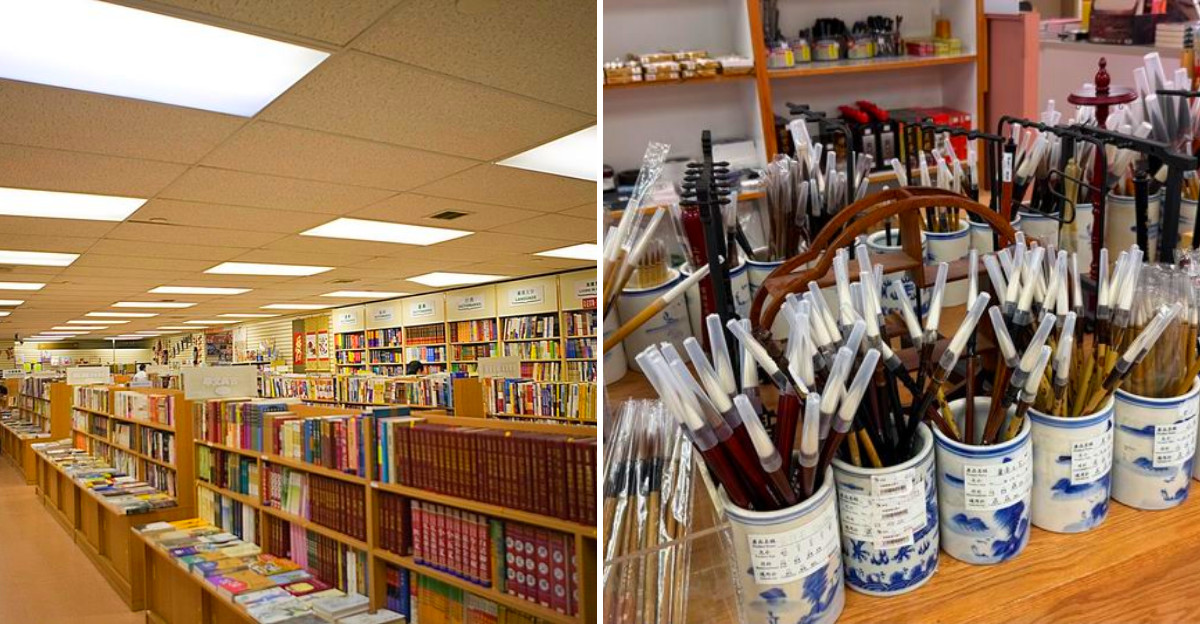
Certain shops in New York ask you to look up instead of straight ahead. One flight of stairs leads to roughly 7,000 square feet of Chinese language books, calligraphy brushes, ink stones, and stationery stacked shelf after shelf.
It has been serving readers, students, and painters since 1976. It is also the last Chinese language bookstore left in the neighborhood, which turns a browsing trip into something closer to a visit while the visiting is still possible.
Paper, characters, and the smell of ink. An afternoon built around those three things sounds narrow until you are standing in a room with 7,000 square feet of them.
A Staircase That Hides A Paper Kingdom
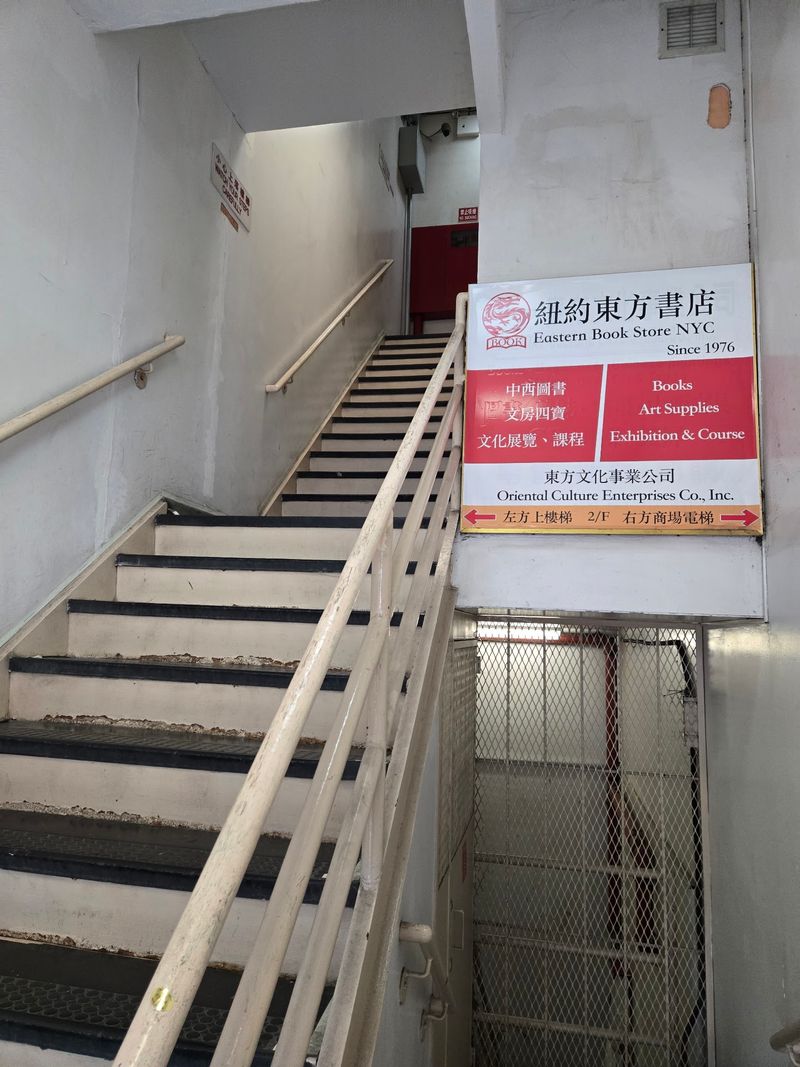
Ground floor storefronts in Chinatown get all the attention. The real find here sits one level above the sidewalk, behind a doorway that plenty of people breeze past without a second glance.
Climb the stairs and the noise of Elizabeth Street fades. What opens up is a broad retail floor of about 7,000 square feet, considered one of the largest single location Chinese language bookstores in the entire country.
Shelves run deep with titles in Mandarin and Cantonese, both simplified and traditional script. Cookbooks share space with classic literature, dictionaries, health guides, and stacks of children’s picture books.
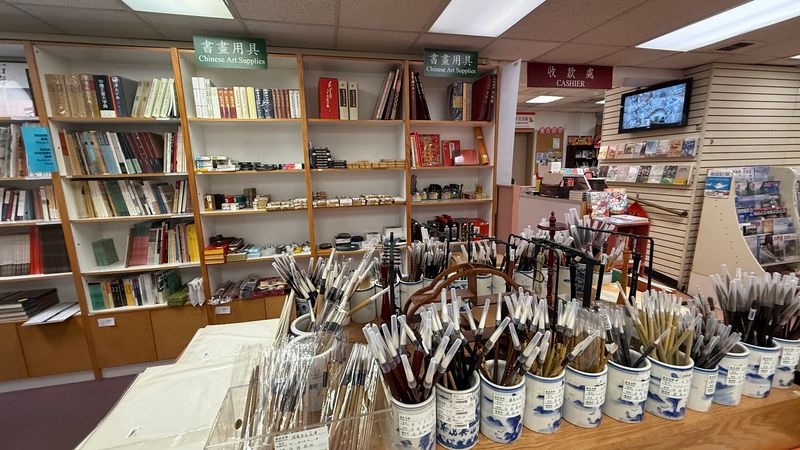
Turn a corner and the goods shift from reading to making. Brushes, ink, rice paper, seals, and practice books fill a section devoted to calligraphy and Chinese painting.
The quiet upstairs is part of the appeal. Browsing feels unhurried, and nobody rushes you along while you compare brush tips or flip through a landscape painting manual.
Finding a place like this in New York takes a little effort, which makes the discovery sweeter. Look for the second floor entrance, trust the stairs, and give yourself time once you reach the top.
Meet Oriental Culture On Elizabeth Street
Its full name is Oriental Culture Enterprises Co. Inc., though most regulars simply call it Eastern Bookstore. You will find it on the second floor at 13-17 Elizabeth Street in New York, NY 10013, a short walk from Canal Street.
Doors first opened in 1976, which means a fiftieth anniversary arrives in 2026. Management changed hands around 2001, when a Hong Kong publishing company took over, but the shop itself never stopped running.
One brief pause came during the pandemic, roughly three months between March and June, before the lights came back on. Otherwise, the business has kept going for close to five decades.
Hours currently run from 10 in the morning until 6 in the evening, every day of the week. That schedule makes it easy to fold into a Chinatown wander without any calendar gymnastics.
Titles arrive from Mainland China, Hong Kong, and Taiwan, which explains the sheer variety on the shelves. Import costs push prices higher than a typical chain bookstore, so budget accordingly.
Consider it less a quick errand and more a small pilgrimage for anyone who loves language, ink, and printed pages.
Brushes, Ink, And The Calligraphy Aisle
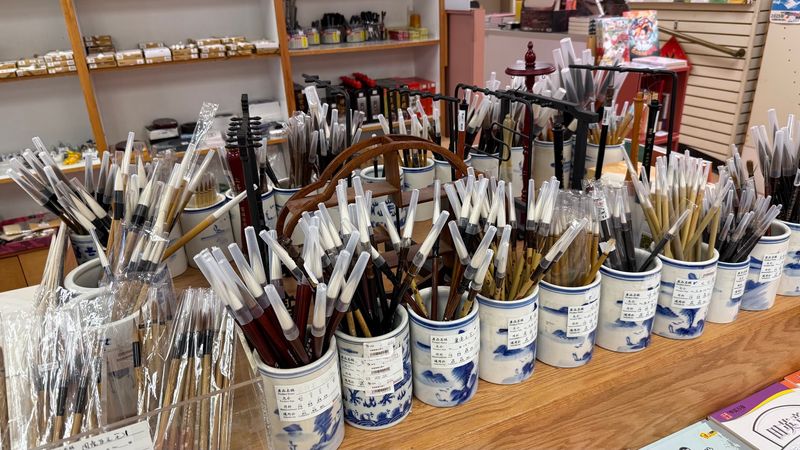
Calligraphy shoppers tend to make a beeline for one corner, and for good reason. The selection of brushes here stretches well past what general art supply chains carry.
Bristles come in different stiffness levels, sizes, and shapes, from hair fine liners to broad brushes built for banner sized characters. Ink arrives in bottles and in solid sticks meant for grinding.
Ink stones, felt mats, paper weights, water droppers, and seal paste round out the setup. Rice paper and practice sheets with printed grids sit in stacks nearby.
Beginners are not left guessing. Instruction books cover brush grip, stroke order, and the classic styles, plus techniques for painting mountains, water, birds, and animals.
Those workbooks with blank character boxes still exist too, the same kind Chinese school students have used for decades. Teachers have been pointing kids toward them for years.
Staff will wrap fragile purchases carefully, which matters when an ink stone is riding the subway home. Writing a character on paper can also help bridge any language gap while you shop.
Plan to spend longer in this section than you expect. Brush shopping has a way of stretching time.
Shelves Stacked With Mandarin And Cantonese Reads
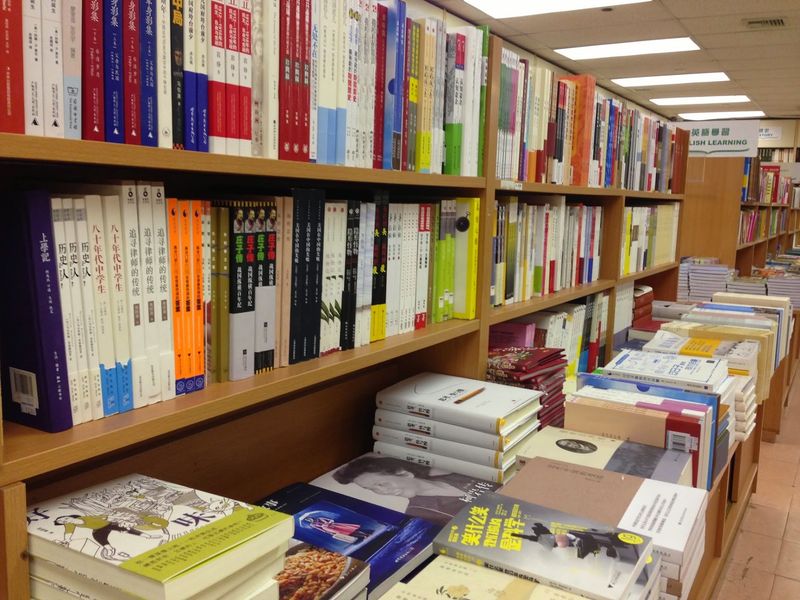
Book hunters looking for Cantonese material know how rare it can be. Most language learning sets default to Mandarin, so finding a real Cantonese shelf feels like striking gold.
Both dialects get proper space here, alongside titles printed in traditional and simplified characters. Dictionaries, grammar guides, and reading primers sit within arm’s reach of each other.
Subject range is wide. Classic literature, poetry, history, health, cooking, and reference works all claim their own runs of shelving.
Bilingual editions help learners who are still building vocabulary. Some volumes place English and Chinese side by side, which turns reading practice into something less intimidating.
Inventory pulls from three publishing worlds, so a novel from Taipei might sit near a cookbook from Guangzhou. That mix gives the collection a depth online retailers rarely match.
Prices reflect shipping and importing, and the store does not offer refunds or exchanges. Check your selection before heading to the register and you will avoid any surprises.
Serious readers usually leave with more than they planned. The shelves have that effect, especially when a long searched title finally shows up in your hands.
Stationery Finds Worth The Climb
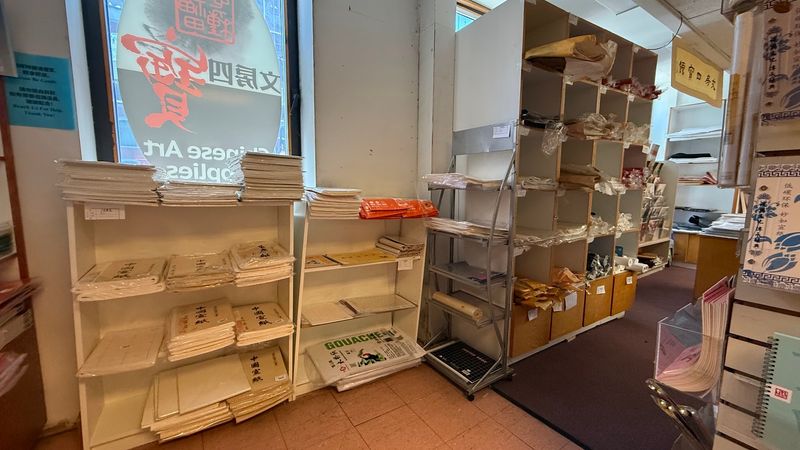
Notebook people, this one is for you. Beyond the books and brushes sits a spread of paper goods that makes a great low cost souvenir.
Wall calendars printed with historic Chinese landscape paintings turn up here, along with posters, greeting cards, and three dimensional paper puzzles. Small gifts tied to Chinese culture share the same area.
Character practice pads, ruled notebooks, and school supplies fill out the selection. The store is a qualified vendor for the New York City Department of Education, which explains the classroom friendly stock.
Odd and wonderful extras appear too. Musical instruments and ping pong equipment have shown up on the shelves, proof that the inventory refuses to stay in one lane.
Gift shopping goes smoothly here because so much is affordable and easy to pack. A calendar or a card weighs almost nothing in a tote bag.
Payment works by cash, plus Visa and Mastercard credit or debit cards. Keeping a little cash handy never hurts in Chinatown anyway.
Give yourself a slow lap around the stationery displays. Small treasures hide behind the bigger ones, and the best finds rarely sit at eye level.
The Eastern Gallery And Its Classes
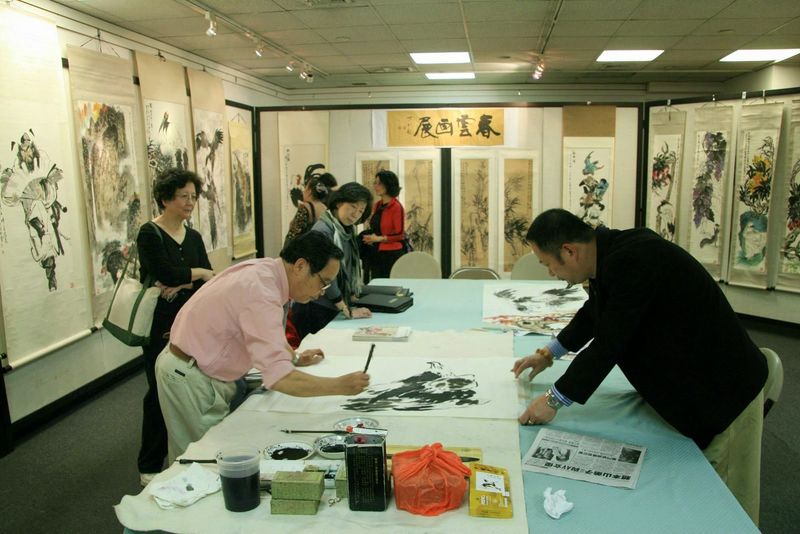
Not every bookstore comes with its own gallery. Part of the floor here is set aside as the Eastern Gallery, a room that has hosted art exhibitions over the years.
These days the space also holds calligraphy and Chinese painting classes. Instruction happens right where the supplies live, which is about as convenient as learning gets.
Students at different levels can find something useful. Lessons cover brush handling and traditional painting approaches, and the practice materials are a few steps away on the shelves.
Book launches and community gatherings have taken place in the gallery too. The room adapts easily, shifting from exhibition wall to classroom table.
Framing is another service worth knowing about. Traditional framing for calligraphy and brush paintings can be ordered, and seal engraving is available as well.
Turnaround on custom work can take a couple of weeks, so plan ahead if you need a finished piece by a certain date.
For anyone curious about ink work but unsure where to begin, a class here removes the guesswork. You learn the strokes, then buy the exact brush your teacher recommends before you head down the stairs.
A Children’s Section Parents Actually Cheer For
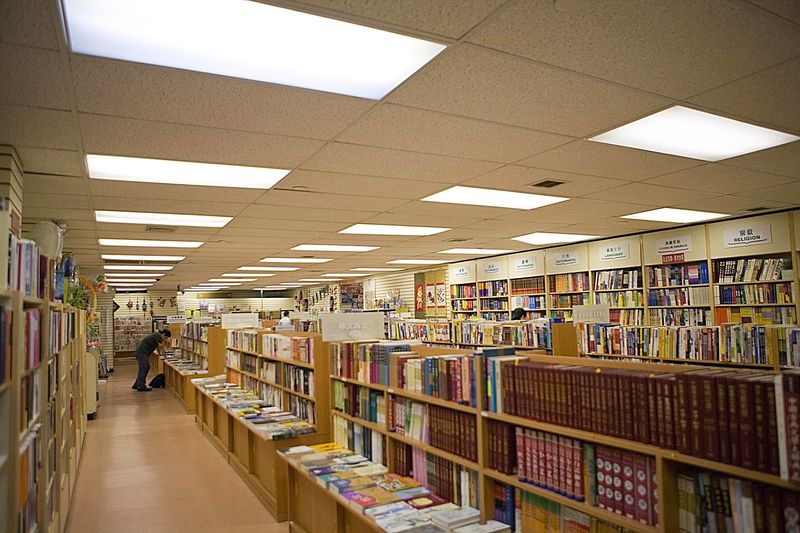
Raising a bilingual kid in the United States means hunting constantly for good material. That hunt gets a lot shorter once you reach the children’s area on this second floor.
Picture books, early readers, and bilingual English and Chinese editions fill a generous stretch of shelving. Wall posters with characters, numbers, and animals hang nearby.
Story collections and folk tales give younger readers something fun rather than purely educational. Learning happens sideways, which is usually the way it sticks.
Teachers stock up here too. The store supplies materials to public libraries and schools running Chinese language programs, so the selection leans practical as well as playful.
Practice workbooks for writing characters are a staple for weekend Chinese school students. Generations of kids have filled those little boxes with wobbly strokes.
Bring the children along if you can. Flipping through books together often reveals what a kid actually wants to read, which beats guessing from a website thumbnail.
Book fairs organized by the store occasionally bring even more titles into circulation. Ask about upcoming events while you are at the counter, since the schedule shifts through the year.
Fifty Years Of Holding Ground In Chinatown
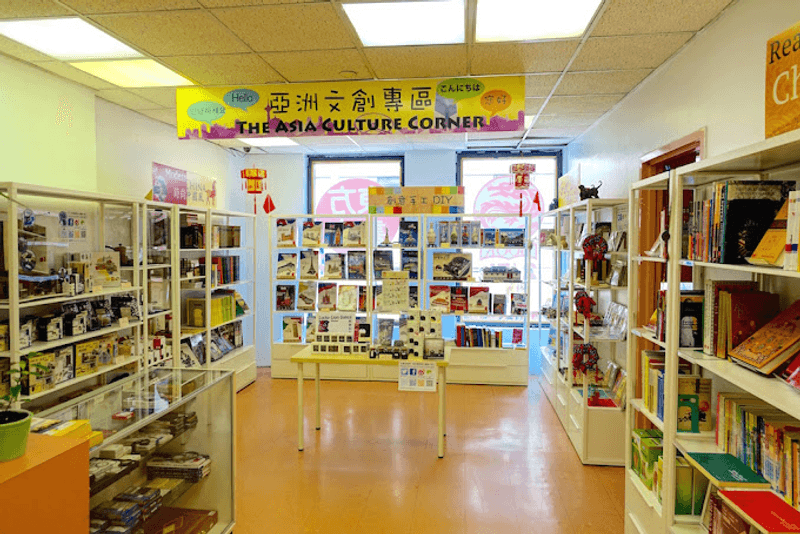
Nineteen seventy six was the year the doors first opened, and the shop has kept running ever since. A management change came around 2001, when a Hong Kong publishing company stepped in, yet the store never went dark.
Only the pandemic forced a pause, roughly three months long, before business resumed. Nearly half a century of continuous operation is no small achievement for an independent bookseller.
Its standing today carries extra weight. This is the last Chinese language bookstore left in New York City’s Chinatown, which makes every visit feel like a small vote of support.
Longtime customers keep coming back, among them older residents devoted to literature and brush work. Conversations about a favorite poet or a particular ink brand happen naturally between the aisles.
Community work extends past the sales floor. Supplying schools and libraries with Chinese language materials keeps the store woven into neighborhood life.
Bookstores like this one link Chinese heritage to daily life in North America. That role goes well beyond selling paperbacks and brushes.
Stop in and buy something, even a calendar. Shops survive on customers, not compliments.
Smart Tips Before You Head Upstairs
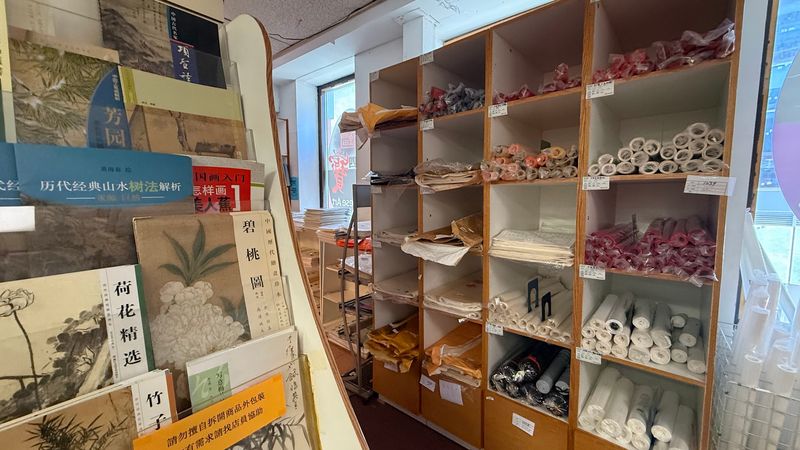
Getting the most out of a visit takes a little planning. Doors open at 10 in the morning and close at 6 in the evening, seven days a week, so mornings tend to be calmest.
Knowing the second floor detail saves confusion. The entrance is easy to miss from street level, so watch for the stairway rather than a wide storefront window.
Bring a list if you are shopping for supplies. Writing Chinese characters on paper can help you communicate a specific brush or title, even without speaking the language.
Sales are final here, with no refunds or exchanges, so inspect items before purchasing. Check packaging on kits and boxed goods while you are still at the counter.
Cash works, as do Visa and Mastercard credit and debit cards. Prices run higher than chain stores because nearly everything is imported.
Pair the trip with a meal nearby. Chinatown sits within easy reach of Canal Street subway lines, making the whole outing simple to reach from anywhere in New York.
Budget at least an hour. Shelves this dense reward slow browsing far more than a quick sweep.