
New York Has A Firefly Field So Dense On July Evenings That Locals Drive An Hour Just To Watch
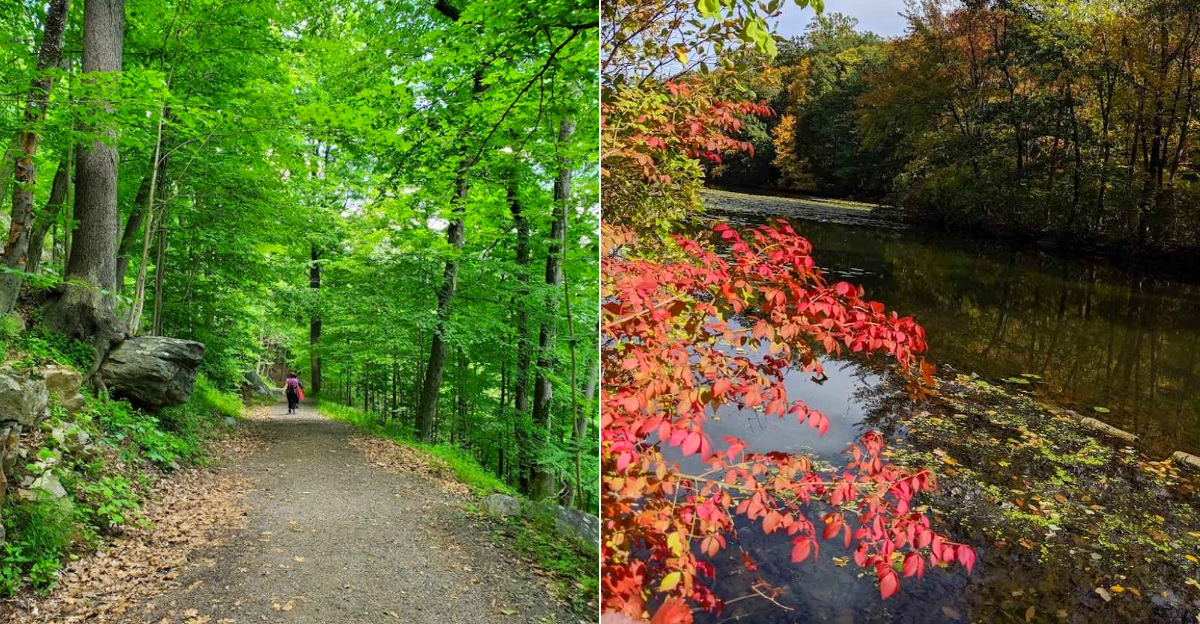
July changes the after-dinner routine for people who know where to look. Instead of heading straight inside, they wait for dusk, drive north through New York, and step into a meadow that seems to switch itself on one blink at a time.
The show is quiet at first. Then hundreds of tiny lights begin flashing over grass, trees, and open fields until the whole landscape feels alive.
No ticket booth, no loud soundtrack, no staged attraction. Just summer darkness doing something unforgettable.
Locals gladly make the hour-long trip because the timing is short, the glow is real, and the experience feels almost impossible to explain until you are standing there watching it happen.
When The Fields Start Glowing
Not every place earns a reputation by word of mouth alone.
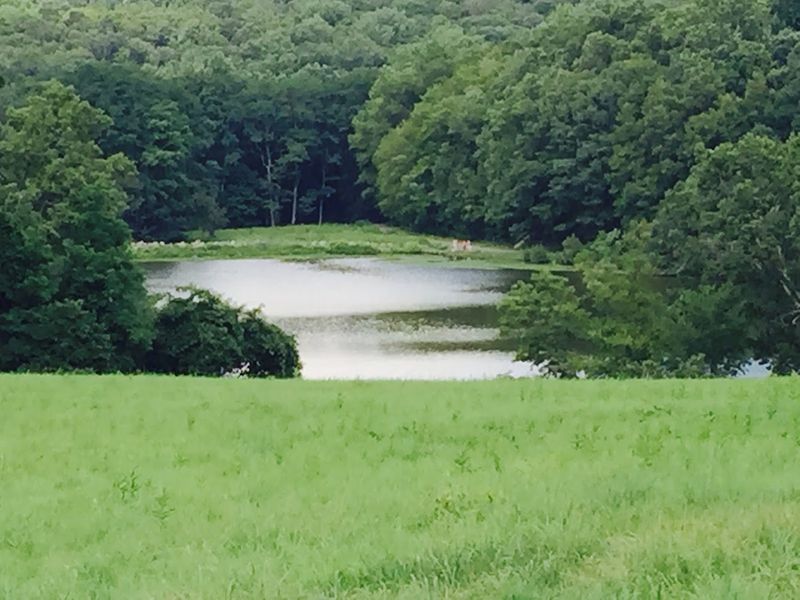
Rockefeller State Park Preserve has become one of those rare spots where people genuinely tell their friends, who then tell their friends, until a quiet July evening turns into a full caravan of cars heading up to Pleasantville.
The firefly display here is not subtle. Across the open meadows and field edges, the insects blink in overlapping rhythms that create a pulsing, layered glow.
Some nights the density is so thick that the entire field appears to shimmer from a distance.
New York is home to at least 40 species of fireflies, and many of them show up here in force. The preserve spans over 1,700 acres, giving the insects plenty of undisturbed habitat to thrive.
Fields surrounded by woodlands create the perfect edge environment where fireflies concentrate in the highest numbers. Visitors who arrive just after sunset tend to catch the peak activity, usually between 8:30 and 10 p.m. during mid-July.
The experience needs no filter, no narration, and no special equipment. Just show up and look up.
Rockefeller State Park Preserve Is The Star Of The Show
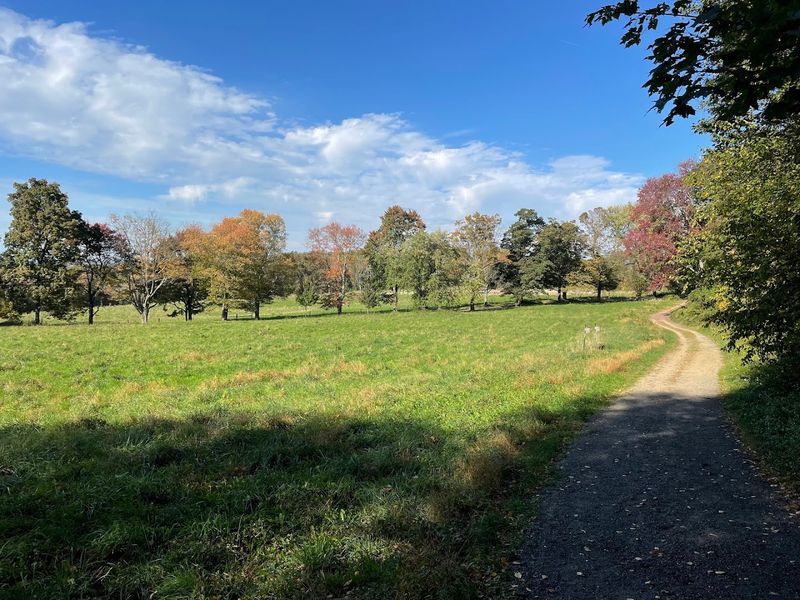
At 125 Phelps Way, Pleasantville, NY 10570, Rockefeller State Park Preserve sits about 30 miles north of New York City in the heart of the Hudson Valley.
The Rockefeller family originally donated 743 acres to the state and kept adding land over four decades, bringing the total to roughly 1,800 acres of woodlands, meadows, streams, and wetlands.
The preserve holds a 4.8-star rating, which tells you everything about the consistency of the experience here. Historic carriage roads wind through the property, crossing stone bridges and opening into sweeping meadow views that feel almost cinematic in the golden hour light.
The park is open 24 hours every day of the week, which matters enormously for firefly watchers since the best viewing happens well after the sun goes down. Parking costs $6 during regular hours, but late evening entry is typically free.
The visitor center staff are known for being genuinely helpful, and the AllTrails app is a solid companion for first-timers navigating the trail system.
You can reach the park by phone at +1 914-631-1470 or explore trail maps at parks.ny.gov.
Why July Is The Magic Month
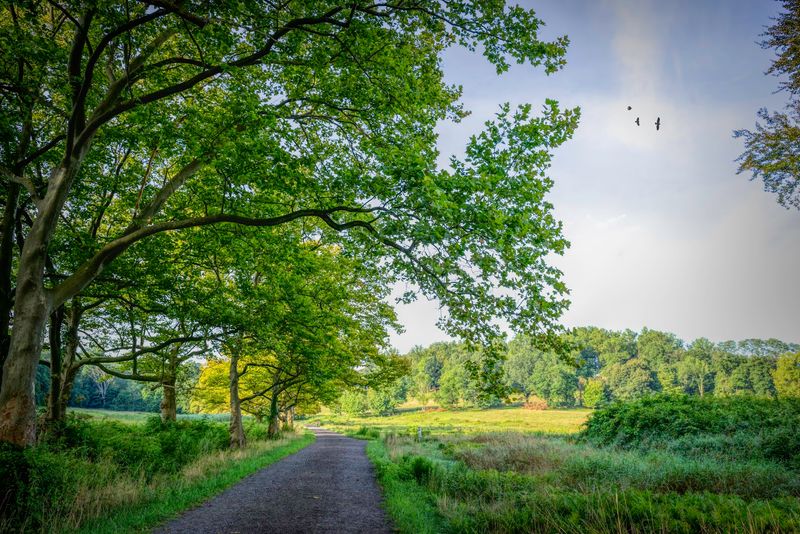
Firefly season across New York typically runs from late June through August, but July is where the real action concentrates.
Adult fireflies emerge after spending up to two years underground as larvae, and a rainy spring accelerates that process by keeping soil moist and food-rich.
When conditions line up just right, the adult population surges all at once. That synchronized emergence is exactly what creates the jaw-dropping density that draws people from as far as an hour away on a Tuesday night.
The fireflies are not just scattered randomly either. They use specific flashing patterns to communicate, and different species blink at different intervals, creating a layered visual conversation happening across the entire field.
Peak activity at the preserve tends to fall between the second and third weeks of July. Temperatures above 65 degrees Fahrenheit after sunset encourage the most active displays.
Humidity also plays a role, which is why post-rain evenings often produce the most spectacular shows. Checking the forecast before heading out can make the difference between a good night and an unforgettable one.
Patience matters too since the display builds gradually as full darkness settles in.
The Trails That Lead You There
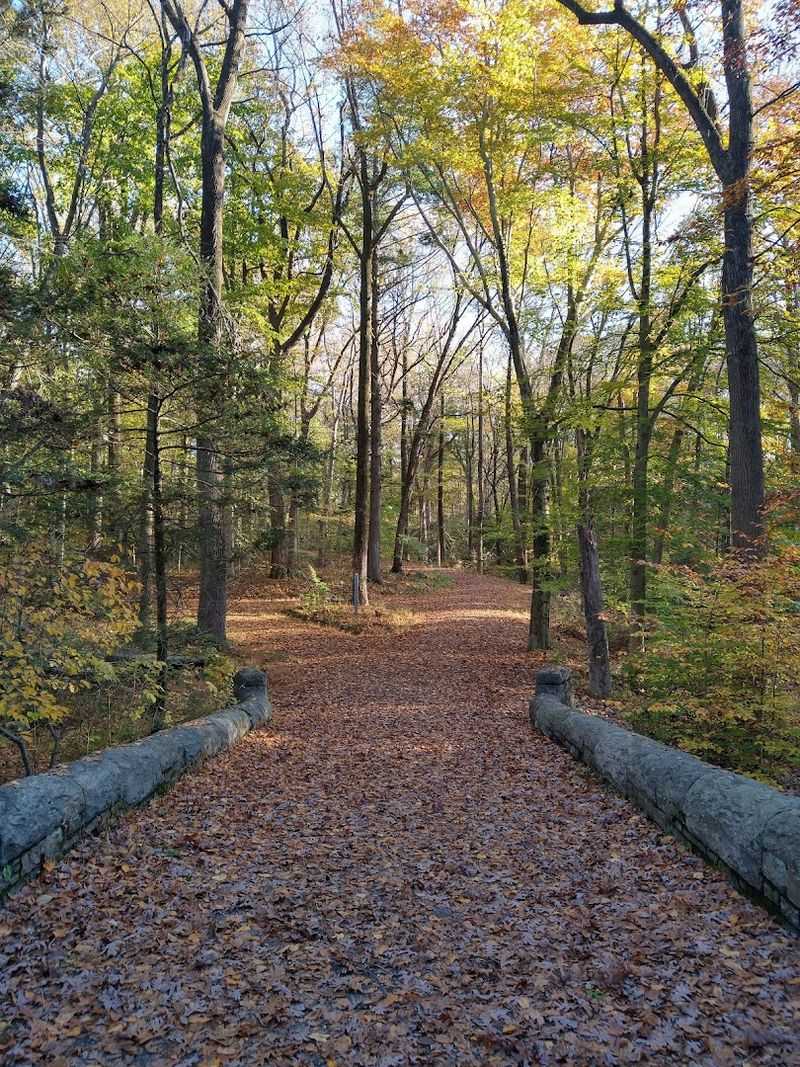
Getting to the best firefly viewing spots inside the preserve requires a bit of walking, and honestly that is part of the appeal. The carriage roads here are broad, well-maintained, and easy to follow even in low light.
They pass through forests, cross stone bridges, and open into the meadows where firefly activity peaks.
The Brothers Path around Swan Lake is a popular 1.11-mile loop that offers stunning scenery and good field exposure. For those wanting more ground covered, the full preserve loop runs over six miles with virtually no significant elevation gain, making it accessible for most fitness levels.
First-time visitors are strongly encouraged to download AllTrails before arriving since the trail markers can be tricky to read in the dark.
Dogs are welcome on leash, which adds a whole extra layer of charm to an evening walk. Benches are placed along several routes, giving you a place to sit and simply watch the light show unfold around you.
Wearing closed-toe shoes and bringing a small flashlight with a red filter helps protect your night vision while still letting you navigate safely.
The trails stay open through the evening hours, making a post-sunset walk completely doable.
Firefly Walk Events That Make It Official
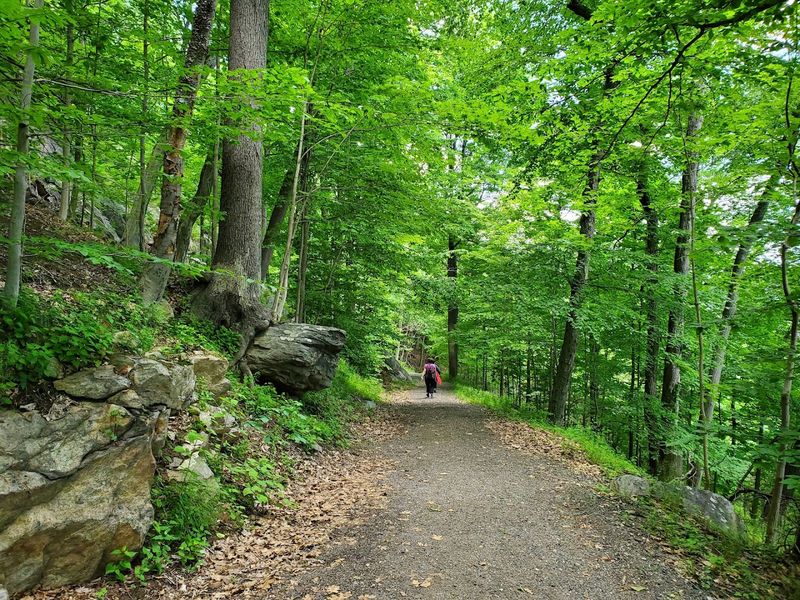
The preserve does not just let firefly season happen quietly. Rockefeller State Park Preserve hosts organized Firefly Walk events during June and July that have earned a reputation for delivering exactly what they promise.
Park descriptions consistently call the displays a spectacular show with fireflies out in full force.
Guided walks give visitors context about firefly biology, habitat needs, and the specific species found within the preserve. Rangers and naturalists lead groups along routes chosen for the highest concentration of activity.
Having a knowledgeable guide also helps visitors understand what they are seeing rather than just staring blankly into the dark.
Event dates and registration details are posted on the official New York State Parks website at parks.ny.gov, and spots fill up quickly once they go live. Checking the site in late May or early June gives you the best shot at securing a spot.
Even without a guided event, self-guided evening walks during peak July weeks deliver a genuinely remarkable experience.
The key is arriving early enough to find parking, getting oriented before dark, and then simply letting the fields do their thing as the night deepens around you.
More Than Just Fireflies
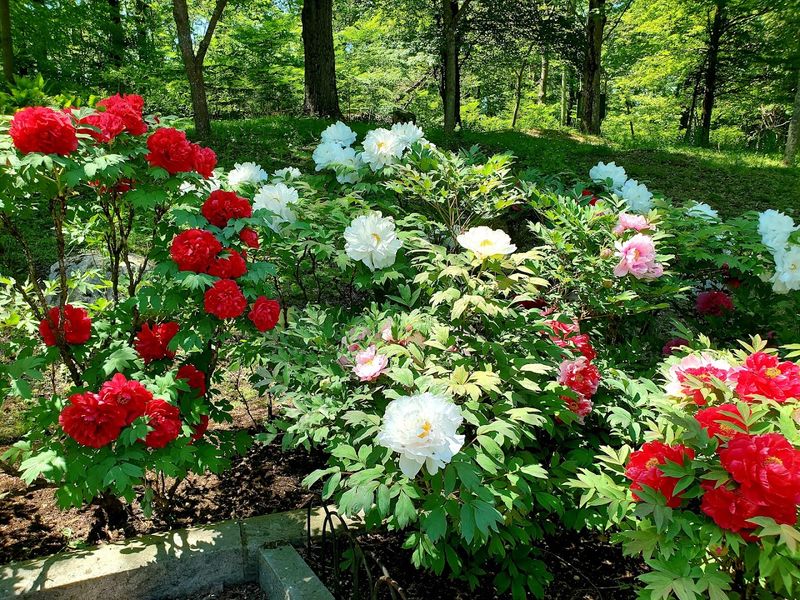
Fireflies get the headlines in July, but the preserve earns admiration across every season. Spring brings one of the most underrated garden experiences in the entire Hudson Valley when the peony fields near the visitor center burst into bloom.
The colors and fragrance together create something almost surreal against the backdrop of historic stone walls and carriage roads.
Wildlife watching is equally rewarding throughout the year. Birds, deer, and various native species move freely through the preserve’s diverse habitats.
Birdwatchers specifically have flagged the preserve as a top destination in the region, and the park hosts monthly programs including bird watching sessions, sunset yoga, and plant pressing workshops.
Large glacial boulders are scattered through parts of the preserve, offering natural climbing features that kids and adventurous adults genuinely enjoy.
The terrain shifts constantly between forest, open meadow, wetland, and streamside, which keeps even long walks feeling fresh and varied.
A restaurant area near the main entrance provides a warm-weather gathering point, and the trails in that zone are even maintained through winter for those who want to keep moving when the temperature drops.
The preserve is a full-year destination with firefly season as its brightest crown jewel.
Planning Your Evening Visit Right
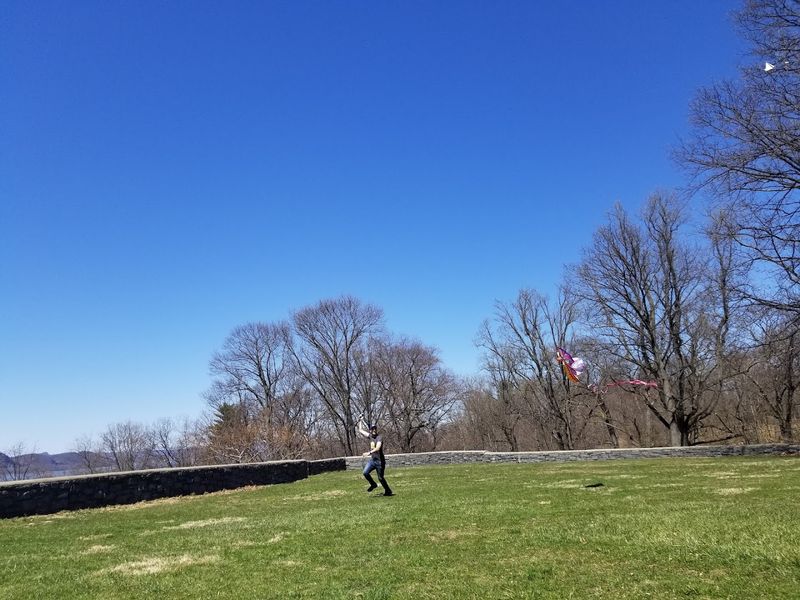
Showing up prepared makes a huge difference on a firefly evening at the preserve. Parking fills up fast on popular nights, especially weekends in mid-July, so arriving by 7:30 p.m. gives you time to settle in before the light fades.
Street parking along the entrance road is an option when the main lot reaches capacity, as several visitors have noted successfully.
Bring insect repellent, wear long sleeves and pants, and carry a small bag with water and a snack. A red-light flashlight preserves your night vision far better than a standard white beam, and it also avoids disrupting the fireflies, which respond to artificial light.
Keeping phone screens dimmed or covered helps the whole group see more.
The preserve is open 24 hours every day, so there is no hard cutoff for evening visits. Parking fees drop away during late evening hours, which is a genuine bonus for those arriving after 5:30 p.m.
Families with kids find the wide carriage roads easy and safe to navigate in low light. Groups are encouraged to stay on marked paths and avoid entering protected wetland areas.
Respecting the habitat ensures the firefly population remains healthy and visible for every visitor who makes the trip.
Why People Keep Coming Back
There is a specific kind of place that earns loyalty not through novelty but through consistency. Rockefeller State Park Preserve is that kind of place.
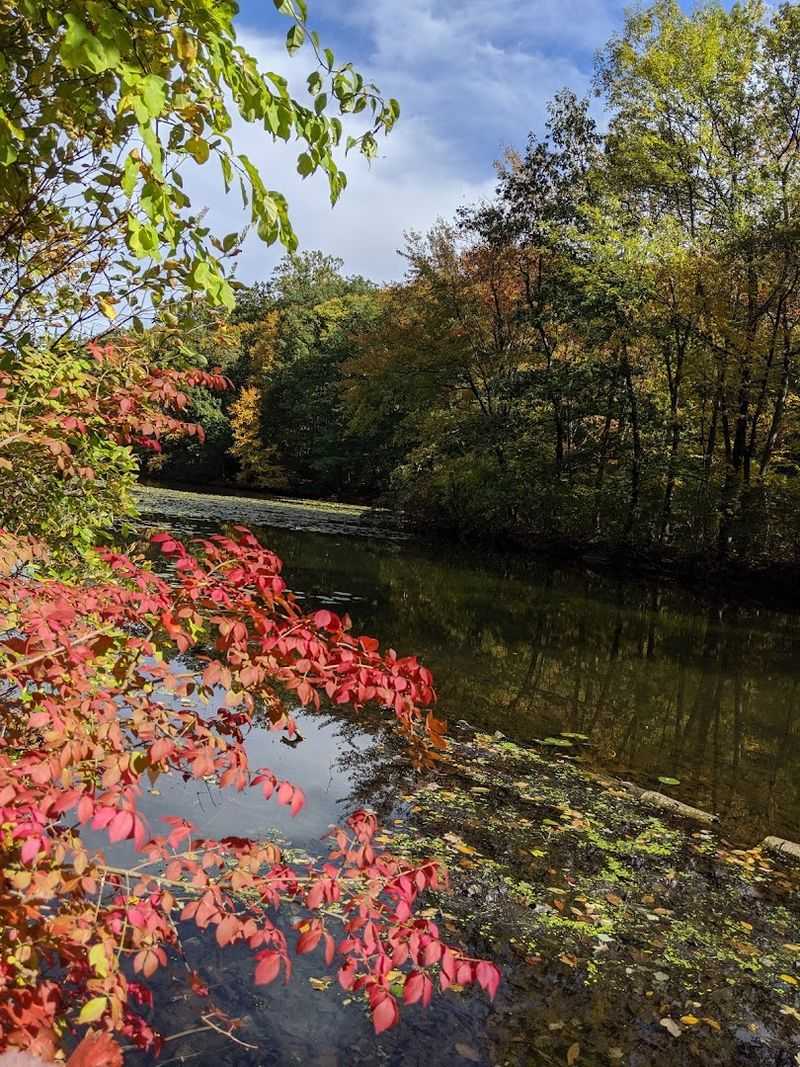
Visitors return in spring for the peonies, in summer for the fireflies, in fall for the foliage along the Hudson River overlook, and in winter for the groomed carriage roads near the restaurant area.
The sense of calm here is genuine and not manufactured. The landscape shifts naturally between wooded corridors and open sky, between stone bridge crossings and lakeside paths.
Swan Lake on a clear morning feels completely removed from the noise of the surrounding region, even though New York City is only 30 miles south.
Firefly evenings in July represent the preserve at its most quietly extraordinary. The combination of vast open meadows, minimal light pollution, and a healthy insect population creates conditions that are increasingly rare across the Northeast.
People drive from across Westchester County and beyond because the experience is simply not replicable anywhere closer to home.
The preserve holds a 4.8-star rating for a reason, and that reason shows up most clearly after dark on a warm July night when the fields begin to answer the darkness with light of their own.