
New York Has A Haunted Mansion Museum That Paranormal Investigators Say Is Absolutely Terrifying
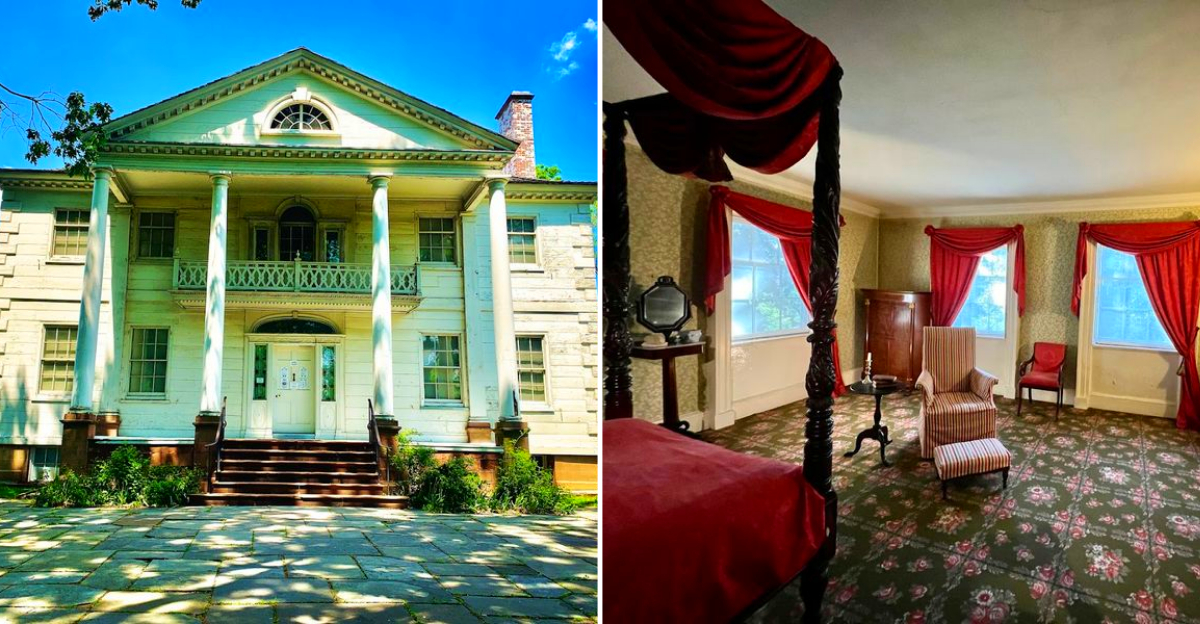
I walked into a New York mansion expecting ghost stories, old portraits, and maybe one dramatic staircase. Then Lin-Manuel Miranda entered the chat, and the whole place got stranger.
This centuries-old house has the kind of history that feels almost too packed for one address: Revolutionary War secrets, powerful former residents, eerie rooms, whispered sightings, and a Hamilton connection that makes theater fans lean in fast.
Before you even know the full story, the atmosphere starts doing its job.
The rooms feel elegant, but not exactly restful. Paranormal investigators have called the mansion deeply unsettling, and even skeptics may find themselves glancing twice at dark doorways.
Beauty, fame, scandal, and ghost lore all seem to linger here at once. New York has plenty of historic museums, but this one feels like it never stopped collecting unfinished business.
Manhattan’s Most Mysterious Historic Address
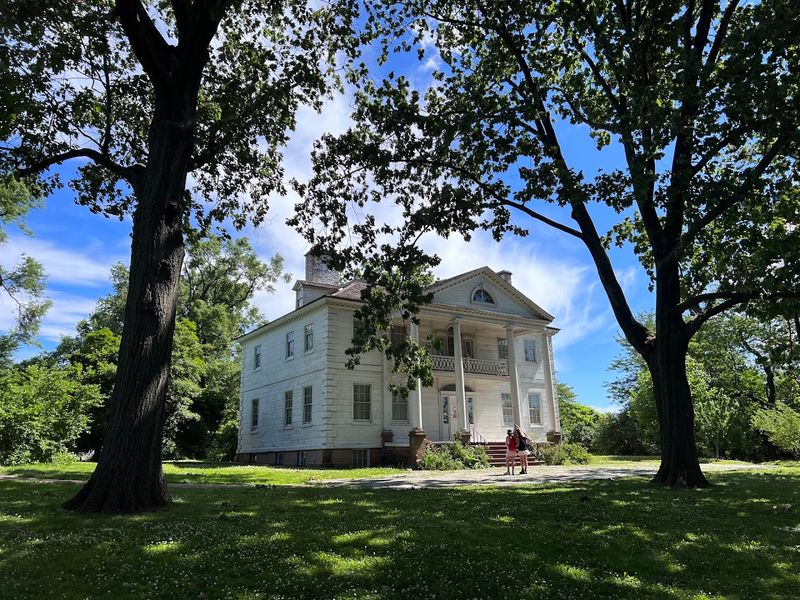
Not every old building earns a reputation that sends chills down a paranormal investigator’s spine. Manhattan’s oldest surviving residence has managed to do exactly that for well over two centuries.
Long before the city’s skyscrapers went up, this hilltop estate was already watching history unfold from one of the island’s highest points.
Built in 1765 by British military officer Roger Morris, the mansion was originally called Mount Morris and served as a country retreat.
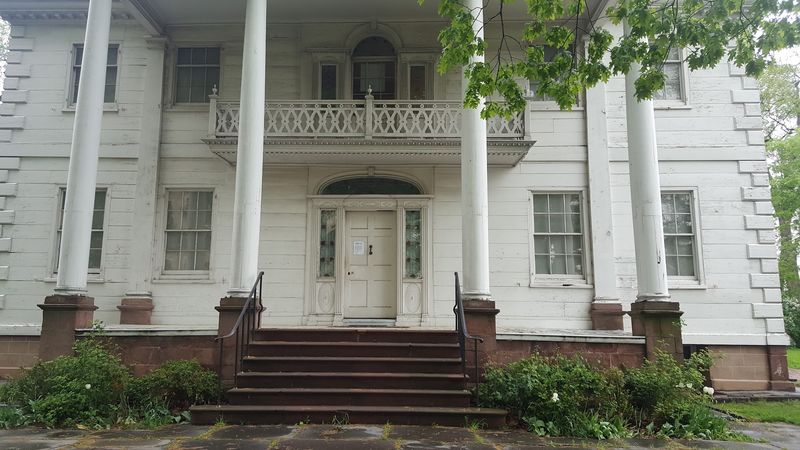
Its Georgian-Palladian style was ahead of its time, featuring a grand portico and a distinctive octagonal wing that still impresses visitors today.
The elevated position once offered sweeping views of both the Harlem and Hudson rivers. That strategic height would later make it a prime military command post during the American Revolution.
Few buildings in the entire country can claim a story this layered, this wild, or this genuinely unforgettable.
Morris-Jumel Mansion: Where Every Room Has A Story
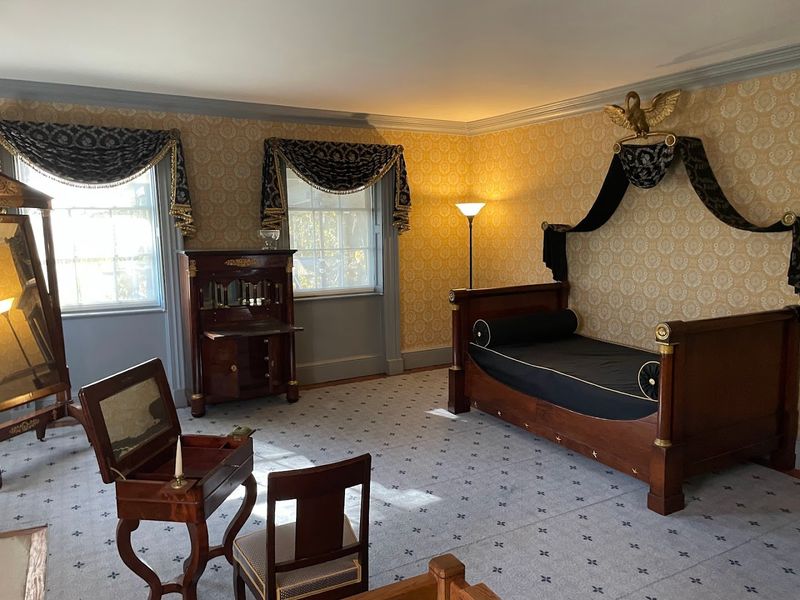
The Morris-Jumel Mansion at 65 Jumel Terrace, Manhattan, NY 10032 is not your average museum. Visitors explore nine meticulously restored period rooms that reflect the lives of the Morris, Washington, and Jumel families across different eras.
Every corner of the house feels like a conversation with the past.
George Washington’s office is preserved with quiet authority. The elegant dining room features an octagonal design that is genuinely one of a kind.
Eliza Jumel’s bedchamber holds a bed said to have once belonged to Napoleon Bonaparte himself, which is the kind of detail that makes you stop and stare.
The mansion also holds personal artifacts from Aaron Burr, Stephen Jumel, and other prominent figures who passed through its doors over the centuries. Beyond the rooms, the museum actively hosts public programs, art exhibitions, concerts, and lectures.
The third floor even houses an archive and reference library. For history lovers, a visit here feels less like a tour and more like a full immersion into centuries of New York life.
George Washington Slept Here And Then Some
Few places in New York carry the kind of Revolutionary War credentials that this mansion holds. George Washington used the estate as his military headquarters for a full month in the fall of 1776, making it one of the most historically significant command posts of the entire war.
He chose the site partly because of its commanding elevation over the surrounding terrain.
The Battle of Harlem Heights was fought nearby during that same period, and Washington’s presence here was a defining moment in the struggle for American independence. After his retreat, British and Hessian officers moved right in and used it for their own purposes.
The mansion is one of the very few structures in the country that housed military leaders from both sides of the same conflict.
After becoming president in 1789, Washington returned to the mansion for a celebratory gathering with fellow Founding Fathers. The exhibit dedicated to his time here is thoughtful, detailed, and genuinely moving.
Standing in his preserved office, it is hard not to feel the weight of what was decided within those walls.
Eliza Jumel: The Woman Who Refused To Leave
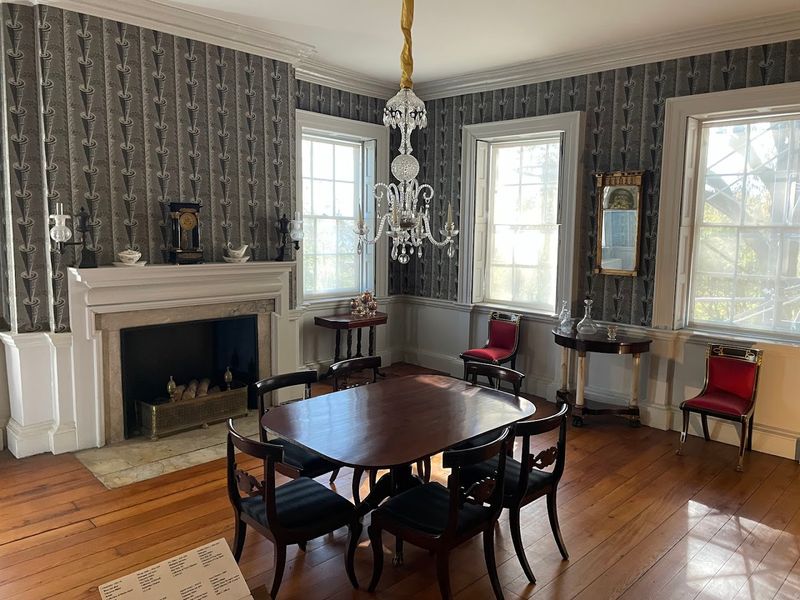
Eliza Jumel was one of the most remarkable and fiercely independent women in early American history. She and her husband Stephen Jumel purchased the mansion in 1810 and transformed it into a social hub for New York’s elite.
Eliza oversaw sweeping renovations, bringing in Federal-style entrances and Empire-style furnishings that gave the estate an unmistakably grand personality.
Her story took an even more dramatic turn in 1833 when she exchanged vows with former Vice President Aaron Burr right inside the mansion’s parlor. She went on to become one of the wealthiest women in New York history.
Eliza lived in the mansion until her passing in 1865, and many believe she never truly departed.
Reports of her presence are among the most frequently discussed paranormal accounts at the mansion. Visitors and staff have described seeing a figure on the balcony or hearing a woman’s voice in otherwise empty rooms.
Interestingly, even during her lifetime, Eliza reportedly expressed unease about unseen presences in the house. Perhaps she recognized something the rest of us are still trying to understand.
Aaron Burr’s Shadow Still Roams These Halls
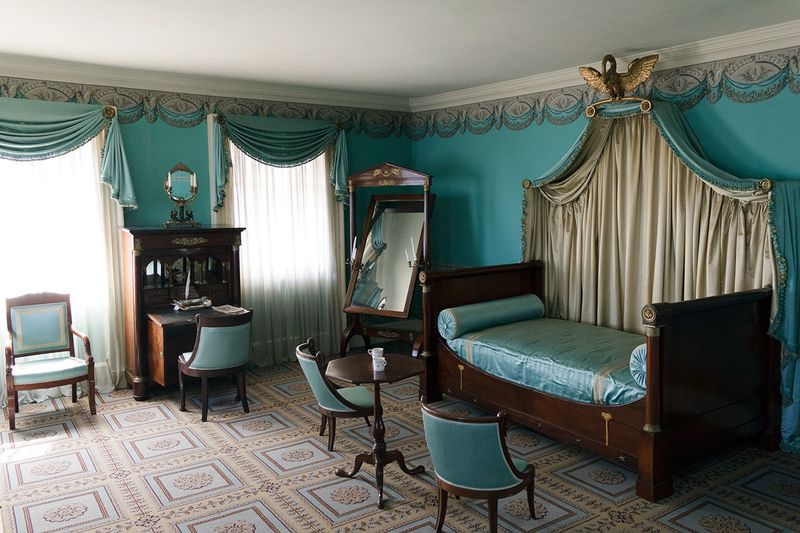
Aaron Burr is one of American history’s most fascinating and complicated figures. He served as the third Vice President of the United States and is widely known for his rivalry with Alexander Hamilton.
What is less commonly known is that Burr lived in the Morris-Jumel Mansion for several years after marrying Eliza Jumel in its parlor in 1833.
Lin-Manuel Miranda found so much inspiration in Burr’s connection to the mansion that he reportedly crafted songs for his celebrated musical Hamilton while sitting in Burr’s former bedchamber. That is the kind of creative energy a place either has or it does not.
The Morris-Jumel Mansion absolutely has it.
On the paranormal side of things, Burr’s spectral form has been described as a dark shadow that moves through the mansion’s hallways. Paranormal investigators have noted unusual energy readings in the areas most closely associated with him.
Whether you are drawn by the history, the drama, or the genuine eeriness of it all, Burr’s presence here adds a layer to this mansion that no other building in New York can replicate.
Stephen Jumel And The Séance That Raised Eyebrows
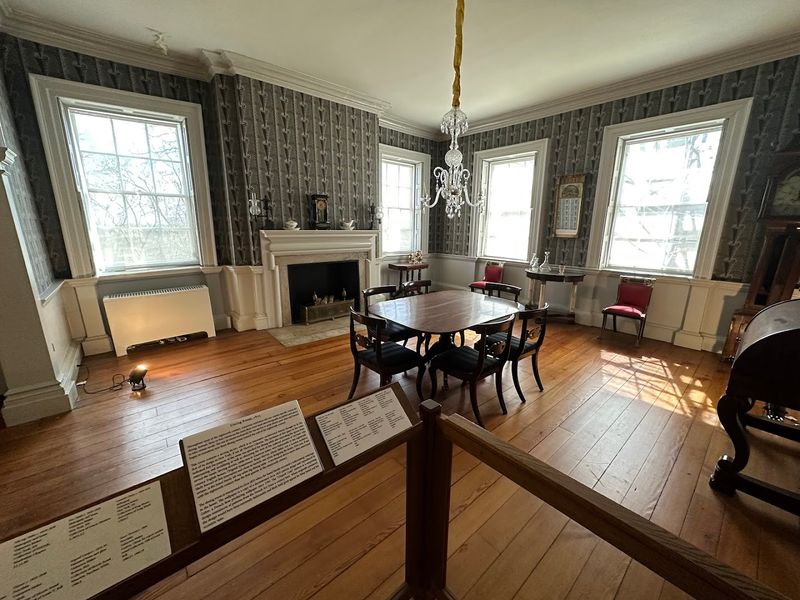
Stephen Jumel was a prosperous French merchant who purchased the mansion with Eliza in 1810 and helped turn it into one of New York’s most celebrated social addresses. His story, however, did not end simply or quietly.
The circumstances surrounding his passing have been a subject of speculation for a very long time.
During a recorded séance conducted at the mansion, the purported spirit of Stephen Jumel suggested that his passing was not merely an accident. That is the kind of claim that tends to stick in your memory long after you have left the building.
It adds a layer of intrigue to an already extraordinary property.
His presence is widely discussed among paranormal enthusiasts and investigators who have spent time at the mansion.
The combination of unresolved historical questions and reported supernatural activity makes Stephen’s story one of the most compelling threads in the entire tapestry of the Morris-Jumel Mansion.
Visitors who pay close attention during tours often find themselves walking away with far more questions than answers, which is honestly part of the appeal. History is rarely as tidy as the textbooks suggest.
The Third Floor Maidservant Nobody Hired
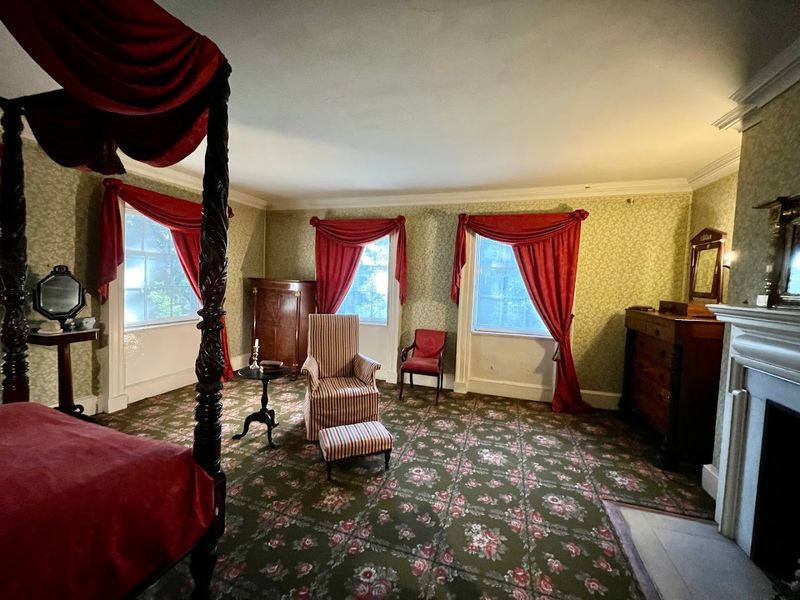
Every great haunted mansion needs a story from the upper floors, and the Morris-Jumel Mansion delivers without hesitation. The third floor of the building is where the servants’ quarters were once located, and it is also where accounts of a mysterious maidservant figure tend to cluster.
Staff and visitors alike have described sensing a presence up there that does not match anyone on the payroll.
The third floor today houses an archive and reference library, giving it a scholarly purpose that coexists somewhat awkwardly with its ghostly reputation.
Researchers who have spent extended time in that space have occasionally reported feeling watched or hearing unexplained sounds nearby.
Paranormal investigators who have specifically targeted the third floor during formal investigations have recorded unusual audio phenomena and unexplained temperature changes.
The history of domestic life in the mansion is often overlooked in favor of the more prominent figures, but the servants who lived and worked here were very much a part of its story.
Their presence, or at least the suggestion of it, lingers in ways that are hard to dismiss. The third floor is quiet, purposeful, and just slightly unsettling in the best possible way.
Paranormal Tours That Investigators Call Genuinely Terrifying
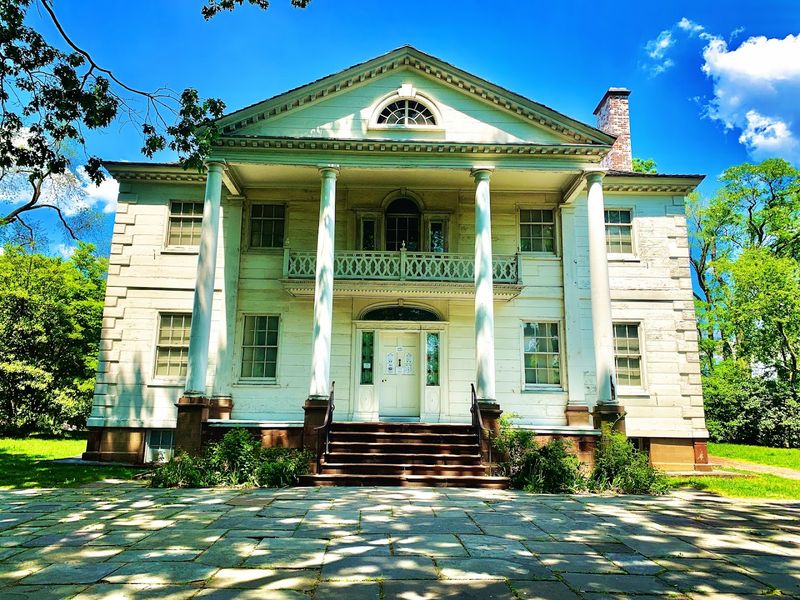
The Morris-Jumel Mansion does not just tolerate its paranormal reputation. It fully embraces it with specialized tours designed to explore the building’s unseen residents in depth.
Halloween paranormal tours have become particularly popular events that fill up well in advance. Guests are guided through the mansion’s most active areas while learning about the historical figures whose energies are said to linger.
Professional paranormal investigators who have conducted formal sessions at the mansion have reported detecting unusual energy fluctuations, unexplained audio recordings, and environmental anomalies that standard explanations struggle to account for.
The mansion’s combination of age, layered history, and reported activity makes it a genuinely compelling site for serious researchers.
What makes the paranormal tours especially effective is that they are grounded in real history. Guides connect every reported phenomenon back to an actual person or event tied to the mansion, which gives the experience both intellectual and emotional weight.
Guests leave knowing more about colonial New York, the Revolutionary War, and the lives of Eliza Jumel and her contemporaries than they expected. The scares, if they come, arrive with context.
That combination of education and eerie atmosphere is genuinely rare and worth every bit of the trip uptown.
A National Landmark That Keeps On Giving
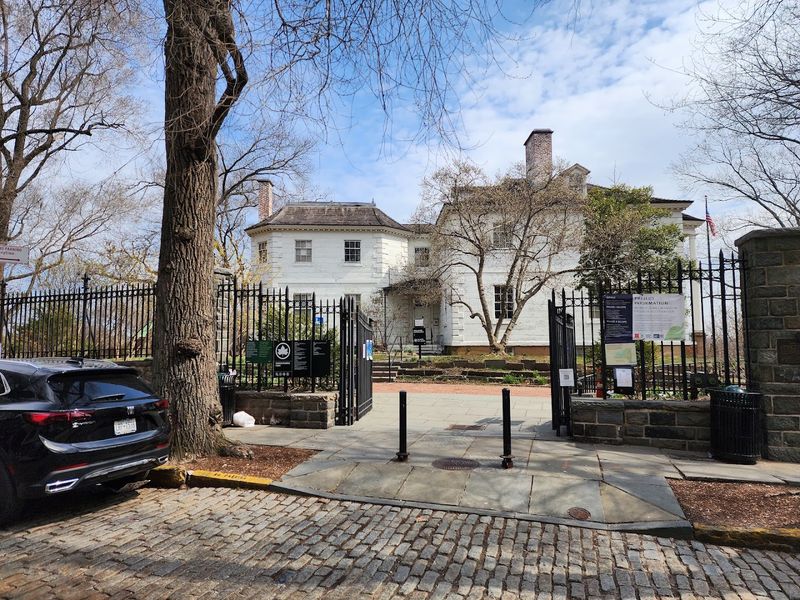
Earning National Historic Landmark status is no small achievement, and the Morris-Jumel Mansion holds that distinction with considerable grace. The New York City government has owned the property since 1903 and reopened it as a public museum in 1907.
Queen Elizabeth II and Prince Philip visited in 1976, which says something about the caliber of attention this place commands.
The surrounding Jumel Terrace Historic District adds even more character to the visit. Sylvan Terrace, a row of preserved wooden rowhouses just west of the mansion, is a short walk away and feels like its own time capsule.
The neighborhood rewards those who take their time and look beyond the main attraction.
The museum actively functions as a community cultural center, hosting concerts, lectures, art exhibitions, and public programs throughout the year.
For anyone in New York with even a passing interest in history, architecture, or things that go unexplained in the night, the Morris-Jumel Mansion is a destination that delivers on every level.
It is the oldest house in Manhattan, a certified paranormal hotspot, and one of the most genuinely compelling museums the city has to offer. Plan the visit, bring your curiosity, and leave the skepticism at the door.