
New York Has A Public Market That Has Been Open Since 1905 And The Vendors Have Outlasted Every Chain Store Around Them
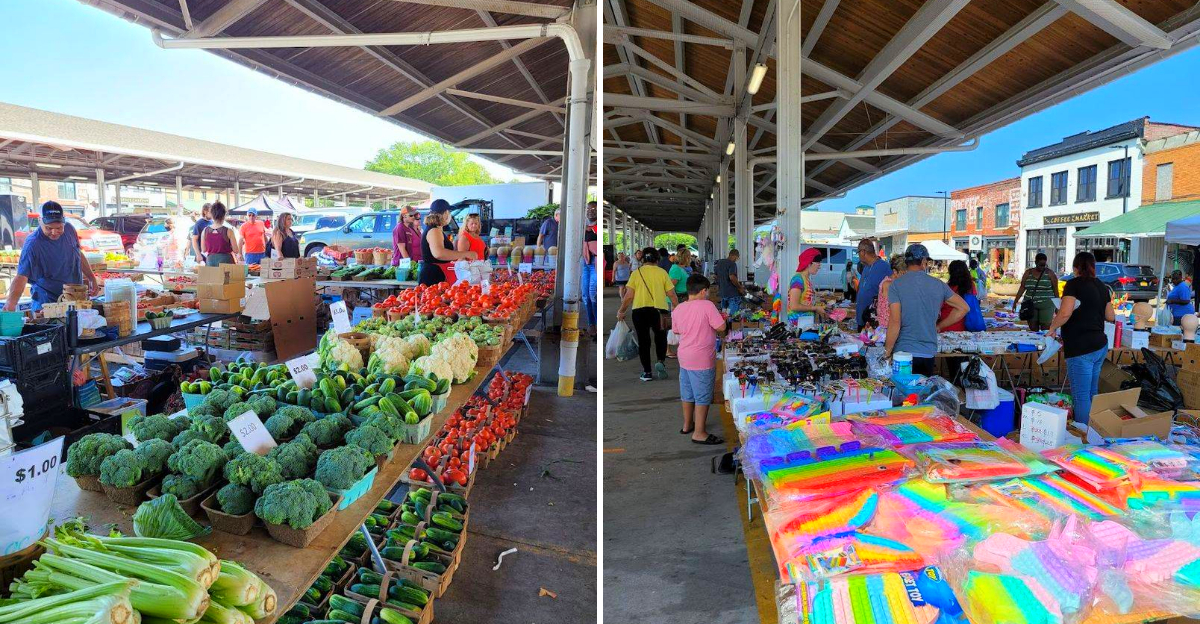
Chain stores come and go, but real public markets survive by becoming part of people’s routines.
In New York, one market has been doing that since 1905, long enough to outlast generations of retail trends, grocery chains, and shopping habits that were supposed to replace places like this.
Vendors still set up with produce, baked goods, flowers, coffee, meats, spices, prepared foods, and the kind of local energy no supermarket can copy. Shoppers arrive early, regulars know their favorite stalls, and Saturdays feel less like errands and more like a community ritual.
This is not a staged historic attraction polished for visitors. It is working, crowded, loud, useful, and very much alive.
After more than a century, Rochester Public Market proves that the strongest shopping traditions are the ones people keep choosing week after week.
The Kind Of Place That Makes You Rethink Everything
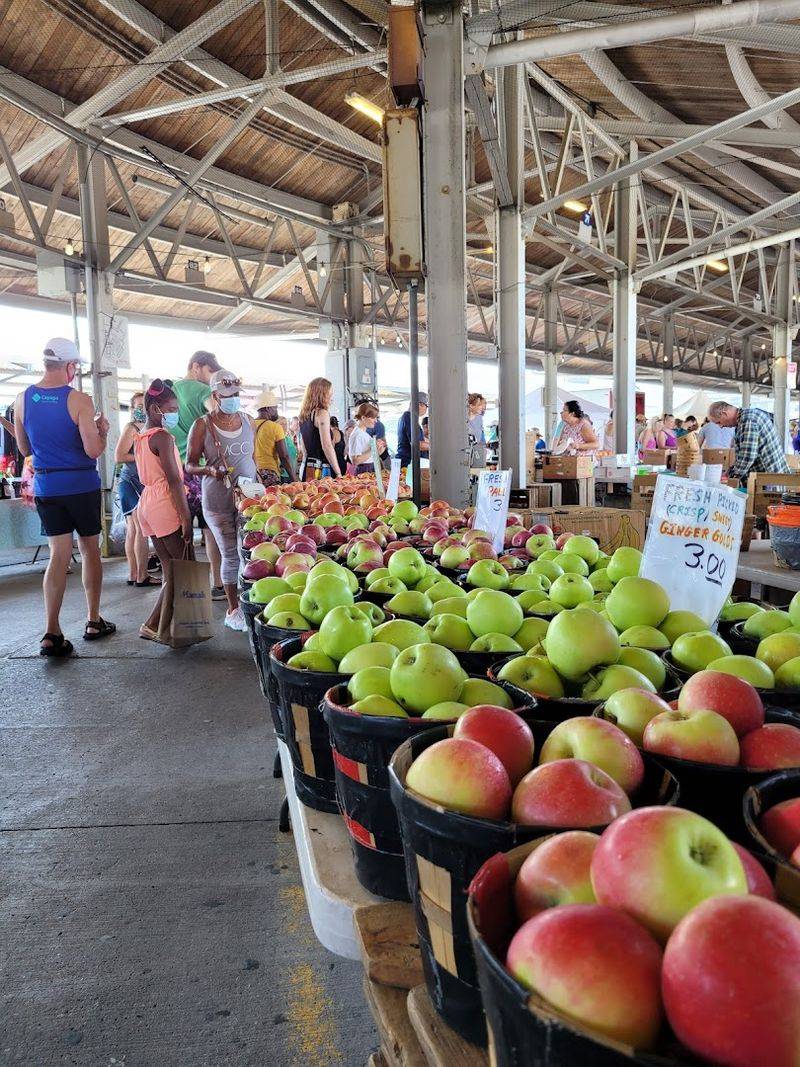
Some places earn their reputation quietly, without fanfare or a social media campaign. The Rochester Public Market is exactly that kind of place.
It has been operating continuously since 1827, making it one of the oldest public markets in the entire country.
The market moved to its current location in 1905, and that is when Saturday mornings in Rochester became something people planned their whole week around. Over 300 vendors show up on the busiest Saturdays, and the energy is unlike anything a grocery store could manufacture.
Fresh produce stacked in bright rows, vendors calling out prices, families with reusable bags, and the smell of roasted nuts drifting through the air. It all comes together in a way that feels completely effortless.
What makes it truly special is that it was never designed to impress outsiders. It grew because it served real people with real needs, and it kept growing because those people kept coming back.
Generations of families have built Saturday morning rituals around this market, and that loyalty is written into every worn cobblestone.
Rochester Public Market: 280 North Union Street And 197 Years Of Proof
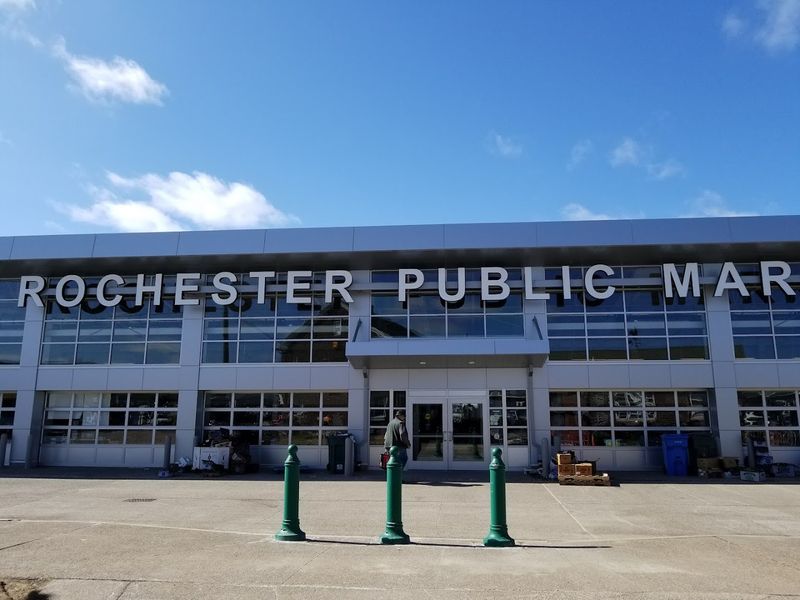
At 280 North Union Street in Rochester, New York, a market has been doing what modern retail only pretends to do: connecting real producers with real buyers without anything unnecessary in between.
The Rochester Public Market has been at this address since 1905, but its roots go back even further to 1827.
John Wegman, co-founder of the Wegmans supermarket chain, got his start as a vendor right here. That detail alone tells you something important about the quality of what this market has always offered.
Open year-round on Tuesdays, Thursdays, and Saturdays, the market is not a seasonal novelty. Saturday mornings draw the biggest crowds, with shoppers arriving early to claim the best picks from farmers, bakers, and specialty food vendors.
The market is genuinely democratic in the best possible way.
In 2022, over 1.3 million dollars in SNAP benefits were redeemed here, which reflects how seriously the market takes its role as a food resource for the whole community.
New York has no shortage of food destinations, but few carry the same weight of purpose and history that this one does every single week.
Vendors Who Outlasted The Chain Stores

Chain stores operate on quarterly projections and corporate approval. The vendors at Rochester Public Market operate on something far more durable: family tradition.
Some of the families selling here today had grandparents selling from the same general area of the market decades ago.
While big-box retailers have opened and shuttered in the surrounding neighborhoods, these vendors kept showing up every Tuesday, Thursday, and Saturday without interruption. There is no head office making that decision.
It is personal, and it shows.
The staying power of these vendors is not accidental. It comes from knowing their customers by name, adjusting their offerings to what the community actually wants, and maintaining a standard of freshness that a supply chain simply cannot replicate.
A tomato picked yesterday hits differently than one shipped across three states.
Generational businesses at the market represent a kind of retail resilience that business schools study but rarely teach correctly. The lesson here is straightforward: when you genuinely serve your community, your community keeps you alive.
The chain stores around this market learned that lesson the hard way, and the vendors here are still standing to tell the story.
The Food That Keeps People Coming Back
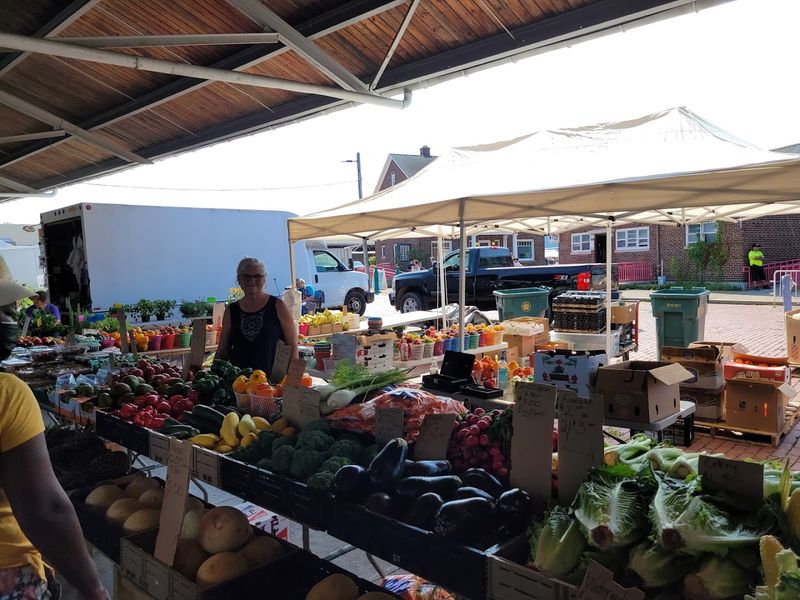
The food at Rochester Public Market covers more ground than most people expect on their first visit. Fresh local produce sits alongside international specialties, and the prepared food options alone could fill a full morning of eating.
The Chai Guy, The Pierogi Guy, The Nut Guy, The Cheese Guy, Juan and Maria’s Empanada Stop, and Flour City Bread Co. are just a handful of the vendors that regulars plan their visits around.
Each one has earned a loyal following through consistency and quality rather than clever branding.
Breakfast sandwiches from market vendors have a devoted following that borders on passionate. People drive across the city for them.
The freshness of the ingredients is the obvious reason, but the familiarity of a vendor who makes your order the same perfect way every single time is the real hook.
Beyond the prepared foods, shoppers find an impressive range of meats, seafood, eggs, dairy, baked goods, and ethnic specialties. The market functions as a full grocery run and a food adventure at the same time.
Very few places manage that balance, and Rochester has been getting it right for generations.
A Community Hub With Real Numbers Behind It
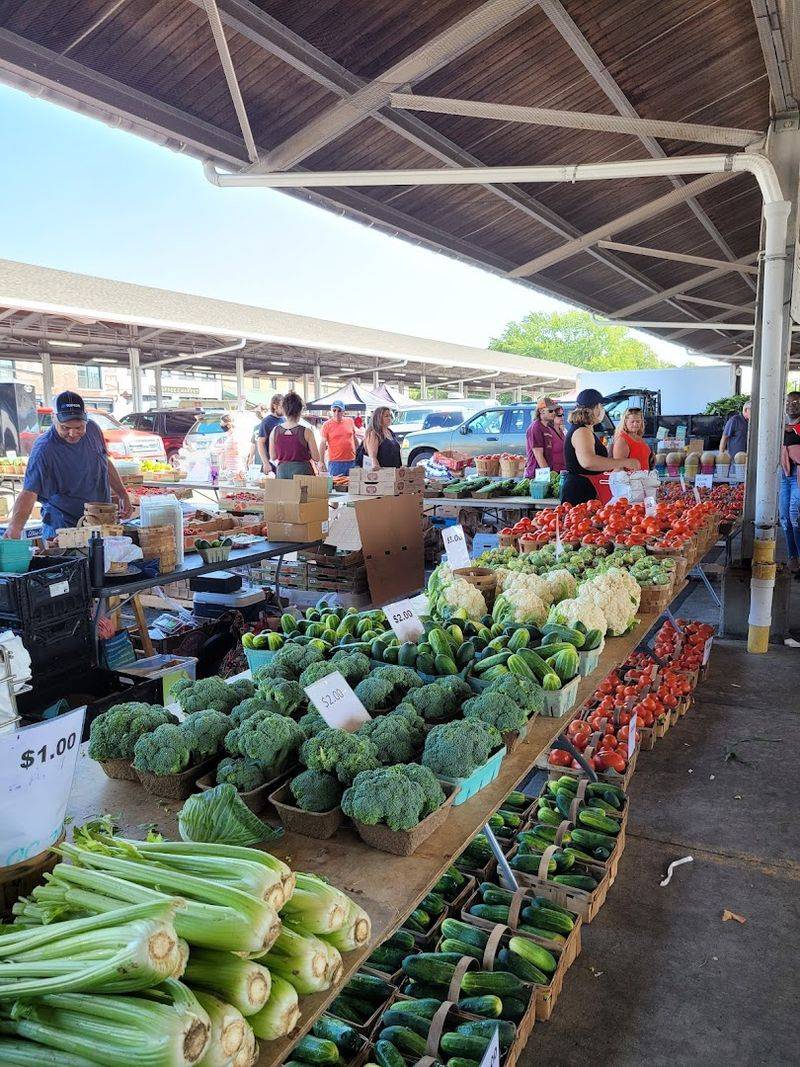
The Rochester Public Market is not just a feel-good story. The numbers behind it are genuinely impressive and reflect a marketplace that serves a real and broad community need.
Over 1.3 million dollars in SNAP benefits were redeemed at the market in 2022 alone.
That figure matters because it shows the market is not a boutique destination for a narrow slice of the population. It is a functioning food infrastructure that makes fresh, quality food accessible to people across all income levels.
That is rare, and it is worth recognizing.
The market draws farmers, specialty vendors, and shoppers from every corner of the Rochester area. The mix of people on any given Saturday reflects the actual demographics of a working city rather than a curated lifestyle brand.
There is something genuinely refreshing about that.
Community is not something the Rochester Public Market claims to build. It is something that has been building itself here organically for nearly two centuries.
The market gives people a reason to show up in the same place at the same time, and what happens after that is entirely human. New York has many gathering places, but few have this kind of consistent, purposeful pull on their community week after week.
Nearly 50 Free Events A Year And Counting
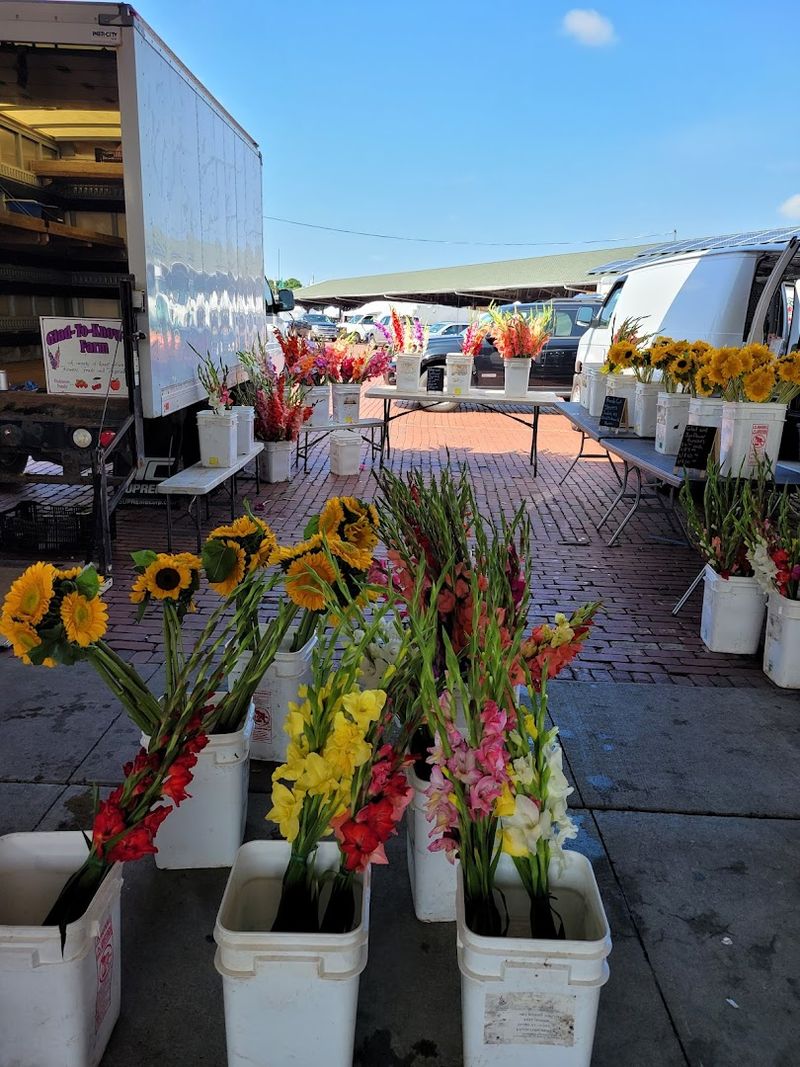
A market that runs 52 Saturdays a year and still finds room to host nearly 50 additional free events annually is not coasting on its history. The Rochester Public Market actively works to keep itself relevant and exciting for the whole city.
Events like the Flower City Days Horticultural Sales, Community Garage Sales, Food Truck Rodeos, the Bands on the Bricks concert series, and festive holiday markets give the space a rhythm that extends well beyond produce and pastries.
Each event draws a different crowd and adds a new layer to what the market means to the people of Rochester.
Free admission is the standard for all of these events, which keeps the market accessible and welcoming to everyone. No ticket required, no dress code, no reservation needed.
Just show up and enjoy the kind of community programming that cities spend millions trying to create from scratch.
The calendar of events also gives the market a presence across seasons and occasions that most public markets never achieve. Whether it is a spring plant sale or a winter holiday market, there is always a reason to return.
The Rochester Public Market has turned a weekly tradition into a year-round relationship with its city.
The Market District That Grew Up Around It
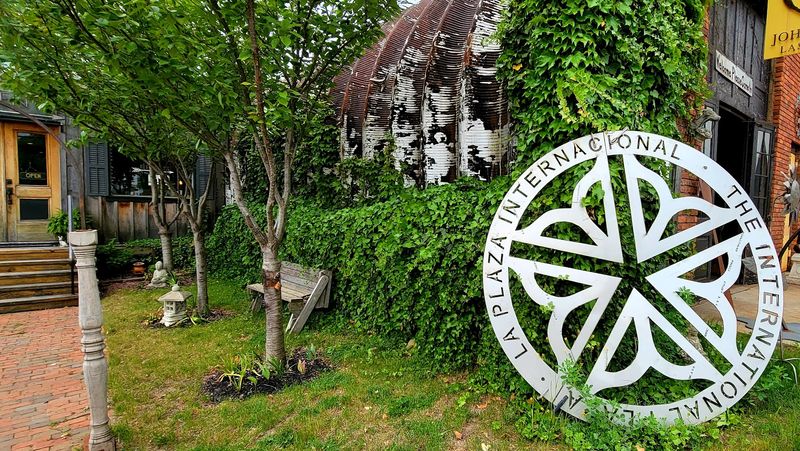
Great markets tend to pull great things toward them over time. The Rochester Public Market has done exactly that, and the surrounding Market District is the living proof.
Independent cafes, coffee shops, bakeries, restaurants, and specialty food purveyors have taken root around the main market sheds, creating an ecosystem that rewards slow mornings and curious appetites.
The buildings in the area are adorned with public murals and portraits that give the district a visual personality all its own. Walking through the neighborhood feels like moving through a place that has a clear sense of what it is and where it came from.
The Market District is not a manufactured entertainment zone. It evolved organically around the anchor of a market that has been drawing foot traffic for generations.
The businesses here benefit from that consistent flow of people, and in return they add variety and depth to the overall experience.
A morning at the Rochester Public Market followed by a coffee at one of the nearby cafes is a genuinely satisfying way to spend a few hours.
The district rewards people who are not in a hurry, and the whole area has a grounded, lived-in quality that no amount of urban planning can fully replicate on purpose.
The 8.5 Million Dollar Renovation That Respected History
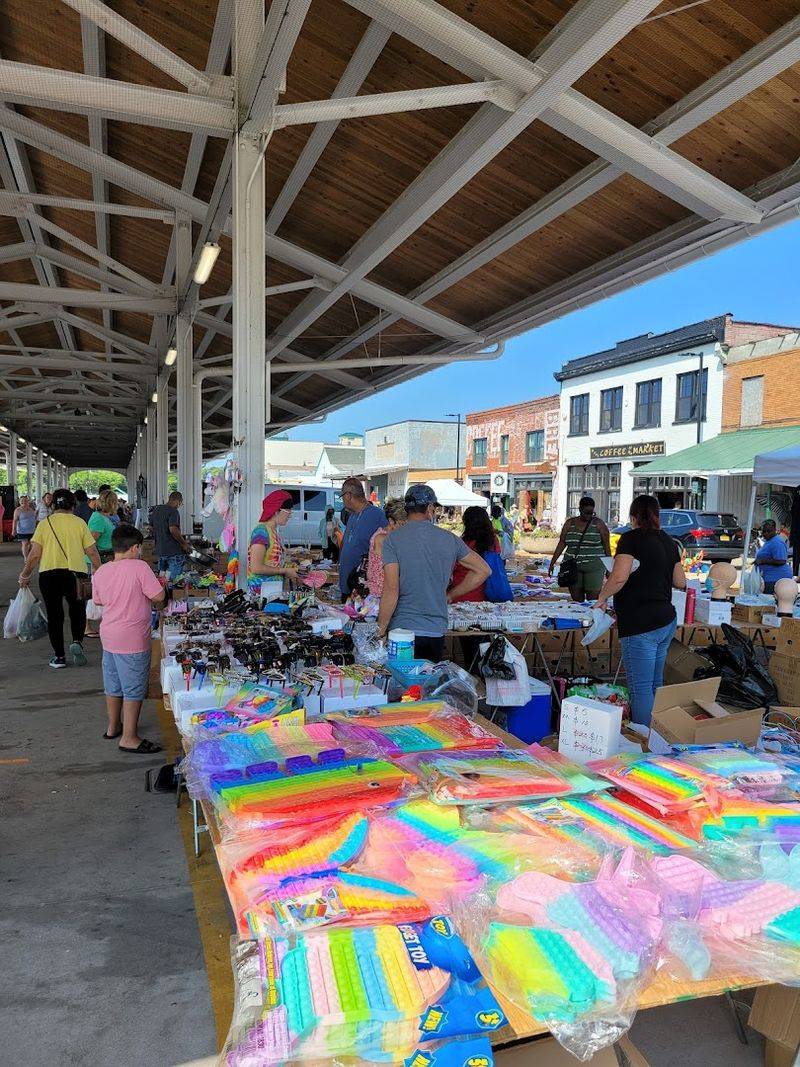
Respecting a 197-year-old institution while also making it work for the next century is not a simple task. Rochester took it seriously.
In 2017, the Rochester Public Market completed an 8.5 million dollar renovation that updated vendor stalls and expanded the indoor market space considerably.
A new indoor B Shed was constructed, along with an outdoor D Shed designed to echo the market’s original 1905 structure. The design team clearly understood that the goal was enhancement, not replacement.
The bones of the market were kept intact while the experience was made more comfortable and functional for vendors and shoppers alike.
Food kiosks crafted from repurposed steel shipping containers were added as part of the renovation, bringing a contemporary touch that still felt grounded in the market’s industrial character.
It is the kind of detail that shows genuine thoughtfulness rather than a quick cosmetic update.
The renovation also expanded the indoor section, which matters enormously in a New York winter. Year-round access to a covered, functional market space makes the commitment to open every Tuesday, Thursday, and Saturday far more practical.
The investment reflects a city that understands the long-term value of keeping its public market not just alive, but genuinely excellent.
Why This Market Belongs On Every Serious Traveler’s List
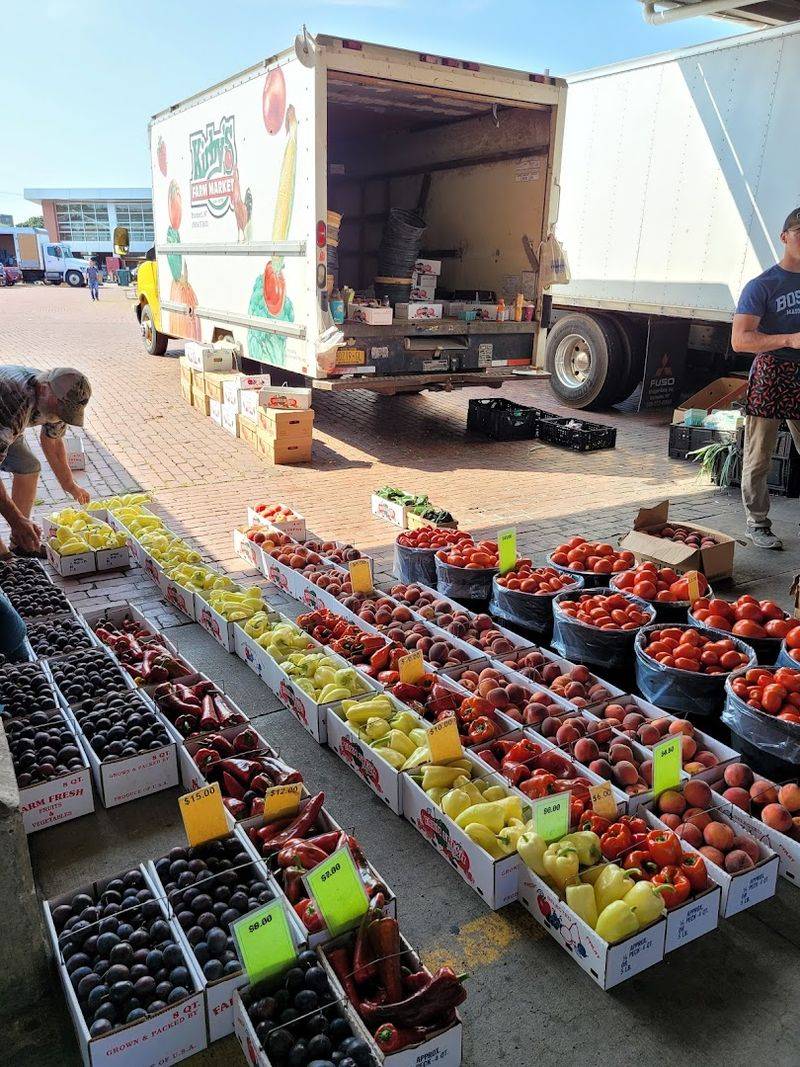
Serious travelers know that the best way to understand a city is to go where its people actually go. The Rochester Public Market is exactly that kind of place.
No tour bus drops people off here. No guidebook ranks it above the usual suspects.
And yet it is one of the most authentic and rewarding experiences New York has to offer.
The market operates on Tuesdays, Thursdays, and Saturdays year-round, but Saturday is the main event. Arriving early gives you first pick of the freshest produce and the shortest lines at the most popular food stalls.
Arriving late gives you the energy of a full market in motion. Either way, you win.
The combination of history, food, community events, and the surrounding Market District makes this a destination that rewards multiple visits. First-timers usually leave wondering why they had never heard of it.
Regulars leave wondering how they would function without it.
Rochester has quietly been doing something extraordinary every Saturday for well over a century. The vendors are still here.
The families are still coming. The cobblestones are still holding everything together.
That kind of staying power is not an accident. It is the result of a community that recognized what it had and refused to let it go.