
13 New York Museums To Visit This May For A Day Of Beauty And Culture
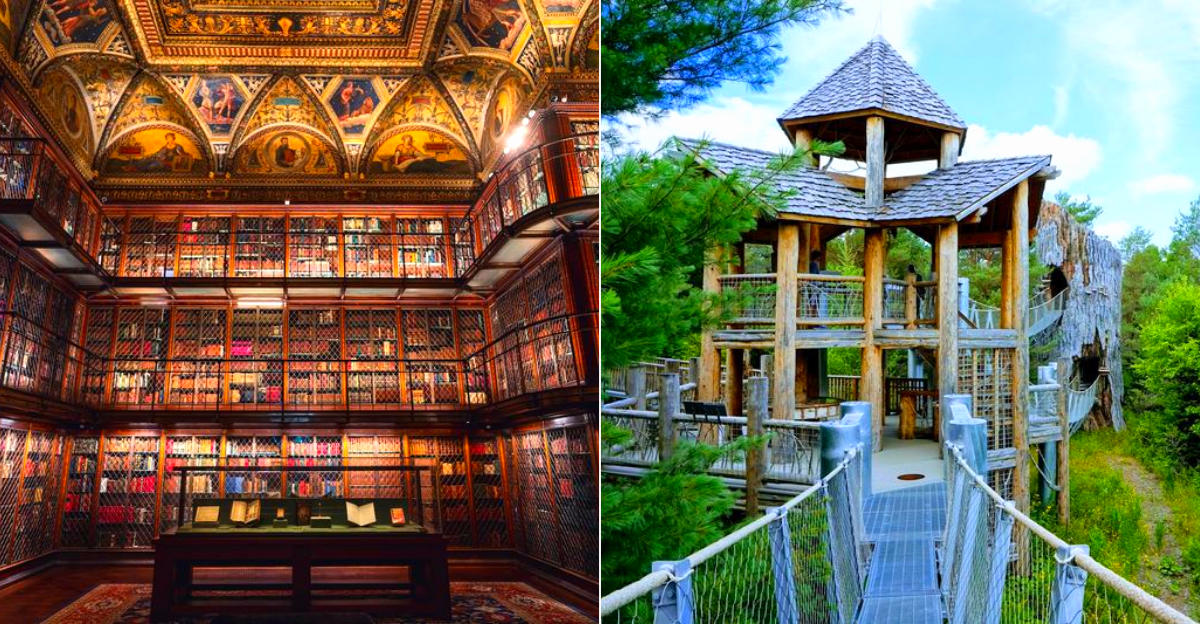
Plans feel easy this time of year. Light lasts longer, the air feels better, and a day out doesn’t need much convincing.
New York in May makes museum visits hit differently, spaces feel brighter, crowds spread out, and everything becomes a little easier to enjoy.
Step inside and the shift is immediate. Galleries open up, details stand out, and the pace slows just enough to take it all in.
Some museums draw you in with bold pieces, others with quieter displays, but each one offers a different way to spend the day. You move through at your own speed, stop when something catches your eye, and leave feeling like the time was well spent.
1. Olana State Historic Site
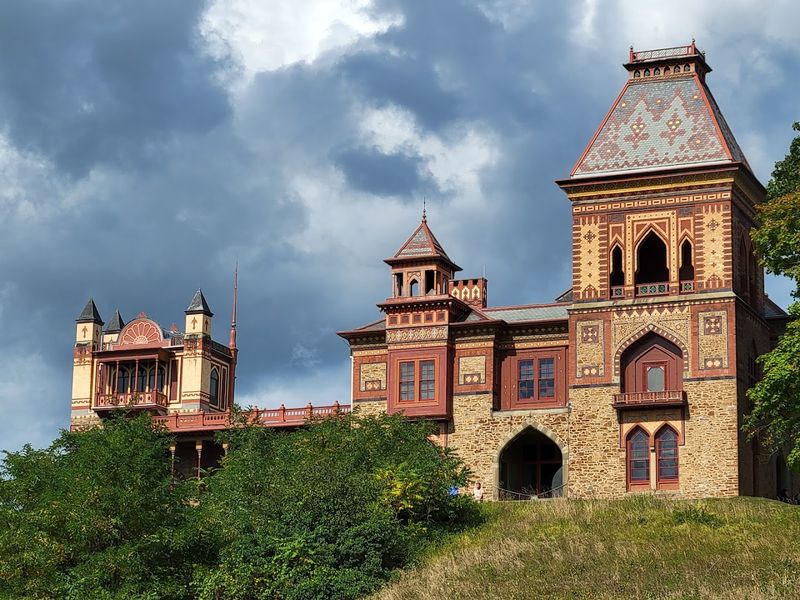
Few places in New York blur the line between art and real life the way Olana does. Sitting high above the Hudson River, Olana was the home and creative vision of celebrated Hudson River School painter Frederic Edwin Church.
The man literally designed the landscape around his house like it was one giant painting.
Church built Olana in the 1870s, and the Persian-inspired architecture is unlike anything else in the state. Located at 5720 Route 9G in Hudson, New York, the site sits on 250 acres of rolling land that Church personally sculpted over decades.
You can tour the house, walk the trails, and take in views that will make your jaw drop.
May is spectacular here because everything is blooming and the Hudson Valley light hits different in spring. The Olana Partnership runs seasonal programs, artist residencies, and guided tours that go deep into Church’s life and legacy.
Bring your camera because every angle of the property looks like a postcard. This place is proof that one person’s obsession with beauty can turn into something the whole world gets to enjoy for centuries.
2. Storm King Art Center
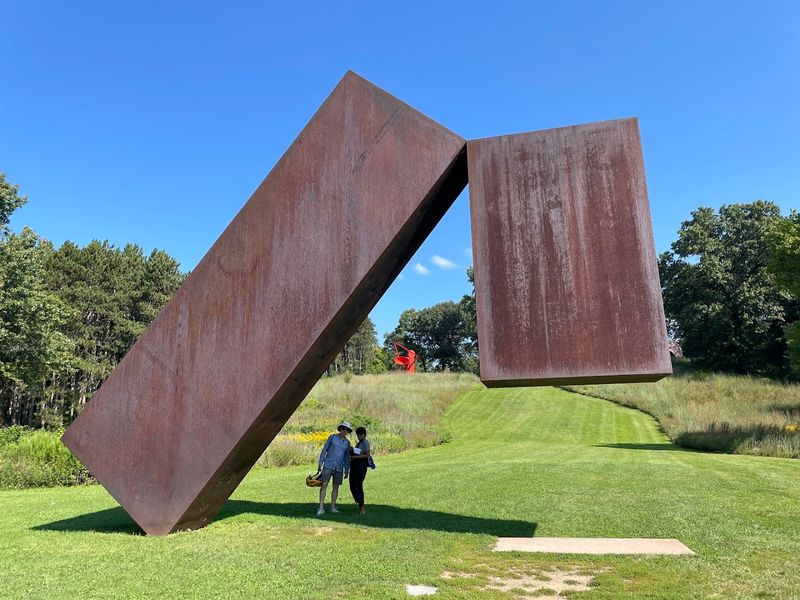
Walking through Storm King feels like stepping into a world where art grew out of the ground naturally. Spread across 500 acres in the Hudson Valley, Storm King Art Center is one of the most celebrated outdoor sculpture parks in the world.
Big-name artists like Alexander Calder, Mark di Suvero, and Maya Lin all have major works here.
Located at 1 Museum Road in New Windsor, New York, Storm King opens for the season in May and the timing could not be better. The grass is green, the hills are rolling, and the sculptures look absolutely alive against the open sky.
You can walk, bike, or take a tram to get around the grounds.
Seriously, no other art experience in New York feels quite this free. There are no walls, no hushed galleries, just you and massive steel and stone works stretching across the landscape.
Kids love it, adults love it, and your Instagram will love it too. Storm King also runs special programming in spring including artist talks and family events.
Block off a full day because you will not want to rush a single step of it.
3. Dia Beacon
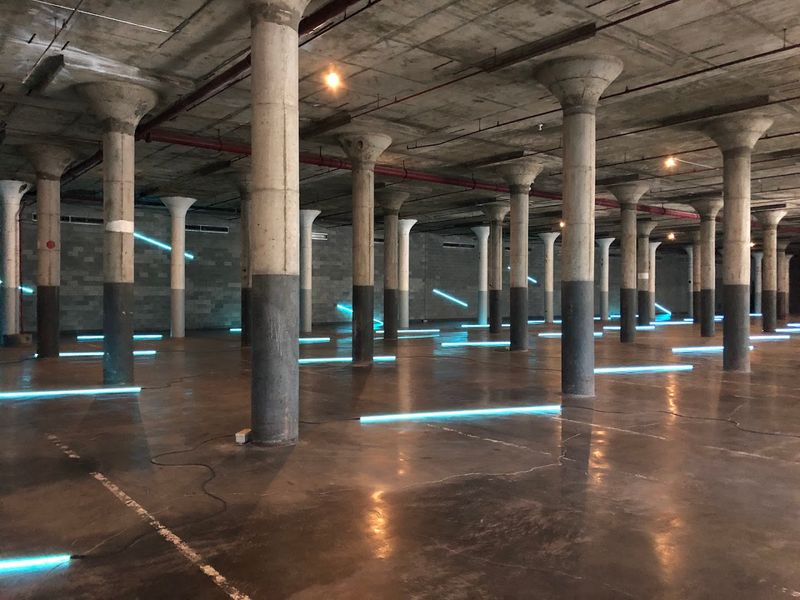
Old factory buildings have been turned into many things, but none quite as stunning as Dia Beacon. Housed in a converted Nabisco box-printing factory along the Hudson River, Dia Beacon is home to one of the most important collections of large-scale minimalist and conceptual art anywhere on the planet.
The building alone is worth the trip.
Located at 3 Beekman Street in Beacon, New York, the museum features permanent works by artists like Richard Serra, Dan Flavin, and Louise Bourgeois. The natural light that pours through the skylights changes the way every single piece looks throughout the day.
It is genuinely one of those places where you feel smarter just by being in the room.
Beacon itself is a fantastic little town with great food spots, galleries, and a walkable main street. May is a sweet time to visit because the Hudson River backdrop is at peak beauty.
Plan to spend at least three hours inside Dia Beacon alone because the scale of the works demands your full attention. The Serra sculptures in particular are physically immersive in a way that no photograph can prepare you for.
Go. Seriously.
Go.
4. The Frick Collection
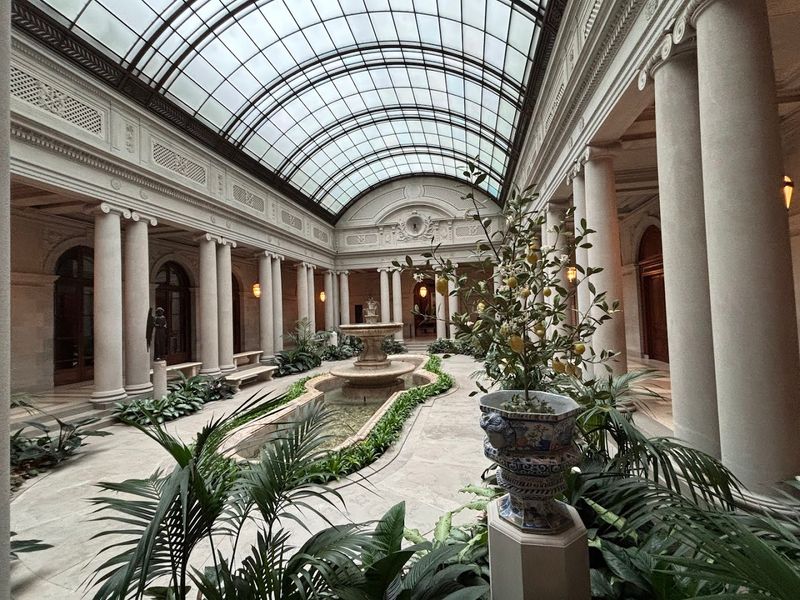
There is something almost unfair about how good The Frick Collection is. Housed in the former mansion of industrialist Henry Clay Frick at 1 East 70th Street on the Upper East Side of Manhattan, the museum feels less like a public institution and more like walking into the home of someone with extraordinary taste.
Which, technically, it is.
The collection includes masterworks by Rembrandt, Vermeer, El Greco, and Goya, among many others. After a major renovation, The Frick reopened with refreshed gallery spaces that make the art look even more stunning than before.
The intimacy of the space is what sets it apart from larger museums. You can stand inches from a Vermeer without a crowd blocking your view.
May is a gorgeous time to visit because the courtyard garden is in full bloom and the building itself glows in spring light. Admission is reasonable and the museum is manageable in size, so you will not feel overwhelmed or rushed.
The Frick is the kind of place where you go in thinking you will stay an hour and end up staying three. Bring a friend who appreciates old masters and watch the afternoon disappear beautifully.
5. The Morgan Library & Museum
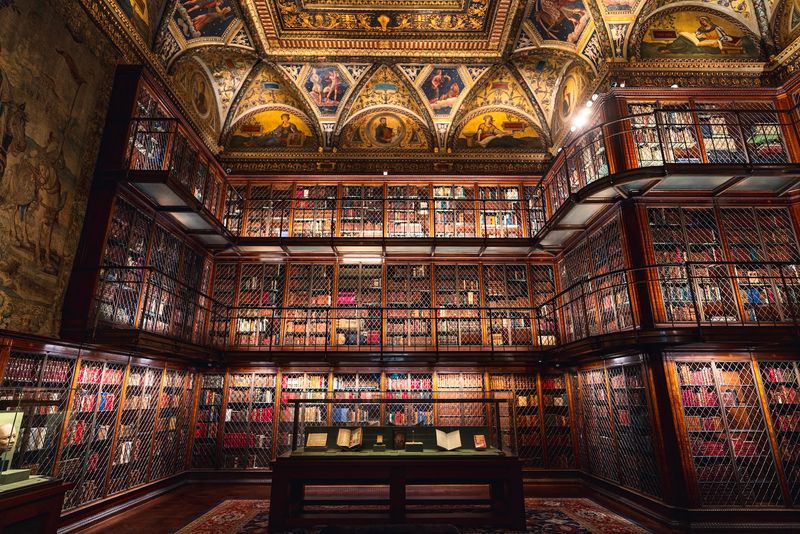
Book lovers, gather around because The Morgan Library is basically your dream made real. Founded by financier J.P.
Morgan, the Morgan Library and Museum at 225 Madison Avenue in Midtown Manhattan holds one of the most remarkable collections of rare manuscripts, drawings, and printed books in the world. The original library room alone is one of the most beautiful interiors in all of New York City.
The collection includes original manuscripts by Dickens and Thoreau, drawings by Michelangelo and Raphael, and even one of only three perfect copies of the Gutenberg Bible in the United States. The rotating exhibitions are always thoughtfully curated and span literature, music, art, and history.
May typically brings strong programming tied to the spring cultural calendar.
The building itself is a masterpiece of Gilded Age architecture, designed by Charles McKim and completed in 1906. The attached modern wing by Renzo Piano adds a light, airy contrast that works surprisingly well.
Plan to have lunch at the on-site cafe because it is genuinely lovely. The Morgan is the kind of place that reminds you why physical objects and original handwriting still matter in a digital world.
A true New York treasure.
6. The Cloisters
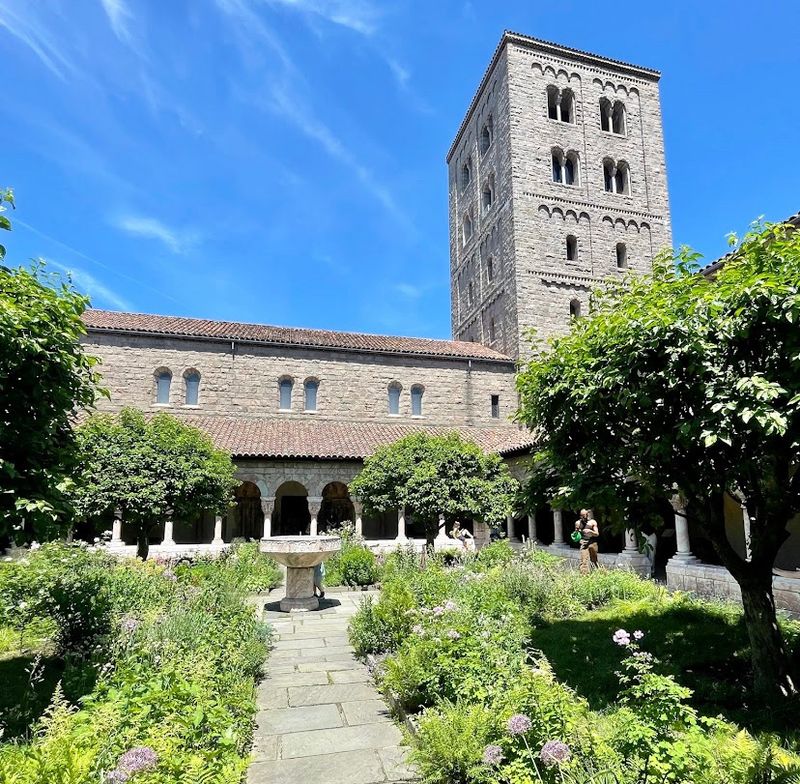
Perched right at 99 Margaret Corbin Dr, New York, NY 10040, The Cloisters is the kind of place that makes you forget you are still technically in New York City. A branch of the Metropolitan Museum of Art, The Cloisters at 99 Margaret Corbin Drive in upper Manhattan is dedicated entirely to medieval European art and architecture.
The building itself was assembled from actual pieces of five French medieval monasteries.
The collection includes tapestries, sculptures, illuminated manuscripts, and decorative arts spanning roughly 800 years of European history. The famous Unicorn Tapestries series alone is worth the entire subway ride uptown.
The gardens are planted with medieval herbs and flowers that bloom beautifully in May, making a visit feel genuinely transportive.
The vibe here is unlike any other museum in the city. It is quiet, contemplative, and almost otherworldly.
You can walk through stone archways and sit in reconstructed cloister gardens while looking out at the Palisades across the river. The whole experience has a cinematic quality that never gets old no matter how many times you visit.
Students, history fans, and art lovers all find something deeply meaningful here. Do not sleep on The Cloisters.
It is one of New York’s most underrated all-day experiences.
7. Albany Institute Of History & Art
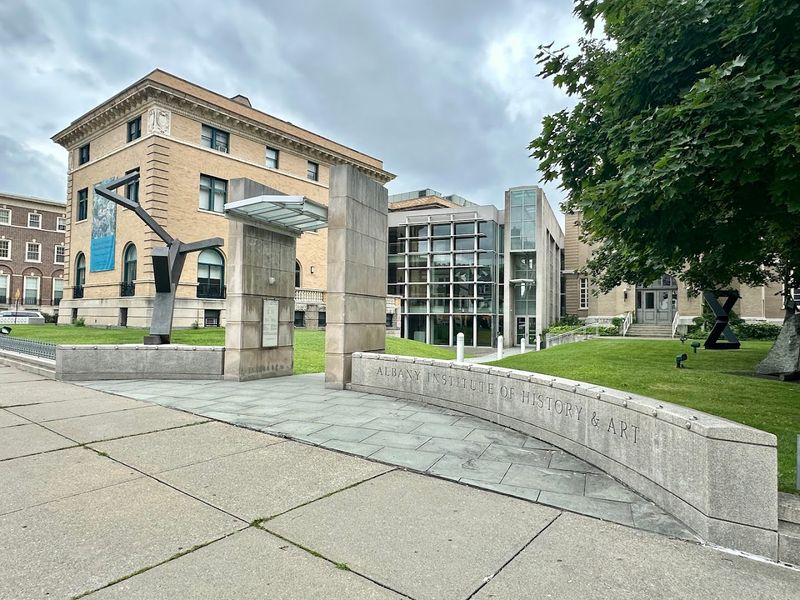
Albany does not always get the credit it deserves on the New York culture circuit, but the Albany Institute of History and Art is a legitimate reason to make the drive. Founded in 1791, it is one of the oldest museums in the United States and holds an extraordinary collection focused on the art, history, and culture of the upper Hudson Valley region.
That is not a small claim.
Located at 125 Washington Avenue in Albany, New York, the institute features Hudson River School paintings, decorative arts, Egyptian mummies, and rotating exhibitions that cover everything from local social history to contemporary regional artists. The permanent collection alone could keep you occupied for hours.
May programming at the institute often includes special events tied to New York State history, making it a timely stop. The museum is free on certain days and always reasonably priced.
Albany in May is genuinely pleasant with the state capitol and nearby Washington Park adding extra reasons to stick around the neighborhood. The institute does a great job of making history feel relevant and alive rather than dusty and distant.
If you have never been, this is the year to go. Albany has been holding it down culturally since before New York City was even a thought.
8. Corning Museum Of Glass
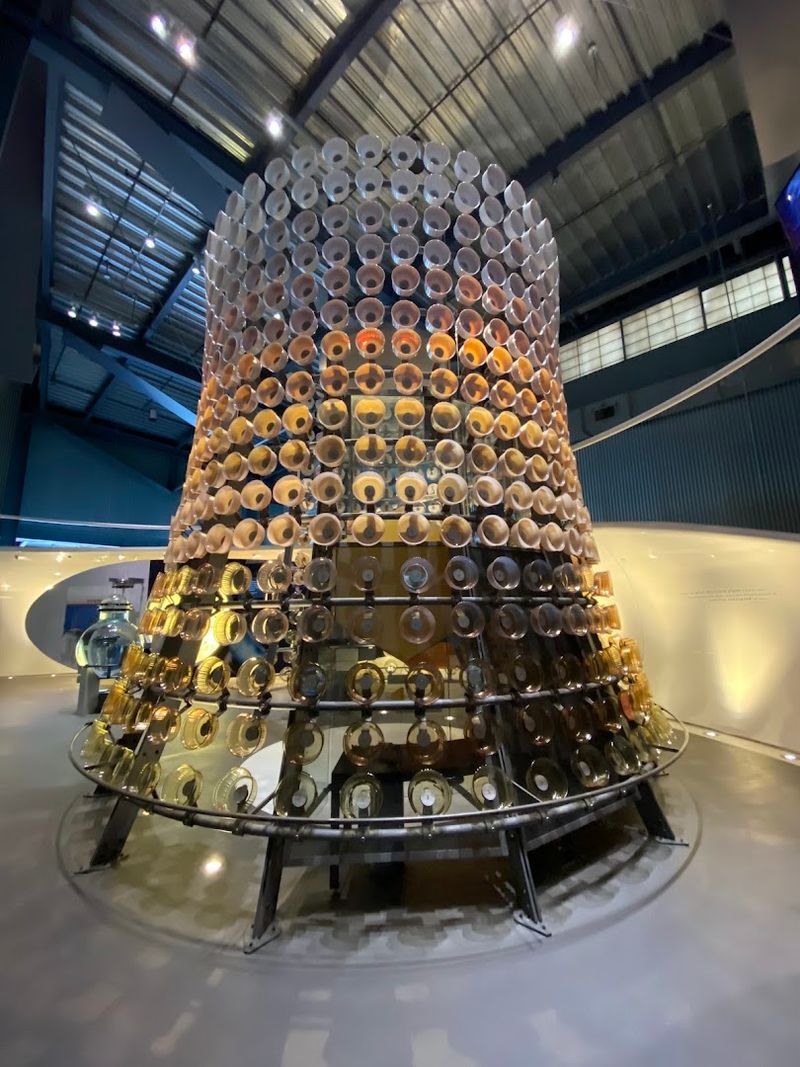
Hot glass being shaped by human hands is one of the most mesmerizing things you will ever watch, and the Corning Museum of Glass turns that experience into a full day of wonder. Located at 1 Museum Way in Corning, New York, the museum holds the most comprehensive collection of glass art and history in the entire world.
Over 45,000 objects spanning 3,500 years of glassmaking history live here.
The museum includes works by Dale Chihuly and other major glass artists alongside ancient Roman vessels and medieval stained glass. Live glassblowing demonstrations happen throughout the day, and you can even try your hand at making your own glass piece.
That is not a drill. You can literally make glass art as a tourist activity.
Corning is a small city in the Finger Lakes region with a charming downtown that pairs nicely with a museum visit. May is a lovely time to be in that part of New York before the summer crowds arrive.
The museum also has a strong educational mission with exhibits that explain the science of glass in ways that are genuinely fascinating for all ages. Plan to spend at least four hours here because the scope of the place will surprise you every time you turn a corner.
9. George Eastman Museum
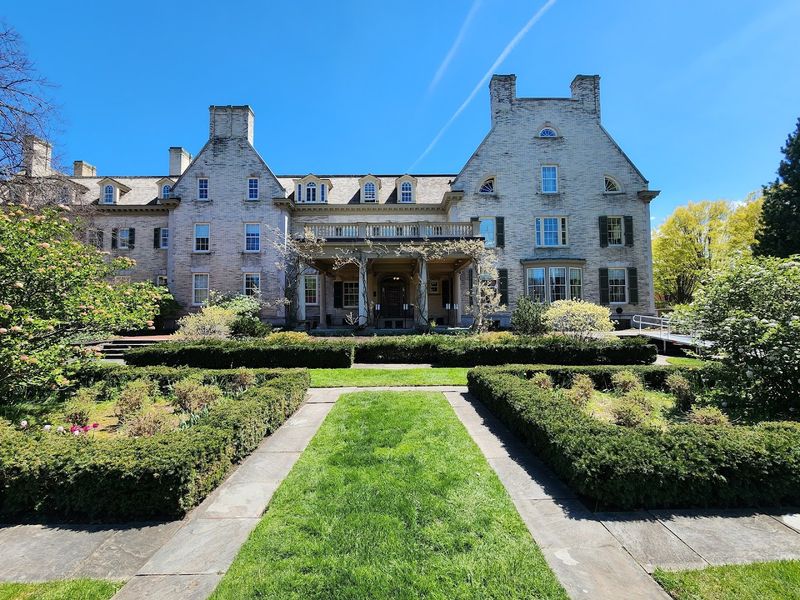
Photography changed the world, and the George Eastman Museum is where you go to understand exactly how that happened. Founded at the estate of George Eastman, the inventor of the Kodak camera and roll film, the museum at 900 East Avenue in Rochester, New York is the oldest photography museum in the world.
Let that sink in for a second.
The collection spans the entire history of photography and cinema, from daguerreotypes to digital. The film archive holds over 28,000 motion picture titles, making it one of the most significant film preservation institutions on the planet.
The mansion itself is a stunning Colonial Revival estate with formal gardens that are absolutely gorgeous in May.
Rochester has a rich creative history and the George Eastman Museum sits at the center of that legacy. The rotating exhibitions cover everything from photojournalism to fashion photography to experimental film.
There is always something new to see alongside the permanent collection. Eastman himself was a fascinating figure whose philanthropic impact on Rochester was enormous, and the museum does a great job of capturing his full story.
Photography nerds will absolutely lose their minds here, but anyone with curiosity and an eye for beauty will walk out genuinely inspired. It is that kind of place.
10. Munson
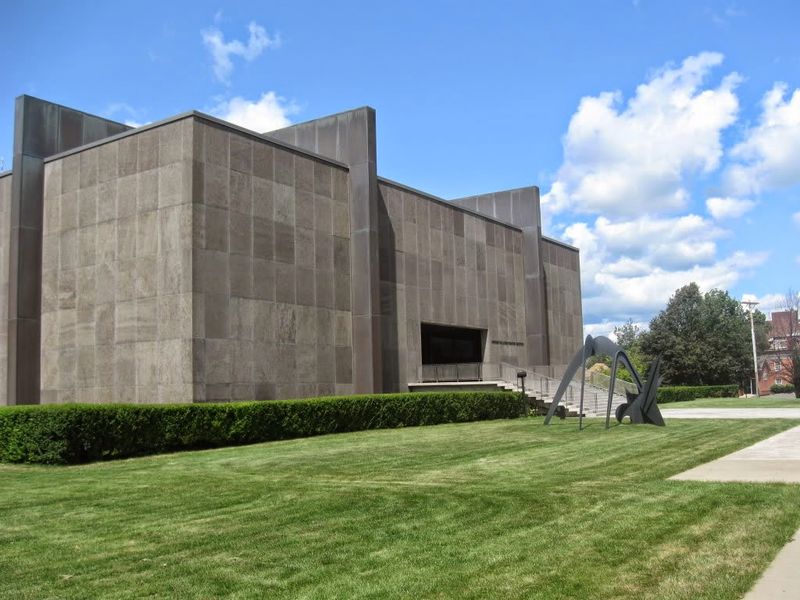
Utica does not always make the top of New York road trip lists, but the Munson deserves to change that conversation entirely. Officially known as the Munson, it is one of the oldest art museums in New York State and holds a serious collection of American and European art spanning several centuries.
The building itself is a beautiful mix of historic architecture and contemporary additions that work together surprisingly well.
Located at 310 Genesee Street in Utica, New York, the Munson features works by Thomas Cole, Winslow Homer, and other major American artists alongside decorative arts, photography, and rotating contemporary exhibitions.
The museum has been actively expanding its reach and relevance with bold new programming and community-focused events.
May is a good time to visit because Utica is genuinely charming in spring and the museum often hosts special programming around the season. Admission is affordable and the staff is known for being welcoming and knowledgeable.
The Munson punches well above its weight for a regional museum, and that is meant as the highest compliment. If you are driving across the state and want a cultural stop that will actually move you, Utica and the Munson are worth every exit ramp.
Central New York has been slept on long enough.
11. Buffalo AKG Art Museum
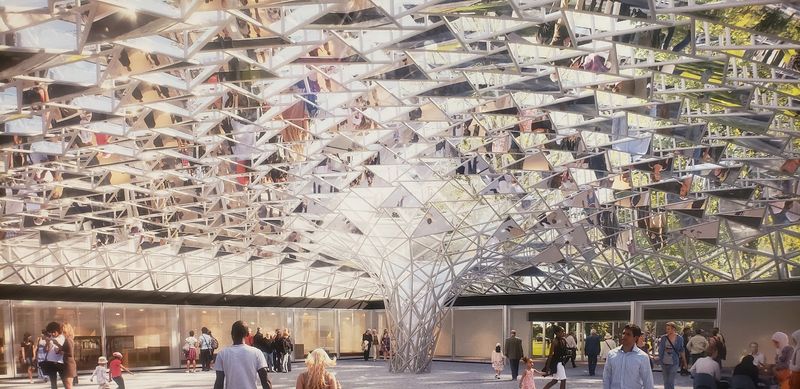
Buffalo just had one of the biggest museum glow-ups in recent memory and the AKG Art Museum is the proof. After a massive renovation and expansion that opened in 2023, the Buffalo AKG Art Museum at 1285 Elmwood Avenue in Buffalo, New York emerged as one of the most architecturally exciting art museums in the entire country.
The new building by Shohei Shigematsu of OMA is genuinely jaw-dropping.
The collection spans over 7,000 works and includes significant pieces by Picasso, Frida Kahlo, Jackson Pollock, and Jeff Koons among many others. The AKG has long been considered one of the top modern art collections in the United States, and the new facility finally gives those works the space they deserve.
The galleries are bright, well-organized, and deeply satisfying to move through.
Buffalo in May is lovely, and the museum sits right next to Delaware Park, designed by Frederick Law Olmsted. You can pair a museum visit with a walk through the park for a full day of beauty.
The city’s food scene has also leveled up considerably, so plan to stay for dinner. The AKG is not just a great Buffalo story.
It is a great American museum story, and May is the perfect time to go experience it firsthand.
12. The Wild Center
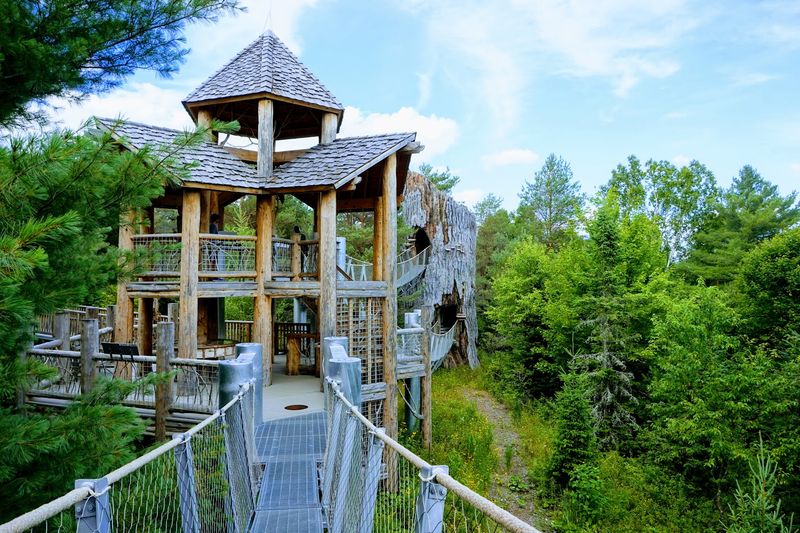
Nature museums do not usually make art and culture lists, but The Wild Center earns its spot without question. Located at 45 Museum Drive in Tupper Lake, New York, deep in the Adirondack Mountains, The Wild Center is a natural history museum focused entirely on the Adirondack ecosystem.
The building itself is a stunning feat of sustainable architecture that blends into the surrounding landscape.
The exhibits cover everything from local wildlife and geology to climate science and Indigenous history of the Adirondack region. The famous Wild Walk treetop trail lets visitors walk above the forest canopy on elevated pathways, giving a perspective on the natural world that is genuinely rare and thrilling.
Live animals, interactive science displays, and outdoor programming make the experience deeply engaging for all ages.
May in the Adirondacks is breathtaking. The lakes are clear, the trees are budding, and the wildlife is active in ways that feel almost cinematic.
The Wild Center connects the ideas of beauty and culture to the natural world in a way that feels urgent and relevant right now. It is the kind of museum that reminds you that the planet itself is the greatest work of art ever made.
Block a full day, wear comfortable shoes, and bring your sense of wonder. You will absolutely need it.
13. Parrish Art Museum
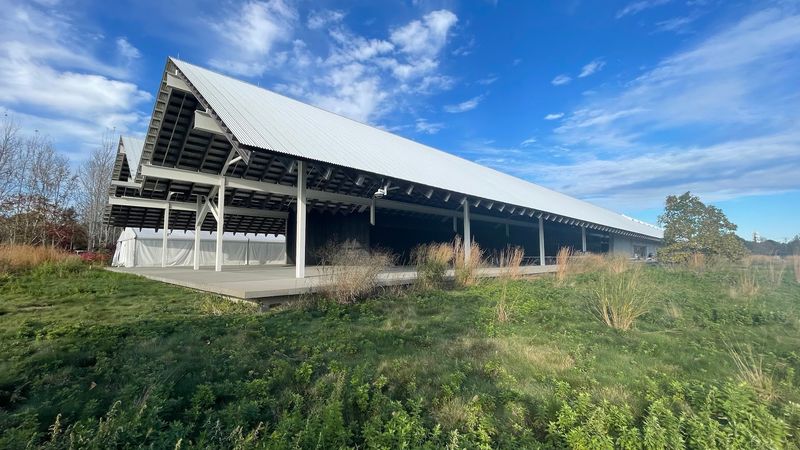
The Hamptons have a well-earned reputation for beauty, and the Parrish Art Museum fits right into that landscape without trying too hard. Located at 279 Montauk Highway in Water Mill, New York, the Parrish is dedicated to the art and artists of the East End of Long Island.
The building, designed by the celebrated Swiss firm Herzog and de Meuron, is a long, low, barn-inspired structure that looks like it grew out of the potato fields surrounding it.
The collection focuses on American art from the 19th century to the present, with a strong emphasis on artists who lived and worked in the Hamptons and the broader East End. Names like William Merritt Chase, Fairfield Porter, and Chuck Close are central to the Parrish’s identity.
The permanent collection and rotating exhibitions are consistently excellent.
May is arguably the best time to visit because the summer crowds have not yet descended on the Hamptons and the landscape is lush and peaceful. The surrounding area is gorgeous for a drive or a walk after your museum visit.
The Parrish also runs public programs, studio workshops, and outdoor events that connect art to the natural environment in meaningful ways. For anyone who loves American art and wants a museum experience that feels grounded and beautiful, the Parrish delivers every single time.