
15 New York Quirks And Surprises Awaiting New Residents And Visitors In 2026
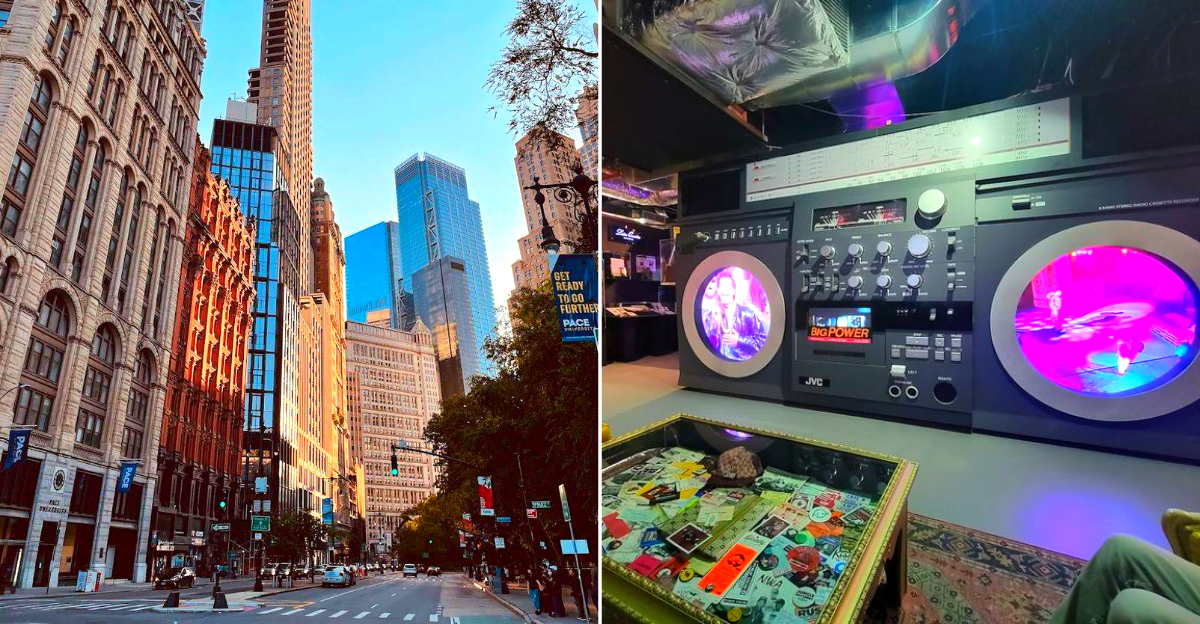
New York has a way of keeping things interesting, especially when you least expect it and especially if you’re new to it. Beyond the well-known landmarks and busy streets, there are little quirks and unexpected moments that catch both new residents and visitors off guard in the best way.
It might be something you notice on a quiet walk, a local habit that feels unusual at first, or a small detail that makes you stop and look twice.
These surprises are part of what gives the state its personality. They add character, spark curiosity, and make everyday experiences feel a bit more memorable.
Once you start noticing them, you realise New York is full of these small but fascinating details. In 2026, they are still very much part of what makes exploring the state so engaging.
1. The Subway Never Sleeps
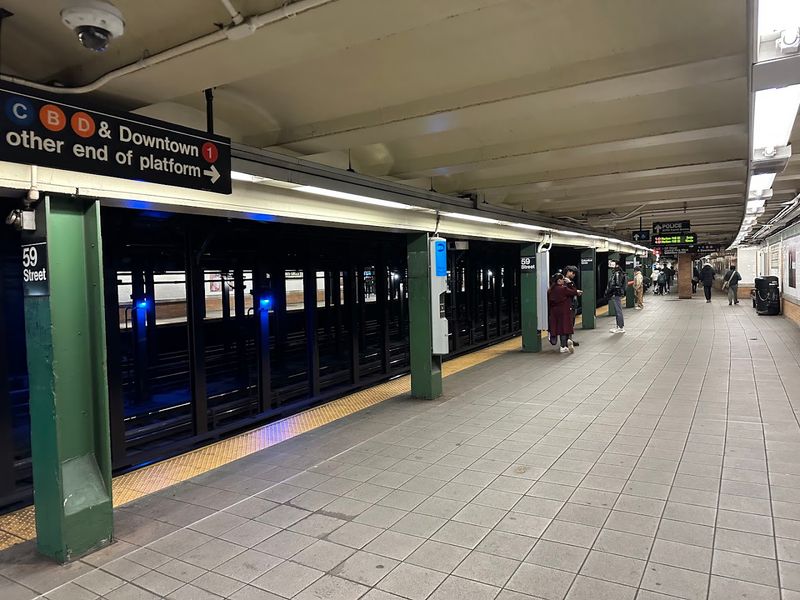
At 3 a.m. on a Tuesday, the NYC subway is still packed with people going somewhere important. No last trains, no shutdown windows, just constant movement around the clock.
That alone makes New York unlike almost any other major city in the world.
The MTATimes Square runs 24 hours a day, 365 days a year, across 472 stations. You can catch a train from at midnight and not feel out of place at all.
Night owls, shift workers, and city explorers all share the same cars without a second thought.
New arrivals often underestimate how much the subway shapes daily life here. You stop thinking in miles and start thinking in stops.
The system is not perfect, but it is yours, and after a few weeks, you will feel genuinely lost without it. Pro tip: download the MYmta app before your first ride and save yourself the confusion of figuring out platforms on the fly.
2. You Will Hear Dozens Of Languages In A Single Day
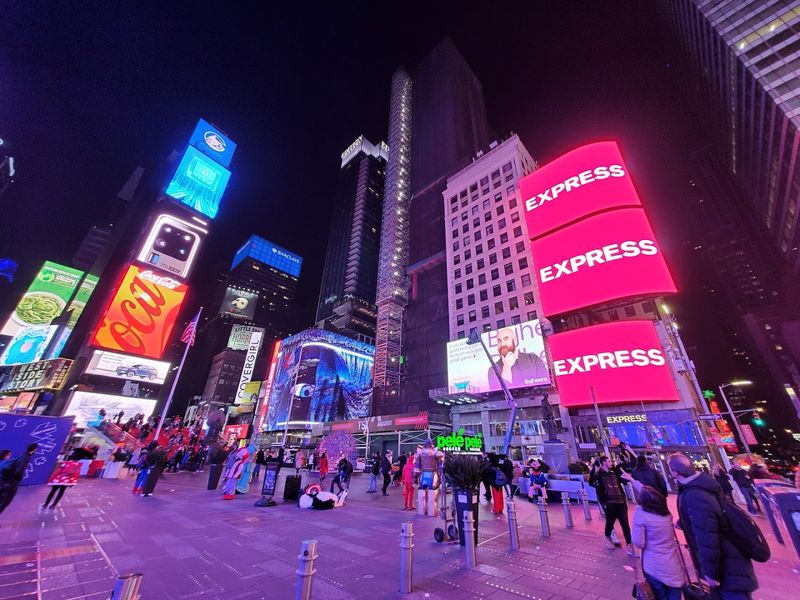
Over 800 languages are spoken across the five boroughs, making New York City the most linguistically rich place on the planet. That is not a marketing slogan.
That is a verified fact backed by years of census and research data. You will hear Mandarin, Bengali, Haitian Creole, and Russian before you even finish your morning coffee.
Jackson Heights in Queens, located around 74th Street and Roosevelt Avenue, is one of the most linguistically dense neighborhoods in the entire world. Walk two blocks and the signage changes completely.
The food changes too, which is its own kind of bonus.
For new residents, this diversity is genuinely humbling. You quickly realize how small your world was before arriving.
Kids in NYC public schools grow up alongside classmates from dozens of countries, giving them a cultural fluency that is hard to replicate anywhere else. The city does not ask you to blend in.
It just asks you to show up, and somehow that openness makes everyone feel a little more at home.
3. Apartments Can Be Shockingly Small
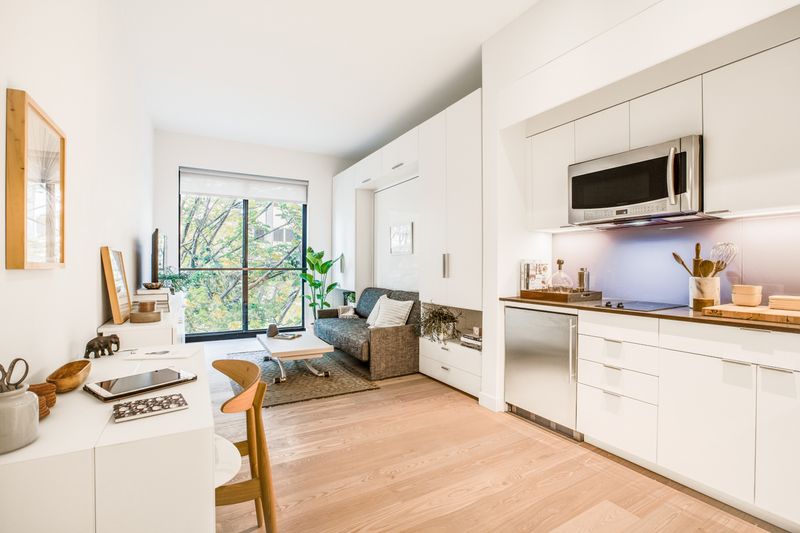
Some New York apartments are so small that the bed folds into the wall and the kitchen is technically in the hallway. No exaggeration.
Micro-apartments in Manhattan average around 260 to 350 square feet, and people pay serious money for them without blinking.
The city actually launched a micro-unit housing initiative years ago to address the demand for solo living spaces. Buildings like Carmel Place at 335 East 27th Street in Manhattan were designed specifically around compact living.
Every inch is planned with surgical precision, and somehow it works.
New arrivals from suburban or rural areas often go through a short but real grieving process for their lost closet space. The adjustment is real, but so is the upside.
Living small in New York teaches you to own less, move faster, and spend more time outside, which is exactly what the city wants anyway. Once you stop fighting the square footage and start working with it, small apartment living starts feeling less like a compromise and more like an upgrade in disguise.
4. Brunch Is Practically A Weekly Ritual
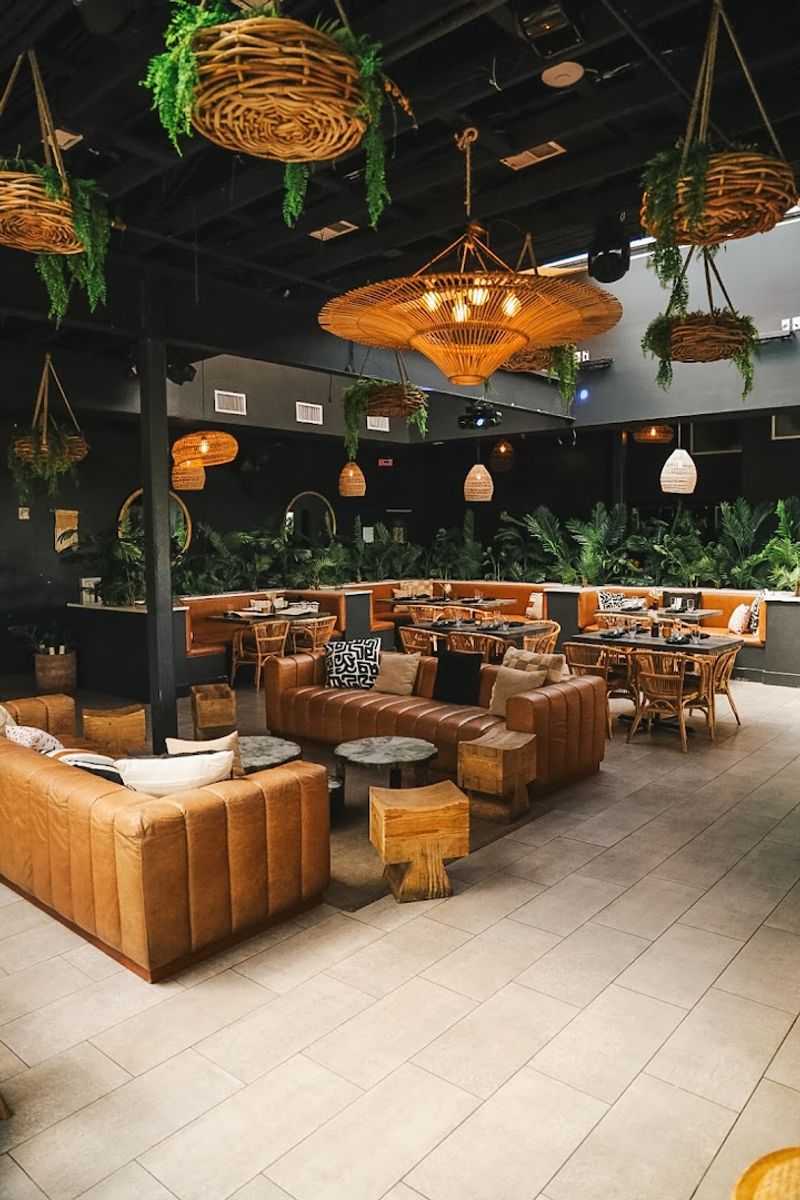
Sunday brunch in New York is not a casual meal. It is a commitment.
People wake up early, join waitlists, and plan their entire weekend schedule around a two-hour window of eggs Benedict and good conversation. The lines outside popular spots can stretch half a block by 10 a.m.
Spots like Egg Shop at 151 Elizabeth Street in Manhattan and Parm in Nolita have built cult followings purely on the strength of their weekend menus. Reservations at top brunch destinations disappear within minutes of opening, especially on holiday weekends.
If you show up and just hope for the best, you might be eating a granola bar in your micro-apartment instead.
The culture around brunch here goes beyond food. It is a social anchor.
Friend groups that are too scattered during the week use Sunday brunch as their weekly check-in. New residents who tap into this ritual quickly find their footing socially.
Book ahead, show up on time, and never, ever rush the table. New York brunch runs on its own clock, and that clock answers to nobody.
5. Pizza Is Taken Very Seriously
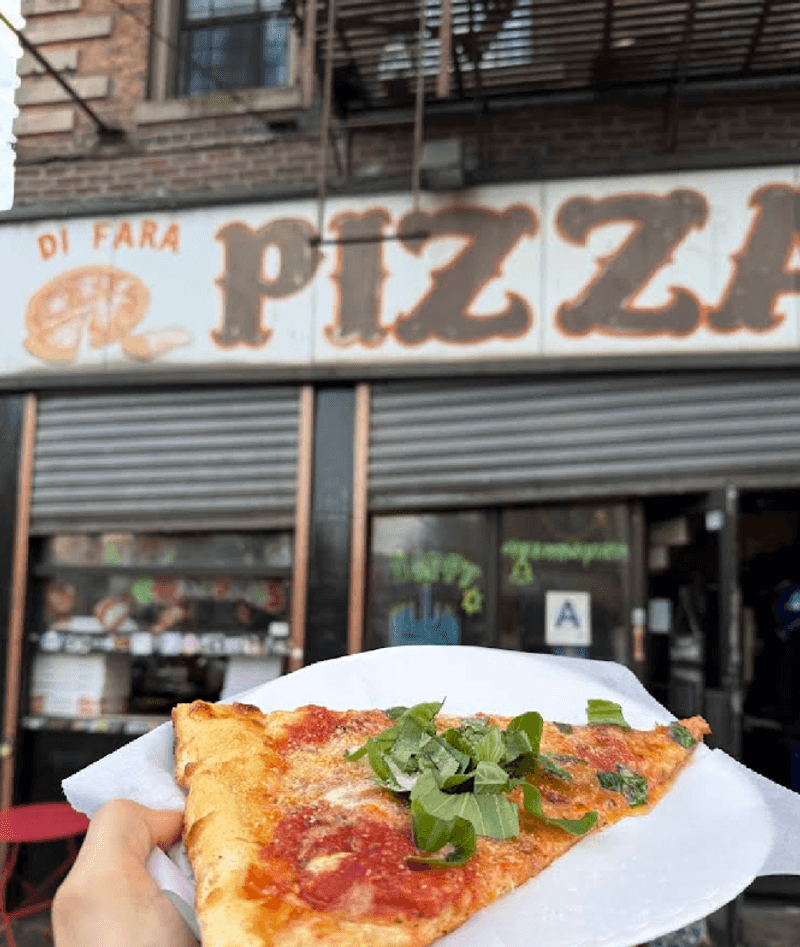
Ask a New Yorker where to get the best pizza and prepare yourself for a full ten-minute lecture. NYC pizza is not just food, it is identity, and locals guard their opinions about it like classified information.
The debate between old-school and new-wave spots never actually ends, and that is part of the charm.
Old-school legends like Di Fara Pizza at 1424 Avenue J in Brooklyn and Lucali at 575 Henry Street in Carroll Gardens have lines that stretch around the block on any given weekend. Both have been standing for decades and show zero signs of slowing down.
The secret is simple ingredients, a very hot oven, and decades of muscle memory behind the counter.
For newcomers, the first real New York slice is a moment. The foldable, thin-crust style is engineered for walking and eating simultaneously, which is very much the point.
Dollar slice shops on almost every corner make great pizza accessible at any time of day. Once you go New York style, other pizza starts feeling like a rough draft of what pizza could be.
6. You Might Walk Everywhere Without Realising
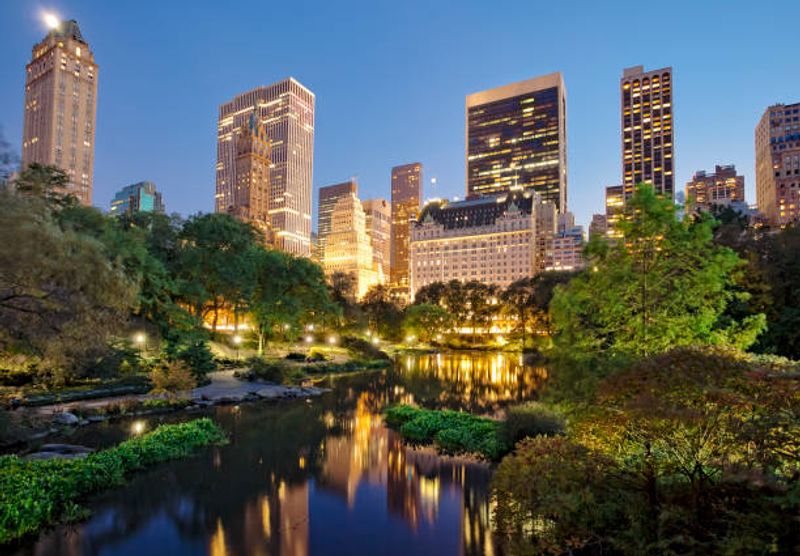
Somewhere around your second week in New York, you check your phone and realize you walked six miles without noticing. That is just how the city works.
Walking is the default mode of transport for millions of New Yorkers, and the infrastructure is built to support it completely.
The grid layout of Manhattan makes navigation surprisingly intuitive once you learn the basics. Twenty city blocks equal roughly one mile, and avenues run north to south while streets run east to west.
Knowing that alone puts you ahead of most tourists wandering around Midtown looking confused.
The health benefits sneak up on you fast. People who move here from car-dependent cities often lose weight within the first few months without changing anything else about their habits.
Walking also gives you time to actually see the city, not just pass through it. You notice the architecture, the corner bodegas, the murals on building walls.
Central Park, which stretches from 59th to 110th Street, becomes your backyard, your gym, and your Sunday afternoon escape all at once. Walking here is not exercise.
It is just living.
7. Honking Is Technically Illegal
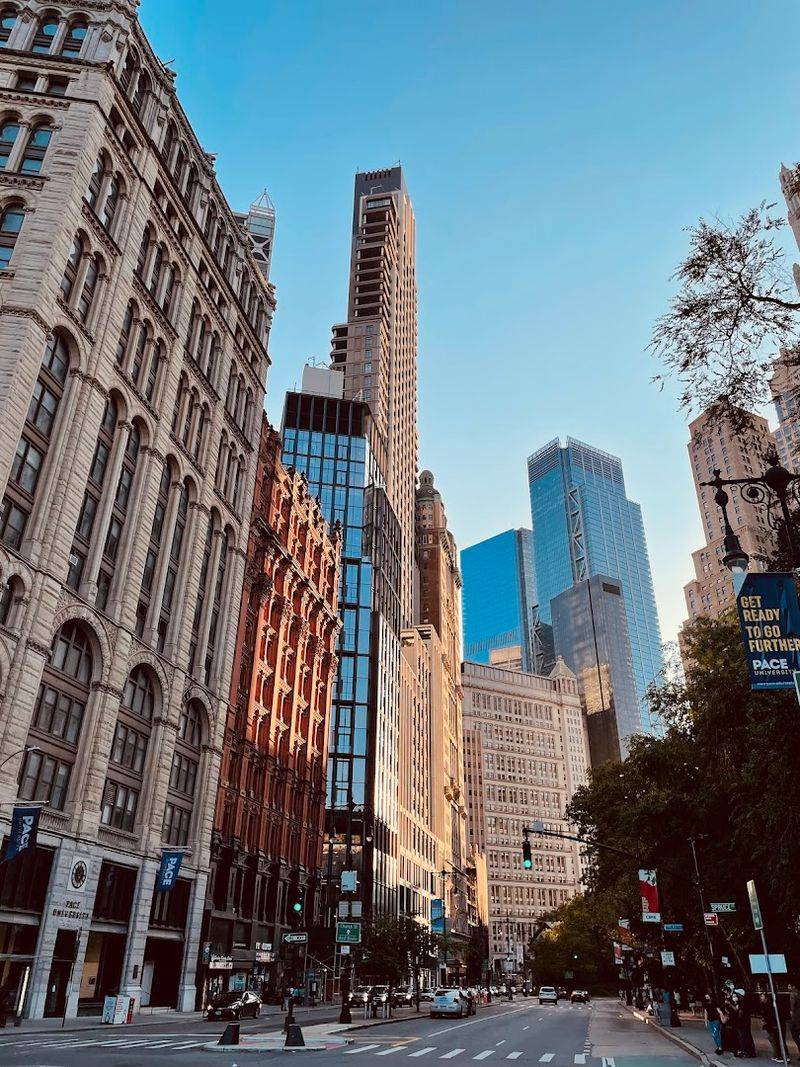
New York City is famously loud, but here is something that will genuinely surprise you: unnecessary honking is illegal under city law. The fine can run up to $350 for a first offense.
And yet, the soundtrack of the city remains a relentless symphony of horns at all hours. Go figure.
The law, outlined in the NYC Administrative Code, prohibits using a horn except when reasonably necessary to ensure safe operation of a vehicle. That window of interpretation is apparently very wide.
Enforcement is rare, which is why the noise ordinance has done approximately nothing to quiet Midtown during rush hour.
For new residents, the honking takes some getting used to. Your first week, it feels aggressive.
By month two, you barely register it. By month six, you catch yourself honking at a pedestrian who took three full seconds to cross and feel absolutely no remorse about it.
The noise is part of the deal. Earplugs and a white noise machine are not signs of weakness.
They are signs of wisdom. Welcome to the loudest polite city in America.
8. Some Buildings Have Their Own Zip Codes
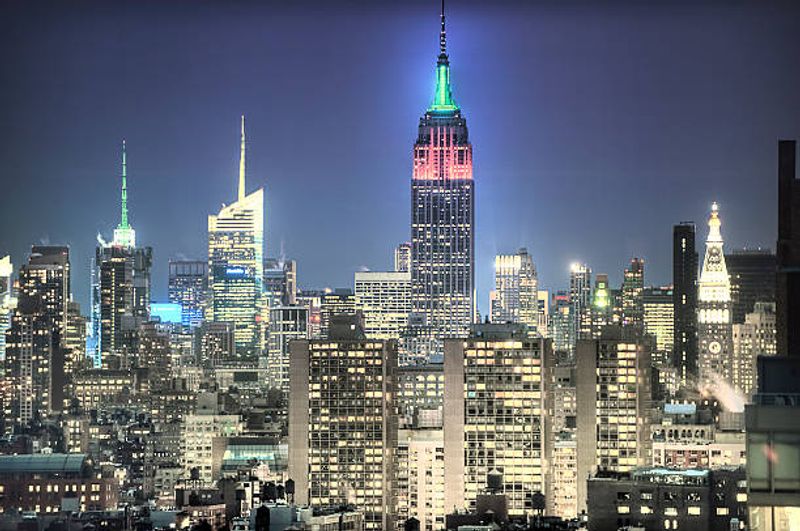
The Empire State Building at 350 Fifth Avenue in Midtown Manhattan has its own zip code: 10118. That is not a quirky rumor.
It is a real, functioning postal designation that the building has held for decades. When a single structure receives enough mail to justify its own routing system, you know you are dealing with something on a different scale entirely.
A handful of other massive New York City buildings and complexes also hold unique zip codes. Rockefeller Center is another famous example, with 10112 assigned to its sprawling complex of buildings between 48th and 51st Streets in Midtown.
These designations exist purely for logistical efficiency, not as a flex, though it absolutely functions as one.
For new residents, this is one of those facts that sounds made up until you try to mail something. The postal system in New York is its own universe, shaped by the sheer density of people and businesses packed into a relatively small geographic area.
It is a small reminder that New York operates at a scale that most cities simply cannot match. Everything here is bigger, even the zip codes.
9. There Are Entire Hidden Worlds Underground
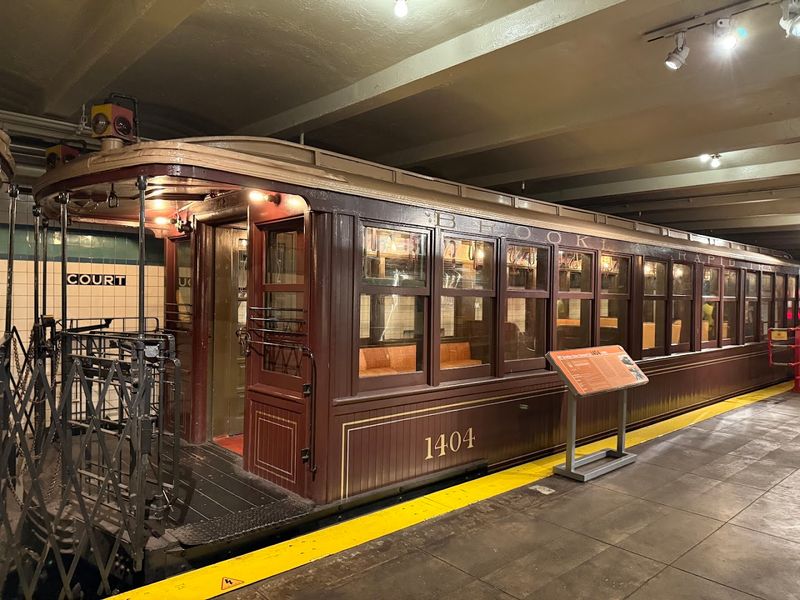
Underneath the streets of New York lies a parallel city that most people never see. Abandoned subway stations, forgotten tunnels, and sealed-off transit spaces form a ghost network beneath the active system.
The most famous example is the City Hall Station, a breathtaking Guastavino-tiled loop that closed to the public in 1945.
The good news is that you can actually visit it. Members of the New York Transit Museum, located at Boerum Place and Schermerhorn Street in Brooklyn, can access the City Hall Station loop on select tours.
The museum itself is one of the best kept secrets in the five boroughs and sits inside a decommissioned 1936 subway station.
Beyond the transit system, New York has underground infrastructure that most residents never think about. There are steam pipes, freight tunnels, and utility networks running beneath nearly every block.
Some of the old pneumatic mail tunnels from the 1800s still exist below the streets of Manhattan. The city above ground is impressive.
The city below ground is genuinely wild. Every layer you discover makes you realize just how much history is literally beneath your feet every single day.
10. You Can Find Global Food On Almost Every Block
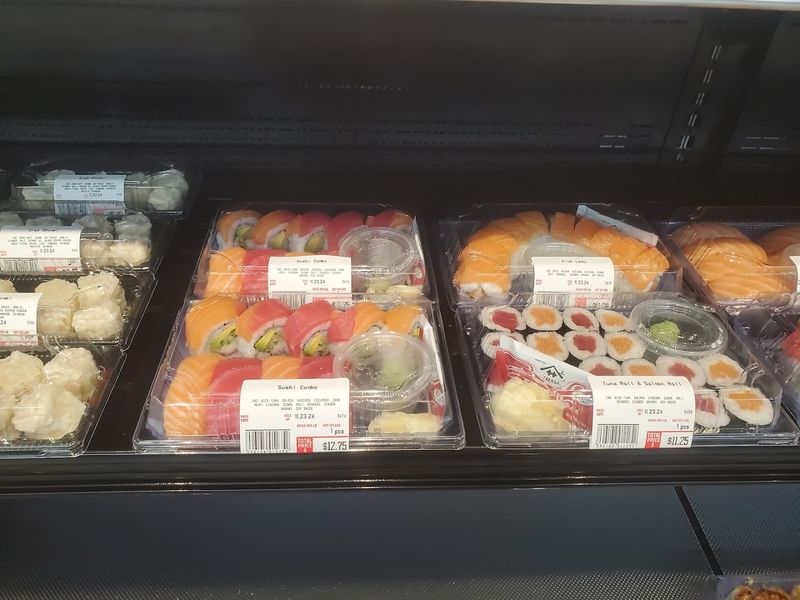
On a single block in Flushing, Queens, you can eat your way through China, Korea, Malaysia, and Taiwan without crossing a single street. New York’s food landscape is not just diverse, it is staggeringly deep.
Every culture represented in the city has its own food scene, and those scenes are serious, not tourist-friendly approximations.
The stretch of Roosevelt Avenue in Jackson Heights alone covers Colombian, Tibetan, Nepali, Indian, and Mexican food within a few blocks. For food lovers, this city is genuinely absurd in the best possible way.
You could eat a different cuisine every day for years and still not finish the list.
New arrivals often spend their first months on a food tour without even planning it. A coworker mentions a Yemeni spot, a neighbor recommends a Georgian bakery, and suddenly your culinary worldview has expanded in ways a travel magazine could never replicate.
The city rewards curiosity with flavor. Do not just eat at the famous places.
Wander into the spots with handwritten menus and plastic chairs. That is almost always where the best food lives, and where the real New York experience begins.
11. Every Neighbourhood Feels Like A Different City
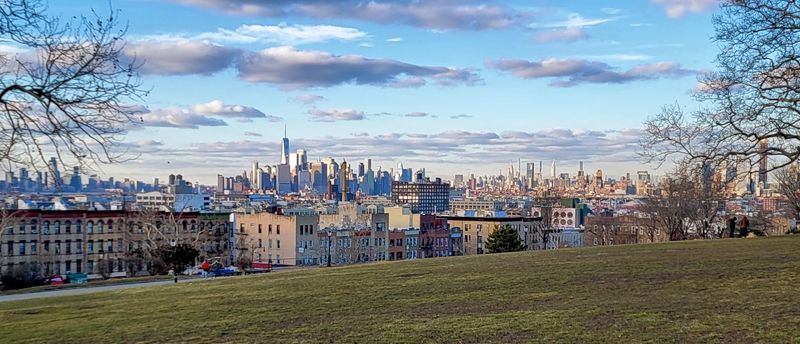
Walk from Chinatown to Tribeca and you will feel like you crossed an international border. The architecture shifts, the noise level drops, the restaurants change, and even the people on the street seem to be operating in a completely different gear.
New York is not one city. It is dozens of cities stacked inside a single metropolitan boundary.
Astoria in Queens still carries strong Greek and Middle Eastern cultural roots. Sunset Park in Brooklyn buzzes with Chinese and Latin American energy.
Harlem holds its own musical and artistic legacy that stretches back over a century. Each neighborhood has a personality that locals take seriously and newcomers quickly fall in love with.
Finding your neighborhood is one of the great pleasures of moving to New York. Most people try two or three before settling somewhere that actually fits.
The rent, the vibe, the commute, and the corner coffee shop all play a role in the decision. Once you find your block, you will defend it with the same passion that New Yorkers defend their pizza opinions.
And honestly, that is exactly how it should be.
12. Tiny Details Often Have Big History
The streets of lower Manhattan are literally built on history. Pearl Street, one of the oldest roads in New York City, got its name from the oyster shells that once lined the shoreline of the East River.
Early Dutch settlers used those shells to pave paths, and the name stuck long after the oysters were gone.
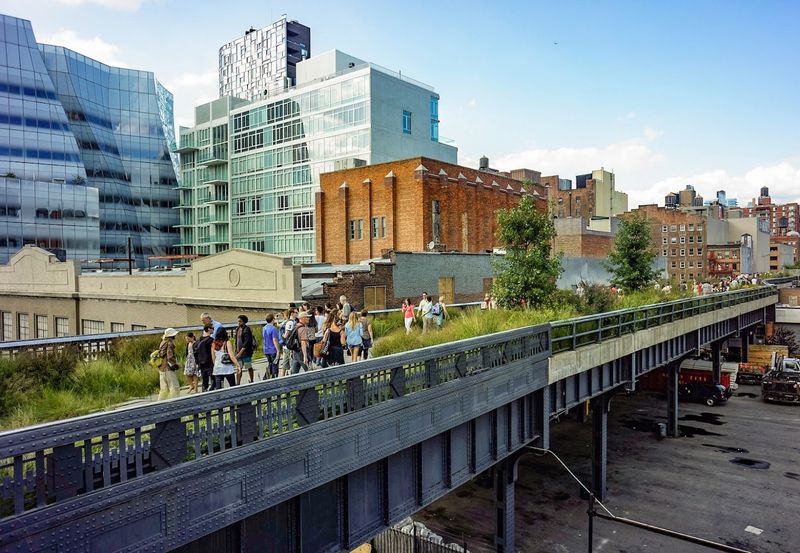
Layers of history show up in unexpected ways all over the city. The High Line, now a beloved elevated park running from Gansevoort Street to 34th Street on the west side of Manhattan, was a freight rail line built in the 1930s to lift dangerous trains off street level.
What was once industrial infrastructure is now one of the most visited public spaces in the country.
New residents who take time to look up, look down, and look closely are rewarded constantly. Cast-iron building facades in SoHo date back to the 1860s and tell the story of a neighborhood that was once a manufacturing hub.
Plaques, cornerstones, and street names all carry meaning if you know where to look. History in New York is not in a museum.
It is under your feet and above your head every single day.
13. The Pace Of Life Is Noticeably Faster
New Yorkers walk fast. Not just fast by normal standards, but fast in a way that feels almost competitive.
Studies have actually measured pedestrian walking speeds across global cities, and New York consistently ranks among the fastest. If you stop suddenly on a Midtown sidewalk, you will know about it immediately.
The pace extends beyond walking. Coffee orders are placed before the barista finishes saying hello.
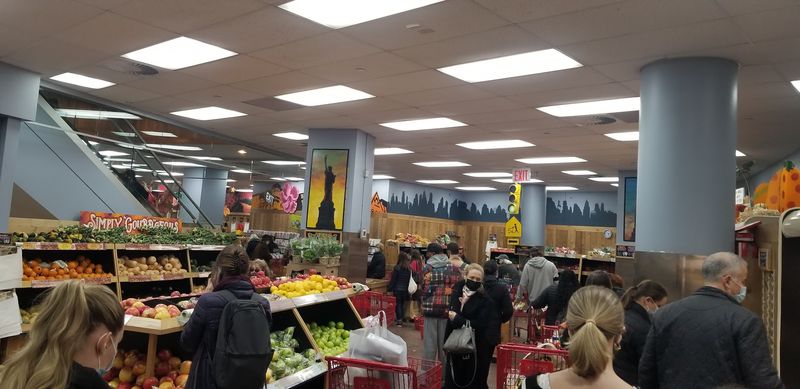
Lunch breaks are taken seriously as efficiency exercises. Even grocery shopping at a place like Trader Joe’s on 72nd Street in Manhattan operates with a kind of focused urgency that first-timers find mildly alarming.
Adapting to the pace is actually one of the most satisfying parts of becoming a New Yorker. There is something genuinely energizing about a city that moves with purpose.
You stop tolerating slowness in yourself and others. You get things done.
You become more direct in conversation, more decisive in choices, and more protective of your time. The pace is not stress.
Once you match it, the pace is momentum. And momentum, as any New Yorker will tell you, is the whole point of being here in the first place.
14. Unexpected Cultural Pockets Exist Everywhere
Turn one unexpected corner in Brooklyn and suddenly you are standing in front of a Haitian bakery next to a Senegalese hair salon next to a Dominican record shop. New York does not announce its cultural pockets.
You just stumble into them, and that is precisely what makes the city so endlessly rewarding to explore.
Little Odessa in Brighton Beach, Brooklyn, is one of the most striking examples. The neighborhood along Brighton Beach Avenue has maintained its Russian and Eastern European identity for decades, complete with food markets, cultural clubs, and a boardwalk community unlike anywhere else in the city.
You can pick up fresh dumplings and feel like you are somewhere across the Atlantic entirely.
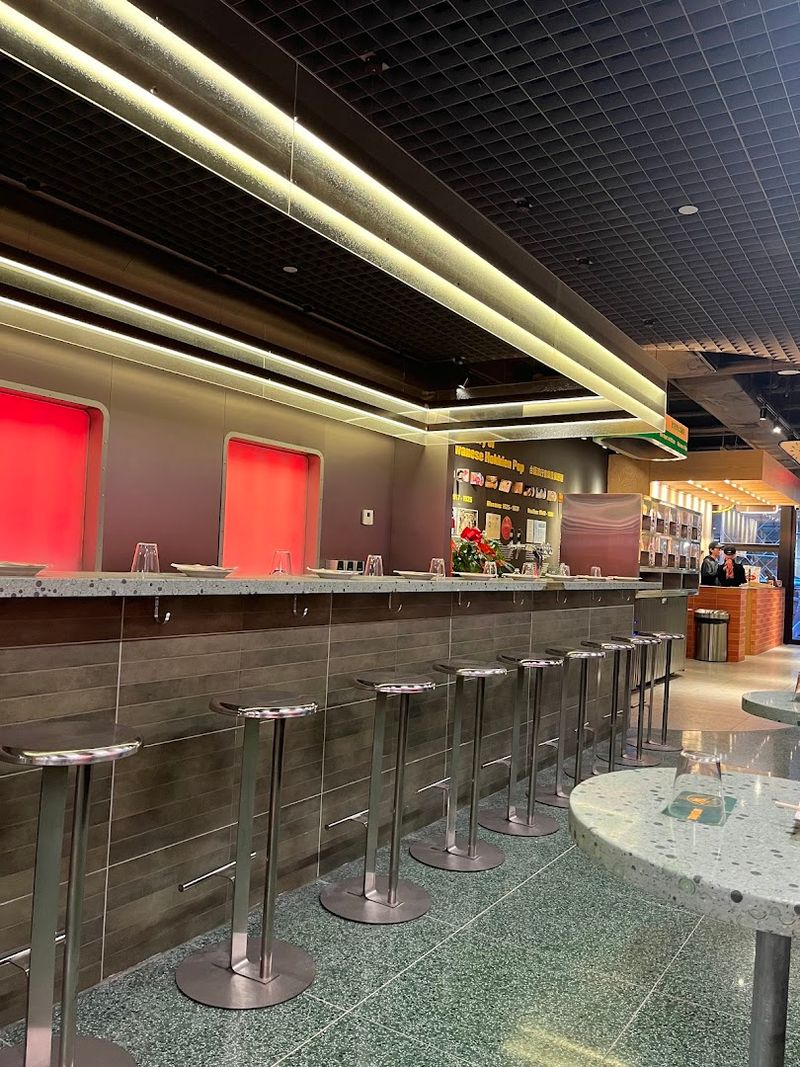
In 2026, new cultural hubs are emerging alongside longtime institutions. Hue House at 56 East 41st Street in Manhattan is a four-story Asian cultural destination with Taiwanese street food, a rooftop spa rooted in traditional Chinese healing, and a retro Mandopop music experience.
The city keeps adding layers without erasing the old ones. That is the New York formula.
Stack culture on top of culture and let the whole thing breathe.
15. The City Constantly Reinvents Itself
New York in 2026 is in full reinvention mode, and the energy is genuinely electric. JFK Airport’s Terminal 6 is reopening after a $19 billion redevelopment, featuring new gates, dining options, and public art installations that set a new standard for what an airport experience can feel like.
First impressions of the city are getting an upgrade.
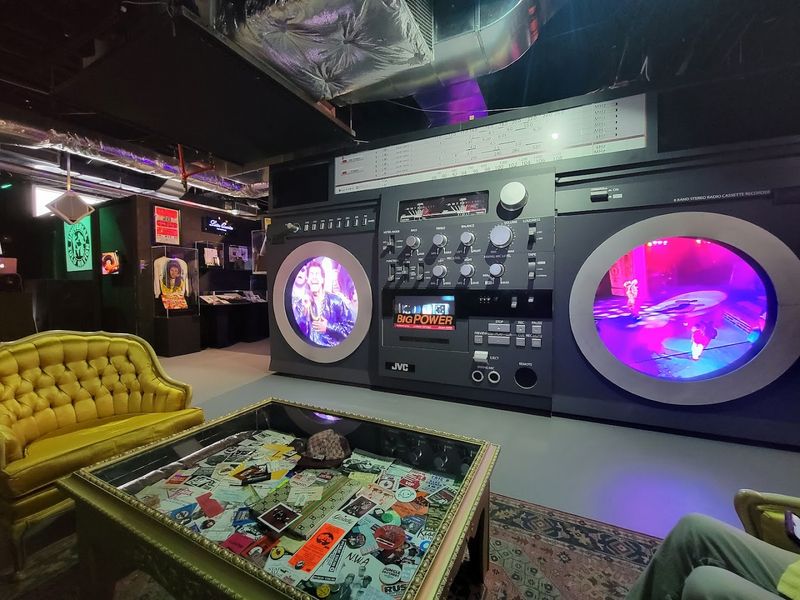
The Hip Hop Museum in the South Bronx is scheduled to open in fall 2026, honoring the birthplace of one of the most influential cultural movements in modern history. Meanwhile MoMA PS1 at 22-25 Jackson Avenue in Queens became the largest free museum in NYC starting January 2026, removing financial barriers to world-class art for the first time.
The FIFA World Cup Final lands in the New York and New Jersey area on July 19, 2026, and the city is preparing to host the world with the kind of logistical swagger only New York can pull off. New neighborhoods are rising, old ones are deepening, and the city refuses to stand still for even a moment.
That restless energy is not chaos. It is the whole reason people keep showing up here from every corner of the planet.