
8 New York Rockhounding Spots Where Fascinating Rocks And Fossils Await This Year
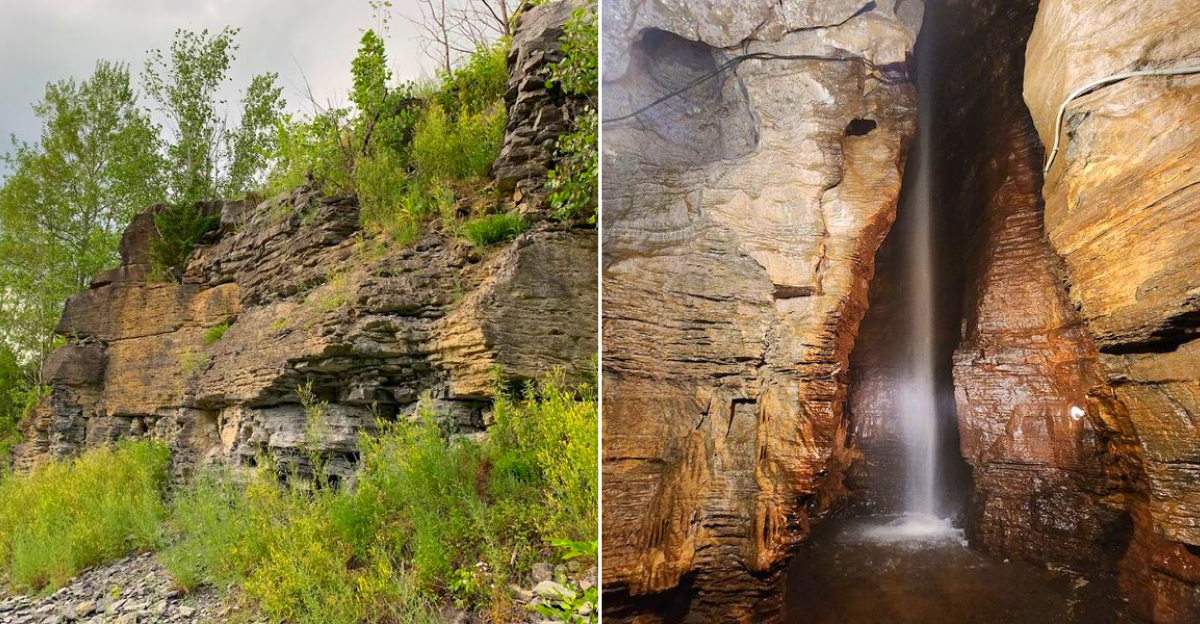
Rocks have a reputation problem and New York is quietly solving it one extraordinary find at a time. Rockhounding in this state is not a niche pursuit.
It is a genuinely rewarding way to spend a day outdoors with something real to show for it. The locations on this list cover serious ground across New York.
Creek beds, exposed hillsides, and sites with the kind of geological variety that keeps experienced collectors coming back season after season. New York outdoor adventures come in every shape and this particular one comes with the added bonus of maybe taking home something older than recorded history.
Bring a hammer and manage your expectations upward.
1. Herkimer Diamond Mines
Clear as glass and sharp as your wit, Herkimer diamonds are one of the most exciting finds in all of New York. They are not real diamonds but double-terminated quartz crystals so perfect they could fool a jewelry store window.
Found in dolostone rock near the towns of Herkimer, Middleville, and Fonda, these gems form inside small pockets called vugs that developed roughly 500 million years ago.
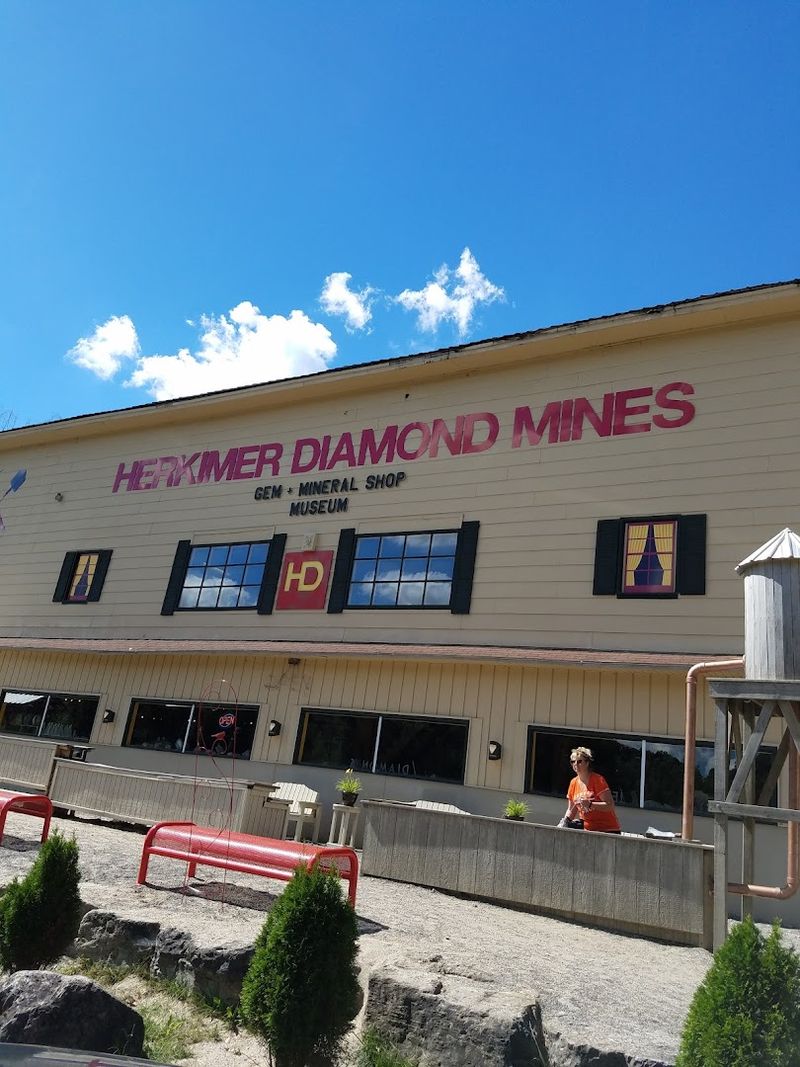
Paid access mines like Herkimer Diamond Mines KOA on State Route 28 in Herkimer, NY 13350 let visitors swing a hammer and crack open their own rocks. Some crystals contain trapped water bubbles or ancient hydrocarbons inside, which makes every find feel like a science experiment and a treasure hunt rolled into one.
Kids and adults both go absolutely wild for this spot. The thrill of splitting open a rock and finding a gleaming crystal inside never gets old.
Bring safety goggles, sturdy gloves, and more enthusiasm than you think you need. Serious collectors have pulled out crystals several inches long from these sites.
The mine staff are knowledgeable and genuinely excited to help beginners get started. Plan to stay longer than you expect because time flies when the rocks are this good.
2. Gore Mountain Gem And Mineral
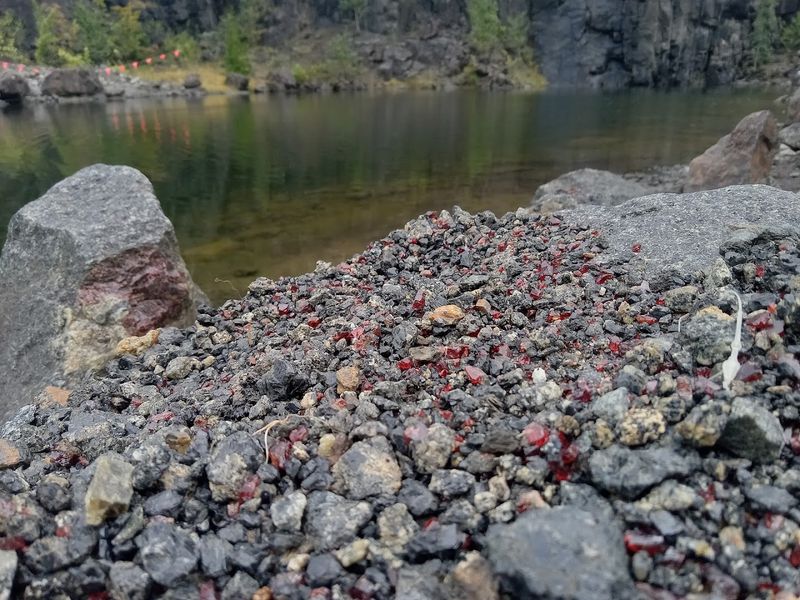
New York’s official state gemstone is the garnet, and Gore Mountain is basically its headquarters. The site at 1126 Barton Mines Rd, North Creek, NY 12853 sits deep in the Adirondack Mountains and is recognized as part of the largest garnet mining operation in the world.
Barton Mines has been producing garnets since 1878, which means this place has serious seniority in the gem world.
The garnets here are almandine garnets, which run deep red to reddish brown and can grow impressively large. Most are used industrially for sandpaper and water filtration, but gem-quality specimens do turn up and they are breathtaking.
The rocky terrain and mountain setting make the whole experience feel adventurous rather than just educational.
Gore Mountain Gem and Mineral offers guided tours and collecting opportunities during the warmer months. The surrounding Adirondack scenery is stunning enough to make the trip worthwhile even before you find a single stone.
Visitors often leave with garnets the size of marbles still embedded in their host rock, which makes for a striking display piece at home. Wear solid boots because the terrain is rugged and uneven.
Bring a rock pick, a brush, and a sense of wonder. The staff here genuinely love what they do and that energy is contagious.
Few places in the country let you collect gems of this size and quality with your own hands.
3. Hooper Garnet Mine
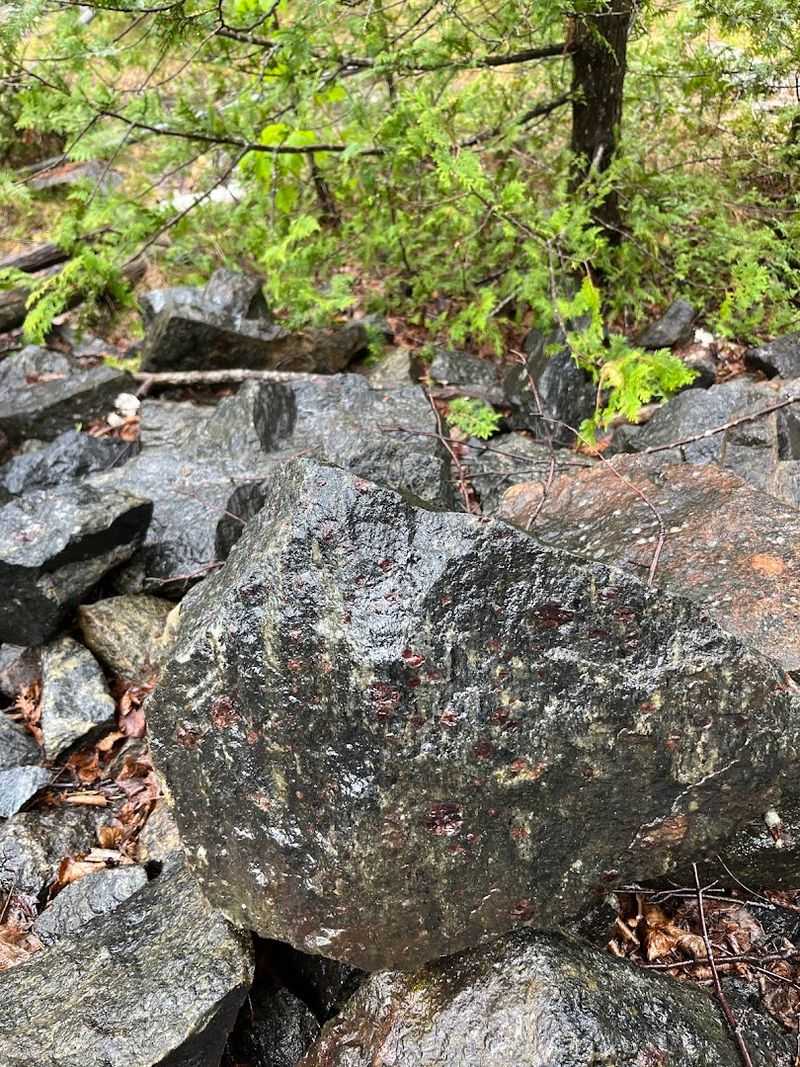
Right in the heart of garnet country, the Hooper Garnet Mine in North Creek, NY 12853 gives rockhounds a raw and unfiltered experience. Unlike more polished tourist operations, Hooper has a rugged charm that appeals to collectors who want to feel like they earned their finds.
The Adirondack bedrock here is Precambrian metamorphic rock, meaning these garnets formed under intense pressure over a billion years ago.
Almandine garnets at Hooper can be massive, sometimes reaching several inches across. Finding one still locked in its host rock is a satisfying moment that a photograph cannot fully capture.
The site rewards patience and a good eye more than expensive equipment.
Access and hours can vary by season, so checking ahead before making the drive is a smart move. North Creek itself is a charming small town worth exploring while you are in the area.
Local outfitters and shops can point you toward the best collecting areas nearby. Bring a sturdy rock hammer, chisels, and a collecting bag with good padding to protect your specimens on the way home.
The combination of beautiful mountain scenery and the hunt for genuine gemstones makes this spot feel completely unlike your average weekend outing. Garnet collecting in the Adirondacks is the kind of activity that turns a casual rock fan into a full-blown enthusiast.
Once you pull your first big crystal free from the matrix, you will understand why people keep coming back.
4. Penn Dixie Fossil Park And Nature Reserve
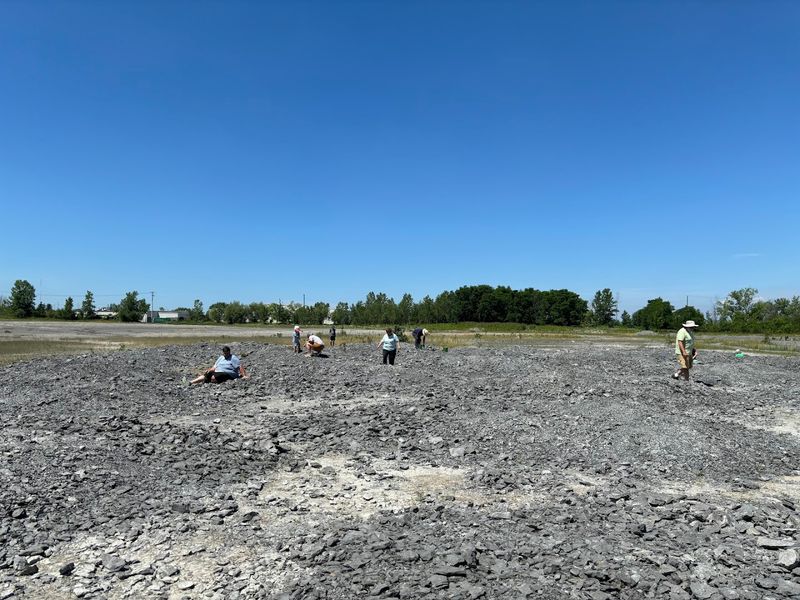
Fossil hunting does not get more beginner-friendly than Penn Dixie Fossil Park and Nature Reserve at 4050 North St, Blasdell, NY 14219. Spread across 54 acres in western New York, the park sits on ancient seabed that formed roughly 380 million years ago during the Devonian period.
That means every slab of shale you flip could be hiding a creature that predates the dinosaurs by over 100 million years.
Common finds include trilobites, brachiopods, corals, crinoids, cephalopods, and gastropods. Trilobites are the rock stars of the collection here and finding even a partial one sends a very real jolt of excitement through your whole body.
The park is family-friendly and staff members lead educational programs that make the science feel accessible and fun.
Admission fees are reasonable and your finds are yours to keep, which makes every visit feel incredibly rewarding. The flat shale beds are easy to work through with simple tools like a butter knife or small chisel.
No heavy equipment is needed and no prior experience is required. Groups, school trips, and solo collectors all find something to love at Penn Dixie.
The park also hosts special events and fossil identification sessions throughout the year. Wear clothes you do not mind getting dirty because the shale dust gets everywhere.
Pack water, sunscreen, and a sturdy bag for your fossils. Penn Dixie consistently ranks among the top fossil parks in the entire United States and one visit makes that reputation crystal clear.
5. Natural Stone Bridge And Caves
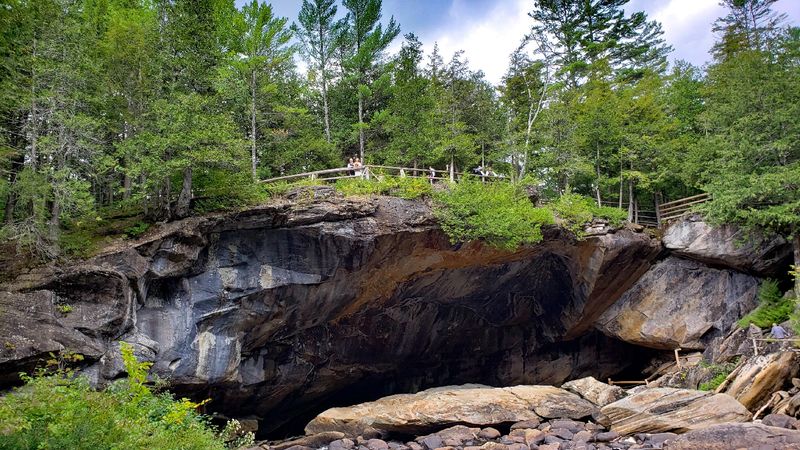
Geology does not always sit still and Natural Stone Bridge and Caves at 535 Stone Bridge Rd, Pottersville, NY 12860 proves that in the most dramatic way possible. The attraction features the largest natural stone bridge east of the Mississippi River, carved out of marble by thousands of years of rushing water.
The cave system beneath it is just as impressive with twisting passages and ancient rock formations at every turn.
The stone here is primarily Grenville marble, a metamorphic rock that formed over a billion years ago. Walking through the caves gives you a tangible sense of deep time that no textbook photograph can replicate.
Pothole formations, sculpted by swirling glacial meltwater, appear throughout the site and look almost too perfect to be natural.
The property is open to the public seasonally and offers guided and self-guided tours. Admission is paid and the experience is well worth every dollar.
Rockhounds will appreciate the exposed rock faces throughout the trail system where mineral veins and crystal pockets are visible in the walls. Photography enthusiasts also love this spot because the lighting through the cave openings creates genuinely stunning shots.
Wear non-slip footwear because wet marble is surprisingly slippery. The surrounding Adirondack foothills add a layer of scenic beauty that elevates the whole visit.
Families with curious kids will find the cave system endlessly fascinating. It is one of those places that feels like New York saved a secret just for the people willing to look for it.
6. Rickard Hill Fossils
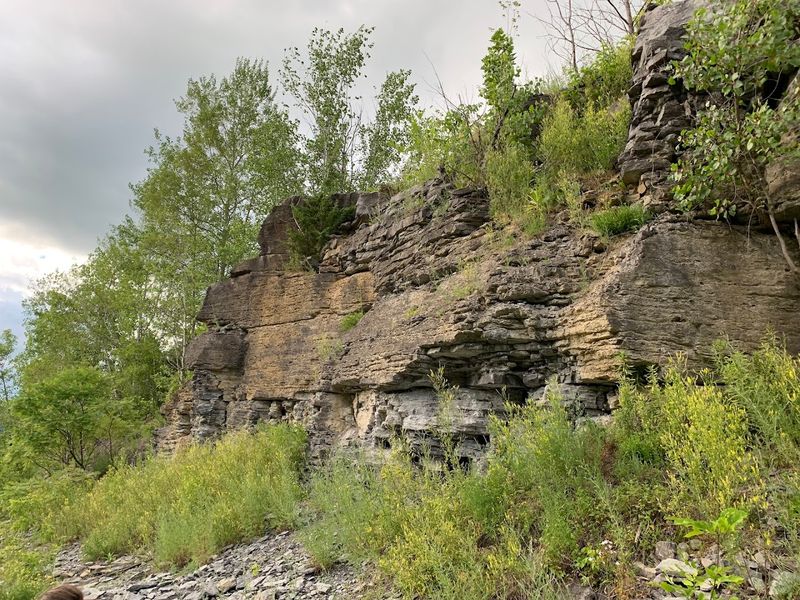
Rickard Hill near 234-270 Co Rd 1B, Schoharie, NY 12157 is the kind of spot that seasoned collectors whisper about to each other like it is a closely guarded secret.
The area exposes Devonian limestone and shale packed with marine fossils from an ancient shallow sea that covered central New York roughly 380 to 400 million years ago.
Corals, brachiopods, crinoid stems, and bryozoans are all common finds here.
The outcrops along the roadside and hillside are accessible but require some scrambling over uneven terrain. Good boots and a basic field kit go a long way toward making the experience comfortable and productive.
The fossils here are often well-preserved and the limestone matrix makes them easier to extract cleanly than softer shale sites.
Schoharie County is a beautiful part of New York that does not get nearly enough attention from the rockhounding community. The rolling hills and farmland backdrop give the whole outing a peaceful, almost meditative quality.
Collecting here feels genuinely exploratory because the site is not heavily trafficked or commercialized. That means more undisturbed material for those willing to put in the effort.
Always verify access permissions before collecting on private land near any roadside outcrop. Local geological societies in the region sometimes organize group trips to Rickard Hill and joining one is a great way to learn the site quickly.
The fossils you find here carry the weight of hundreds of millions of years and that is not something you forget easily.
7. Secret Caverns
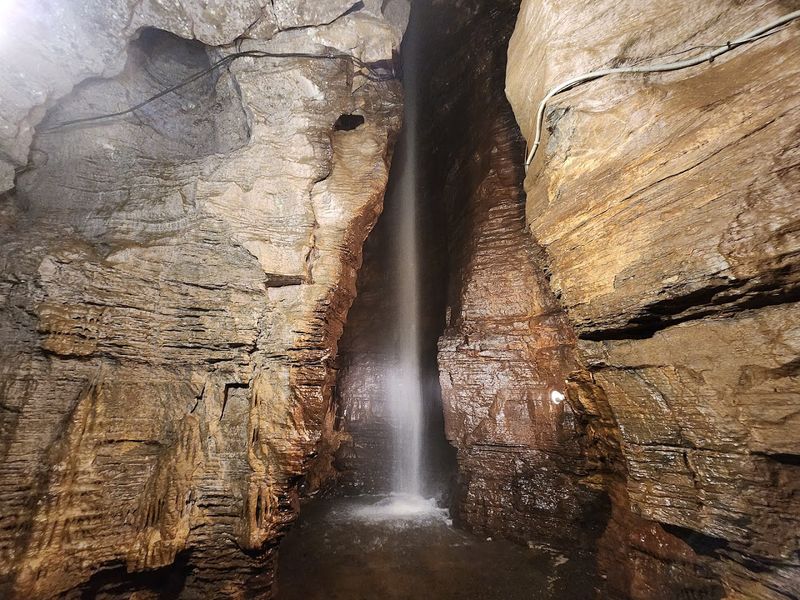
Secret Caverns at 671 Caverns Rd, Howes Cave, NY 12092 earns its name every single time a visitor rounds a corner and gasps at what the earth has been quietly building for millions of years.
The cave was discovered in 1928 and has been open to the public since then, offering guided tours through rooms filled with stalactites, stalagmites, flowstone, and a stunning 100-foot underground waterfall.
Yes, a waterfall underground. New York does not play around.
The cave system formed in Ordovician-age limestone that is over 400 million years old. Mineral-rich groundwater has been slowly depositing calcite formations for thousands of years, creating shapes that look almost sculpted by hand.
The underground waterfall alone makes the trip entirely worth it.
Tours run year-round and the cave maintains a consistent cool temperature inside, making it a refreshing stop on a hot summer day. The guides are enthusiastic and share genuinely interesting geological facts throughout the tour.
Secret Caverns has a delightfully retro roadside charm that sets it apart from more corporate cave attractions. Hand-painted signs and quirky decorations give the property a personality all its own.
The surrounding area near Howes Cave also offers access to other geological points of interest worth exploring. Rockhounds who appreciate mineralogy will find the cave formations endlessly fascinating.
Photography inside the cave is allowed and the lighting makes for dramatic shots. Bring a light jacket because the underground temperature stays around 50 degrees Fahrenheit regardless of the season above.
8. Gilboa Museum
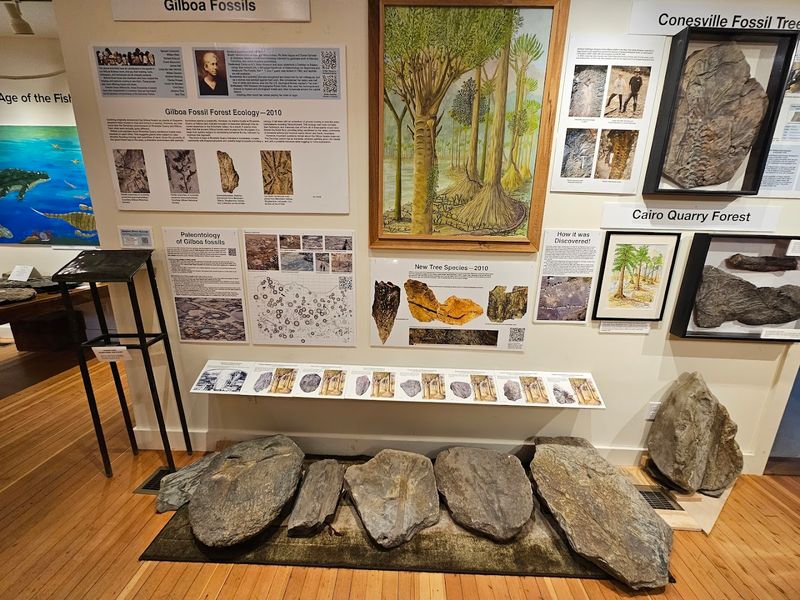
This list wouldn’t have made it without the honorary mention of a fossil exhibition you should add to your bucket list. Yes, even if you can’t take anything home.
At 122 Stryker Rd, Gilboa, NY 12076 sits one of the most underrated geological destinations in the entire state. The Gilboa Museum is home to fossil tree stumps from the Gilboa Forest, which is recognized as the world’s oldest known forest.
These Devonian-age fossils date back roughly 385 million years and represent some of the earliest trees to ever grow on land. That is not a small claim and the museum backs it up beautifully.
The fossils on display include Eospermatopteris tree stumps that were first discovered during construction of the Gilboa Dam in the early 1900s. Additional specimens have been uncovered over the decades and the museum presents them with clear, engaging context.
Seeing a tree stump from 385 million years ago up close is a genuinely humbling experience.
The museum is small but the quality of the exhibits punches well above its size. Staff and volunteers are passionate about the site’s significance and that enthusiasm comes through in every interaction.
Gilboa is a quiet town in Schoharie County and the drive there through the Catskill foothills is scenic and relaxing. The museum is best visited as part of a broader Schoharie County rockhounding day that includes nearby fossil outcrops.
Admission is affordable and the museum shop carries local fossil replicas and educational materials. For anyone serious about paleobotany or Devonian geology, Gilboa Museum is not optional.
It is essential. New York rarely gets credit for hosting the world’s oldest forest and this little museum is determined to change that.