
New York’s Most Perfect Lake Town Isn’t So Secret Anymore
Picture a lake shaped like a giant fork, splitting into two arms that double the shoreline and the surprises.
New York holds hundreds of small towns, but none play quite this trick with water and light. Vineyards climb every hillside above the shore, spilling grapevines toward a village that still feels like a secret.
Locals swear by a white gazebo square where afternoons melt into conversation and ice cream. Trails wind past waterfalls and old railroad beds.
History buffs will find century old inventions tied to flight itself, born along this shoreline. Boaters, swimmers and wanderers all show up for their own reasons.
Yet everyone leaves talking about the same thing. New York keeps this gem quiet no longer.
Maybe it is finally time to start planning a visit.
The Y-Shaped Lake That Started It All
Crooked Lake. That is what locals have called Keuka for generations, and one look at a map explains why.
Most Finger Lakes run in tidy north-south lines. Keuka splits into two arms partway up, forming a rough Y that doubles the shoreline and confuses first-time boaters.
Hammondsport sits at the southern tip, in Steuben County, New York, within the Town of Urbana, with its own ZIP code of 14840. Wooded hills rise on both sides of the village.
The shape matters more than it seems. Extra shoreline means extra coves, extra bluffs, and extra spots where the view changes every few hundred feet.
Water stays relatively calm in the arms. Sunlight scatters across the surface in late afternoon and the far shore turns soft green.
Vineyards stripe the slopes above, thriving in the microclimate the lake creates. Cold air drains toward the water and frost arrives later than it should.
Drivers along the shore roads keep pulling over. Photographers do the same, usually more than once.
Something about a lake that refuses to run straight keeps people looking twice.
Two Centuries Packed Into A Few Blocks
1792. That is when the first settlers arrived at the foot of the lake, long before anyone imagined tour buses.
The land changed hands a few times in the following years, and a landowner named Hammond eventually gave the place its name. Hammond’s Port became Hammondsport, and the shortened version stuck.
Grapes arrived in 1829 when a local minister planted cuttings on the hillside. Nobody knew it then, but that small experiment launched an entire industry.
The village later claimed the title of winery capital of New York and became home to U.S. Bonded Winery No. 1.
Not bad for a settlement of a few hundred residents.
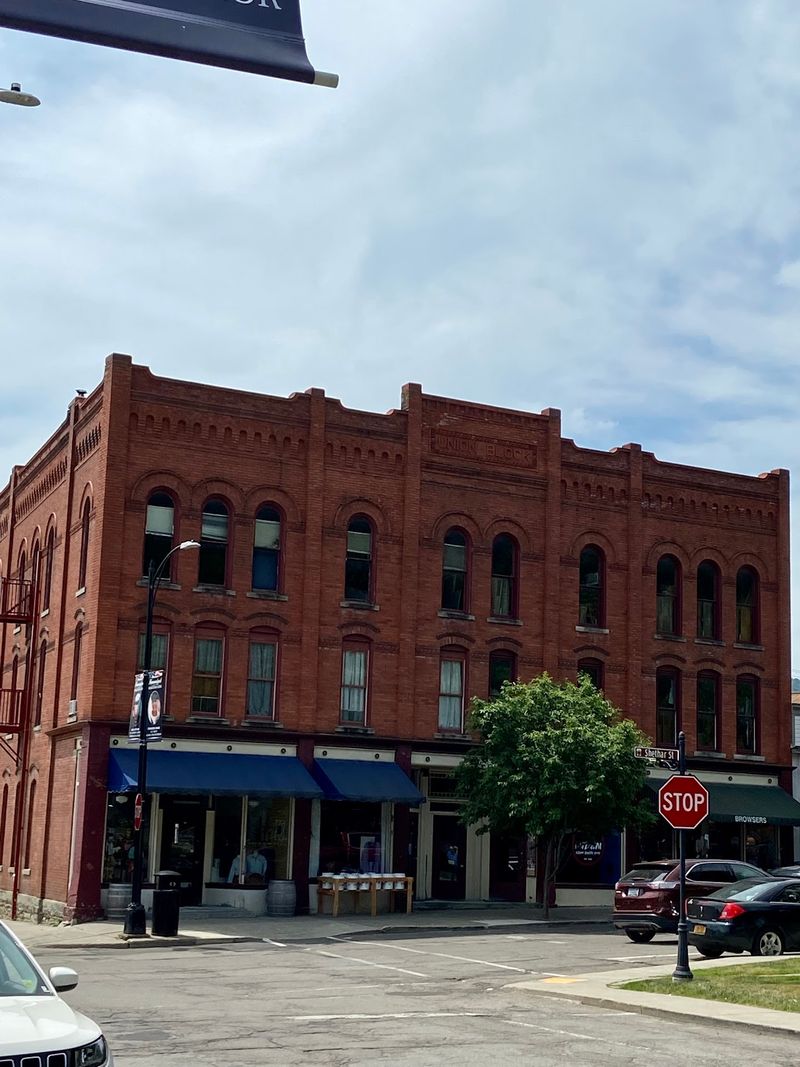
Old architecture survives throughout the center. Brick storefronts, wooden porches, and tall windows line the streets around the square.
Historical markers appear on corners where visitors least expect them. Reading a few of them changes how the whole village looks.
Steuben County records trace much of this back through generations of the same families.
History here does not sit behind glass. It holds up the buildings people shop in.
Pulteney Square And Its White Gazebo
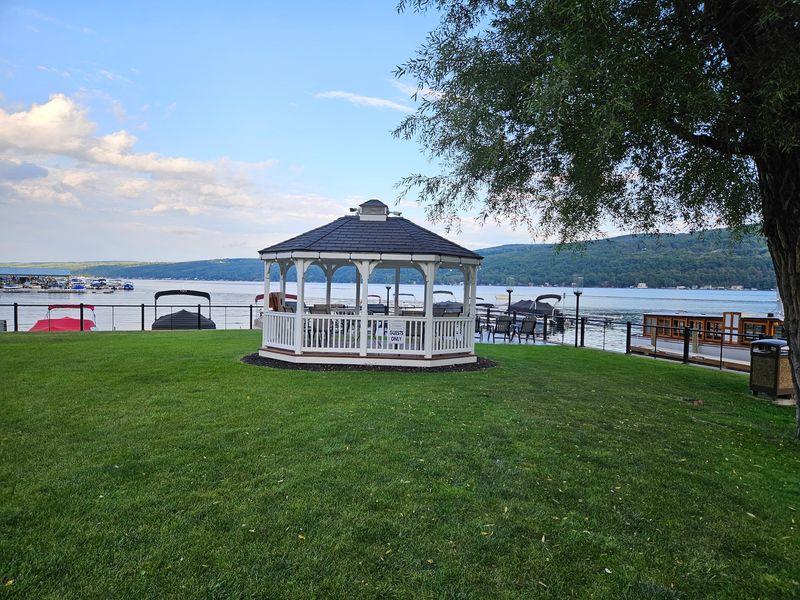
Every good village needs a center. Pulteney Square handles the job with a white gazebo, shade trees, and benches that fill up by mid-morning.
Shops ring the green on all sides. Independent owners run most of them, selling books, gifts, artwork, and things nobody planned to buy until they walked in.
Galleries display work by regional artists. Cafes put chairs on the sidewalk when the weather cooperates.
Nothing moves quickly here, which is the point. Browsing stretches into hours without anyone noticing.
The gazebo doubles as a bandstand during warmer months. Concerts draw families with folding chairs and blankets across the grass.
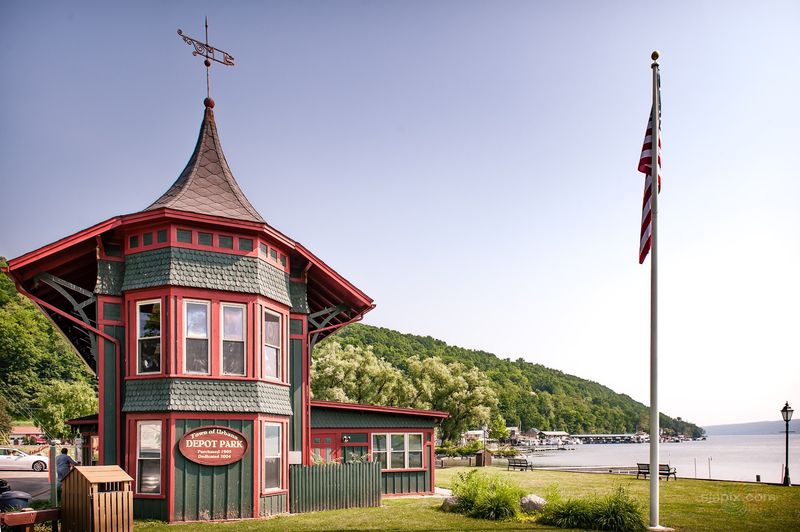
Depot Park sits a short walk downhill, giving the public direct access to Keuka Lake. Swimmers, boaters, and picnickers share the space.
That short distance between square and shoreline shapes daily life. Residents run errands, then wander down to the water.
Parking near the square fills fast on summer Saturdays, so arriving early pays off.
A village this small should not feel this lively, yet the square hums along regardless.
Where Naval Aviation Got Its Wings
Bicycles, then motorcycles, then airplanes. That was the career path of the village’s most famous inventor.
Glenn H. Curtiss was born in Hammondsport and started out chasing speed on two wheels.
Powered flight came next, and he never looked back.
He built early aircraft and pioneered seaplanes, testing many of them right on Keuka Lake. The water made a forgiving landing strip for machines still working out their problems.
History books call him the Father of Naval Aviation. The title came from work that began on this lake.
The Glenn H. Curtiss Museum preserves the story today.
Vintage aircraft, antique motorcycles, and hands-on exhibits fill the space.
A restoration shop sits inside the building, where volunteers rebuild historic machines. Visitors can often watch the work in progress.
Exhibits rotate, so repeat trips turn up something different. Families with curious kids tend to stay longer than planned.
Aviation buffs travel considerable distances to see the collection.
Few lake towns can claim a chapter in flight history, but this one earned its place honestly.
Swimming, Paddling, And Casting A Line
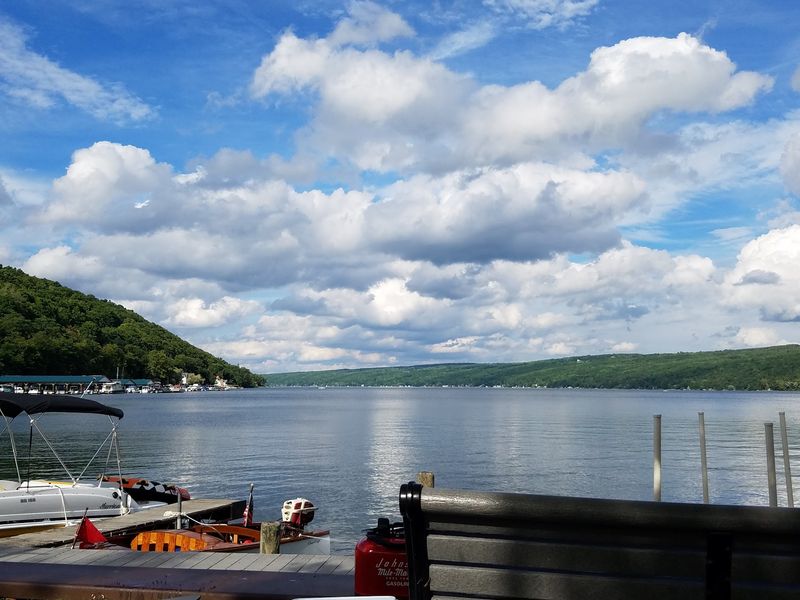
Warm water in the Finger Lakes? Keuka delivers better than most, thanks partly to its shallower profile.
Public beaches at Depot Park and Champlin Beach give swimmers easy entry. Both stay busy through July and August.
Kayaks, paddleboards, sailboats, and motorboats all share the surface. Rentals are available for anyone arriving without gear.
The Y shape keeps paddling interesting. Turning into a different arm changes the scenery completely.
Anglers do well here too. Yellow perch, bass, and lake trout all swim these waters, and fishing licenses apply as they do statewide.
Several shoreline restaurants offer dock access. Boaters tie up, eat lunch, and push off again.
Evening light on the water draws crowds to outdoor decks. Sunsets over the western hills rarely disappoint.
Life jackets, sunscreen, and a plan for changing weather all belong in the boat. Conditions can shift faster than expected on open water.
Rental availability varies by season and operator, so calling ahead helps.
The lake asks nothing except that visitors show up and get wet.
Vineyards Climbing Every Hillside
Grapes came first, and they never left. Rows of vines wrap the slopes above the lake in every direction.
The 1829 planting started it. Over a century later, a determined researcher proved that European vinifera varieties could survive Finger Lakes winters, and the region changed direction.
Cold air sliding downhill toward the lake protects the vines. That microclimate explains why this narrow strip of New York grows what it does.
The Keuka Lake Wine Trail links vineyards around the shoreline. Vineyard patios often come with sweeping water views included at no extra charge.
Several long-established estates operate nearby, along with newer producers experimenting with different varieties. Hours and offerings vary seasonally.
Grape juice, jams, and fresh fruit show up at farm stands during harvest. Autumn brings the busiest weeks of all.
Point of the Bluff Vineyards hosts a farmers market, adding local produce to the mix.
Shuttle services make the trail easier to navigate for those who prefer not to drive between stops.
Two hundred years of trial and error produced these hillsides, and the results speak for themselves.
Seven Miles Of Old Railroad Bed
Trains once ran this route. Now hikers, cyclists, and runners have it to themselves.
The Keuka Lake Outlet Trail follows an abandoned railroad bed dating to 1884, tracing the stream that connects Keuka Lake to Seneca Lake. Seven miles of mostly level path make it accessible for a wide range of fitness levels.
Waterfalls appear along the way. Old mill foundations hint at the industry that once lined the outlet.
Shade covers much of the route in summer. Spring brings higher, louder water.
West of the village, a stretch of the Finger Lakes Trail offers rougher terrain. A deep post-glacial gorge, a kettle hole, and a hemlock forest all sit along that section.
Sturdy shoes help. So does checking conditions after heavy rain.
Drivers who prefer scenery without sweat can follow Lake Road instead. The route hugs the shoreline past vineyards and pull-offs made for photographs.
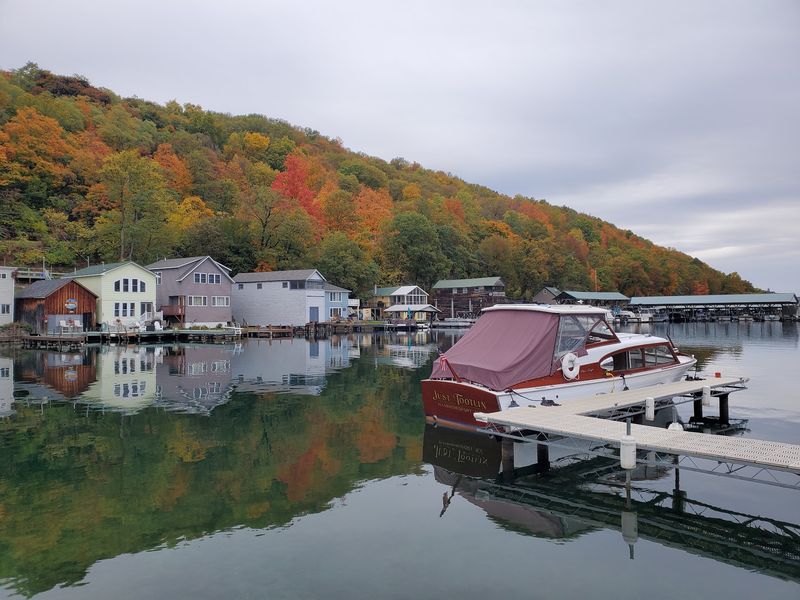
Autumn turns the surrounding hills gold, orange, and deep red.
Trails like these reward anyone willing to trade the car keys for a decent pair of boots.
Breakfast Pastries And Farm-To-Table Plates
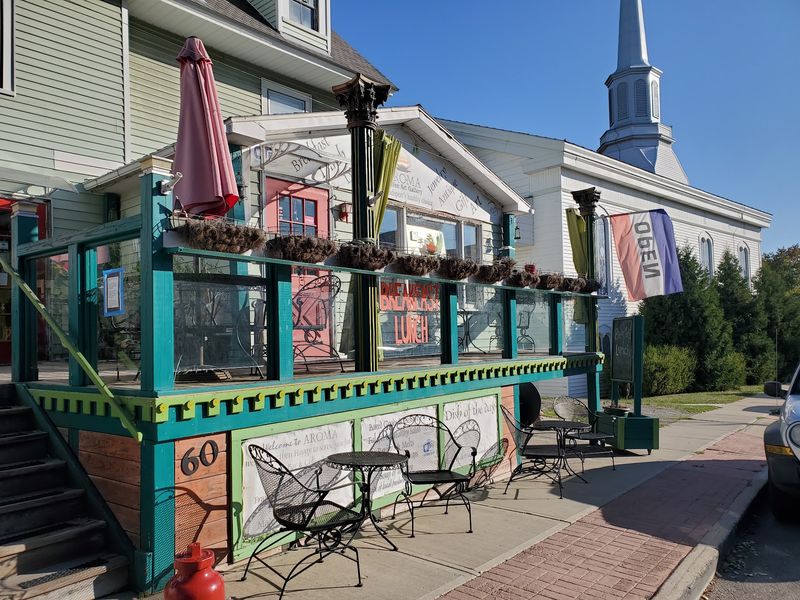
Coffee first. The village bakeries handle mornings with fresh pastries and strong cups to match.
Vern’s Bakery has built a following on baked goods. Crooked Lake Ice Cream Company covers espresso, light lunches, and the frozen treats its name promises.
Menus change with the seasons at some spots. The Park Inn restaurant leans into farm-to-table cooking using regional produce.
Casual gathering places round out the options.
Lakeside restaurants add water views to the equation, and a few welcome arrivals by boat. Tying up for lunch feels perfectly normal here.
Small markets and specialty shops stock cheeses, breads, and regional products. Assembling a picnic takes about ten minutes.
Eating that picnic at Depot Park costs nothing and delivers a lake view.
Summer weekends bring waits at popular spots, so flexible timing helps. Off-season hours can be shorter.
Nothing here tries to be fancy for its own sake.
Good ingredients, short distances, and unhurried service explain most of the appeal.
Concerts, Classic Boats, And Seaplanes
Thursday evenings in summer belong to music. The Village Bandstand hosts open-air concerts through July and August.
Families arrive with chairs and settle onto the grass. The music carries across the square and out toward the water.
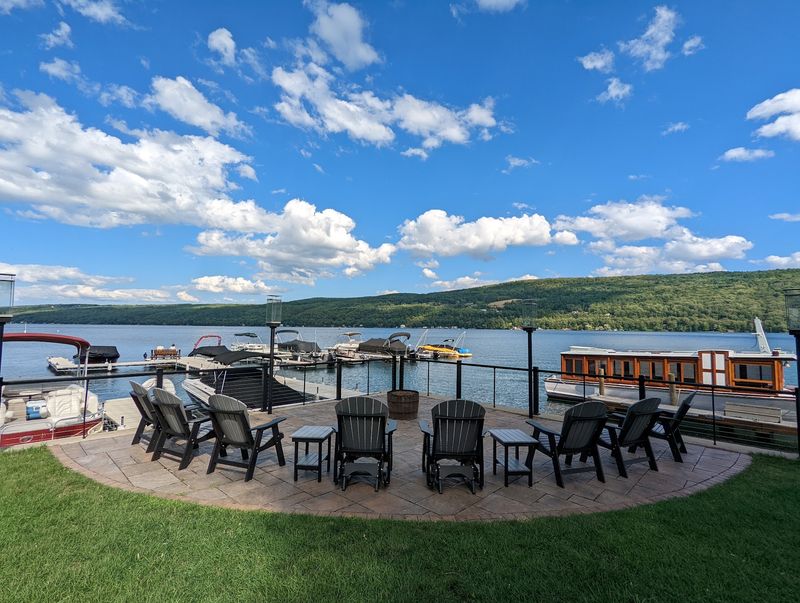
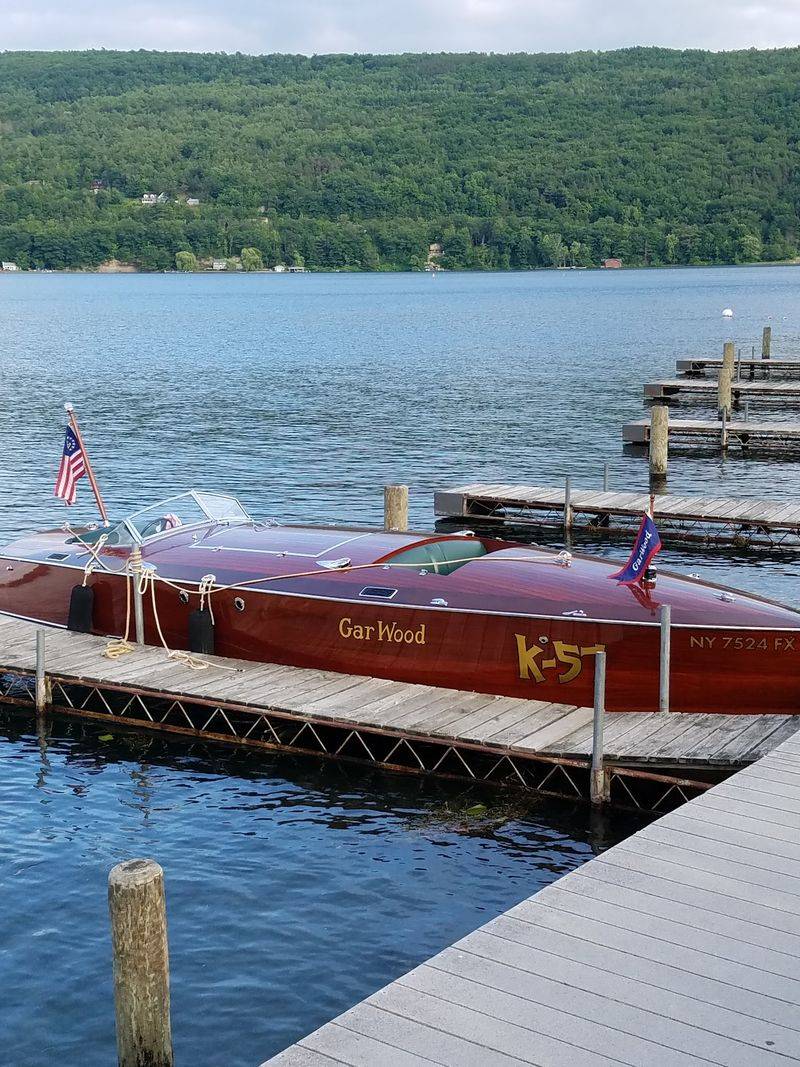
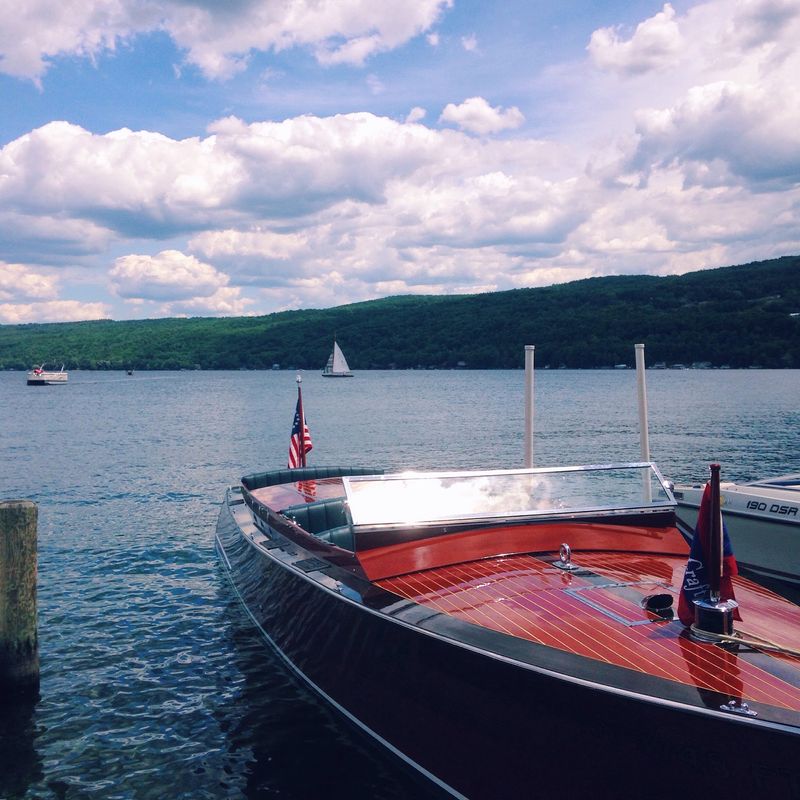
The Classic Boat Show brings polished wooden vessels to Depot Park. Chrome, varnish, and decades of careful upkeep are all on display.
Owners happily explain restoration details to anyone who asks. Boating history in this region runs deep, back to the steamboat era.
Wings and Wheels combines seaplanes and classic cars in one event. Only a village with this particular past could pull that off convincingly.
Art shows appear on the calendar too, featuring handcrafted work from regional makers.
Event dates shift year to year, so checking a current schedule before traveling makes sense. Lodging fills quickly around the bigger weekends.
Crowds swell, but the small-town friendliness holds steady.
Locals seem to enjoy these gatherings as much as the visitors do, which says something about the place.
Small Museums And Dusty Antique Shelves
The famous attractions get the attention. The quieter ones often reward visitors more.
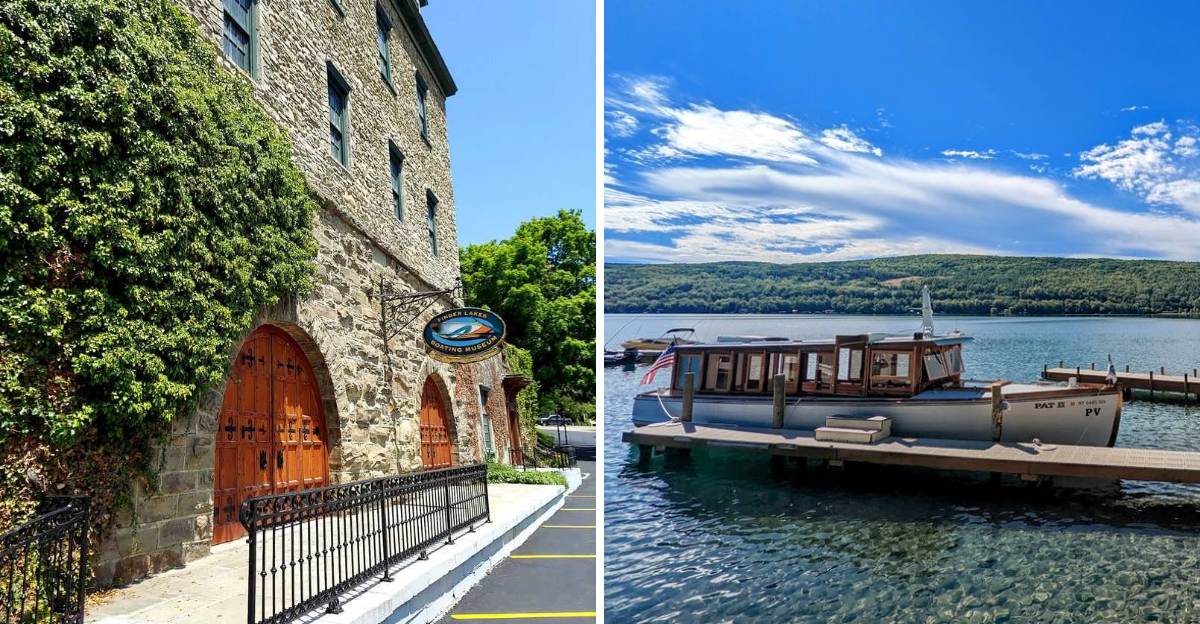
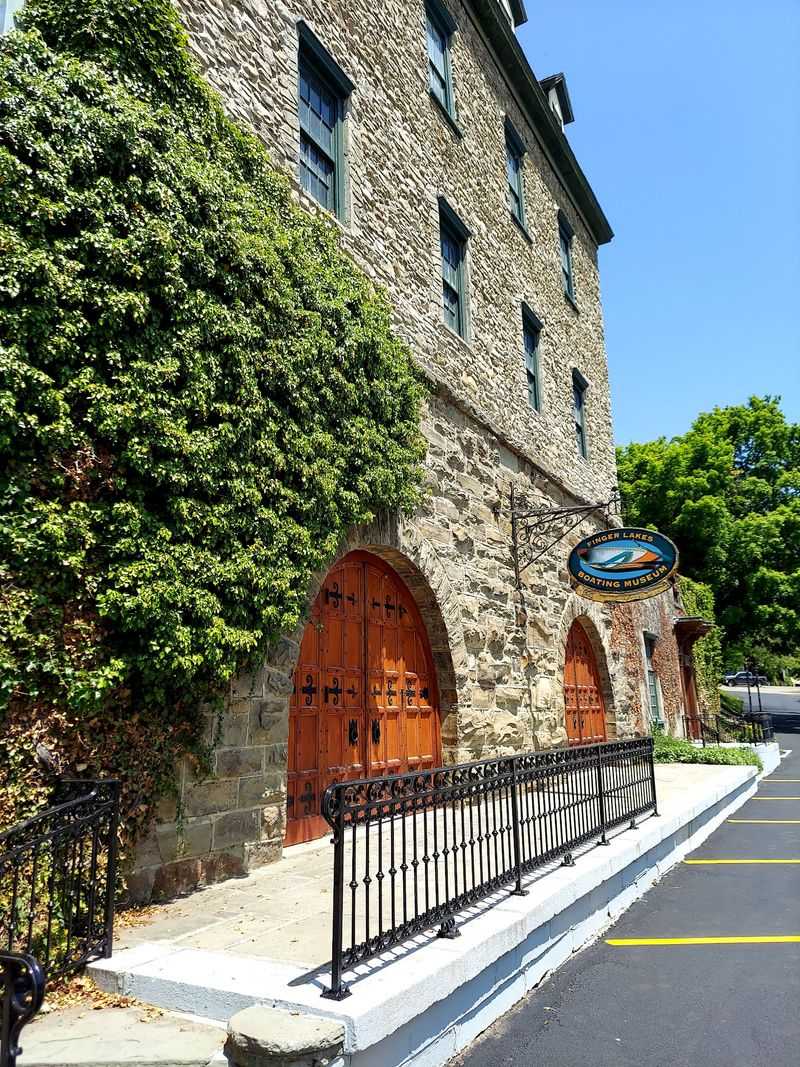
The Finger Lakes Boating Museum tells the story of boat building across the region. Exhibits cover the steamboat era on Keuka Lake and the craftsmen who shaped local vessels.
Barrel making and early production methods feature at the Greyton H. Taylor Wine Museum.
The displays trace how the industry looked before modern equipment arrived.
Both museums stay manageable in size. An hour in either one adds real context to everything else in the village.
Antique hunters have options too. Patina and Opera House Antiques sit in the village itself.
Crooked Lake Antiques waits on the edge of town for anyone still browsing.
Inventory changes constantly at shops like these. Return trips turn up things that were not there before.
Rainy afternoons find their purpose in these buildings.
Skipping the smaller stops means missing the part of Hammondsport that locals actually talk about over coffee.
Planning A Trip That Actually Works
Comfortable shoes beat everything else on the packing list. The village is compact and walking covers most of it.
Pulteney Square, the shops, and Depot Park all sit within easy reach of each other. Leaving the car parked for the day is realistic.
Public lake access points make spontaneous swimming possible. Towels in the trunk are never wasted.
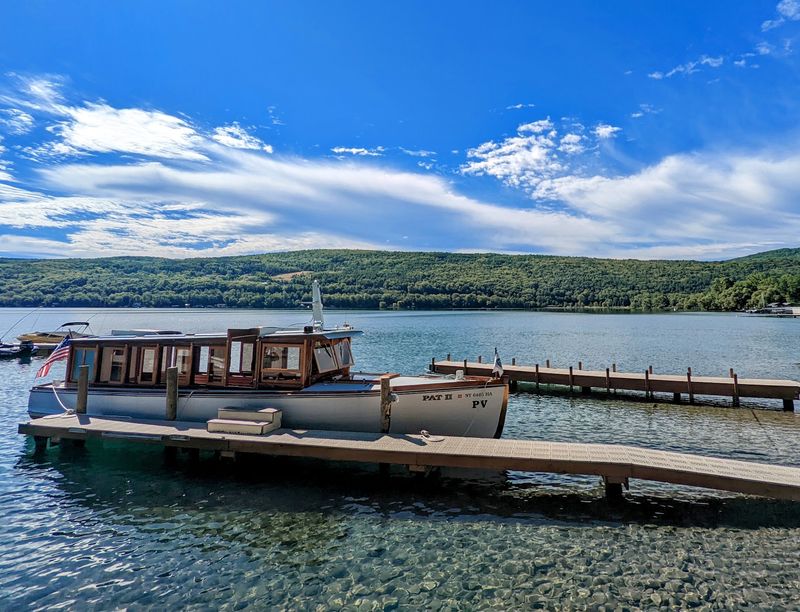
Renting a boat opens up the full Y-shaped lake. Drivers who prefer land can follow Lake Road for continuous vineyard and water views.
Summer brings the biggest crowds and the warmest water. Autumn delivers color on the hillsides and a slower pace downtown.
Winter quiets everything considerably, and some businesses reduce hours or close seasonally. Confirming before traveling saves disappointment.
Lodging in a village of under 600 residents is limited, so booking early matters during peak weekends.
Cell service and weather can both be unpredictable in the hills.
Hammondsport rewards travelers who slow down rather than rush through. New York holds plenty of lake towns, but few pack this much into so few blocks.