
10 New York Scuba Diving Spots Locals Train At Before Going Anywhere Else
Scuba training in New York builds a different kind of confidence. Before divers head for warm reefs and postcard-clear water, many learn their skills in colder lakes, rivers, quarries, and ocean entries where conditions demand real attention.
The state offers a surprisingly strong mix of places to practice buoyancy, navigation, low-visibility comfort, shore entries, wreck awareness, and drysuit discipline. Some spots are calm enough for beginners working through certification.
Others challenge experienced divers with deeper water, currents, thermoclines, and historic wreck sites that make every descent feel purposeful. Locals know these waters are not just backup options before a tropical trip.
They are where good habits get built. From freshwater training grounds to Atlantic coast dives, these ten New York scuba spots prove serious underwater education can happen close to home, long before anyone packs for the Caribbean.
1. Lake George — The Crown Jewel Of Freshwater Training
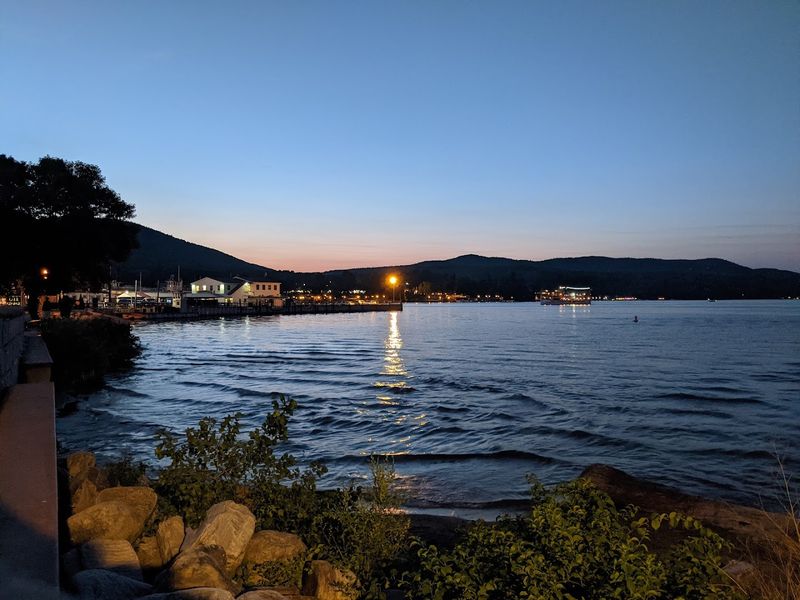
Visibility up to 40 feet in a freshwater lake is not something you expect, but Lake George delivers exactly that. Widely considered the clearest freshwater lake in the entire Northeast, it has earned its reputation as the most-used training lake in New York state.
Divers of every level come here to sharpen their skills before heading anywhere more demanding.
The real crowd-pleaser is the sunken Minne Ha Ha steamboat, a historic wreck that sits at an accessible depth for recreational divers.
Bolton Landing and the Village of Lake George serve as the two main access points, and both have established dive communities ready to help newcomers get oriented.
The address most divers use as a base is Bolton Landing, NY 12814.
Cold, clear, and packed with underwater character, Lake George rewards patient divers with genuinely stunning visibility. The wreck adds a layer of adventure that pure training lakes rarely offer.
No wonder locals keep coming back here before every major trip they plan.
2. Thousand Islands — Where Wreck Divers Are Born
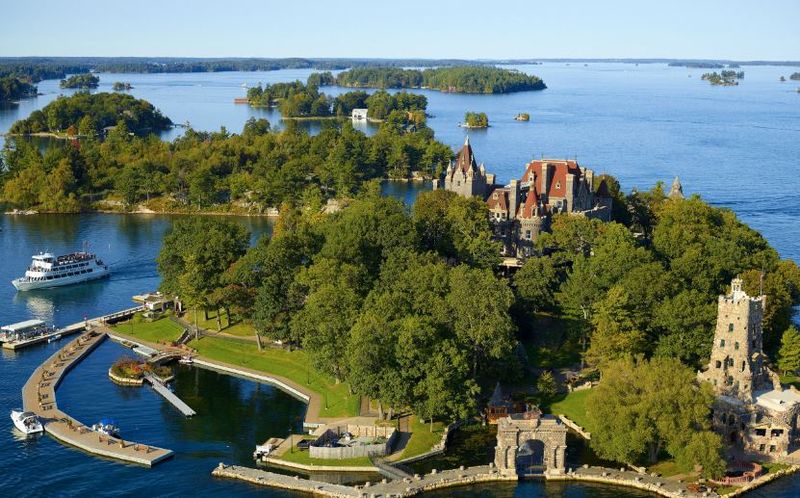
Ask any serious wreck diver in New York where they trained, and the Thousand Islands region will come up within the first ten seconds. The St. Lawrence River around Clayton and Alexandria Bay holds dozens of 19th-century shipwrecks, many in surprisingly good condition.
It is genuinely world-class freshwater wreck diving without the plane ticket.
Divers preparing for ocean wreck environments specifically choose this region first because the conditions teach real skills. Strong currents, varying visibility, and complex wreck structures all show up here.
You will find boat charters operating out of Clayton, NY 13624, and Alexandria Bay, NY 13607, with guides who know every wreck by name.
The sheer number of wrecks spread across this stretch of river means no two dives ever feel the same. Some wrecks sit shallow enough for newer divers while others challenge experienced ones.
Locals treat the Thousand Islands the way athletes treat a training camp, they come here to get serious before they go anywhere else.
3. Lake Champlain — History Sitting Right Below Your Fins
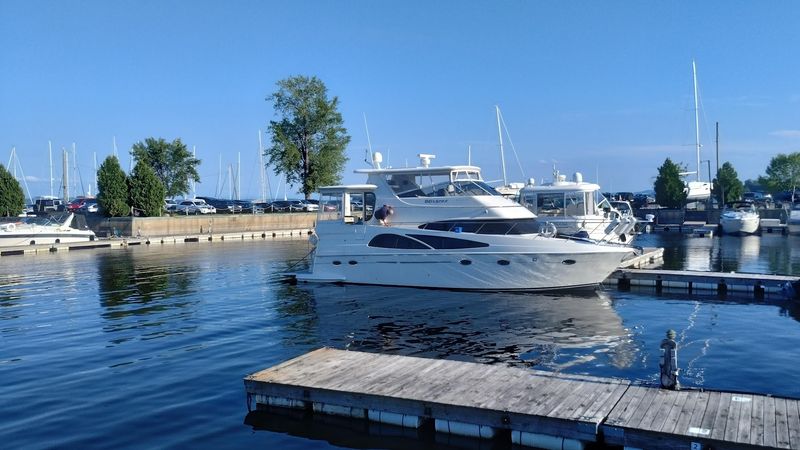
Lake Champlain holds something few dive sites anywhere in the country can claim: actual Revolutionary War and War of 1812 vessel wrecks sitting on the bottom.
New York state has designated portions of the lake as an underwater historic preserve, which means the wrecks are protected and remarkably well maintained.
History class never felt this hands-on.
Port Henry and Plattsburgh serve as the main entry points for divers, with Port Henry, NY 12987 being a popular hub for guided excursions into the preserve.
Some of the wrecks sit at significant depths, making Champlain an excellent location for divers building their deep-water confidence before ocean trips.
The cold water adds an extra layer of challenge that prepares you for real-world conditions.
Training here means you are not just logging dives, you are swimming through chapters of American history. The visibility can shift depending on the season, so planning your visit for late summer usually yields the clearest water.
Champlain earns its place on every serious New York diver’s checklist without question.
4. Skaneateles Lake — Mirror-Clear And Absolutely Unmatched
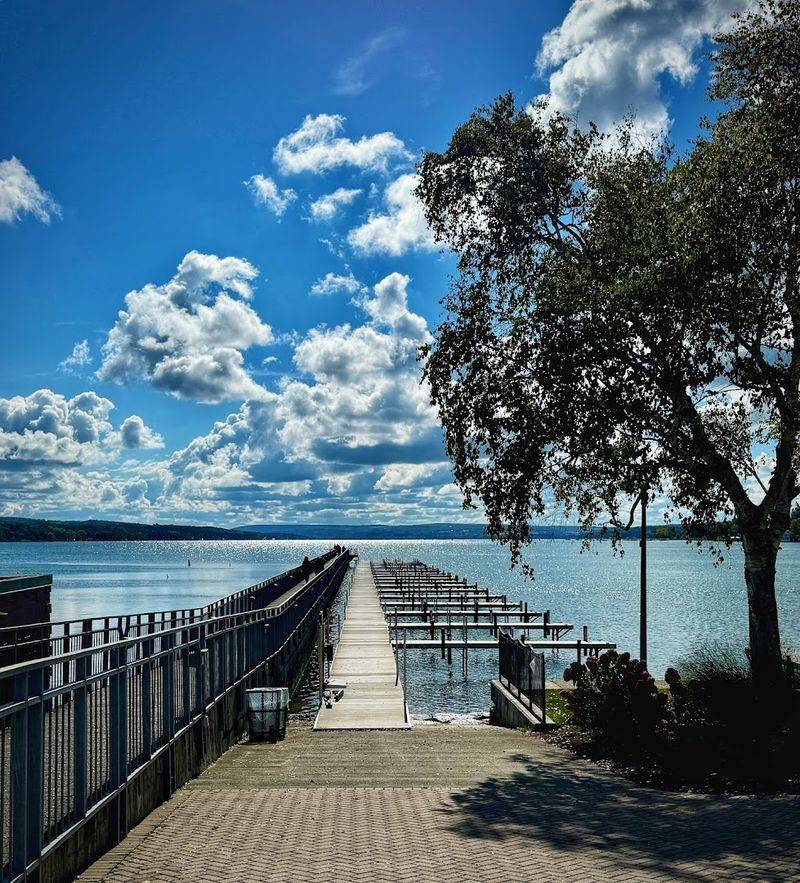
Skaneateles Lake carries a reputation that travels fast among New York divers: it has the purest water of any lake in the entire Finger Lakes region. That purity translates directly into underwater visibility that feels almost surreal.
Divers who train here often describe the experience as close to diving in a giant, very cold swimming pool.
The town of Skaneateles, NY 13152 sits right at the northern tip of the lake and provides easy shore access for divers. Because the water is so clear, it is a favorite for practicing navigation, buoyancy control, and underwater photography.
You can actually see what you are doing, which sounds obvious but is genuinely rare in freshwater training environments.
Boat traffic can pick up in summer, so early morning dives tend to offer the calmest and clearest conditions. The lake runs long and deep, giving divers room to explore without feeling crowded.
Locals treat Skaneateles as the precision training ground, the place where technique gets refined before the real adventures begin. Few lakes in the state match its quiet, glass-like underwater world.
5. Seneca Lake — Going Deep Before Going Deeper
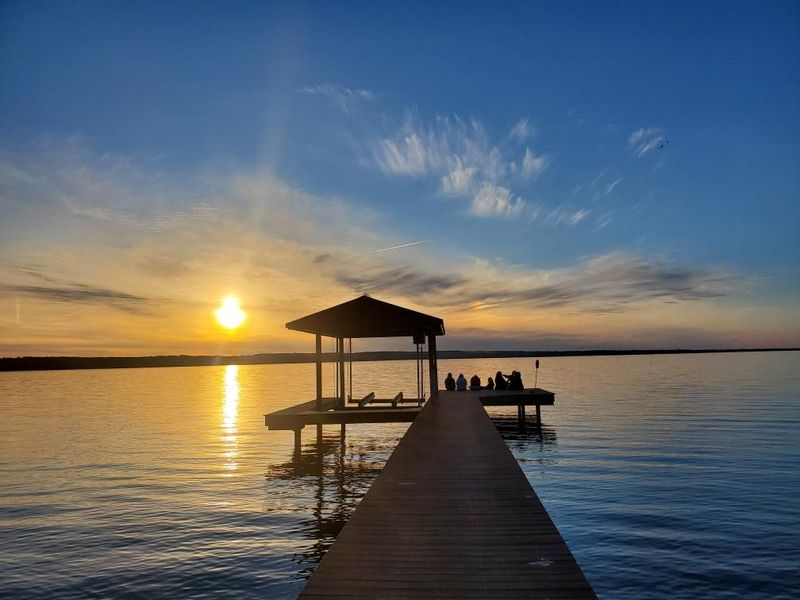
At 618 feet deep, Seneca Lake is not messing around. It is the deepest of the Finger Lakes and one of the deepest lakes in the entire United States.
Divers who plan to tackle serious ocean depths use Seneca specifically to train their bodies and minds for cold, dark, high-pressure environments before ever touching salt water.
The towns of Geneva and Watkins Glen bracket the lake at the north and south ends, with Geneva, NY 14456 being a common starting point for dive charters and training groups. Water temperatures drop sharply as you descend, which is exactly the point.
Cold-water conditioning here builds the kind of mental toughness that tropical resorts simply cannot teach.
Even at recreational depths, Seneca offers a moody, dramatic underwater atmosphere that feels unlike anything else in the state. The thermocline hits hard and fast, giving newer divers a genuine taste of what deep diving actually feels like.
Locals say if you can stay calm and comfortable in Seneca Lake, you are ready for almost anything the ocean throws at you. That confidence is worth every cold moment.
6. Sodus Bay — Lake Ontario’s Wreck-Filled Secret
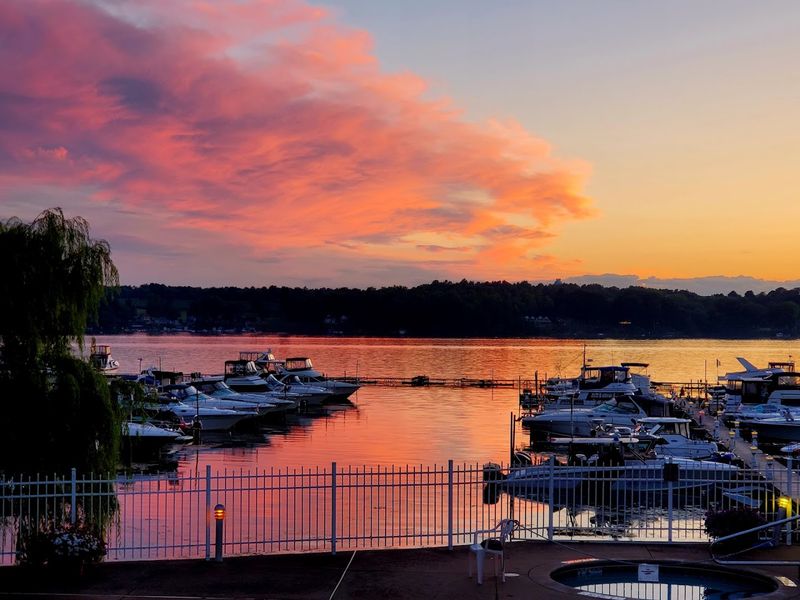
Sodus Bay sits on the southern shore of Lake Ontario and holds more diving history than most people realize.
Multiple documented shipwrecks rest at accessible depths throughout the bay, making it a reliable and repeatable training destination for divers across upstate New York.
The established dive community here is one of the friendliest you will find anywhere in the state.
Sodus Point, NY 14555 is the geographic heart of the action, with shore access points and local dive clubs that organize regular group dives. The wrecks range in depth and complexity, which means you can progress from one challenge to the next without ever leaving the bay.
That kind of built-in progression is genuinely valuable for divers building their experience log.
Lake Ontario conditions can shift quickly, so checking weather and wave forecasts before heading out is always smart. Visibility varies but tends to be better in late spring and early fall.
Sodus Bay rewards divers who show up prepared and patient. The combination of real wrecks, an active dive community, and manageable depths makes it one of the most practical training grounds in the entire New York Great Lakes corridor.
7. Schroon Lake — The Adirondack Weekend Favorite
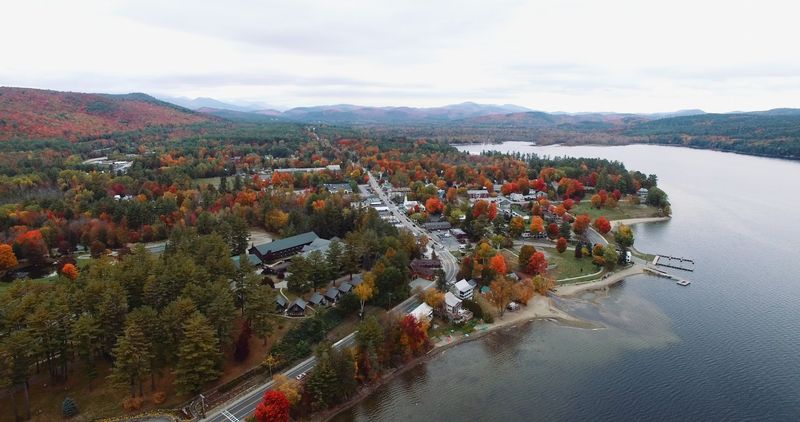
Few training spots in New York feel as genuinely refreshing as Schroon Lake.
Tucked inside the Adirondack Park, it draws a steady stream of divers from Hudson Valley and New York City who make the weekend drive specifically for its clear water and relaxed shore diving access.
The scenery above the surface is almost as good as what sits below it.
The hamlet of Schroon Lake, NY 12870 has public shore access points that make entry easy and affordable, which matters when you are trying to get in multiple training dives over a weekend.
The water clarity holds up well through the summer months, and the relatively light boat traffic outside of peak season keeps conditions calm.
Buoyancy practice here feels natural and unhurried.
NYC-based dive clubs frequently organize group trips to Schroon Lake as an intermediate training step before bigger expeditions. The Adirondack setting also means the air is clean, the pace is slow, and the post-dive campfire is practically mandatory.
Divers who make the trip once tend to keep coming back every season. It hits a sweet spot between serious training conditions and a genuinely enjoyable weekend escape that the metro area cannot offer.
8. Greenwood Lake — NYC’s Closest Freshwater Classroom
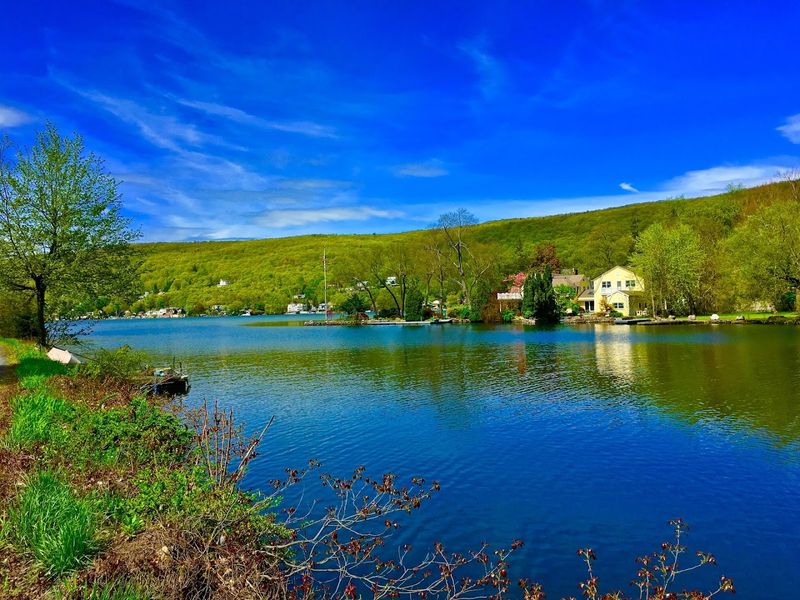
For divers based in New York City, distance is always part of the calculation. Greenwood Lake solves that problem better than almost any other freshwater site in the region.
Sitting in Orange County right on the New York and New Jersey border, it is the closest substantial freshwater dive site to the five boroughs, and the metro area dive training community has claimed it as their go-to classroom.
The village of Greenwood Lake, NY 10925 provides shore access and is close enough for a day trip that does not require an overnight stay.
That accessibility makes it ideal for instructors running open-water certification courses and for certified divers who need to knock out practice dives between bigger trips.
You can be underwater and back home in time for dinner.
The lake is not the deepest or the clearest in New York, but it is consistent, familiar, and well-suited for the fundamentals. Buoyancy work, navigation drills, and gear checks all happen here with regularity.
Local dive shops in the area use Greenwood Lake as a standard training venue, which means the site sees a lot of experienced eyes watching over newer divers. That safety net is a genuine advantage.
9. Canadarago Lake — The Underrated Gem Of Otsego County
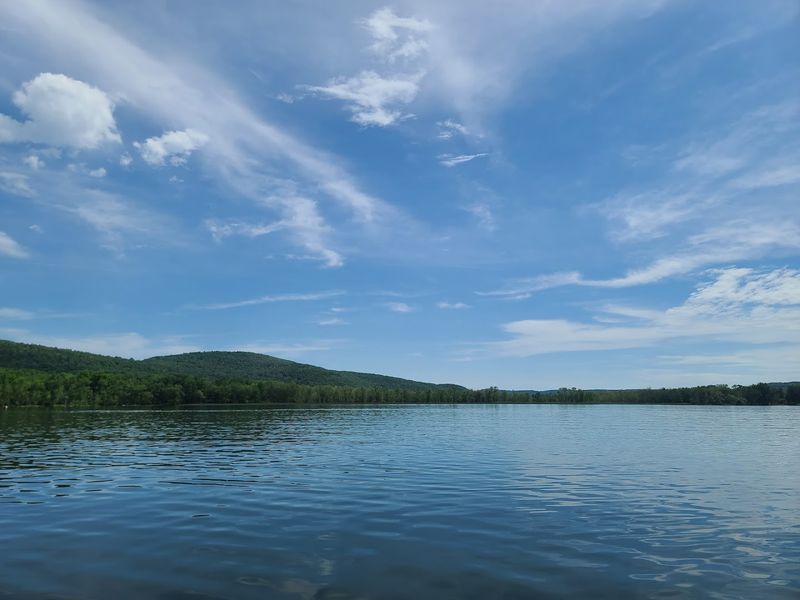
Most divers outside of central New York have never heard of Canadarago Lake, and the regulars who train there would prefer to keep it that way.
Sitting in Otsego County near Richfield Springs, it is one of the least-crowded and most underrated training lakes in the entire state.
The visibility holds up well and the boat traffic stays minimal, which creates conditions that serious divers genuinely prize.
Richfield Springs, NY 13439 serves as the closest town, and shore access is straightforward without the weekend crowds that plague more famous sites.
Because the lake sits adjacent to the Finger Lakes region, it shares similar water quality characteristics without the same level of tourist attention.
That combination of clarity and quiet is rare and worth protecting.
Divers who train at Canadarago often describe it as their secret weapon, a place where they can focus entirely on technique without distractions.
Navigation practice, underwater photography, and skills refinement all benefit from an environment where you are not dodging boats or other divers every few minutes.
The lake rewards those who seek it out with unhurried, high-quality practice sessions that sharper, busier sites simply cannot match. Locals guard this one carefully for good reason.
10. Fire Island — The Final Step Before The Big Blue
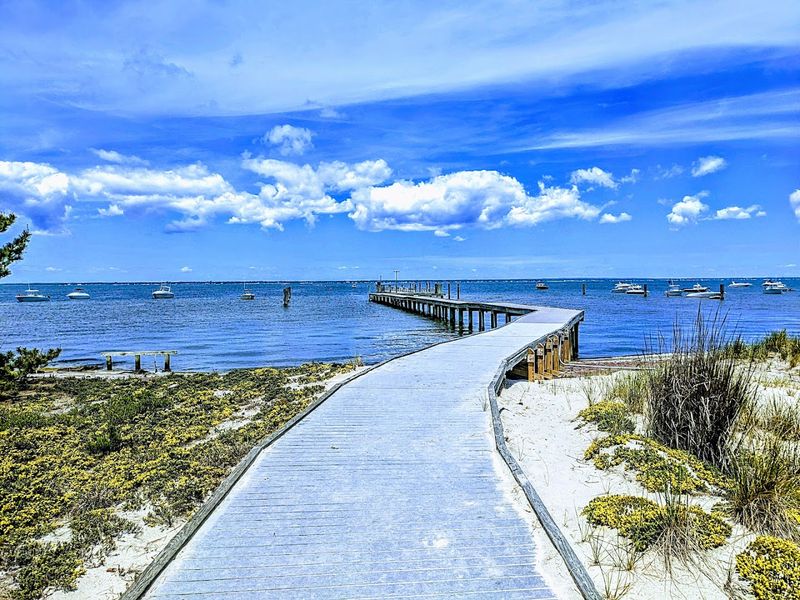
Every freshwater training journey in New York eventually points toward one destination: the Atlantic Ocean. Fire Island and Robert Moses Beach represent that critical bridge between the calm, controlled lakes and the unpredictable open ocean.
Divers specifically use this stretch of coastline as their final preparation step before Caribbean trips, deep-sea expeditions, or any serious salt-water adventure.
The approach is made from the Robert Moses State Beach area, with Fire Island, NY 11770 being the geographic reference point most divers use when planning their shore entries.
Surf conditions, tidal currents, and reduced visibility all show up here in ways that no freshwater lake can replicate.
That is precisely the point. Getting comfortable with ocean surf entry and exit is a skill that needs real practice before you need it for real.
Salt water also changes your buoyancy in ways that catch freshwater-trained divers completely off guard the first time.
Practicing that adjustment at Fire Island, close to home and with familiar support systems nearby, is far smarter than discovering it mid-dive somewhere far away.
Locals treat this spot as a graduation test of sorts. If you can handle Fire Island conditions with confidence, the ocean is officially ready for you.