
10 New York Towns Slowly Losing Residents Due To Record-High Property Taxes
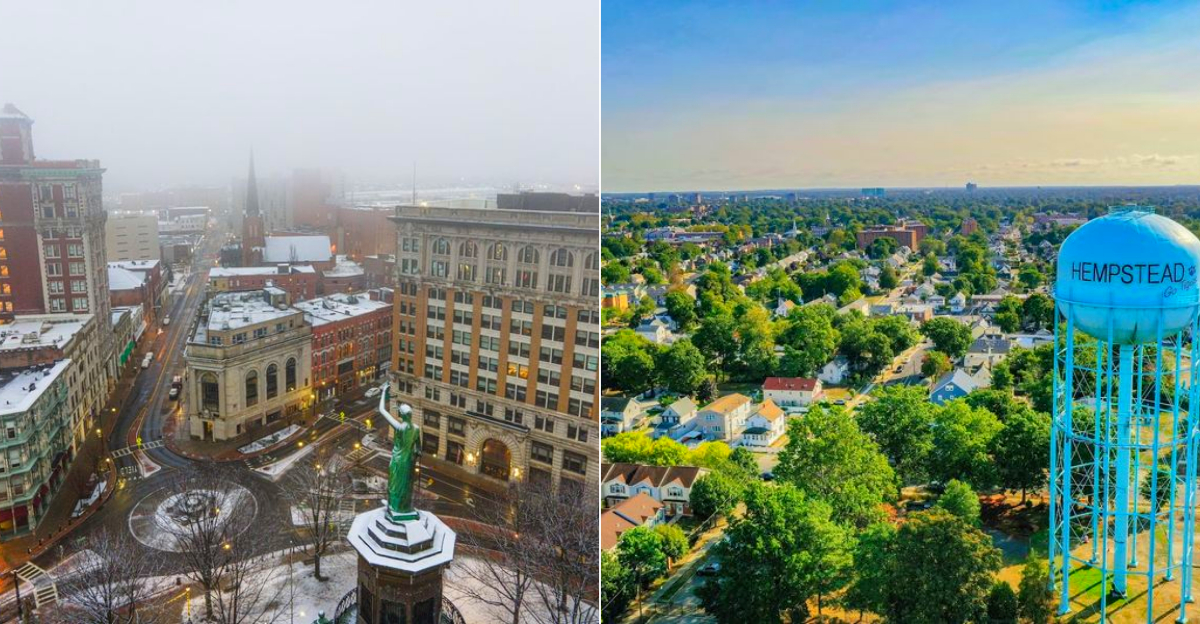
Property taxes in New York have a way of making homeownership feel like a subscription service with an annual renewal that keeps going up without explanation. For residents of these ten towns the math has stopped working in their favor.
People do not leave towns they love without a reason. Record-high property taxes turn out to be a very persuasive one.
The towns on this list are not struggling because they lack character or community or the kind of main street that makes a place worth staying in. Many of them have all of that in abundance.
What they have in equal abundance is a tax burden that retired teachers and young families and longtime homeowners on fixed incomes simply cannot sustain indefinitely.
New York loses residents to this calculation every year and the pattern has been building long enough that towns are now feeling it in many ways.
The numbers tell the story plainly. The people behind them tell it better.
1. Mount Vernon (Westchester County)
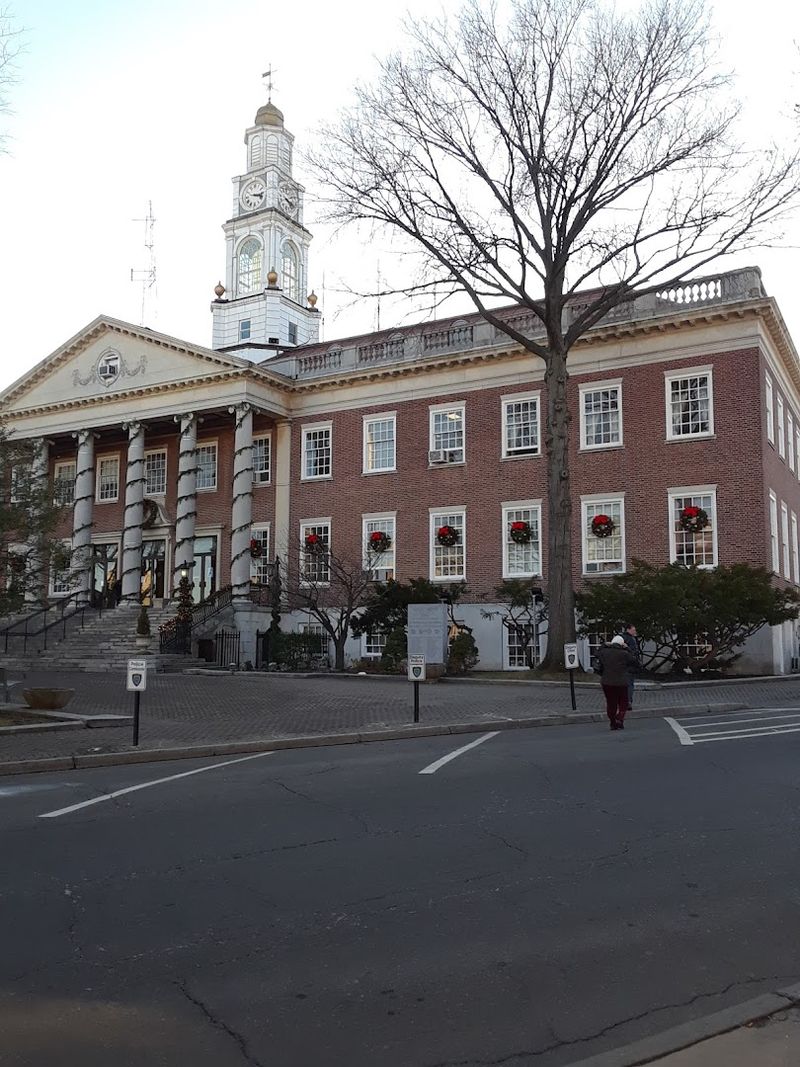
Westchester County holds the record for the highest property taxes in New York State, averaging $9,003 per year. Mount Vernon, the county’s third-largest city, carries that weight on a working-class residential base that was never built to sustain bills this large.
The average homeowner in Mount Vernon pays around $13,766 annually, with an effective tax rate of 3.21 percent.
The city has been in declared fiscal distress for years, and that combination of financial strain at the city level and crushing tax bills at the household level has pushed residents out at a steady pace. Seniors on fixed incomes and young families trying to build equity are the first to go.
Foreclosure rates have climbed as a direct result.
Mount Vernon sits in a county where home values are high but the tax bills are even higher, which is a financial trap that is hard to escape once you are in it.
The area around South Columbus Avenue in Mount Vernon, NY 10550 has seen visible shifts in occupancy as longtime residents quietly pack up and head south.
The math is not complicated, just brutal.
2. Spring Valley (Rockland County)
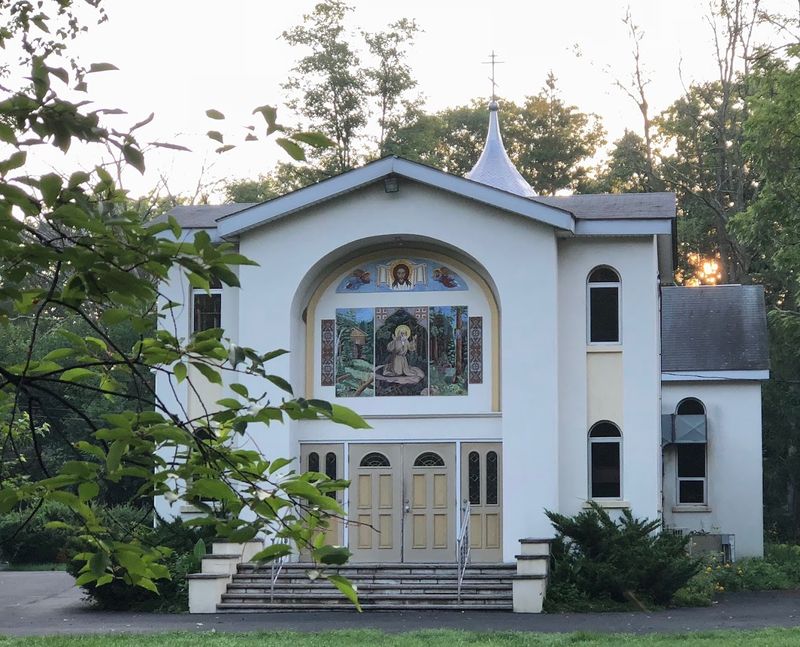
Rockland County sits among the six New York counties where the median property tax bill crosses $10,000 annually. Spring Valley is the most densely populated village in Rockland, and that density does not translate into shared savings.
It means more working-class immigrant families absorbing tax bills that their household incomes can no longer realistically sustain.
The village has seen steady population pressure as residents realize that the cost of staying is outpacing any financial progress they might make. When a family is spending close to or above $10,000 a year just to keep their house, there is very little room left for anything else.
Other states start looking very attractive very fast.
Spring Valley is a community with deep cultural roots and a strong sense of identity, which makes the financial squeeze even harder to watch. People are not leaving because they want to.
They are leaving because the numbers force them out. The Main Street corridor near Spring Valley, NY 10977 tells the story clearly, with properties turning over faster than the community can absorb and long-term residents becoming a rarer sight each year.
3. Binghamton (Broome County)
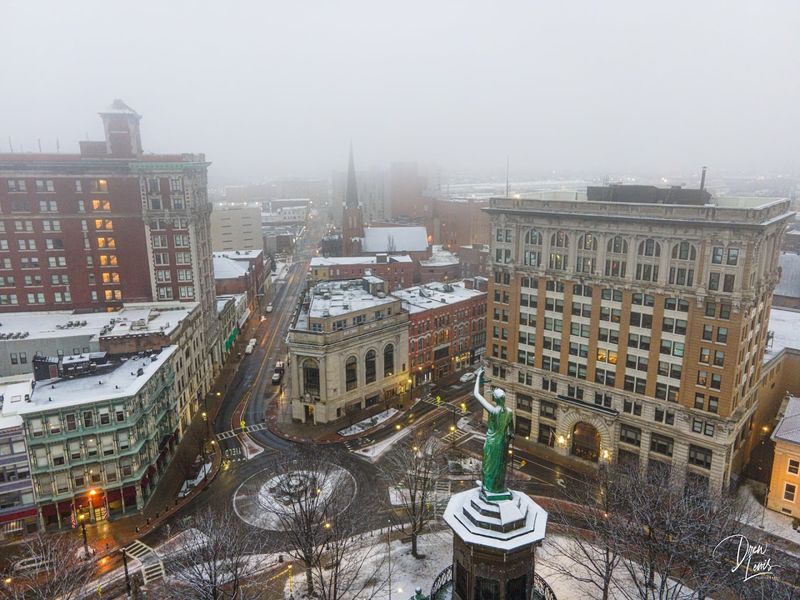
At $58.28 per $1,000 of full market value, Binghamton holds the title of highest effective property tax rate among major upstate cities. That is not a stat anyone is bragging about at city hall.
A home at the local median value of $85,100 would carry roughly $4,959 in annual taxes, which is a jaw-dropping figure for a modest property.
The city has been bleeding residents for decades, largely tied to the collapse of manufacturing that once kept the economy humming. When the jobs left, so did the people.
The tax rate stayed high, and the homes stayed cheap, creating a painful squeeze that punishes exactly the kind of modest homeowner the community needs most.
Fewer taxpayers means the remaining ones absorb a bigger share of the burden, and the cycle feeds itself. Homes sold in Binghamton dropped from 40 in March 2025 to just 27 in March 2026.
If you own a home near Court Street in downtown Binghamton, NY 13901, you already know what that spiral feels like from the inside.
4. Hempstead (Nassau County)
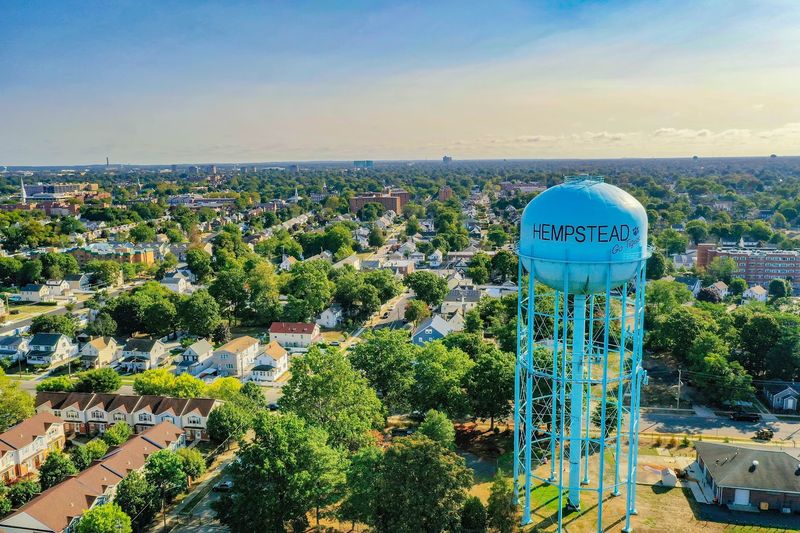
Nassau County is one of the few counties in the entire United States where the average property tax bill exceeds $10,000, clocking in at a staggering $11,415 per year.
Hempstead is the county’s most populous and most financially stressed municipality, and it carries that burden on a tax base that is shrinking faster than the bills are growing.
That is not a sustainable equation for anyone involved.
The town’s population has been declining steadily, driven largely by residents who simply cannot keep up with annual tax obligations that would make a Manhattan renter do a double take.
Hempstead was once the kind of place where a working family could buy a starter home and build a life.
That version of Hempstead is getting harder to find.
Nassau County’s effective property tax rate of 1.88 percent sounds modest until you apply it to homes that have appreciated significantly since their original purchase. Suddenly the numbers are anything but modest.
Residents near Front Street in Hempstead, NY 11550 have watched neighbors leave in waves, and the community is beginning to feel the absence. The tax burden is real, and it is accelerating the departure.
5. Newburgh (Orange County)

Newburgh carries one of the highest effective property tax rates in the Hudson Valley region, applied against some of the lowest home values in that same area.
That structural mismatch is not an accident or a temporary blip. It is a systemic problem that makes holding property in Newburgh financially untenable for long-term residents who do not have deep pockets.
New York State lost more than 101,000 residents between 2022 and 2023, the largest single-year decline in the nation. Newburgh contributed to that number in a meaningful way.
When home values are low and tax rates are high, the burden as a percentage of household income becomes crushing, and the incentive to stay evaporates quickly.
Communities caught in fiscal distress enter a cycle that is genuinely hard to break. Losses force increases, increases force more losses, and the spiral continues.
Residents near Liberty Street in Newburgh, NY 12550 have lived through several rounds of that cycle already.
The Hudson River views are stunning, but a beautiful backdrop does not offset a tax bill that outpaces what the property is actually worth on the open market.
Something has to give eventually.
6. Utica (Oneida County)
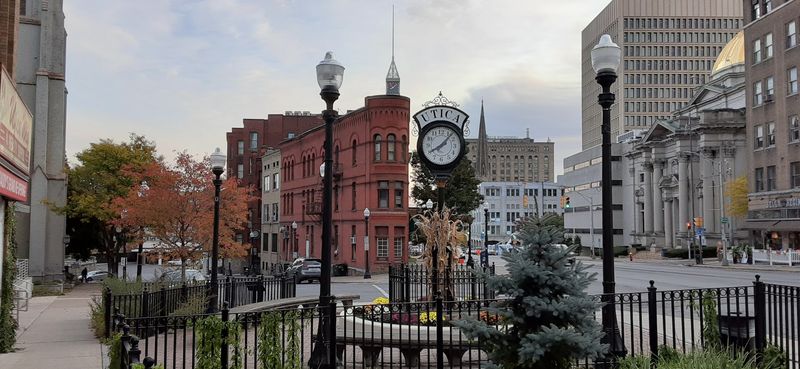
Utica’s effective property tax rate ranks among the highest in New York State for a mid-sized city, and it is applied against median home values that sit well below $150,000. That combination means the tax burden consumes a disproportionate share of household income for most residents.
It is not just uncomfortable. It is genuinely unsustainable for families operating on average wages.
The city has lost tens of thousands of residents since its industrial peak, and the tax situation is a major reason why the recovery has been so sluggish.
Every resident who leaves shifts more of the burden onto those who stay, which then accelerates the next round of departures.
Utica is stuck in a loop that no amount of civic optimism alone can fix without structural tax reform.
There are bright spots in Utica, including a revitalized downtown and a growing refugee resettlement community that has brought new energy to the city. Still, the financial reality hits hard.
Homeowners near Genesee Street in Utica, NY 13501 face annual bills that feel wildly out of proportion to what their homes are worth. Until the tax structure changes, the outflow of residents will continue at a steady and predictable pace.
7. Port Chester (Westchester County)
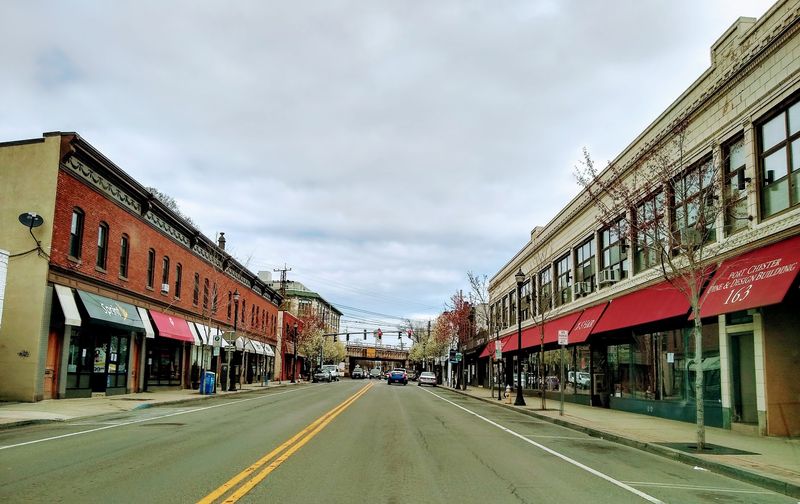
Port Chester is a compact, working-class village in Westchester County that carries the full weight of the county’s effective rate on residents who are often recent immigrants building their financial footing from scratch.
Westchester’s effective rate of $27 to $28 per $1,000 sounds manageable until you realize that high property values in the county turn that rate into some of the largest dollar-amount tax bills in the entire country.
Residents in Port Chester are not wealthy Westchester commuters with stock portfolios to absorb the hit. Many are hourly workers and small business owners for whom a $10,000 or $12,000 annual tax bill represents a significant portion of take-home pay.
The financial pressure is constant and unrelenting, and it is pushing people out of a community they genuinely love.
Port Chester has a vibrant restaurant scene and a strong cultural identity that makes it a genuinely appealing place to live. The problem is that appreciation without relief is just a slow squeeze.
Homeowners near Westchester Avenue in Port Chester, NY 10573 are increasingly weighing whether the community connection is worth the annual financial hit.
For many, the answer is shifting toward no, and the population numbers are starting to reflect that shift.
8. Ossining (Westchester County)
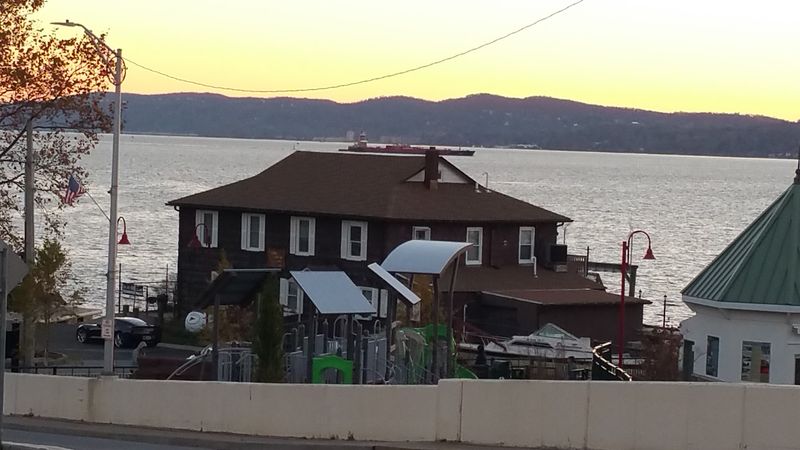
Ossining is one of the more racially and culturally diverse communities in Westchester County, and that diversity is one of its genuine strengths. However, strength of community does not pay a property tax bill.
The combination of high school district levies and county taxes pushes annual bills well above what comparable homes would cost to maintain in almost any state south or west of New York.
Longtime residents who built their lives in Ossining are increasingly doing the math and choosing cheaper states over staying put. Florida, North Carolina, and Georgia keep showing up in those calculations, and not just for retirees.
Working-age families are making the same move, especially once they realize how far their money stretches elsewhere.
The slow squeeze in Ossining is not dramatic or sudden. It plays out over years, one neighbor at a time, until the character of the community starts to shift in ways that are hard to reverse.
Homeowners near Spring Street in Ossining, NY 10562 have watched the turnover accelerate as financial pressure mounts.
New York State is losing residents at a rate that leads the nation, and Ossining is quietly contributing to that number one frustrated homeowner at a time.
9. Levittown (Nassau County)
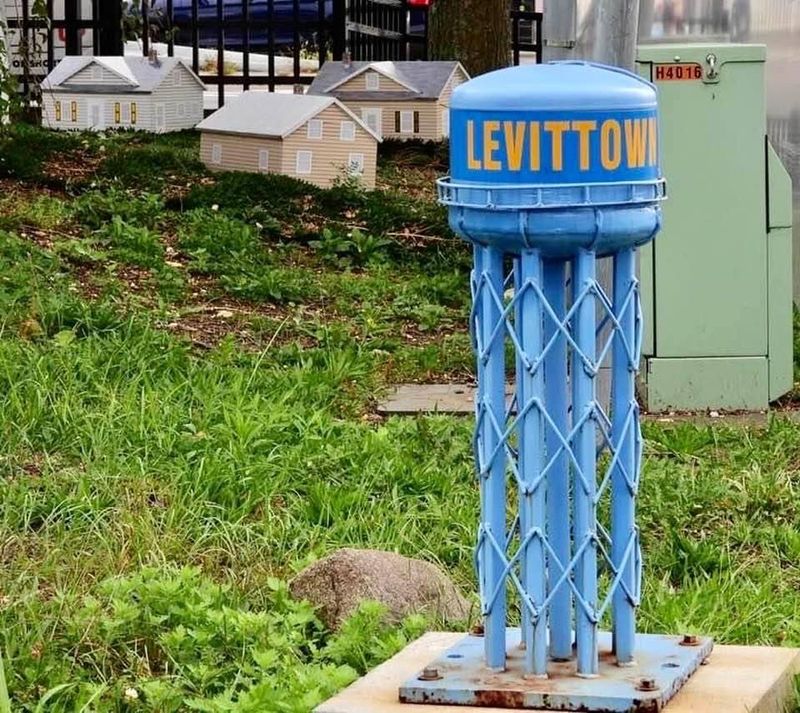
Levittown was literally built for the working family. Developer William Levitt created this Long Island community as an affordable alternative to city living, and for decades it delivered on that promise.
Fast forward to today, and Nassau County’s effective property tax rate of 1.88 percent applied to homes that have appreciated far beyond their postwar prices has turned the dream into a very expensive reality check.
Grown children of longtime homeowners cannot afford to buy into the same neighborhood where they grew up. That is not a small cultural shift.
It is a generational rupture that changes the entire fabric of a community. Retirees who could sell their Levittown homes for significant money are increasingly cashing out and heading to Florida where the tax climate is dramatically more forgiving.
Nassau County’s median annual property tax payment of $10,001 puts it in rare and unwelcome company nationally. Levittown was supposed to be the answer to unaffordable housing, and now it has become part of the problem it was designed to solve.
Homeowners near Hempstead Turnpike in Levittown, NY 11756 know this story well. The postwar optimism is still visible in the architecture.
The financial reality is a different chapter entirely.
10. Troy (Rensselaer County)
Troy has a genuinely fascinating history as a 19th-century industrial powerhouse, once known as the Collar City for its dominance in shirt collar manufacturing.
That era is long gone, and what remains is a city grappling with high effective property tax rates applied to a declining assessed base.
As the base shrinks, each remaining taxpayer absorbs a larger share of the total burden, which is a math problem with no pleasant solution.
New York State lost more than 101,000 residents between 2022 and 2023, the largest single-year population decline in the nation. Troy has been part of that trend for longer than most.
The outflow in Troy spans income levels, which sets it apart from places where only higher earners leave. Everyone is doing the same calculation and arriving at similar conclusions.
Married filers and higher-income earners have led the statewide exodus, but Troy’s situation is broader and deeper than a simple income story.
Residents near River Street in Troy, NY 12180 are weighing a city with real charm and architectural beauty against tax bills that feel like a penalty for staying.
The city deserves better than this cycle, and so do the residents who have stuck around hoping things will turn around.