
12 New York Towns That Feel Like A Quick Trip To Europe Without Leaving The State
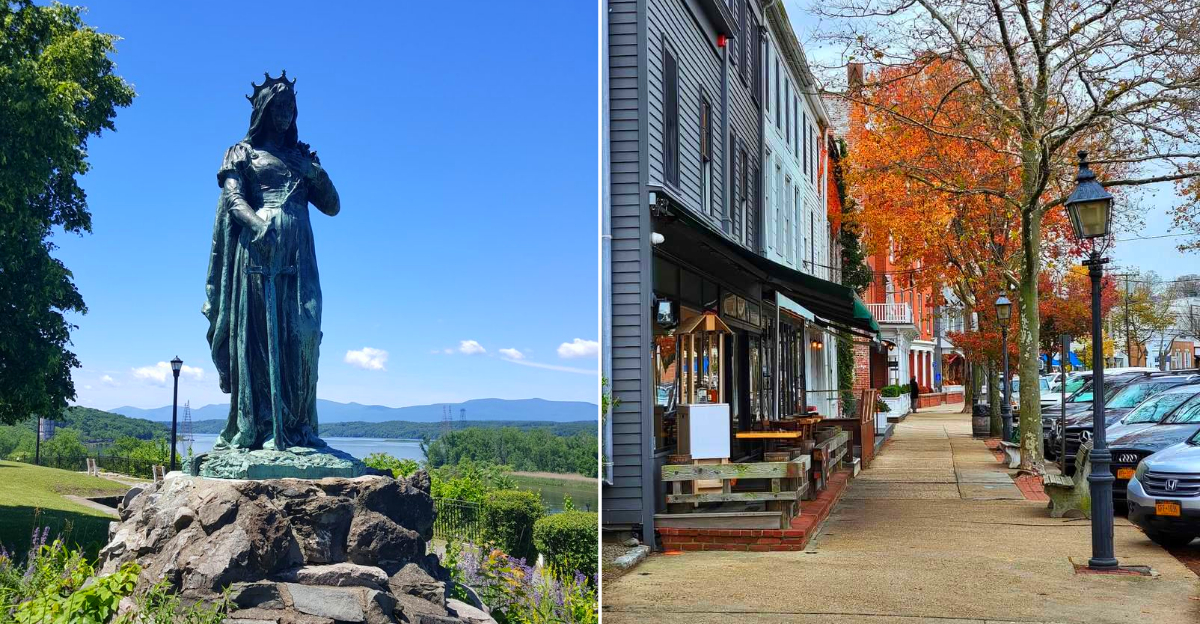
Europe gets expensive before lunch even enters the picture. Luckily, a weekend can deliver some of the same old world mood without an airport line or a painful airfare charge. New York pulls off the illusion surprisingly well.
Stone buildings, church spires, and quiet village streets can make an ordinary drive feel much farther than it really was.
The trick is noticing the small details. A lakeside green might recall the English countryside, while another town carries the neat charm of a Bavarian village. Cafes spill into compact downtowns, and old architecture gives even a quick coffee stop more personality.
Best of all, these places still feel like real communities rather than stage sets. You get the atmosphere, the scenery, and a much friendlier travel bill.
1. Skaneateles – Finger Lakes
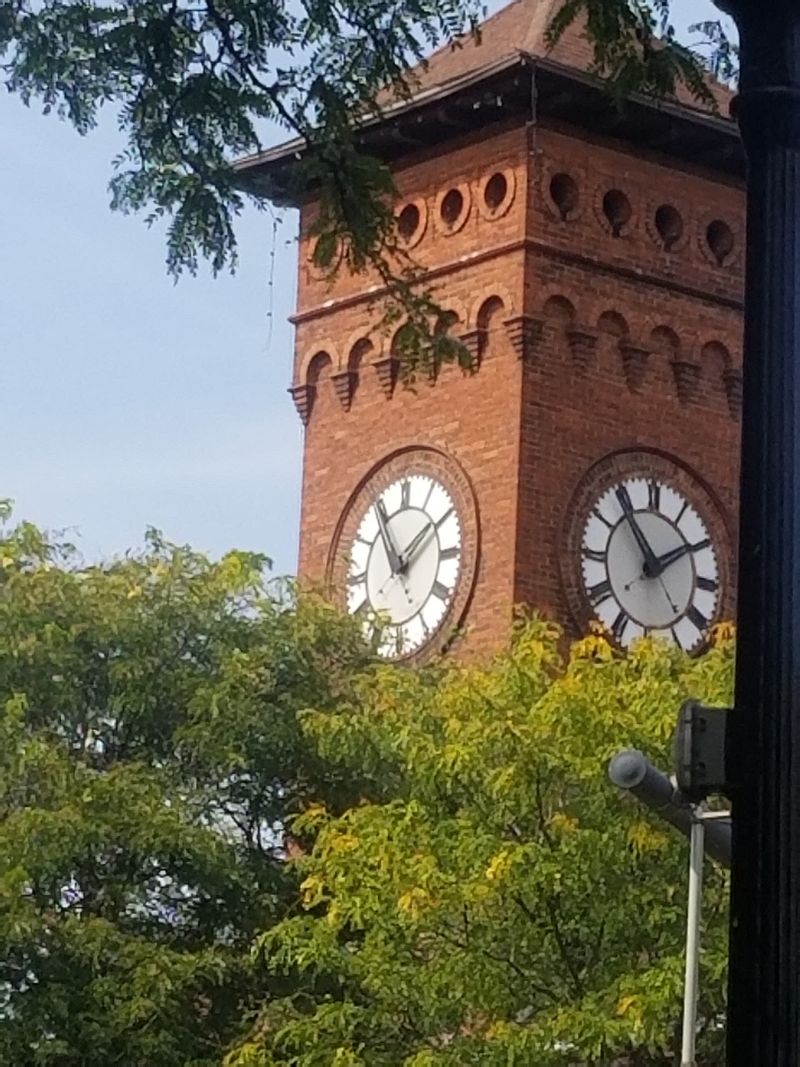
Say it out loud once and you will earn a local nickname: skinny-atlas. The village sits at the north tip of a startlingly clear glacial lake, and the whole scene borrows heavily from England’s Lake District.
Genesee Street is the spine of it all, lined with Gothic, Italianate, Greek Revival, and Romanesque Revival buildings from the 1830s onward. The Skaneateles Historic District, recognized in 1985, covers 17 acres and 59 contributing buildings, plus Thayer Park right on the water.
The Sherwood Inn at 26 West Genesee Street holds onto a genuine 19th century mood, and the porch view over the lake is the closest thing to a postcard you can sit in.
Grand old homes like The Thorne House and Cobweb Cottage make a slow walk feel like a museum tour without the admission line.
History fans should stop by the Skaneateles Historical Society at 28 Hannum Street for maps and backstory. Summer brings boat cruises and band concerts in the park, while winter turns the lakefront quiet and glassy.
Bring good shoes. The sidewalks are made for wandering, and the lake keeps pulling your eyes sideways.
2. Kingston – Ulster County
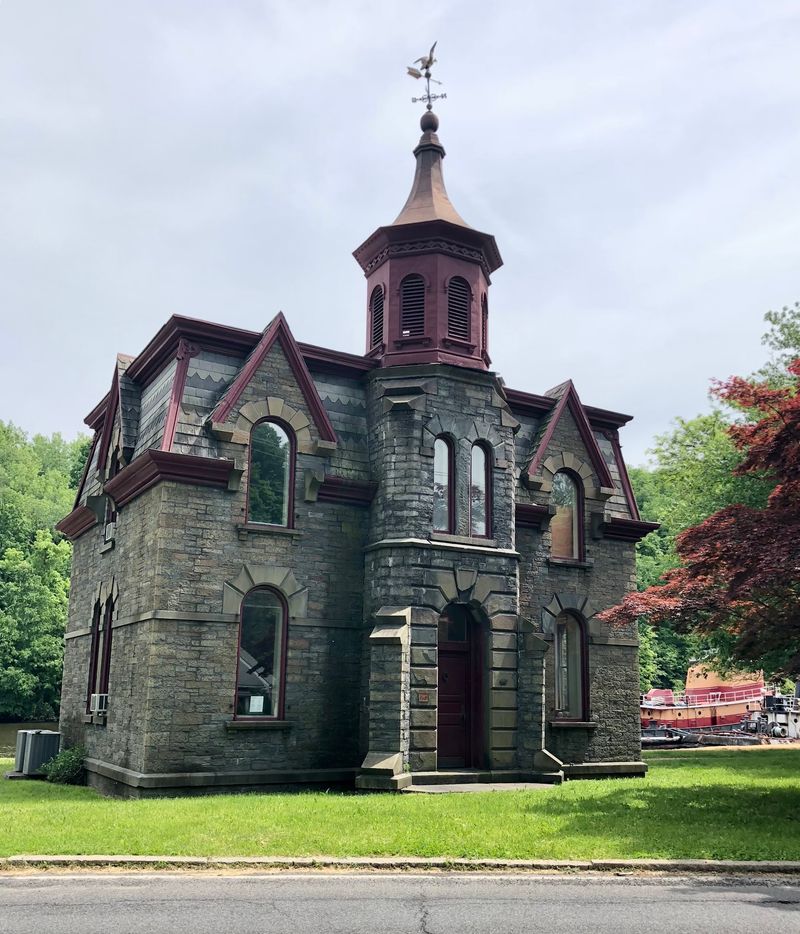
Four centuries of architecture fit inside eight blocks here, which is a stunning ratio for anywhere in America. The Stockade District stands as the largest surviving piece of early Dutch settlement in New York, and the limestone walls do most of the talking.
Settlers arrived in 1652, and the first stockade went up in 1658 on Governor Stuyvesant’s orders.
Walk the streets today and you pass early Dutch and English forms, then Federalist, Georgian, Greek Revival, Victorian, Romanesque, Italianate, Neo-Classical, and Art Deco, all rubbing shoulders.
The Senate House served as New York’s first capital in 1777, which makes it a heavyweight stop.
Add the Persen House, the Fred J. Johnston Museum, and the Old Dutch Church at 272 Wall Street, whose 225-foot white spire is Minard Lafever’s only surviving Renaissance Revival stone church, finished in 1852.
Uptown Stockade District, Kingston, NY 12401 is the address to punch in, and the community center at 300 Wall Street is a handy anchor point.
Coffee shops and galleries fill the old storefronts now. The stone stays cool in August, and the whole district smells faintly of rain on old masonry.
3. New Paltz – Ulster County
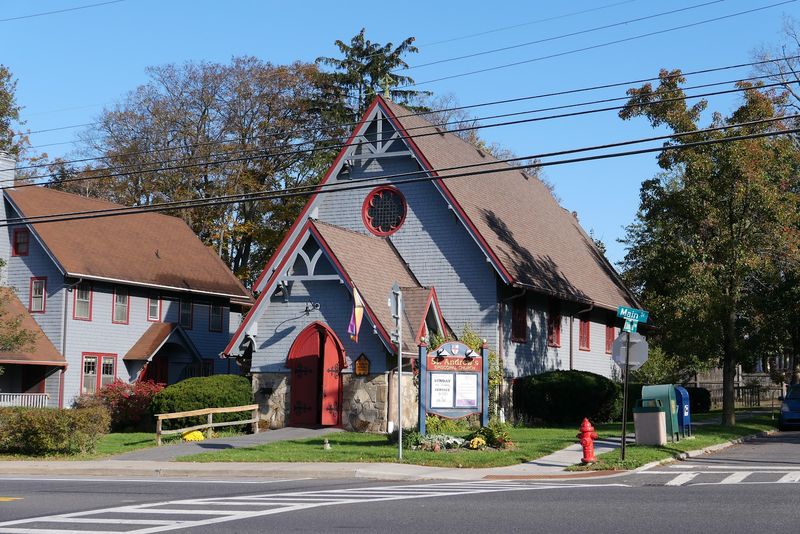
French refugees built these stone houses, and somehow they are still standing. Huguenot families founded the settlement in 1678 after fleeing religious persecution in Europe, and their handiwork survives in a way almost nothing else in the country does.
Historic Huguenot Street covers 10 acres as a National Historic Landmark District, with seven stone-house museums. Some walls date to roughly 1705, which predates most of what Americans call old.
A reconstructed 1717 French Church stands on the grounds alongside the original burying ground of the founding community. The Bevier-Elting House shows the Dutch influence clearly, with a steep roof, a split Dutch door, and its gable end squared toward the street.
Guided tours start at 81 Huguenot Street, New Paltz, NY 12561, and visitor parking sits on Broadhead Avenue, which saves you a lap around the block.
Afterward, Main Street runs on college-town energy thanks to the nearby SUNY campus, so bakeries and bookshops are plentiful. The Shawangunk Ridge looms to the west for anyone who wants to earn dinner with a hike.
Bring a camera. The stonework photographs beautifully in low light.
4. Hunter – Catskill Mountains
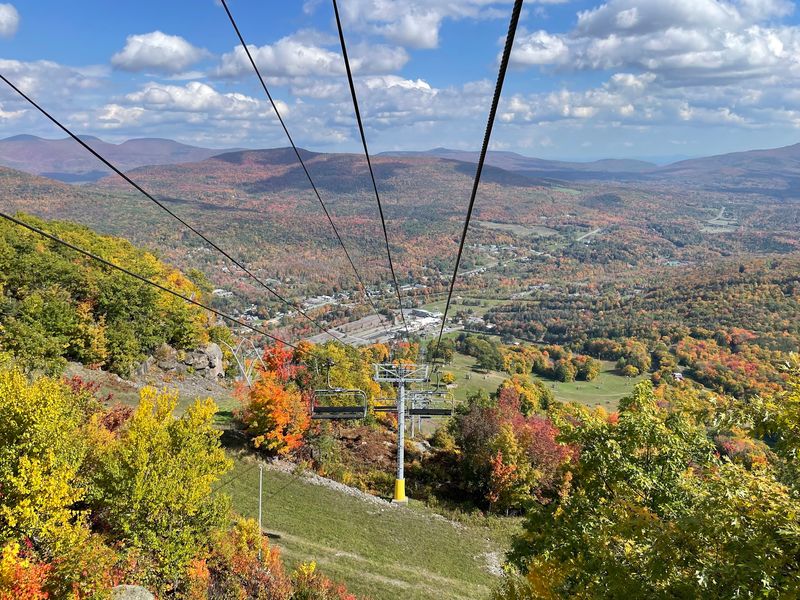
October turns this mountain town into something that smells like the Alps. Hunter sits deep in the Catskills, and the chalet-style buildings plus the ridge lines make Bavaria feel a lot closer than it is.
Fall color usually rolls in from late September through mid-October. Peak generally lands in the first two weeks of October, so plan accordingly and book early, because everyone else in New York has the same idea.
The Hunter Mountain Scenic Skyride lifts you above the treetops for panoramic views of the whole burning-bright valley. Hunter Mountain sits at 64 Klein Avenue, Hunter, NY 12442, and the parking lot is your launch pad for the day.
The Colors In The Catskills festival, once known as Oktoberfest, runs across fall weekends with music, food, and a mountain-town buzz that leans full-on European.
Driving is the move here, since Route 23A twists past waterfalls and rock walls that deserve a slow lane. Kaaterskill Falls sits nearby for anyone who wants a short, steep payoff.
Pack a warm layer. Mountain air at elevation does not care what the forecast said downstate.
5. Rhinebeck – Dutchess County
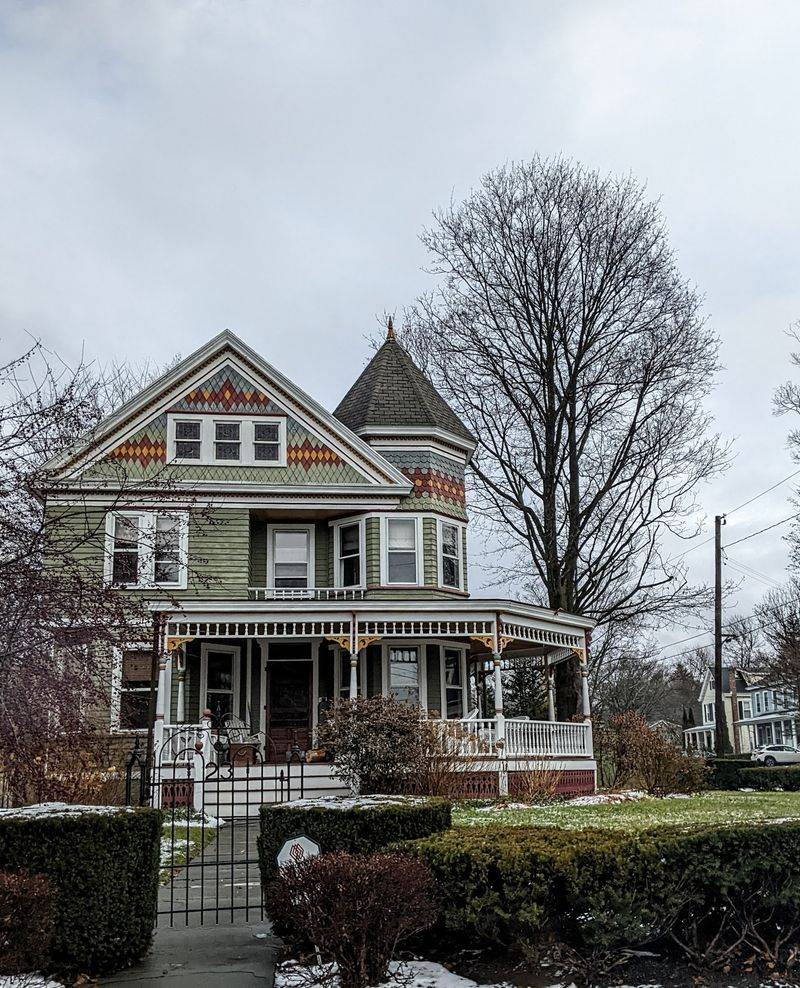
America’s oldest continually operating hotel is here, and it started as a tavern. The Beekman Arms dates to the 1700s and still anchors the corner where Route 9 meets Market Street, which is the historic heart of the village.
Dutch settlers crossed the river from Kingston in 1686 and put down roots that never really loosened.
The Rhinebeck Village Historic District now spans 249 acres with 272 buildings in Colonial, Federal, Greek Revival, Hudson River Bracketed, Victorian, and Queen Anne styles.
Sidewalks run under mature shade trees, which makes the whole place absurdly walkable. Shops, churches, and 18th century structures sit within a few blocks of each other, so you can leave the car parked all day.
The Mirbeau Inn and Spa at 46 West Market Street brings a French country feel that fits the neighborhood perfectly.
For dinner, Terrapin occupies a renovated historic church at 26 Montgomery Street, and the vaulted ceilings make the meal feel like an occasion.
Weekend farmers markets and the nearby Dutchess County Fairgrounds keep the calendar busy. Come midweek if you prefer your European daydream with fewer elbows.
6. Cold Spring – Putnam County
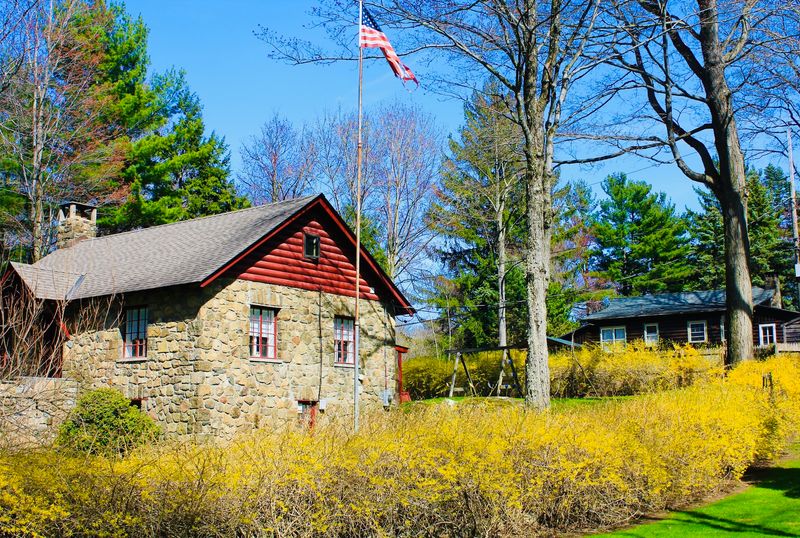
Hop a Metro-North train from Grand Central and step off into the 1800s. Cold Spring rewards the carless traveler better than almost any village in New York, and the walk from the platform to Main Street takes about two minutes.
The Cold Spring Historic District is often called one of the best-preserved 19th century townscapes in the Hudson River region. Over 200 buildings stand inside it, many predating the Civil War, back when the West Point Foundry roared nearby.
Boundaries run roughly along Main Street, Cedar Street on NY 9D, Fair Street, and Paulding Avenue. Colonial and Victorian facades dominate, giving the street an English market-town rhythm.
Main Street tilts gently downhill toward the water, passing antique shops, coffee houses, and small restaurants before landing at a riverside park with a gazebo and benches. The mountains across the river make the view feel borrowed from the Rhine Valley.
Use 85 Main Street, Cold Spring, NY 10516 as your starting pin. Breakneck Ridge trails sit just up the road for hikers with ambition.
Weekends get packed. Early mornings belong to the smart ones.
7. Cooperstown – Otsego County
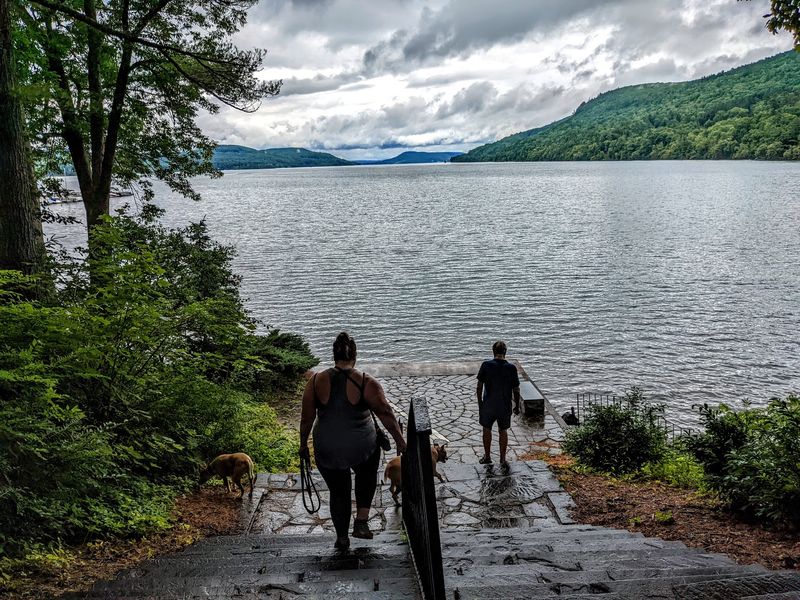
Baseball built the reputation, but the architecture deserves equal billing. The entire village carries National Historic District status, with more than 200 carefully kept 19th century buildings lining its streets.
Main Street reads like a Victorian catalog, showing Italianate storefronts, Second Empire mansions, and Queen Anne flourishes. The Village Hall and Library, a gray stone Classical Revival design from 1911, holds the block at 22 Main Street.
Otsego Lake earned the nickname Glimmerglass, and the water plus the rolling green hills gives the place an unmistakable English countryside softness. Kingfisher Tower rises from the shoreline looking like it wandered off a Loire Valley estate.
Downtown highlights include The Smithy, the oldest building in town and now an art gallery, the Pomeroy House as the first stone house, and the former Otsego County Bank.
The Inn at Cooperstown at 16 Chestnut Street, Cooperstown, NY 13326 shows off handsome Second Empire lines.
The Farmers’ Museum ranks among the country’s oldest outdoor living history museums, recreating rural Otsego County life in 1845. Hyde Hall, a National Historic Landmark, sits nearby for anyone craving grand estate energy.
The historic district counts 232 contributing properties. Walk slowly.
8. Sag Harbor – Long Island
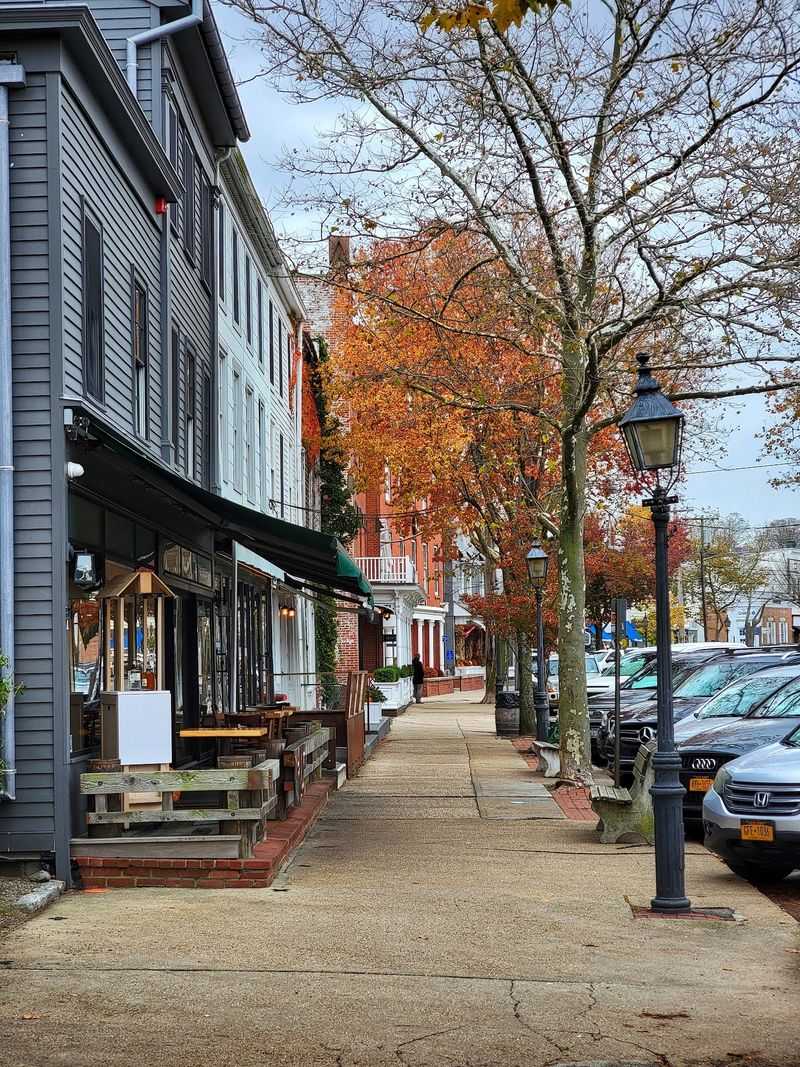
Whaling money built this village, and you can still read it in the woodwork. Sag Harbor sits on the north shore of Long Island’s South Fork, and its historic district holds nearly 900 buildings.
Most are one to three story detached frame houses raised between the 18th and 20th centuries. Downtown adds masonry and wood commercial buildings from the 1800s and 1900s, giving the streets a proper New England and English seaport look.
In 1789 the village was named New York State’s first Port of Entry, which is a serious bragging right. Streets radiate outward from the harbor because the whaling trade organized everything around the water.
Georgian, Federal, Italianate, Queen Anne, and Colonial styles all appear within a short stroll. The Sag Harbor Custom House, built around 1770, stands at Main and Garden Streets, and the American Hotel from about 1845 still commands Main Street attention.
Other standouts include the 1846 Municipal Building, the Sybil Douglas House from roughly 1790, and the 1910 John Jermain Memorial Library. Long Wharf has anchored village life since 1771 and was rebuilt in 1821 for whaling ships.
A 1966 windmill replica greets you there.
9. Hudson – Columbia County
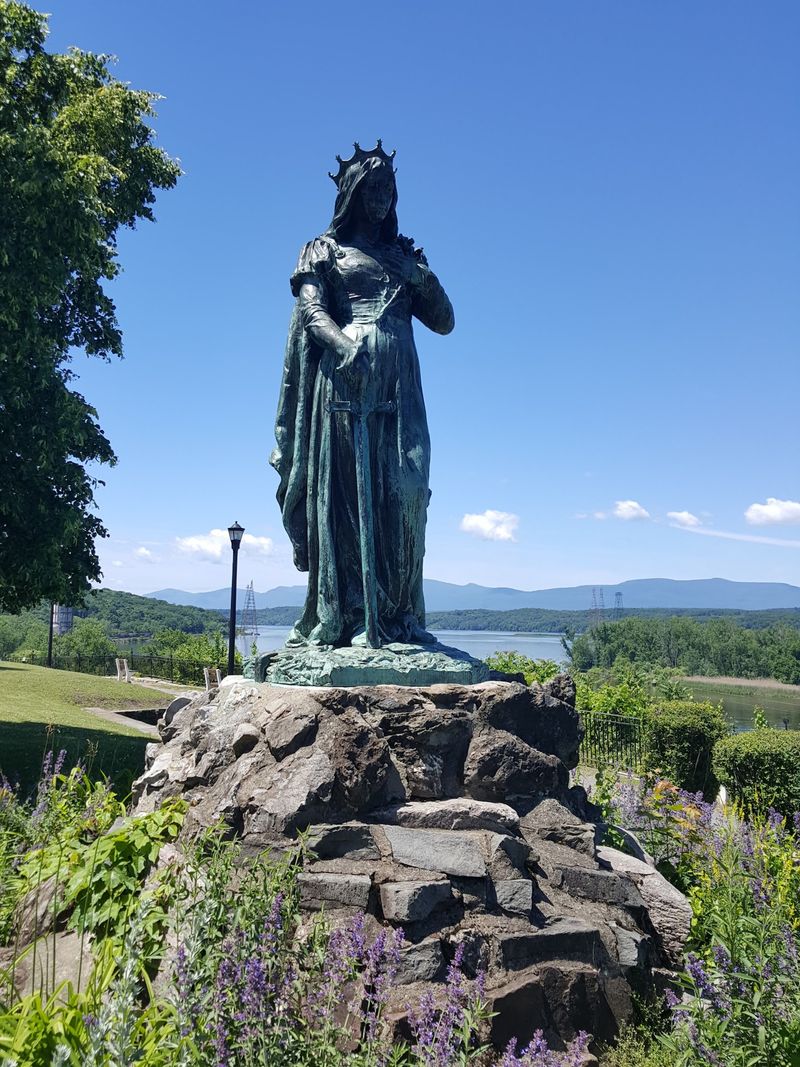
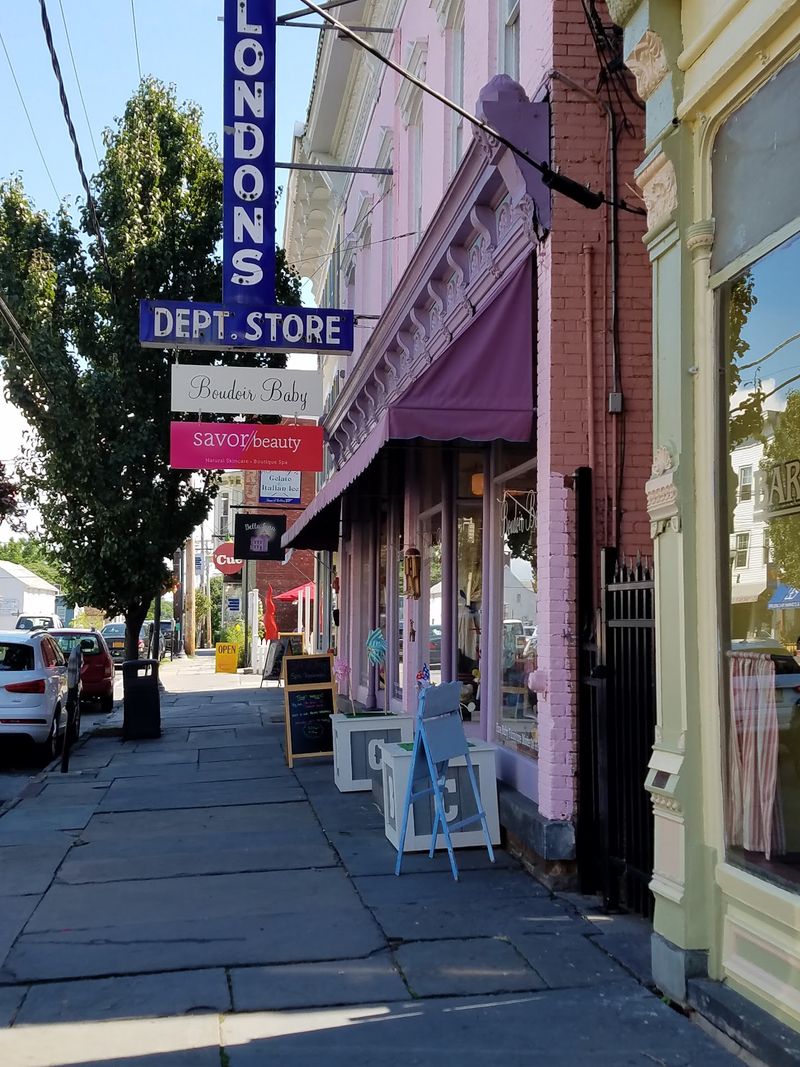
Six blocks of antique shops is a dangerous amount of temptation. Warren Street runs about a mile through Hudson and delivers the closest thing New York has to a European arts district crossed with a Parisian flea market.
Galleries, design shops, and serious restaurants fill buildings that once served a busy 18th century whaling port. The architecture stacks Federal, Victorian, Queen Anne, Greek Revival, and Italianate styles side by side like a timeline you can walk.
The First Presbyterian Church at 369 Warren Street shows off Greek Revival columns, and the Hudson Opera House at 327 Warren Street holds the title of New York State’s oldest surviving theater.
For treasure hunting, Sutter Antiques waits at 556 Warren Street, Hudson, NY 12534, while Red Chair on Warren sits at 606 Warren Street.
Lili and Loo at 259 Warren Street, Valley Variety at 705 Warren Street, and the Carrie Haddad Gallery at 622 Warren Street round out a strong lineup.
Park once and walk the whole spine. Amtrak stops in town, so a day trip requires zero driving.
Budget more than you planned. Everyone does.
10. Saugerties – Ulster County
You can actually sleep in the lighthouse, which feels like cheating. Saugerties keeps its Dutch colonial bones and adds a red brick beacon that has been guarding the Hudson River since 1869.
The light stands at the mouth of the Esopus Creek on a circular stone base measuring 60 feet across. An earlier version from 1835 burned and was rebuilt by 1850, so the current structure is the third act of a long story.
Inside, the restored rooms are furnished to feel like the early 1900s, with a small museum, gift shop, parlor, kitchen, and keeper’s quarters. Climb to the light tower and the Hudson Valley spreads out with the Catskill Mountains stacked behind it.
Reaching it means a pleasant half-mile nature trail starting at the end of Lighthouse Drive. The full address is 168 Lighthouse Drive, Saugerties, NY 12477, and tide timing matters, so check before you go.
Back in the village, Partition Street and Main Street offer bookshops, bakeries, and antique stores in old brick buildings.
Overnight stays book out fast. Plan months ahead.
11. Cazenovia – Madison County
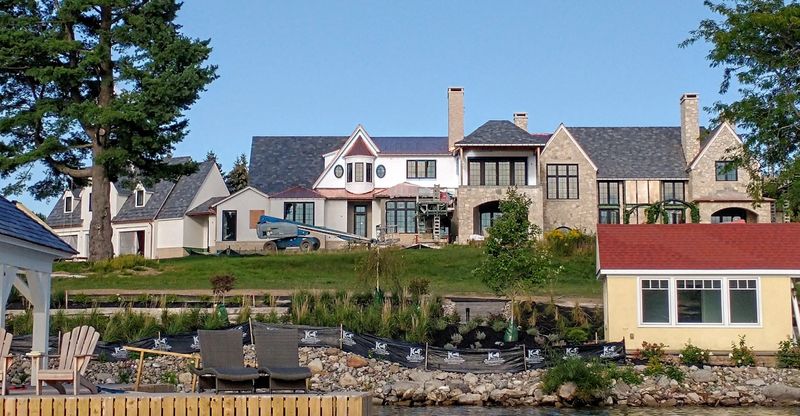
An 1835 hotel still greets guests at the same corner, which says a lot about this village. Cazenovia keeps an English lakeside feel, complete with public greens, waterfront paths, and streets built for strolling.
Albany Street runs east to west as the downtown heart, lined with commercial and residential buildings of real 19th century significance. The Cazenovia Village Historic District joined the National Register in 1986 and counts 278 contributing buildings plus one contributing site.
Classical Revival, Greek Revival, and Late Victorian styles carry the streetscape. The Lincklaen House, built in 1835 at the corner of Albany and Lincklaen streets, remains the landmark hotel with handsome Colonial lines.
Lower Lincklaen Street holds a run of Greek Revival homes, and a Gothic cottage from 1847 sits on Albany Street looking storybook-ready. A distinctive Lakeland style emerged along the lake shore in the late 1800s.
Public access to Cazenovia Lake is available at McNitt State Park for swimming, paddling, and general lounging. The Cazenovia Preservation Foundation, founded in 1967, is the reason so much of this survives intact.
Bring a blanket. The greens invite lingering.
12. Oxford – Chenango County
Very few people outside Chenango County know this village exists, and that is exactly the appeal. Oxford builds its whole identity around a central park and a ring of remarkable old buildings.
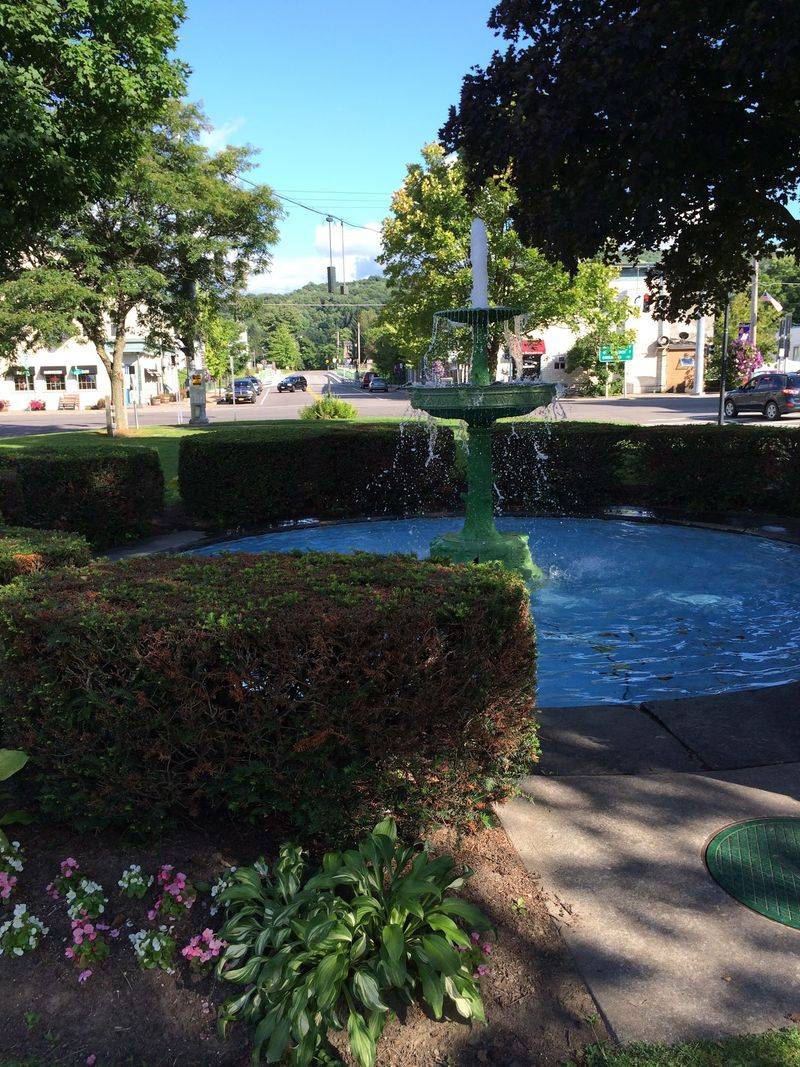
Washington Park, also called LaFayette Park, anchors everything. A Greek Revival bandstand rebuilt in 1917 sits at its center, joined by the graceful Cole Memorial Fountain dating to 1884.
The Oxford Village Historic District includes 201 buildings and seven contributing structures, spanning Greek Revival, Gothic, Queen Anne, Federal, and Classic Revival styles. Self-guided walking tours of the historic homes are available, and the details reward slow looking.
The 1894 First National Bank of Oxford building shows off Richardson Romanesque muscle using bluestone pulled from nearby quarries. The Congregational Church went up in 1823, and St. Paul’s Episcopal Church followed in 1857 using local stone.
The Theodore Burr House, built between 1810 and 1812, now houses the Oxford Memorial Library and the Theodore Burr Covered Bridge Resource Center at 8 Fort Hill Park, Oxford, NY 13830. Village Hall stands at 20 Lafayette Park.
Look up for shingled turrets, carved bargeboards, and curved bay windows. New York hides its best secrets in places like this.