
10 New York Towns Where Property Tax Bills Keep Climbing Higher
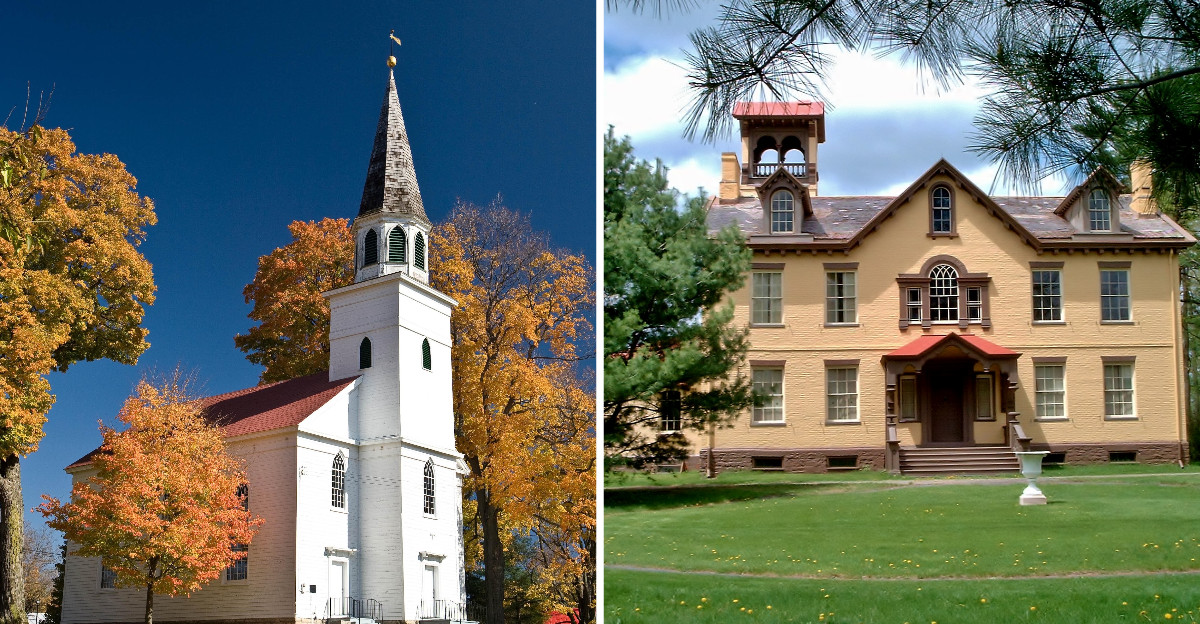
Try a little experiment with your junk drawer. Find a property tax bill from ten years ago and compare it with the latest one. Same house, same street, but the number at the bottom might make you wish you had never looked.
In New York, property taxes have climbed sharply in certain towns over the past decade, leaving homeowners wondering where all that extra money is going.
The interesting part is what happens behind the numbers. Property assessments can change, local budgets grow, and a familiar annual bill suddenly looks unfamiliar. Towns in Columbia and Orange counties offer some revealing examples of that shift.
But which communities have seen the biggest jumps, and what can homeowners actually do when their tax bills keep climbing?
1. Kinderhook – Columbia County, New York
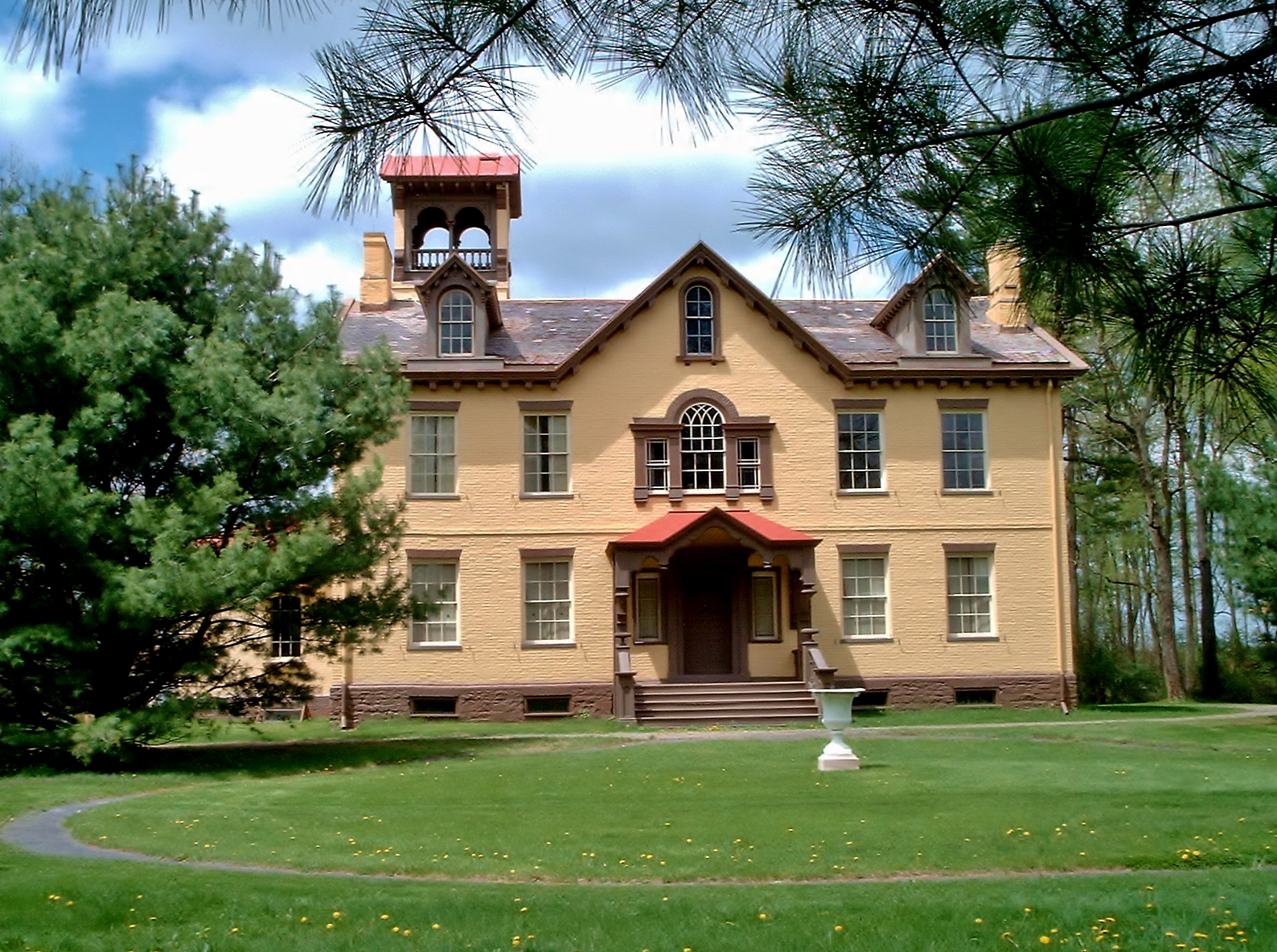
Old Kinderhook may be the hometown of President Martin Van Buren, but its home prices act like brand new celebrities. Median home values here jumped about 35 percent between 2018 and 2023. That kind of growth looks great on paper until the tax bill arrives.
Data shows the median property value reached $372,400 in 2024. That was a 6.52 percent rise in just one year. By September 2026, the median listing price had climbed to $585,000, which is a lot of zeros for a village famous for quiet charm.
Columbia County as a whole carries a median effective tax rate of 1.42 percent. That number sits above the national median. Between 2020 and 2024, the county median tax bill rose 11.8 percent while home values soared 46.8 percent.
So what does a savvy owner do? Start by checking your assessment notice each spring. Assessors can make mistakes, and a wrong square footage or extra bathroom can quietly inflate your bill.
Next, look into the STAR program through New York State. It offers school tax relief for eligible homeowners, and plenty of folks never apply. Seniors and veterans may qualify for extra exemptions too.
Kinderhook still offers sweet scenery and plenty of history. Just keep a calculator handy. A charming porch is lovely, but a charming budget feels even better when tax season rolls around.
2. New Lebanon – Columbia County, New York
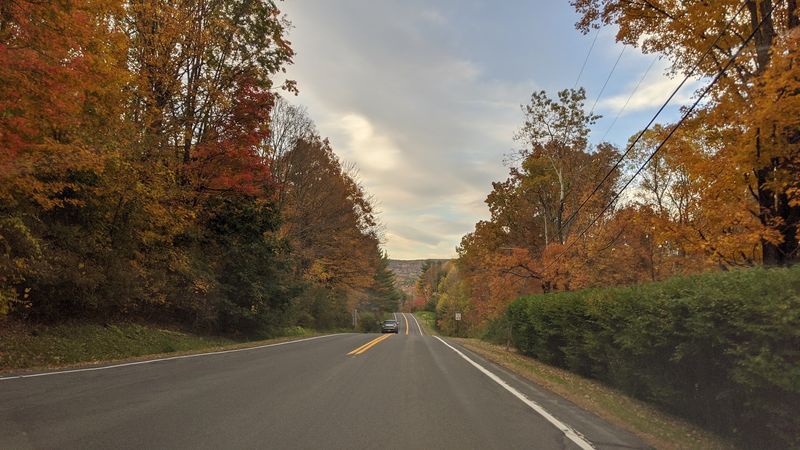
Green hills and wide skies make New Lebanon feel like a postcard that forgot to send itself. The town sits right along the Massachusetts line in eastern Columbia County. Its rural calm draws city folks hungry for space.
Exact decade data for the town alone is hard to find. Still, the county trend tells a clear tale. The median property tax bill across Columbia County rose 11.8 percent between 2020 and 2024.
Remember that effective rate of 1.42 percent? It applies across the county and beats the national median. Rising demand from weekend buyers has pushed values upward, and higher values often nudge bills along for the ride.
Here is a practical tip worth its weight in maple syrup. Grab your tax bill and split it into pieces. You will usually see separate amounts for the town, the county, the school district, and special districts like fire protection.
School taxes are often the biggest slice. Attending a school budget vote each May gives you a real voice. Few residents show up, so your single ballot carries surprising weight.
Farm owners should also explore agricultural assessments. Land used for active farming can qualify for lower values under state rules. Out here, a few acres of hay might save more than a few dollars.
New Lebanon rewards patient planners. Keep your paperwork tidy and your eyes on the budget calendar.
3. Montgomery – Orange County, New York
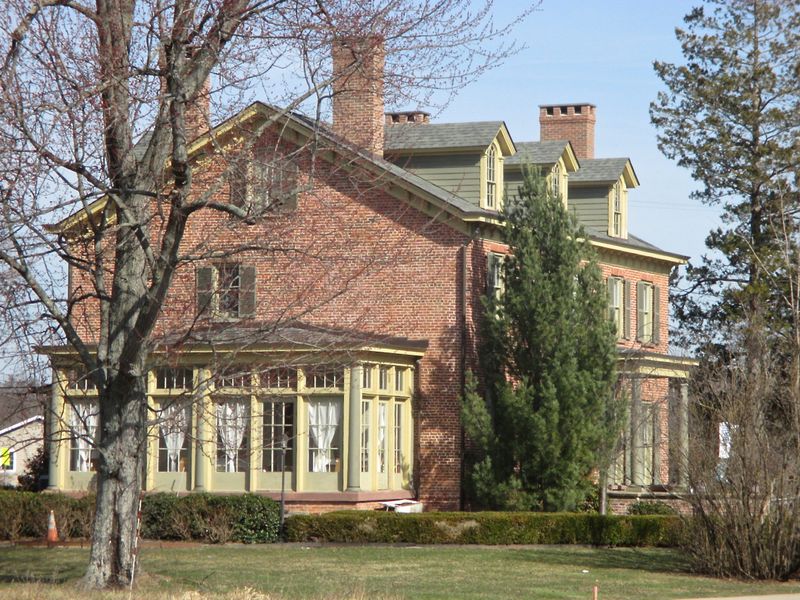
Sticker shock arrived in Montgomery with a 2026 budget that grew 25.33 percent in one swoop. The Town Board approved a budget of nearly $19.8 million. More than $12 million of it comes from taxes.
Town officials explained the jump plainly. Prior years kept tax changes tiny, and the town leaned hard on reserve funds. Eventually the piggy bank ran low, and the bill came due.
The real impact lands on kitchen tables. A home assessed at $200,000 faces a projected 2026 town tax bill of $1,979.33. That is a $409.52 increase from the year before, which could buy a lot of pizza.
Montgomery also carries a median effective rate of 2.19 percent. The median annual tax bill hits $9,226 when every layer is included. Median property values reached $361,300 in 2024, up 4.51 percent.
One quirky fact stands out. The town last reassessed in 2002, so assessed values may not match current market prices. Comparing your assessment to similar homes on your street can reveal whether you pay more than your fair share.
If something looks off, file a grievance on Grievance Day, usually in late May. It costs nothing to file. Bring sales data for comparable homes and keep your tone calm and factual.
Montgomery remains a lovely place to live. Its budget simply asks residents to stay sharp and involved.
4. Chester – Orange County, New York
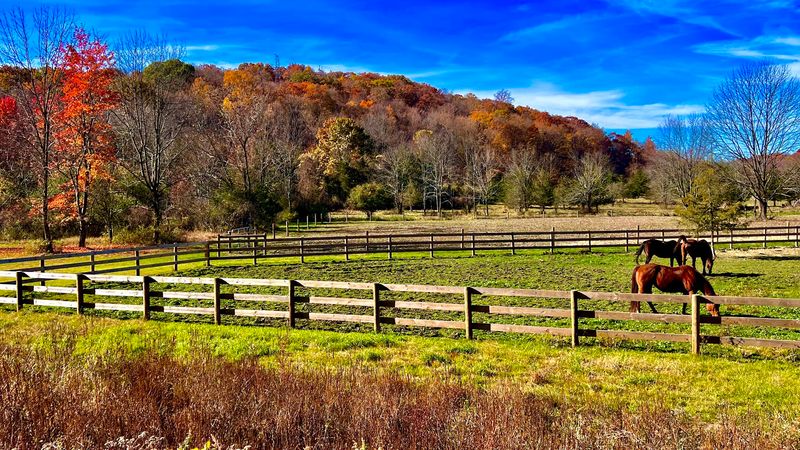
Hot real estate and Chester go together like apples and Orange County. Median property values here rose a whopping 17.7 percent between 2023 and 2024. That was one of the sharpest jumps in the region.
Taxes followed the climb. The school tax rate increased 3.33 percent to $44.99 per $1,000 of assessed value as of September 2025. School levies usually make up the largest share of any New York bill.
The median effective rate sits at a hefty 2.65 percent. That produces a median annual bill of $10,759. For many families, that number rivals a few months of mortgage payments.
Here is a history nugget. Chester last reassessed back in 1992, when dial up internet was still a novelty. Older assessments can create uneven bills between longtime owners and new buyers.
New buyers should read the fine print before signing. Ask the seller for recent tax bills and check whether any exemptions will vanish after closing. A senior exemption on the old owner may disappear on your watch.
Escrow accounts deserve attention too. When taxes jump, your lender may raise your monthly payment to cover the gap. Reviewing your annual escrow statement prevents an unpleasant surprise.
Chester offers easy highway access and handsome scenery. A little homework turns that dream address into a financially steady one.
5. Warwick – Orange County, New York
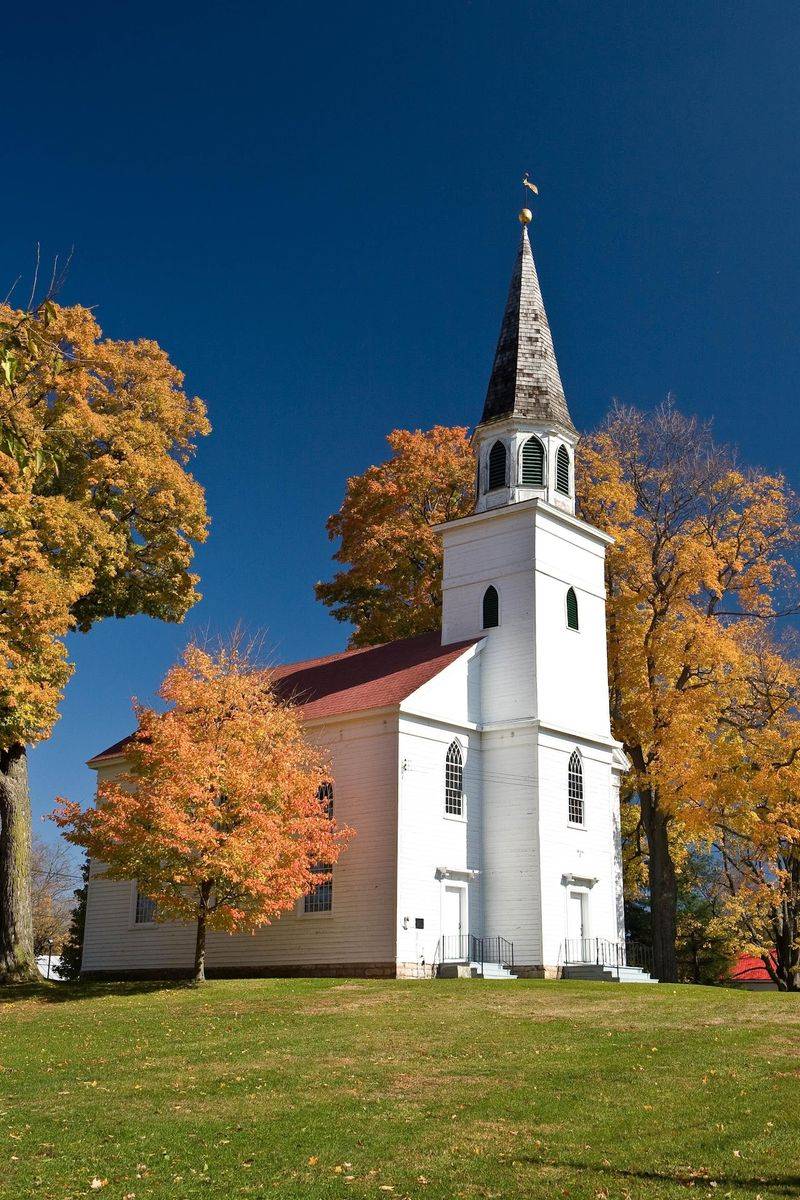
Apple orchards and pumpkin patches give Warwick its storybook glow, and buyers have noticed. Median property values grew 7.99 percent between 2023 and 2024. The figure reached $438,100, one of the higher medians on this list.
As of April 2026, Warwick posted a median effective rate of 2.14 percent. That adds up to a median annual bill of $10,129. Charm, it turns out, comes with a price tag.
The town last reassessed in 1998. Orange County keeps historical tax rates for towns and schools going back to 2009 and 2010. Curious residents can study those records to see exactly how their slice has grown.
Tracking those rates is a smart habit. Pull up the county records and jot down your town and school rates for each year. Patterns jump out quickly, and you will spot the years with the biggest leaps.
Budget hearings happen every fall for the town. Residents can speak up about spending priorities and ask how money gets used. Polite questions often lead to clearer answers than angry ones.
Warwick also has farmland protection programs. Preserved open space helps keep the rural feel that makes the area special. Supporters argue it can also limit costly sprawl.
A weekend apple picking trip here is pure joy. Owning a home here is joy too, as long as you keep your financial basket organized.
6. Minisink – Orange County, New York
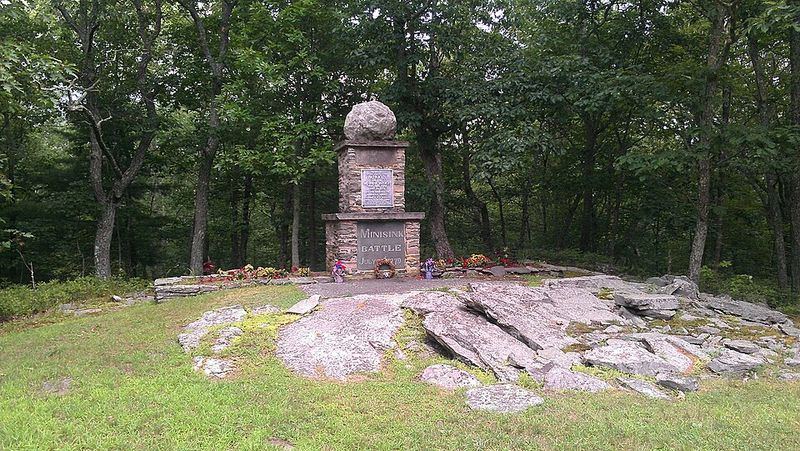
Quiet country roads in Minisink hide a sneaky money story. The town last reassessed in 1991. That means assessed values on the books look nothing like today’s real market prices.
Why does that matter? When assessments stay frozen, rising tax bills come mostly from rising tax rates. The town and school simply raise the rate to collect what they need.
Exact decade figures for Minisink alone are not easy to locate. However, Orange County saw its median property tax bill rise 18.0 percent between 2020 and 2024. That outpaced Columbia County by a solid margin.
Owners here should learn a key term called the equalization rate. New York uses it to compare old assessments with full market value. A low equalization rate signals that assessments sit far below current prices.
Knowing that rate helps you judge fairness. Divide your assessed value by the equalization rate to estimate what the town thinks your home is worth. If that estimate tops your true market value, you might have grounds for a grievance.
Small towns also benefit from active residents. Volunteering on a budget committee or simply attending meetings keeps leaders accountable. Fewer voices mean each one carries more weight.
Minisink offers peaceful living and wide open views. With a bit of math and a little moxie, homeowners can keep their bills from wandering too far afield.
7. Deerpark – Orange County, New York
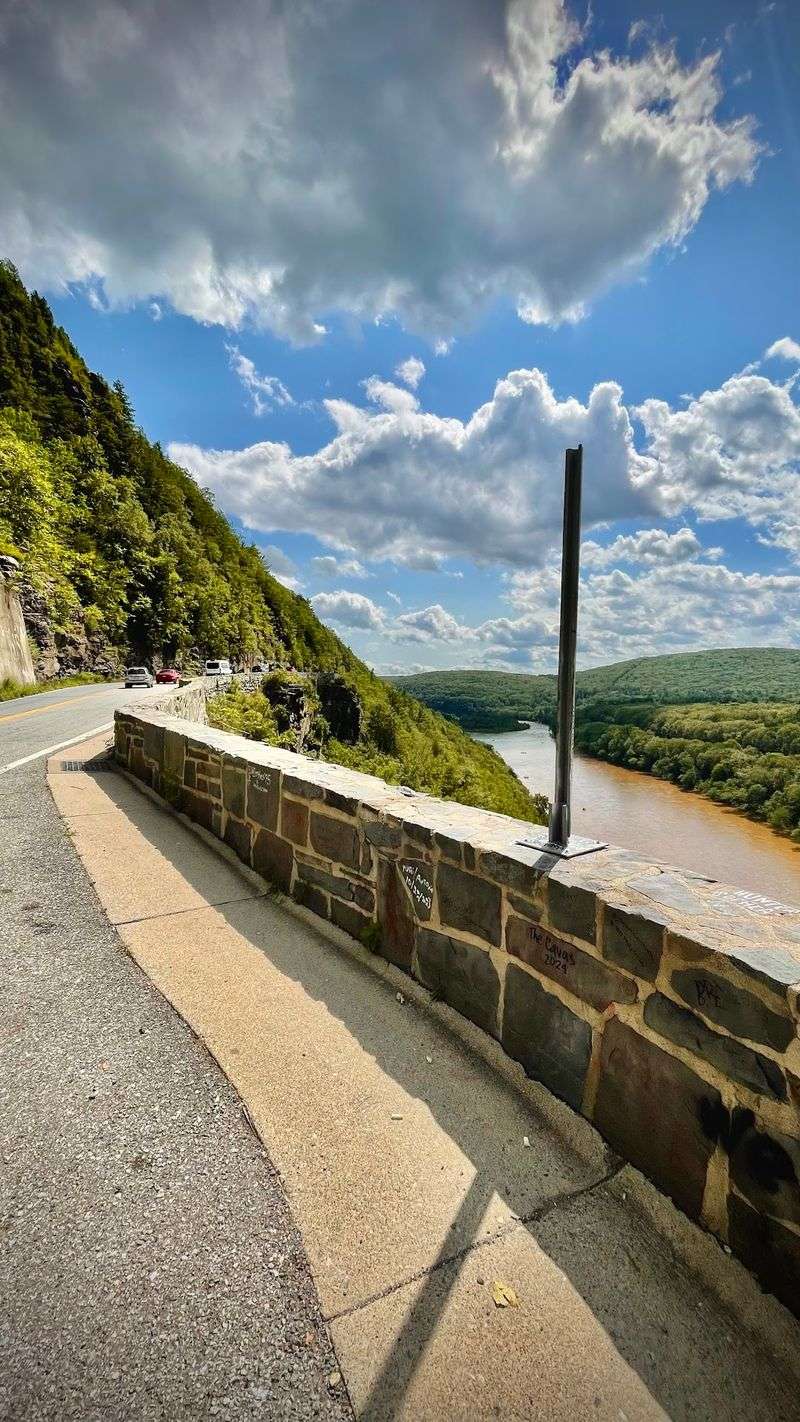
River views along the Delaware make Deerpark a natural beauty with a pricey streak. The town surrounds the city of Port Jervis near the meeting point of three states. Outdoor lovers flock here for hiking and paddling.
Data for the area shows property values climbing 9.16 percent between 2023 and 2024. One source reports a median bill of $12,645 for the 2024 to 2025 roll year at a 2.13 percent effective rate. Another lists a median of $10,001 on homes worth around $497,900.
Numbers vary by source, so treat them as rough guides. Your own bill tells the true story. Keep copies of each year to track changes over time.
Deerpark last reassessed in 1994. Like its neighbors, the town relies heavily on rate changes to fund services. Older assessments can leave similar homes paying very different amounts.
Want a handy money move? Check whether your home sits in any special districts for lighting, water, or fire service. Each district adds a line to your bill, and those charges can rise on their own schedule.
Seniors with limited income should look into the Enhanced STAR credit. Eligible owners can save hundreds of dollars on school taxes each year. Applications run through the New York State Department of Taxation and Finance.
Deerpark’s rivers keep flowing. With smart planning, your savings can keep flowing too.
8. Blooming Grove – Orange County, New York
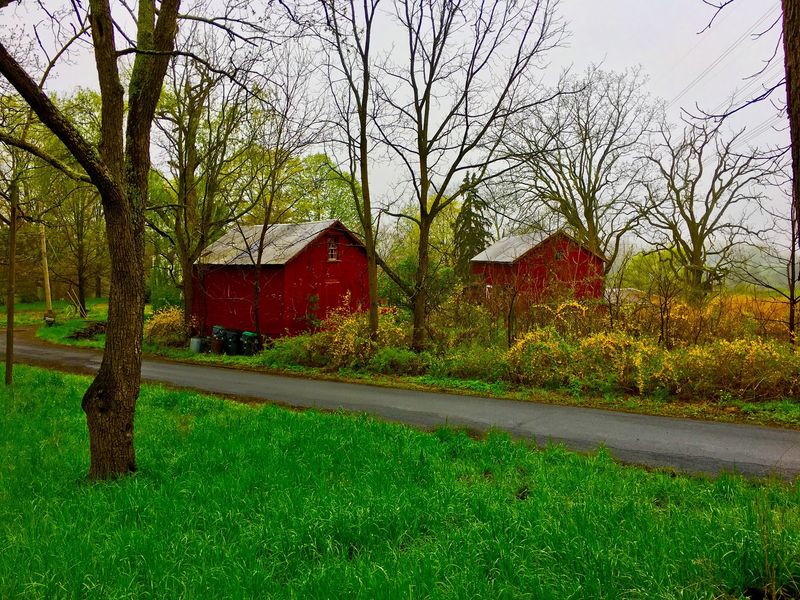
Brace yourself, because Blooming Grove carries one of the steepest bills on this list. The median effective rate sits at 2.51 percent. That leads to a median annual tax bill of $13,741.
School taxes keep blooming too. The school tax rate rose 4.78 percent to $187.61 per $1,000 of assessed value as of September 2025. That rate looks huge because assessments here are so outdated.
The last townwide reassessment happened in 1974. Disco was popular and gas cost about fifty cents a gallon. Assessed values from that era are tiny, so rates must be enormous to collect enough money.
Residents with questions can visit the Town Assessor’s Office at 6 Horton Road in Blooming Grove, NY 10914. Staff can explain your assessment and walk you through exemption forms. Calling ahead saves time during busy grievance season.
Here is a sharp tip. Ask for your property record card. It lists details like lot size, rooms, and building features that shape your assessment.
Errors on these cards happen more often than you might think. A finished basement that is really unfinished can add value that does not exist. Fixing a mistake can trim your bill for years.
Blooming Grove has lovely parks and friendly neighborhoods. Staying informed helps your budget grow as gracefully as the town’s name suggests.
9. Goshen – Orange County, New York
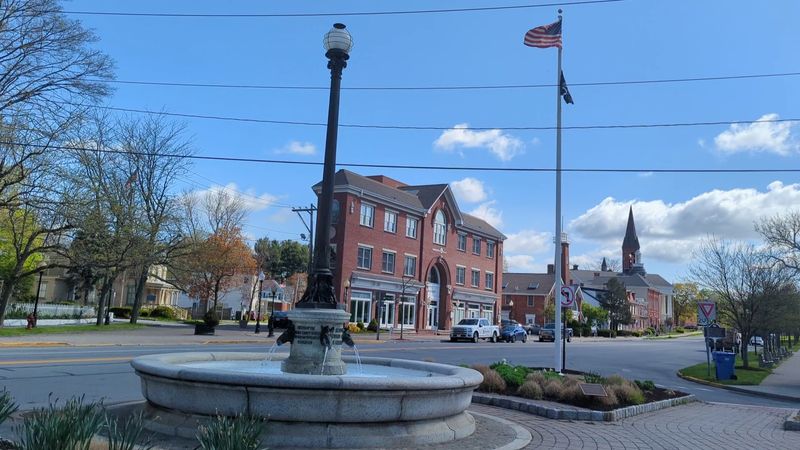
Harness racing fans know Goshen as home to Historic Track, one of the oldest trotting tracks in the country. Taxes here have trotted upward at a steadier pace. Median values rose 3.45 percent between 2023 and 2024.
The 2024 median property value reached $396,300. Goshen holds a median effective rate of 2.22 percent. That works out to a median annual bill of $10,418.
Goshen also serves as the county seat. The Orange County Government Center stands at 255 Main Street in Goshen, NY 10924. Real property questions for the whole county can be directed there.
The town last reassessed in 1998. That gap means newer homes and older homes may be valued on different footing. Comparing assessments with neighbors can show whether things look balanced.
Online tools make research easy. Orange County offers property data and historical tax rates on its website. A few minutes of browsing can reveal how your rate compares with nearby towns.
Paying on time matters as well. Late payments bring penalties and interest that add up fast. Many towns allow installment plans, so ask your tax collector about options.
Goshen blends history with everyday convenience. Keep your records straight and your deadlines marked. You will cross the finish line of tax season without breaking stride.
10. Tuxedo – Orange County, New York
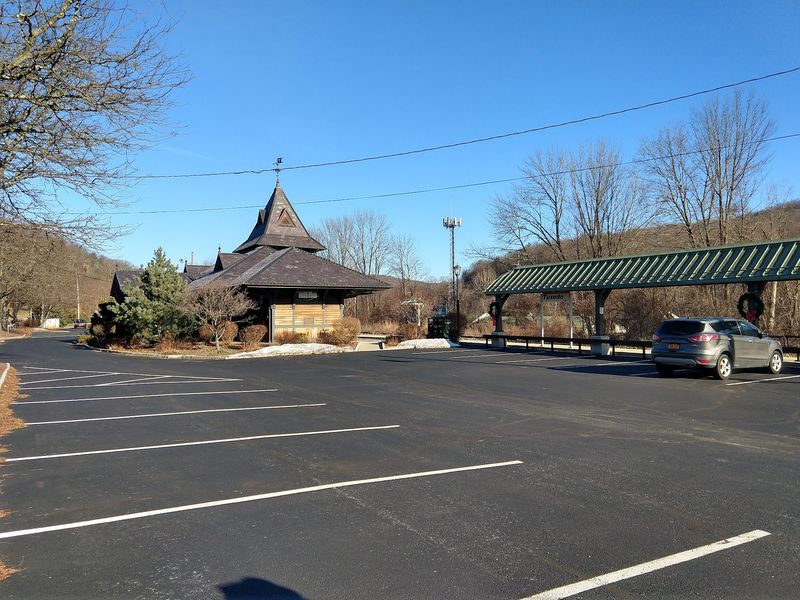
Fancy fact alert: the tuxedo jacket got its name from Tuxedo Park in this very town. Elegant history aside, local tax bills wear their own formal numbers. The town’s median effective rate stands at 2.62 percent.
Tax figures here split into two worlds. The town median annual bill sits at $5,144. Inside the Village of Tuxedo Park, the median bill jumps to $11,560 with a 2.01 percent rate.
Good news arrived for some owners in September 2025. The school tax rate actually dropped 2.51 percent. Still, composite rates as of January 2025 reached 144.115314 outside the village and 123.308732 inside Tuxedo Park.
Those long decimals come from very old assessments. Tuxedo last reassessed in 1974, much like Blooming Grove. Ancient values require towering rates to fund modern services.
Paying in person? The Town of Tuxedo Tax Office is at 1 Temple Drive in Tuxedo, NY 10987. Staff can help with payment schedules and receipts.
Village residents should remember that they pay both town and village taxes. Reading each bill closely keeps you clear on who charges what. Budget meetings for both governments welcome public comments.
Tuxedo offers wooded beauty near Harriman State Park and a touch of Gilded Age glamour. Dress your budget sharply, and tax season will feel far less stuffy.