
New York’s Coolest Art Spots: 13 Galleries And Installations Worth The Trip
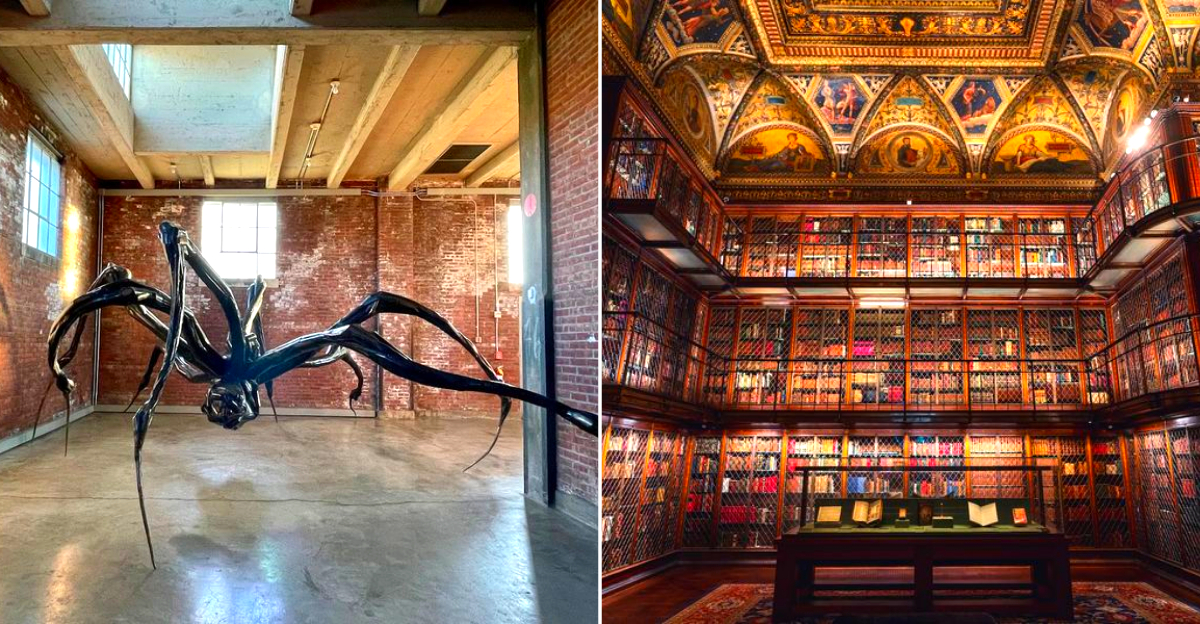
New York has a way of turning art into an adventure, and these spots absolutely prove it! Around nearly every corner, there is something unexpected waiting to be discovered, from intimate galleries showcasing bold new talent to large-scale installations that completely transform a space.
Some places make you pause and study every detail, while others invite you to step inside and experience the artwork in a completely different way. What makes the city especially exciting for art lovers is the sheer variety.
One day you might be wandering through a quiet gallery, the next you could find yourself standing inside a massive immersive installation. These art spots capture that creative energy perfectly and are absolutely worth adding to your New York itinerary.
1. Storm King Art Center
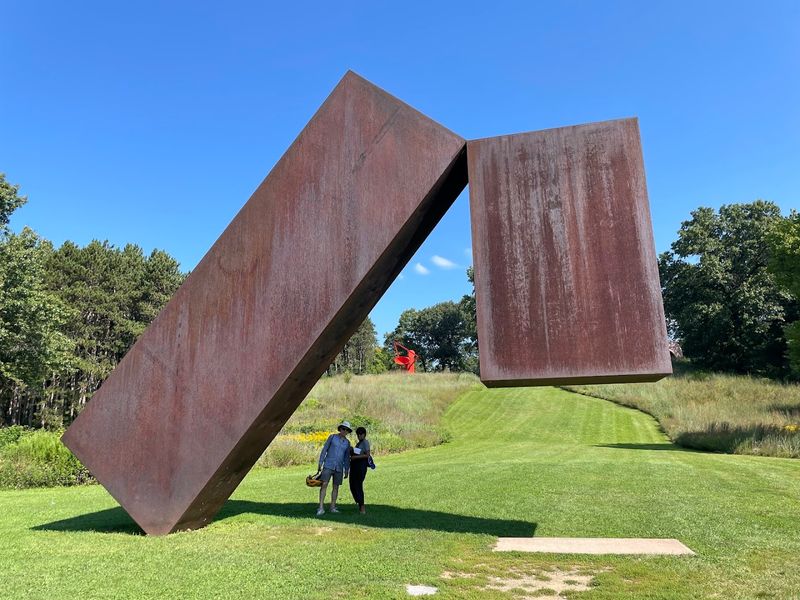
Imagine walking through a massive green field and suddenly coming face to face with a sculpture the size of a house. That is exactly the vibe at Storm King Art Center, one of the most jaw-dropping outdoor museums on the entire East Coast.
The place sits on about 500 acres of pure Hudson Valley beauty, and it never gets old.
More than 100 monumental sculptures are spread across the grounds, created by artists from around the world. You can spend a full day here and still feel like you missed something.
Located at 1 Museum Road in New Windsor, New York, the center is about an hour from Manhattan and absolutely worth the drive.
Wear comfortable shoes because this is not your typical stand-and-stare museum. You walk, you explore, and you discover art around every bend.
Seasonal changes make each visit feel completely different, so coming back in fall versus spring is practically a different experience altogether. Storm King is one of those places that makes you feel genuinely small in the best possible way.
2. The Metropolitan Museum Of Art
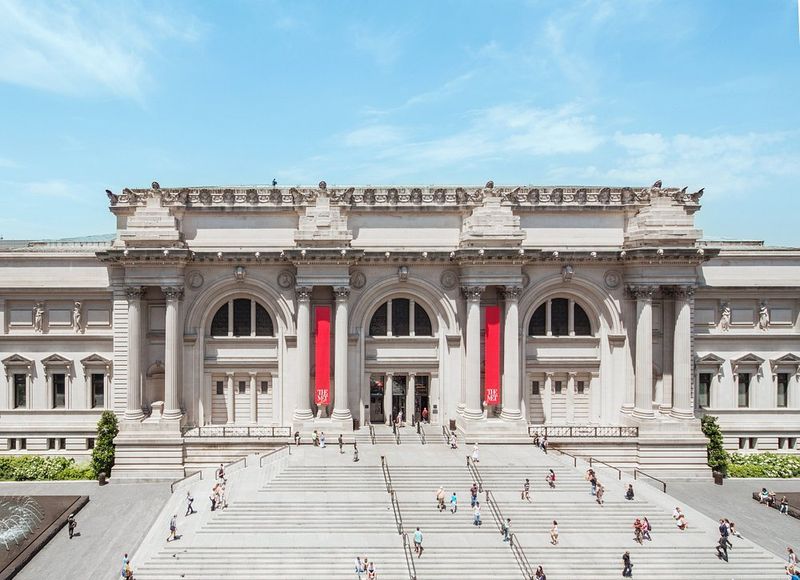
Few places on earth carry the kind of weight that the Met does. Walking through those enormous front doors on Fifth Avenue feels like stepping into every art class you ever took, all at once.
The collection spans more than 5,000 years of human creativity, and that number is not a typo.
Ancient Egyptian temples sit under the same roof as Impressionist masterpieces and contemporary photography. The Met holds over two million works of art, which means you could visit every week for years and still find something new.
It lives at 1000 Fifth Avenue, right along Central Park, making it easy to pair with a park stroll afterward.
Admission is pay-what-you-wish for New York State residents, which is basically a gift from the city to its people. For everyone else, the ticket price is one of the best deals in any global city.
The rooftop installation changes seasonally and offers skyline views that pair art with architecture in a way that feels almost unfair to the rest of the world. Honestly, the Met alone could justify a trip to New York.
3. The Museum Of Modern Art
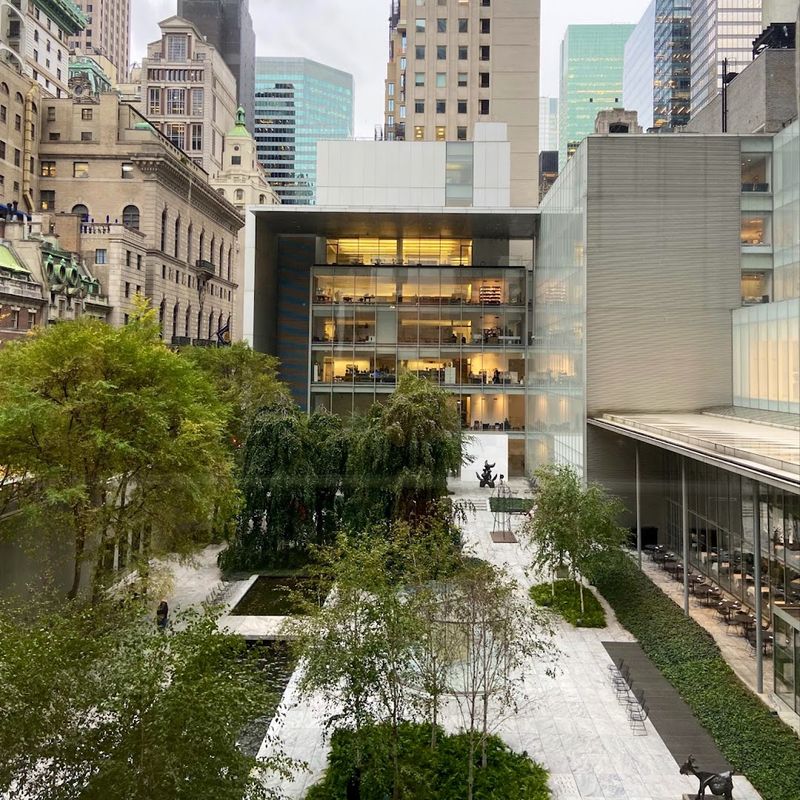
Some museums make you think. MoMA makes you feel things you did not expect to feel in a building on 53rd Street.
This is the place where Van Gogh’s Starry Night lives, and seeing it in person after years of seeing it on posters and phone cases is a genuinely humbling experience.
The Museum of Modern Art has been shaping how the world understands contemporary creativity since 1929. Picasso, Warhol, Kahlo, Matisse, all of them have a home here.
Located at 11 West 53rd Street in Midtown Manhattan, MoMA is one of the most visited museums in the United States every single year.
The building itself was redesigned and expanded in 2019, giving the galleries a fresh, open feel that makes even the most challenging modern works feel approachable. The sculpture garden out back is a genuinely peaceful spot in the middle of one of the loudest cities on the planet.
MoMA also hosts film screenings, talks, and performances throughout the year, so there is always a reason to go back. Bring your curiosity and leave your assumptions at the door.
4. Solomon R. Guggenheim Museum
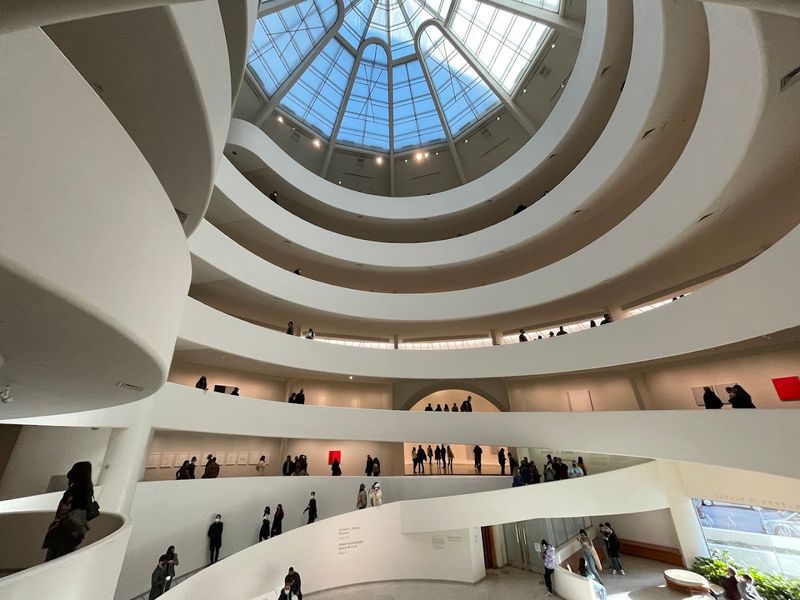
Before you even see the art inside, the building itself will stop you cold. Frank Lloyd Wright designed the Guggenheim as one continuous spiral ramp, and walking through it feels less like visiting a museum and more like being inside a living sculpture.
It opened in 1959 and has been making jaws drop ever since.
The Solomon R. Guggenheim Museum sits at 1071 Fifth Avenue on the Upper East Side, right across from Central Park.
The permanent collection includes major works by Kandinsky, Chagall, and Mondrian, while rotating exhibitions bring in fresh contemporary voices throughout the year. Every show feels curated with real intention.
One of the best tricks here is to take the elevator to the top and slowly walk down the spiral ramp, letting the art reveal itself as you descend. The architecture and the artwork feed off each other in a way that feels completely deliberate.
The Guggenheim is also a UNESCO World Heritage Site, one of only a handful of American buildings to earn that distinction. It is proof that a museum can be a masterpiece before you even buy a ticket.
5. The Noguchi Museum
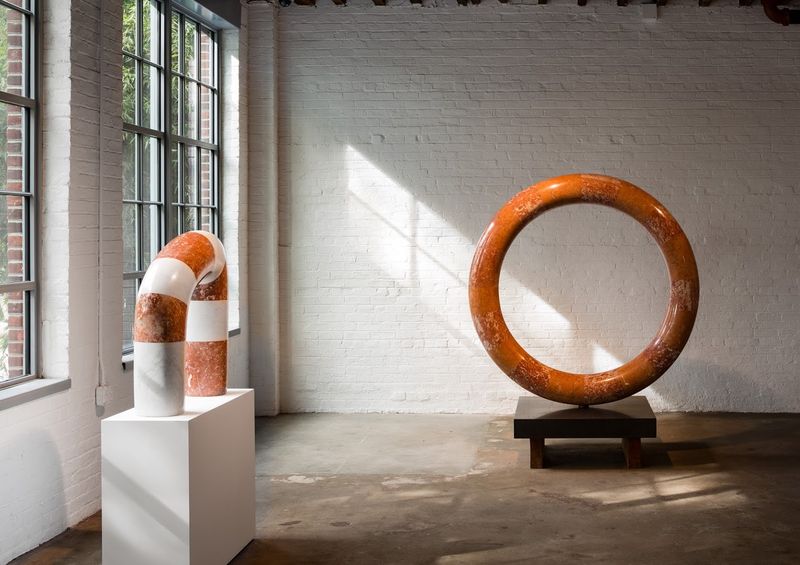
Not every great art experience comes with a crowd. The Noguchi Museum has a calm, almost meditative quality that sets it apart from every other institution in New York City.
Artist Isamu Noguchi actually designed this space himself, which means the museum is essentially a work of art housing more works of art.
The collection focuses on Noguchi’s minimalist stone, metal, and wood sculptures, many of which look like they arrived from another dimension entirely. The garden courtyard alone is worth the trip.
You will find the museum at 9-01 33rd Road in Long Island City, Queens, just a short ferry or subway ride from Manhattan.
Noguchi was Japanese American and his work bridges Eastern and Western artistic traditions in a way that feels completely effortless. The museum opened in 1985 and has remained one of the most thoughtfully preserved artist spaces in the country.
Visiting on a weekday gives you an almost private experience, which feels like a real luxury in this city. If you have ever wanted to slow down and actually sit with a piece of art for a while, this is the place to do exactly that.
6. Dia Beacon
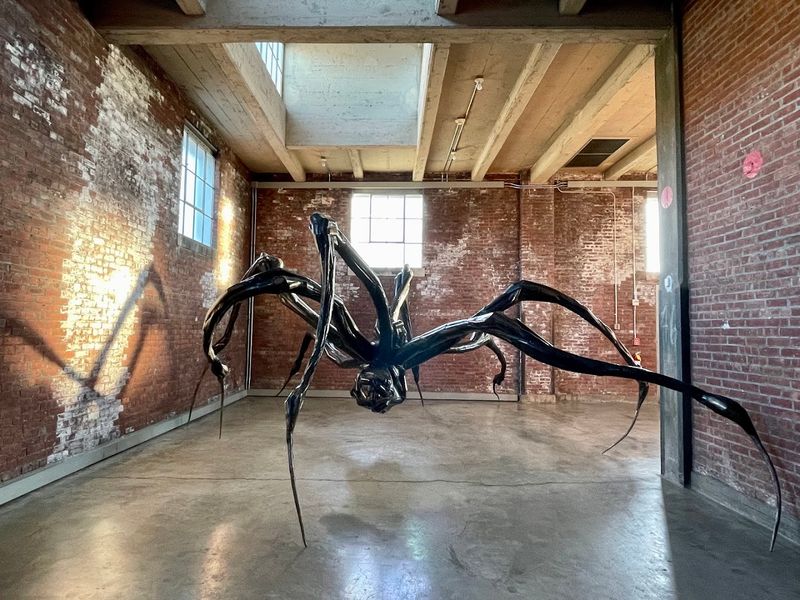
There is something almost surreal about walking into a former Nabisco box-printing factory and finding some of the most ambitious contemporary art installations in the world. Dia Beacon does exactly that, and it does it with a confidence that feels earned.
The building itself, at 3 Beekman Street in Beacon, New York, was transformed into a sprawling museum that opened in 2003.
The skylights built into the original factory roof flood the galleries with natural light, which changes throughout the day and genuinely affects how the art looks.
Works by Richard Serra, Dan Flavin, and Andy Warhol are given room to breathe in a way that smaller city galleries simply cannot offer.
Some of the Serra steel sculptures are so large they require entire rooms to themselves.
Beacon is about 90 minutes north of Manhattan by Metro-North train, and the ride along the Hudson River is beautiful enough to count as part of the experience. The town itself has become a creative hub, so there is plenty to explore before or after your visit.
Dia Beacon rewards patience and attention, so give yourself at least three hours and resist the urge to rush. Big art deserves big time.
7. Society Of Illustrators Museum
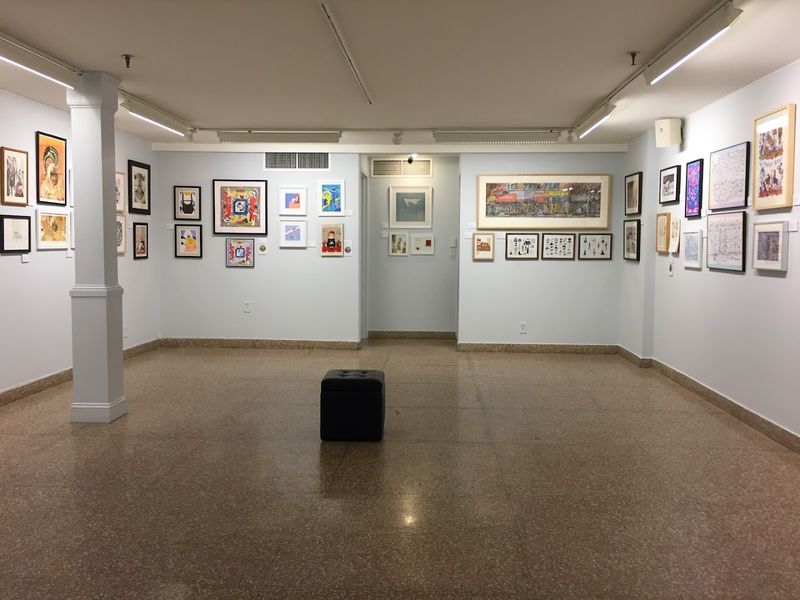
Illustration often gets treated like the younger sibling of fine art, always talented but rarely given the spotlight it deserves. The Society of Illustrators Museum fixes that problem with real style.
Since 1901, this organization has been championing the art of illustration, and its museum on the Upper East Side is a testament to just how serious that mission has always been.
Located at 128 East 63rd Street in Manhattan, the museum features rotating exhibitions that cover everything from classic magazine illustration to graphic novels to animation art. The permanent collection holds thousands of original works from legendary illustrators whose images shaped American visual culture for over a century.
The building itself is a historic townhouse that gives the whole experience a warm, intimate feel you do not always get at larger institutions. Admission is free, which makes it one of the most generous cultural offers in the city.
The annual illustration competition draws submissions from artists worldwide, and the winning works go on display in a show that is genuinely exciting to see. If you grew up loving comic books, magazine covers, or children’s book art, walking through this museum will feel like coming home.
Do not sleep on this one.
8. The Whitney Museum Of American Art
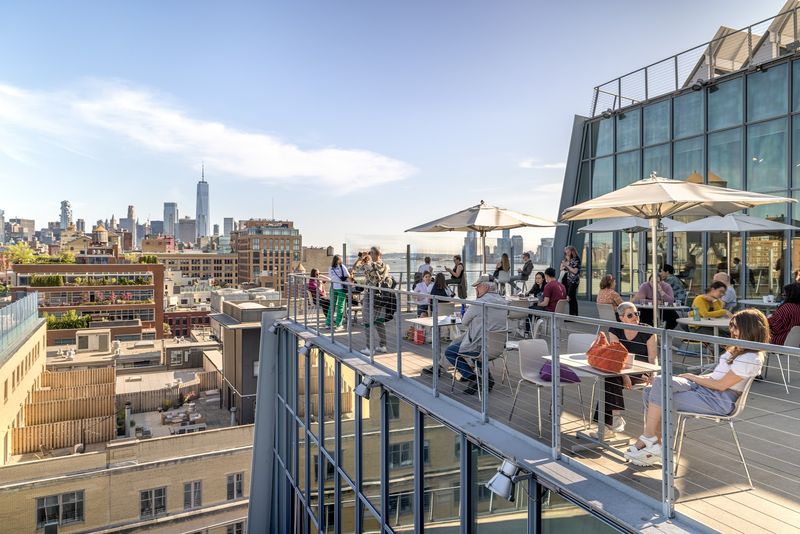
American art has a home, and it sits right where the High Line meets the Hudson River. The Whitney Museum of American Art moved to its current Meatpacking District location in 2015 and the building, designed by Renzo Piano, became an instant landmark.
The outdoor terraces alone offer some of the best views of the city you will find anywhere.
The Whitney focuses exclusively on American artists, with a collection that spans the 20th and 21st centuries. Edward Hopper, Georgia O’Keeffe, Jasper Johns, and Jean-Michel Basquiat all have significant representation here.
The museum is located at 99 Gansevoort Street, making it easy to combine with a walk along the High Line or a visit to Chelsea galleries nearby.
The Whitney Biennial, held every two years, is one of the most talked-about events in the contemporary art world. It surveys the current state of American art and always sparks conversation, debate, and genuine excitement.
Even on a regular visit, the rotating exhibitions feel fresh and relevant in a way that keeps the museum feeling alive rather than archival. The Whitney does not just preserve American art, it actively participates in shaping what comes next.
9. Art Omi Sculpture & Architecture Park
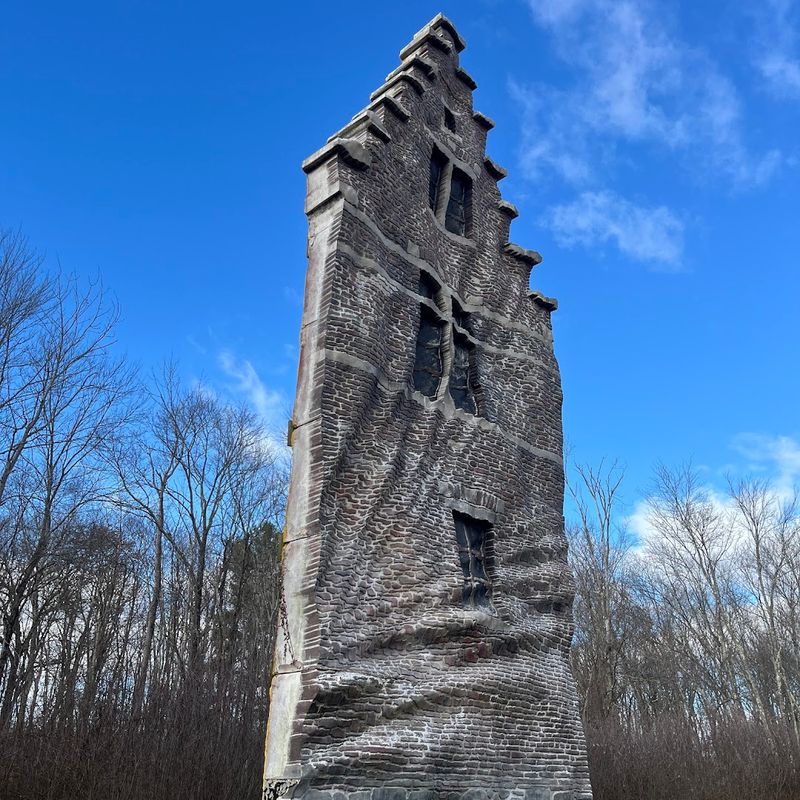
Picture 120 acres of open New York countryside filled with large-scale sculptures that seem to have grown right out of the landscape. Art Omi in Ghent, New York makes that picture real, and it does so with a casual generosity that feels rare in the art world.
Admission is free, and the grounds are open year-round.
The sculpture park features rotating and permanent works by artists from around the world, installed across open fields and wooded areas. Each piece interacts with its natural surroundings in a way that changes depending on the season and the light.
Art Omi is located at 1405 County Route 22 in Ghent, about two hours north of New York City.
There is also an architecture park on the property, where experimental structures by international architects sit alongside the sculpture installations. The combination creates a conversation between art and space that is genuinely thought-provoking without ever feeling academic.
Bring a picnic, wear walking shoes, and plan to spend at least half a day here. The scale of the place rewards slow exploration, and you will likely find a sculpture in a field that makes you stop and just stare for a few minutes.
That is always a good sign.
10. Opus 40
One person. One quarry.
Thirty-seven years of work. Opus 40 is the kind of project that makes you question what is actually possible when someone commits fully to a vision.
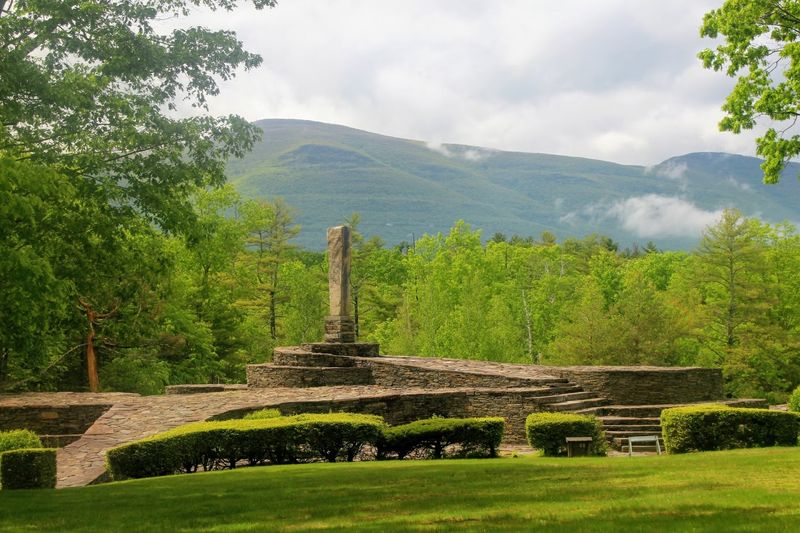
Artist Harvey Fite spent nearly four decades hand-carving and placing bluestone to create a sprawling, terraced sculpture landscape in the Catskill Mountains that covers about nine acres.
The centerpiece is a massive bluestone monolith that rises from the center of the flowing stone platforms, surrounded by pools and pathways that invite you to walk through the whole composition.
Located at 50 Fite Road in Saugerties, New York, Opus 40 is about two and a half hours from Manhattan and operates as a museum and cultural center today.
Fite was also a sculptor and professor at Bard College, and he originally intended the site as a backdrop for his other works. But Opus 40 became the masterpiece itself.
The name refers to his original estimate that the project would take 40 years. He passed away in 1976 before completing it, but what he left behind is extraordinary.
Visiting on a clear day when the light hits the stone just right is an experience that feels genuinely cinematic. No filter needed.
11. Jacques Marchais Museum Of Tibetan Art
Staten Island holds one of the most unexpected cultural treasures in all of New York, and most people have no idea it exists.
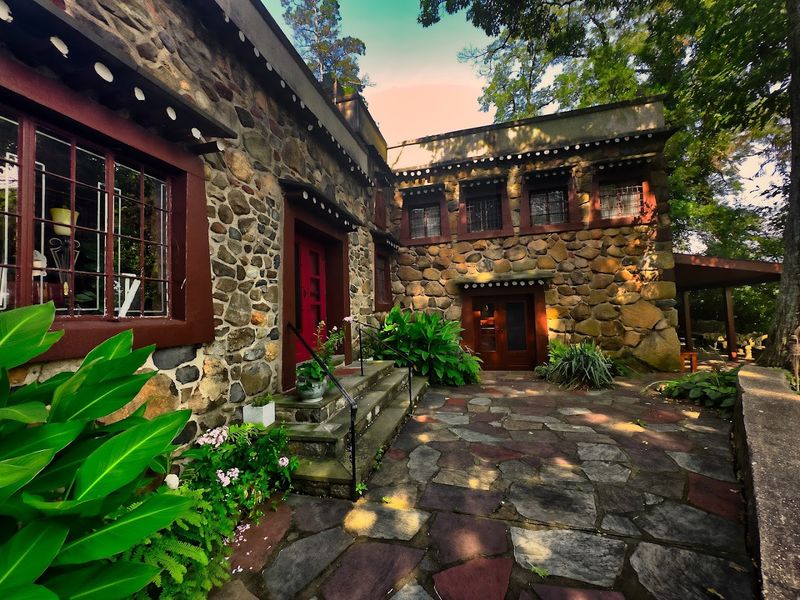
The Jacques Marchais Museum of Tibetan Art is a Himalayan-style stone complex that genuinely looks like it was lifted from a mountainside in Nepal and placed quietly on a hillside in Staten Island.
The illusion is convincing and the collection inside is serious.
Founded by art dealer Jacqueline Klauber, who collected under the name Jacques Marchais, the museum holds one of the largest collections of Tibetan art outside Asia. Sculptures, ritual objects, thangka paintings, and ceremonial pieces fill the two stone buildings and surrounding terraced gardens.
The museum is located at 338 Lighthouse Avenue in Staten Island.
Getting there is part of the adventure since you take the free Staten Island Ferry and then a short bus ride, which already makes the trip feel like a real excursion. The meditation garden offers a genuinely peaceful place to sit and reflect after exploring the collection.
The museum hosts cultural programs and events throughout the year that connect visitors to living Tibetan traditions. For something this unique and this far from the typical tourist trail, the Jacques Marchais Museum is a true hidden gem in the fullest sense of the phrase.
12. Socrates Sculpture Park
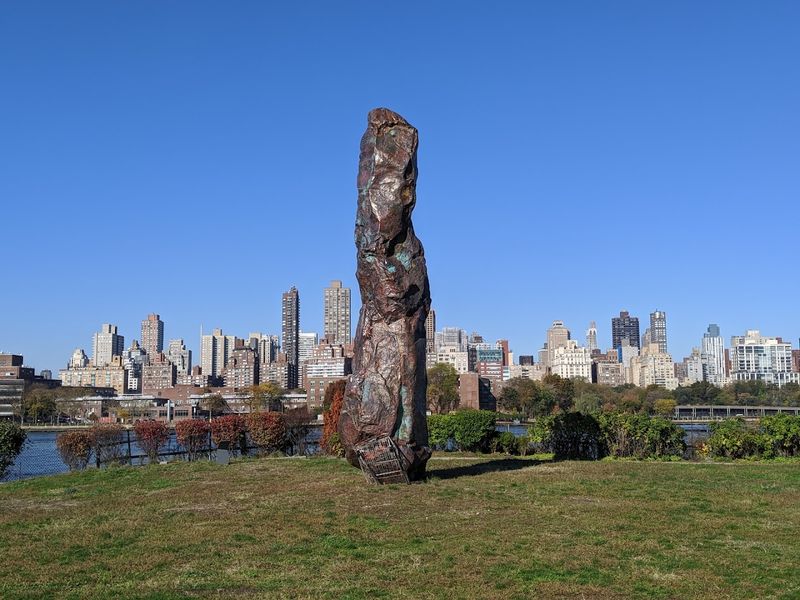
Real talk: very few art experiences in New York come with a skyline view like this one. Socrates Sculpture Park sits right on the East River waterfront in Long Island City, Queens, and the Manhattan backdrop makes every sculpture look like it was posed for a magazine shoot.
The park is free, open every day, and genuinely one of the best-kept secrets in the outer boroughs.
Founded in 1986, the park was transformed from an illegal dump site into a vibrant outdoor exhibition space by artists and community members. Today it hosts rotating large-scale installations by emerging and established artists, with a new exhibition cycle each year.
The address is 32-01 Vernon Boulevard in Long Island City, easily reachable by subway or ferry.
The park also runs public programming including outdoor film screenings, fitness classes, and artist talks, making it a true community space rather than just a gallery.
Visiting at sunset gives the whole experience a golden quality that photographs do not fully capture, though you will absolutely try.
The combination of ambitious contemporary art, open waterfront space, and that iconic skyline creates something that feels uniquely New York in the best possible way. Come for the art, stay for the view.
13. The Morgan Library & Museum
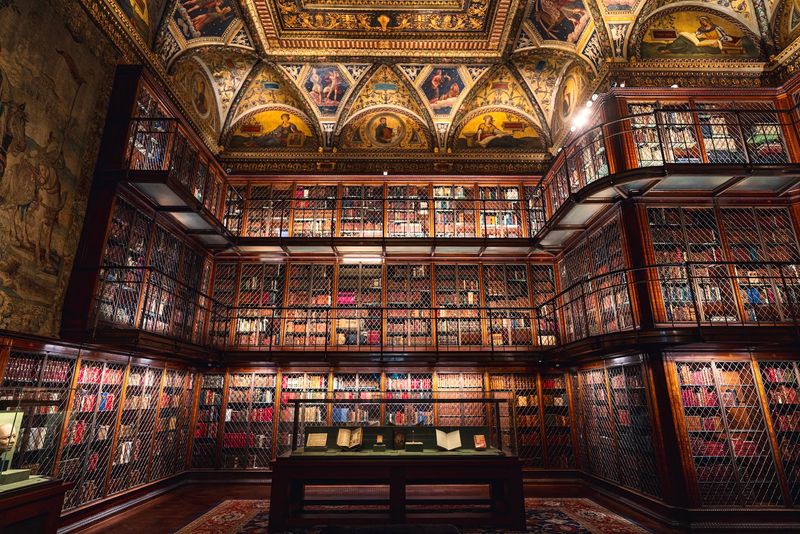
Walking into the Morgan Library feels like being let into someone’s incredibly brilliant private world. Financier J.P.
Morgan built this space to house his personal collection of rare books, manuscripts, and drawings, and the original library room is one of the most beautiful interiors in New York City.
The carved wood, the painted ceiling, and the shelves of ancient volumes create an atmosphere that is almost impossible to describe without sounding dramatic.
The Morgan Library and Museum is located at 225 Madison Avenue in Midtown Manhattan. The collection includes original manuscripts by Charles Dickens and Jane Austen, drawings by Michelangelo and Rembrandt, and one of only three existing copies of the Gutenberg Bible.
Rotating exhibitions bring fresh material from the archive into public view throughout the year.
The institution expanded significantly in 2006 with a new building designed by Renzo Piano that connects the historic structures and adds modern gallery space. The reading room is open to researchers by appointment, making the Morgan a working scholarly resource as well as a public museum.
For anyone who loves books, letters, music scores, or the history of human thought on paper, the Morgan delivers a depth of experience that very few places anywhere in the world can match.