
North Carolina Amish Bulk Foods Store Offers A Unique Selection Of Bulk Foods And Country Store Finds
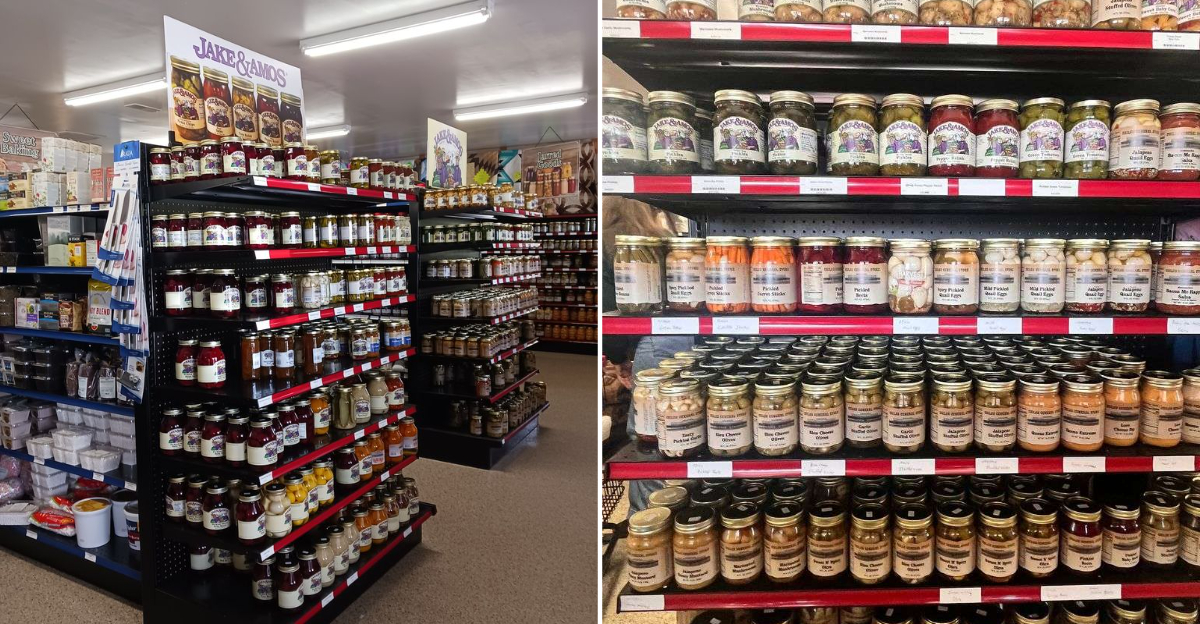
In a time when food costs more than ever, seeking out Amish markets makes sense, since they offer exactly what shoppers actually need. This North Carolina store fills its shelves with bulk foods and country store finds most modern grocery chains stopped carrying long ago.
Nothing here gets shipped in from somewhere far away, keeping everything locally sourced and genuinely fresh. Regulars plan visits around specific restocking days, knowing certain items sell out fast.
Bulk sections offer staples at prices that stretch a grocery budget much further than usual. Prices stay reasonable despite the quality and variety packed into every aisle.
Visitors often plan for more time than expected once they realize how much there actually is to explore. This store proved that sometimes the best shopping trip fills a cart without spending a fortune.
Overview Of Bulk Food Options Available
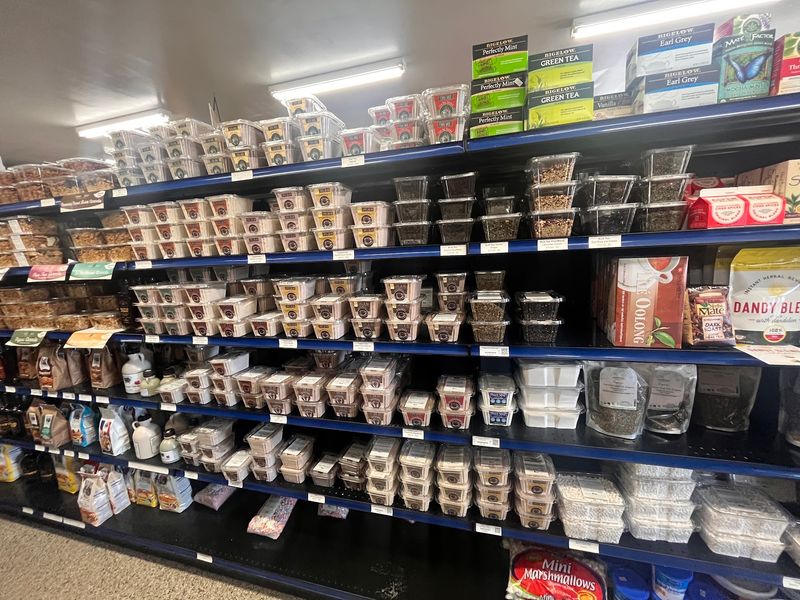
Flour alone could keep a baker busy for weeks here in North Carolina. Rye, all-purpose, wheat, spelt, and gluten-free organic options line the shelves in sizes running from two pounds all the way up to fifty.
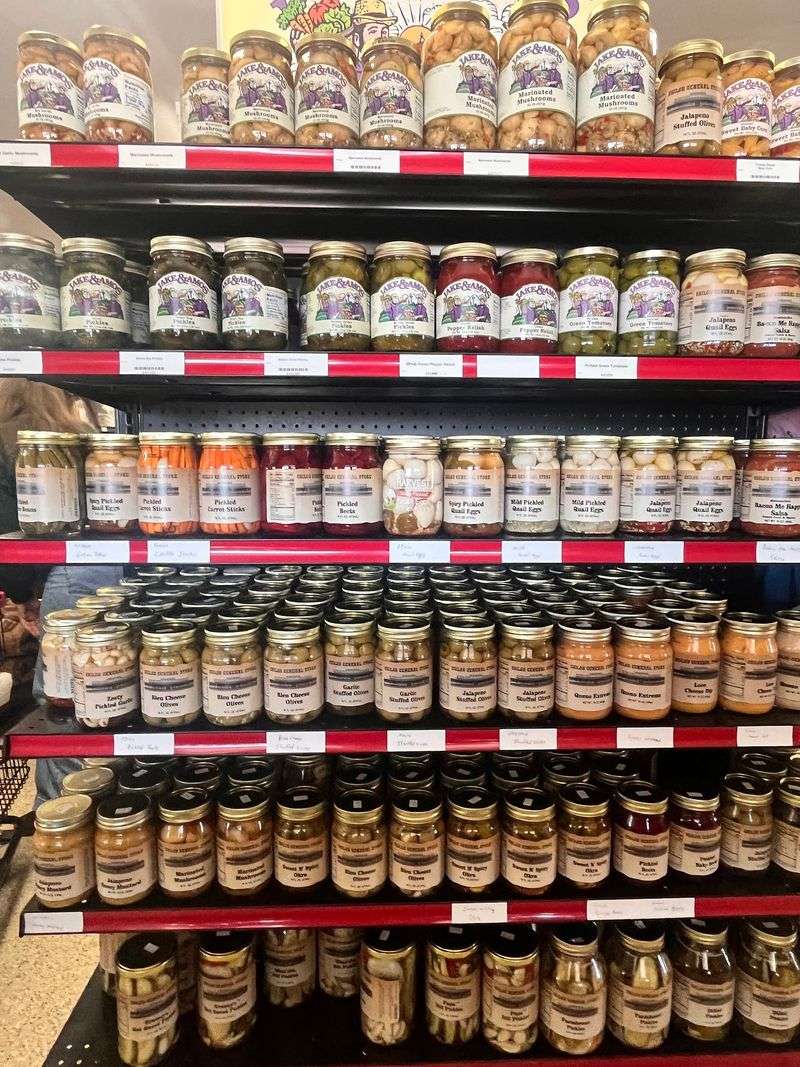
Spices, dry mixes, and flavored gelatins fill out the baking corner, so a recipe rarely sends anyone home empty-handed. Pickled vegetables sit nearby, along with soup and gravy mixes and dried Amish noodles that cook up thick and hearty.
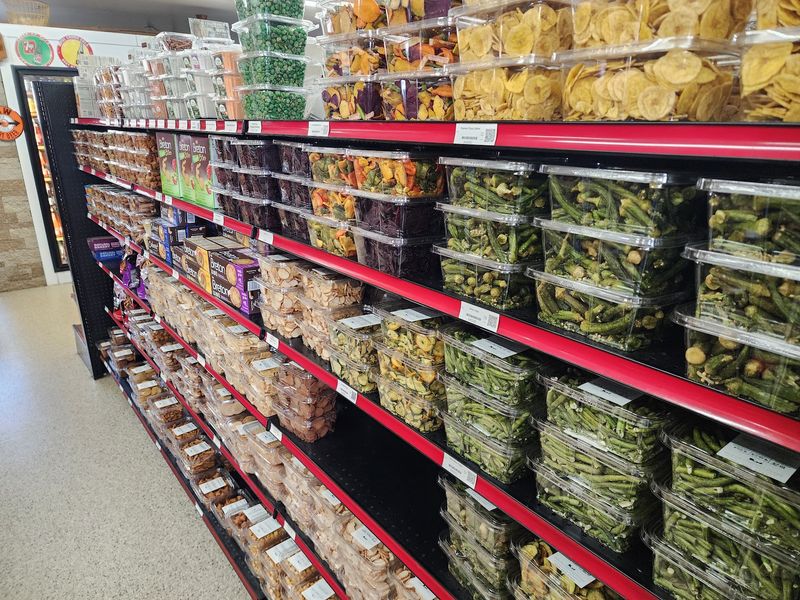
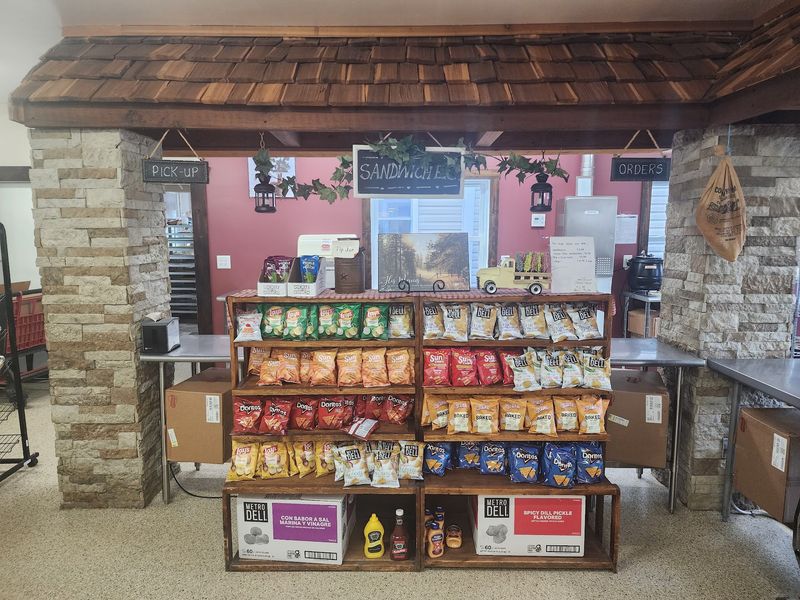
Snack lovers do fine too. Crackers, pretzels, chips, syrups, and a candy selection that includes sugar-free choices take up a good chunk of the store, and the pepper chips have a loyal following.
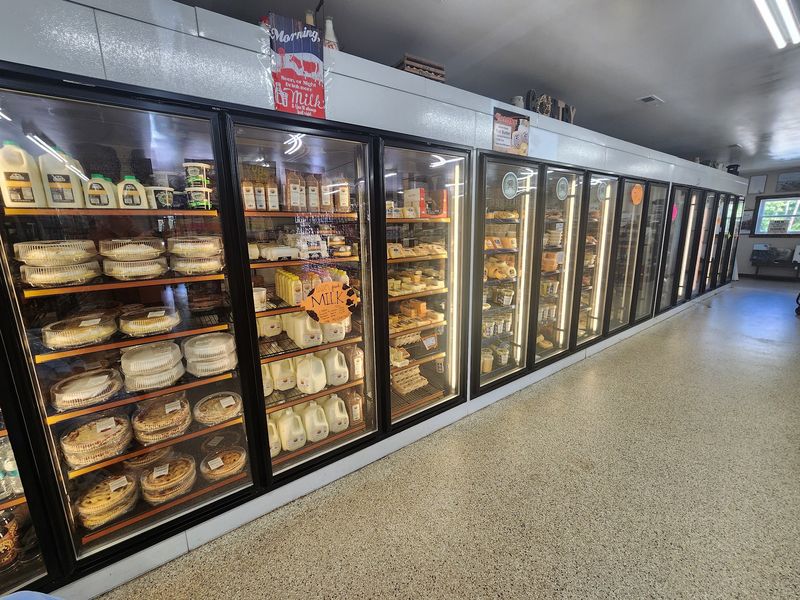
The creamery section is worth a look before checkout. Country-fresh milk, eggs, yogurt, and rolled butter made with real cream are stocked cold, plus chocolate milk that people mention over and over.
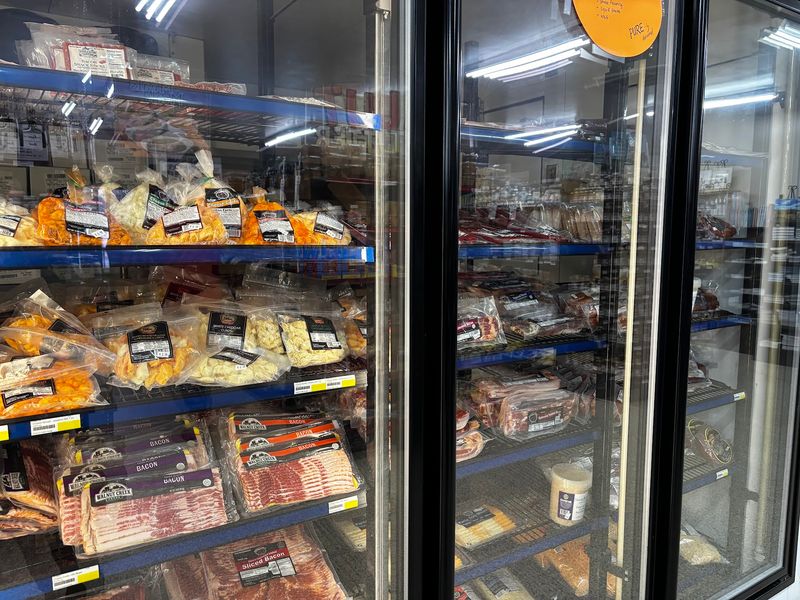
Frozen items round things out with vegetables, French fries, and grass-fed beef products. Bread, meats, and cheeses can also be bought by the pound at the deli counter for taking home.
One practical note: bringing a cooler is smart, especially in warm months. Cash or a debit card keeps things simple at the register.
Shoppers can find it all at 5520 St Paul Church Rd, Hamptonville, NC 27020.
Health Benefits Of Amish Bulk Ingredients
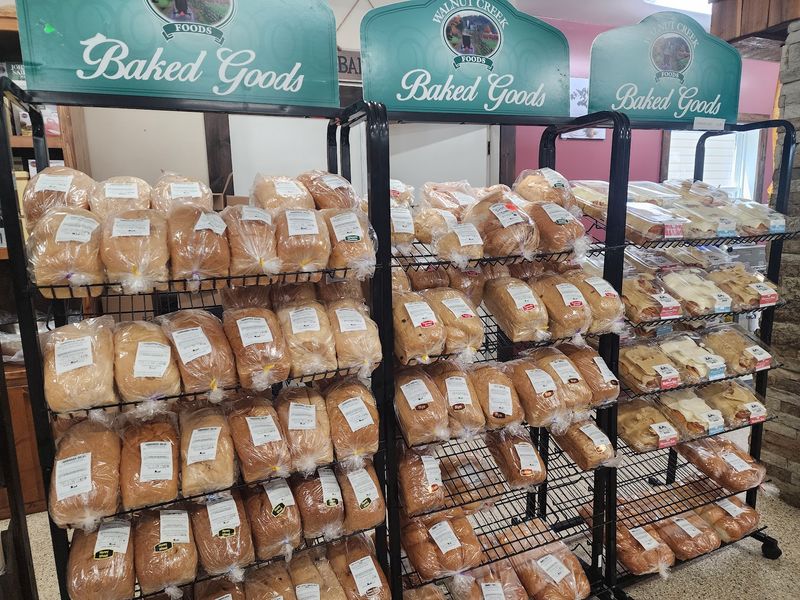
Reading a bread label at a big grocery store can feel like studying chemistry. The loaves sold here skip that long list, which is exactly why people keep buying them, and they stay fresh for about five days.
Buying staples in larger amounts nudges people toward cooking at home more often. More home cooking usually means fewer packaged meals loaded with preservatives and mystery additives.
Oats are a good example of a smart bulk buy. The fiber in them digests slowly, so hunger stays away longer without the sugar crash that comes from sweetened cereals.
Vegetables sold in bulk quantities carry real nutrition too. Carrots deliver plenty of vitamin A, onions pack vitamins and minerals into very few calories, and potatoes supply potassium and fiber that support heart health.
Rice and dried beans together make a complete protein, covering all nine essential amino acids the body cannot make on its own. Two humble bags, one solid meal foundation.
Gluten-free shoppers get options as well, including organic gluten-free flour and gluten-free bread at the sandwich counter. That makes the trip workable for families with different dietary needs.
Apple butter and pumpkin butter made without added sugar or artificial sweeteners show the same approach. Simple ingredients, minimal fuss, and flavor that does not need help from a lab.
Seasonal Products Offered Throughout The Year
Seasons show up on the shelves here rather than on a calendar. Spring brings candy onions, asparagus, and strawberries into the rotation, and shoppers who visit weekly notice the shift right away.
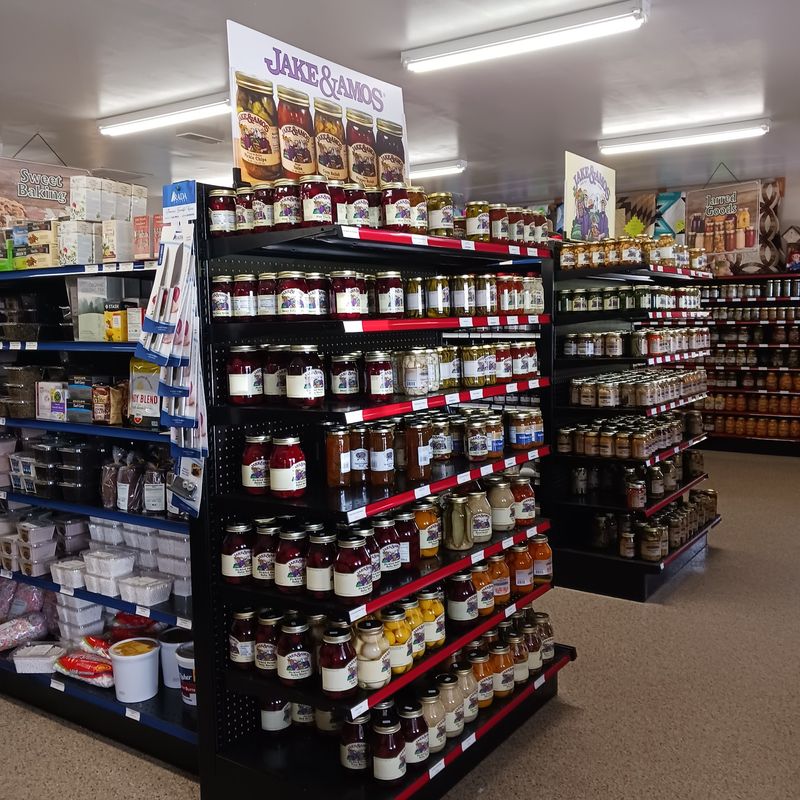
Summer flips the mood entirely. Green beans, cucumbers, and tomatoes take over, which pairs nicely with the jars of pickles and relishes stocked year-round.
Autumn is when the store gets colorful. Peppers, pumpkins, and winter squash arrive, and pumpkin butter becomes the item people load into their carts by the armful.
Amish and Mennonite orchards in the wider network supply apples and peaches when the fruit is actually ripe, not shipped from three time zones away. That timing makes a real difference in flavor.
Warm weather also means ice cream on the porch, a small tradition among regular visitors. Rocking chairs plus a cone equals a perfectly acceptable afternoon plan.
Cooler months push the frozen case into the spotlight. Chicken pot pies, Moravian-style pies, and meatloaf make easy dinners once the days get short.
Baked goods stay steady all year with breads, cinnamon rolls, sweet fried pies, and whoopie pies coming out of the kitchen. Sourdough gets requested constantly.
Timing a visit around the season is half the fun. The store changes just enough to make repeat trips feel like a fresh discovery each time.
Traditional Methods Of Sourcing Ingredients
Semi-truckloads of flour, sugar, oats, and rice arriving at a country store sound like an odd sight, but that is how the shelves stay full. Buying in huge volume from wholesale distributors keeps costs low without cutting corners on quality.
Plenty of the baked goods, jams, and jellies come from Amish women who make them at home and sell to the store on consignment. Each jar carries someone’s actual recipe behind it.
Other products arrive through Amish and Mennonite wholesalers along with regional distributors. Those relationships have been built over years, not through an app or a bidding site.
Dairy comes from a local Amish creamery, which is why the milk, butter, and chocolate milk taste noticeably different from mass-market versions. Rolled butter made with real cream is a standout.
Beef is raised on farms without antibiotics and finished on grass. Meats and cheeses at the deli counter get sliced fresh when ordered, not pulled from a pre-wrapped tray.
Local honey also shares shelf space and has become a quiet favorite among travelers passing through the area.
Some inventory comes through a bent-and-dent supply chain, meaning packaging with dings or dates approaching. The food inside is fine, waste is avoided, and savings pass along to shoppers.
How To Store Bulk Items Properly
A fifty-pound bag of flour is thrilling in the store and slightly terrifying in a small kitchen. Planning solves that problem before the car is even unloaded.
Non-perishable staples, frozen goods, and long-shelf-life pantry items are the safest bulk bets. Highly perishable items only make sense when there is a real plan to eat or freeze them soon.
Moving dry goods out of their original sacks into smaller containers saves space and keeps pests out. Glass jars, food-grade buckets, or heavy zip-top bags all work fine.
Labeling matters more than most people expect. Writing the purchase date and expiration date on each container makes rotating stock simple, so older items get used first.
Ground beef and other bulk meats freeze best in meal-sized portions pressed flat in zip-top bags. Flat packages stack like files and thaw much faster than a frozen brick.
Keeping the bulk supply somewhere cool, like a basement or a back closet, extends shelf life. Smaller containers in the kitchen then get refilled as needed.
Fresh bread from the bakery keeps well for about five days at room temperature, and extra loaves slice nicely before freezing. Perishables ride home best in a cooler, which is why regular shoppers keep one in the trunk.
Unique Snacks And Treats At The Country Store
Old-fashioned handmade candy sits in bins that would make a kid forget every video game they own. Dried fruits, nuts, and seasoned kettle corn share the same neighborhood of the store.
Popcorn here has developed something of a reputation, with shoppers claiming it beats every brand at the grocery store. Pepper chips and barbecue chips disappear from shelves fast enough that restocking becomes news.
The bakery is where willpower goes to retire. Fresh breads, sourdough, cinnamon rolls, savory chicken pot pies, sweet fried pies, and whoopie pies come out regularly.
Soft oatmeal sandwich cookies filled with creamy icing are a longtime favorite, and the molasses cookies come in a few varieties. Sourdough loaves and cinnamon rolls get mentioned constantly by people who make the drive.
The deli builds sandwiches to order using a paper slip system. Pick bread, meat, and cheese, then check off mayo, mustard, horseradish, dill pickle slices, pepper relish, tomato, onion, banana peppers, or lettuce.
A minute or two later, lunch appears on bread baked that morning. Gluten-free bread is available for anyone who needs it.
Jams, jellies, pickles, relishes, and fruit butters fill whole shelves and make easy gifts. Frozen chicken pot pies and meatloaf turn into dinner with almost no effort.
Eco-Friendly Packaging And Sustainability Practices
Sustainability here happens quietly, without a single sign bragging about it. Products get repackaged by hand into plain bags or sold by weight, which cuts out flashy boxes and layers of plastic.
Skipping heavy branding means less material heading to the landfill after one use. A plain bag of oats does the same job as a printed carton with a cartoon mascot.
Local and regional sourcing plays a big part too. Food traveling shorter distances burns less fuel, and money stays with nearby farms and family producers.
Dairy from a local Amish creamery and beef from area farms show that pattern clearly. Homemade jams and baked goods made by Amish women in the community follow the same short path.
Bulk shopping itself reduces waste in a way people rarely think about. Fewer trips to the store mean less gas used and fewer small packages piling up at home.
The bent-and-dent portion of the inventory rescues food that many retailers would throw out. Slightly dented cans still feed families perfectly well.
Reusable containers and coolers brought by shoppers add another small win. Even the porch fits the theme, since eating lunch outside in rocking chairs requires no packaging at all beyond a paper wrapper.
Tips For Shopping Bulk Foods On A Budget
Saving money on bulk food comes down to one honest question: will this actually get eaten? Buying twenty pounds of something nobody in the house likes is not a bargain, it is storage.
Sticking to staples used every week is the smartest starting point. Flour, oats, rice, beans, and spices earn their shelf space quickly.
Comparing unit prices takes ten seconds and prevents surprises. A packaged item on sale can occasionally beat the bulk price per pound, so a quick bit of math pays off.
Splitting large orders with a friend, neighbor, or relative works well for items that might spoil before one household finishes them. Everyone saves, and nobody ends up with a pantry avalanche.
Meal planning before the trip is the real budget hero. A short list cuts impulse buys and keeps food from getting forgotten in the back of the freezer.
Weekday visits tend to be calmer, which makes careful comparing easier. Saturdays get crowded, though the sandwich line moves along and the atmosphere stays cheerful.
Bringing cash or a debit card keeps checkout smooth, since credit cards carry a small fee. Packing a cooler protects perishables on the drive home and prevents money from going to waste.
Store hours run Tuesday through Saturday, with Sunday and Monday closed.