
10 North Carolina Beach Towns Where Housing Costs Are Changing The Community
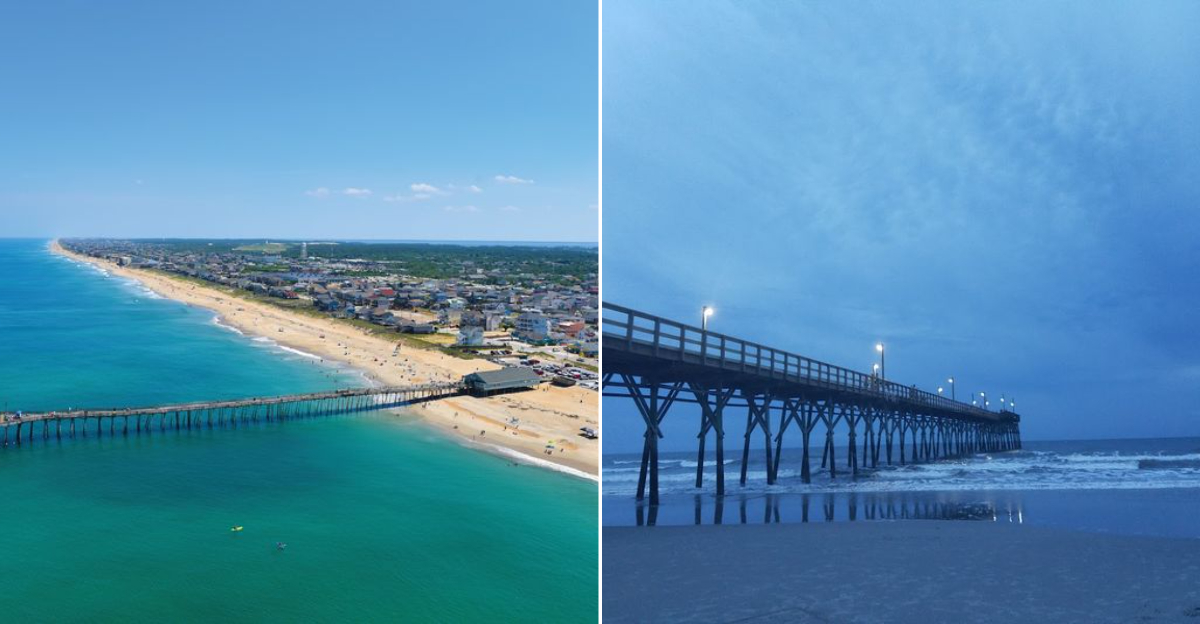
North Carolina’s coastline is one of the most beautiful stretches of beach on the East Coast. From the Outer Banks to the Cape Fear region, these towns have always pulled people in with salty air, stunning sunsets, and that irresistible laid-back vibe.
But something big is happening behind the scenes. Housing costs are climbing fast, and the communities that gave these places their soul are feeling the squeeze.
Long-time locals are getting priced out, neighborhoods are shifting, and the character of these beloved beach towns is changing in ways nobody quite expected. Let’s talk about what’s really going on.
1. Wrightsville Beach
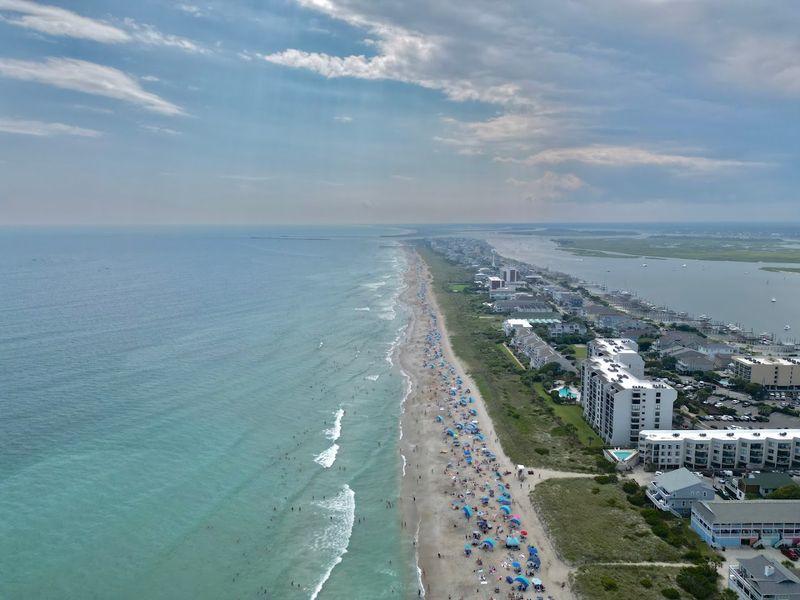
Wrightsville Beach might be the most expensive zip code on the North Carolina coast right now. Home values here have skyrocketed in recent years, and that number alone tells a story.
Housing costs here run significantly higher than the national average. That is not a small gap.
Long-time residents who grew up surfing these waves are finding it nearly impossible to stay.
The town draws wealthy buyers from across the country. Many purchase second homes or investment properties, leaving fewer options for working families.
Full-time community members are quietly being replaced by seasonal visitors.
Flood risk adds another layer to the conversation. As a barrier island community, the vast majority of properties face a serious flooding risk over the coming decades.
Insurance costs are rising alongside home prices, making ownership even harder.
Local businesses that once served year-round residents are now catering almost entirely to tourists. The shift changes everything from school enrollment numbers to neighborhood dynamics.
It is a slow but very real transformation.
Wrightsville Beach is still gorgeous, no question. But the community fabric that made it special is being rewoven with a very different thread.
The question locals keep asking is whether affordability will ever return.
2. Carolina Beach
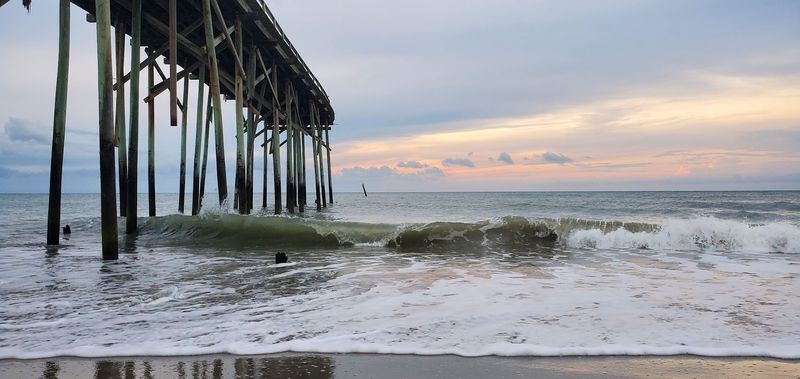
Carolina Beach has always had this fun, slightly scrappy personality that people absolutely love. It is the kind of place where you find a vintage arcade next to a surf shop.
But the market has caught up fast.
Home prices have climbed significantly in recent years, and that kind of jump changes who can actually afford to live here full-time. The vibe is shifting, whether locals like it or not.
Waterfront and ocean-view properties command premium prices. Investors have noticed, and rental properties are multiplying quickly.
Full-time renters are being edged out by vacation rental operators looking for peak-season profits.
The town still attracts a mix of residents, vacationers, and investors. But that balance is getting harder to maintain.
When neighbors become Airbnb guests every summer, community bonds weaken in ways that are hard to rebuild.
Rental prices have risen sharply, which is tough on local service workers. Restaurants, shops, and hotels need staff, but staff cannot afford to live nearby.
That creates a real operational problem for small businesses.
Carolina Beach is still worth every visit. But the community is wrestling with growth that arrived faster than anyone planned for.
3. Kure Beach
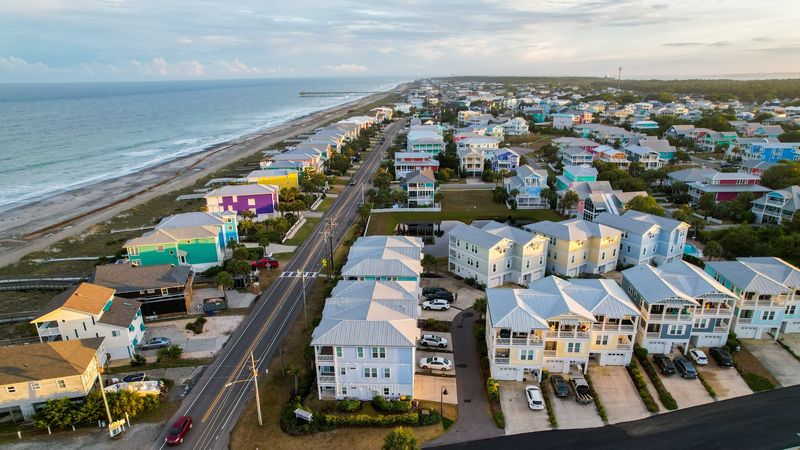
This spot has always felt more residential, more relaxed, and honestly more real. That reputation is now working against long-time homeowners trying to hold on.
As prices in neighboring towns climb, buyers who cannot afford Wrightsville Beach or Carolina Beach are looking south. Kure Beach is catching that overflow, and values are rising steadily as a result.
Demand is outpacing supply here, too.
The town has a small-town feel that people genuinely treasure. Fort Fisher is nearby, and the North Carolina Aquarium brings steady foot traffic.
But increased tourism pressure is nudging housing costs upward season by season.
Many properties are being converted from primary residences into short-term rentals. That conversion reduces the number of homes available for local families.
Neighborhoods that once had kids playing in the street are quieter now, and not in a peaceful way.
Local teachers, firefighters, and healthcare workers are commuting longer distances because renting or buying locally is no longer realistic. That commuter strain affects both workers and the services communities depend on every single day.
Kure Beach still holds onto its charm, but the economic pressure is very real and very present.
4. Topsail Beach
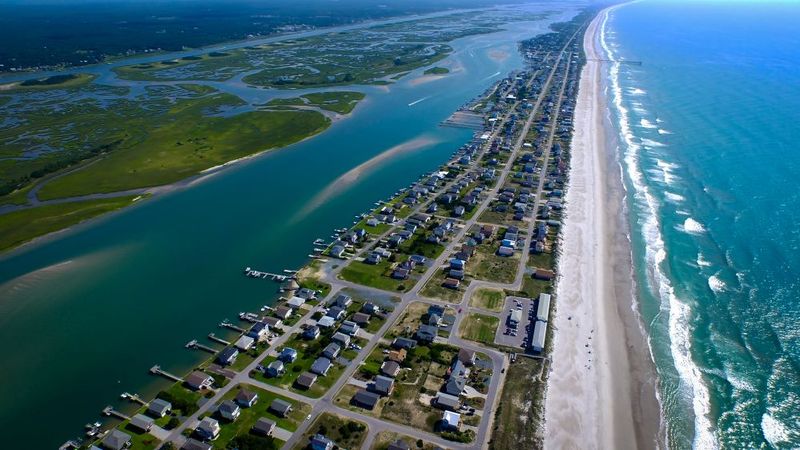
Topsail Beach has a fascinating backstory. After World War II, the island became a top-secret U.S.
Navy testing ground for experimental rockets under a program called Operation Bumblebee. Today, the only things launching here are home prices, and they are going high fast.
Home values have surged dramatically in recent years, and that kind of growth changes who can actually afford to live here full-time. Single-family oceanfront homes now regularly reach extraordinary price points that were unthinkable just a decade ago.
Limited land on the island is a huge driver of these prices. There is simply nowhere new to build, especially on the oceanfront.
Scarcity and strong demand from out-of-state buyers keep pushing values higher every season.
Rising insurance premiums and HOA fees are adding pressure on top of the purchase price. Many buyers are now factoring storm resilience into their decisions.
Properties slightly inland or on higher ground are gaining appeal for their potentially lower insurance costs.
Long-term renters who once called Topsail home are being replaced by vacation rental investors. The community is thinning out in terms of year-round residents.
Local amenities that depend on the permanent population are starting to feel that loss.
Topsail Island is still a magical stretch of coastline. But the community dynamics have changed considerably.
5. Emerald Isle
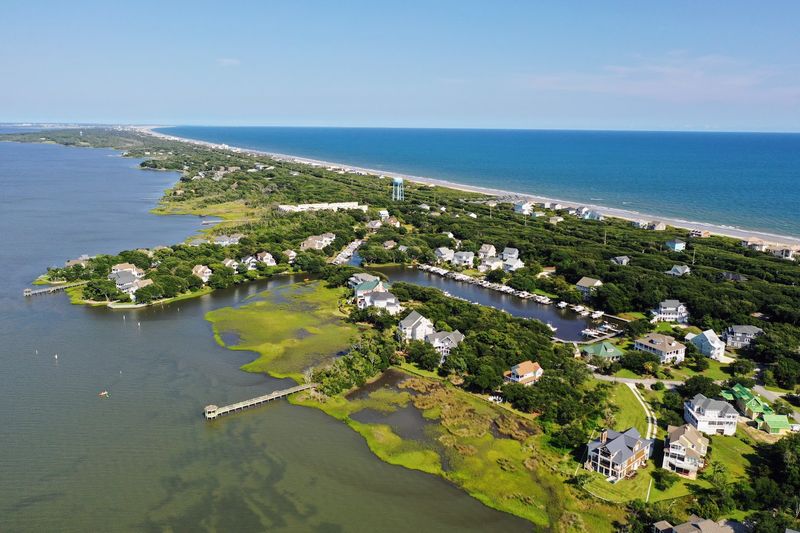
A place like this has one of the most dramatic housing appreciation stories on the entire East Coast. Over the last decade, home values have appreciated at a pace that consistently outpaces national averages.
That kind of sustained growth changes everything.
Median home values and sale prices have climbed to levels that would have seemed unimaginable just ten years ago. For a beach town that once felt accessible, those numbers are jaw-dropping.
The rental market is equally intense. Strong vacation demand keeps rental prices elevated, and investors are buying up properties specifically to capitalize on short-term rental income every summer.
A significant share of housing units here are seasonally occupied. That means large portions of the town sit empty during the winter months.
Year-round residents describe an odd feeling of living in a ghost town half the year.
Local workers and young families are being pushed toward the mainland as ownership becomes unreachable. The workforce that keeps the town running cannot afford to live in it.
That gap between residents and workers is growing wider every year.
Emerald Isle is genuinely stunning, with its clear green water earning the name. But the community is grappling with what rapid appreciation really costs.
6. Oak Island
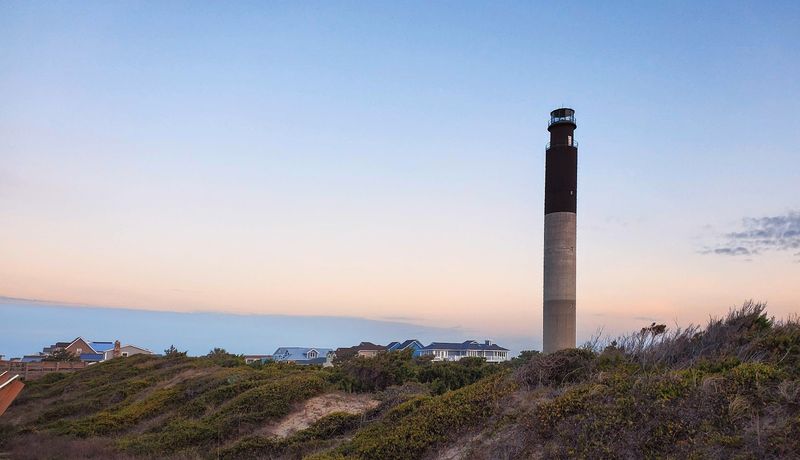
People loved Oak Island for exactly that reason. Families could actually buy a beach house without selling a kidney.
That era is fading fast.
The town sits between the higher-priced markets of Holden Beach and Sunset Beach, and demand has been spilling in from both directions. Buyers priced out of pricier markets are landing here, pushing Oak Island values up steadily year after year.
Short-term rental platforms have transformed entire neighborhoods. Streets that once had neighbors who waved every morning now cycle through strangers every weekend.
That constant turnover changes the feel of a community in ways that are hard to quantify but easy to feel.
Local fishermen, shop owners, and hospitality workers are finding that their wages simply cannot keep pace with rising rents. The town needs these workers, but the housing market is not cooperating.
It is a tension that plays out in every coastal community facing this same shift.
Oak Island’s natural setting is genuinely beautiful. Wide beaches, maritime forests, and a relaxed pace still draw people from all over.
But the residents who built that culture are increasingly unable to afford to stay in it.
Growth without affordability planning creates winners and losers.
7. Holden Beach
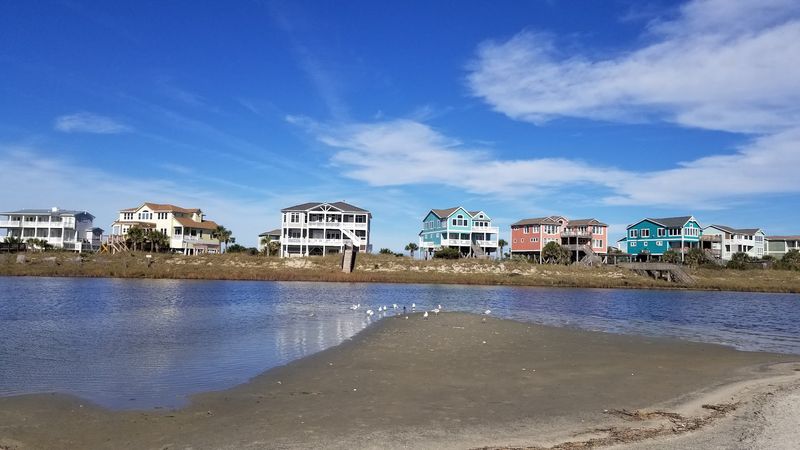
Holden Beach is one of those places that feels like a secret, except it is not really a secret anymore. Word got out.
Buyers from inland North Carolina and beyond have discovered this quiet barrier island, and the market has responded accordingly.
The island has strict building regulations that limit density, which keeps the character intact but also limits supply. When demand rises, and supply stays flat, prices go up.
That is exactly what has been happening here for several years running.
Many homes on Holden Beach are elevated on stilts, which is both a storm safety measure and a visual signature of the island. But elevated homes also come with elevated maintenance costs.
Add insurance premiums and property taxes, and ownership becomes a serious financial commitment.
Vacation rental income has made ownership appealing for investors, but that same dynamic prices out families looking for a permanent home. The island’s small permanent population is getting even smaller as seasonal use dominates more of the housing stock each year.
Community events, local churches, and neighborhood organizations that depend on year-round residents are noticing the shift. Volunteer numbers drop.
School-age populations shrink. The social infrastructure quietly erodes when permanent residents leave.
Holden Beach is still one of the most beautiful and peaceful spots on the Carolina coast.
8. Sunset Beach
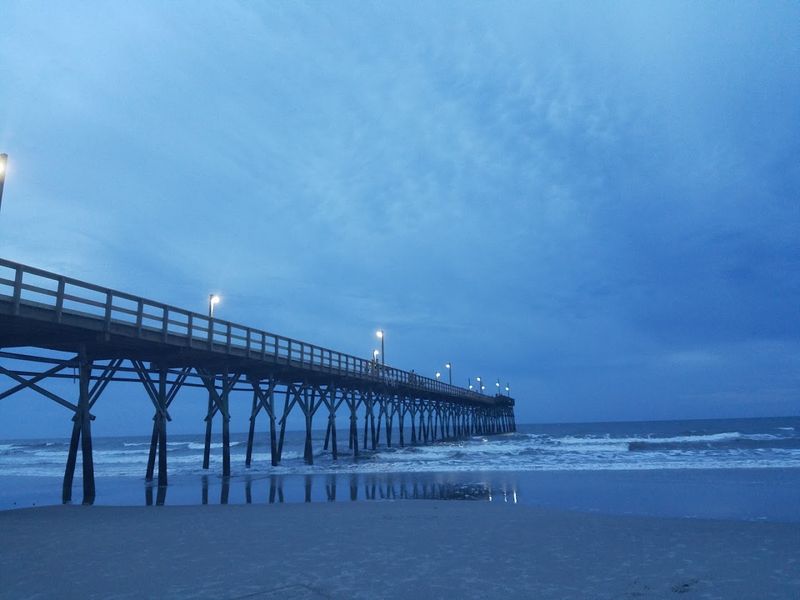
Sunset Beach lives up to its name every single evening, with skies that turn ridiculous shades of orange and pink over the water. It is the kind of view that makes people want to stay forever.
And lately, a lot of people are trying to do exactly that.
Located near the South Carolina border, Sunset Beach attracts buyers from both states. That cross-border demand has pushed home values up significantly in recent years.
Properties here that once felt like bargains have quietly crossed into premium territory.
The island is small, which means land is genuinely limited. Developers cannot just build more homes to meet demand.
That natural scarcity is one of the biggest factors driving prices higher every single season.
Rental investors have moved in aggressively. Many homes that used to house local families are now booked solid from Memorial Day through Labor Day.
The off-season quiet is real, but so is the year-round affordability problem for permanent residents.
Local services like grocery stores, medical offices, and schools depend on a stable resident population to stay viable. When that population shrinks or ages out, services follow.
Sunset Beach is already experiencing some of those growing pains in its surrounding community.
The sunsets here are still free, thankfully. Everything else is getting pricier.
9. Kill Devil Hills
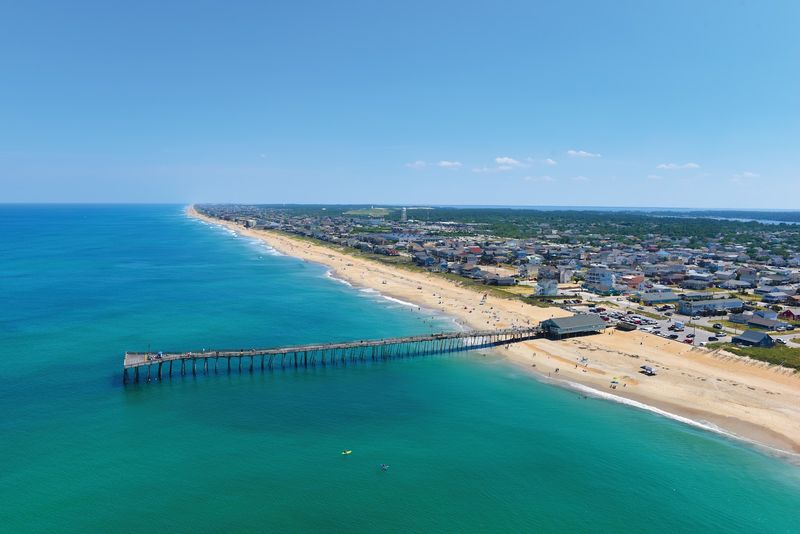
This place is where the Wright Brothers made history on December 17, 1903, achieving the first successful powered airplane flight right here on these sandy hills. It is fitting, then, that the local housing market has also taken off in a big way lately.
This Outer Banks town is one of the more vibrant and accessible markets on the barrier islands. Home prices have continued trending upward, and demand remains strong and consistent despite broader market fluctuations.
Kill Devil Hills has a mix of residential neighborhoods, commercial strips, and beachfront properties. That variety has made it attractive to both full-time residents and vacation buyers.
But as prices rise, the full-time crowd is slowly shrinking.
Service industry workers who staff the restaurants, rental shops, and hotels are facing a housing crunch. Many are commuting from inland towns like Manteo or Kitty Hawk just to find affordable rentals.
That daily drive adds up in time and cost.
The town has a lively, energetic personality that sets it apart from quieter Outer Banks communities. Food trucks, surf schools, and local festivals create a culture worth protecting.
But culture needs people who can afford to stay.
10. Nags Head
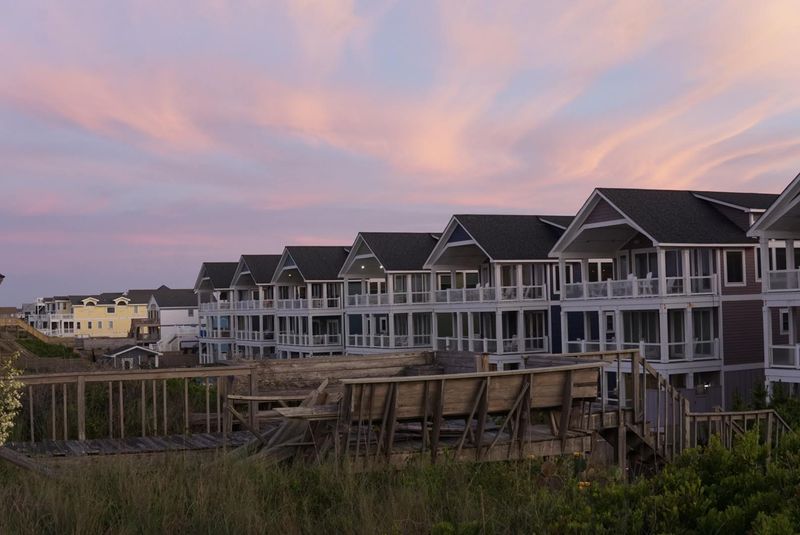
Nags Head has been a beach destination since the 1800s, making it one of the oldest resort communities on the Outer Banks. Those historic wooden cottages are iconic.
But the market surrounding them has transformed dramatically in recent years.
Property values in Nags Head surged significantly following a county-wide revaluation in the early 2020s. That is not gradual appreciation.
That is a seismic shift in what it costs to own a piece of this storied coastline.
Home prices have climbed steadily, and sales volume has remained strong, with year-over-year increases reported through multiple quarters. Nags Head is one of the Outer Banks’ most consistent performers in terms of market activity.
Long-time residents who have owned modest cottages for decades are now sitting on properties worth far more than they expected. That sounds like good news until you realize property taxes and insurance have climbed right alongside those values.
Staying put is getting expensive even for owners.
Renters face an even steeper challenge. Vacation rental demand keeps short-term rates high, which squeezes out anyone looking for a long-term lease at a reasonable rate.
Year-round housing options are genuinely scarce.
Nags Head still has that timeless coastal energy that is hard to replicate anywhere else.