
9 North Carolina Beaches And Back Bays Known For Jellyfish During Summer Months
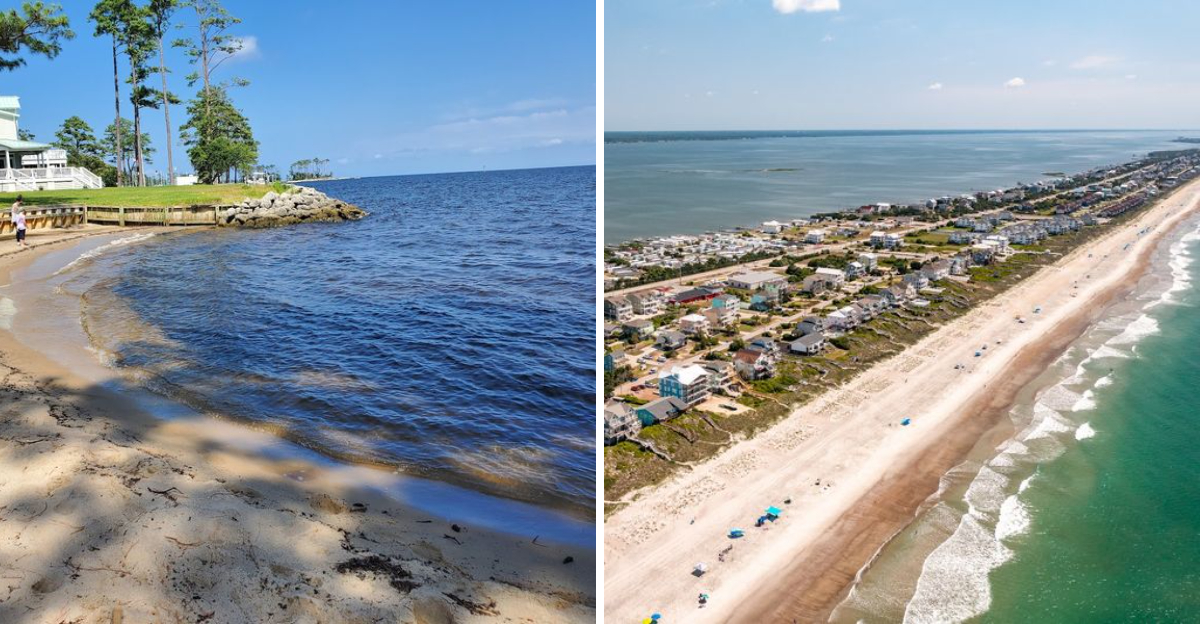
The water can look calm, clear, and completely inviting right up until a swimmer feels that sudden sting. Along parts of the North Carolina coast, jellyfish sightings become a familiar summer concern.
Warm currents can push them closer to beaches and shallow back bays. That does not mean you have to skip the shore. It means knowing where encounters happen most often, watching local conditions, and paying attention before diving in.
Certain stretches attract more reports during the hottest weeks, and sheltered bays can hold jellyfish surprisingly close to popular swimming areas.
This state draws families, paddlers, and beach lovers all summer, so a little preparation can save a great day near the water. The state also offers miles of coastline worth enjoying with care.
Before your next swim, learn which nine coastal spots are especially known for jellyfish during the summer months.
1. Nags Head, North Carolina
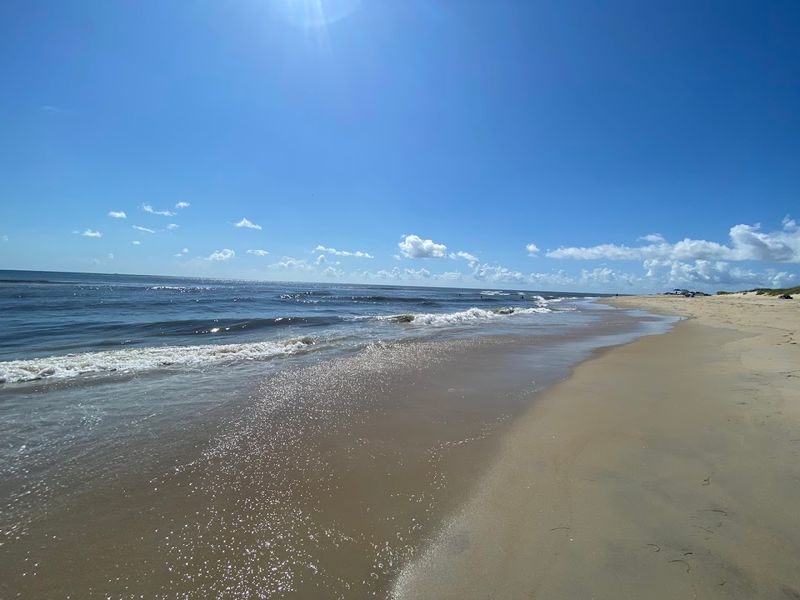
Ever wondered why some beach days feel like navigating an obstacle course of floating bells? Nags Head experiences regular jellyfish visits during summer months, particularly when ocean currents shift and water temperatures climb.
Moon jellies appear most frequently here, drifting near shore in groups that can number in the hundreds. Their translucent bodies catch sunlight as they pulse through the water.
Cannonball jellyfish also show up along this stretch of the Outer Banks, usually harmless but still startling when you bump into one.
Wind direction plays a huge role in jellyfish presence at Nags Head. Onshore breezes push these creatures closer to swimming areas.
Offshore winds tend to keep them farther out.
Lifeguards post purple warning flags when jellyfish numbers increase. These flags signal caution rather than beach closure.
Most stings here cause minor irritation rather than serious harm.
Early morning beach walks often reveal jellyfish washed up on sand overnight. This gives you a good preview of what might be floating in the water later.
Peak jellyfish season runs from June through August.
Local surf shops and beach services keep vinegar on hand for treating stings. Rinsing with seawater helps more than fresh water if you get stung.
Nags Head sits along the central Outer Banks of North Carolina, accessible via Highway 12.
2. Hatteras Island, North Carolina
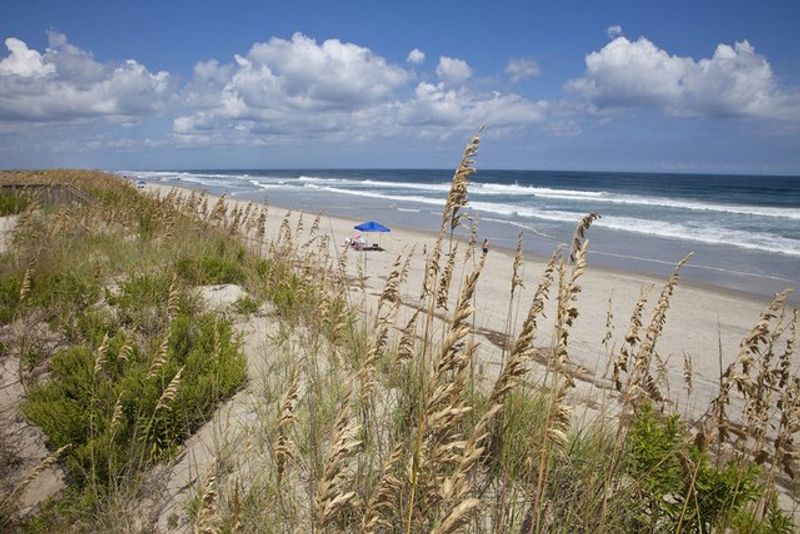
How does a barrier island famous for fishing also become a jellyfish hotspot? Hatteras Island’s unique position where ocean meets sound creates perfect conditions for jellyfish to thrive during warmer months.
Sea nettles become particularly abundant here from mid-June onward. Their reddish-brown tentacles can deliver stings that burn and itch.
These jellies prefer the brackish waters where salt and fresh water mix.
The island’s soundside beaches see just as many jellyfish as the oceanfront, sometimes more. Pamlico Sound’s calm, warm waters attract different species than the rougher Atlantic side.
Portuguese man o’ war occasionally drift into Hatteras waters, though they’re technically not true jellyfish.
Swimmers should watch for clusters near piers and jetties. Structures create eddies where jellyfish collect.
Cloudy water makes spotting them harder, so extra caution helps on those days.
Local fishing charters report increased jellyfish activity during slack tides. Water movement slows and jellies concentrate in certain areas.
Strong currents typically disperse them more evenly.
Beach access points from Rodanthe to Hatteras village all experience seasonal jellyfish populations. No single spot stays completely clear throughout summer.
Hatteras Island stretches along North Carolina’s Outer Banks, connected by Highway 12 and accessible via ferry from Ocracoke.
3. Pamlico River, North Carolina
Can a river really host jellyfish? Absolutely, and the Pamlico River proves this every summer with impressive populations of these gelatinous drifters.
This wide estuary connects to Pamlico Sound, creating brackish conditions that sea nettles love. Their populations explode here during July and August when water temperatures peak.
Unlike ocean beaches, river jellyfish tend to stay in shallower areas where kids wade and play.
Boat ramps and swimming docks along the Pamlico see regular jellyfish activity. Marinas report them clustering around pilings.
The slow-moving water near shore gives jellyfish time to accumulate rather than washing them away.
Moon jellies join sea nettles in these waters, creating a mixed population. Moon jellies cause less painful stings but appear in greater numbers.
Some days you can see dozens floating past a single dock.
River jellyfish follow salinity levels. Heavy rains that flush fresh water downstream temporarily reduce their numbers.
Dry spells with higher salt content bring them back quickly.
Fishermen casting from riverbanks often snag jellyfish accidentally. Their lines pass through schools of them.
Crabbers pulling pots find jellyfish tangled in their gear throughout summer.
The Pamlico River flows through eastern North Carolina, with access points in Washington, Bath, and surrounding communities along its shores.
4. Neuse River Near Oriental, North Carolina
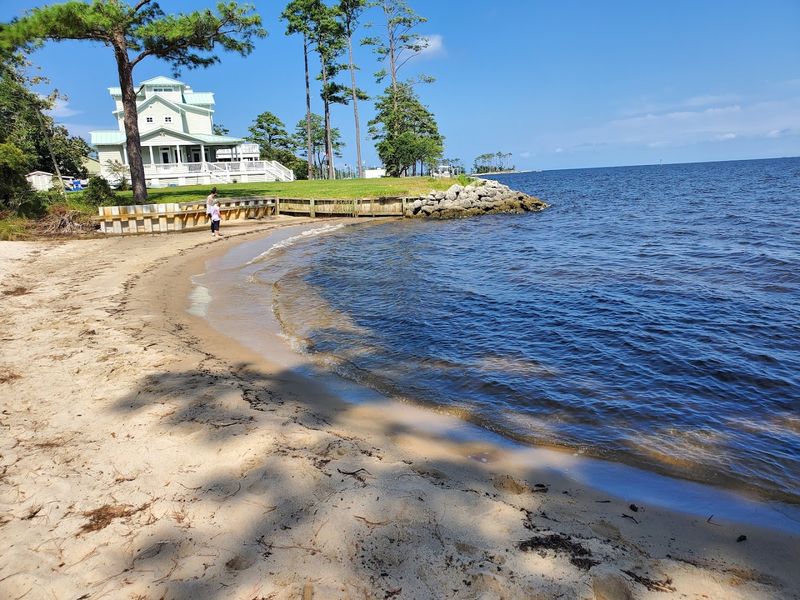
What makes a small sailing village a jellyfish gathering spot? The Neuse River near Oriental creates perfect estuarine conditions that draw surprising numbers of these pulsing creatures each summer.
Sea nettles dominate here, their long tentacles trailing through water that stays warm and slightly salty. Oriental’s protected harbors and quiet coves become jellyfish havens when conditions align.
Sailors report seeing them everywhere from June through September.
The mixing zone where river meets sound concentrates jellyfish populations. Nutrients flowing downstream support the tiny organisms jellyfish feed on.
More food means more jellyfish stick around longer.
Swimming beaches along this stretch experience variable jellyfish presence. Some days bring clear water with few jellies.
Other days transform the same beach into a jellyfish soup that makes swimming unpleasant.
Water temperature above 75 degrees triggers population booms. The Neuse warms quickly in summer sunshine.
Shallow areas heat up even faster, attracting jellyfish seeking optimal conditions.
Local knowledge helps here more than anywhere. Oriental residents track jellyfish patterns and share information about which beaches currently have problems.
Timing your visit for early morning often means fewer jellyfish encounters.
Kayakers paddling through these waters frequently see jellyfish below their boats, especially near marsh edges where water barely moves.
Oriental sits along the Neuse River in eastern North Carolina, accessible via Highway 55 in Pamlico County.
5. Bogue Sound (Emerald Isle Area), North Carolina
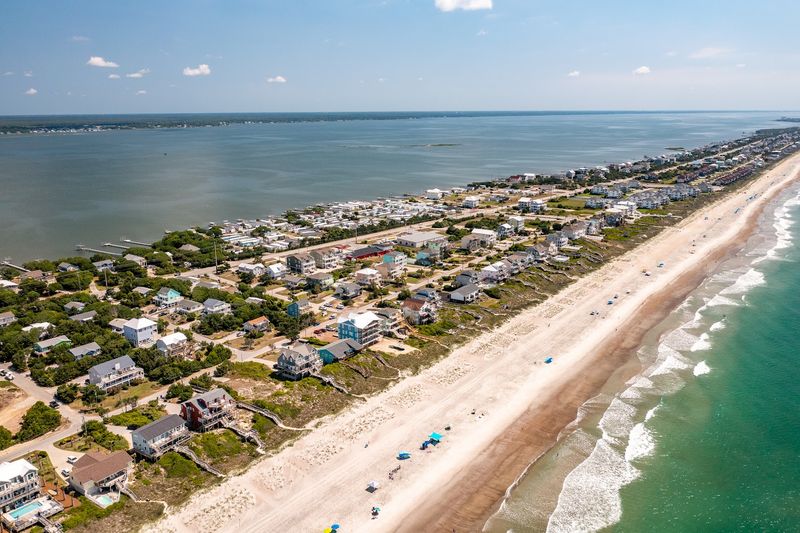
Why do soundside vacationers encounter just as many jellyfish as oceanfront swimmers? Bogue Sound’s protected waters create ideal jellyfish habitat that peaks during the hottest summer weeks.
This shallow sound warms faster than the Atlantic Ocean just across the island. Warmer water means more jellyfish activity.
Families renting soundfront homes discover this quickly when kids wade in for a swim.
Cannonball jellyfish appear here regularly, their mushroom-shaped bells easy to spot in clear water. Sea nettles join them in July and August.
The combination creates a jellyfish population that rivals any oceanfront beach.
Bogue Sound’s calm conditions let jellyfish linger near shore for days. Without waves to disperse them, they concentrate in swimming areas.
Boat traffic stirs them up but doesn’t push them away.
Public access points from Emerald Isle to Cape Carteret all report summer jellyfish. No single location stays consistently clear.
Wind patterns shift jellyfish from one area to another throughout the season.
Crabbers working these waters pull up jellyfish with nearly every pot. Shrimpers report them clogging nets.
The sound’s ecosystem supports massive jellyfish populations that locals accept as part of summer.
Water clarity makes spotting jellyfish easier here than in murky ocean surf. You can often see them coming and swim around them.
Bogue Sound stretches along the southern coast of North Carolina between Emerald Isle and the mainland in Carteret County.
6. Wrightsville Beach, North Carolina
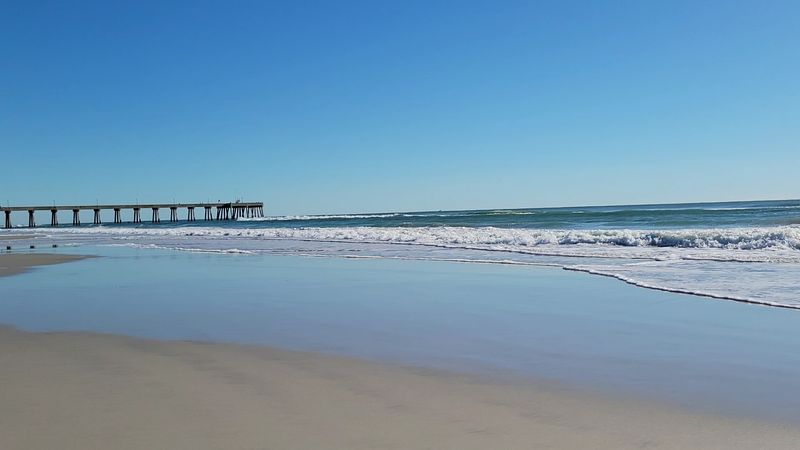
Does a popular tourist beach really get overrun with jellyfish? Wrightsville Beach sees its share of these gelatinous visitors, especially during peak summer when warm currents sweep them close to shore.
Moon jellies appear most commonly here, their translucent bodies nearly invisible until you’re right next to them. Portuguese man o’ war occasionally wash in during certain wind conditions.
These require more caution since their stings pack serious punch.
The beach’s orientation and offshore currents influence jellyfish presence dramatically. South winds push them toward shore.
North winds keep them farther out where swimmers rarely encounter them.
Lifeguards maintain vigilant watch during jellyfish season. Purple flags go up quickly when populations increase.
Beach patrol sweeps the waterline each morning, clearing overnight strandings before crowds arrive.
Inlet areas near Masonboro and Banks Channel tend to collect more jellyfish than the main beach. Water movement through these narrow passages concentrates them.
Surfers and paddleboarders report frequent sightings in these zones.
July brings peak jellyfish activity to Wrightsville. August stays busy too.
Early June and late September typically see fewer jellies, making these shoulder season times more appealing for sensitive swimmers.
Local shops sell protective swim gear and keep sting relief supplies stocked. Most stings here cause temporary discomfort rather than medical emergencies.
Wrightsville Beach sits on a barrier island near Wilmington in southeastern North Carolina, accessible via Highway 74 and the Wrightsville Beach Bridge.
7. Carolina Beach, North Carolina
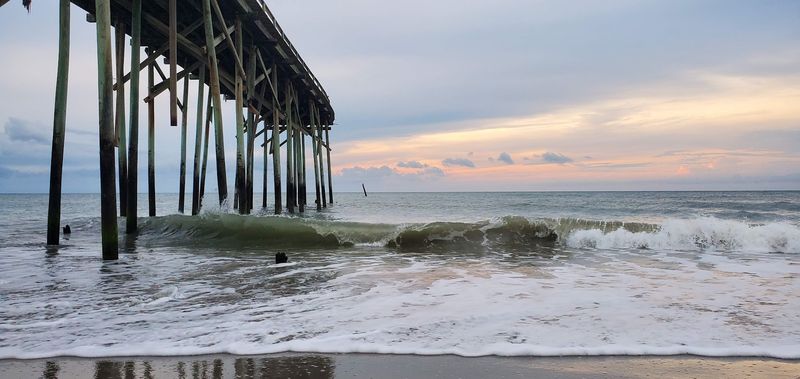
What happens when a family-friendly beach meets jellyfish season? Carolina Beach transforms into a spot where purple warning flags fly regularly throughout summer months as various jellyfish species move through.
Sea nettles cause most stings here, their reddish tentacles delivering burns that send beachgoers running for relief. Cannonball jellyfish appear in huge numbers some years, creating dense patches that make swimming nearly impossible.
Their presence varies dramatically from season to season.
The proximity to Cape Fear River influences jellyfish populations. Freshwater outflow creates brackish conditions that certain species prefer.
Storm runoff can temporarily reduce numbers, but they bounce back quickly once conditions stabilize.
Fishing pier areas concentrate jellyfish more than open beach. Pilings create structure that disrupts currents.
Jellyfish collect in these eddies, sometimes by the hundreds.
Beach staff post daily jellyfish reports during summer. Social media updates help visitors plan their beach time around current conditions.
Morning usually brings fewer jellyfish than afternoon when sun and currents combine to push them shoreward.
The boardwalk area sees just as much jellyfish activity as quieter stretches north and south. Location matters less than timing and current ocean conditions.
Checking forecasts and talking with lifeguards provides the best information.
Protective footwear helps when walking through shallow water where jellyfish settle.
Carolina Beach sits south of Wilmington on North Carolina’s coast, accessible via Highway 421 in New Hanover County.
8. Topsail Sound, North Carolina
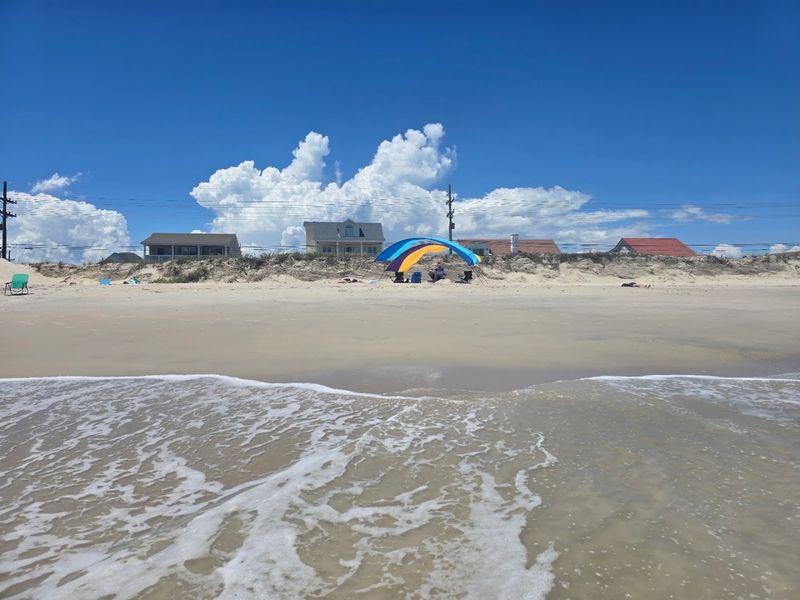
Could a quiet sound hold more jellyfish than the crashing ocean nearby? Topsail Sound surprises many visitors with jellyfish populations that rival or exceed those found on the Atlantic side of the island.
This protected waterway warms considerably during summer, creating conditions that jellyfish thrive in. Sea nettles dominate the population here.
Their stinging cells remain active even on dead specimens washed ashore, so avoiding contact matters even on the beach.
Sound-side homes and docks report constant jellyfish presence from late June through August. Some years bring lighter populations.
Other summers see jellyfish so thick that swimming becomes unpleasant. Weather patterns and water temperatures determine which scenario plays out.
Crabbing and fishing from docks means working around jellyfish. They tangle in lines and fill crab pots.
Kids learning to cast often hook jellyfish instead of fish. This becomes part of the Topsail Sound summer experience.
Shallow grass flats attract massive jellyfish numbers. These areas warm quickly and support abundant prey for jellies to feed on.
Wading through these spots almost guarantees encounters.
Kayakers paddling the sound navigate through jellyfish fields regularly. Clear water lets you see them below, their bells pulsing rhythmically as they drift.
The sight fascinates and concerns paddlers equally.
Local marinas keep sting treatment supplies readily available. Most learn to coexist with seasonal jellyfish rather than avoiding the water completely.
Topsail Sound runs between Topsail Island and the North Carolina mainland in Pender and Onslow counties, accessible from Surf City and surrounding areas.
9. Bald Head Island, North Carolina
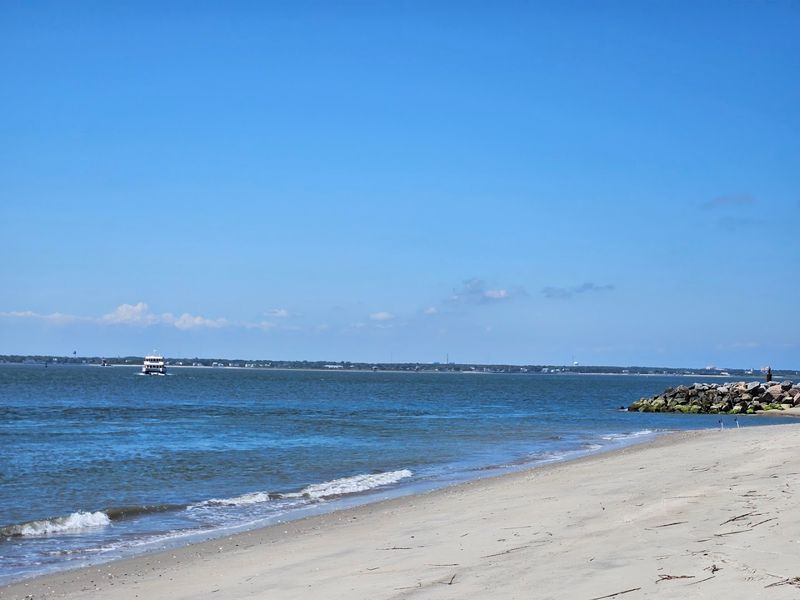
Does island isolation protect against jellyfish? Not at Bald Head Island, where summer brings these pulsing visitors to both ocean and creek beaches in impressive numbers.
The island’s unique position at the mouth of the Cape Fear River creates diverse jellyfish habitat. Ocean beaches see typical species like moon jellies and cannonball jellyfish.
Creek areas host sea nettles that prefer brackish conditions. This variety means encountering jellyfish somewhere on the island becomes almost certain during peak season.
Tidal creeks that wind through the island collect jellyfish during incoming tides. Families exploring these calm waters for gentle swimming often find more jellyfish than expected.
The protected nature of creeks concentrates them in relatively small areas.
South Beach experiences different jellyfish patterns than East Beach due to varying currents and exposure. Checking conditions at your specific beach location matters more here than assuming the whole island faces identical situations.
The island’s car-free environment means walking or biking to check beach conditions before committing to a swimming spot. This extra effort pays off when you find a jellyfish-light area.
Conditions change quickly with shifting tides and winds.
Ferry schedules limit day-tripper flexibility for timing visits around jellyfish activity. Overnight guests can adjust their beach time more easily based on current conditions and local reports.
Bald Head Island sits at the mouth of the Cape Fear River in southeastern North Carolina, accessible only by passenger ferry from Southport in Brunswick County.