
10 North Carolina Communities Where Property Tax Hikes Are Impacting Local Communities
Property tax increases rarely arrive evenly, and these North Carolina communities are feeling that imbalance more sharply than most. What used to be a manageable annual expense has become a genuine source of strain for longtime residents.
The increases did not happen overnight. They built gradually, one reassessment at a time, until household budgets that once absorbed the change easily started showing real cracks.
Longtime residents describe watching neighbors make difficult decisions they never expected to face. Selling, downsizing, or stretching finances thinner than comfortable has become a familiar story across these communities.
Tax policy decisions made at a distance rarely account for the immediate impact felt at the kitchen table. These communities are living that disconnect firsthand, with no easy resolution currently in sight.
1. Asheville
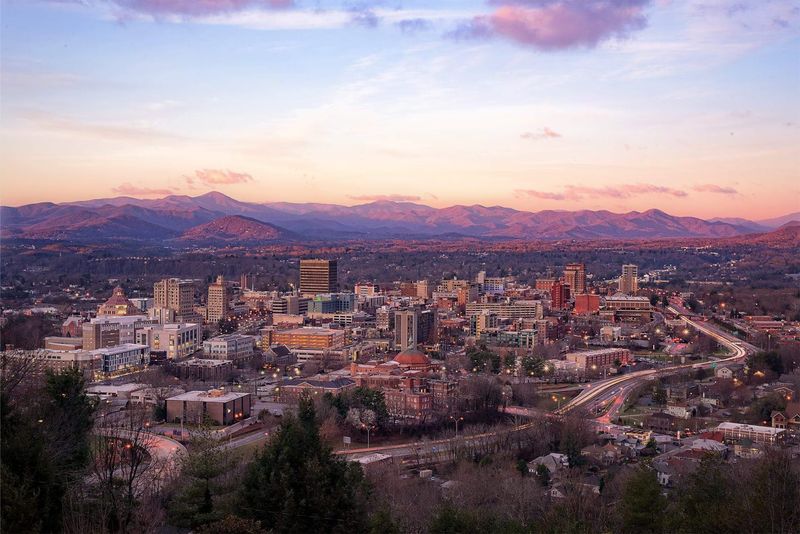
Asheville has always been the cool kid of North Carolina. Art galleries, live music, amazing food, and Blue Ridge Mountain views make it one of the most desirable places to live in the South.
But desirability has a price tag. Property values in Buncombe County have surged dramatically over the past several years.
Long-time residents are watching their tax bills climb while their fixed incomes stay the same.
Local teachers, artists, and service workers built this community. Now, many of them are being priced out of the very neighborhoods they helped make special.
The city has been grappling with how to balance growth and affordability. City council meetings have gotten heated as residents push back on rising assessments and demand answers.
Renters are not immune either. When landlords face higher tax bills, those costs often get passed along.
Rent increases in Asheville have been among the steepest in the state.
Community organizations are working overtime trying to help residents navigate appeals and assistance programs. Some relief programs exist, but awareness of them remains low among those who need help most.
Historic neighborhoods like West Asheville and Kenilworth are seeing the biggest jumps in assessed value. Families who have lived there for generations are genuinely worried about staying.
There is no simple fix here. The city needs revenue to fund schools, roads, and services.
But the human cost of rapid tax increases is real and visible on every block.
Asheville is still a beautiful, vibrant place. The challenge now is making sure the people who give it that character can actually afford to stay.
2. Boone
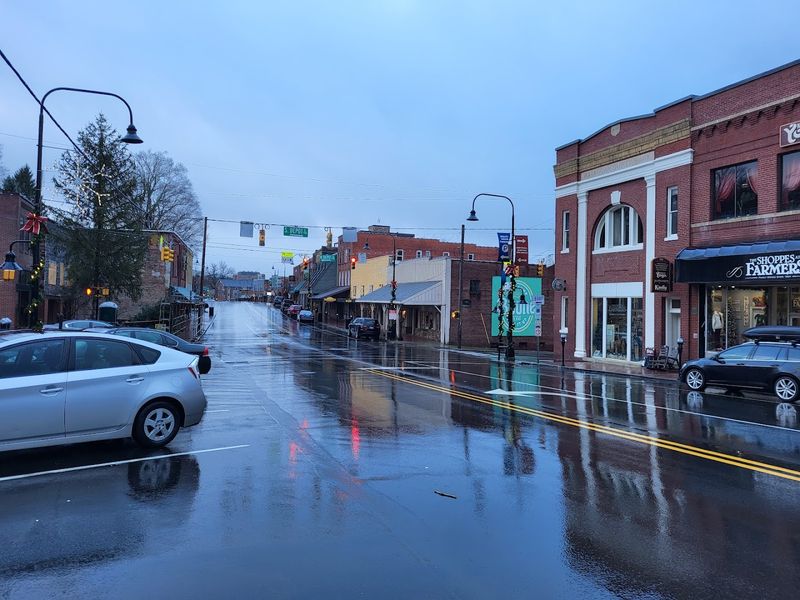
Boone sits high in the Blue Ridge Mountains, and honestly, it feels like living inside a postcard. Appalachian State University gives it youthful energy, and the mountain culture makes it genuinely unique.
But the real estate market here has gone wild. Watauga County property values have jumped significantly, driven partly by out-of-state buyers seeking mountain retreats and remote work destinations.
Year-round residents are caught in the middle. They did not ask for the influx, but they are absolutely paying for it through higher property assessments and rising tax bills.
Student housing demand has also pushed up property values in surrounding neighborhoods. Investors buying rental properties near campus have contributed to assessment increases that affect everyone on the street.
Local farmers and rural landowners are particularly stressed. Land that has been in families for decades is suddenly assessed at values that feel disconnected from agricultural reality.
The county has tried to respond with some targeted relief measures. Senior citizen exemptions and circuit breaker programs offer partial protection, but they do not reach everyone who needs help.
Small business owners in downtown Boone are also feeling the squeeze. Commercial property taxes have risen alongside residential ones, and some beloved local spots are questioning their long-term viability.
Community forums have drawn large crowds of concerned residents. People are showing up, asking tough questions, and demanding more transparency from local government about how tax revenue is being spent.
Boone is resilient. Mountain people tend to be.
But resilience only goes so far when the bills keep climbing, and the answers stay vague.
3. Chapel Hill
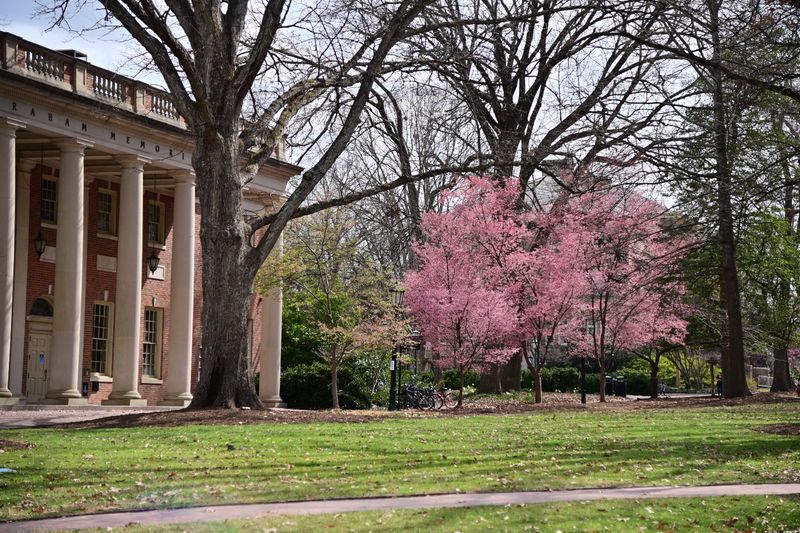
This place carries a certain prestige that comes with being home to the University of North Carolina. It is smart, progressive, and deeply community-oriented.
It also happens to be expensive, and getting more so.
Orange County completed a revaluation that showed average home values rising about 52 percent over four years. For many Chapel Hill homeowners, that translated directly into a noticeable jump in their annual tax bill.
Faculty, staff, and longtime residents who bought homes decades ago are now sitting on significantly appreciated assets. That sounds great until you realize the taxes on those assets keep climbing every cycle.
The town has a strong commitment to affordable housing, but supply has not kept pace with demand. Property tax increases put additional pressure on households that are already stretched thin.
Renters near campus face a compounding problem. Landlord costs rise, rents follow, and the student and service worker populations absorb the impact without much cushion.
Local advocacy groups have been vocal about the need for more robust tax relief programs. They argue that current exemption thresholds are too low to help the middle-income residents who fall between the cracks.
The town is also navigating significant infrastructure needs. Roads, schools, and transit all require funding, and property taxes remain the primary tool for generating that revenue locally.
Council members have acknowledged the tension between fiscal needs and resident affordability. The conversation is ongoing, and the community is engaged in pushing for solutions that do not simply shift the burden downward.
Chapel Hill is still a wonderful place to live. Keeping it that way for everyone, not just the wealthy, is the real work ahead.
4. Carrboro

Carrboro has always had a reputation for being the scrappy, artsy neighbor to Chapel Hill. It celebrates local businesses, community gardens, and a deeply progressive identity.
People love it fiercely.
That love is being tested by rising property values. As part of Orange County, Carrboro residents experienced the same 52 percent average home value increase during the recent revaluation cycle.
For a town that prides itself on economic diversity and inclusion, that number hits differently. Many of the artists, activists, and working-class families who define Carrboro’s character are facing real affordability pressure.
The town’s housing stock includes a mix of older cottages and newer developments. Older homes in desirable walkable areas have seen some of the sharpest value jumps, which surprises long-term owners on modest incomes.
Local renters are also getting squeezed. Carrboro has a large renter population, and as assessed values rise, so do rents.
The ripple effect moves fast through a small community.
Town leaders have been discussing expanded relief programs and tax deferral options. There is genuine political will to address the issue, but budget constraints limit what is actually possible in the short term.
Farmer’s market vendors, musicians, and small shop owners are part of what makes Carrboro worth living in. When those people cannot afford to stay, the town loses something that cannot be rebuilt easily.
Community conversations here tend to be lively and solutions-focused. Residents are not just complaining.
They are organizing, proposing, and pushing hard for policies that protect the town’s soul.
Carrboro’s identity has always been about fighting for fairness. Right now, that fight is happening on the property tax front.
5. Brevard
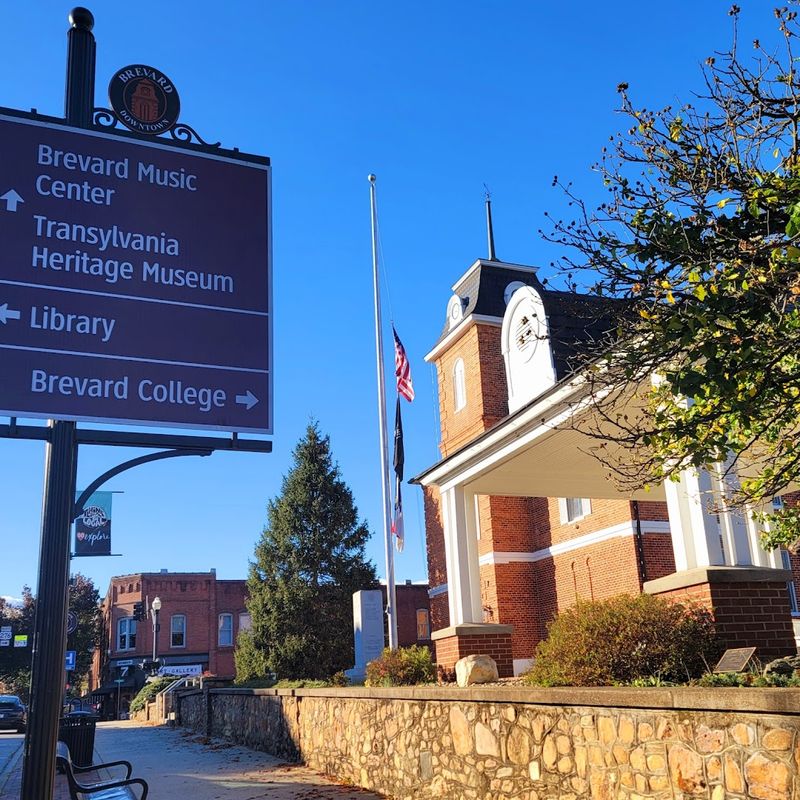
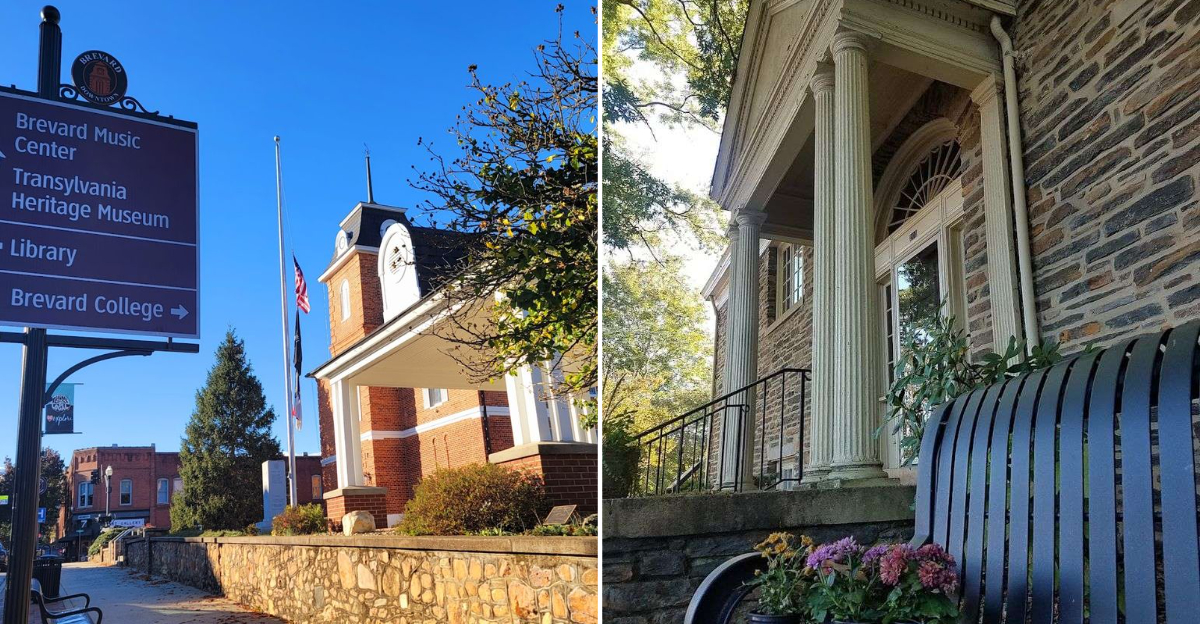
A place like this is famous for two things: the Pisgah National Forest and its population of white squirrels. Seriously.
The white squirrels are a whole thing, and visitors come from everywhere just to spot them.
What is less charming is what has been happening to property values in Transylvania County. Like many western North Carolina communities, Brevard has seen significant assessment increases driven by pandemic-era migration and real estate speculation.
Retirees who settled here for the peaceful mountain lifestyle are now dealing with tax bills that feel anything but peaceful. Many moved here specifically because the cost of living was manageable.
That calculation has changed.
The outdoor recreation economy that Brevard depends on brings in tourism dollars but also drives up land and home values. Every new vacation rental or second home adds pressure to the local housing market.
Full-time residents, especially those on fixed incomes, are finding themselves in a difficult position. Their homes are worth more on paper, but their ability to pay higher taxes has not improved.
Local government has been working to communicate the revaluation process more clearly to residents. Many people did not fully understand how assessments work until they opened their new tax bills and felt the shock.
Small downtown businesses are also watching their property costs rise. Rent for commercial spaces has followed assessment increases, making it harder for independent shops to stay open long-term.
Brevard has a strong community spirit. Neighbors look out for each other, and local nonprofits are stepping up to connect residents with assistance programs and appeal resources.
The white squirrels are still adorable. The tax situation, not so much.
6. Black Mountain
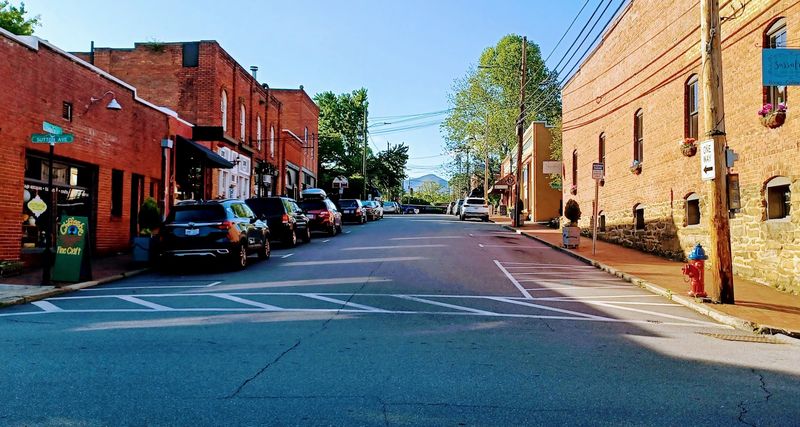
Black Mountain is the kind of place where people come for a weekend and start looking at real estate by Sunday afternoon. It has that magnetic pull of mountain charm, walkable streets, and genuine community warmth.
Located in Buncombe County, Black Mountain has felt the same property value pressures hitting Asheville. Assessment increases have been significant, and residents are navigating a new financial reality whether they planned for it or not.
The town has a large population of retirees and artists who chose Black Mountain precisely because it felt affordable compared to bigger cities. That affordability advantage has eroded considerably in recent years.
Many homeowners are sitting on appreciated property they have no intention of selling. For them, higher assessed values mean higher tax bills with no corresponding increase in income or liquid assets.
The local arts community, which is central to Black Mountain’s identity, includes many people working on limited budgets. Studios, galleries, and creative spaces face rising overhead costs that threaten their long-term survival.
Black Mountain College, though no longer operating, left a lasting cultural imprint on the town. That legacy of creative community is something residents want to protect.
Rising costs make that harder.
Town leaders have been responsive to resident concerns. Public meetings about the revaluation process drew strong attendance, and officials have worked to explain appeal procedures clearly and accessibly.
Neighbors here genuinely know each other. Block parties, community gardens, and local events keep the social fabric tight.
That connectedness becomes a survival tool when financial pressures mount.
Black Mountain is not giving up its character without a fight. The community is loud, organized, and deeply committed to staying exactly who they are.
7. Hendersonville
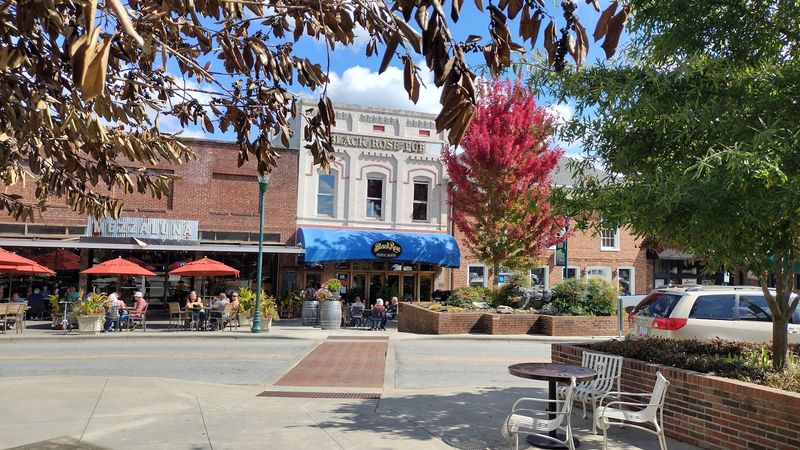
Hendersonville is apple country. Every fall, the orchards draw crowds, the downtown fills with visitors, and the whole place smells like cider and good decisions.
It is genuinely lovely.
Henderson County has been undergoing significant property revaluation, and the numbers are catching many residents off guard. Home values across the county have climbed sharply, reflecting statewide trends in western North Carolina real estate.
Retirees make up a large portion of Hendersonville’s population. Many chose the town for its moderate climate, small-town feel, and relative affordability.
The tax increases are disrupting retirement budgets that were planned around lower housing costs.
Longtime farming families face a particularly complicated situation. Agricultural land assessments can be managed through present-use value programs, but navigating that system requires knowledge and paperwork that not everyone has easy access to.
The downtown commercial district has seen rising property values alongside rising rents. Some locally owned shops that survived the pandemic are now questioning whether they can survive the property tax environment.
Henderson County officials have held information sessions to help residents understand the revaluation process. Turnout has been high, which reflects how seriously the community is taking the financial impact.
Younger families moving to Hendersonville from larger cities are also feeling the pressure. They came seeking affordability relative to Charlotte or Asheville, but the gap has narrowed significantly in recent years.
Community organizations, churches, and neighborhood groups are connecting residents with assistance programs and guiding people through the appeals process. That grassroots support network is genuinely making a difference.
Hendersonville still has that warm, welcoming energy that makes it special. But affordability is now part of every serious conversation happening in this community.
8. Weaverville
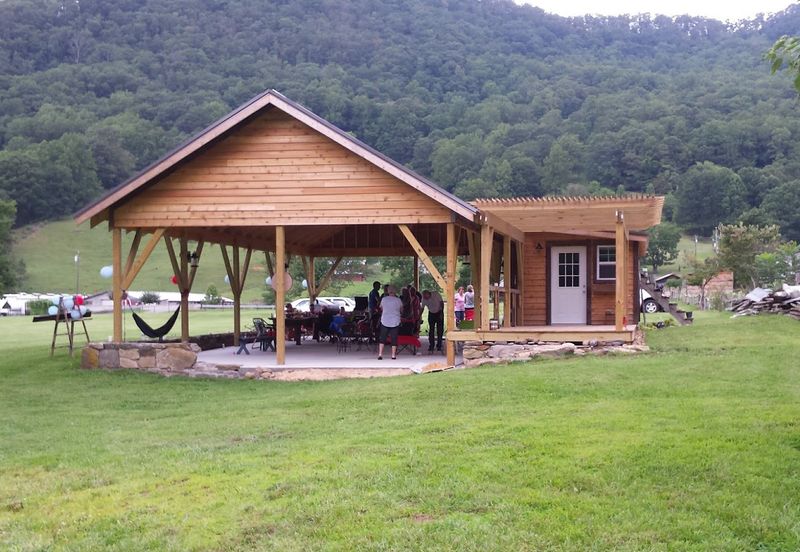
This place sits just north of Asheville, and for years it offered a quieter, slightly more affordable alternative to its famous neighbor. People figured out that secret, and the real estate market responded accordingly.
As part of Buncombe County, Weaverville has experienced the same wave of property value increases hitting the broader region. Assessment jumps have been substantial, and residents are adjusting to a new financial landscape.
The town attracts people who want mountain life without the crowds. Young families, remote workers, and retirees have all been drawn to Weaverville’s slower pace.
Now many of those same people are stressed about their tax bills.
Local schools are a big draw for families. Parents move here specifically for the educational environment.
But when property taxes rise faster than wages, even motivated families start questioning whether they can stay long-term.
Small businesses along Main Street have built loyal followings over years of consistent quality and community engagement. Higher property costs threaten that stability, especially for owner-operated shops with thin margins.
The town government has been proactive about communicating revaluation information. Newsletters, public meetings, and online resources have helped residents understand what is happening and what options they have.
Weaverville has a volunteer culture that runs deep. Fire departments, food banks, and community organizations all depend on engaged residents.
When financial stress increases, that volunteer capacity can shrink, which affects everyone.
Neighbors here tend to be the kind of people who bring you soup when you are sick and wave from the porch every morning. That community fabric is worth protecting through smart, fair tax policy.
Weaverville is growing, and growth brings challenges. The community is determined to manage those challenges without losing what made it worth moving to.
9. Pittsboro
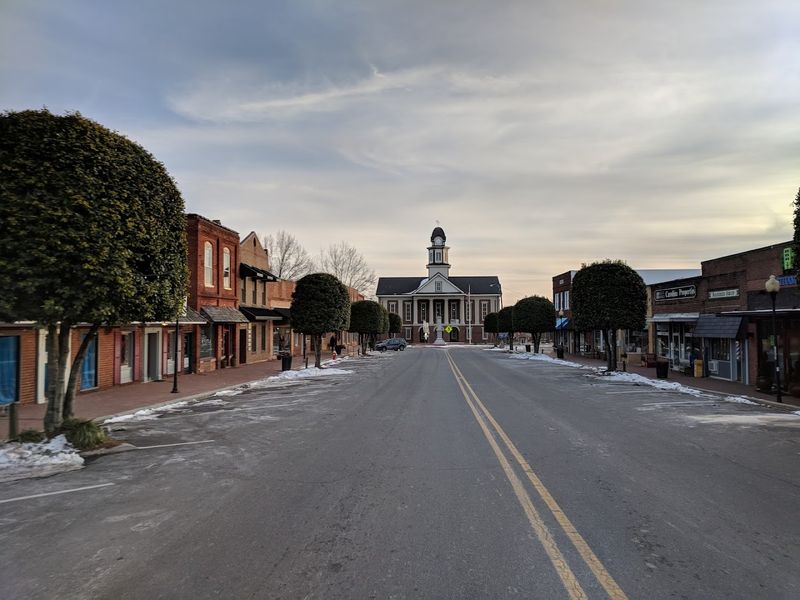
Pittsboro is having a moment. Chatham County has become one of the fastest-growing areas in North Carolina, and Pittsboro sits right at the center of that growth story.
Not everyone is celebrating equally.
The arrival of major employers and the expansion of the Research Triangle’s footprint southward have driven property values up sharply. Long-term residents who never asked for the growth are now paying for it through higher assessments.
Chatham County’s rural character has been one of its defining features. Farmland, forests, and small communities gave the county a distinct identity.
Rising property values are putting pressure on that character in ways that concern many residents.
Agricultural landowners have some protection through present-use value programs, but those programs require ongoing compliance and paperwork. For elderly farmers or those without professional advisors, the system can feel overwhelming.
The historic downtown square has charm that new development cannot replicate. Local businesses there are watching commercial property costs rise alongside residential ones, and the math is getting harder to make work.
Younger residents and newcomers are sometimes surprised to learn that growth does not automatically make life easier for everyone already there. For fixed-income households, a booming real estate market can feel like a trap.
County commissioners have been discussing tax relief options, including expanded elderly and disabled exemptions. Community advocates are pushing for more aggressive action before displacement becomes irreversible.
Pittsboro has a quirky, creative energy that mixes old-school Southern community with progressive newcomer values. That blend is genuinely interesting and worth preserving through thoughtful policy decisions.
Growth is not inherently bad. How a community manages its growth determines whether everyone benefits or just a lucky few.
10. Hillsborough
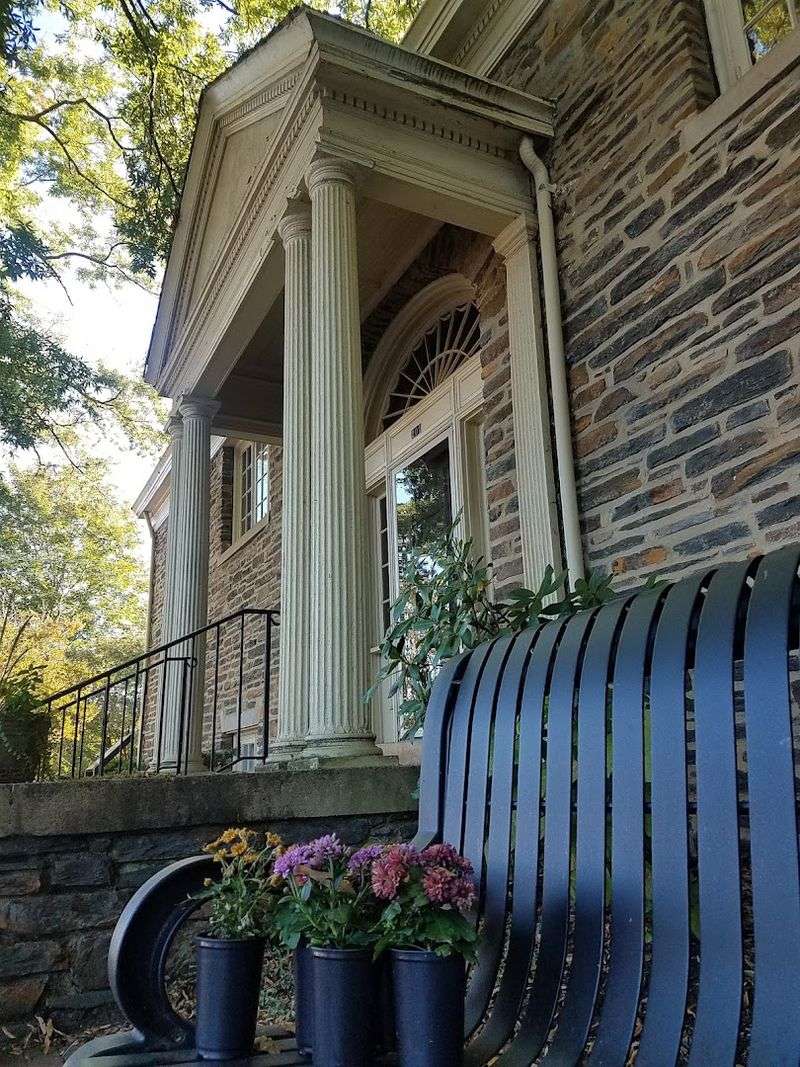
Hillsborough is one of those towns that feels like history is still happening there. Colonial-era buildings line the streets, the Eno River runs nearby, and the whole place carries a quiet dignity that is hard to find anywhere else.
As part of Orange County, Hillsborough has been caught in the same revaluation wave that affected Chapel Hill and Carrboro. Average home values rose approximately 52 percent over four years, and residents are feeling that in real financial terms.
The town attracts writers, artists, and professionals who appreciate its historic character and proximity to the Research Triangle. Many of them bought modest homes years ago and are now facing tax bills that reflect a very different market reality.
Historic preservation adds another layer of complexity. Owners of older homes often face higher maintenance costs, and when property taxes rise on top of those expenses, the burden becomes genuinely difficult to manage.
Hillsborough’s downtown has a collection of independent restaurants, bookshops, and galleries that give it real personality. Commercial property tax increases threaten the viability of exactly the kind of small businesses that define the town’s appeal.
The Eno River State Park draws hikers and nature lovers from across the region. That natural amenity has contributed to Hillsborough’s desirability, which in turn has pushed up property values throughout the area.
Orange County officials have offered information sessions and online tools to help residents navigate the revaluation process. Participation has been strong, reflecting how seriously the community takes its financial future.
Local neighborhood associations have become important forums for sharing information and coordinating responses. Residents are not waiting for solutions to arrive from above.
They are building them from the ground up.
Hillsborough is a town worth fighting for. The community knows it, and they are showing up to do exactly that.