
North Carolina’s Best Hidden Hiking Trails Locals Rarely Share
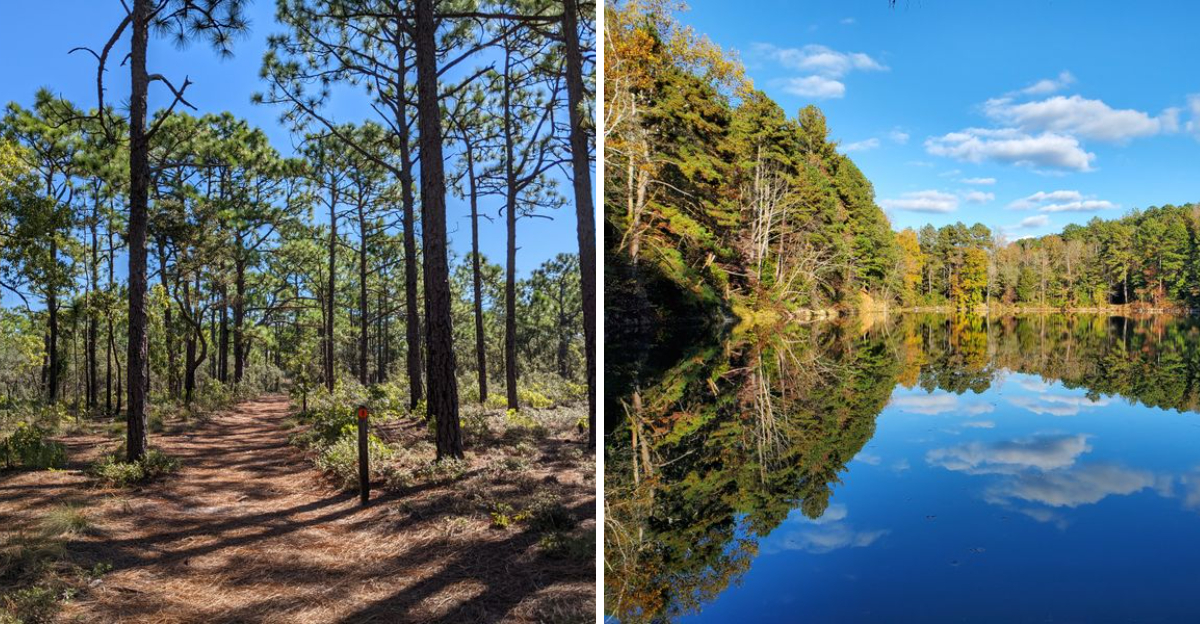
North Carolina is packed with famous mountain peaks and crowded tourist trails, but the real magic happens on paths most visitors never find.
Locals guard these secret spots like treasure maps, knowing that once word gets out, the peaceful solitude disappears forever.
I’ve spent years exploring the backroads and forgotten corners of this beautiful state, and I’m ready to spill the beans on trails that’ll make you feel like you’ve discovered your own private wilderness.
Get your boots ready because these hidden gems are about to become your new favorite escapes.
1. Fires Creek Rim Trail
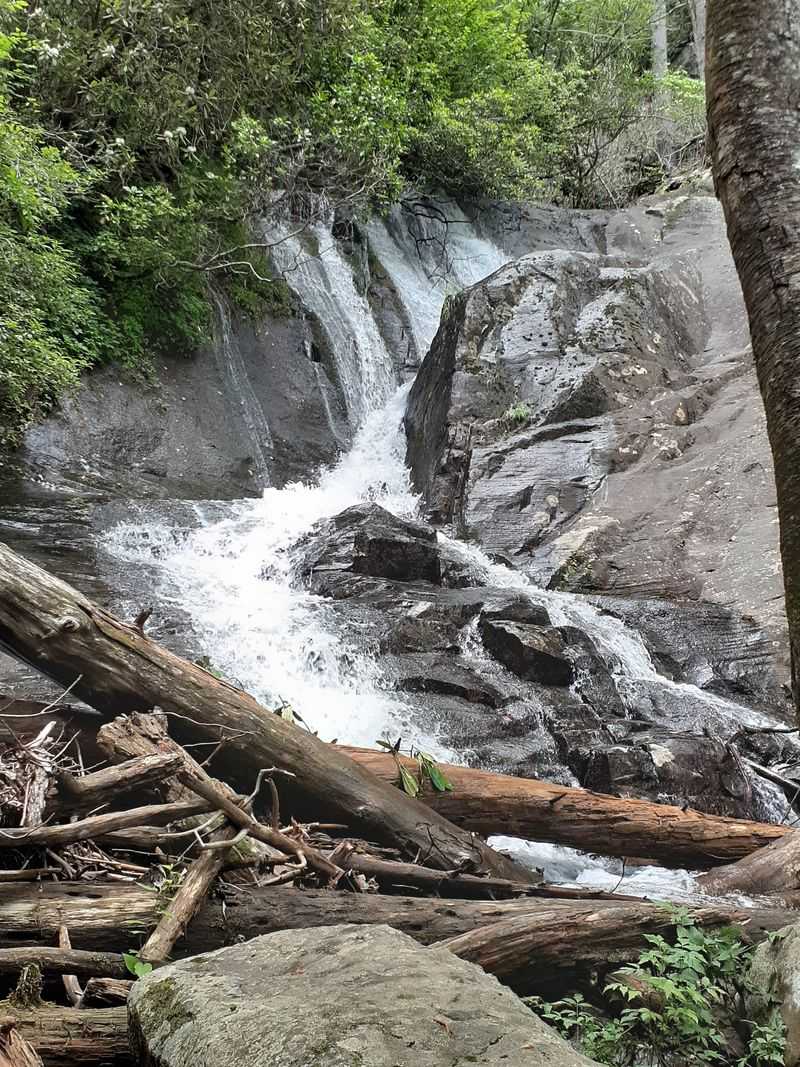
Picture yourself walking along a ridgeline where the world drops away on both sides and all you hear is wind rustling through ancient oaks.
Fires Creek Rim Trail sits tucked away in the Nantahala National Forest, far from the tourist buses and Instagram crowds.
The 9-mile loop climbs steadily through rhododendron tunnels before opening up to jaw-dropping views that’ll make your camera work overtime.
Spring brings wildflowers that carpet the forest floor in purple and yellow, while fall transforms the canopy into a blazing quilt of reds and golds.
Most hikers stick to the more famous trails nearby, which means you might have entire sections completely to yourself.
The trail demands respect with its elevation changes and rocky sections, so bring sturdy boots and plenty of water.
Pack a lunch because the overlooks practically beg you to sit and soak in the mountain silence.
Local tip: Start early in the morning when mist clings to the valleys below, creating a mystical atmosphere you won’t forget.
2. Dutchman’s Creek Trail

Ever wanted to escape into a storybook forest where water whispers secrets and sunlight filters through leaves like nature’s own cathedral?
Dutchman’s Creek Trail delivers exactly that experience without the hassle of driving deep into the mountains.
Located in the Charlotte area, this 2.5-mile gem follows a babbling creek through a surprisingly wild corridor that feels miles from civilization.
The path meanders along the water’s edge, crossing wooden bridges and passing small cascades that sparkle in the dappled light.
Kids love hopping between rocks and searching for salamanders, while adults appreciate the gentle terrain that’s perfect for clearing your head after a stressful week.
Because it’s tucked in a residential area, most visitors overlook it in favor of flashier destinations.
The trail stays relatively cool even in summer thanks to the thick tree cover, making it an ideal refuge when temperatures climb.
Bring your camera because the creek creates countless photo opportunities around every bend.
3. Medoc Mountain State Park
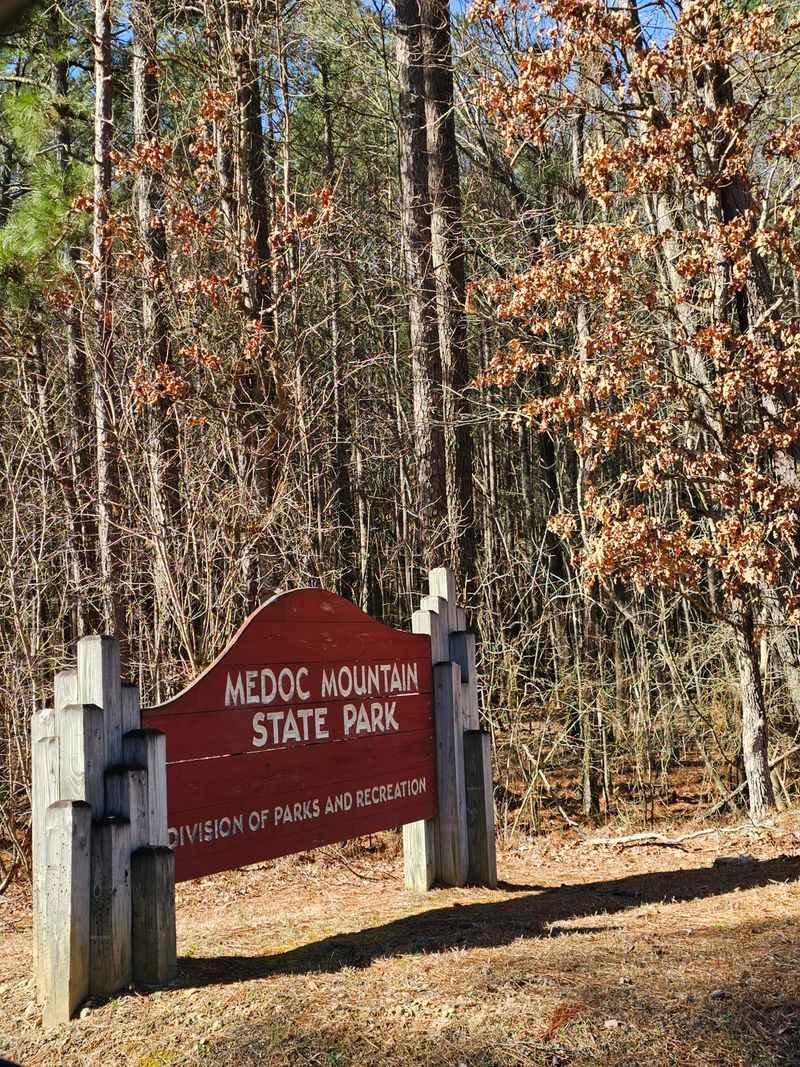
Medoc Mountain might be the most misleadingly named peak you’ll ever climb since it tops out at just 325 feet, but don’t let that fool you into thinking it’s boring.
This state park in Halifax County offers over 10 miles of trails that wind through ecosystems you won’t find anywhere else in North Carolina.
The Summit Trail takes you through rare Coastal Plain vegetation where mountain laurel somehow thrives alongside species typically found near the ocean.
Granite outcrops pop up unexpectedly, creating mini rock gardens that seem transported from the mountains.
The trails loop through creek bottoms and climb gentle ridges, giving you variety without the knee-busting elevation changes of western trails.
Because it’s located in the less-visited eastern part of the state, you’ll rarely encounter crowds even on gorgeous weekend days.
Bird watchers go crazy here spotting species that migrate through this unique habitat corridor.
Pack binoculars and take your time exploring the interconnected trail system that reveals something new on every visit.
4. Lake Waccamaw State Park
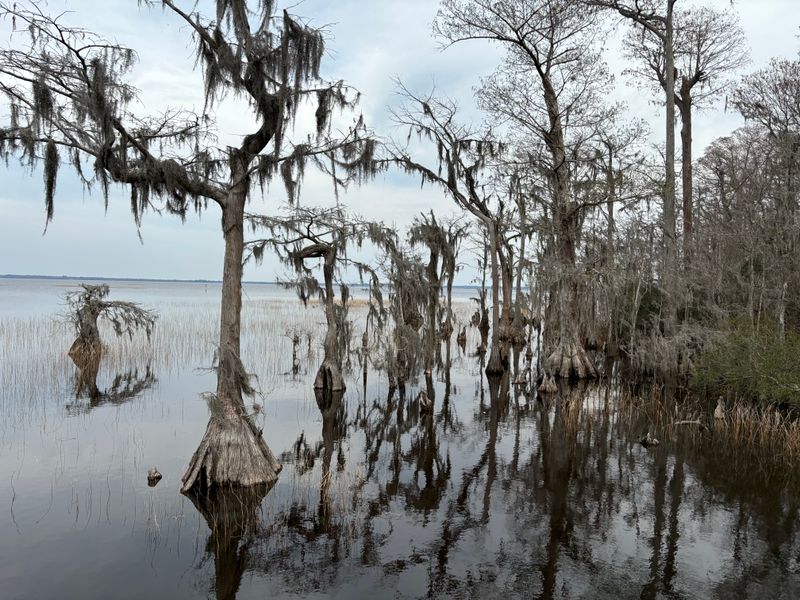
Have you ever walked beside water so still it looks like polished glass, reflecting clouds and trees in perfect mirror images?
Lake Waccamaw State Park protects one of North Carolina’s most unusual natural features—a massive bay lake that’s home to species found nowhere else on Earth.
The trails here hug the shoreline, weaving between towering cypress trees draped in Spanish moss that creates an almost otherworldly atmosphere.
The 3-mile lakeside trail is flat and easy, perfect for families or anyone wanting a peaceful walk without the huffing and puffing.
What makes this place truly special is the rare endemic species living in the lake’s unique water chemistry.
You might spot the Waccamaw silverside fish or rare freshwater mussels that scientists study from around the world.
The park stays blissfully quiet because most beachgoers head to the coast instead.
Bring a fishing rod, a picnic blanket, and an afternoon with nowhere else to be.
The sunset views across the lake will make you understand why locals keep this treasure to themselves.
5. Carolina Beach State Park
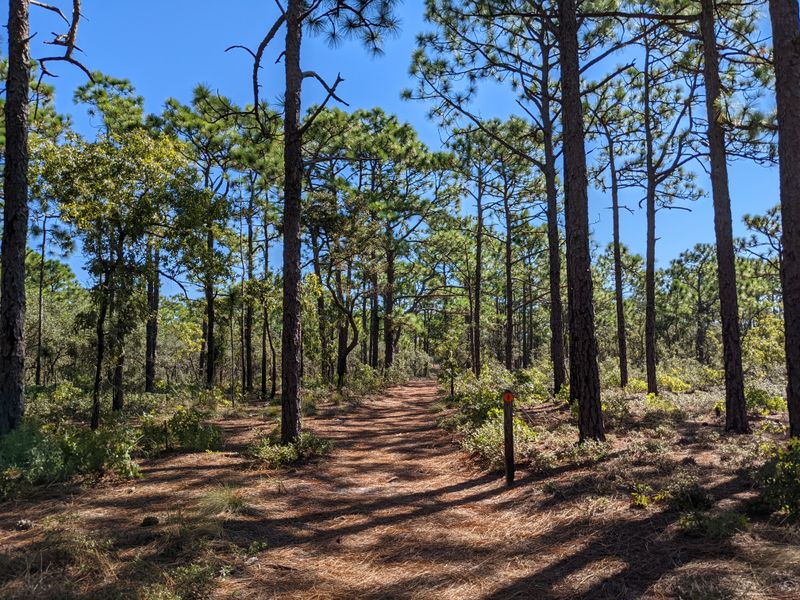
Most people zoom straight to the beach and miss the wild treasures hiding just inland where carnivorous plants wait patiently for their next meal.
Carolina Beach State Park contains some of the last natural habitats for Venus flytraps, and the trails take you right through their hunting grounds.
The 6-mile trail system winds through coastal forests, salt marshes, and along the Cape Fear River, offering incredible variety in a compact area.
Sugarloaf Trail climbs to the park’s highest point where you can see both river and ocean if the weather cooperates.
Spring through fall, the Flytrap Trail lives up to its name with these bizarre plants snapping shut on unsuspecting insects.
The maritime forest creates a shady canopy that keeps you cool while beach crowds swelter on the sand nearby.
Birding enthusiasts flock here during migration seasons when rare species stop to refuel.
Pack insect repellent because mosquitoes consider you just as tasty as the flytraps find bugs.
The marina trail offers gorgeous sunset views that rival anything you’ll see from a crowded beach.
6. Raven Rock State Park
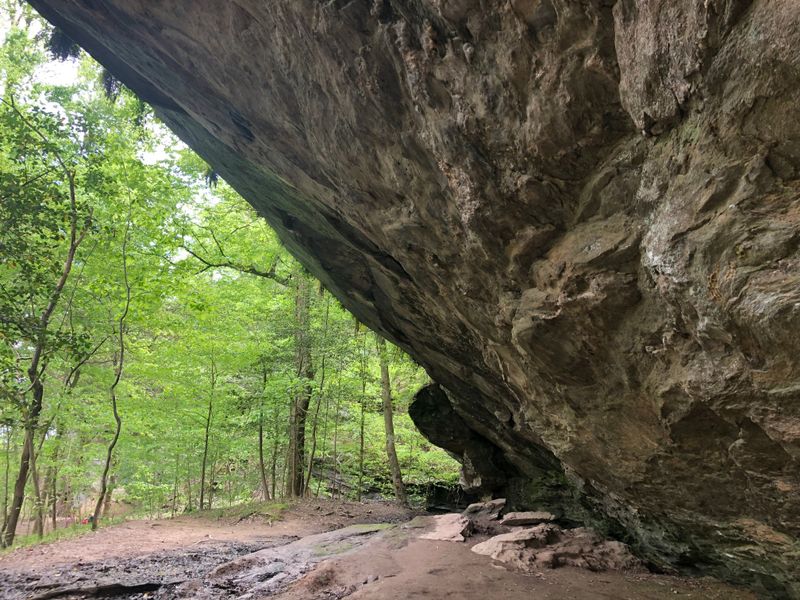
A mile-high wall of stone erupts from the forest floor, towering over the Cape Fear River like something from an adventure movie.
Raven Rock State Park’s namesake formation is a jaw-dropping sight that most North Carolinians have never witnessed despite it being just 30 minutes from Raleigh.
The trails here total over 10 miles, ranging from easy riverside strolls to challenging climbs that’ll test your leg muscles.
The Raven Rock Loop Trail takes you to the base of the massive crystalline rock face where ravens once nested in the crevices.
Looking up at that towering cliff, you’ll feel wonderfully small and connected to the ancient geological forces that shaped this landscape.
The Cape Fear River Trail follows the water’s edge, offering peaceful walking with chances to spot river otters and wading birds.
Fall colors here are spectacular but criminally underrated compared to mountain destinations.
Bring a fishing license if you want to try your luck in the river, and definitely pack a lunch to enjoy at one of the riverside picnic spots.
7. Eno River State Park (Quarry & Cabe Lands Area)
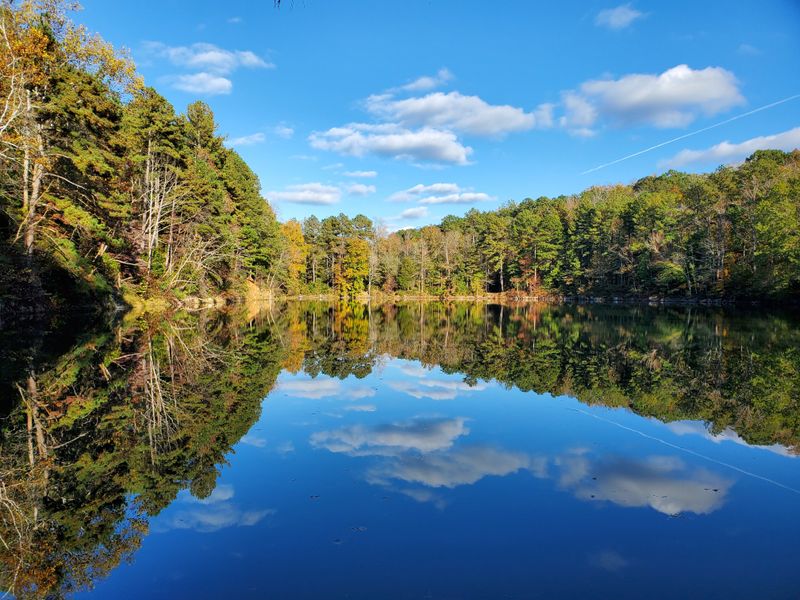
An abandoned quarry filled with impossibly blue water sits hidden in the forest like nature’s secret swimming hole, though swimming isn’t allowed anymore.
The Quarry and Cabe Lands sections of Eno River State Park offer some of the most interesting hiking near Durham, yet they fly completely under the radar.
The Quarry Trail circles the flooded pit where workers once extracted stone, creating a surreal landscape where industrial history meets natural reclamation.
The water glows an eerie turquoise thanks to minerals in the exposed rock, and the surrounding cliffs create dramatic photo opportunities.
Over in the Cabe Lands area, trails wind through bottomland forests along the Eno River where you can spot beaver dams and great blue herons.
These trails connect to the larger Eno River trail system, but most visitors stick to the more popular sections downstream.
The solitude here is golden, especially on weekday mornings when you might have miles of trail completely to yourself.
The terrain is moderate with some rocky sections, so wear appropriate shoes and watch your footing near the quarry edges.
8. Wolf Rock Trail
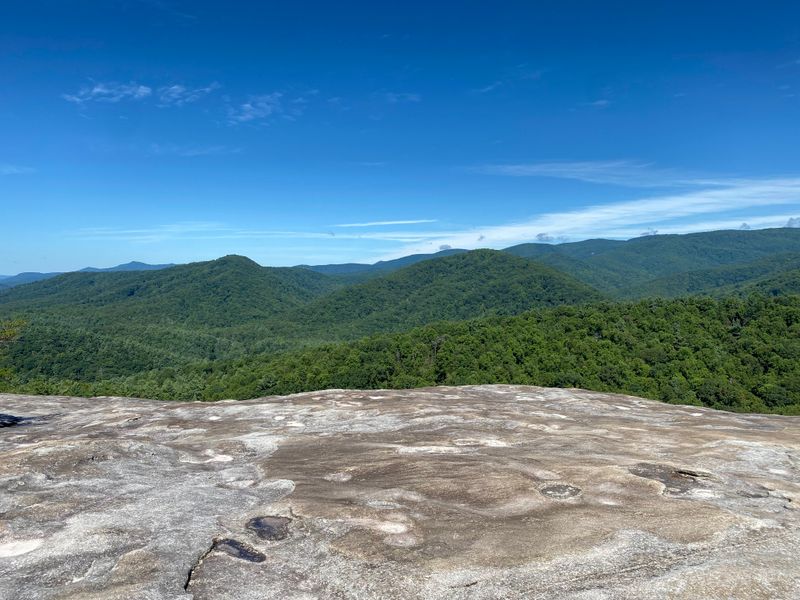
Scrambling up granite boulders to reach a summit that rewards you with 360-degree mountain views never gets old, especially when you have it all to yourself.
Wolf Rock Trail in the South Mountains State Park area is a local secret that delivers big mountain experiences without the crowds choking more famous peaks.
The 2.3-mile climb is steep and relentless, gaining elevation quickly through rhododendron thickets and hardwood forests.
Your legs will burn, but the payoff is absolutely worth every step.
The exposed granite summit provides sweeping views across multiple mountain ranges, and the rock formations create natural seats perfect for lunch breaks.
Because the trailhead is unmarked and requires sole local knowledge to find, most hikers never discover this gem. Spring brings mountain laurel blooms that turn the understory into a pink and white wonderland.
Pack plenty of water since the climb is demanding, and bring layers because the summit can be windy even on calm days below.
The rock scrambling near the top adds an adventurous element that makes you feel like a real mountaineer.
9. High Shoals Falls Trail
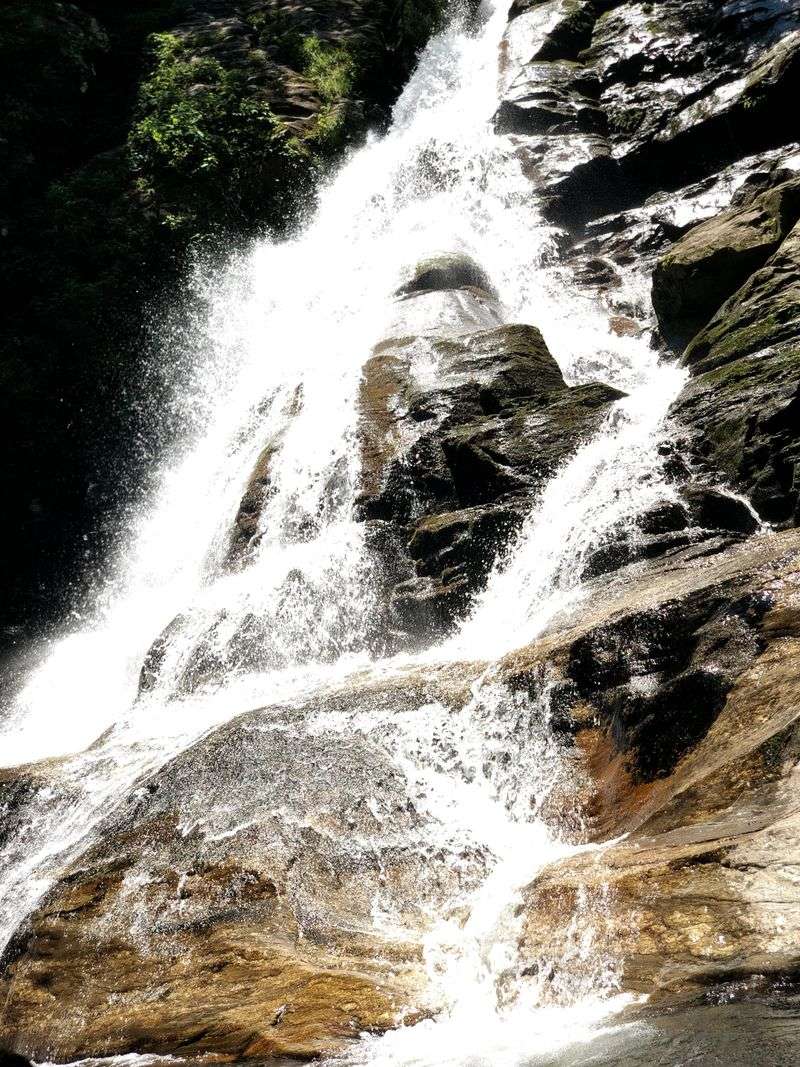
Water plunges 80 feet over a series of rocky ledges, creating a misty spectacle that rivals any famous waterfall but without the parking lot full of tour buses.
High Shoals Falls Trail in South Mountains State Park is a moderate 2.6-mile hike that takes you to one of the area’s most impressive waterfalls.
The trail follows Jacob Fork River upstream, crossing wooden bridges and passing smaller cascades that build anticipation for the main event.
When you finally reach High Shoals Falls, the roar of water and cool mist on your face make the journey feel like a pilgrimage worth taking.
The falls split into multiple channels during high water, creating a complex dance of whitewater that changes with the seasons.
Most waterfall chasers flock to the more publicized cascades in Dupont State Forest or along the Blue Ridge Parkway, leaving this beauty relatively undiscovered.
The trail can be muddy after rain, so wear boots with good traction.
Visit in late spring when mountain laurel blooms along the trail, or after heavy rains when the falls roar at full power.
10. Panthertown Valley
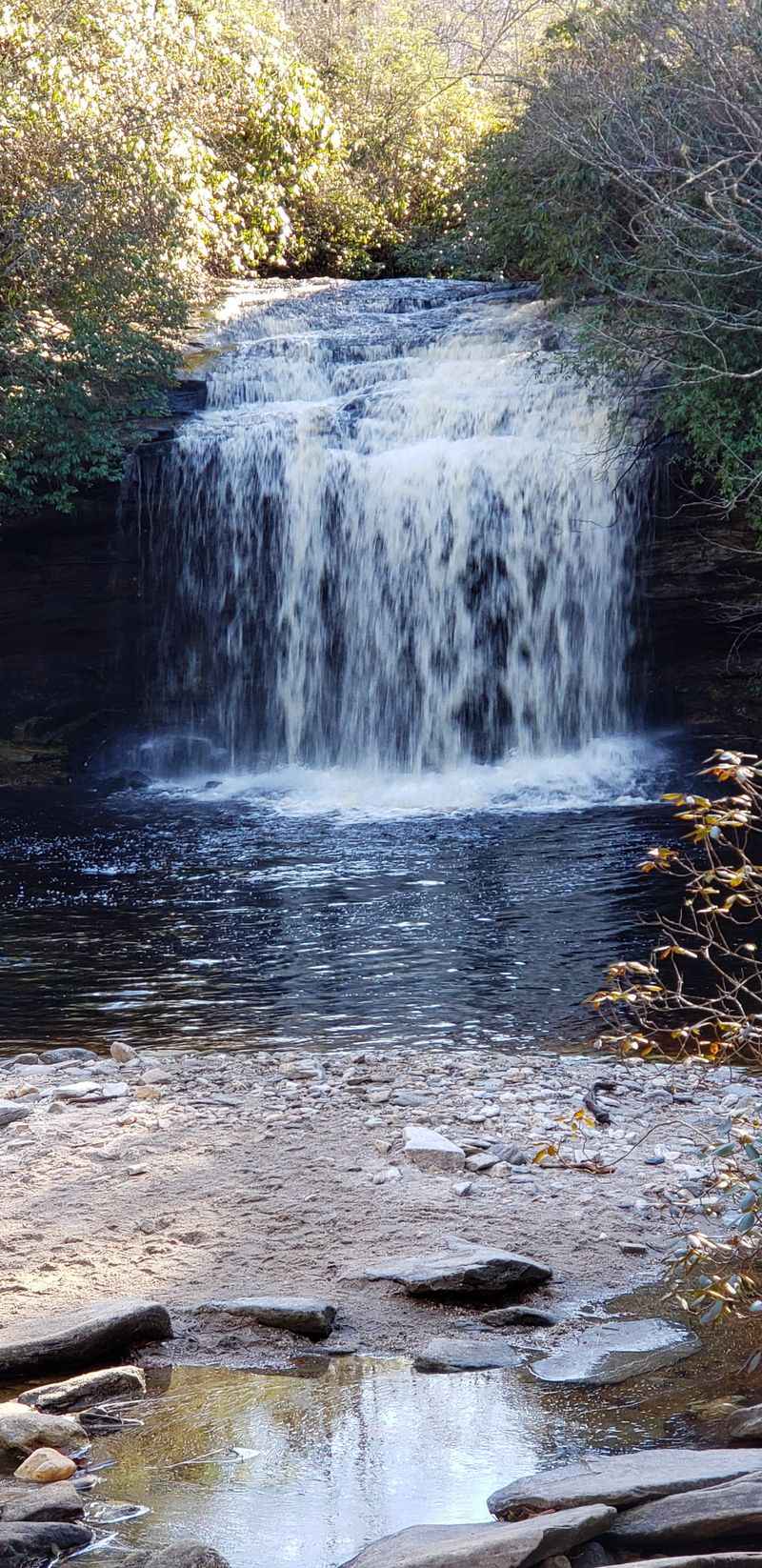
They call it the Yosemite of the East, but that nickname hasn’t caught on with the masses yet, which means you can still find solitude in this spectacular valley.
Panthertown Valley sits in the Nantahala National Forest, offering over 30 miles of trails that wind through a landscape of waterfalls, granite domes, and crystal-clear streams.
The valley floor is remarkably flat, making it perfect for exploration without brutal climbs, though you can scramble up rock faces if you’re feeling adventurous.
Schoolhouse Falls is the crown jewel—a 20-foot cascade that spills into a pool where brave souls take refreshing dips on hot summer days.
The trail network can be confusing since it’s managed as a wilderness area with minimal signage, so bring a map or GPS.
That navigational challenge is partly why it stays less crowded than nearby Gorges State Park.
Fall colors here are absolutely stunning as the valley transforms into a painter’s palette of golds and reds.
Pack a lunch and plan to spend the whole day exploring because this place deserves your full attention and wonder.