
North Carolina’s Hidden Coastal Villages That Still Feel Untouched
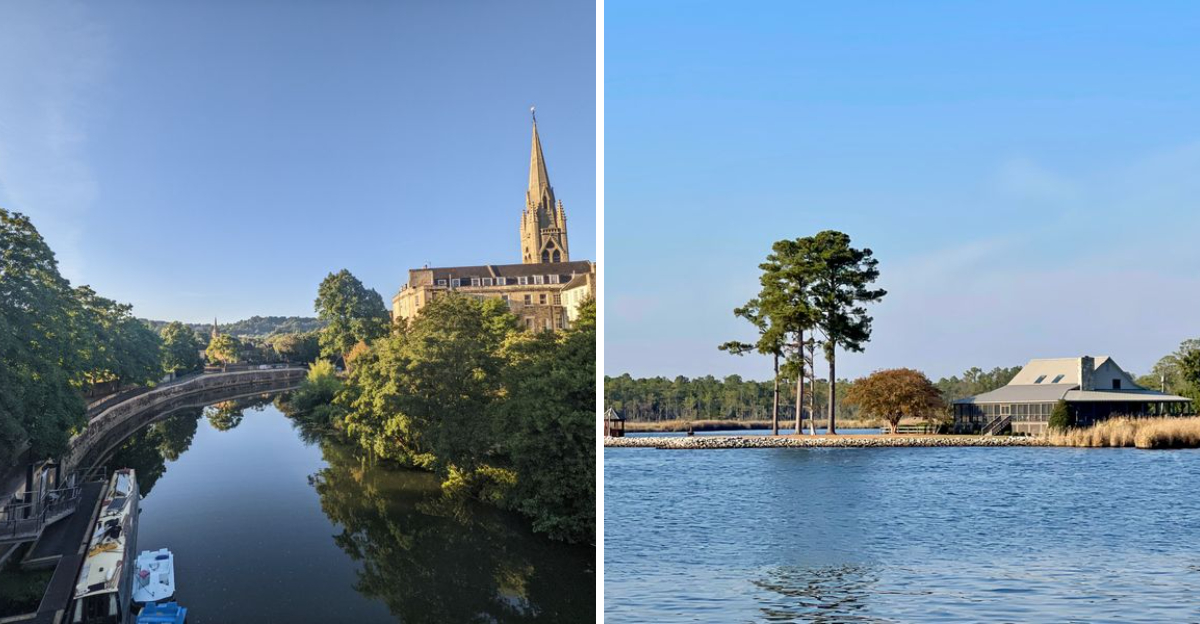
Picture yourself walking along quiet streets where time seems to move slower, where fishing boats outnumber tourists, and where locals still wave at strangers passing by.
North Carolina’s coastline hides some of the most charming villages you’ve probably never heard of, places that have somehow escaped the crowds and commercialization that swallowed up so many beach towns.
These hidden gems offer something rare: authenticity.
I’m taking you on a journey to ten coastal villages that feel like they’re stuck in the best possible way, preserving their character while the rest of the world rushes past.
1. Ocracoke Village
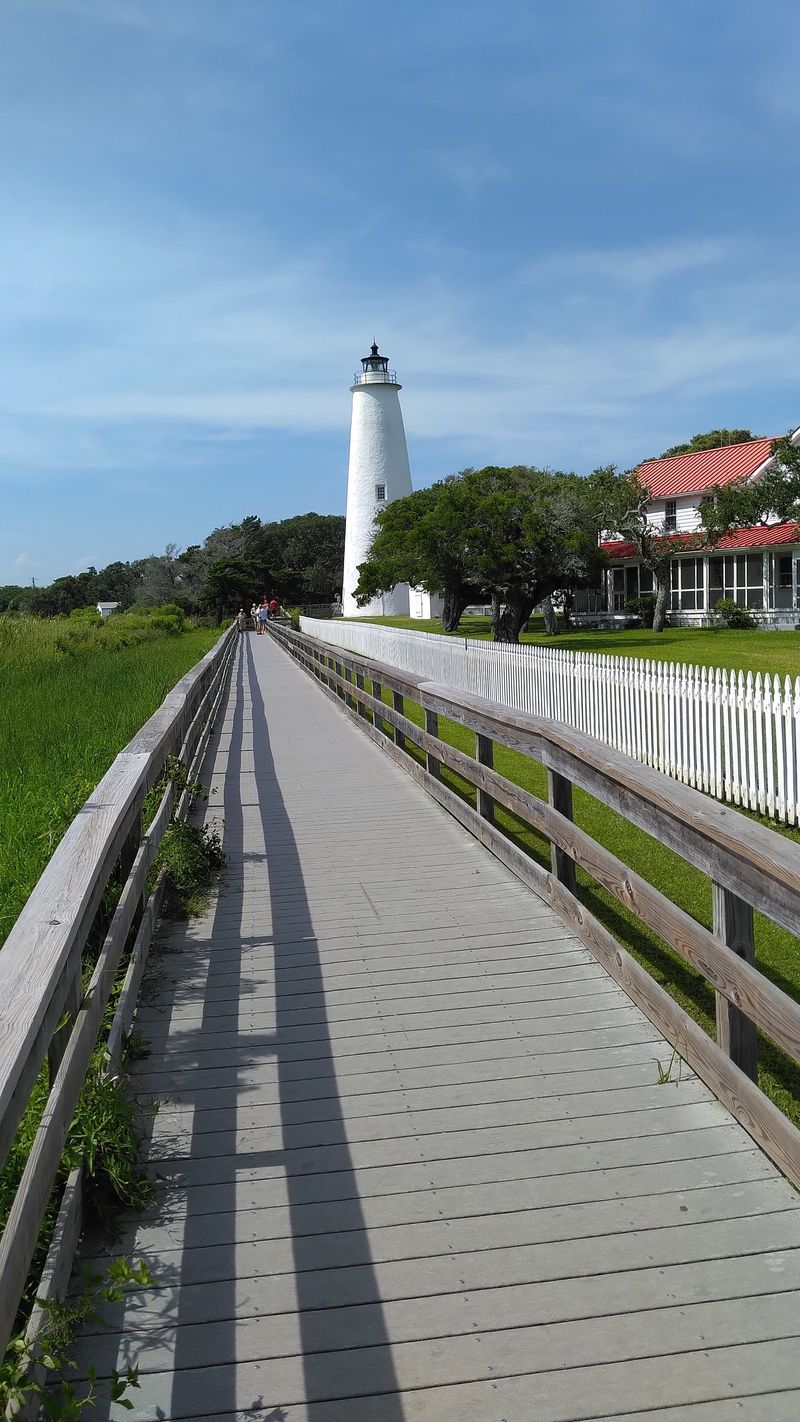
Reaching Ocracoke requires commitment—there are no bridges, only ferries that carry you across shifting waters.
That geographical isolation has kept this village wonderfully preserved, with its wild ponies, legendary lighthouse, and streets where golf carts outnumber cars.
The island breathes at its own pace, where fishermen still mend nets by hand and locals speak in the unique Ocracoke brogue, a dialect that echoes centuries of maritime history.
Blackbeard himself once roamed these shores, and you can almost feel that pirate energy lingering in the salty air.
The beaches stretch empty for miles, unlike their crowded cousins up north. Small shops sell handmade crafts, not mass-produced souvenirs.
Restaurants serve seafood caught that very morning, prepared by families who’ve lived here for generations.
Sunset here feels sacred, painting the sound in impossible colors while ospreys circle overhead.
Ocracoke doesn’t try to be anything but itself, and that’s precisely its magic.
2. Harkers Island
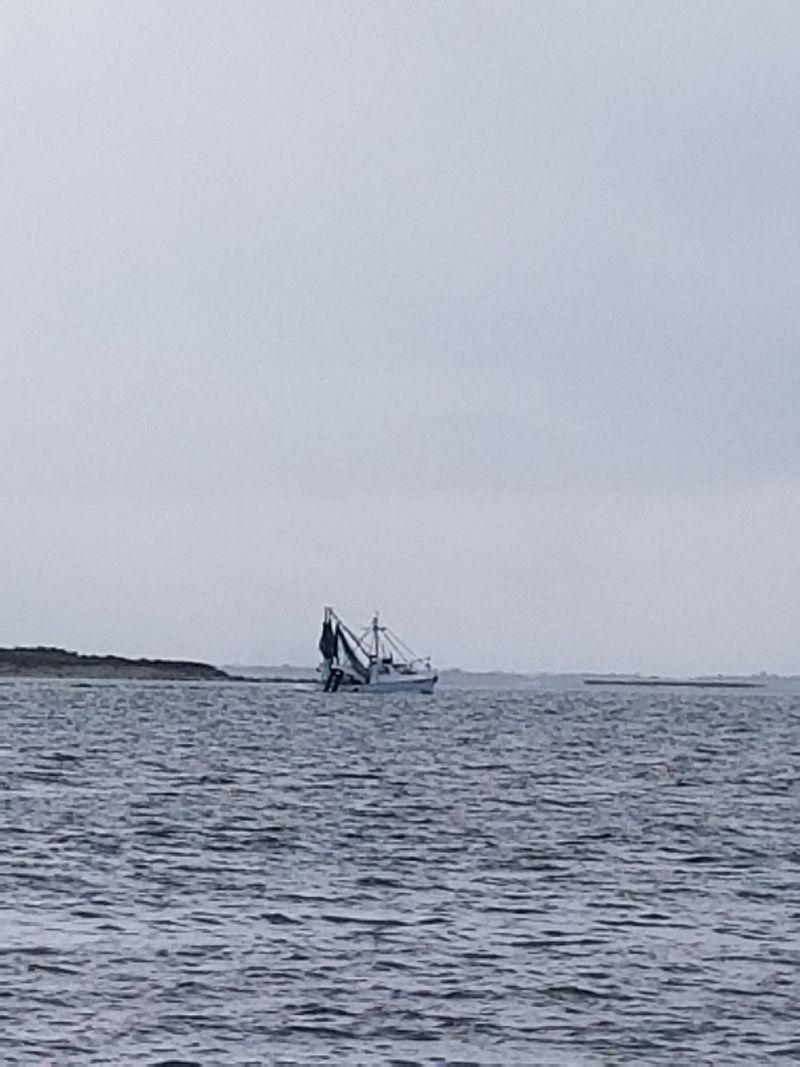
Boat-building runs through this island’s veins like saltwater through its marshes.
Harkers Island has crafted vessels for generations, passing down woodworking secrets from father to son, mother to daughter.
The Core Sound Waterfowl Museum tells stories of decoy carvers and fishermen whose skills shaped coastal culture.
Walking through town, you’ll notice working boatyards where skilled hands still shape wood into seaworthy craft.
This isn’t a place trying to attract Instagram crowds—it’s a living, breathing community where people actually work the water.
Shrimp boats dock at family-owned operations, and crab pots stack high along driveways.
The island connects to the mainland by a single causeway, but it feels worlds away from modern hustle.
Local restaurants serve down-home cooking where everyone knows your name by your second visit.
Marshlands stretch endlessly, alive with herons and egrets hunting at low tide.
Harkers Island proves that authentic coastal life still exists if you know where to look for it.
3. Portsmouth Village
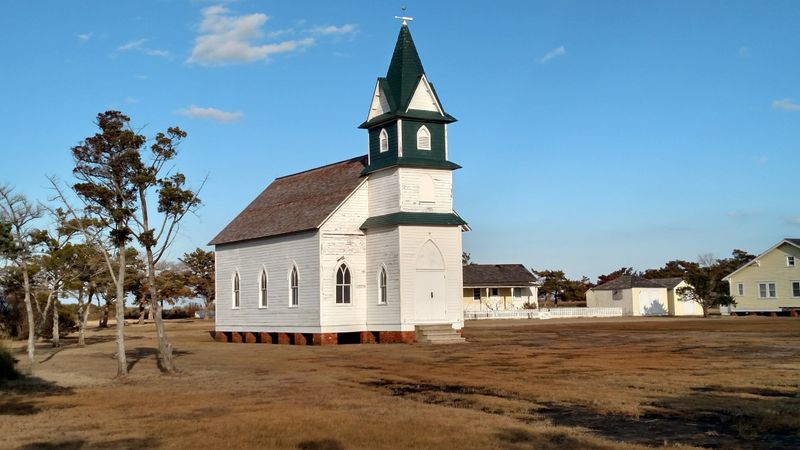
Imagine an entire village frozen in time, completely uninhabited yet perfectly preserved.
Portsmouth Village stands as a ghost town on the Outer Banks, accessible only by boat, where wild horses roam past historic homes and the old post office.
Once a thriving port in the 1800s, the last two residents left in 1971, leaving behind a hauntingly beautiful snapshot of coastal history.
The National Park Service maintains the buildings, but nature has reclaimed much of the landscape.
Walking these sandy paths feels like stepping through a portal into another century.
The old church still stands, its white walls gleaming against endless sky.
Wild grasses grow tall where children once played, and seabirds nest in abandoned structures.
You won’t find gift shops or restaurants here—just pure, unfiltered history and solitude.
The beach stretches pristine and empty, shells scattered like forgotten treasures.
Visiting requires planning and a boat ride, which keeps most tourists away.
Portsmouth Village reminds us that some places are worth preserving exactly as they are, untouched and unforgettable.
4. Cedar Island
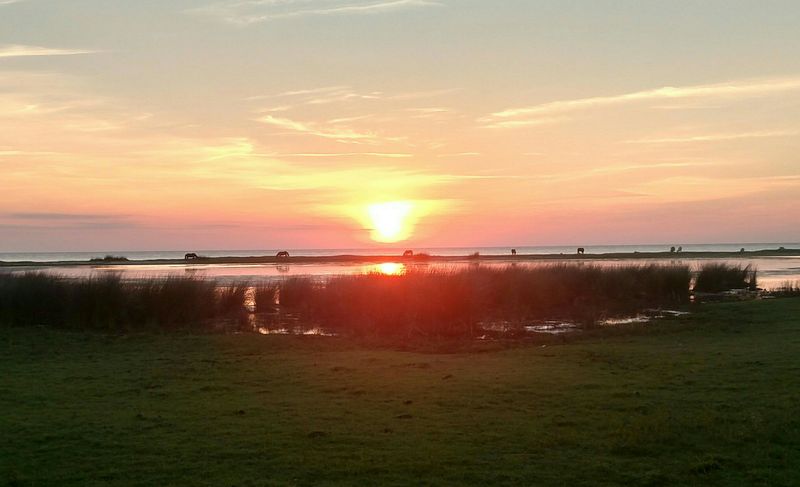
Cedar Island sits at the edge of everything, where land dissolves into endless marsh and sky.
Most people only pass through on their way to catch the Ocracoke ferry, missing the quiet beauty of this fishing community.
Marshlands dominate the landscape, creating a watercolor world of greens and golds that shifts with the seasons.
Commercial fishing sustains the economy here, not tourism, which keeps the village refreshingly real.
You’ll see working boats, not yachts, and the local restaurant serves food that tastes like someone’s grandmother cooked it.
The National Wildlife Refuge surrounds the community, protecting habitat for countless bird species.
Birdwatchers come here for glimpses of rare coastal species you won’t find in busier areas.
The pace moves slower than slow—it practically stops. Sunrises here are spectacular, lighting up the marsh in fiery oranges and pinks.
There’s something profound about a place this quiet, where nature’s rhythms dictate daily life more than any human schedule.
Cedar Island won’t overwhelm you with attractions; instead, it offers something increasingly rare: peace.
5. Swan Quarter
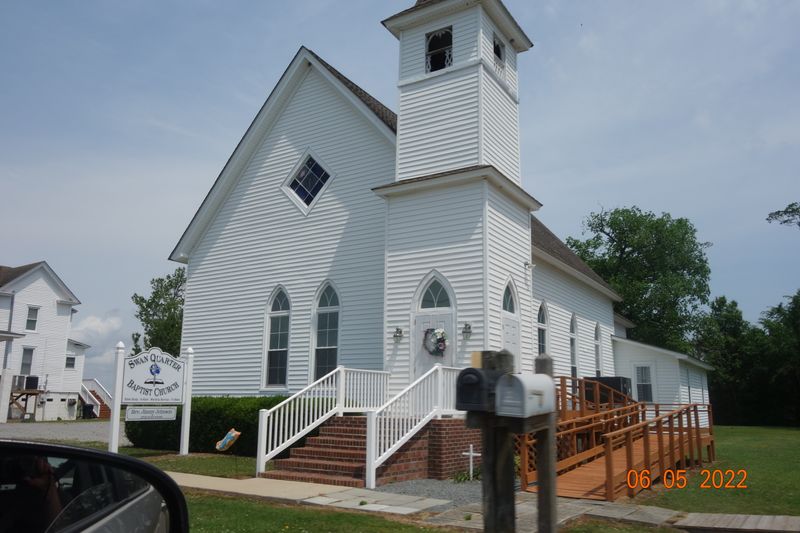
Swan Quarter serves as the mainland ferry terminal to Ocracoke, but most travelers speed through without stopping.
This tiny town holds unexpected charm, with historic buildings lining quiet streets and locals who still practice genuine Southern hospitality.
The famous Swan Quarter Methodist Church has an incredible story—a hurricane literally moved the building three blocks to its current location in 1876, and residents took it as divine intervention.
Downtown feels like stepping into a slower era, where businesses close for lunch and everyone stops to chat.
The waterfront offers stunning views across the sound, especially during golden hour when light turns everything magical.
Fishing guides operate from here, taking visitors into backcountry waters where redfish and flounder swim.
Agriculture and fishing form the economic backbone, keeping the town grounded in traditional ways of life.
You won’t find chain restaurants or tourist traps, just authentic mom-and-pop establishments serving honest food.
Swan Quarter doesn’t shout for attention—it simply exists, quietly confident in its own understated beauty and rich community spirit.
6. Oriental
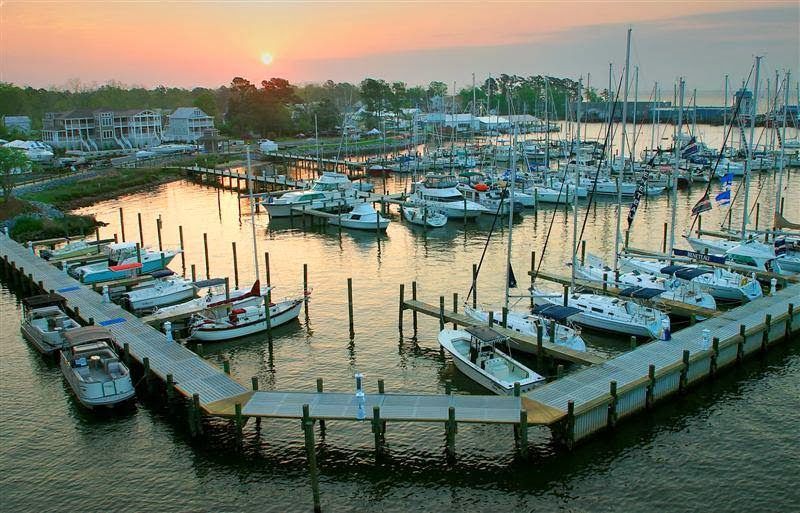
They call Oriental the “Sailing Capital of North Carolina,” and sailboat masts fill the harbor like a forest of white trees.
This tiny village attracts sailing enthusiasts from everywhere, yet somehow maintains its small-town soul.
The downtown area spans just a few blocks, packed with quirky shops, art galleries, and cafes where sailors swap stories over coffee.
What makes Oriental special isn’t just the sailing culture—it’s how welcoming everyone is, treating visitors like potential neighbors.
Retirees have discovered this gem, bringing creative energy without overwhelming the local character.
The Neuse River wraps around the town, offering protected waters perfect for kayaking and paddleboarding.
Sunsets reflected in the harbor create postcard-perfect moments that never get old.
Local restaurants serve fresh seafood with water views, and nobody rushes you through your meal.
Dragon boat races and other community events bring everyone together, locals and visitors alike.
Oriental proves that a town can embrace newcomers while keeping its authentic identity intact.
The streets invite leisurely strolls, the people invite conversation, and the whole place invites you to slow down and breathe.
7. Bath
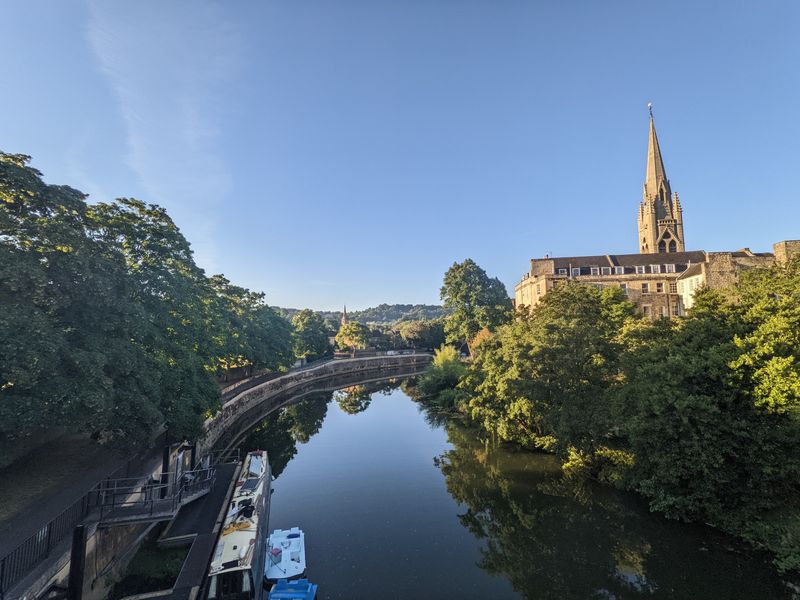
North Carolina’s oldest town wears its history like a comfortable old coat.
Founded in 1705, Bath once hosted Blackbeard himself, who supposedly married his fourteenth wife here.
Walking these streets feels like moving through layers of time, where colonial homes stand perfectly preserved and history lives in every brick.
The town remains remarkably small—just a few hundred residents call it home.
Historic sites include the oldest church building in the state and homes dating back three centuries.
Bath Creek winds through town, providing picturesque water views and access for small boats.
Unlike tourist-heavy historic towns, Bath stays quiet and authentic, with locals who genuinely love sharing their town’s stories.
The Bonner House and Palmer-Marsh House offer glimpses into colonial life, maintained but not commercialized.
You can explore the entire town on foot in an afternoon, but the peaceful atmosphere might make you linger longer. Spanish moss drapes from ancient trees, adding to the timeless feeling.
Bath doesn’t try to recreate history—it simply preserves it, offering a genuine connection to North Carolina’s coastal past.
8. Belhaven
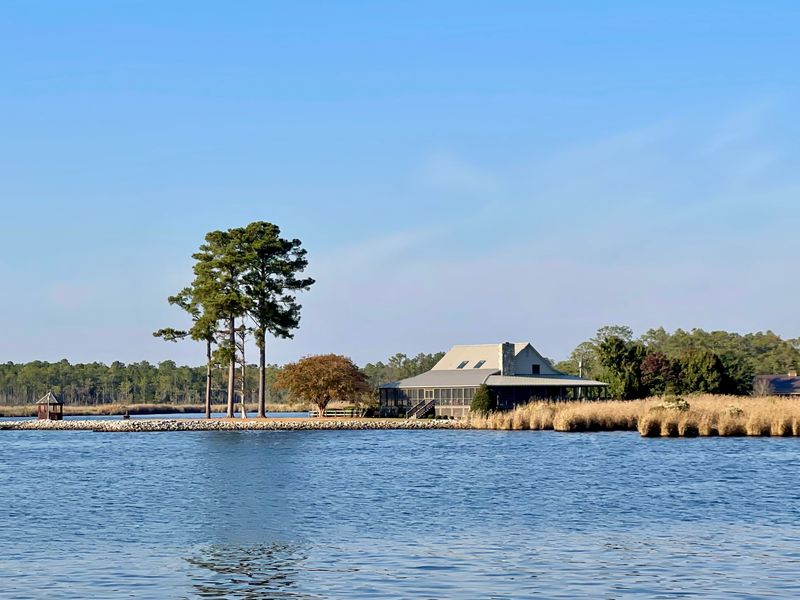
Belhaven sits on the Pungo River, calling itself the “Blueberry Capital” while quietly going about its business.
This working class town doesn’t put on airs—what you see is what you get, and that honesty is refreshing.
The downtown area features brick buildings housing local businesses that have served the community for decades.
River Park provides beautiful waterfront access where locals fish and kids play without crowds.
The town’s claim to fame might be its unusual museum, filled with quirky collections that reflect one woman’s lifetime of gathering interesting objects.
Agriculture, especially blueberry farming, drives much of the local economy, keeping the town connected to the land.
Seafood restaurants serve generous portions at reasonable prices, the kind of places where regulars have their own tables.
Belhaven doesn’t compete with flashier beach towns—it offers something different: authenticity.
The community supports local festivals and gatherings that bring neighbors together, not tourists.
Walking around, you’ll notice pride in simple things—well-kept yards, friendly waves, and conversations that last longer than a minute.
Belhaven reminds us that not every coastal gem needs beaches to be beautiful.
9. Engelhard
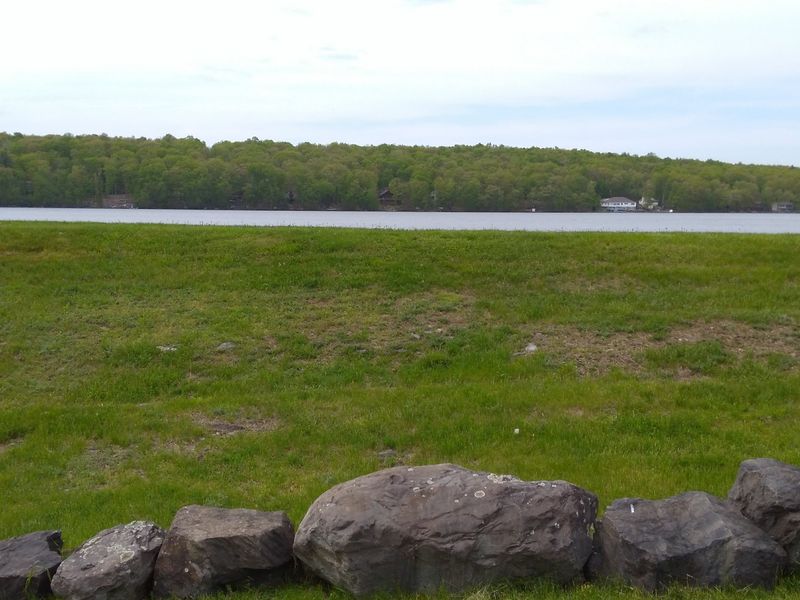
Commercial fishing isn’t just Engelhard’s business—it’s the town’s heartbeat.
This tiny village sits surrounded by water and marsh, where fishing boats outnumber pleasure craft by a wide margin.
Driving into town, you immediately notice this isn’t a tourist destination—it’s a real working waterfront where people earn their living from the sea.
The smell of salt and seafood hangs in the air, not unpleasant but authentically coastal.
Seafood processing facilities operate here, employing locals in an industry that’s sustained families for generations.
There’s no pretense in Engelhard, no attempts to gentrify or modernize beyond necessity.
The surrounding marshlands create a landscape of extraordinary beauty, especially at dawn when mist rises off the water.
Birdwatchers treasure this area for its diverse species and undisturbed habitat.
The few restaurants serve food that’s genuinely local—fish and crabs caught by people you might meet on the street.
Engelhard won’t show up on many tourist lists, and that’s exactly why it stays untouched.
Visiting feels like discovering a secret, a place where coastal Carolina life continues as it has for decades.
10. Marshallberg
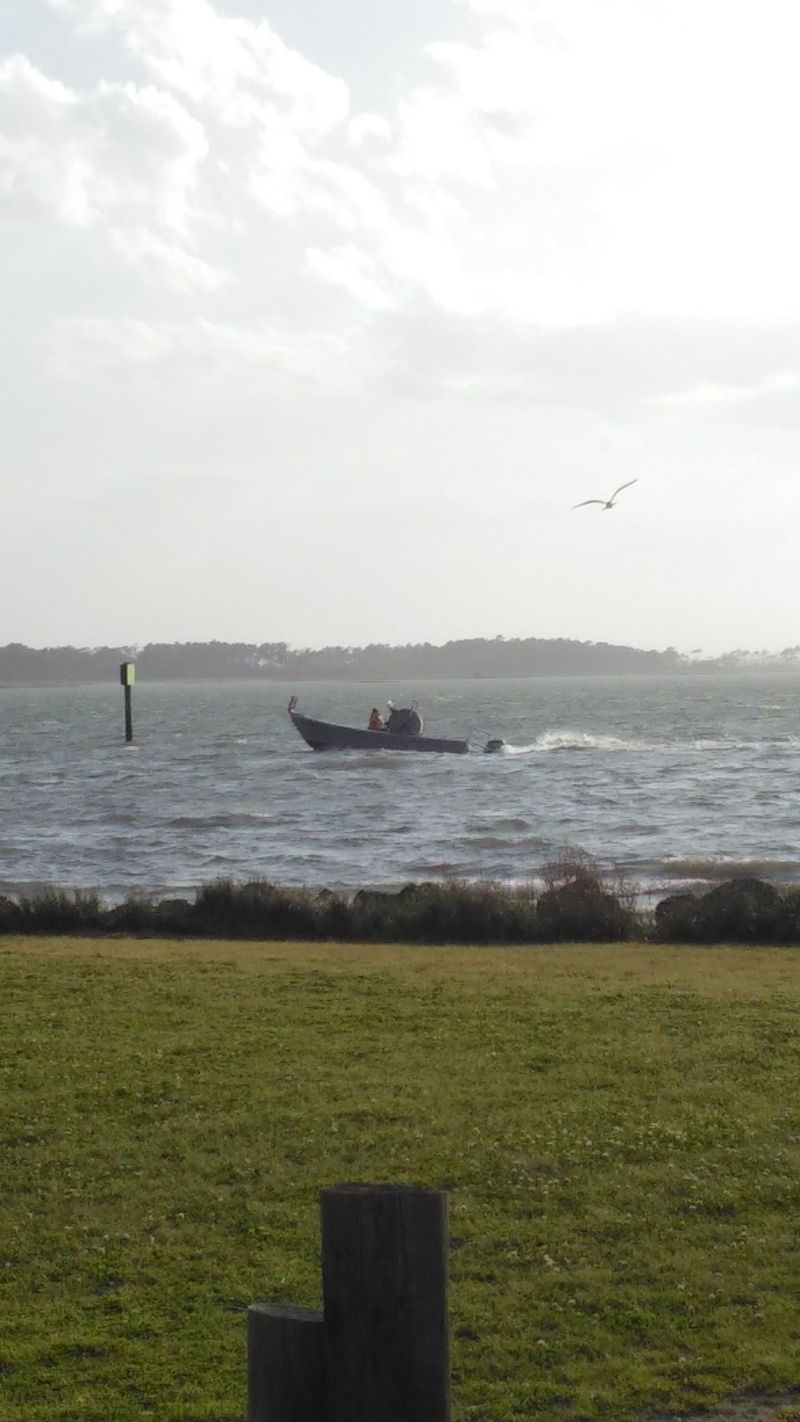
Marshallberg barely appears on most maps, which suits the locals just fine.
This fishing village on Core Sound maintains its identity through generations of families who’ve worked these waters.
The harbor fills with working boats, not fancy yachts, and the rhythm of life follows the tides and seasons.
Driving through town, you’ll pass modest homes where fishing gear piles on porches and trucks show years of hard use.
There’s beauty in this authenticity, in a place that hasn’t been polished for tourist consumption.
The community gathers at local spots where everyone knows everyone, and newcomers are noticed but welcomed.
Core Sound stretches wide and wild, offering incredible kayaking through marshes alive with wildlife.
Marshallberg doesn’t offer luxury accommodations or trendy restaurants—it offers reality.
The sunsets are free and spectacular, painting the sound in colors that shift by the minute.
Local knowledge runs deep here, passed down through families who’ve navigated these waters for centuries.
Visiting Marshallberg means accepting the village on its own terms, appreciating what’s there rather than wishing for what isn’t.