
Nothing Feels Better Than Seeing “Welcome To Nevada” Sign After A Long Trip Away
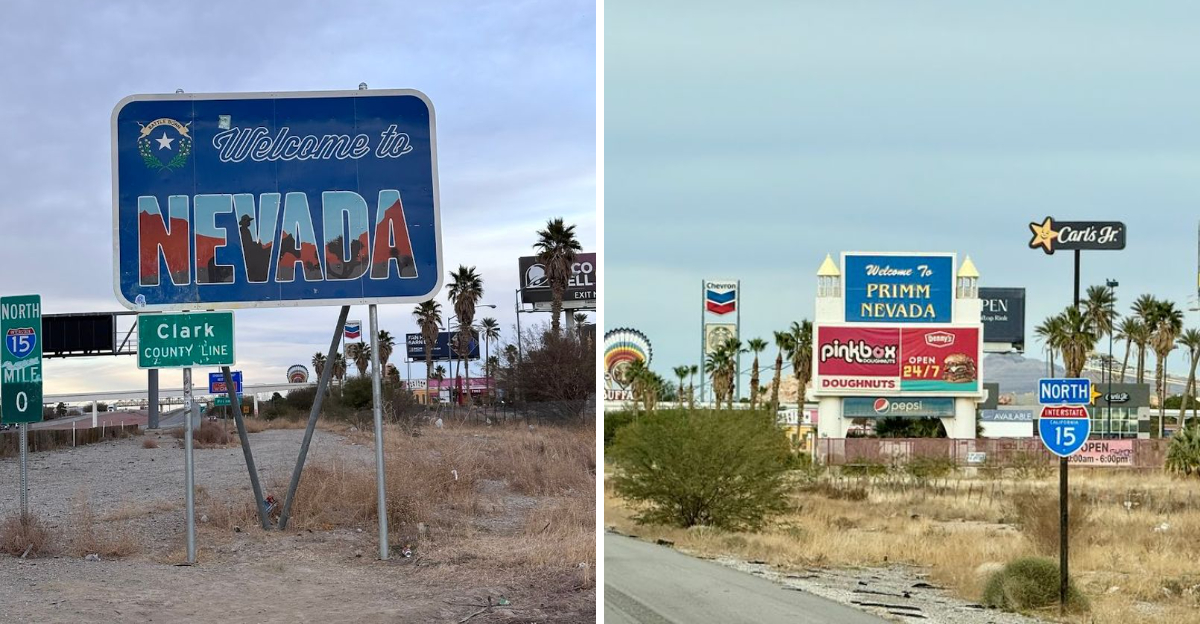
There is a special kind of relief that hits when a long trip finally starts pointing you back toward Nevada. The snacks are probably gone, your playlist has been repeated too many times, and everyone in the car is ready to stretch.
Then that sign appears, and suddenly the whole drive feels worth it. It is not just a marker on the side of the road.
It is the little signal that you are close to familiar streets, desert skies, favorite stops, and the kind of place that feels like yours. After miles of highways and rest areas, seeing Welcome To Nevada feels like the trip finally exhaled. You relax a little. You sit up. Home suddenly feels real again.
The Sign Marks The Moment The Road Finally Feels Like Home
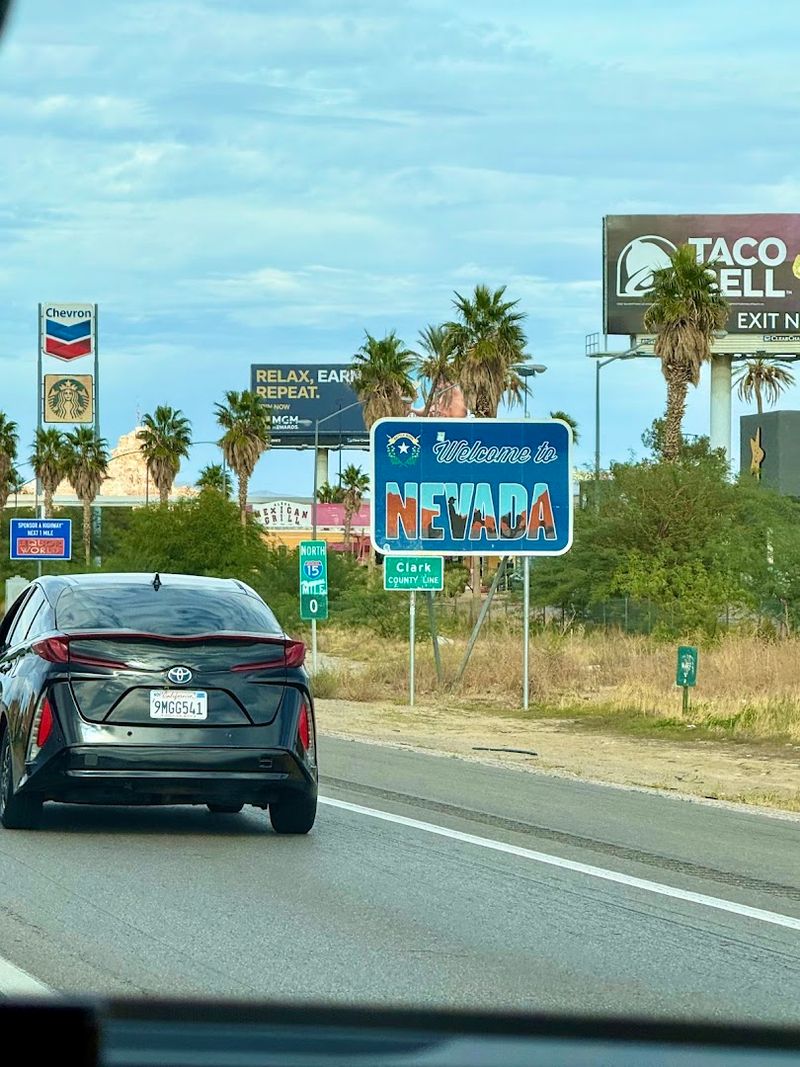
Spotting the Nevada welcome sign after hours on the road triggers something immediate. Your shoulders drop, your grip on the wheel loosens, and the mental countdown to arrival begins.
That rectangle of metal and paint becomes a marker of progress, a visual confirmation that the miles are nearly behind you.
The sign sits along major highways entering the state, often positioned where the landscape shifts from neighboring terrain into Nevada’s wide open desert. Sagebrush appears in greater numbers, mountains rise in the distance, and the air takes on a different quality.
Drivers notice these changes even before the sign comes into view.
What makes this moment resonate is the sense of transition it represents. Crossing into Nevada means leaving behind wherever you have been and moving toward whatever waits ahead.
For residents returning from trips, that feeling carries extra weight. The sign does not just welcome travelers.
It welcomes people back to a place they know, a rhythm they recognize, and a landscape that feels distinctly theirs.
The Welcome Sign Turns A Long Drive Into A Memory
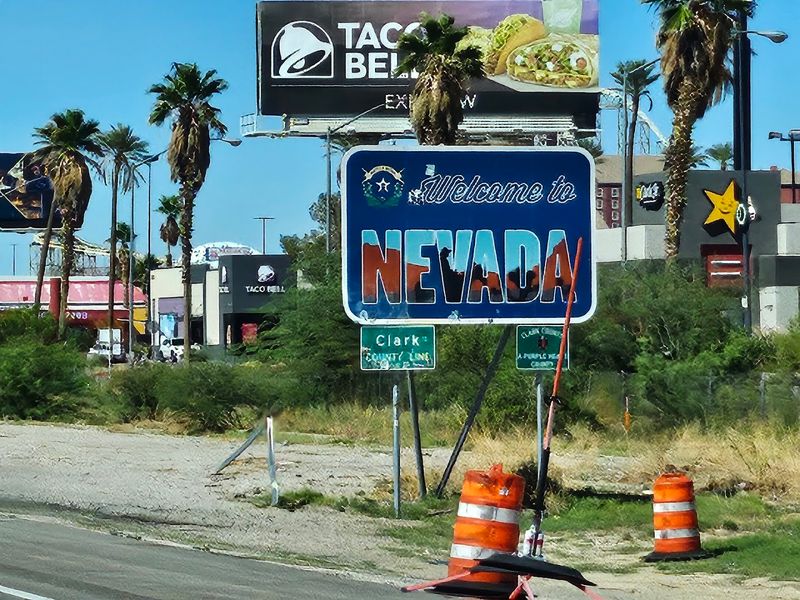
Long drives blur together after a while. Gas stations, rest stops, and endless stretches of asphalt become indistinguishable.
Then the Nevada sign appears, and suddenly the trip gains a shape. What felt like monotonous highway time becomes a story with a clear beginning, middle, and end.
Travelers often pull over to take photos at the sign, turning a routine border crossing into a documented event. Families gather in front of it, couples snap selfies, solo drivers pause to stretch their legs and mark the moment.
These quick stops create tangible evidence of the journey, something to share later or file away in a mental archive of road trips completed.
The sign also serves as a natural dividing line in how people remember their travels. Everything before it belongs to the outbound leg of the trip.
Everything after signals the homeward stretch. That distinction matters more than it might seem, especially when fatigue sets in and the final miles feel longer than all the ones before combined.
Miles Of Desert Make The Moment Feel Even Bigger
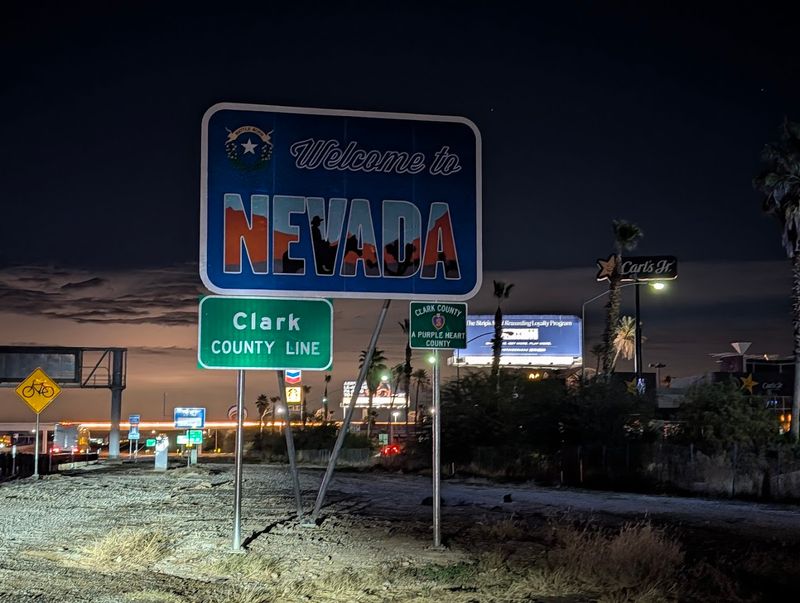
Nevada does not ease you in gently. The desert sprawls in every direction, broken only by mountain ranges that rise abruptly from the valley floor.
When the welcome sign appears against this backdrop, it stands out not through size or flash, but through simplicity. A single structure in an otherwise uninterrupted view commands attention precisely because it interrupts the emptiness.
The desert amplifies the significance of the sign. After miles of sparse vegetation and minimal human presence, any manmade object feels notable.
The sign becomes a point of reference, a confirmation that people have been this way before and will continue to pass through. It anchors the landscape, giving travelers something to orient themselves around.
This contrast between vast natural space and modest human marker creates a particular aesthetic. The sign does not compete with the desert.
It complements it, offering a brief human touch in a setting defined by geology and weather. That balance makes the moment of arrival feel earned, as though the emptiness had to be crossed before the welcome could be properly received.
The Sign Means Something Different When You Have Been Away
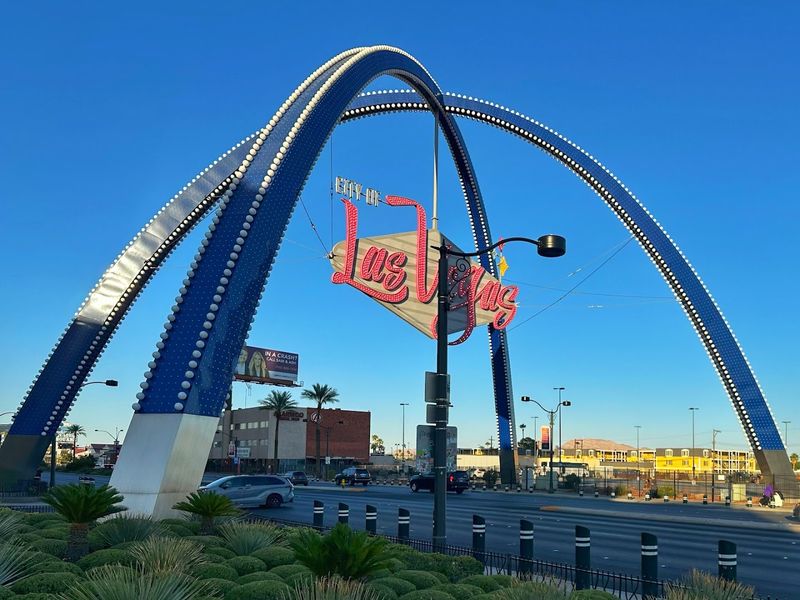
Leaving home always carries a mix of anticipation and unease. Returning brings relief, even when the trip was pleasant.
The Nevada welcome sign marks that shift from being away to being back, and for anyone who has spent significant time in the state, that transition holds emotional weight. The sign becomes shorthand for everything familiar waiting just down the road.
People who travel frequently for work or family obligations develop a particular relationship with the sign. It signals the end of obligation and the start of personal time.
The rental car gets returned, the suitcase gets unpacked, and routines resume. The sign does not cause these things, but it announces them.
Even short trips out of state can make the return feel significant. A weekend in California or a quick run to Utah puts enough distance between a person and their daily life that crossing back into Nevada feels like stepping through a threshold.
The sign marks that crossing with clarity, turning an abstract border into something visible and real.
Every Nevada Border Crossing Comes With Its Own Backdrop
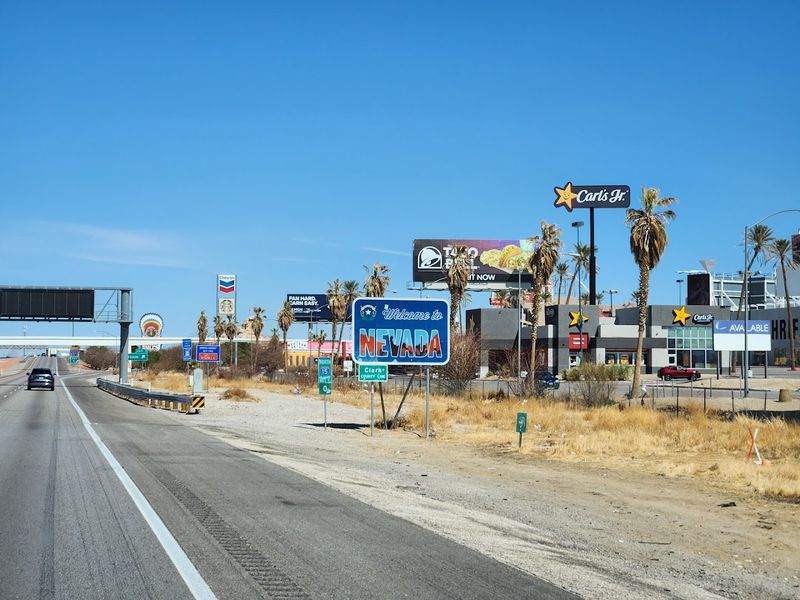
Nevada shares borders with five states, and each entry point offers a different version of the welcome sign experience. Entering from California through the Sierra Nevada mountains presents steep grades and pine forests.
Coming from Arizona means crossing the Colorado River and leaving behind red rock formations. The Oregon border brings high desert plateau country, while Utah and Idaho offer their own distinct approaches.
These varied settings mean the sign never appears in exactly the same context twice. Elevation changes, vegetation shifts, and the quality of light all differ depending on which direction you approach from.
A driver entering near Lake Tahoe encounters different scenery than someone crossing at Primm or Mesquite. The sign remains consistent, but everything surrounding it changes.
This variety keeps the experience fresh even for frequent travelers. Regular commuters who cross state lines for work might pass the same welcome sign hundreds of times, yet the surrounding conditions ensure no two crossings feel identical.
Weather, time of day, and season all contribute to how the moment registers, making each return slightly different from the last.
Travelers Still Love Stopping For That Classic Road Trip Photo
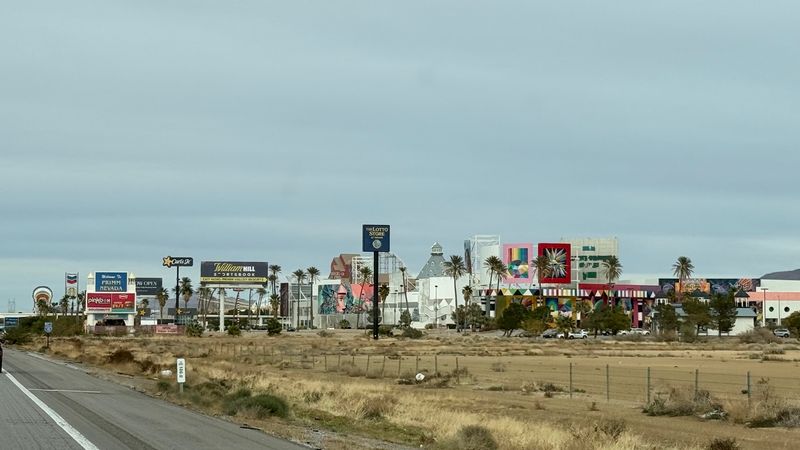
The tradition of photographing state welcome signs predates smartphones by decades. Families on cross-country road trips would pile out of station wagons to document their progress, collecting images of each state they passed through.
That practice continues today, though the cameras have changed and the photos now get shared instantly rather than developed weeks later.
Nevada’s welcome sign attracts its share of these stops. Pull-off areas near major entry points see regular traffic from travelers who want proof they crossed the border.
Some take quick snapshots before continuing on. Others stage elaborate group photos, arranging family members or friends in specific poses.
The sign serves as both backdrop and evidence, turning a geographic fact into a shareable moment.
What makes these photos appealing is their simplicity. Unlike tourist attractions that require tickets or planning, the welcome sign is free, accessible, and impossible to miss.
It offers an easy way to mark a journey without detouring from the route. That convenience, combined with the sign’s clear messaging, makes it a natural choice for documenting travel.
The Silver State Sign Carries A Strong Sense Of Place
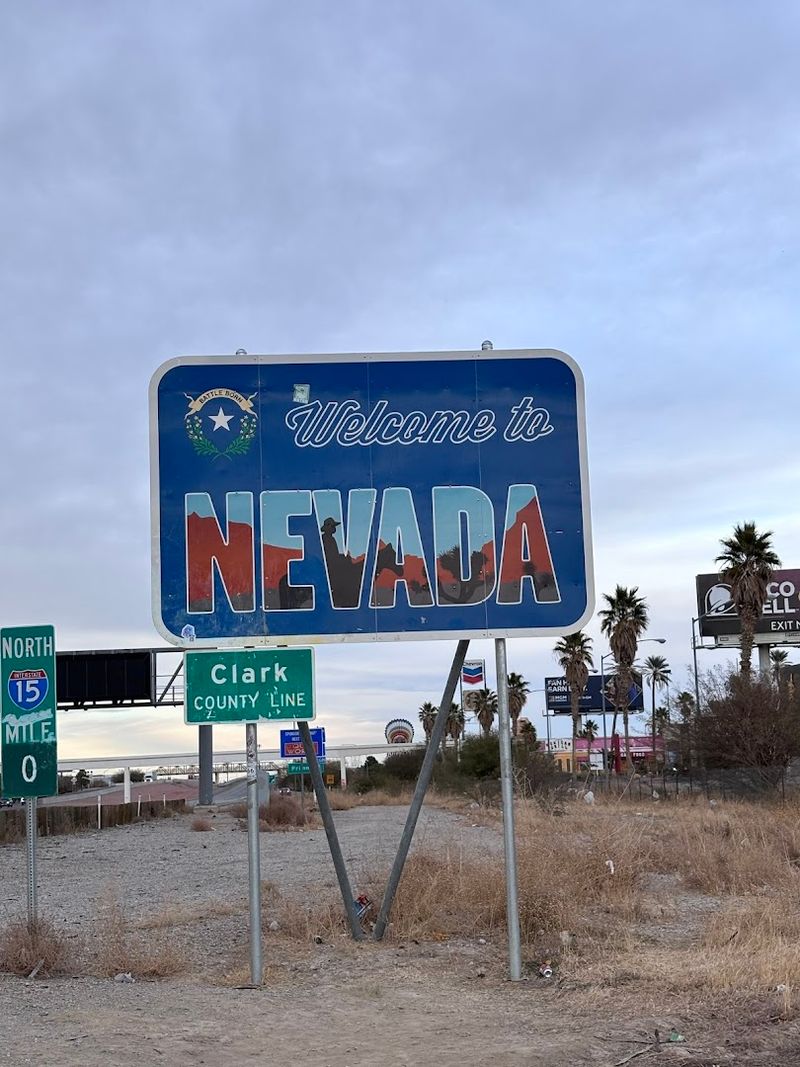
Nevada earned its Silver State nickname from the mining boom that shaped its early history. Massive silver deposits discovered in the mid-1800s drew thousands of prospectors and settlers, transforming the territory and eventually leading to statehood.
That legacy appears on the welcome sign, usually as part of the official greeting. The reference is brief but deliberate, connecting present-day travelers to a specific chapter of the state’s past.
This historical nod gives the sign additional meaning beyond simple wayfinding. It identifies Nevada not just as a place on a map but as a location with a distinct identity.
The Silver State designation carries associations with mining heritage, frontier history, and the boom-and-bust cycles that defined early Nevada communities. Seeing those words on the sign reminds travelers they are entering somewhere with its own particular story.
The sign also reflects Nevada’s ongoing relationship with its mining past. While tourism and gaming now drive much of the economy, mining remains significant in certain regions.
The welcome sign acknowledges that continuity, honoring the industry that first put Nevada on the national map while greeting modern visitors arriving for entirely different reasons.
Crossing Back Into Nevada Feels Like The Trip Finally Makes Sense
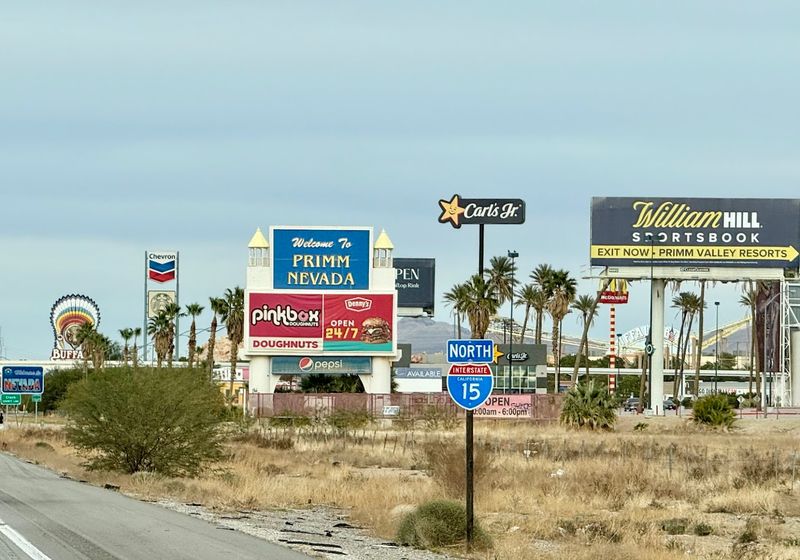
Trips away from home often feel suspended in a kind of temporary reality. Routines break, familiar surroundings disappear, and even enjoyable experiences carry an undercurrent of displacement.
Crossing back into Nevada restores a sense of order. The trip shifts from present tense to past tense, from something happening to something that happened.
The welcome sign marks that grammatical change.
This feeling intensifies after particularly long or complicated journeys. Multi-state road trips, extended work assignments, or family visits that stretched longer than planned all create a kind of travel fatigue that has little to do with physical tiredness.
The mental effort of navigating unfamiliar places and maintaining guest behavior eventually wears on people. Seeing the Nevada sign signals permission to stop performing and start relaxing.
The sign also confirms that navigation has succeeded. Wrong turns, detours, and unexpected route changes are common on long drives.
Spotting the welcome sign proves that despite any confusion along the way, the journey ended where it was supposed to. That small confirmation carries reassurance, especially late at night or after hours of uncertain driving.
That Simple Welcome Sign Says A Lot Without Trying Too Hard
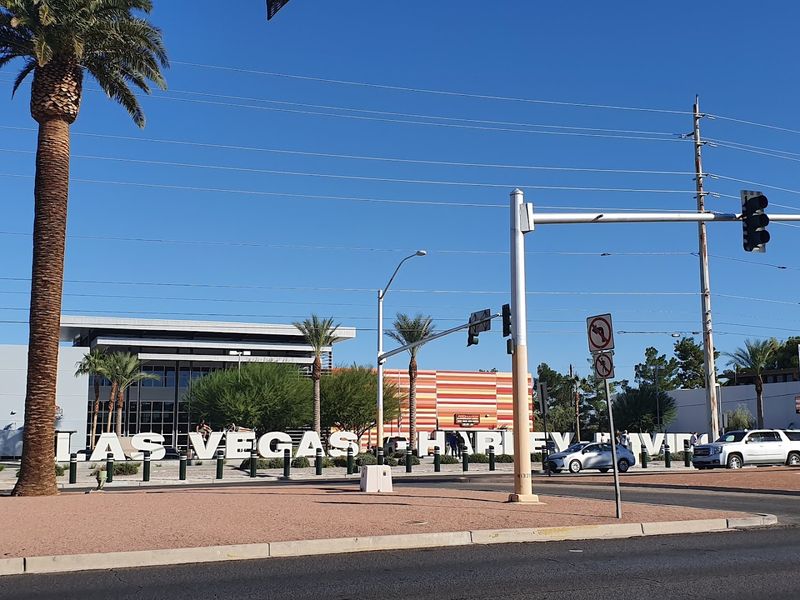
Some state welcome signs feature elaborate designs, multiple colors, or detailed graphics meant to showcase regional pride. Nevada’s sign takes a different approach.
The design stays clean, the message stays direct, and the overall effect emphasizes function over decoration. This restraint suits the state’s character better than something flashier might.
The sign does its job without demanding attention it has not earned. It provides necessary information, marks a legal boundary, and offers a visual break in an otherwise uninterrupted highway view.
Travelers appreciate these qualities more than they might initially realize. After hours of driving, clarity beats cleverness every time.
A sign that communicates quickly and moves on feels like a courtesy rather than an imposition.
This understated quality also allows the landscape to remain the main attraction. Nevada’s scenery needs no help making an impression.
The mountains, valleys, and desert expanses speak for themselves. The welcome sign acknowledges this by staying modest, serving as introduction rather than competition.
That balance between human structure and natural setting creates a welcome that feels genuine rather than manufactured.