
Ohio Has A Witchcraft Museum And It’s Every Bit As Mysterious As You’d Hope
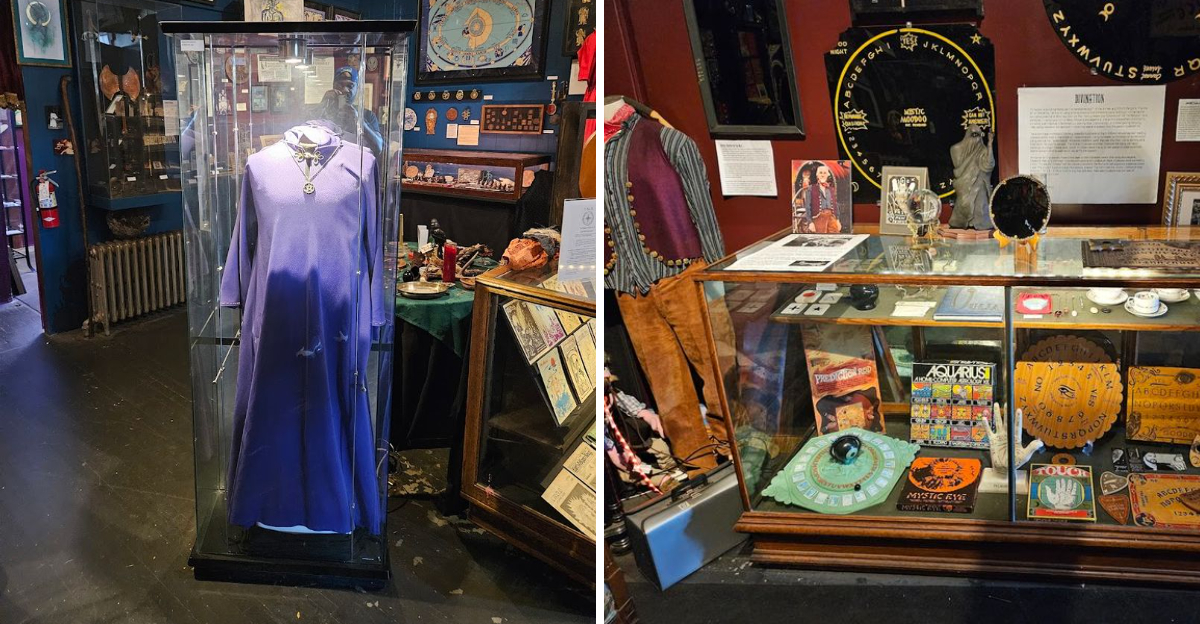
Cleveland holds an unexpected treasure for anyone curious about the mystical arts. The Buckland Museum of Witchcraft & Magick stands as the first museum in the United States dedicated entirely to witchcraft history and magical traditions.
Founded on the personal collection of Raymond Buckland, a pioneering figure who introduced modern Wicca to America, this museum offers visitors an authentic glimpse into centuries of occult practice. From ancient artifacts to contemporary magical tools, the collection spans cultures and time periods, inviting both believers and skeptics to explore a world that remains shrouded in fascination.
The First U.S. Museum Dedicated To Witchcraft And Magick
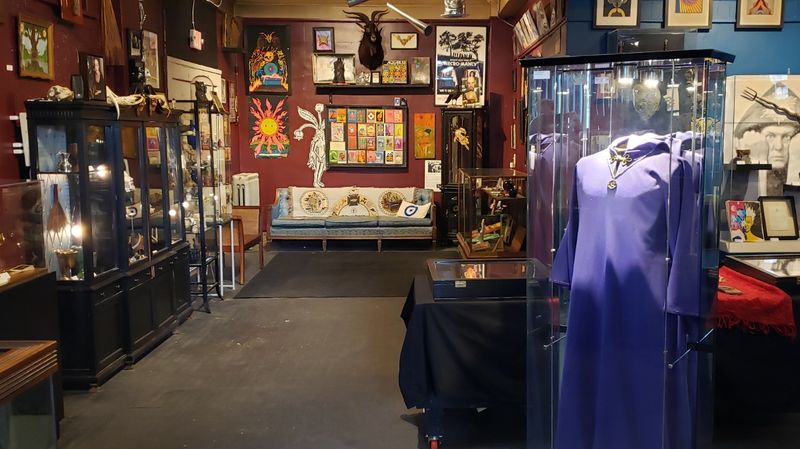
Raymond Buckland began assembling his remarkable collection in 1966, long before most Americans openly discussed witchcraft without fear or prejudice. His artifacts traveled with him for decades, displayed in various locations before finding a permanent home in Cleveland.
The museum opened its doors as the nation’s first institution solely focused on preserving and presenting the history of witchcraft and magical practices.
Located at 2155 Broadview Road, the museum occupies a modest storefront that belies the depth of its holdings. Visitors often express surprise at how much material fills the exhibition space.
The building itself feels unassuming from the outside, but crossing the threshold transports guests into a different realm entirely.
Operating hours accommodate various schedules, with weekend and Monday access making it possible for travelers to plan visits around other Cleveland attractions. The admission fee of ten dollars, or eight when booked online, supports ongoing preservation efforts and facility improvements.
Step Inside A World Of Witchcraft History And Mysticism
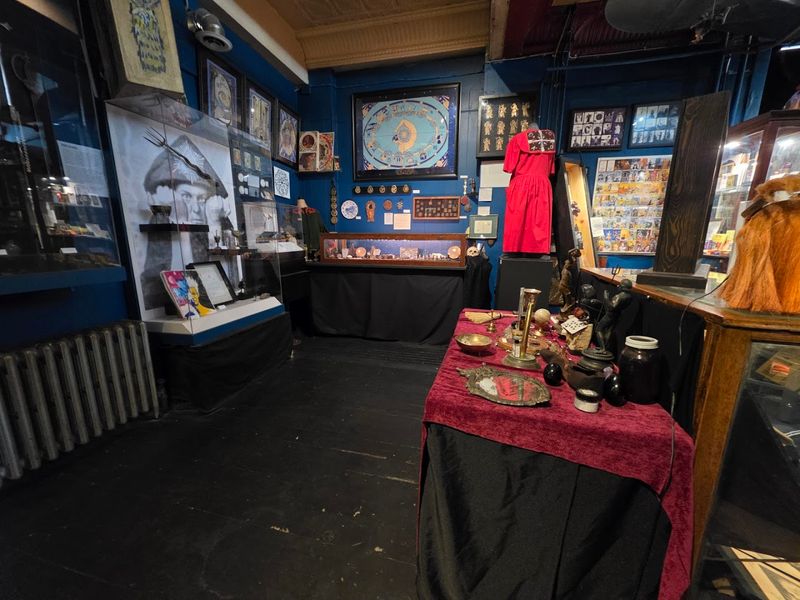
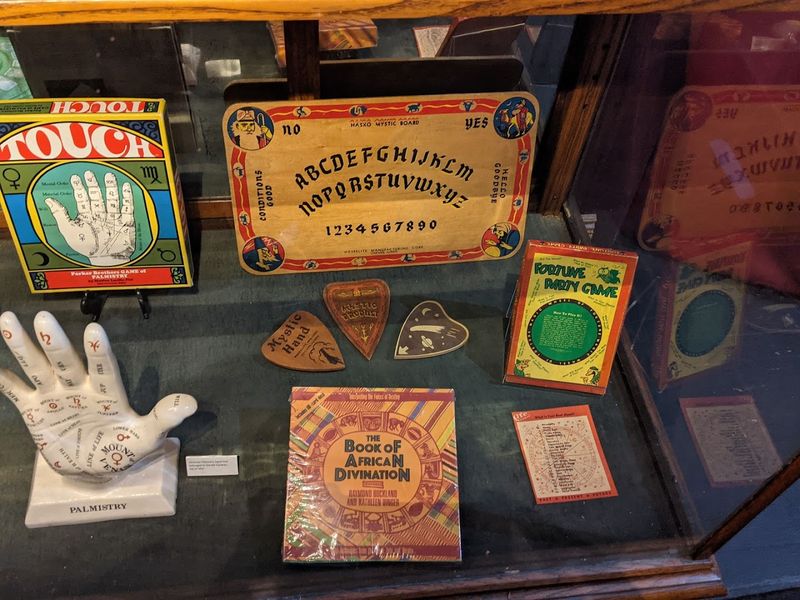
Walking through the museum feels like entering a private library where every shelf holds secrets. Display cases line the walls from floor to ceiling, packed with objects that span continents and centuries.
Each artifact carries its own narrative, from ceremonial tools used in ancient rituals to personal items belonging to famous occultists.
The atmosphere strikes a balance between scholarly and mysterious. Lighting creates shadows that enhance the experience without overwhelming the senses.
Many visitors report spending far longer than anticipated, drawn from one display to the next by curiosity and genuine fascination.
Tours typically last about an hour, though the museum allows guests to linger and examine items at their own pace. Some reviewers mention feeling unusual sensations near certain exhibits, particularly an antique cabinet filled with tarot cards.
The experience proves intimate rather than overwhelming, with enough space to contemplate individual pieces without crowds pressing in from all sides.
From Raymond Buckland’s Legacy To Modern Wicca
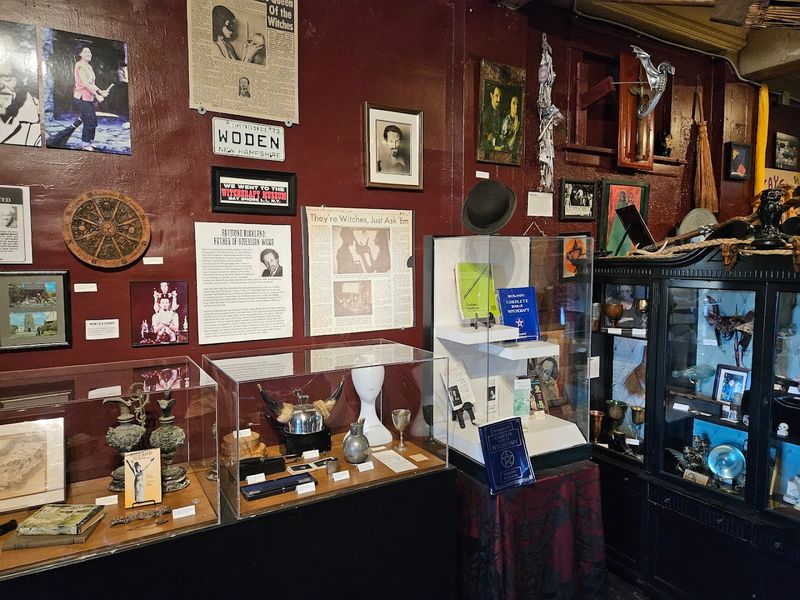
Raymond Buckland arrived in America from England carrying knowledge that would transform spiritual practice across the country. He studied directly under Gerald Gardner, the founder of modern Wicca, becoming one of the few people authorized to teach Gardnerian traditions in the United States.
His books and lectures introduced countless Americans to a path that honored nature and celebrated ancient wisdom.
The museum presents Buckland’s story through photographs, personal correspondence, and first editions of his influential writings. Visitors learn how one person’s dedication to preserving magical history created a resource that serves researchers, practitioners, and curious minds alike.
His collection methodology emphasized authenticity and historical significance over sensationalism.
Current museum director Steven continues Buckland’s mission with evident passion. His tours weave together historical facts, personal anecdotes, and connections between different magical traditions.
The presentations honor Buckland’s legacy while making the material accessible to contemporary audiences who may know nothing about witchcraft beyond popular media portrayals.
Artifacts And Relics From The World Of Witchcraft
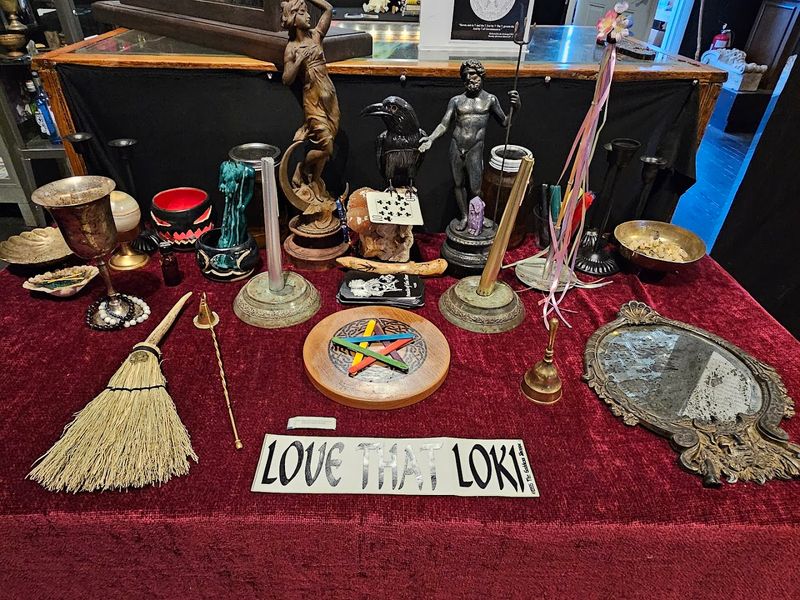
Ceremonial blades rest beside hand-carved wands, each piece representing specific magical traditions and purposes. The collection includes athames used in Wiccan ceremonies, chalices for ritual drinks, and pentacles that served as altar centerpieces.
Some items date back several centuries, their age evident in the patina and wear patterns that speak to regular use.
Photographs document famous occultists and magical practitioners from the past century. Letters and manuscripts reveal the personal thoughts of people who dedicated their lives to mystical pursuits.
These paper artifacts prove just as compelling as the physical tools, offering insights into the minds behind the movements.
Visitors often pause longest before the more unusual items. Mummified creatures, protective talismans, and objects associated with folk magic traditions draw questions and speculation.
Steven provides context for these pieces, explaining their cultural significance and dispelling misconceptions that popular culture has perpetuated about their purposes and powers.
Magical Collections That Transcend Time And Tradition

The museum demonstrates how magical practices evolved across cultures and centuries, showing surprising connections between geographically distant traditions. African diaspora practices sit alongside European folk magic, revealing shared human impulses to seek protection, healing, and understanding through ritual.
Asian talismans and Native American spiritual objects round out a truly global perspective.
Book collections occupy significant space, featuring rare volumes that document magical practices from various periods. First editions of groundbreaking occult texts share shelves with obscure pamphlets and privately printed grimoires.
These literary artifacts trace how magical knowledge spread and transformed as it moved between communities.
The arrangement encourages visitors to notice patterns and parallels. Similar symbols appear across different traditions, suggesting universal human experiences that transcend cultural boundaries.
Tools designed for protection, divination, and healing appear in every tradition represented, though their specific forms vary based on available materials and local customs.
What Makes The Buckland Museum The Heart Of Cleveland’s Occult Scene
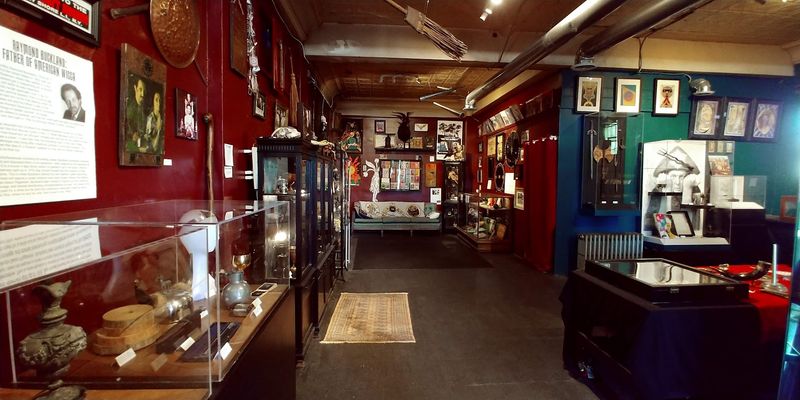
Beyond static displays, the museum functions as a living community center for people interested in magical practices. Regular events bring together practitioners, scholars, and curious newcomers for lectures, demonstrations, and discussions.
Guest speakers share expertise on specialized topics, from historical research to contemporary magical applications.
The storefront section offers more than souvenirs. Crystals, books, and ritual supplies give visitors access to quality materials often difficult to find elsewhere.
Staff members provide knowledgeable guidance about products, helping customers select items appropriate for their interests and experience levels.
Cleveland’s occult community treats the museum as a gathering place where questions receive thoughtful answers rather than judgment. Steven cultivates an atmosphere of genuine welcome, making space for skeptics and believers alike.
His humor and warmth appear consistently in visitor reviews, with many people noting how his personality enhances the educational experience and encourages return visits.
A Guided Tour That Unlocks The Secrets Of Witchcraft
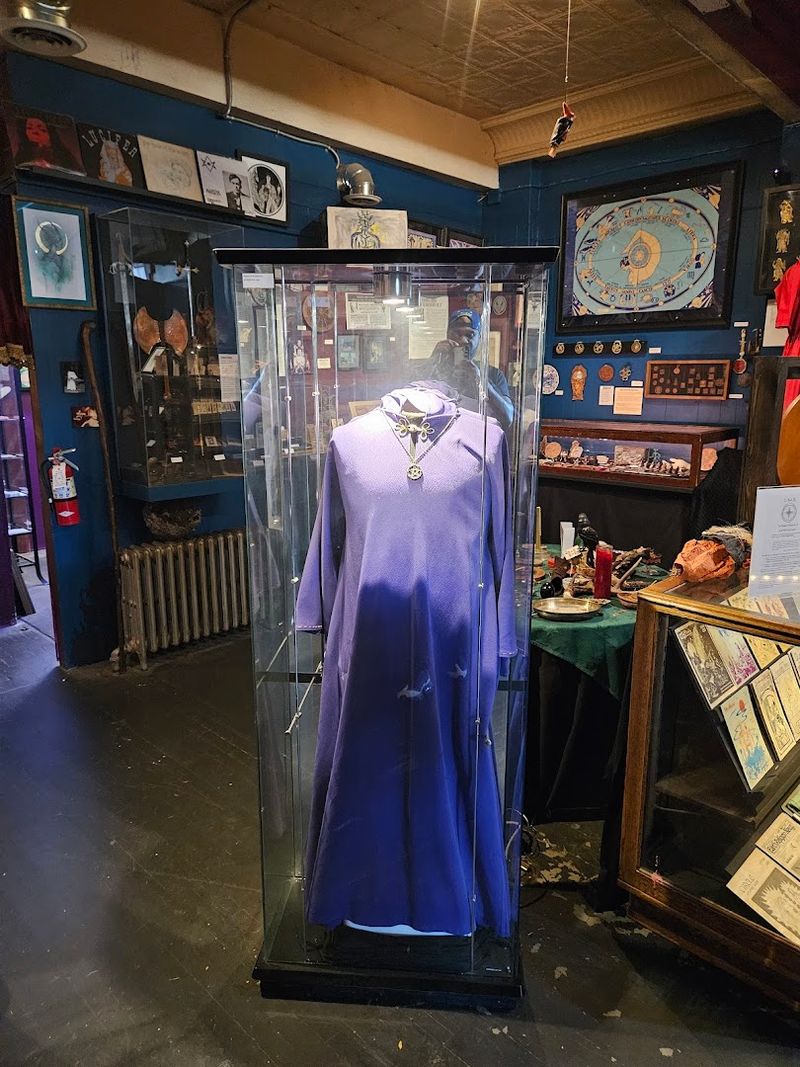
Tours begin with historical context that frames everything visitors will encounter. Steven explains how witchcraft evolved from ancient practices through medieval persecution to modern revival movements.
This foundation helps guests understand individual artifacts within broader cultural and historical currents.
The presentation style balances information with entertainment. Steven intersperses facts with humorous observations and personal stories that illustrate larger points.
His approach makes complex historical material accessible without dumbing down the content or sacrificing accuracy.
Questions receive thoughtful responses throughout the experience. Steven encourages curiosity and addresses misconceptions with patience and good humor.
Many visitors comment on his encyclopedic knowledge and genuine enthusiasm for the subject matter. The casual atmosphere allows for organic conversation rather than rigid lecture formats, creating space for individual interests to guide the discussion.
How Buckland Museum Bridges The Gap Between History And Modern Magick

Historical artifacts gain relevance when connected to contemporary practices. The museum excels at showing how ancient techniques inform modern magical work.
Visitors see how traditional tools evolved into forms used by current practitioners, understanding continuity rather than viewing witchcraft as disconnected historical curiosity.
Modern Wiccan materials appear alongside older pieces, demonstrating living traditions rather than dead history. This approach honors both the past and present, showing respect for how practices adapt while maintaining core principles.
The collection proves that magical traditions remain dynamic rather than frozen in amber.
Educational materials help visitors distinguish between Hollywood fiction and actual magical practices. Steven addresses common misconceptions directly, explaining what practitioners actually believe and do versus sensationalized media portrayals.
This honest approach appeals to people seeking genuine understanding rather than entertainment value alone. The museum succeeds in presenting witchcraft as serious spiritual practice deserving the same respect afforded to any religious tradition.
The Museum’s Fascinating Collection Of Pagan Artifacts And Books
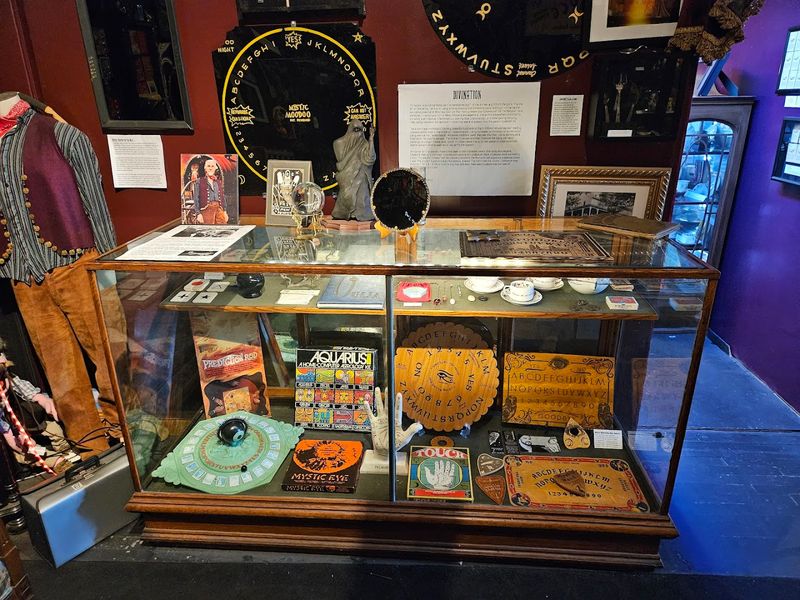
Literary treasures fill multiple shelves, representing decades of collecting rare and significant texts. First editions of influential books sit beside privately printed volumes that few libraries bothered to preserve.
These works document the development of modern pagan thought and practice, tracing intellectual lineages that shaped contemporary movements.
Ritual objects associated with various pagan traditions demonstrate the diversity within non-Christian spiritual practices. Celtic, Norse, Greek, and Roman influences appear in different artifacts, each representing distinct approaches to honoring nature and deity.
The collection avoids treating paganism as monolithic, instead celebrating the rich variety of paths people follow.
Visitors interested in research find the book collection particularly valuable. Steven can direct serious students toward specific volumes relevant to their studies.
The museum serves academic purposes alongside public education, supporting scholars who investigate magical traditions from historical, anthropological, or religious studies perspectives. This dual function enriches the institution’s contribution to broader understanding of alternative spiritual paths.
Why Buckland Museum Is A Must-Visit For Curious Souls
Curiosity finds satisfaction here regardless of personal beliefs about magic. The museum welcomes skeptics and believers equally, offering historical and cultural education that transcends spiritual positions.
People interested in anthropology, religious studies, or simply human behavior discover material that illuminates how societies create meaning through ritual and symbol.
The experience proves surprisingly personal despite the public setting. Small tour groups and intimate space create conditions for reflection and genuine engagement with the material.
Many visitors report leaving with changed perspectives, not necessarily about magic itself, but about the people who practice it and the historical forces that shaped these traditions.
Cleveland offers few attractions as unique as this museum. While the city boasts excellent art museums and cultural institutions, none provide this particular window into human spiritual diversity.
The reasonable admission price and convenient location make it accessible for both locals and travelers. Booking online saves two dollars and guarantees entry during preferred time slots, particularly important during busy weekend periods.