
10 Old-Timey And Classic Restaurants In New York That Will Take You Back In Time
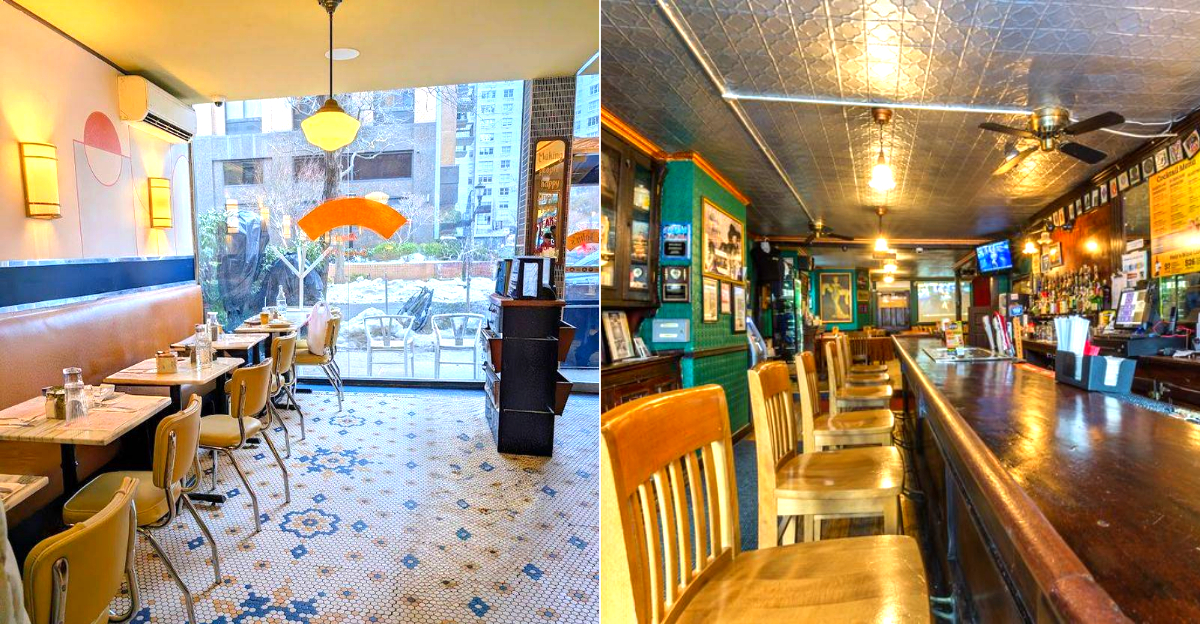
Some restaurants in New York don’t update, they just keep being good. You walk in and it’s like the clock slowed down on purpose. Wood panelling, vintage signs, maybe a jukebox somewhere doing its thing. It’s not trying to be retro. It just never stopped being itself.
Menus stay classic. Recipes don’t mess around. Plates come out the way they always have, and honestly, that’s the whole appeal. You sit there a little longer, soak it in, maybe imagine how many stories those walls have heard. Across New York, places like these feel less like restaurants and more like time capsules you can actually eat in.
It’s comforting. Familiar. A little nostalgic without trying too hard. And once you leave, you kind of wish more places still felt like this.
1. Fraunces Tavern, New York
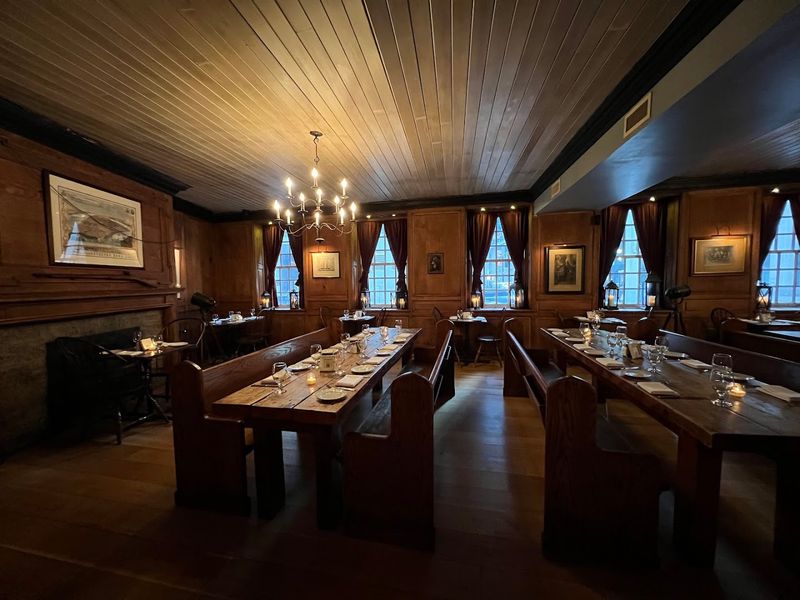
Picture yourself sitting in the same room where George Washington said goodbye to his officers in 1783. That’s exactly what happens at 54 Pearl Street in lower Manhattan, where Fraunces Tavern has been pouring drinks and serving meals since 1762.
The building survived fires, wars, and centuries of change, but somehow it still feels authentically colonial.
Walking through the doorway means ducking slightly under frames built for shorter folks from another era. The ceilings sit low and heavy with history, while dark wood paneling wraps around rooms that have witnessed more American history than most textbooks cover.
I’m talking about a place that predates the United States itself by more than a decade.
The restaurant operates across several floors, each maintaining that old-world atmosphere with creaky floorboards and period-appropriate decor. You can order modern American fare, but honestly, I come here more for the vibe than the menu.
Sure, the food’s really solid, but eating a burger in a room where founding fathers once plotted revolution? That’s the real meal.
They’ve got a museum upstairs if you’re into that sort of thing, displaying Revolutionary War artifacts and colonial memorabilia. The whole experience feels less like dinner out and more like time travel with appetizers.
Just don’t expect cutting-edge cuisine, this spot trades on atmosphere and heritage, and it delivers both beautifully.
2. Keens Steakhouse, New York
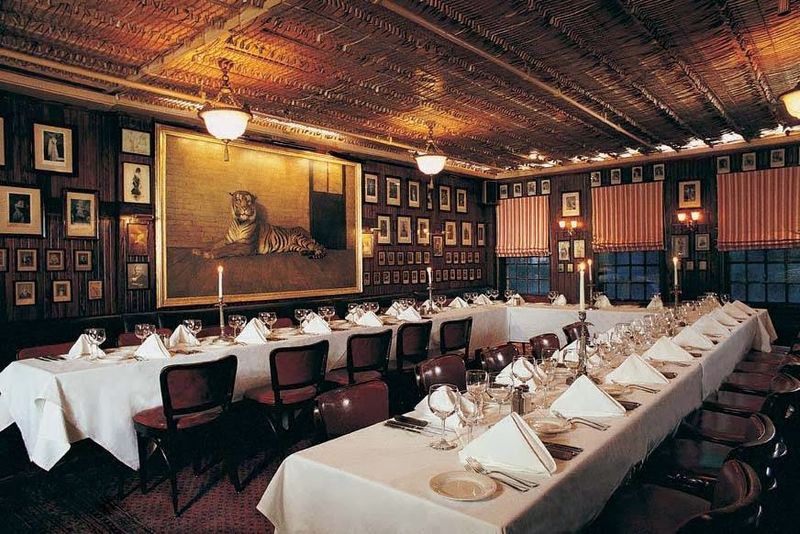
Over 90,000 clay pipes hang from the ceiling at 72 West 36th Street, each one a relic from the days when gentlemen would check their personal smoking pipes like coats at fancy establishments. Keens opened in 1885, and honestly, it looks like they haven’t changed the decor since Teddy Roosevelt was a regular.
The wood paneling is so dark and rich it practically glows, and the whole place smells like history mixed with perfectly charred beef.
This isn’t some theme restaurant pretending to be old, Keens earned its vintage status through decades of consistent operation. The dining rooms feel like stepping onto a movie set, except everything’s real, from the antique prints covering the walls to the worn leather booths that have cradled countless power lunches.
I’ve never seen another restaurant quite capture that Gilded Age energy so completely.
Their mutton chop is legendary, a massive bone-in saddle cut that’ll make you understand why people ate differently back then. The portions are absurd by modern standards, but that’s part of the charm.
You’re not just ordering dinner, you’re participating in a culinary tradition that’s outlived entire generations.
The staff moves through the rooms with practiced efficiency, maintaining service standards that feel refreshingly old-school. No trendy small plates here, no molecular gastronomy, just serious meat, serious atmosphere, and a serious commitment to doing things the way they’ve always been done.
3. Katz’s Delicatessen, New York
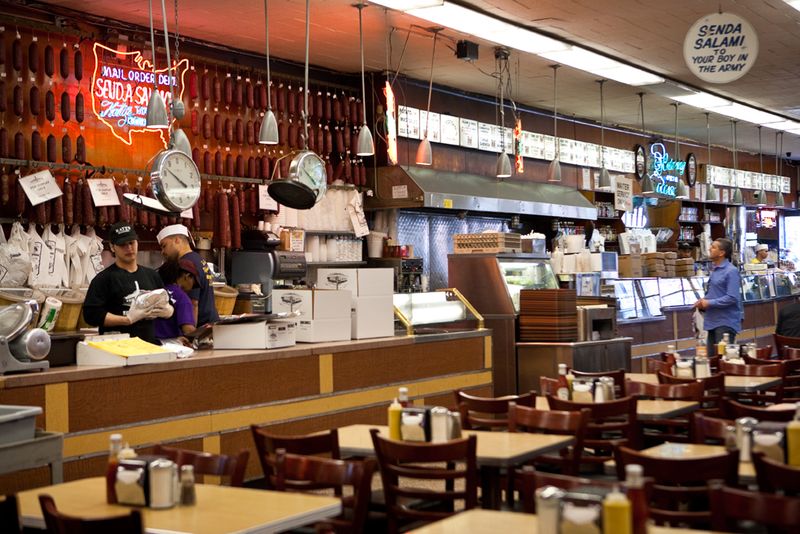
Controlled chaos defines the experience at 205 East Houston Street, where Katz’s has been slinging pastrami since 1888. The ticket system alone transports you backward—you grab a little paper stub at the door, get it stamped at each station, and heaven help you if you lose it before paying.
It’s beautifully inefficient, gloriously old-fashioned, and somehow perfect for managing the constant crowd that packs this place.
Neon signs buzz overhead while countermen shout orders in that classic New York bark that’s equal parts intimidating and endearing. Salamis hang from the ceiling like delicious stalactites, and the walls display decades worth of celebrity photos, all faded and curling at the edges.
The whole scene feels like organized mayhem, but it works because it’s been working for over a century.
You haven’t lived until you’ve watched a Katz’s carver hand-slice hot pastrami, piling it impossibly high on rye bread with nothing but mustard because anything else would be sacrilege. They’ll give you samples while you wait, little tastes of heaven that make the line almost bearable.
Almost.
The tables are communal, sticky, and absolutely packed during lunch rush. Nobody comes here for ambiance in the traditional sense, you come for authenticity, for that genuine Lower East Side Jewish deli experience that’s become increasingly rare.
It’s loud, it’s crowded, and it’s absolutely worth every minute of waiting.
4. Neir’s Tavern, New York
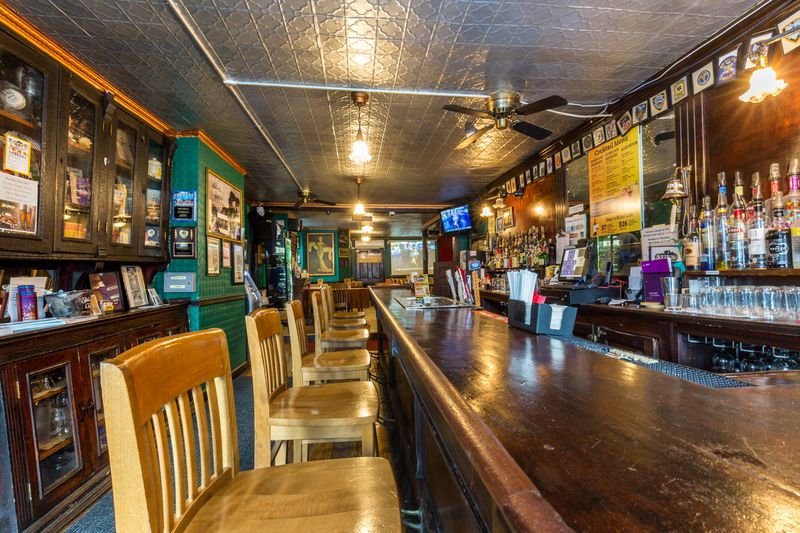
All the way out in Woodhaven, Queens, at 87-48 78th Street, sits a tavern that’s been pouring drinks since 1829. Neir’s doesn’t get the tourist attention of Manhattan spots, which honestly makes it even better.
This place feels like a real neighborhood joint that just happens to be nearly 200 years old, with worn floorboards that creak their age and a bar that’s absorbed generations of spilled beer and shared stories.
The building itself looks unassuming from outside, but step through that door and you’re in genuine old New York. We’re talking about a saloon that predates the Civil War, that served customers when Abraham Lincoln was still practicing law.
The interior maintains that classic tavern feel, dark wood, dim lighting, and an atmosphere that encourages lingering over your drink.
They claim this is where scenes from Goodfellas were filmed, which tracks because the place absolutely looks like somewhere wiseguys would hang out. But beyond the movie connection, Neir’s represents something rare: an authentic working-class tavern that survived while fancier establishments came and went.
The menu’s basic pub fare, nothing revolutionary, but that’s not why you make the trek to Queens.
You come here to drink in a place that’s outlived empires, that’s weathered depressions and booms and everything in between. The regulars at the bar look like they’ve been coming here for decades, which they probably have.
It’s real, it’s unpretentious, and it’s absolutely worth the subway ride.
5. Gage & Tollner, New York
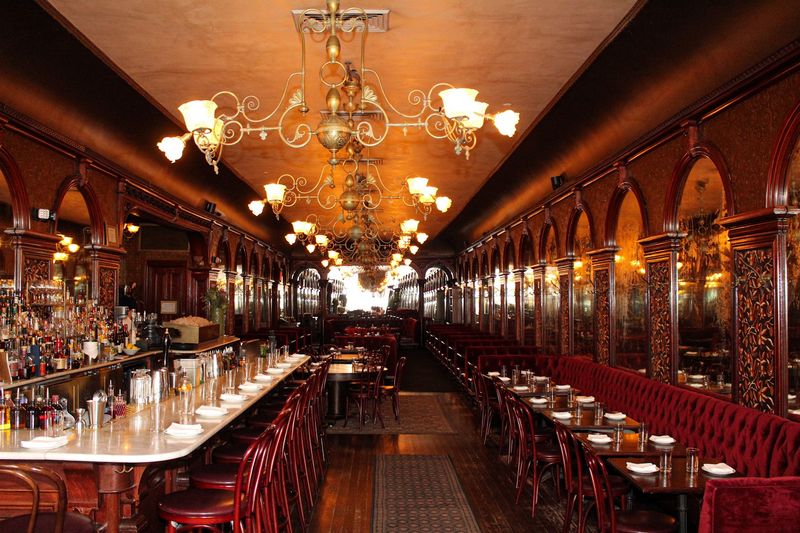
Brooklyn’s downtown has this absolutely stunning restaurant at 372 Fulton Street that recently came back from the dead, and I’m so glad it did. Gage & Tollner originally opened in 1879, closed in 2004, then got beautifully restored and reopened in 2021.
The restoration is so faithful you’d swear you’d walked into the 1890s, gas chandeliers (now electric but looking original), mahogany woodwork, and mirrors that reflect back a century of dinner parties.
The dining room is drop-dead gorgeous, all Gilded Age elegance without feeling stuffy or museum-like. You can actually eat here, actually enjoy yourself, while surrounded by architectural details that most restaurants would kill for.
The red leather banquettes look like they belong in a robber baron’s private club, and the whole space glows with warm, flattering light that makes everyone look good.
What’s brilliant about the current iteration is how they’ve honored the history while updating the food. The menu nods to classic dishes from the restaurant’s heyday, oysters, steaks, old-school sides, but executed with modern technique and ingredients.
It’s not cosplay dining; it’s respectful evolution.
The bar program is equally impressive, mixing period-appropriate cocktails alongside contemporary creations. You can sip a perfect Manhattan while admiring ceiling details that craftsmen installed before your great-grandparents were born.
The whole experience feels special without being precious, historic without being stale. It’s proof that old restaurants can come back better than ever.
6. Delmonico’s, New York
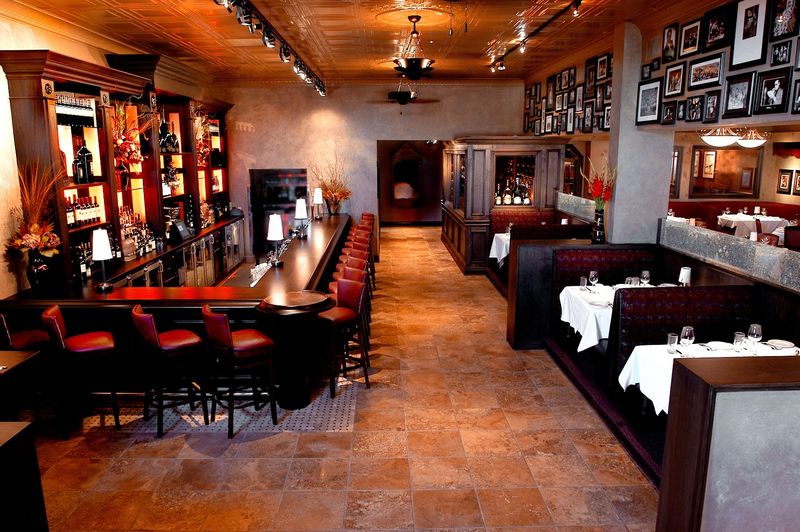
At 56 Beaver Street in the Financial District stands a restaurant that basically invented American fine dining. Delmonico’s traces its roots to 1837, and while the current building dates from slightly later, the legacy is undeniable.
This place created dishes that became classics—Lobster Newburg, Baked Alaska, Delmonico Steak, and served them to titans of industry back when New York was becoming America’s economic capital.
The interior maintains that old-money elegance without feeling frozen in amber. White tablecloths, attentive service, and an atmosphere that suggests important deals have been made over these tables for generations.
It’s fancy, sure, but not intimidatingly so. You can enjoy the history without feeling like you need a trust fund to belong here.
Their menu still features those signature dishes alongside modern additions, creating this interesting bridge between past and present. The Delmonico Steak remains a standout, a boneless ribeye that’s been perfected through decades of repetition.
When a restaurant’s been cooking the same cut for over a century, they tend to get pretty good at it.
What strikes me most is how the place balances its historic significance with actual functionality as a restaurant. Yes, it’s a landmark, but it’s also just a really solid steakhouse where you can have an excellent meal.
The ghosts of past diners add atmosphere, but the current kitchen delivers substance. That combination of heritage and quality makes Delmonico’s feel both important and accessible, which isn’t easy to pull off.
7. The Landmark Tavern, New York
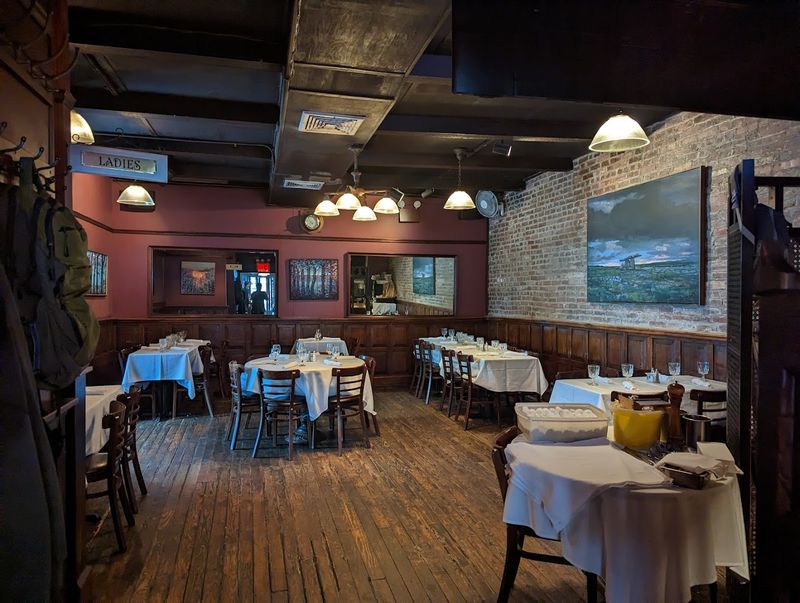
Tucked into Hell’s Kitchen at 626 11th Avenue, this three-story Irish tavern has been serving the neighborhood since 1868. The building itself is a beauty, one of the few remaining wooden structures from that era in Manhattan, and stepping inside feels like entering someone’s very old, very lived-in home.
The floors creak underfoot, the stairs are narrow and steep, and everything has that worn-smooth patina that only comes from genuine age.
The original bar dominates the first floor, a gorgeous piece of woodwork that’s absorbed more stories than you could tell in a lifetime. Gas lamps (converted to electric) cast warm light across rooms that feel genuinely cozy rather than designed to look cozy.
There’s a fireplace, exposed brick, and all those details that modern restaurants try to fake but never quite nail.
Upstairs dining rooms offer more intimate spaces, each maintaining that 19th-century Irish pub character. The menu leans into traditional Irish-American fare, shepherd’s pie, fish and chips, proper burgers, executed competently if not spectacularly.
But honestly, you don’t come here for culinary innovation. You come for the atmosphere, for the sense of continuity, for drinks in a place that’s outlasted entire neighborhoods around it.
The crowd tends toward regulars and theater folks from nearby venues, creating a friendly vibe that welcomes newcomers without catering to them. It’s a real tavern that happens to be historic, not a historic site that pretends to be a tavern.
That authenticity makes all the difference.
8. Peter Luger Steak House, New York
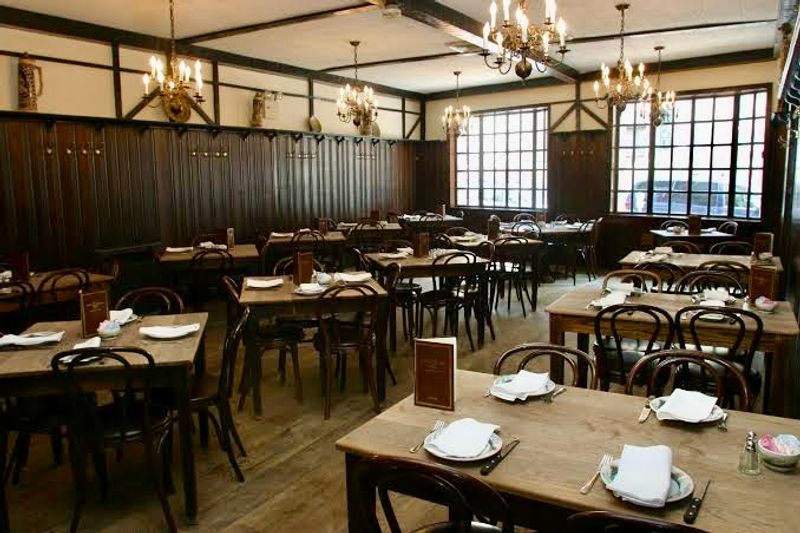
Cross the Williamsburg Bridge to 178 Broadway in Brooklyn and prepare for a steakhouse experience that refuses to modernize. Peter Luger opened in 1887 and has spent the subsequent 136 years perfecting exactly one thing: serving the best porterhouse steak in New York.
They only accept cash or their own house charge card—no credit cards, no exceptions, no apologies. That alone tells you everything about their attitude.
The interior is deliberately plain, wooden tables, a long bar, simple chairs, nothing fancy. The waiters are famously gruff, bordering on rude if you ask dumb questions or try to order your steak well-done.
They’ve been doing this forever, they know what works, and they’re not interested in your suggestions. It’s refreshing, honestly, in an era where every restaurant bends over backward for customer whims.
The porterhouse arrives sizzling on a tilted plate that pools the meat’s juices at one end. It’s pre-sliced, perfectly charred outside, and pink inside unless you’ve committed the sin of ordering it otherwise.
The sides are basic, German fried potatoes, creamed spinach, tomato and onion salad, but they’re perfect accompaniments to the main event.
Everything about Peter Luger feels like a time capsule from when steakhouses were masculine temples of meat and beer. No trendy cocktails, no fusion experiments, no concessions to modern dining trends.
Just beef, tradition, and an unwavering commitment to doing things their way. It’s stubborn, it’s old-fashioned, and it’s absolutely brilliant.
9. Old John’s Luncheonette, New York
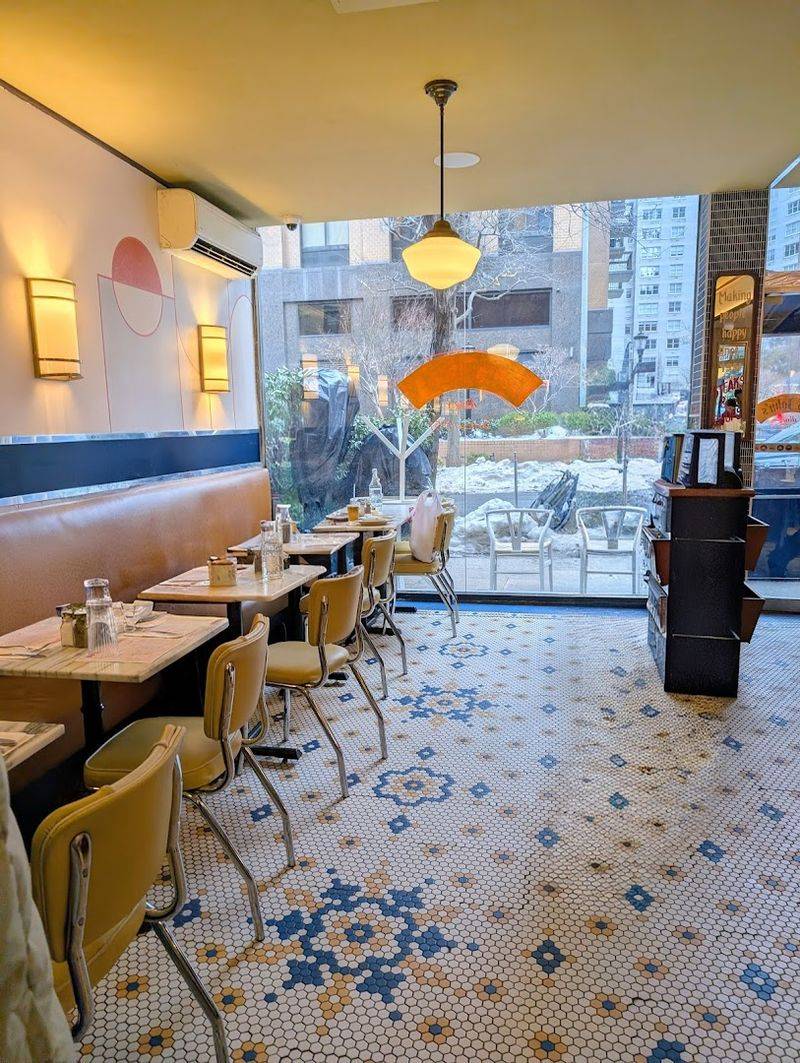
Over in Williamsburg at 148 Broadway, a revived luncheonette serves up serious 1950s nostalgia. Old John’s closed decades ago but got brought back to life, maintaining that classic counter-service diner feel that’s become increasingly rare.
The restoration nailed the details, chrome fixtures, vinyl stools, a long counter where you can watch your food being prepared just feet away.
Counter seating is the move here, where you can chat with the cook while they flip your eggs or assemble your sandwich. It’s that classic diner interaction that modern restaurants have lost, where the barrier between kitchen and customer dissolves into friendly banter.
The menu reads like a time machine, egg creams, malted shakes, griddle sandwiches, simple plates that defined American luncheonette culture.
What makes Old John’s work is how seriously they take the retro concept without making it feel like a theme park. The food is genuinely good, not just nostalgic.
Their egg sandwich is simple perfection, their coffee is strong and hot, and their milkshakes are thick enough to require serious suction. These are the fundamentals that old luncheonettes built their reputations on, executed with care.
The vibe is casual and welcoming, attracting a mix of neighborhood regulars and folks who remember when every block had a spot like this. It’s not trying to be fancy or innovative, it’s trying to preserve a specific slice of American dining culture that’s mostly disappeared.
For anyone who remembers the original wave of luncheonettes, this place hits all the right nostalgic notes.
10. Lexington Candy Shop, New York
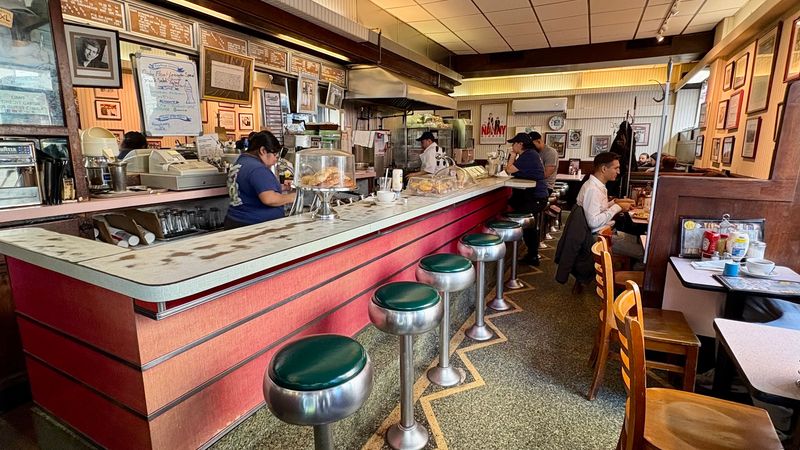
On the Upper East Side at 1226 Lexington Avenue, a genuine old-fashioned soda fountain has been operating since 1925. Lexington Candy Shop isn’t a recreation or a revival, it’s the real deal, with original equipment still churning out egg creams and malted milkshakes the way they did when your grandparents were kids.
The soda fountain itself is a work of art, all chrome and marble, with those classic dispensers that mix carbonated water with flavored syrups right before your eyes.
The counter wraps around in that classic horseshoe shape, with swivel stools that have supported generations of customers. Behind it, the menu board lists prices that seem almost comically low until you remember this is still New York City and nothing stays cheap forever.
But compared to modern cafes charging seven dollars for coffee, Lexington Candy Shop feels like a bargain.
Their food menu covers classic luncheonette territory, grilled cheese, tuna melts, burgers, breakfast all day. Nothing fancy, nothing fusion, just straightforward diner food made competently and served quickly.
The real stars are the fountain drinks: phosphates, lime rickeys, cherry Cokes mixed to order, and those magnificent egg creams that taste exactly like childhood should taste.
The crowd skews older, with regulars who’ve been coming here for decades sitting next to curious tourists and neighborhood newcomers. Everyone gets the same friendly service from staff who’ve clearly mastered the art of efficient counter work.
It’s a living museum that still functions as a neighborhood gathering spot, proving that old doesn’t have to mean obsolete.