
10 Once Quiet Michigan Lake Towns That Residents Say Feel Completely Different Today
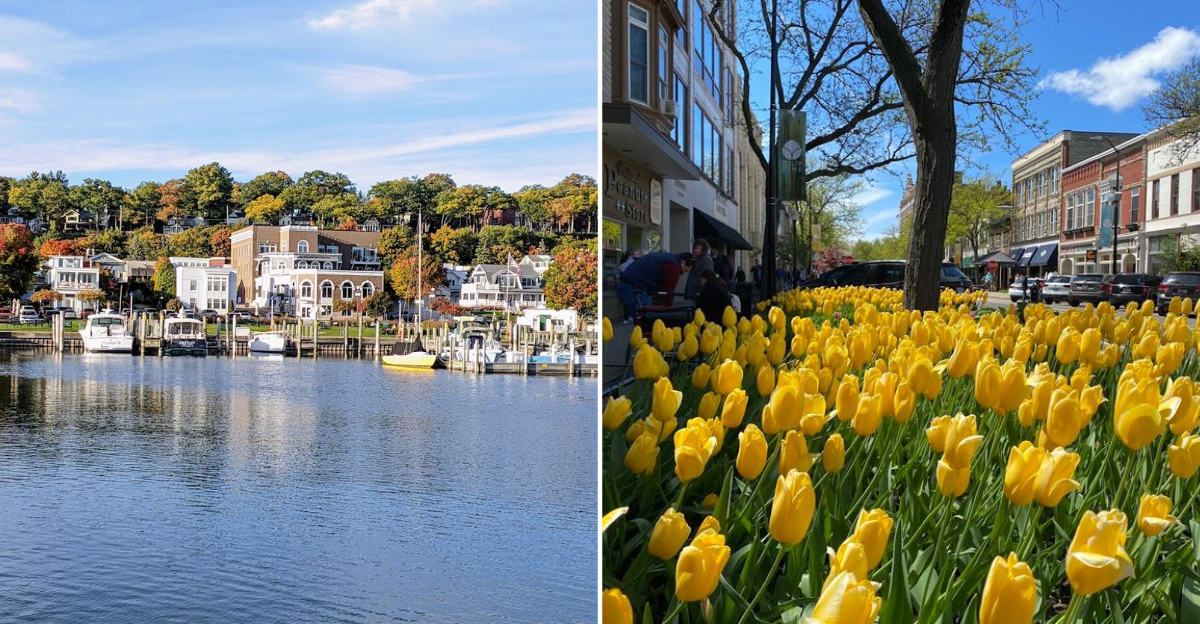
The before-and-after conversations happen at every local gathering now. Longtime residents don’t need much prompting to tell you exactly when things started feeling different.
Michigan’s lake towns spent decades existing below the radar of the kind of attention that changes places permanently. That changed, and it changed faster than most communities had any framework to absorb.
Short-term rentals replaced neighbor-owned cottages. Weekend traffic patterns rewrote what summer used to feel like.
Shops that served locals for thirty years recalculated who their actual customers were and adjusted accordingly. These towns are living that transition right now, some further along than others, none of them quite sure what the other side of it looks like.
1. Traverse City
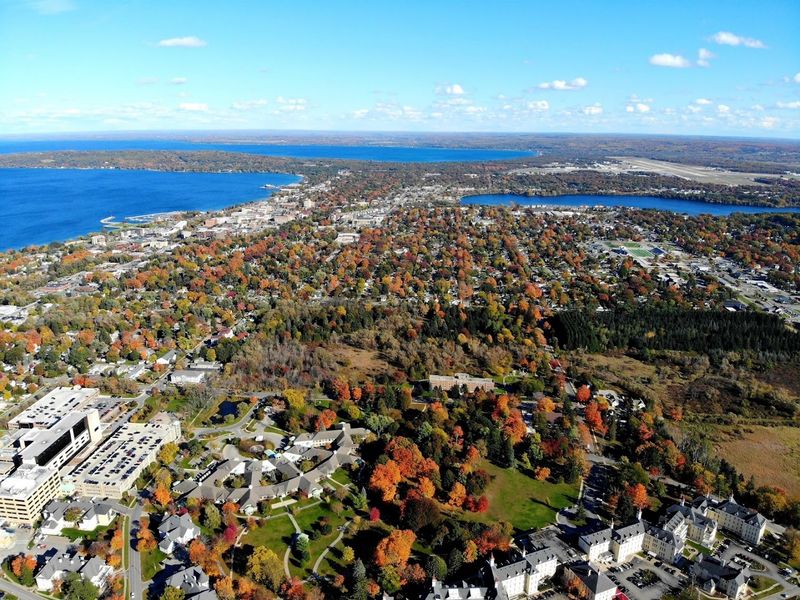
Traverse City used to be the kind of place where you could hear gulls over the bay from your front porch. Now you’re more likely to hear rental scooters buzzing past.
The bay is still beautiful, but getting to it takes patience.
Crosswalks blink constantly. Traffic backs up on roads that were never built for this volume.
Residents joke that finding parking in July is basically a competitive sport now.
Short-term rentals have quietly replaced family homes on neighborhood streets. Kids used to play in those yards.
Now rolling suitcases click across the sidewalks instead.
The Cherry Festival alone draws massive crowds every year. The shoreline paths are packed with strollers, festival-goers, and visitors snapping photos every few feet.
Long-time locals still love the bay views. But many admit the town’s energy has shifted from community-centered to visitor-focused.
Some businesses that served residents for decades have been replaced by boutiques and souvenir shops.
Housing costs have climbed sharply. Year-round workers are getting priced out of the town they helped build.
The character that made Traverse City special in the first place is what drew the crowds, and now that very character feels stretched thin.
2. Elk Rapids
Elk Rapids used to be one of those blink-and-you-miss-it towns in the best possible way. Locals loved it precisely because most people drove right past it.
That era feels like a distant memory now.
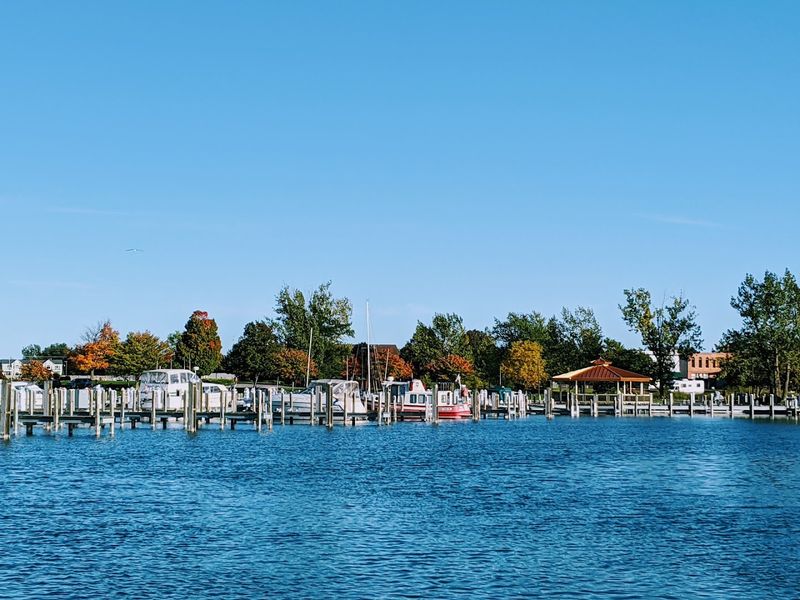
Sitting between Elk Lake and Grand Traverse Bay, the town has a setting that practically sells itself. Word got out, and now it really has sold itself, repeatedly, to vacationers and second-home buyers.
The harbor has always been charming. But summer weekends now bring a parade of boats and visitors that the small downtown simply was not designed to handle.
Streets feel crowded in a way that surprises even seasonal visitors.
Local shops that once catered to year-round residents have slowly shifted their inventory toward tourist tastes. Residents who need everyday essentials sometimes have to drive farther than they used to.
Property values have surged, which sounds great on paper. But for families who have lived here for generations, it means property taxes that are harder to absorb each year.
There is still genuine beauty here. The water is clear, the sunsets are stunning, and the community spirit has not disappeared entirely.
But residents are quick to say the pace has changed dramatically. The quiet rhythms of small-town life are harder to find than they used to be.
3. Glen Arbor
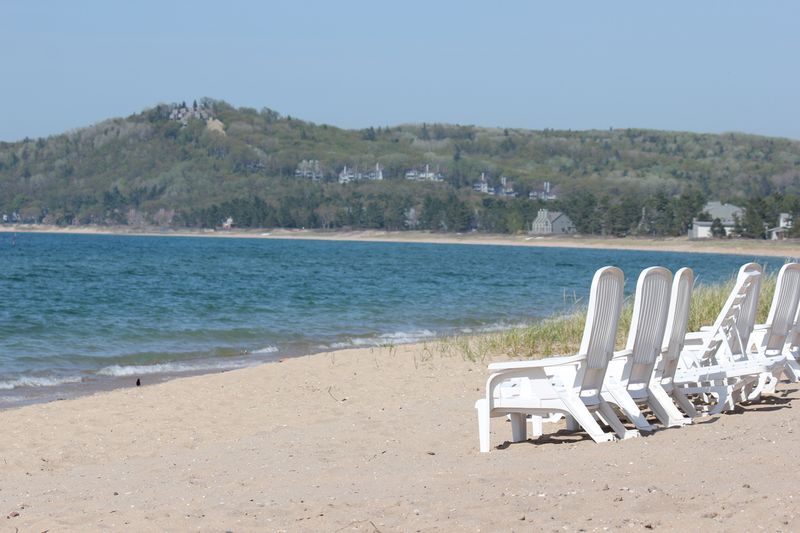
Glen Arbor sits right next to Sleeping Bear Dunes National Lakeshore, which is both its greatest gift and its biggest challenge. Once voted the most beautiful place in America on national television, the area has never been the same since.
The village itself is tiny. A few blocks of shops, a handful of restaurants, and roads that were designed for a fraction of the traffic they now receive.
Summer turns it into a slow-moving river of cars and pedestrians.
Residents remember when you could walk to the beach without planning your route around tour buses. Now the dunes parking lots fill before 9 a.m. on peak summer days.
Locals have learned to go at sunrise or not at all.
Short-term rentals dominate the housing market here. Finding a long-term rental as a local worker is nearly impossible.
Many service industry employees commute from towns much farther away just to keep their jobs.
The natural scenery remains jaw-dropping. Crystal-clear Lake Michigan water, towering dunes, and thick forest trails are still world-class.
The landscape did not change. The crowds around it did.
Business owners are generally happy with the tourist economy. But longtime residents describe a growing disconnect between the town’s identity and what it has become.
4. Charlevoix
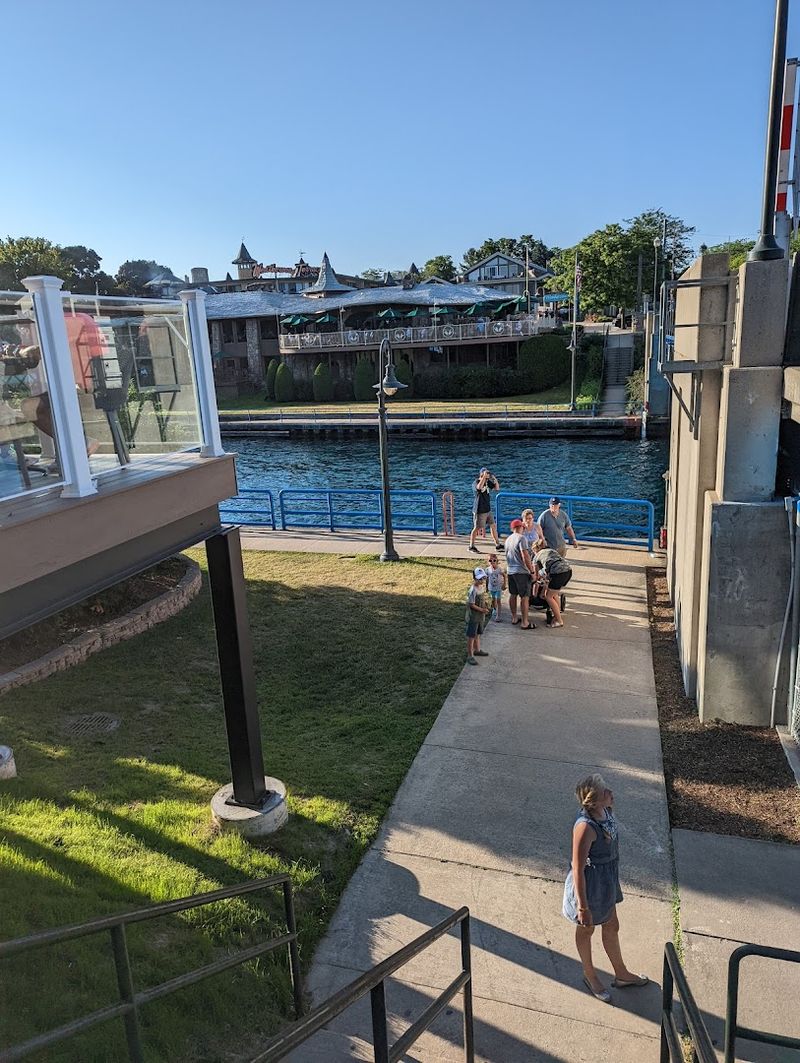
A spot like this has a geography that makes real estate agents giddy. Wedged between Lake Michigan and Lake Charlevoix, it offers two great lakes for the price of one town.
That combination has made it a magnet for wealthy vacationers and second-home buyers for decades.
The downtown is undeniably vibrant in summer. Boutiques, restaurants, and galleries hum with energy.
But look closely, and you will notice most of it is aimed squarely at visitors, not the people who live there year-round.
Working families are feeling the squeeze. Rents have climbed to levels that make staying in town difficult.
Some longtime residents have quietly relocated to communities farther inland just to afford a decent home.
The famous mushroom houses are still a delightful quirk worth seeking out. And the bridge openings for tall-masted boats are genuinely fun to watch.
Those traditions have survived the transformation.
But ask a local about their grocery run in July, and you will get a very different story. Simple errands become frustrating ordeals when the streets are gridlocked with visitors.
Patience is required in large quantities during peak season.
The town still has undeniable charm. Residents just wish the balance between welcoming visitors and preserving community life had been managed more carefully over the years.
5. Petoskey
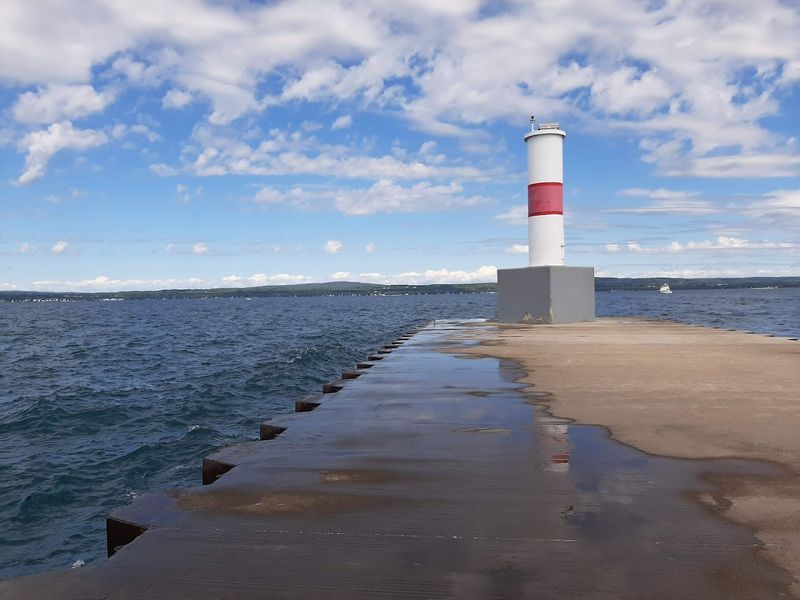
Petoskey has been attracting admirers since the 1870s, when someone had the brilliant marketing idea to call it the land of the Million Dollar Sunset. Spoiler: the sunsets absolutely hold up.
The crowds watching them have just multiplied significantly.
The Gaslight District downtown is genuinely lovely. Brick storefronts, independent shops, and a walkable layout make it one of Michigan’s most appealing small-city downtowns.
Summer fills every inch of it with visitors.
Ernest Hemingway used to summer near here as a kid, and the town has leaned into that literary legacy. There are Petoskey stones to hunt along the shoreline, which gives beachgoers a fun treasure-hunt reason to linger.
The beach crowds have noticed.
Residents say the off-season is when the real Petoskey shows itself. Winter strips away the tourist layer and reveals a tight-knit community that genuinely enjoys living here.
The contrast between seasons is striking.
Housing affordability has become a real conversation in town. Seasonal rental demand drives prices up year-round, not just in summer.
People who work in local healthcare, schools, and trades are feeling the pressure.
The bay views from the waterfront park are still worth every step. Locals just wish they did not have to elbow through a crowd to enjoy them from June through August.
6. Harbor Springs
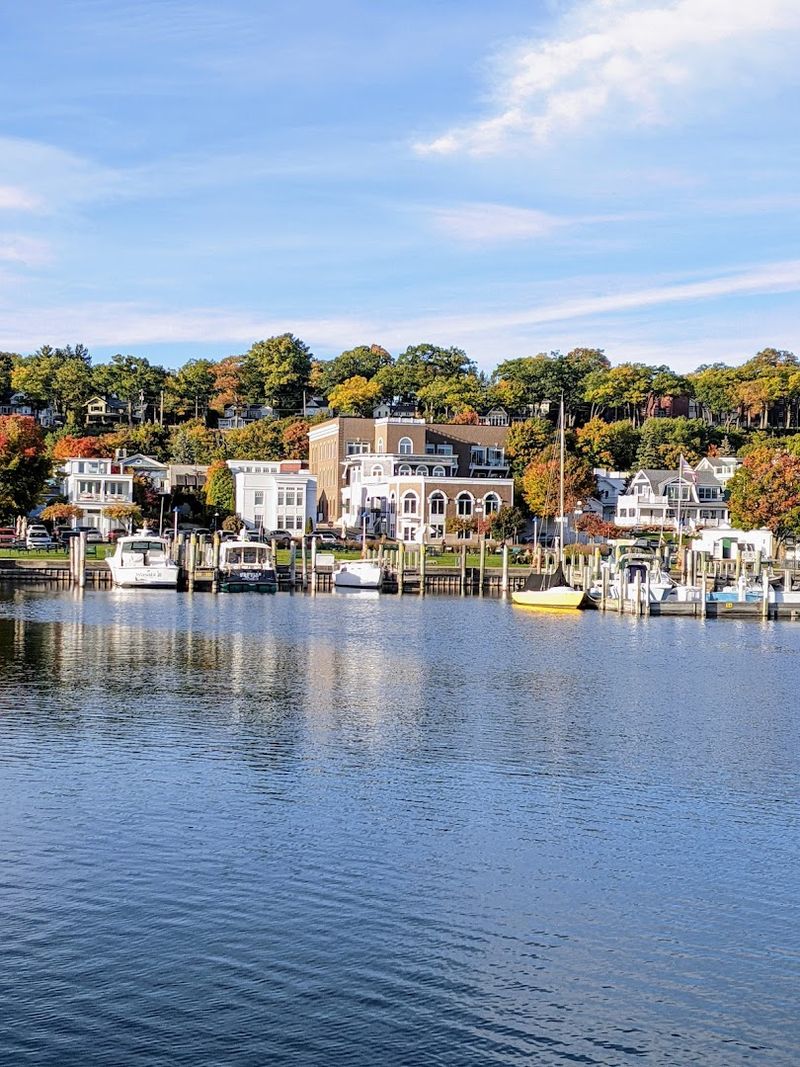
The harbor is postcard-perfect. The tree-lined streets are immaculate.
The problem is, everyone knows it now.
Summer brings what locals describe as a lively wave of visitors that rolls in and does not recede until Labor Day. Finding a quiet bench under a shady tree used to be easy.
Now those benches are occupied from morning to evening.
The town sits on Little Traverse Bay with a backdrop of wooded bluffs that make the whole scene look almost painted. Visitors are drawn to that beauty, and they arrive in numbers that surprise even repeat visitors each year.
Longtime residents have developed strategies for navigating summer. Early morning walks before the crowds arrive.
Grocery runs on weekday mornings. Avoid downtown entirely on holiday weekends.
It is a different kind of local knowledge.
The quality of shops and restaurants has genuinely improved with the tourist economy. There are more dining options and better services than there were twenty years ago.
Residents acknowledge that trade-off openly.
But the sense of peaceful community that defined Harbor Springs for generations is harder to access now. The town feels like it belongs to visitors in summer and to locals only in the quiet months.
7. Saugatuck
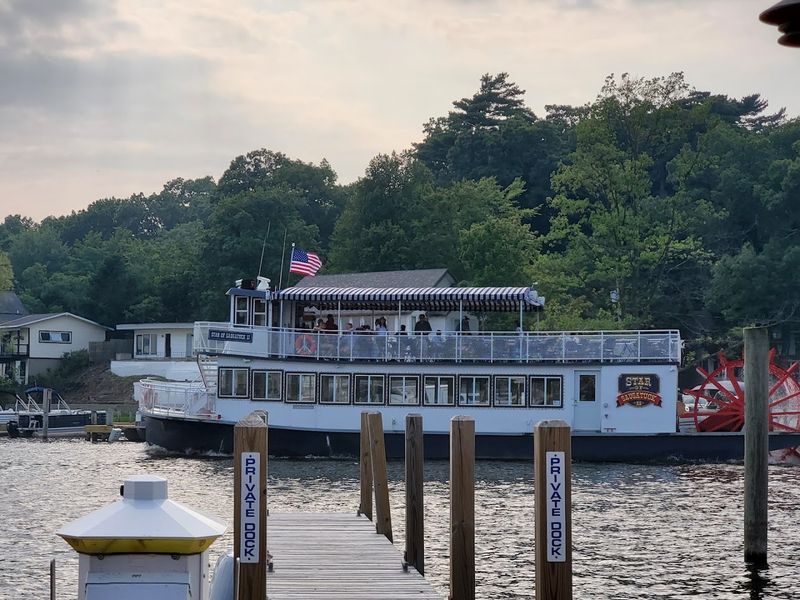
Saugatuck has been drawing artists, sailors, and free spirits since the early 1900s. There is something about the light here, the way it hits the Kalamazoo River and the dunes, that has always inspired creativity.
That magic is still real.
The galleries and studios are genuine highlights. Local artists still work and show here, which keeps the creative pulse alive even as the town gets busier every year.
That artistic identity is worth protecting.
Peak summer days on the boardwalk are a completely different experience from what longtime residents remember. The energy becomes relentless by mid-afternoon.
Crowds fill every corner of the walkable downtown with a pace that feels more city than small town.
Parking has become the town’s most talked-about challenge. On busy weekends, it is genuinely easier to walk a mile from a side street than to find a spot near the waterfront.
Residents plan accordingly.
Saugatuck’s walkable, human-sized scale is exactly what made it famous. That same scale is now what makes managing visitor volume so complicated.
The streets simply were not built for thousands of simultaneous guests.
Year-round residents still love their town fiercely. They just do it more quietly, in the off-season moments when Saugatuck remembers what it actually is.
8. Holland
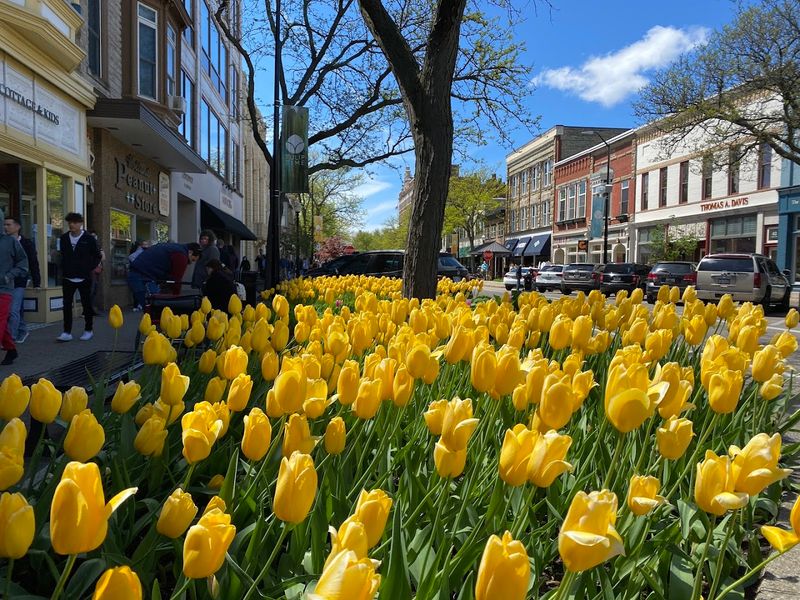
Holland does not do anything halfway. When it celebrates its Dutch heritage with the annual Tulip Time Festival, the whole world seems to show up.
Over three million tulips bloom across the city, and the crowds that follow are equally impressive.
Lake Macatawa and Lake Michigan give Holland a waterfront identity that extends well beyond the festival season. Beaches, boat launches, and parks draw visitors from spring through fall.
Summer weekends feel like a different city entirely.
The famous DeZwaan windmill at Windmill Island Gardens is a genuine piece of history. It is the only authentic working Dutch windmill in America.
Visitors line up to see it, and honestly, it is worth the line.
Residents say the summer transformation is dramatic. Streets that feel perfectly manageable in March become gridlocked in July.
Neighborhoods near the lakefront see a noticeable shift in who is walking the sidewalks.
The local economy benefits significantly from tourism. Hotels, restaurants, and shops do strong business during peak season.
But longtime residents describe a growing sense of being guests in their own town during the busiest months.
Downtown Holland has strong bones and a genuine community behind it. The people who live here year-round are proud of their city.
They just miss the version of it that existed before it became a must-visit destination on every Michigan travel list.
9. South Haven
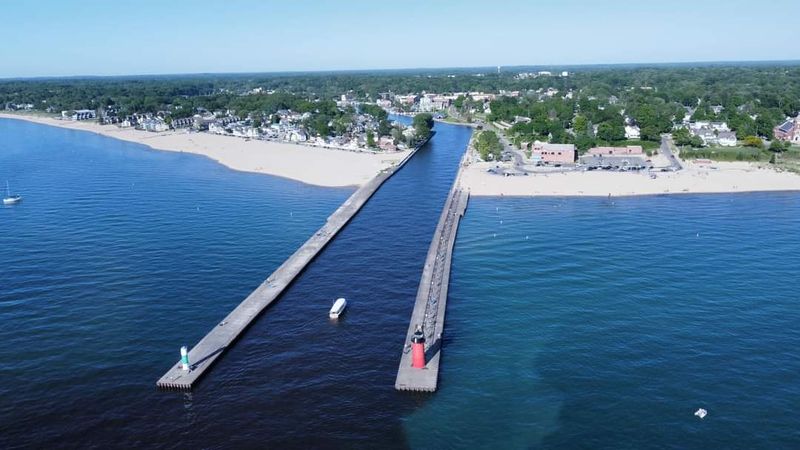
Locals joked that a well-placed beach towel was basically a deed to that patch of sand. Those days are gone.
Summer now brings what residents call weekend invasions. The town’s roughly 5,000 year-round residents suddenly share their streets, restaurants, and beaches with an estimated 15,000 visitors on peak weekends.
The infrastructure feels every bit of that difference.
The iconic red lighthouse at the end of the pier is one of Michigan’s most photographed landmarks. It earns every photo.
But the line of people waiting to walk that pier on a Saturday in July stretches back farther than most visitors expect.
Property values have climbed sharply, which is great news for homeowners and rough news for anyone hoping to buy. Year-round workers in service and hospitality roles are increasingly unable to afford living in the town where they work.
The Black River channel cutting through downtown creates a natural gathering point that is genuinely beautiful. Watching boats navigate the drawbridge is a free entertainment option that never gets old.
Crowds have discovered this, too.
Residents are not anti-visitor. The tourist economy keeps the town alive through all four seasons.
They just want a little of the old South Haven back, the one that felt like theirs.
10. Ludington
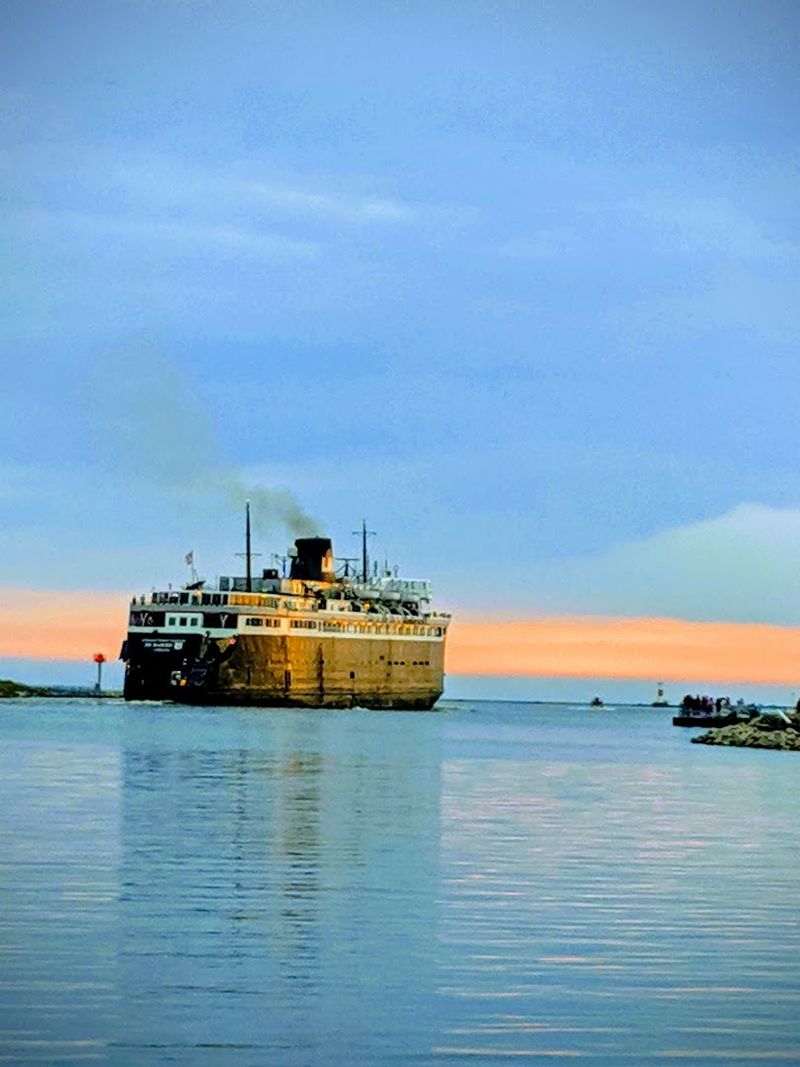
Ludington has a secret weapon that most Michigan lake towns do not have. The SS Badger, a historic car ferry, crosses Lake Michigan to Wisconsin from right here.
That alone draws a category of visitor that other towns simply do not see. It is genuinely cool.
The beaches are spectacular. Wide, clean, and backed by dunes, they consistently rank among the best freshwater beaches in the entire country.
Visitors have figured this out, and summer beach crowds reflect that discovery enthusiastically.
The marina is lively from May through October. Fishing charters, pleasure boats, and ferry traffic create a waterfront energy that feels different from quieter lake towns.
Ludington has always had a working-port personality mixed with its resort appeal.
Vacation rentals have multiplied across the city in recent years. Streets that once housed year-round families now flip to short-term guests every weekend.
Neighbors who knew each other’s names have been replaced by a rotating cast of strangers.
Affordable housing has become a genuine crisis for local workers. People employed in restaurants, retail, and healthcare are struggling to find rentals they can afford within a reasonable distance of town.
The rental market is tight and getting tighter.
Ludington still has a warm, unpretentious character that sets it apart from more polished resort towns. Residents hold onto that identity fiercely, even as the town around them keeps changing.