
One Of Florida’s Most Surprising Lake Towns Remains A Secret To Most People
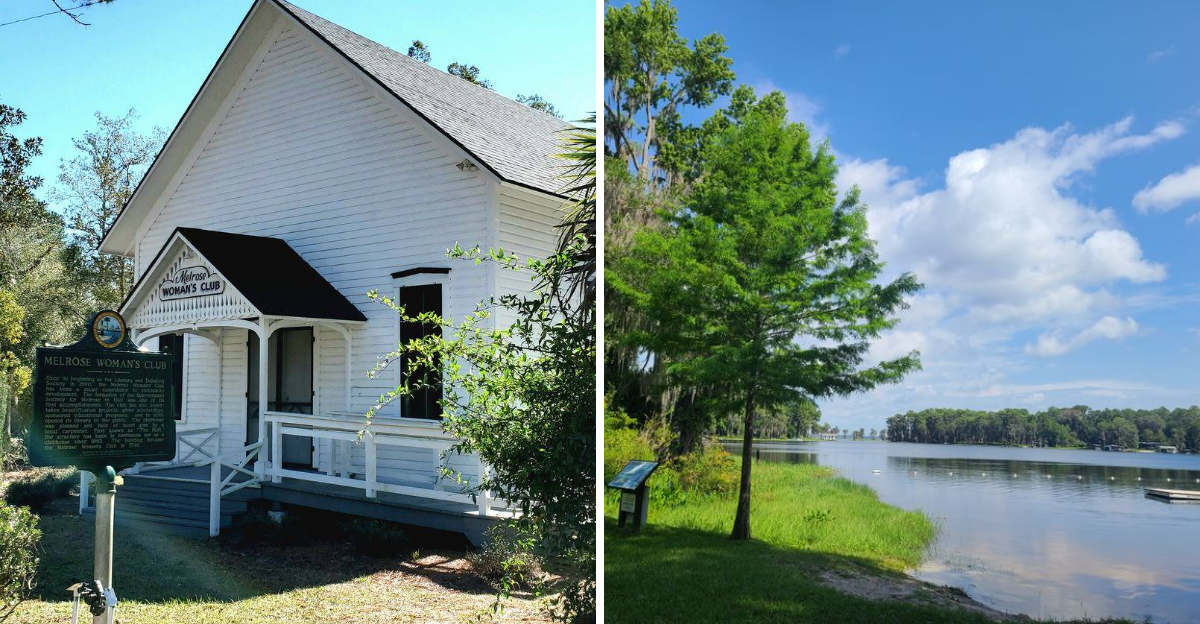
Florida may not have actual mountains, but Melrose offers something equally rare in the Sunshine State: rolling terrain, forested hills, and a landscape that feels nothing like the flat coastline most visitors expect. Located roughly 17 miles east of Gainesville along State Road 26, this unincorporated community sits between scenic lakes and woodlands that create an atmosphere more reminiscent of rural Georgia than typical Florida.
The town has remained largely unknown to outsiders, preserving its quiet character and old-fashioned charm while coastal cities continue to swell with new development.
A Quiet Historic Village Between Scenic Lakes
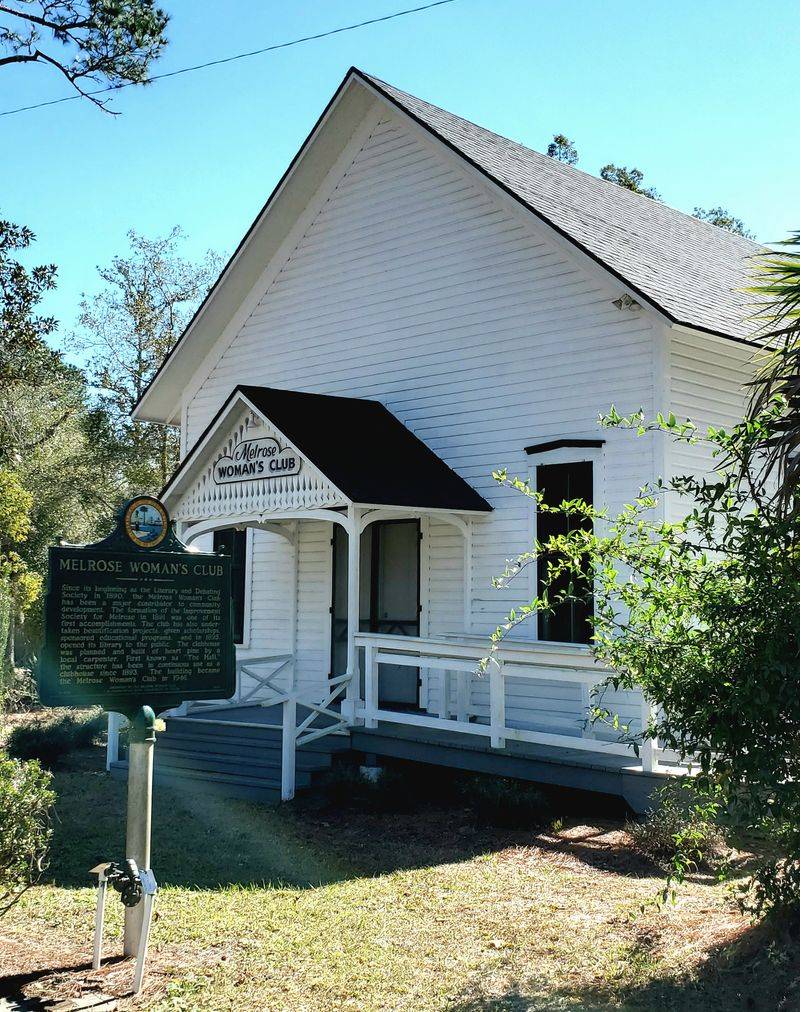
Melrose occupies a unique position among several bodies of water, with Lake Santa Fe serving as its most prominent natural feature. The town stretches across four counties—Alachua, Bradford, Clay, and Putnam—which gives it an unusual administrative identity that few other Florida communities share.
Visitors arriving from Gainesville or Jacksonville often express surprise at how different the landscape appears compared to the surrounding region.
The village center consists of a handful of streets lined with structures dating back more than a century. Many of these buildings retain their original facades, offering a visual timeline of architectural styles from the late 1800s through the early 20th century.
Walking through the compact downtown area takes only a few minutes, but the sense of history lingers much longer.
Local residents have worked to maintain the town’s historical integrity without turning it into a theme park. The result is an authentic community where people still live, work, and gather rather than simply pose for photographs.
Lake Santa Fe Shapes The Town’s Waterfront Lifestyle
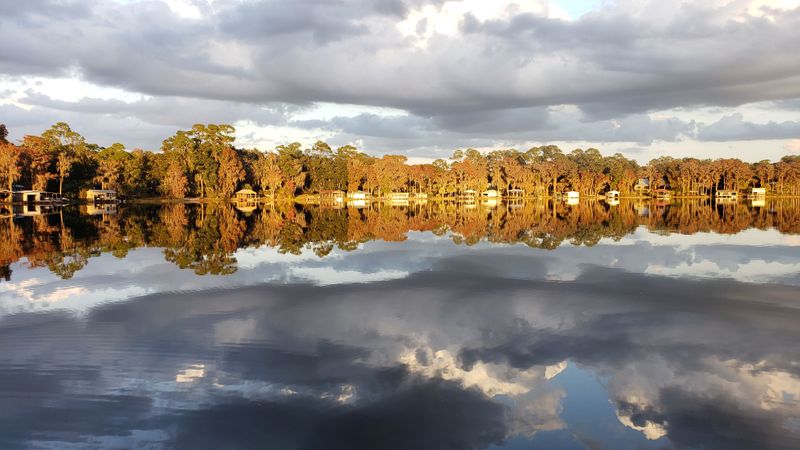
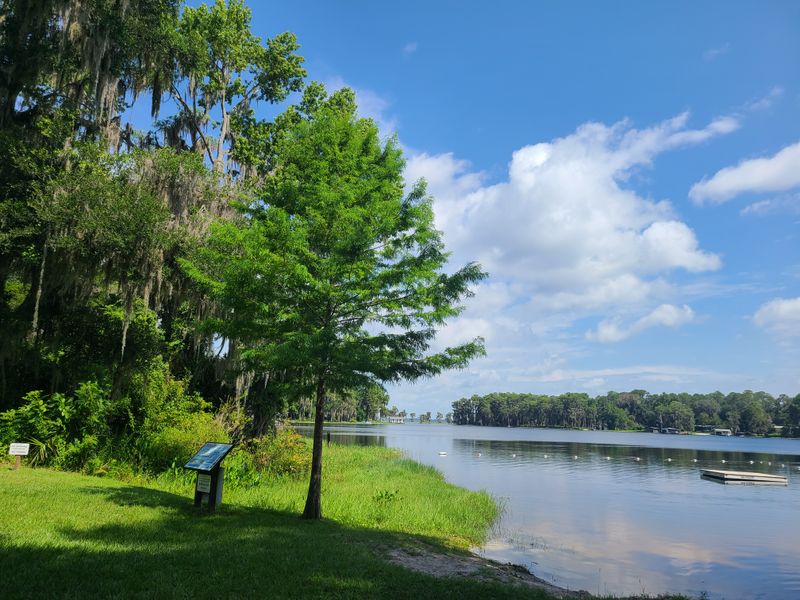
Lake Santa Fe dominates the geography and daily rhythm of Melrose in ways that go beyond simple recreation. The lake covers approximately 5,850 acres and reaches depths of more than 20 feet in certain areas, making it suitable for various watercraft and fishing techniques.
Its shoreline curves through wooded areas and private properties, creating pockets of seclusion that appeal to those seeking privacy.
Many residents own boats or kayaks, using them not just for leisure but as practical transportation to reach neighbors across the water. The lake supports populations of largemouth bass, bluegill, and catfish, drawing anglers from surrounding counties who appreciate the less crowded conditions compared to more famous Florida fishing destinations.
Morning fog often hangs over the surface during cooler months, creating atmospheric conditions photographers find compelling.
Public access points exist, though they remain limited compared to state-managed lakes. This scarcity helps preserve the quiet character that defines the waterfront experience in Melrose, where the sound of motorboats rarely overwhelms the calls of herons and ospreys.
A Longtime Retreat For Artists And Creative Communities
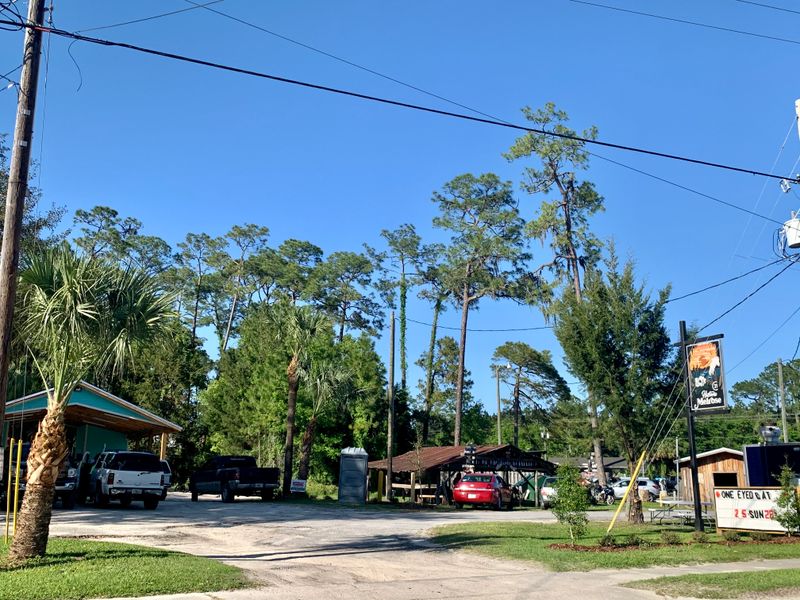
Melrose has attracted painters, writers, and craftspeople for decades, though the town never marketed itself as an official arts colony. The affordable property prices and peaceful environment simply drew creative individuals seeking space to work without the distractions of urban life.
Small galleries and studios operate throughout the area, often in converted residential buildings or purpose-built structures tucked behind main roads.
The creative community here functions informally, with artists occasionally opening their workspaces to visitors by appointment rather than maintaining regular gallery hours. This approach suits the town’s unhurried pace and allows artists to focus on production rather than sales.
Some residents have achieved regional recognition for their work, while others pursue their craft purely for personal satisfaction.
Local events sometimes feature art shows or craft fairs, providing opportunities for artists to connect with collectors and fellow creators. The emphasis remains on genuine creative expression rather than commercial tourism, which preserves the authentic character that originally attracted artists to the area.
Antique Shops And Boutiques Preserve Old Florida Charm
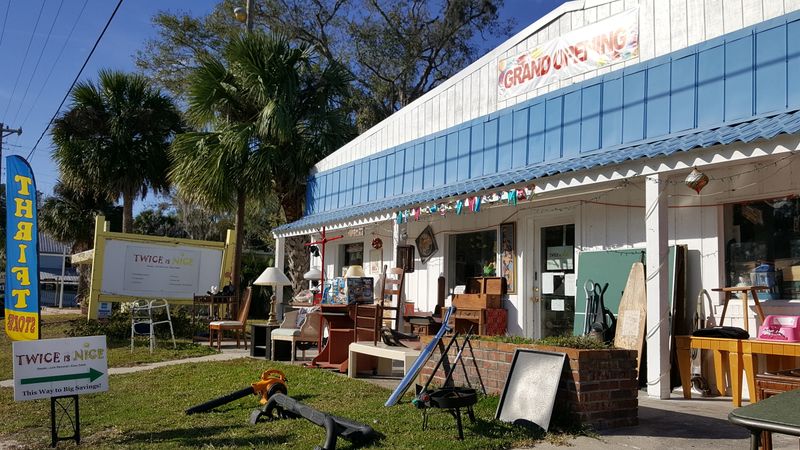
Several antique dealers operate in Melrose, their shops housed in buildings that often qualify as antiques themselves. These establishments range from curated collections of fine furniture and glassware to eclectic assortments of vintage tools, advertising signs, and household items from earlier eras.
Browsing through these spaces offers insights into Florida’s past that textbooks rarely capture, from citrus crate labels to mid-century tourist memorabilia.
The proprietors typically possess deep knowledge about their inventory and enjoy sharing stories about particular pieces. Prices tend to be reasonable compared to antique shops in tourist-heavy areas, reflecting the town’s practical rather than pretentious approach to commerce.
Some dealers specialize in specific categories like Depression glass or vintage fishing equipment, while others maintain broad inventories that reward patient exploration.
Beyond antiques, a few boutiques offer handmade goods, local art, and specialty items that reflect the town’s creative character. Shopping here feels more like treasure hunting than retail therapy, with discoveries depending on timing and luck rather than predictable inventory.
A Slower Pace Far Removed From Coastal Crowds
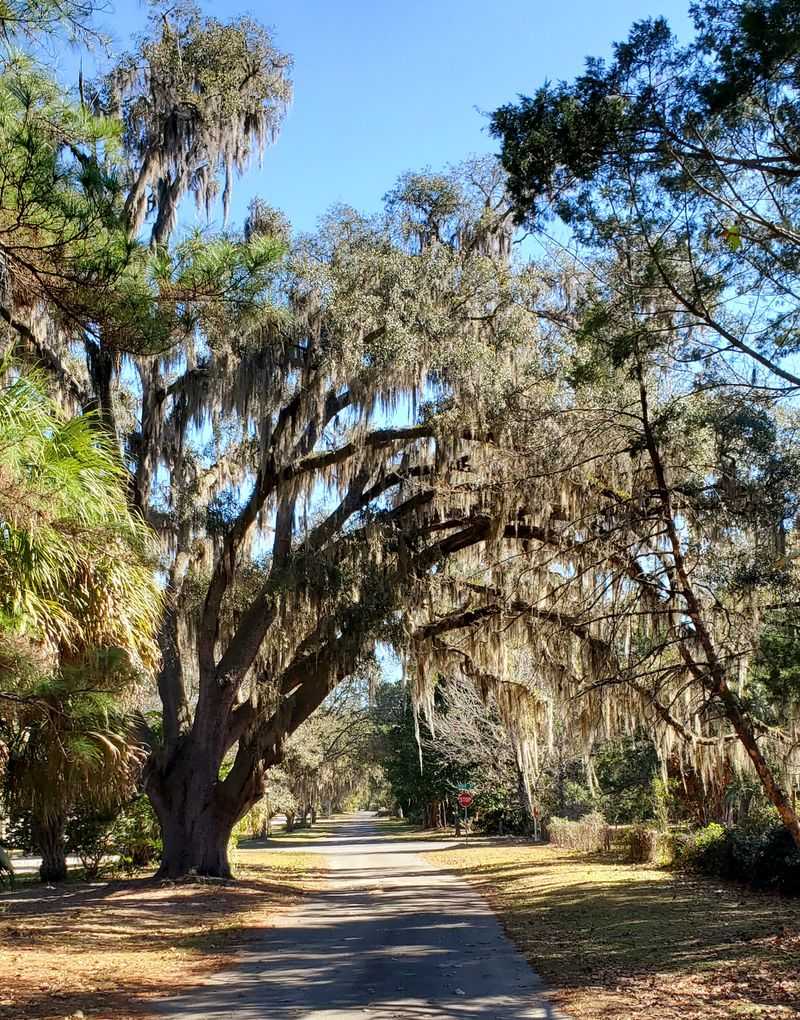
Time seems to move differently in Melrose, a quality residents cite as one of the town’s primary attractions. The absence of chain restaurants, traffic lights, and strip malls contributes to an atmosphere that feels removed from contemporary Florida development patterns.
People walk along roads without sidewalks, waving to passing drivers who almost always wave back, maintaining social customs that have faded in busier communities.
The town’s location helps preserve this character. Positioned roughly 50 miles southwest of Jacksonville and 17 miles from Gainesville, Melrose remains far enough from major population centers to avoid becoming a bedroom community.
Most residents chose to live here specifically because it differs from coastal Florida, preferring forests and lakes to beaches and boardwalks.
Businesses operate on flexible schedules that accommodate the rhythms of small-town life rather than maximizing profit. Conversations at the post office or local cafe often extend beyond brief pleasantries, reflecting genuine interest in neighbors’ lives rather than obligatory politeness.
Surrounded By Forests And Rolling Countryside
The landscape around Melrose challenges common assumptions about Florida geography. Instead of flat palmetto scrub or coastal plains, the area features gentle hills and mature forests that create a topography more characteristic of southern Georgia or northern Alabama.
Longleaf pines, live oaks draped with Spanish moss, and mixed hardwoods cover much of the countryside, providing habitat for deer, wild turkey, and numerous bird species.
These forests have survived because development pressure remained minimal compared to coastal regions. Property owners have maintained large parcels rather than subdividing land into small lots, preserving the rural character that defines the area.
Dirt roads wind through wooded sections, leading to secluded homesites and small farms that operate outside the notice of most Floridians.
The rolling terrain creates microclimates and varied ecosystems within relatively small areas. Low spots collect moisture and support different plant communities than the higher ground, adding ecological diversity that enriches the landscape and provides opportunities for nature observation that flat terrain cannot offer.
Fishing, Boating, And Water Recreation Drive Local Life
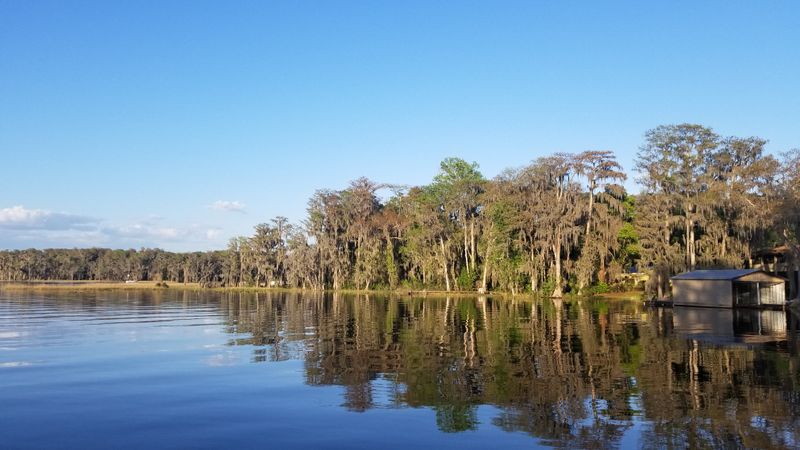
Water-based activities form the core of recreational life in Melrose, with Lake Santa Fe serving as the primary venue. Bass fishing attracts the most serious attention, particularly during spring spawning seasons when largemouth bass move into shallow water near vegetation.
Anglers employ various techniques from bank fishing to boat-based casting, with local knowledge playing a significant role in consistent success.
Boating ranges from quiet kayak exploration of coves and inlets to leisurely pontoon cruises suitable for families. The lake’s size allows for water skiing and tubing when conditions permit, though most residents prefer quieter activities that disturb neither wildlife nor neighbors.
Several boat ramps provide public access, though their locations require local knowledge to find.
Swimming occurs primarily from private docks and designated areas, as the lake bottom features soft sediment and aquatic vegetation in many zones. Spring-fed streams that feed the lake offer clearer water and cooler temperatures, creating pleasant spots for wading and observation of fish and turtles in their natural habitat.
Historic Buildings Reflect 19th-Century Roots
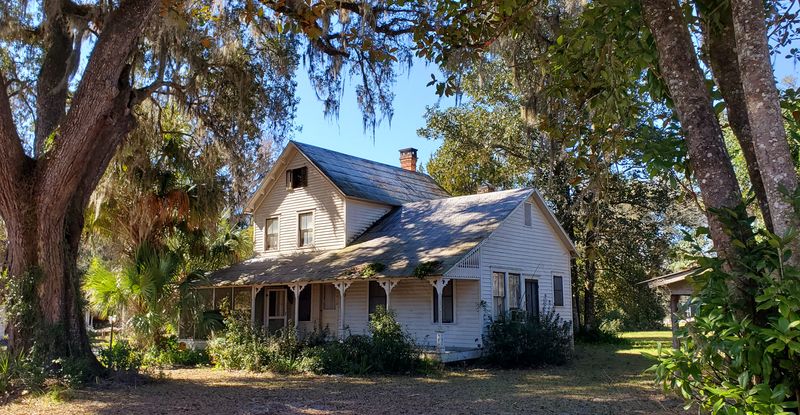
Melrose contains numerous structures that date from the late 1800s, when the town served as a stop along railroad lines connecting Jacksonville to interior Florida. These buildings display construction techniques and materials common to that era, including heart pine lumber, metal roofing, and raised foundations designed to promote air circulation in Florida’s humid climate.
Several have been maintained or restored by owners who appreciate their historical significance.
The architectural styles reflect practical considerations rather than grand ambitions. Most buildings feature simple rectangular floor plans with high ceilings and generous window placement to maximize natural ventilation before air conditioning existed.
Wide porches provided outdoor living space and additional cooling, a design element that remains functional and appealing today.
Some historic structures now house businesses, while others serve as private residences. A few stand vacant, awaiting owners willing to invest in their preservation.
Local historical societies have documented many of these buildings, creating records that help residents and visitors understand how the town developed and what physical evidence remains from earlier periods.
Attracts Visitors Seeking Authentic Small-Town Florida
People who discover Melrose often arrive by accident, taking a detour from State Road 26 or following recommendations from friends who know the area. The town attracts visitors who have grown weary of commercialized Florida attractions and seek experiences that feel genuine rather than manufactured for tourists.
These travelers appreciate places where locals outnumber visitors and where businesses serve community needs rather than seasonal crowds.
The lack of hotels means most visitors come for day trips, though some rent private homes through informal arrangements with property owners. This limitation on overnight capacity helps preserve the town’s character by preventing the infrastructure changes that typically accompany tourism development.
Visitors spend time browsing antique shops, eating at local restaurants, and exploring the lake rather than following prescribed itineraries.
Word-of-mouth remains the primary marketing tool, with satisfied visitors sharing their discoveries with like-minded friends. This organic growth pattern ensures that Melrose attracts people predisposed to appreciate what the town offers rather than those expecting entertainment and amenities the community never intended to provide.
Seasonal Events Keep The Community Close-Knit
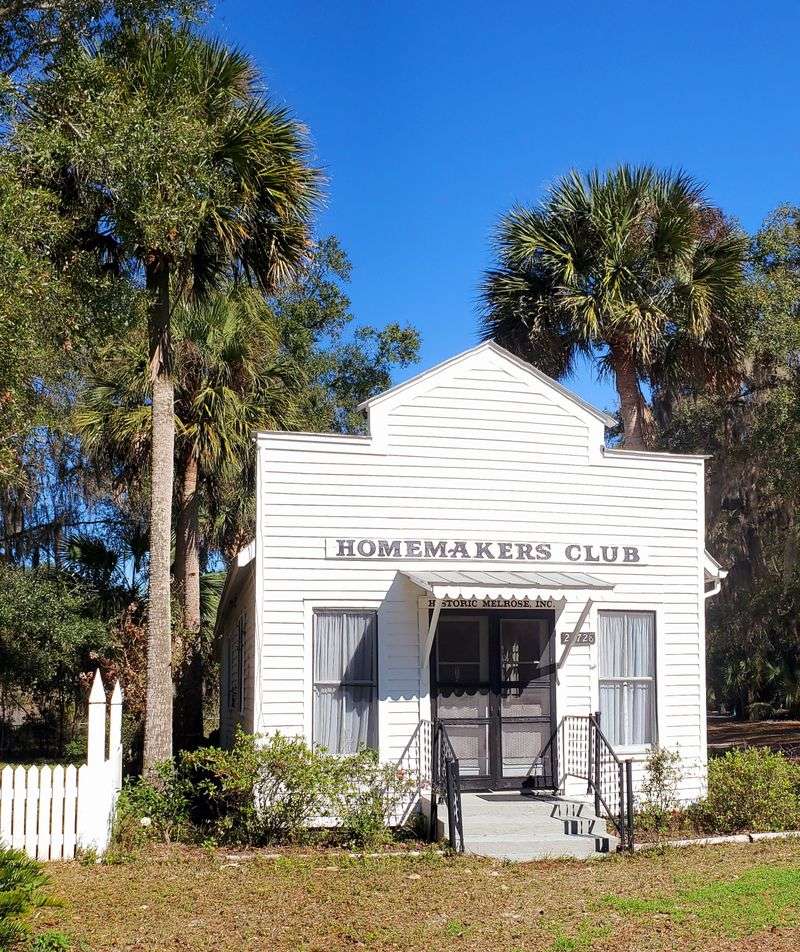
Melrose hosts several annual events that bring residents together and provide structure to the social calendar. These gatherings typically occur at community centers, churches, or outdoor spaces rather than purpose-built event venues.
The scale remains modest, with attendance measured in dozens or low hundreds rather than thousands, creating an intimate atmosphere where most participants know each other by name.
Seasonal festivals often incorporate local traditions like fish fries, barbecue cook-offs, or craft sales featuring work by area artisans. Holiday celebrations maintain familiar patterns that have evolved over decades, with certain families taking responsibility for specific aspects of organization and execution.
These events function as genuine community gatherings rather than tourist attractions, though visitors who happen to attend are typically welcomed.
The informal nature of event planning reflects the town’s general approach to organization. Schedules may shift based on weather or participant availability, and publicity often relies on word-of-mouth rather than extensive advertising.
This flexibility suits a community that values personal connections over rigid scheduling.