
One Of North Carolina’s Prettiest White Sand Beaches Is Far From The Usual Tourist Route
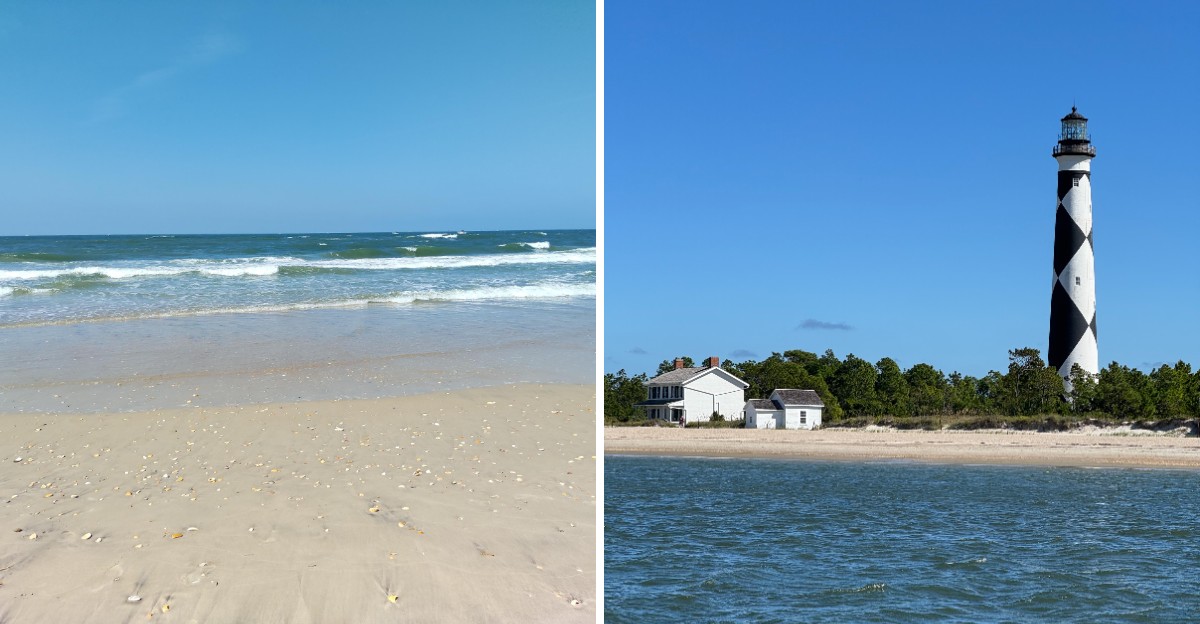
Some beaches make you stop the second your feet hit the sand. This North Carolina stretch does exactly that, with pale sand, clear water, and a peaceful setting that feels surprisingly removed from the usual coastal crowds.
Getting here takes a little more intention, which is part of the appeal. You will not find the same busy boardwalk atmosphere or rows of packed attractions nearby.
Instead, the shoreline feels open, quiet, and almost untouched in places. That makes it easy to settle in, walk along the water, and forget how popular the coast can get during warmer months.
For travelers who think they have already seen North Carolina’s prettiest beaches, this one may come as a surprise. The state still has a few coastal spots that feel wonderfully different, and this white sand escape is a strong reminder that the most memorable beach days do not always happen where everyone else is going.
A Barrier Island That Plays Hard To Get
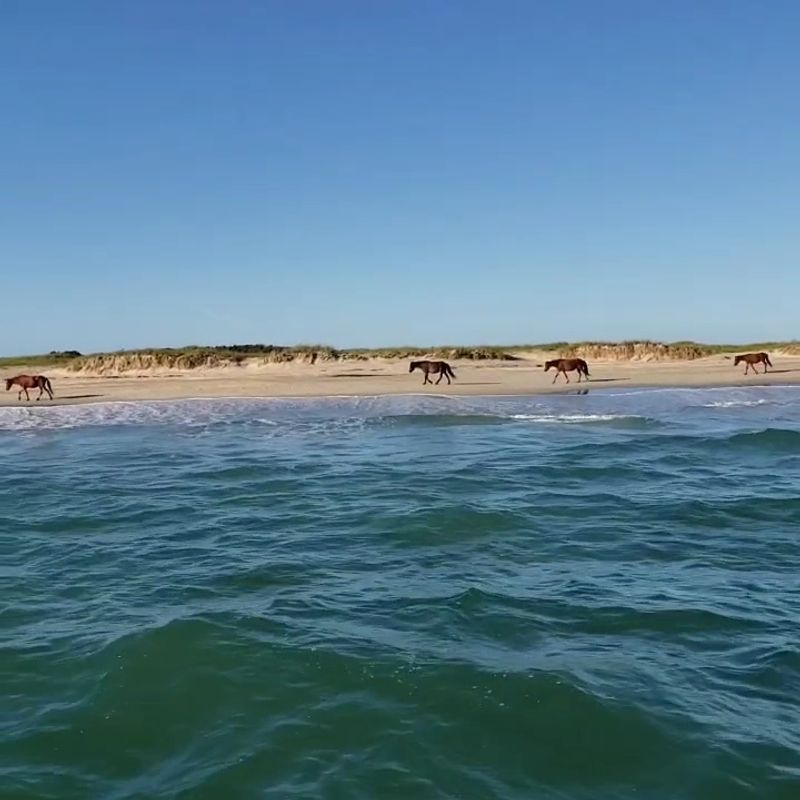
Some beaches wave you down from the highway, but this one waits across the water. Shackleford Banks has no bridge, no road, and no parking lot, which is exactly the point.
The island stretches about nine miles long and roughly a mile wide. It sits at the southern end of Cape Lookout National Seashore, near Beaufort in Carteret County, North Carolina.
Getting there takes a little planning, and that planning pays off. Fewer people make the trip, so the sand often feels roomy and calm.
Don’t expect boardwalks, snack stands, or beach chairs for rent. The island stays wild on purpose, with dunes, marsh, and sea oats doing the decorating.
The National Park Service manages the land to keep it natural. So no buildings pop up and no neon signs spoil the view.
History runs deeper than it looks at first glance. Fishing and whaling families once lived here, including a village called Diamond City.
Strong hurricanes in the late 1890s pushed those families to the mainland. Many moved their homes by boat to nearby Harkers Island and Morehead City.
Today the island belongs to the horses, the birds, and anyone willing to ride a ferry. That trade sounds fair.
Wild Horses With A Mysterious Past
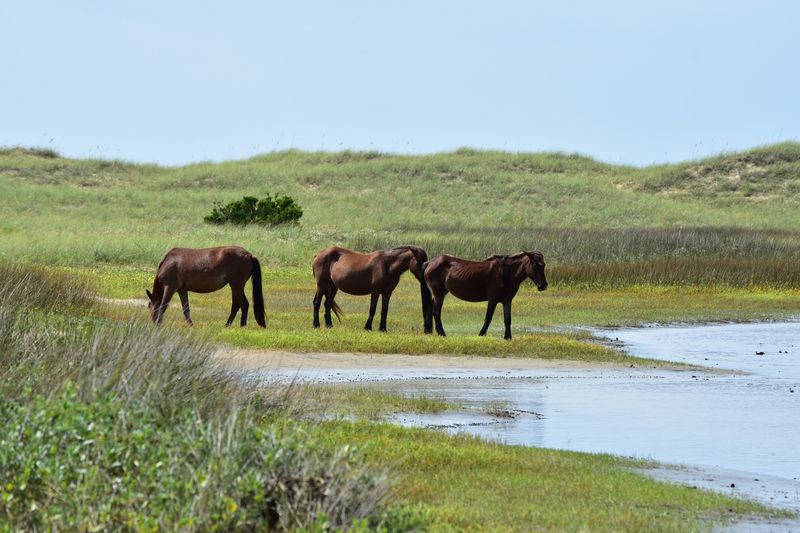
Picture a herd of horses grazing on sea oats with the ocean as their backyard. That scene plays out every day on Shackleford Banks.
A federal law passed in 1998 protects these animals. It aims to keep the herd at roughly 110 to 130 horses.
Where did they come from? Many experts believe their ancestors arrived with Spanish explorers or shipwrecks in the 1500s.
DNA studies support a Spanish link, which makes the herd a living piece of colonial history. The Colonial Spanish Mustang even became the state horse in 2010.
The National Park Service and the Foundation for Shackleford Horses share the job of watching over them. They track births, health, and herd size with careful records.
Here is the rule that matters most: stay at least 50 feet away. That distance keeps you safe and lets the horses act naturally.
Never feed or pet them, even if one looks curious. Human food can make them sick, and a startled stallion can kick hard.
Binoculars or a zoom lens bring the action close without breaking the rules. You get the photo, and the horses keep their peace.
Ferry Rides From Beaufort And Harkers Island
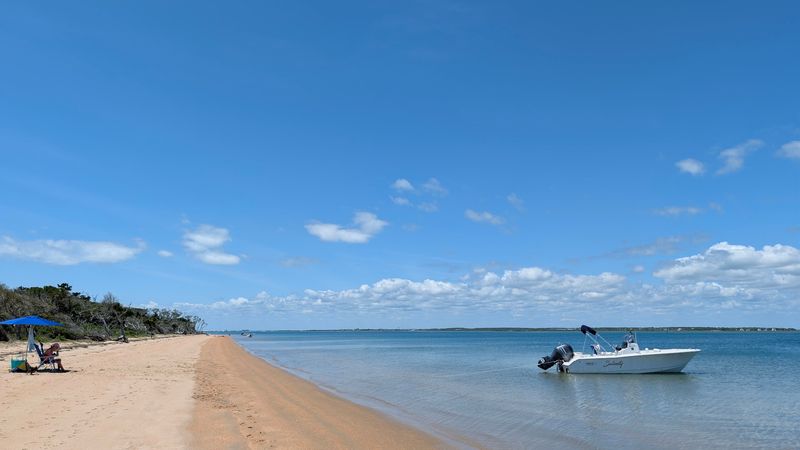
Half the fun starts before your toes touch sand. Several ferry companies run passengers across from Beaufort and Harkers Island.
Boats from Beaufort often pass the historic waterfront and Carrot Island on the way. Rides from Harkers Island cross the calm waters of Back Sound.
Most drop-offs happen at the eastern end of the island. That spot sits closest to Cape Lookout and has calm water nearby.
Ticket prices vary by company and season. Check current rates and schedules before you book.
Return boats usually come back on a regular loop during busy months. Ask the crew about the last pickup time, then set a phone alarm.
Missing that final boat turns a beach day into an unplanned sleepover. Nobody wants to explain that to the boss on Monday.
Spring and fall schedules may run less often than summer ones. Some routes pause in winter, so plan ahead during cooler months.
Private boaters can also pull up on the sound side and anchor. Just watch the tides, because shallow flats can surprise even skilled captains.
Ferry decks offer a front-row seat to the whole coastline. Keep your camera ready, since the island starts showing off early.
Shells Worth Waking Up Early For
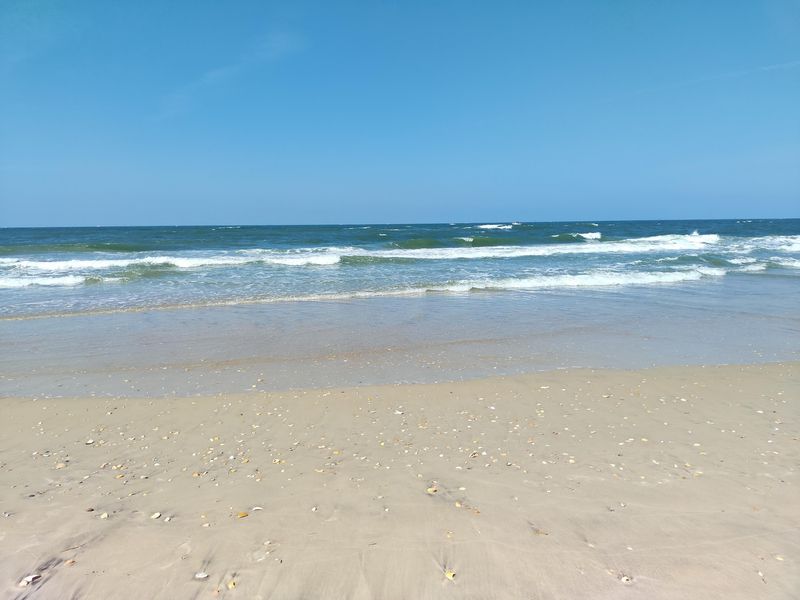
Beachcombers, meet your happy place. Shackleford Banks is famous for shelling, and the reason is simple: fewer people pick it over.
On busy mainland beaches, the best shells vanish by breakfast. Here, whelks, moon snails, scallops, and olive shells often sit waiting in plain sight.
Lucky hunters sometimes spot a Scotch bonnet, the official state shell. Its creamy surface is dotted with neat rows of brown squares.
Timing matters more than luck on this island. Low tide exposes fresh finds, especially after a storm stirs up the ocean floor.
Arrive on an early ferry if shells are your main goal. The morning crowd is small, and the tide line has not been searched yet.
The eastern tip and the ocean-side beach tend to reward patient walkers. Sand dollars and bits of sea glass turn up now and then too.
Always check that a shell is empty before dropping it in your bag. Live creatures belong in the water, not on your windowsill.
A mesh bag works better than plastic, since sand drains right out. A small cup also helps protect tiny, fragile spirals.
Two Shores, Two Moods
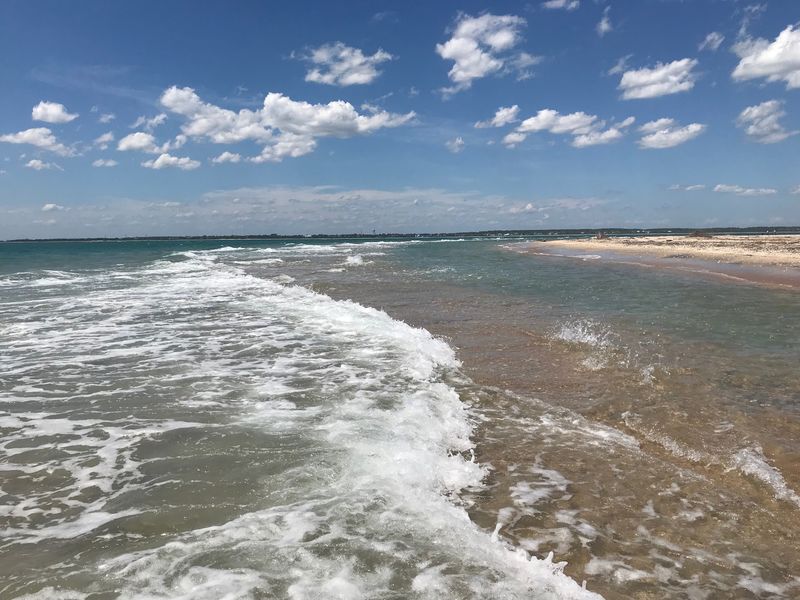
Think of the island as a beach with two personalities. One side whispers, and the other side roars.
The sound side faces the mainland and stays sheltered from ocean swells. Its water is usually calm, clear, and shallow for a long way out.
Families with small kids often set up camp here. You can wade far from shore and still stand only knee-deep in many spots.
The ocean side faces the open Atlantic. Waves roll in bigger, and a steady breeze helps keep bugs and heat in check.
Bodyboarders and wave watchers tend to prefer this stretch. It also feels emptier, since many people stay close to the ferry landing.
Walking between the two takes a bit of effort through soft sand. Around the eastern tip, the change happens fast and feels dramatic.
Keep swim safety top of mind on both shores. No lifeguards work on the island, and currents near inlets can be strong.
Pick a spot based on your mood. Calm floating means the sound, while wind and waves mean the ocean.
Some groups split the day between both. Morning on the quiet side, afternoon on the breezy side, and nobody leaves grumpy.
Lighthouse Views Across Barden Inlet
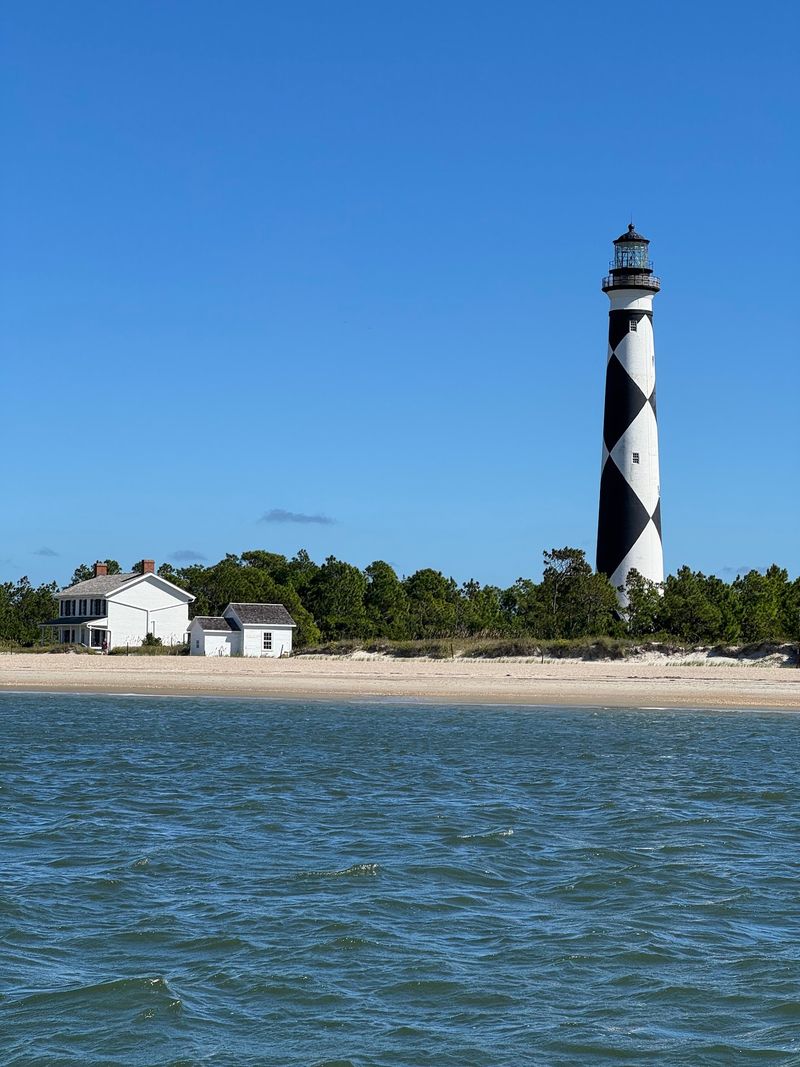
Few beach views come with a landmark this striking. Across Barden Inlet stands the Cape Lookout Lighthouse, painted in its famous black-and-white diamond pattern.
The tower rises about 163 feet above the sand. It was first lit in 1859 and still helps guide boats along the coast.
Those checkered diamonds are more than decoration. They help sailors recognize this tower in daylight, far from any other light.
Legend says the black diamonds point north and south. The white diamonds, the story goes, point east and west.
From the eastern tip of Shackleford Banks, the lighthouse sits just across the water. Golden-hour light makes the tower glow, so photographers love late afternoon.
Want a closer look? Some ferry companies also run trips to the lighthouse on South Core Banks.
Climbing season usually runs from spring into early fall. Check with the park for current hours before planning a climb.
Even without climbing, the view from the sand is plenty rewarding. A wild horse grazing in front of the lighthouse makes a photo worth framing.
Keep your lens clean, since salt spray builds up fast. A quick wipe with a soft cloth keeps every shot sharp.
Dolphins, Birds, And Other Island Neighbors
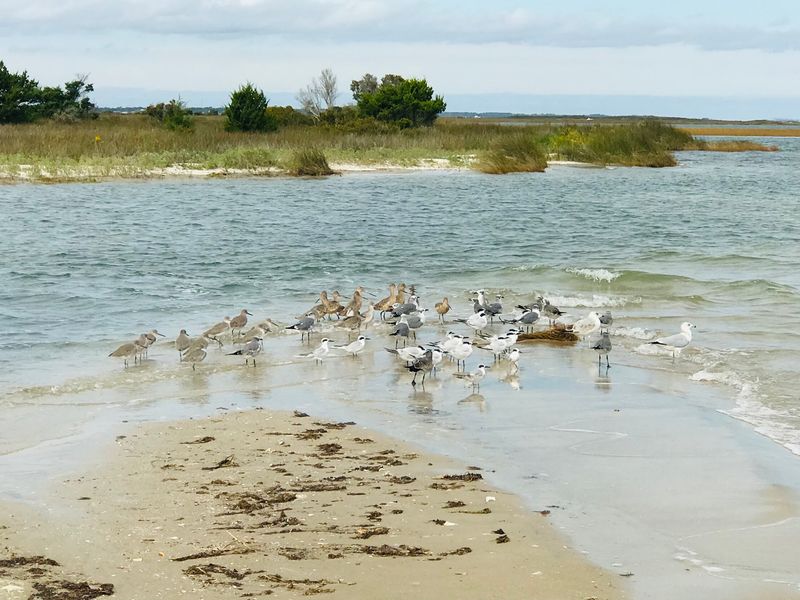
Horses may get top billing, but the supporting cast deserves applause too. Bottlenose dolphins often cruise the nearby waters, sometimes close to ferries.
Keep an eye on the channels during the boat ride. A flash of a gray fin can turn a quiet crossing into a cheering one.
Birdwatchers can fill a whole notebook on this island. Pelicans skim the waves, while terns, oystercatchers, and herons work the shallows for lunch.
Some shorebirds nest right on the open sand in spring and summer. Posted signs mark these areas, so give them plenty of room.
Look down in the clear sound water too, because the show continues below. Small fish, crabs, and the occasional ray glide past your ankles.
Ghost crabs pop out of burrows near the dunes, especially near dusk. They scurry sideways so fast they look like tiny sand-colored rockets.
Loggerhead sea turtles also nest along parts of the Cape Lookout shoreline. If you spot tracks or a marked nest, admire it from a distance.
A small pair of binoculars earns its space in your bag. They help you enjoy wildlife without chasing it or stressing it out.
Pack Like The Island Sells Nothing
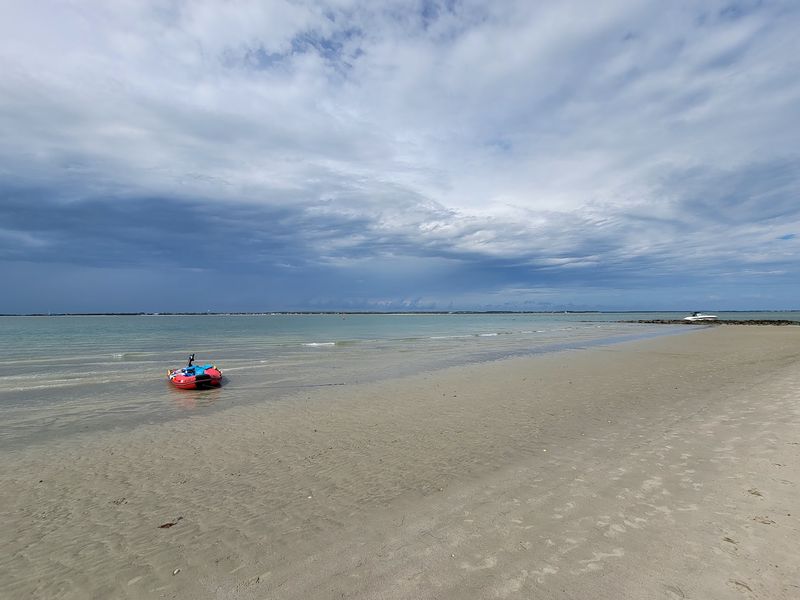
Here is a tip that saves many beach days: the island sells absolutely nothing. No snack bar, no water fountain, and no little shop for forgotten sunscreen.
Water tops the list, and more is always better than less. Plan on at least a gallon per person for a full summer day.
Shade is scarce, since the beach has almost no trees near the landing. A sturdy umbrella or pop-up tent makes a huge difference by noon.
Sunscreen, hats, and sunglasses belong in every bag. Reflected light off bright white sand can burn you faster than you think.
Bug spray is another must, especially near the marsh and grassy areas. Mosquitoes and biting flies love warm, still afternoons.
Pack easy snacks, a simple lunch, and a small first-aid kit. Tweezers come in handy for scrapes and prickly surprises.
Restrooms are limited to basic toilets near the eastern end. Plan accordingly, and don’t count on finding them elsewhere on the island.
Carry out every scrap of trash you bring in. Leaving the island spotless keeps it beautiful for the horses and the next beachgoer.
Footwear, Cactus, And Trail Smarts
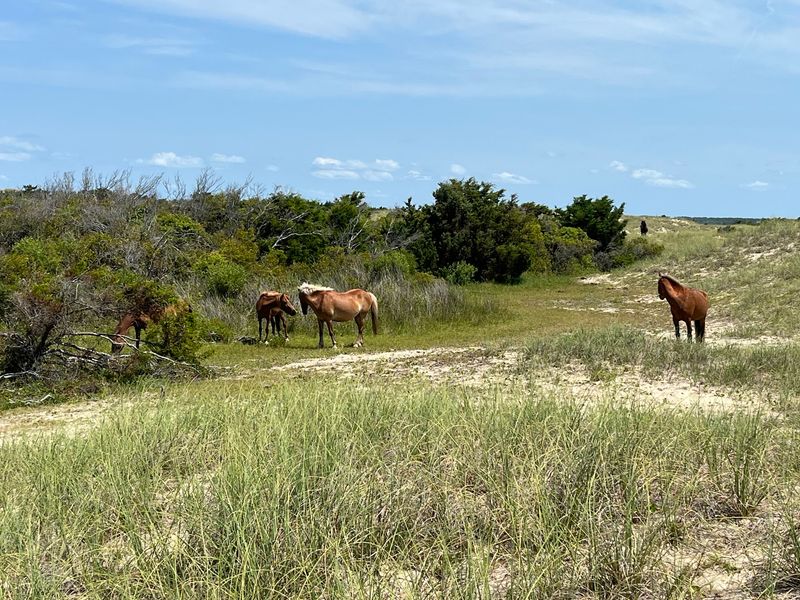
Flip-flops seem like a smart beach choice until the first cactus says hello. Prickly pear grows low across the dunes and hides easily in the sand.
Closed-toe water shoes or sturdy sneakers are the safer bet. Their soles block spines, shells, and hot sand at the same time.
Inland paths wind through rolling dunes, grasses, and shrubby thickets. They are not marked like park trails, so it’s easy to lose your bearings.
Stick near the shoreline if you’re unsure of the route. The ocean on one side and the sound on the other make a handy compass.
Marsh mud near the sound side can be deep and sticky. One wrong step can swallow a shoe whole, so test soft ground first.
Long pants or tall socks help a lot when walking through tall grass. They also shield your legs from scratches and ticks.
Horse droppings dot the inland areas, which is natural for a wild herd. Wear shoes you don’t mind rinsing off later.
Soft sand makes every mile feel like two. Set a realistic turnaround point, and save plenty of energy for the walk back to the ferry.
Camping And Seasons Worth Planning Around
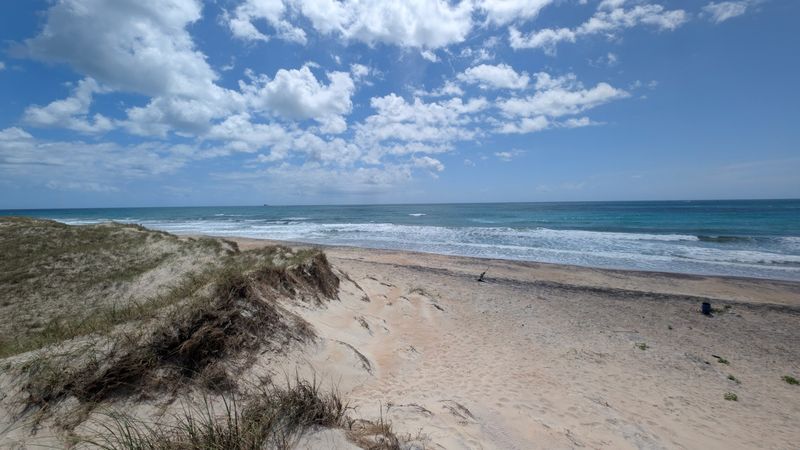
When the last ferry pulls away, the island reveals a quieter side. Primitive camping is allowed on Shackleford Banks for those who want more than a day trip.
There are no campsites, hookups, or showers, so self-reliance is key. Bring a tent with sturdy stakes, since coastal winds can pick up fast.
Park rules ask campers to pack out everything, including waste. Check current guidelines with the park service before loading the boat.
Night skies here can be remarkably dark with few lights nearby. On clear evenings, the Milky Way can stretch across the sky like spilled sugar.
The lighthouse beam sweeps the darkness at regular intervals. Waves and wind supply the only other soundtrack.
Season choice shapes the whole experience. Spring and fall bring milder heat, fewer bugs, and smaller crowds.
Summer offers warm water and the busiest ferry schedules. Winter can be chilly and windy, but the beaches feel wonderfully empty.
Whatever the season, keep food sealed and stored away from horses. A curious nose can raid a cooler faster than you’d expect.
Wake early for sunrise over the Atlantic. Watching the herd stir in pink morning light makes the sandy trek feel like a bargain.