
One Of North Carolina’s Biggest Antique Stores Takes Nearly All Day To Explore
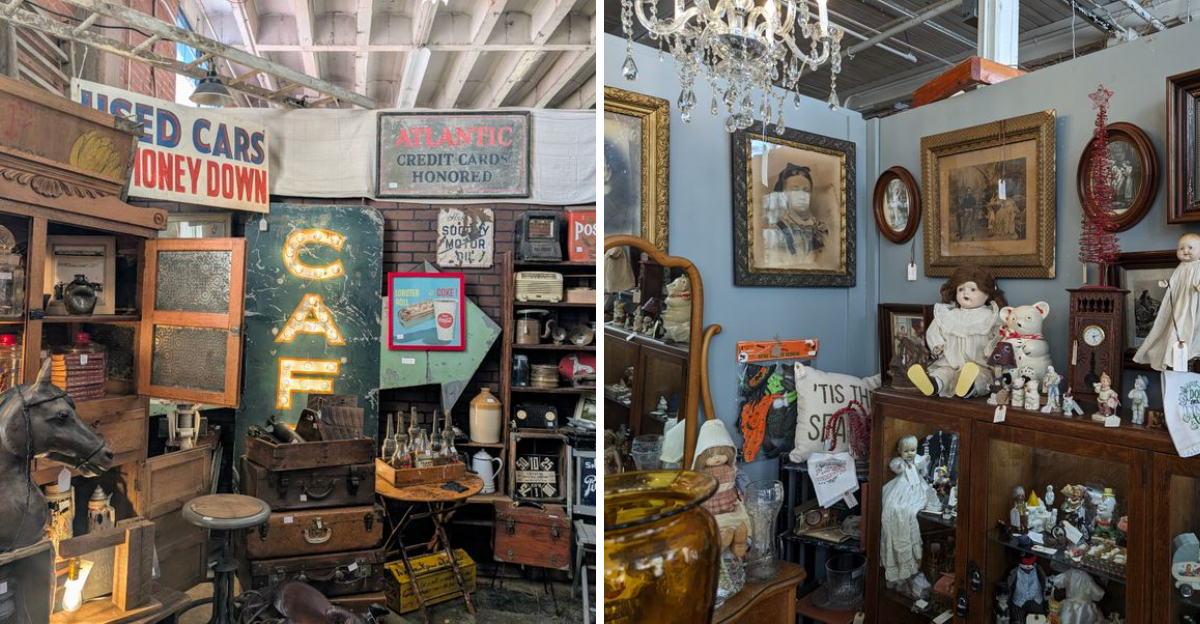
Tucked away at 325 McGill Ave NW in Concord, The Depot at Gibson Mill sprawls across a repurposed textile factory, offering rows upon rows of vintage curiosities and antique furniture that could occupy an entire Saturday. With hundreds of vendor booths and enough merchandise to fill several city blocks, this destination has earned its reputation as one of the largest antique markets in North Carolina.
Whether you’re hunting for a specific piece of Depression glass or simply wandering through decades of accumulated history, the sheer scale of this operation guarantees that casual browsing will stretch well into the afternoon.
One Of North Carolina’s Largest Antique Stores
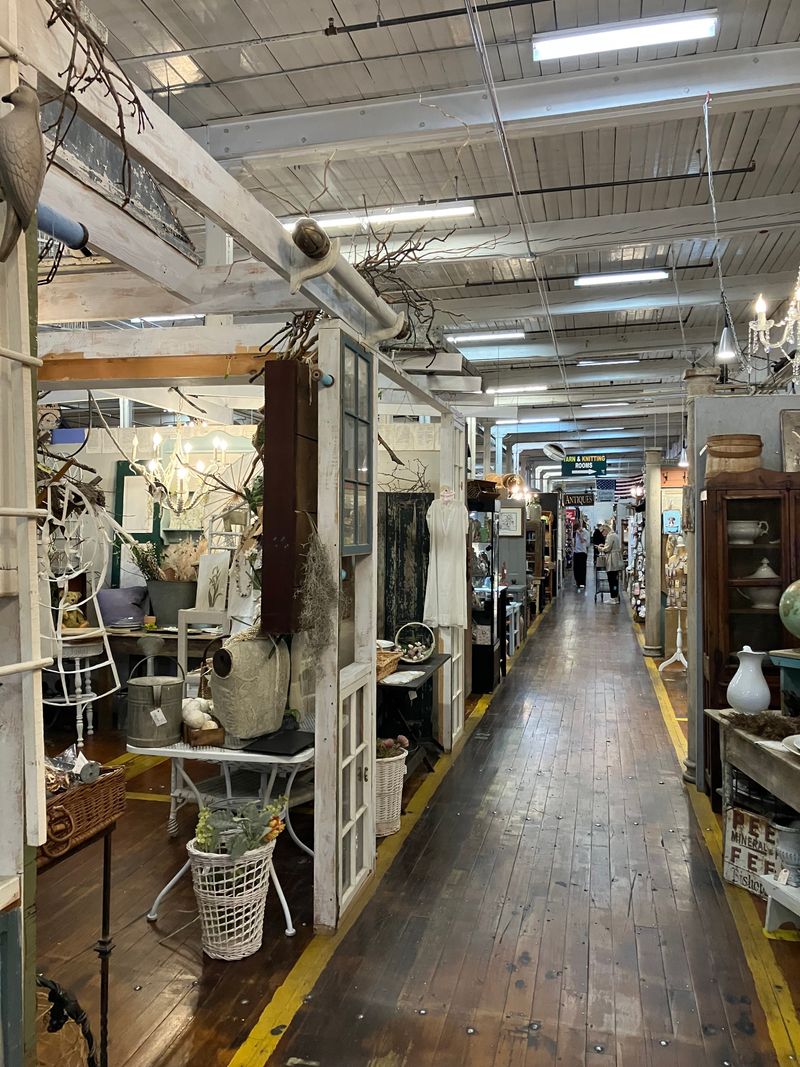
Gibson Mill commands attention not through gimmicks but through pure square footage and inventory volume. Walking through the front entrance reveals only a fraction of what lies beyond—corridor after corridor of carefully arranged booths, each stocked with items ranging from farmhouse primitives to mid-century modern accent pieces.
The building itself stretches far enough that first-time visitors often double back, convinced they’ve missed entire wings.
Staff members confirm that shoppers routinely underestimate how long a thorough visit requires. What begins as a quick stop for one item transforms into an afternoon expedition as new discoveries appear around every corner.
The scale becomes apparent when you notice other shoppers disappearing into distant aisles, their voices fading into the hum of overhead fans. This isn’t a boutique experience with curated vignettes; it’s an expansive marketplace where persistence and comfortable footwear prove essential.
Regulars advise blocking out at least three hours, though dedicated antiquers have been known to spend twice that without covering every booth.
Hundreds Of Booths Full Of Vintage Treasures
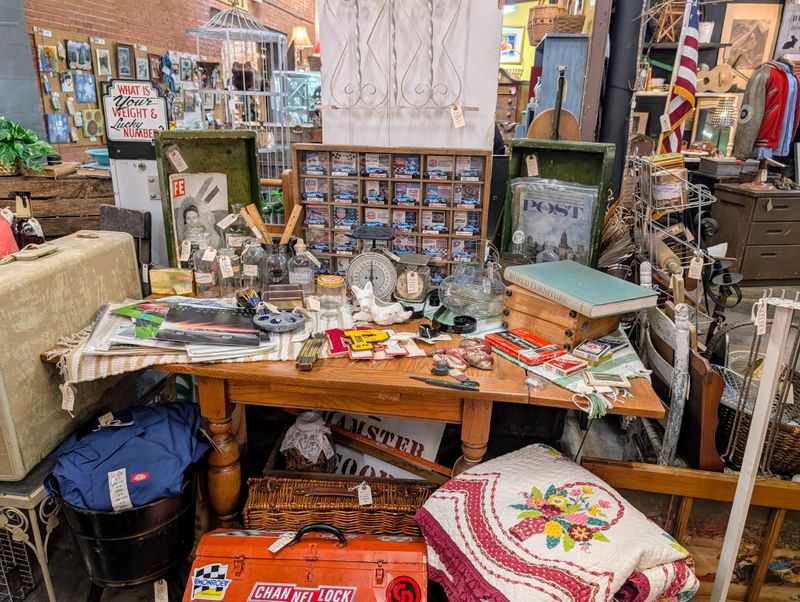
Individual vendors operate their own sections within the mill, each booth reflecting distinct tastes and specialties. One might focus exclusively on glassware and china, while the neighboring space overflows with rustic farm implements and weathered signage.
This decentralized approach creates a treasure-hunting atmosphere where patience gets rewarded with unexpected finds tucked behind more obvious displays.
Collectors appreciate the variety this system generates. Rather than encountering repetitive inventory, shoppers move between radically different aesthetics every few steps—Art Deco lamps giving way to Victorian linens, then transitioning into a booth devoted entirely to vintage tools.
The sheer number of participating vendors means pricing and quality fluctuate considerably. Savvy shoppers learn to scan quickly, identifying which booths align with their interests and budget.
Some vendors price aggressively for rare items, while others focus on volume sales with modest markups. Walking every aisle becomes necessary because the booth you almost skipped might house exactly the chandelier or Depression-era pitcher you’ve been seeking for months.
Housed In A Historic Textile Mill

The building’s previous life as a working textile factory adds character that modern retail spaces cannot replicate. Original architectural elements—exposed brick, weathered wooden beams, and industrial windows—frame the antique displays, creating a fitting backdrop for merchandise that spans multiple generations.
The high ceilings and open floor plan, once designed to accommodate looms and machinery, now provide ample room for oversized furniture and sprawling booth arrangements.
This adaptive reuse preserves local history while serving a practical function. The thick walls maintain comfortable temperatures even during Carolina summers, and the solid construction dampens sound, preventing the echo that plagues many large indoor markets.
Visitors interested in architecture find the setting as compelling as the merchandise. The mill’s bones remain visible throughout, reminding shoppers of the laborers who once filled these spaces with textile production.
Repurposing industrial buildings for retail has become common, but Gibson Mill executes the concept with particular success, allowing the structure’s heritage to enhance rather than compete with its current purpose.
Furniture, Collectibles, And Home Décor Everywhere
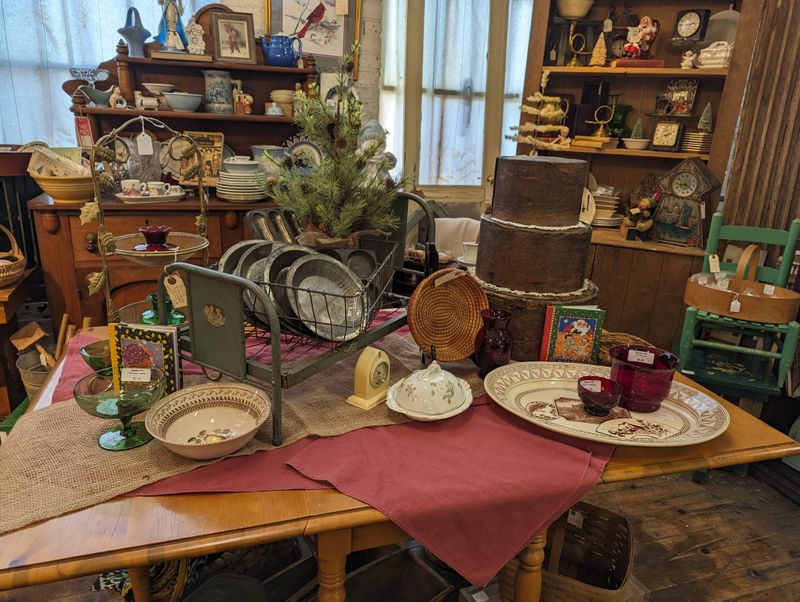
Merchandise categories span the full spectrum of household goods and decorative arts. Dining tables sit alongside display cases filled with costume jewelry, while shelves of vintage kitchenware compete for attention with racks of antique quilts.
The inventory turnover ensures that repeat visitors encounter different items each trip, as vendors constantly refresh their booths with new acquisitions.
Furniture shoppers find both refinished showpieces and project pieces requiring restoration. Oak dressers, walnut side tables, and upholstered chairs from various decades fill corners and central displays, many tagged with provenance details when available.
Smaller collectibles attract focused enthusiasts hunting specific patterns of china, particular toy lines, or regional pottery. Hot Wheels cars, Barbie dolls, oil lamps, and Depression glass all maintain dedicated followings, and the booth diversity increases the odds of locating elusive items.
Home décor ranges from salvaged architectural elements like corbels and mantels to gentler touches such as embroidered linens and ceramic planters. The variety guarantees that even shoppers without a specific goal will spot something worth considering.
Spend A Whole Day Browsing Here
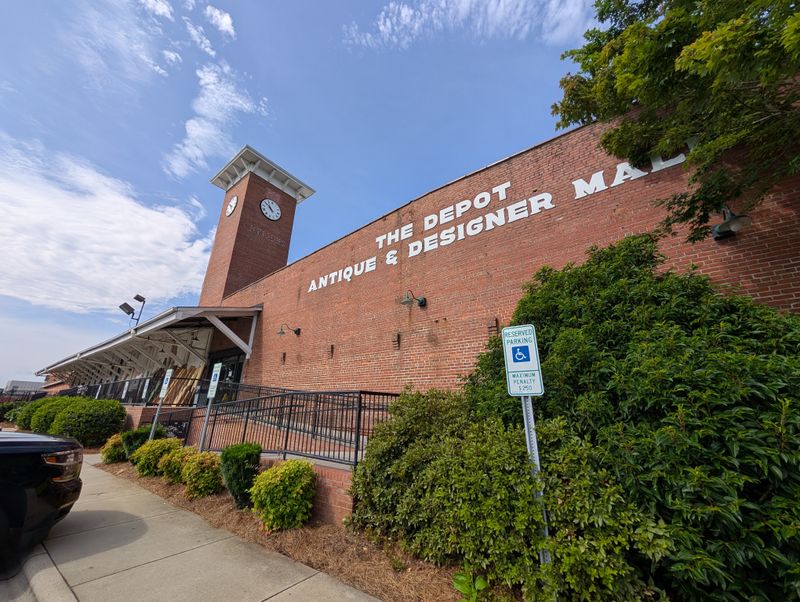
Time evaporates quickly once you commit to exploring every section. What appears manageable from the entrance reveals itself as a labyrinth of interconnected rooms and hallways, each packed with merchandise requiring close inspection.
Shoppers who allocate an hour discover themselves still wandering three hours later, having barely scratched the available inventory.
The Depot Deli provides a practical solution for extended visits. Located within the building, this small eatery serves sandwiches, salads, and beverages that allow shoppers to refuel without surrendering their parking spot or losing momentum.
Multiple reviewers emphasize the need for comfortable footwear and realistic time expectations. Attempting to rush through diminishes the experience and guarantees you’ll miss entire sections.
The mill’s layout, with its various wings and levels, can disorient newcomers, leading to accidental backtracking or overlooked areas. Embracing the meandering pace and accepting that one visit won’t cover everything transforms potential frustration into enjoyable exploration.
Serious collectors often plan multiple trips, targeting different sections each time to maintain focus and energy.
Family-Owned And Beloved By Shoppers
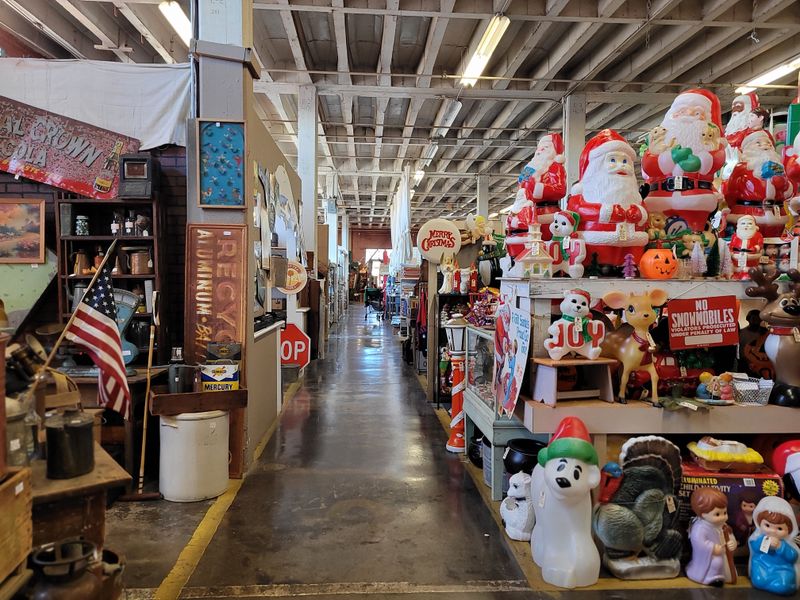
The operation maintains a personal touch despite its commercial scale. Staff members demonstrate familiarity with the layout and vendor locations, offering assistance that feels genuine rather than scripted.
Checkout personnel engage in conversation beyond transactional necessities, contributing to the welcoming atmosphere that keeps customers returning.
Regular patrons develop relationships with specific vendors, learning when new inventory arrives and receiving advance notice of items matching their collecting interests. This community aspect distinguishes The Depot from impersonal big-box retailers.
Customer reviews consistently praise the friendly professionalism encountered throughout the building. Even during peak traffic periods like Black Friday, when checkout lines stretch twenty feet, staff members maintain composure and courtesy.
The family ownership model appears to foster accountability and attention to customer experience that corporate chains struggle to replicate. Shoppers notice and appreciate these differences, frequently mentioning staff helpfulness and the pleasant overall atmosphere in their assessments.
The combination of vast inventory and approachable service creates an environment where both serious collectors and casual browsers feel comfortable spending extended time.
Seasonal Events And Special Sales
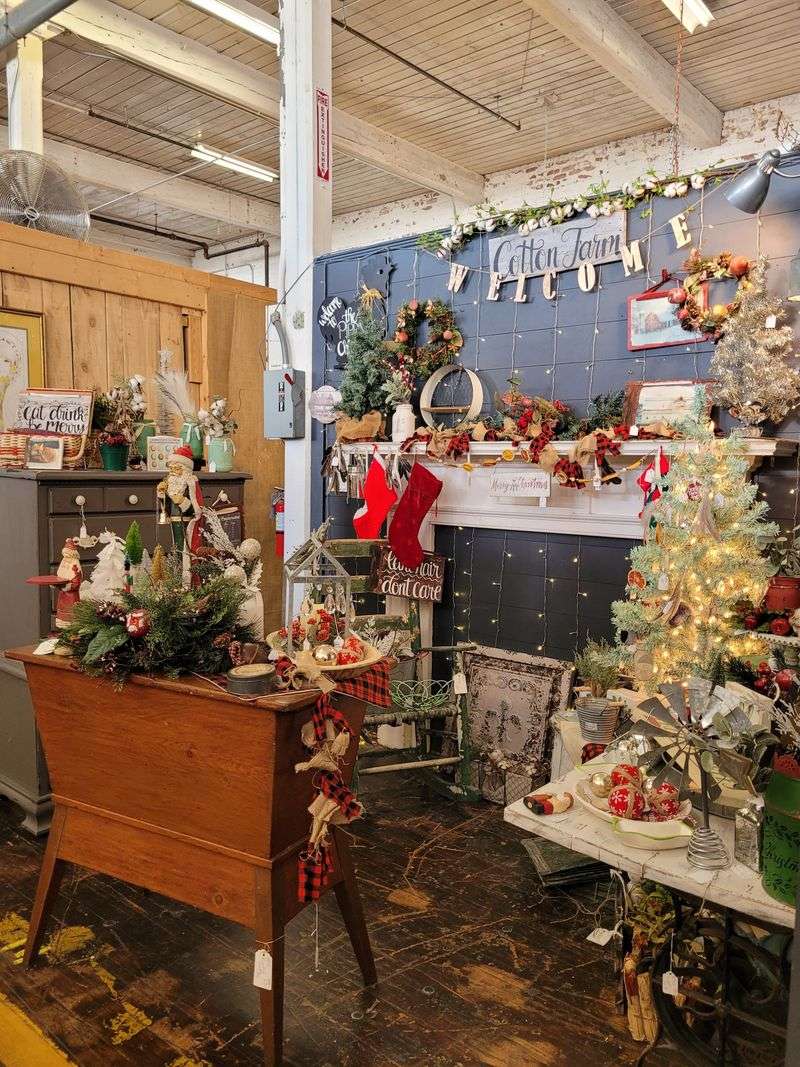
The calendar brings periodic promotions that draw crowds beyond the regular customer base. Holiday seasons transform sections of the mill with themed decorations and seasonal merchandise, as vendors stock items appropriate for upcoming celebrations.
Christmas ornaments, Halloween décor, and patriotic Americana rotate through booths according to the calendar.
Special sale events offer opportunities for bargain hunters willing to navigate increased foot traffic. Black Friday attracts particularly dense crowds, with checkout lines requiring patience and strategic timing.
Vendors participate in coordinated promotions, marking down select inventory to move older stock and make room for fresh acquisitions. These sales benefit shoppers seeking common items at reduced prices, though serious collectors hunting rare pieces find better luck during quieter periods when they can examine merchandise carefully.
The seasonal approach keeps the shopping experience dynamic, giving repeat visitors reasons to return beyond simple inventory turnover. Event announcements appear on the store’s website and social media channels, allowing interested shoppers to plan visits around specific promotions or simply avoid the busiest days if they prefer a calmer browsing environment.
Perfect For Collectors And Casual Visitors
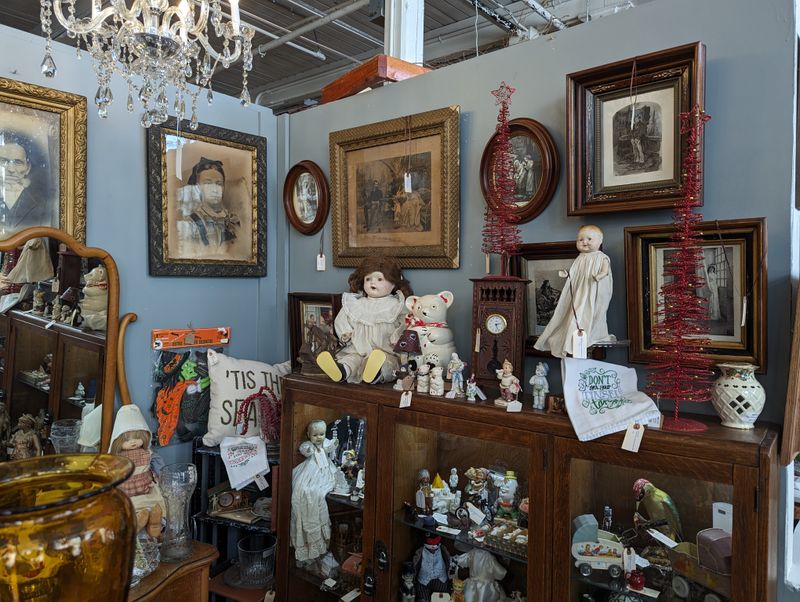
The Depot accommodates both focused collectors pursuing specific categories and casual shoppers enjoying the browsing experience without particular goals. Serious antiquers appreciate the depth of inventory in specialized areas—enough glassware to compare patterns and makers, sufficient furniture to evaluate period styles, and adequate smalls to uncover overlooked gems.
Meanwhile, visitors simply seeking an interesting afternoon find plenty to hold their attention. The visual variety and nostalgic appeal of vintage items create entertainment value independent of purchasing intent.
Families with older children discover that the scale and diversity maintain interest across age groups. A small arcade area with classic games like Ms. Pac-Man provides a brief diversion for younger visitors.
The pet-friendly policy allows dog owners to bring well-behaved companions, adding to the relaxed atmosphere. Collectors hunting specific Depression glass patterns or particular furniture makers can spend hours examining booths, while their companions wander freely, reconvening periodically to share discoveries.
This flexibility makes The Depot suitable for mixed groups with varying levels of antique enthusiasm and different shopping objectives.
Unique Gems You Won’t Find Elsewhere
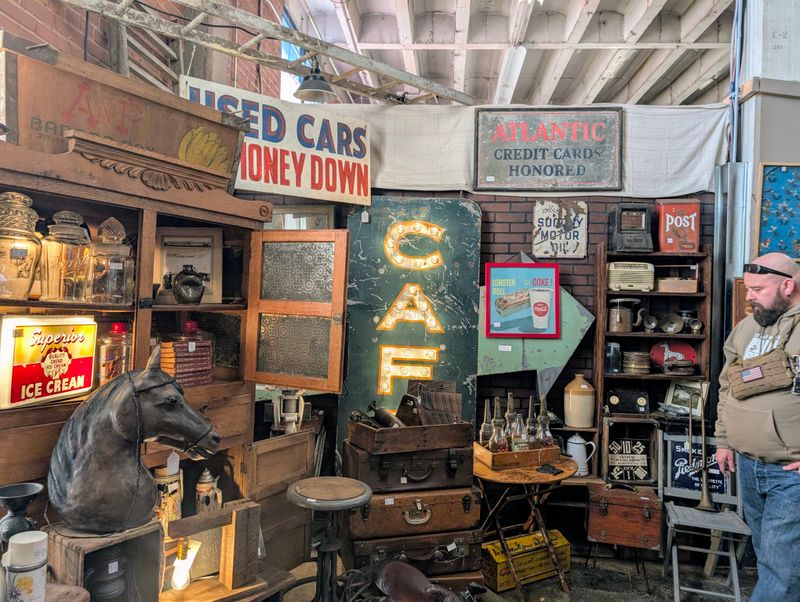
Mass-produced reproductions and modern imports occupy minimal space here. The emphasis remains on genuine vintage and antique items, many carrying the patina and minor imperfections that authenticate age.
Shoppers tired of encountering identical merchandise across multiple stores appreciate the one-of-a-kind nature of most inventory.
Vendor diversity contributes to this uniqueness. Each dealer sources from different estates, auctions, and private collections, resulting in merchandise variety that larger chain operations cannot match.
Unusual finds surface regularly—antique pulley systems, vintage fabric by the yard, regional pottery, and obscure collectibles that appeal to niche interests. One visitor’s review mentioned discovering a chandelier that subsequent research revealed to be a historically significant piece, purchased for a fraction of its actual value.
These stories fuel the treasure-hunting mentality that keeps dedicated shoppers returning. The rotating inventory means that hesitation often results in losing an item to another buyer, while patience sometimes gets rewarded when a vendor introduces exactly the piece you’ve been seeking.
This unpredictability forms part of the appeal for shoppers who value discovery over convenience.
A Visual Feast For Retro And Vintage Lovers
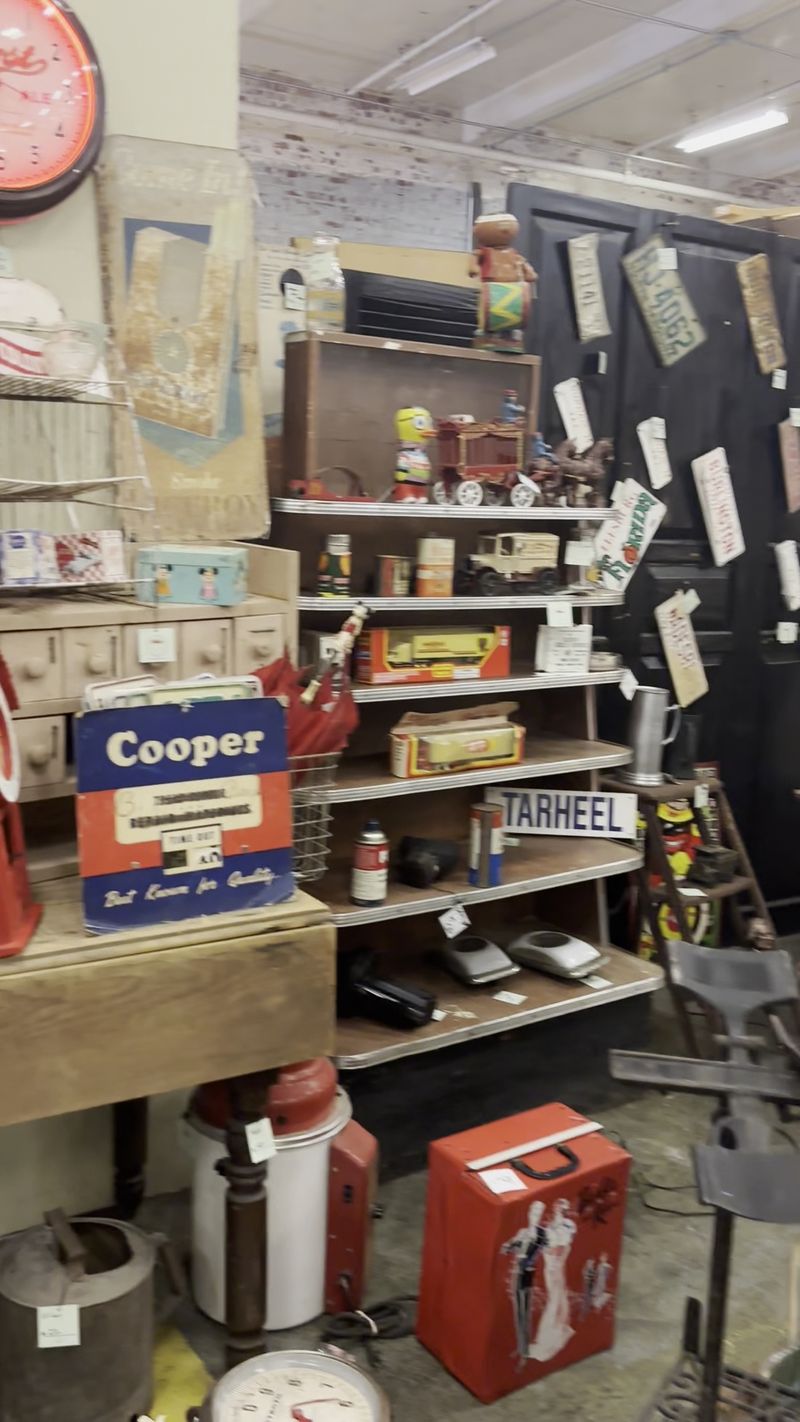
Aesthetics matter here as much as acquisition. The accumulated visual impact of hundreds of vintage items arranged in close proximity creates an atmosphere that appeals to anyone appreciating mid-century design, rustic Americana, or Victorian elegance.
Even without purchasing, walking through constitutes a form of entertainment for those drawn to nostalgic imagery and period styling.
Photographers and design enthusiasts find inspiration in the carefully arranged vignettes and accidental juxtapositions that occur when diverse items share space. Color palettes shift from earthy browns and creams to vibrant Depression glass hues as you move between booths.
The setting rewards careful observation. Details emerge upon second glances—intricate glass etching, hand-carved furniture embellishments, vintage advertising graphics, and textile patterns reflecting their eras.
This visual richness explains why visitors report spending far longer than intended simply looking, even when they’ve already found items to purchase. The mill functions as an informal museum of domestic material culture, displaying how previous generations furnished homes and expressed taste through possessions.
For design students, decorators, or simply those who appreciate vintage aesthetics, the environment offers continuous visual interest.
Tips For Visiting: Best Times And Must-See Sections
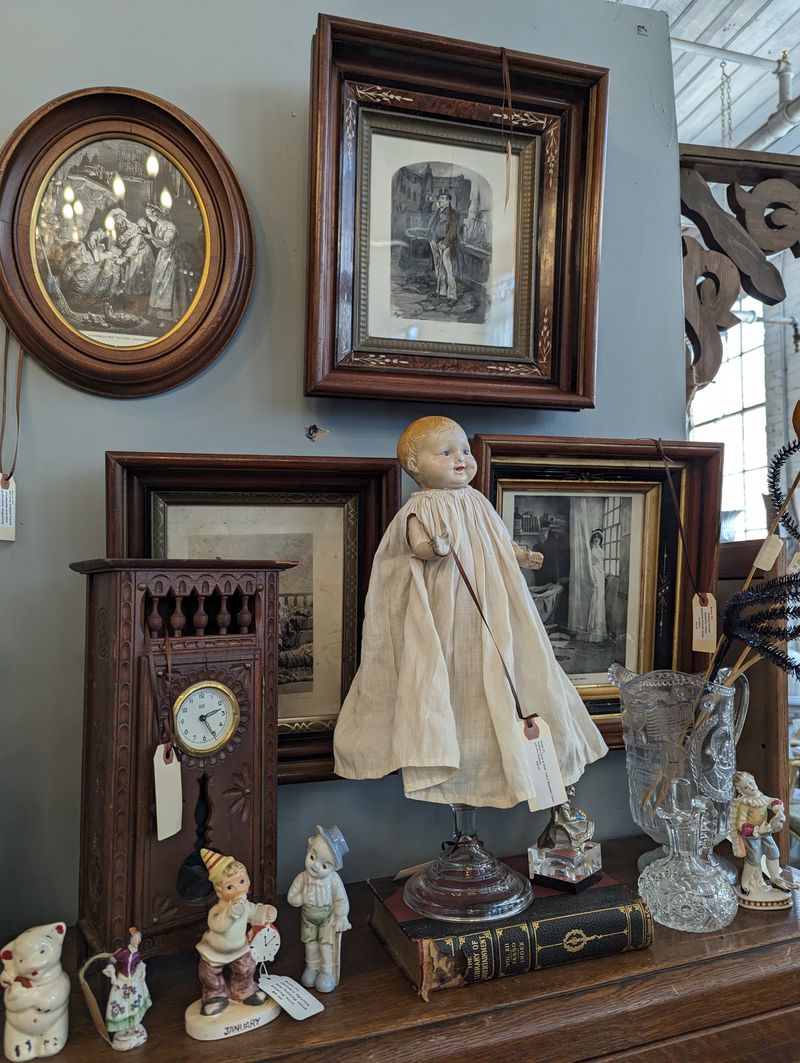
Strategic planning enhances the experience considerably. Weekday visits, particularly Tuesday through Thursday, encounter lighter crowds than weekends, allowing easier navigation and shorter checkout waits.
The store opens at 10 AM most days, with Sunday hours starting at 1 PM, giving early arrivals first access to newly stocked items.
Comfortable, supportive footwear ranks as the most frequently mentioned preparation tip in customer reviews. The concrete floors and extended walking distances punish inappropriate shoe choices, potentially cutting visits short due to foot fatigue.
Veterans suggest starting in the right-hand sections from the entrance, where the highest concentration of genuine antiques typically resides. The left sections contain more contemporary home furnishings mixed with vintage items.
Bringing reusable shopping bags or utilizing provided carts helps manage accumulated purchases. Before leaving, check the Auto Barn adjacent to the main building, which houses classic vehicles and automotive memorabilia.
Allow bathroom breaks to take longer during peak times, as facilities serve high visitor volumes. Most importantly, abandon any notion of seeing everything in one visit—embrace the reality that return trips will reveal previously missed treasures.
The Depot Deli And Food Court Experience
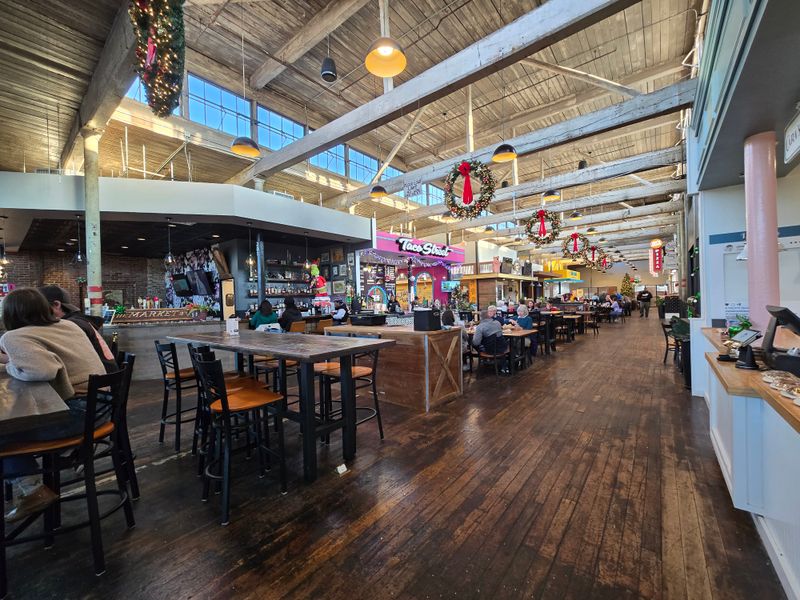
Sustenance becomes necessary during marathon browsing sessions, and the on-site dining options eliminate the need to leave and lose your parking spot. The Depot Deli anchors the food area, serving sandwiches that reviewers consistently describe as satisfying and fairly priced.
The tuna melt earns particular mentions for quality and portion size.
Beyond the deli, a small food court hosts additional vendors offering diverse cuisines. Thai food and barbecue both receive positive customer feedback, providing variety for groups with different preferences.
The dining area offers respite from the sensory intensity of continuous antique browsing. Taking a seated break allows feet to recover and energy to recharge before tackling remaining sections.
Staff at the food vendors demonstrate the same friendliness noted throughout the facility. The availability of Dr. Brown’s sodas and other beverage options appeals to shoppers seeking specific refreshments.
Location within the building means you can keep an eye on your cart if you’ve already accumulated purchases. The food court transforms what might become an exhausting endurance test into a manageable, even enjoyable, full-day outing by addressing practical needs without requiring visitors to interrupt their shopping expedition.