
One Of The Largest Outdoor Mural Collections In The US Is In New York, And It’s Absolutely Bucket-List Worthy
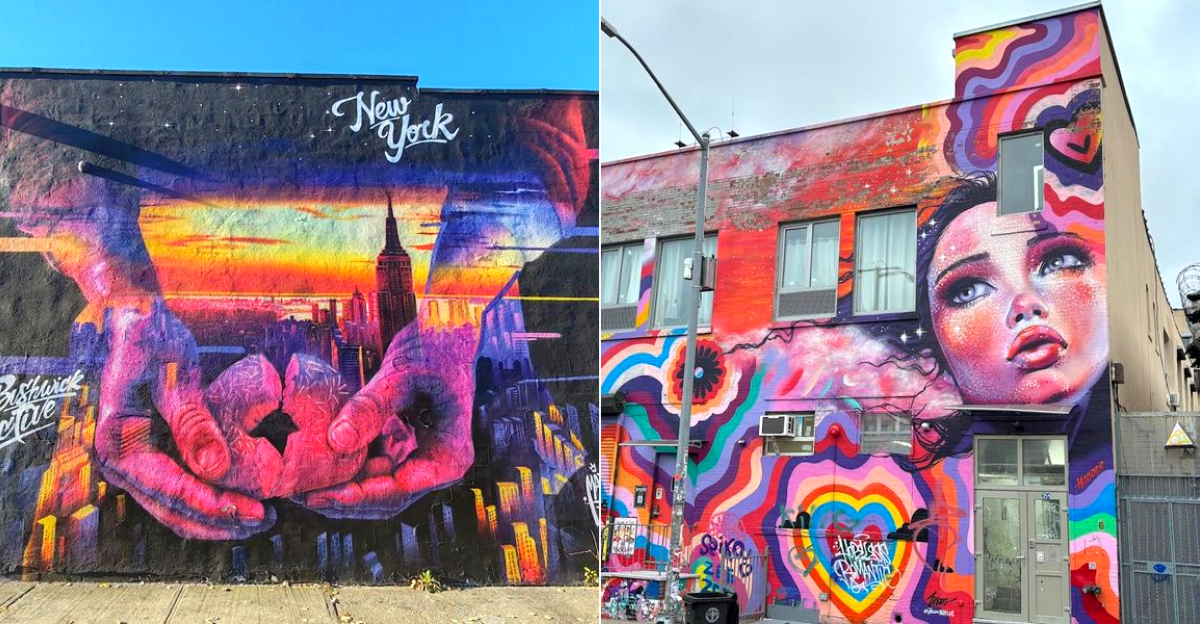
It starts with one mural, then another, and before you know it you’re walking blocks without even realising how far you’ve gone. Every wall feels like it has something to say, and somehow each piece pulls you in a little more than the last.
New York turns the streets into an open-air gallery, and it’s honestly hard to look away. The colours are bold, the styles shift from one corner to the next, and there’s always something unexpected waiting ahead.
It’s not quiet or subtle either, it’s full of energy, personality, and stories painted right onto the city. You don’t need a ticket or a plan, just a bit of time and curiosity.
What starts as a quick look easily turns into a full walk you didn’t see coming.
A Brooklyn Neighborhood That Turned Into An International Art Phenomenon
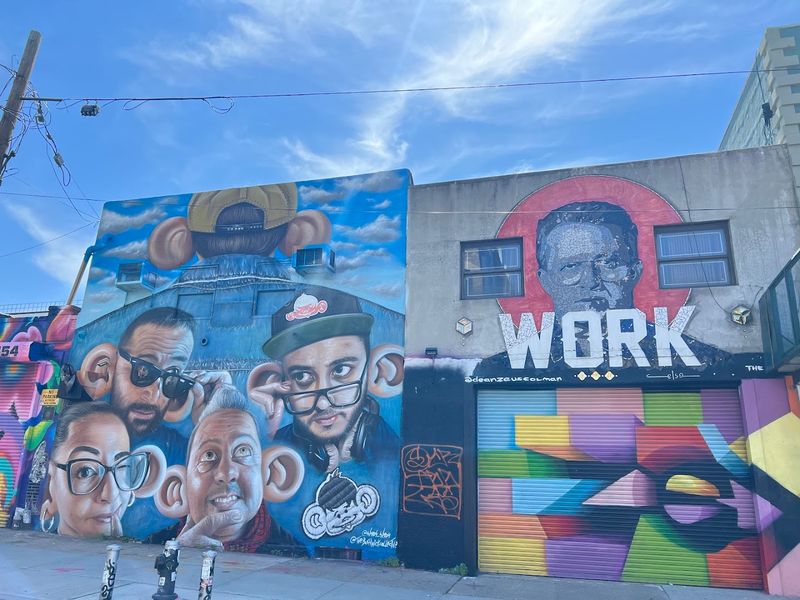
You know that friend who casually mentions they stumbled upon something incredible and you immediately regret not being there? That’s exactly how you’ll feel when someone tells you about their Bushwick adventure before you’ve experienced it yourself.
Picture walking down streets where every single building competes for your attention with colors so bright they practically vibrate in the sunlight.
The transformation happened gradually, beginning around 2012 when local resident Joe Ficalora decided to honor his father’s memory by inviting street artists to paint the neighborhood. What started as a small tribute mushroomed into an international sensation that now attracts artists from six continents.
Buildings that once blended into urban anonymity now showcase everything from photorealistic portraits to abstract explosions of geometric patterns.
The beauty lies in its constant evolution. Unlike traditional galleries where paintings hang unchanged for decades, these murals shift with the seasons as new artists arrive to leave their mark.
You might visit in spring and return in fall to discover an entirely different visual landscape, making repeat visits feel like exploring a brand new destination each time.
The Bushwick Collective: Where Spray Paint Meets High Art
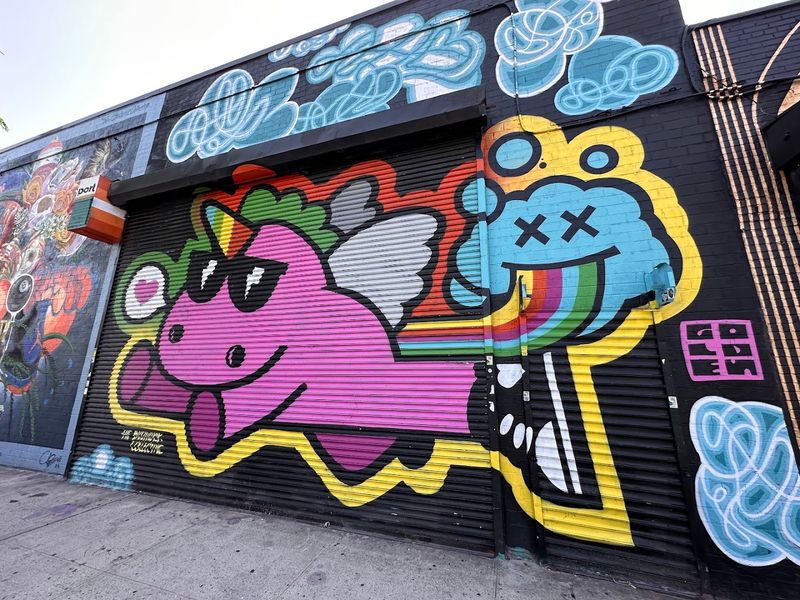
Located in Brooklyn’s Bushwick neighborhood, The Bushwick Collective has earned its reputation as one of America’s premier outdoor galleries. The collection sprawls across multiple blocks between Troutman Street and Starr Street, with the highest concentration of murals found along St. Nicholas Avenue and the surrounding industrial blocks.
Joe Ficalora’s vision created a space where established artists and emerging talents collaborate on the same walls.
The scale alone takes your breath away. Some murals stretch four stories high, requiring artists to work from cherry pickers and scaffolding for weeks at a time.
Others occupy narrow alleyways, transforming forgotten spaces into intimate artistic experiences that reward curious explorers willing to venture off the main thoroughfares.
Artists like Shepard Fairey, ROA, and Kobra have contributed works here, their styles ranging from political commentary to whimsical fantasies. The neighborhood welcomes photographers with open arms, understanding that sharing these images across social media helps spread appreciation for street art as a legitimate artistic movement rather than vandalism.
Monumental Scale Meets Intimate Detail
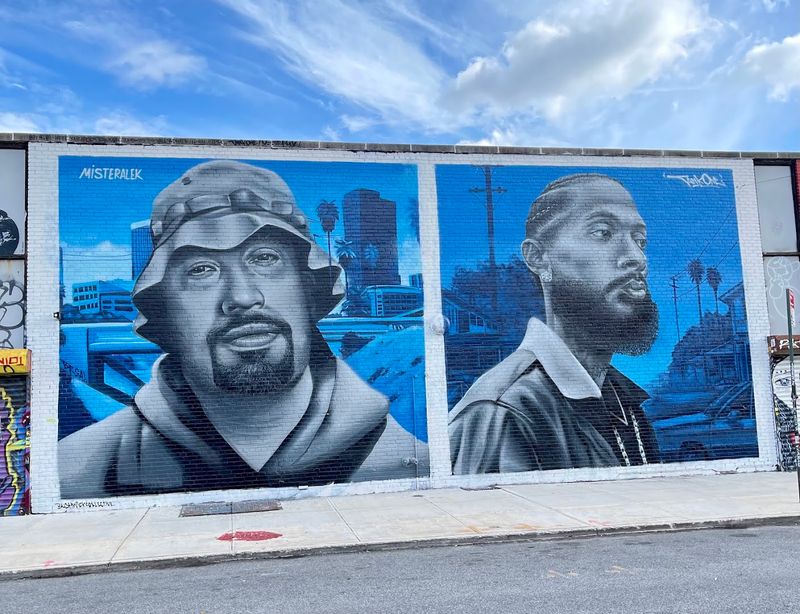
Standing beneath a five-story portrait makes you reconsider what qualifies as monumental art. The Bushwick Collective houses some genuinely massive pieces that dwarf the pedestrians below, yet somehow each maintains incredible attention to detail that rewards close inspection.
Artists working at this scale face unique challenges, calculating proportions that look correct from street level while balancing on lifts high above the pavement.
Eduardo Kobra’s vibrant geometric patterns demonstrate how color theory operates differently when your canvas measures thousands of square feet. His signature kaleidoscopic style transforms ordinary brick into mesmerizing optical experiences that shift as you move past them.
Other artists favor photorealism so precise that passersby sometimes mistake painted windows for actual architectural features.
The smaller works tucked into corners and doorways offer counterpoint to these giants. These intimate pieces invite closer examination, revealing techniques and textures that larger murals sacrifice for visual impact.
Gallery hopping here means constantly adjusting your perspective, stepping back to appreciate scope before moving close to study brushwork and spray paint gradients that demonstrate genuine technical mastery.
An Ever-Changing Open-Air Museum
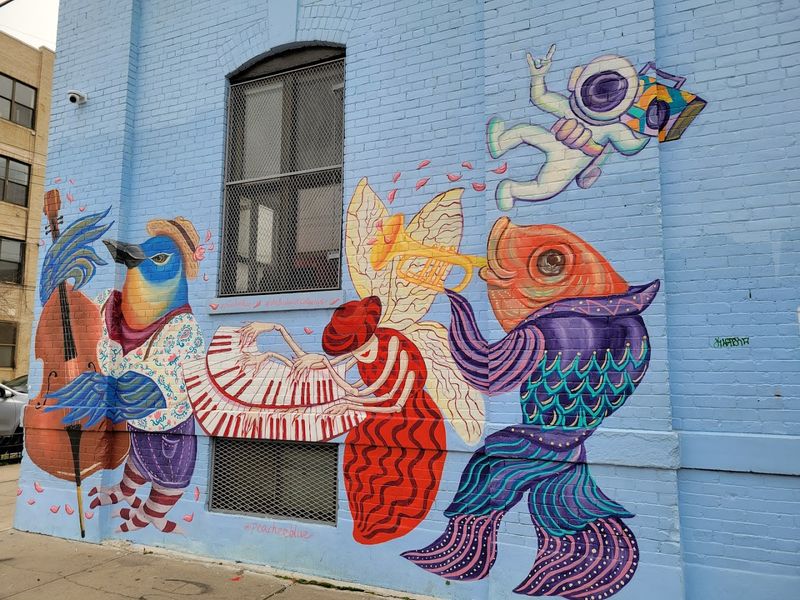
Traditional museums preserve artworks behind climate-controlled glass, but The Bushwick Collective embraces impermanence as part of its philosophy. Murals fade under harsh summer sun, get tagged by other artists, or simply get painted over when new creators arrive with fresh visions.
This constant renewal keeps the collection dynamic and ensures that no two visits reveal identical experiences.
The annual Bushwick Collective Block Party, typically held each June, brings dozens of artists together for a concentrated creative explosion. Over one weekend, entire blocks receive fresh coats of artistic expression as locals and visitors watch the transformation happen in real time.
Artists work simultaneously on neighboring walls, creating an atmosphere that feels part festival, part performance art, part community celebration.
Documentation becomes crucial for appreciating this ephemeral quality. Photographers maintain archives showing how specific walls evolved over years, tracking artistic trends and individual artists’ development.
Some beloved murals achieve legendary status among street art enthusiasts, discussed reverently even after they’ve been covered by newer works, living on only through photographs and memories.
The Technical Mastery Behind Street Art
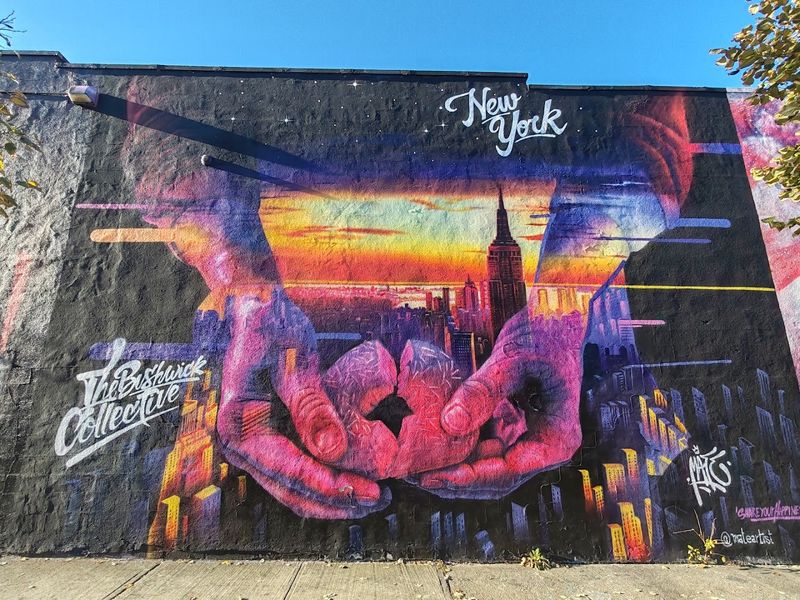
Dismissing street art as simple graffiti ignores the extraordinary technical skill these works demand. Artists master spray paint control that rivals traditional painters’ brushwork, creating gradients and textures through layered applications and varying nozzle distances.
The medium itself presents challenges, as aerosol paint behaves differently than acrylics or oils, requiring artists to develop entirely unique skill sets.
Weather resistance factors heavily into material choices. Artists select specific paint brands and sealants that withstand New York’s harsh winters and humid summers, calculating how their color choices will fade over months of sun exposure.
Some embrace this weathering as part of the artistic process, while others return periodically for touch-ups to maintain their vision’s integrity.
Scale calculations require mathematical precision. An image that looks proportional from street level might appear distorted up close, forcing artists to adjust their compositions based on primary viewing angles.
Many sketch designs digitally first, using perspective correction tools before transferring outlines to walls, ensuring their finished pieces achieve the desired visual impact from the intended viewing distance and angle.
Cultural Impact And Community Transformation
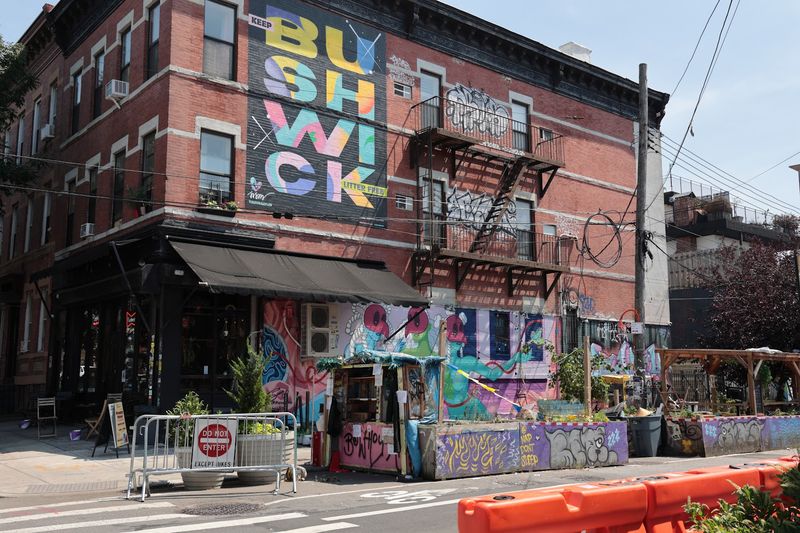
The Bushwick Collective’s influence extends far beyond aesthetics, fundamentally altering the neighborhood’s economic and social landscape. Property values increased as the area gained international recognition, though this gentrification brings complex consequences that longtime residents navigate with mixed feelings.
The artistic transformation attracted new businesses, cafes, and galleries that cater to the influx of visitors and transplants drawn by the neighborhood’s creative reputation.
Local community members have embraced their role as informal ambassadors, offering directions to the best mural locations and sharing stories about particular artworks’ origins. This pride in their neighborhood’s transformation creates a welcoming atmosphere that distinguishes Bushwick from more tourist-focused destinations.
Residents understand that the murals brought positive attention and economic opportunities, even as they grapple with changing neighborhood dynamics.
Educational programs have emerged, with local schools incorporating the murals into art curriculum and organizing walking tours that teach students about different artistic styles and techniques. The collection serves as an accessible art education resource, demonstrating that world-class artwork doesn’t require museum admission fees or intimidating institutional settings.
Planning Your Mural Walking Tour
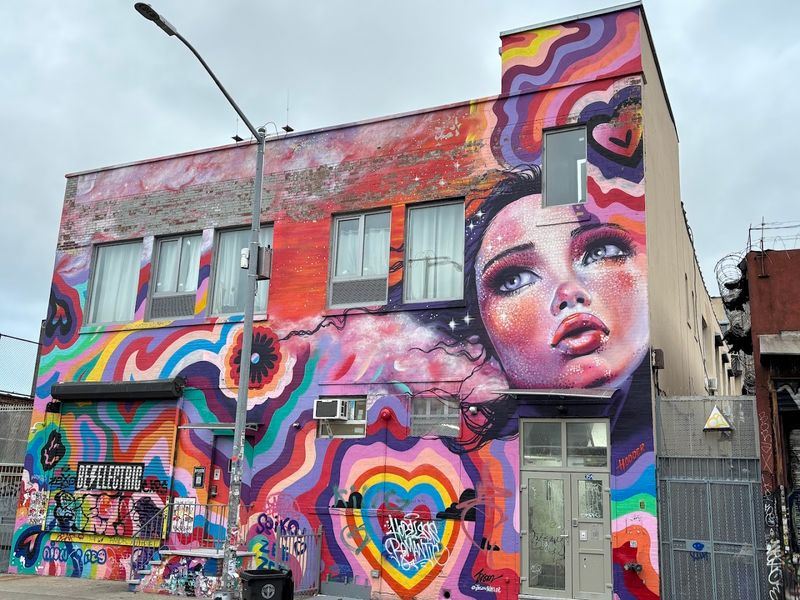
Strategic planning maximizes your Bushwick Collective experience. Most visitors dedicate two to three hours for thorough exploration, though serious photography enthusiasts could easily spend an entire day.
Starting at the Morgan Avenue L train stop places you near the collection’s heart, with the densest mural concentration within a few blocks in every direction.
Comfortable walking shoes rank as essential equipment, since you’ll cover several miles on concrete sidewalks while frequently stopping to look up at towering murals. Weekday mornings offer the quietest experience, while weekends bring vibrant neighborhood energy with food vendors and pop-up markets that enhance the cultural immersion.
Summer visits provide the longest daylight hours but also the most intense heat reflecting off dark pavement.
Self-guided tours work perfectly well, but several local companies offer organized walking tours led by knowledgeable guides who share artist backgrounds and neighborhood history. These tours reveal hidden gems tucked down side streets that casual visitors might miss.
Bringing a portable phone charger ensures your camera battery survives the entire journey, since you’ll inevitably take far more photos than originally planned.
Preserving Ephemeral Art For Future Generations
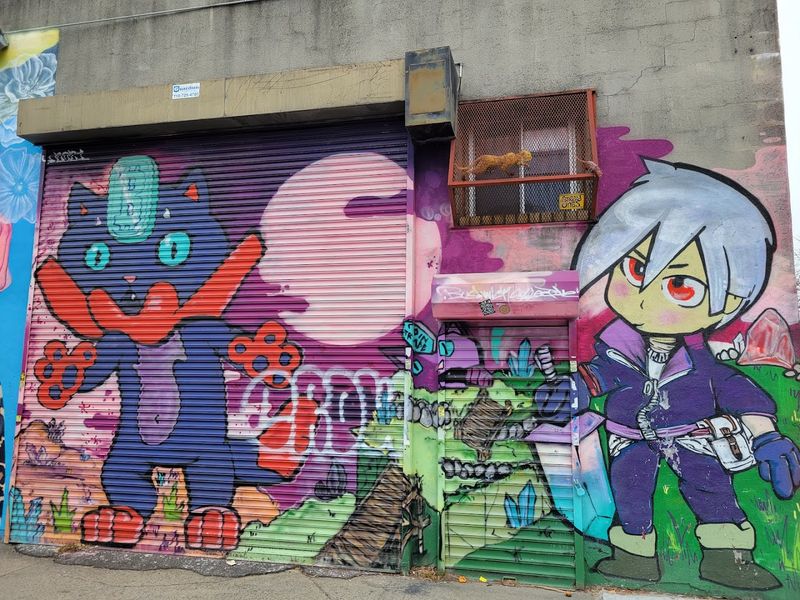
Documenting temporary art forms presents unique preservation challenges. Unlike canvas paintings stored in museum vaults, street murals face constant threats from weather, vandalism, and intentional replacement.
Organizations now maintain digital archives photographing murals at high resolution, creating permanent records of artworks destined for eventual disappearance. These archives serve researchers studying street art’s evolution and provide artists with portfolios showcasing works that no longer exist physically.
Some particularly significant murals receive protective coatings that extend their lifespan, though this conflicts with street art’s fundamental acceptance of impermanence. The debate continues about whether preservation efforts honor or betray the medium’s essential nature.
Artists themselves hold varying opinions, with some appreciating efforts to extend their work’s visibility while others embrace the Buddhist philosophy of beautiful things naturally fading.
Virtual reality technology offers promising preservation avenues, with teams creating 3D scans of entire neighborhoods that allow future generations to experience today’s murals through immersive digital environments. These technological solutions ensure that even after physical murals vanish, their cultural and artistic significance remains accessible for study, appreciation, and inspiration for artists yet to pick up their first spray can.