
One Peaceful Alabama Town Where $850 A Month Still Gets You An Affordable Place To Live
Most towns have become too expensive for the people who once called them home, but this Alabama town still offers a real exception. Housing costs stay reasonable here compared to nearby cities with rapidly rising rents.
Social Security and modest incomes often cover essentials without the constant budgeting bigger cities tend to require. Local shops and healthcare facilities sit within easy reach of most town homes.
Quiet living replaces the noise and pace many residents actively try to leave behind. Communities here tend to welcome newcomers warmly, offering a slower pace most bigger towns can’t match.
This town proved that affordable and peaceful can still exist together.
Affordable Alabama Living That Actually Adds Up
The rental prices here are the kind that make people pause. Average rents for a one-bedroom apartment run well below what renters pay across the country, and that gap is substantial enough to change how a monthly budget feels.
For anyone who has stared at a big-city lease and felt their stomach drop, Selma reads like a different planet. The savings are not theoretical, either. They show up every single month.
Selma ranks among the most affordable places to live in the entire state, and Alabama is already known for cheap housing. That is a low bar cleared with room to spare.
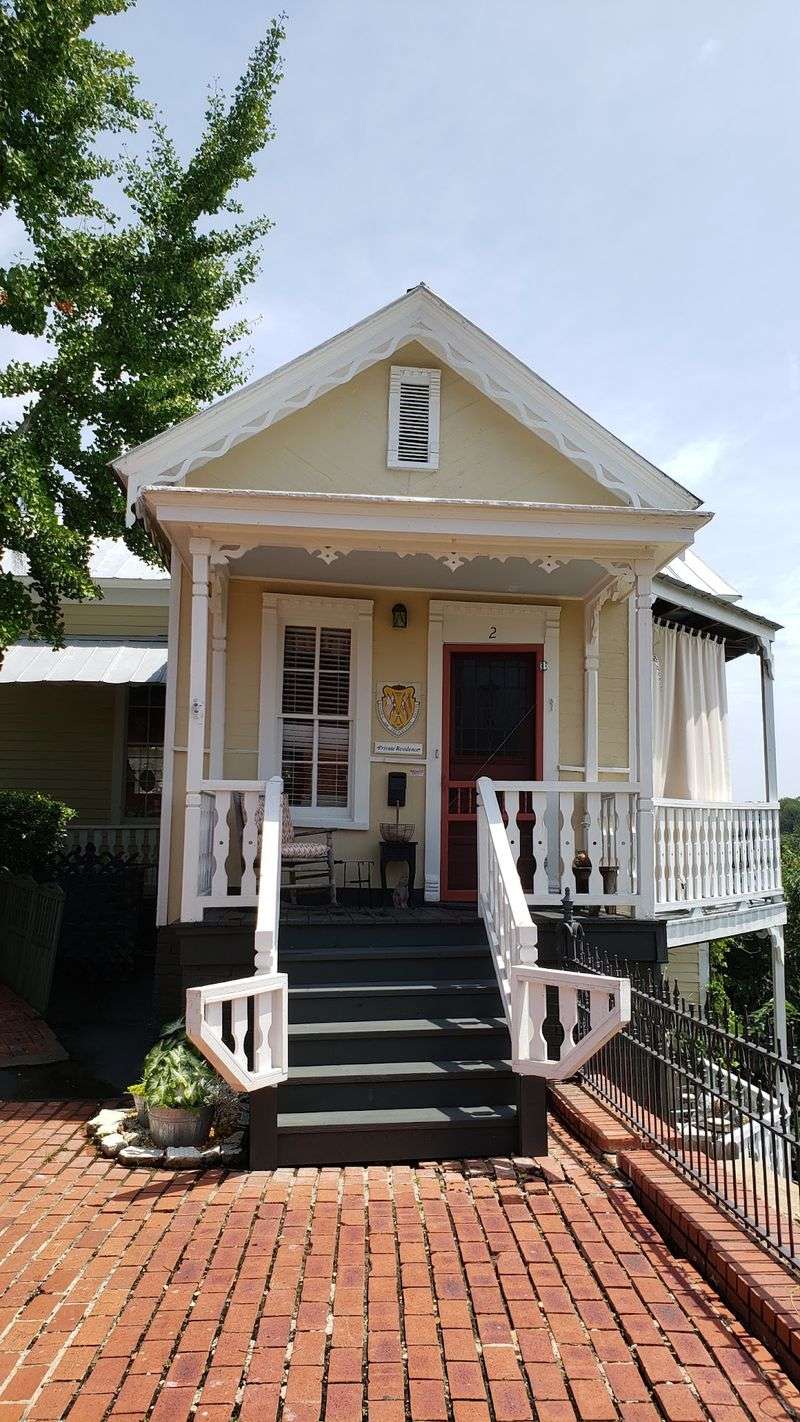
Apartment communities like Chanticleer Apartments give newcomers a straightforward option without much fuss. The buildings are practical, the lots are shaded, and the whole setup leans quiet rather than flashy.
What that price really buys is breathing room. Money that would vanish into rent somewhere else can go toward savings, travel, a car repair, or just not panicking on the first of the month.
Plenty of remote workers have caught on to this kind of arithmetic. A paycheck earned at national rates stretches remarkably far in a small town like this.
Groceries, gas, and general day-to-day costs follow the same downward trend. Nothing about living here demands a six-figure salary.
Echoes Of History In The Architecture
Walking the streets of Selma’s Historic District feels a little like flipping through an architecture textbook that someone left outdoors. Antebellum columns stand a few blocks from Victorian trim and turrets.
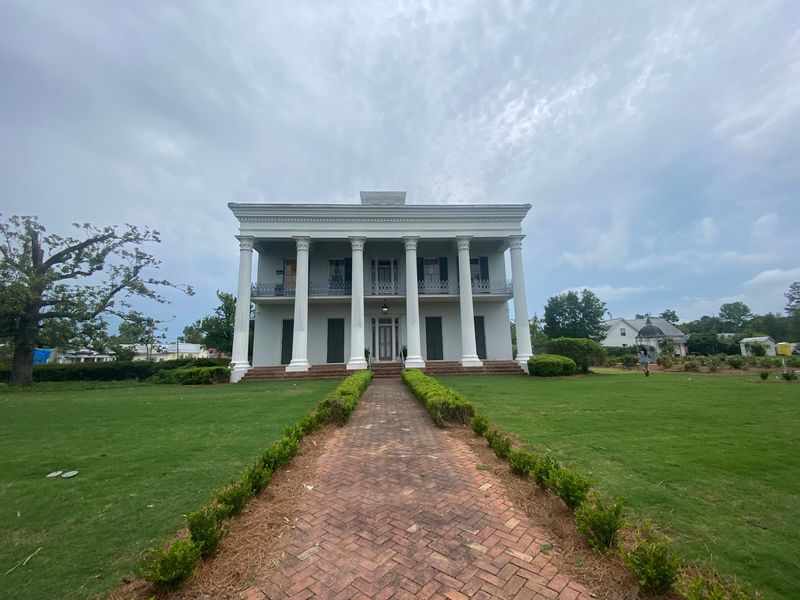
Sturdivant Hall is the headliner. Built as a private mansion, it is widely considered one of the finest Greek Revival homes anywhere in the South.
The house now works as a museum, filled with period furniture, artwork, and artifacts that survived generations. Tall white columns, a wrought-iron balcony, and formal gardens make the whole thing look staged, except it is entirely real.
What makes the district unusual is the sheer density of preserved buildings. Many towns lost their old housing stock to fires, storms, or bulldozers.
Selma held onto a remarkable amount of hers.
Residents who live in or near the district often talk about the porches. Deep, shaded, and built for sitting, they were the original air conditioning.
Photographers show up for the light. Late afternoon turns the brick and plaster a warm gold that no filter can fake.
Fun bit of history: Sturdivant Hall carries a reputation for being haunted, and locals have traded ghost stories about it for decades.
Even a casual stroll through the neighborhood turns into a lesson in nineteenth century craftsmanship. The details on these houses were carved by hand.
Riverfront Tranquility Along The Alabama
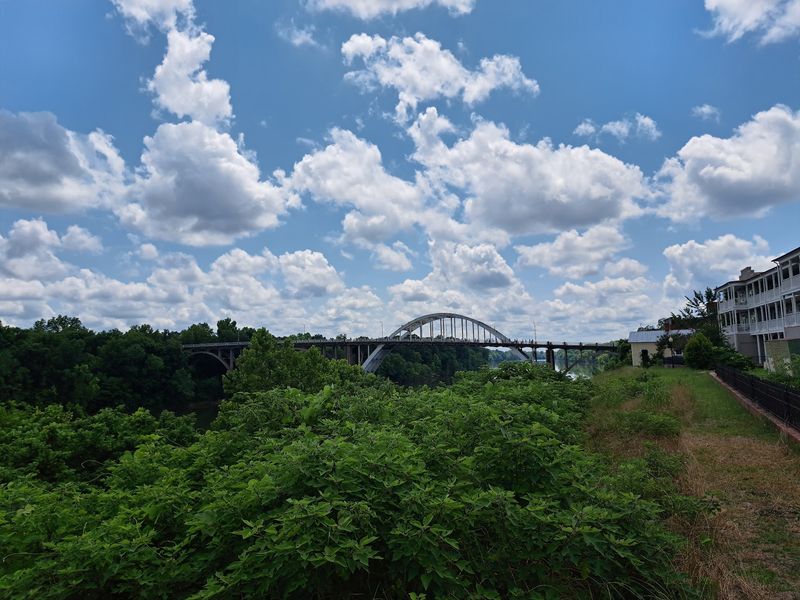
The Alabama River does most of the heavy lifting when it comes to scenery here. Wide, slow, and lined with trees, it curves right along the edge of downtown.
Riverfront Park takes full advantage. Benches, open grass, and clear views make it an easy place to spend an hour doing absolutely nothing productive.
Families spread out picnic blankets on weekends. Fishermen stake out spots.
Joggers pass through and keep moving.
The City Marina adds another angle on the water, with boats coming and going and a quieter atmosphere than the park itself. Watching barges work the river has a strange, hypnotic pull.
Sunsets over the water are the real draw. The river picks up orange and pink, and the bridge silhouettes against the sky in a way that stops conversation.
Because the river is so central to the town’s layout, residents rarely go long without seeing it. That constant presence shapes the whole mood of the place.
Humid subtropical weather means summer evenings stay warm well past dark. Early mornings and late evenings are when the riverfront feels best.
For anyone moving from a crowded city, the lack of competition for a good seat takes some adjusting. Prime river views are not something you have to fight for.
The park costs nothing to enjoy, which fits the general spirit of the town.
The Civil Rights Legacy Written In Steel And Brick
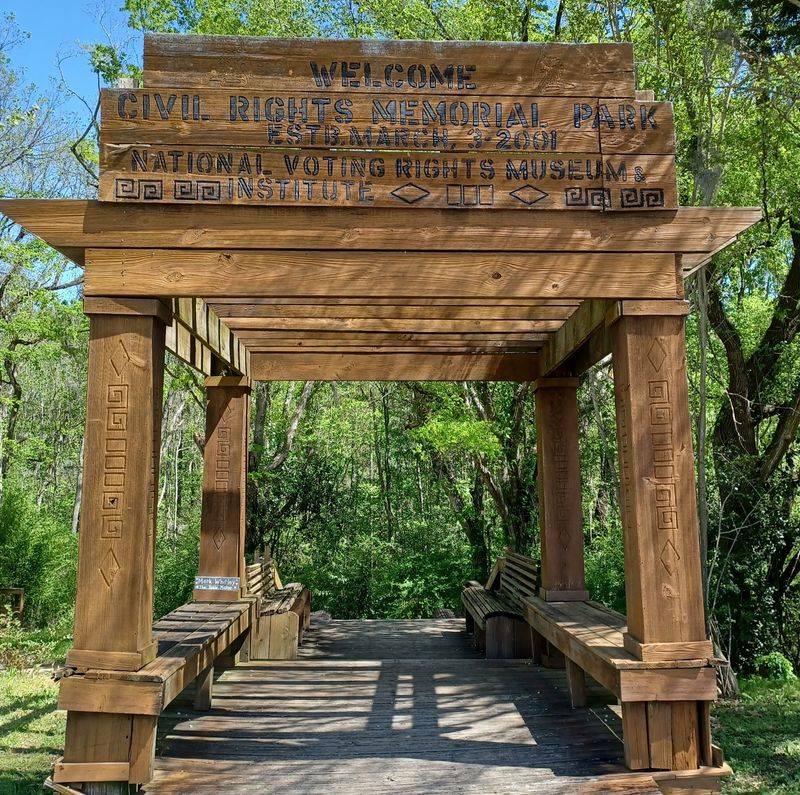
March 1965. Marchers crossed a steel bridge over the Alabama River and were met with violence that was broadcast into living rooms across America.
That day became known as Bloody Sunday, and the Edmund Pettus Bridge became one of the most recognized landmarks in the country. It still carries traffic today, which is a jarring thought.
Standing at either end, the bridge looks ordinary. Gray steel, an arch, a rise in the middle that hides the far side until you reach the top.
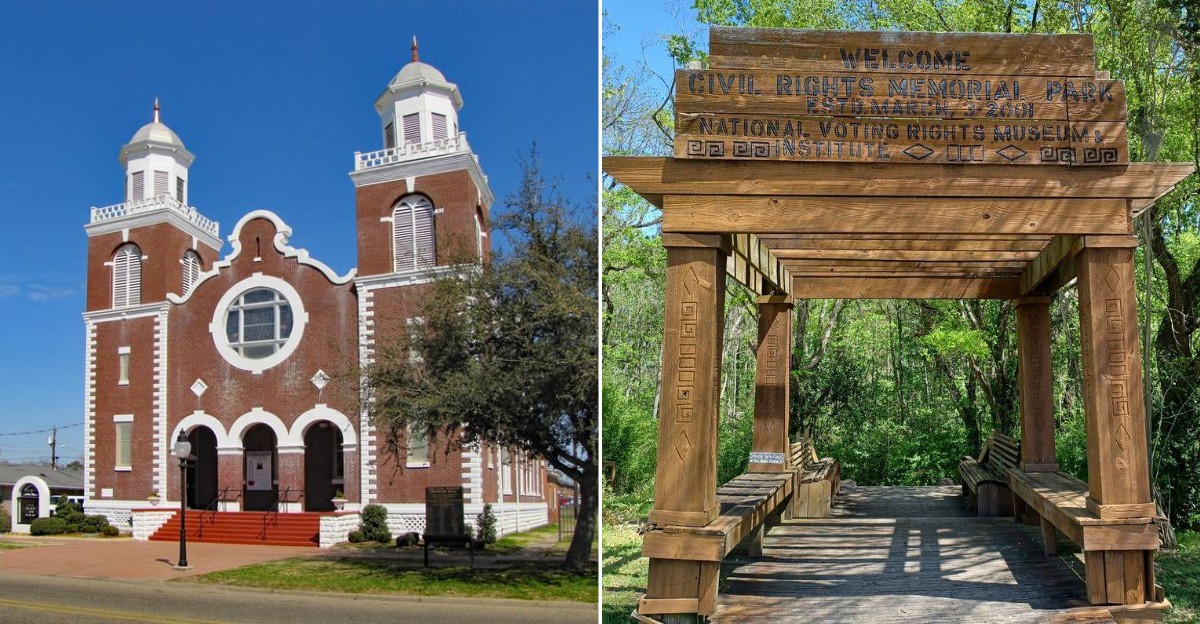
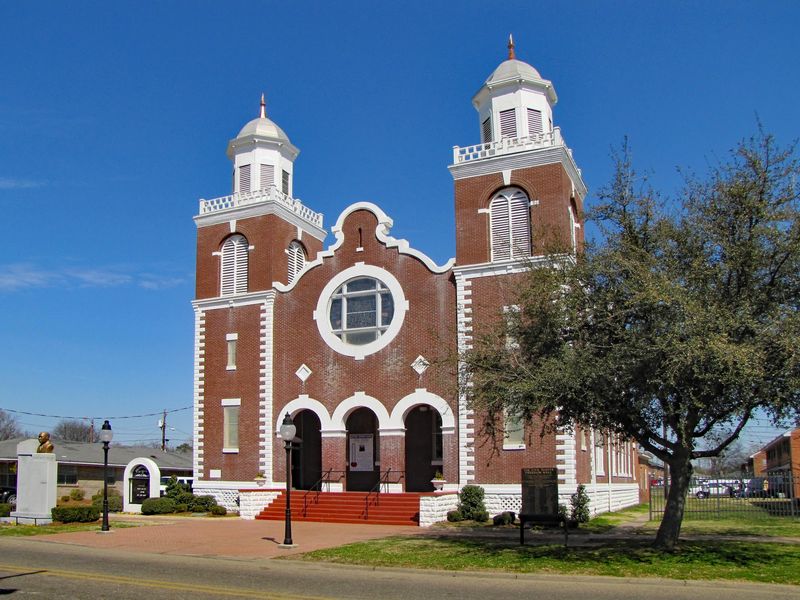
Brown Chapel AME Church anchors the other half of the story. The marches to Montgomery launched from its doors, and the building served as a meeting place and organizing hub throughout the campaign.
The events in Selma pushed Congress toward the Voting Rights Act of 1965. Few small towns can point to a moment that reshaped national law.
People travel from all over the world to walk across that bridge. Some come in tour buses, some come alone.
Living in a place with that weight of history changes the texture of daily life. The past is not stored in a museum here. It is on the commute.
Both sites are free to visit and open to the public, which keeps the story accessible to anyone who wants to understand it.
Other Stories Worth Hearing
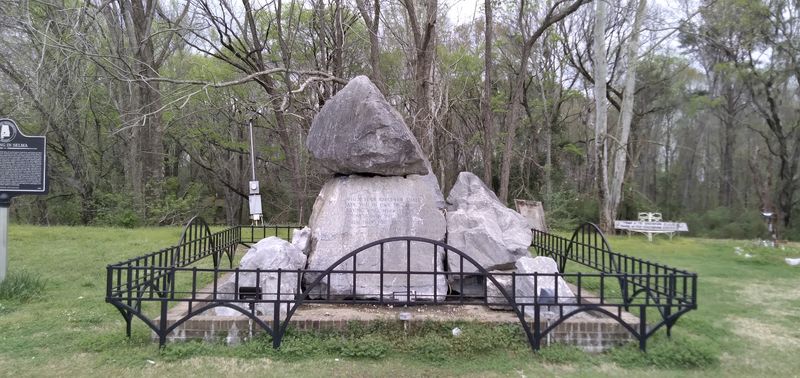
Selma’s story did not begin in 1965, and the Old Depot Museum makes that clear in a hurry. The building itself is a nineteenth century railway depot, all red brick and arched windows.
Inside, the collection jumps around in the best way. Native American artifacts share space with Civil War relics and displays on the town’s industrial past.
Live Oak Cemetery is the quiet counterpart. Massive live oaks draped in Spanish moss shade rows of old monuments and headstones.
Many significant figures in Alabama history are buried there. The paths wind through in a way that encourages slow walking and slower thinking.
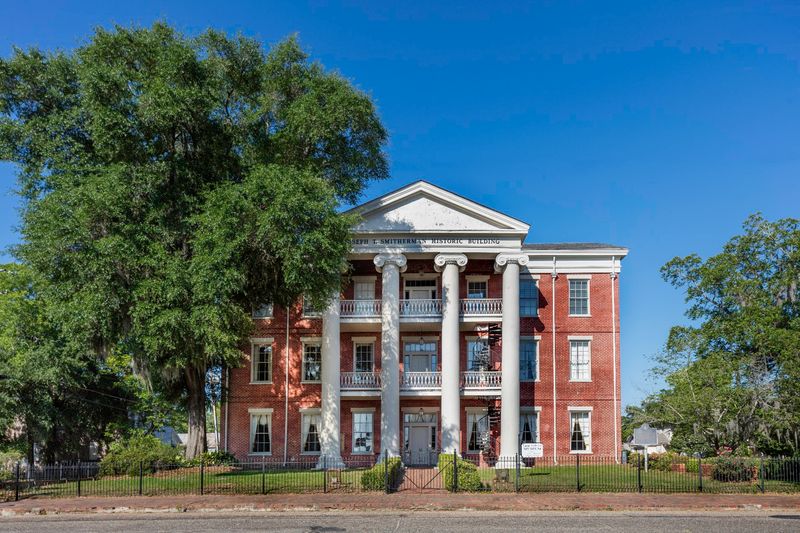
The Vaughan-Smitherman Museum occupies a building with an unusually busy résumé. It served as a Civil War hospital, then a school, then other roles before becoming a museum.
Buildings that change purpose that many times tend to collect stories. This one has plenty.
What ties these three places together is scale. None of them are overwhelming, and you can see all of them without exhausting yourself.
Small museums also come with a bonus: real conversations with the people running them. That rarely happens at large institutions.
History buffs could spend a full weekend here without repeating a single exhibit. Casual visitors will still walk away knowing more than they expected.
A Canvas For Creativity At The Art Guild
Small towns are not usually where you expect to find an active gallery scene, but the Selma Art Guild Gallery has been proving that assumption wrong for years.
The walls rotate with work from local and regional artists. Paintings, photography, sculpture, and mixed media all get their turn.
Exhibitions change regularly, so the space never gets stale. Someone who visits twice in a year will likely see two entirely different shows.
Workshops are part of the mix too. Beginners can pick up a brush without feeling out of place, and experienced artists find classes worth their time.
What makes the guild valuable is the community around it. Artists who might otherwise work in isolation get a place to show, teach, and talk shop.
Events hosted there pull in people who would not describe themselves as art people. That is usually how new fans get made.
For anyone considering a move, a working gallery signals something important about a town. It means creative energy exists and has somewhere to land.
Prices for local art tend to be far more approachable than in major markets, which helps new collectors get started.
Opening nights turn into social events. Neighbors show up, conversations start, and the room fills with people who actually know each other.
It is a small gallery doing genuinely useful work.
Community Spirit And Celebrations Worth Circling
Every March, thousands of people descend on Selma for the Annual Bridge Crossing Jubilee. The centerpiece is a symbolic walk across the Edmund Pettus Bridge.
Around that crossing, the Jubilee builds out a full slate of workshops, panels, music, and gatherings. It is part commemoration, part reunion, part education.
National figures have attended over the years, which turns a small city into a temporary center of attention. Hotels fill, streets close. The energy is genuinely different.
Then there is the Annual Tale Tellin’ Festival, which leans in a completely different direction. Storytelling takes center stage, and the Southern tradition of spinning a good yarn gets the spotlight it deserves.
Storytellers perform for audiences who appreciate timing, exaggeration, and a well-placed pause. Some tales are funny, some are tender, some are flat-out tall.
Festivals like these do something practical for residents. They create shared calendar landmarks that neighbors look forward to together.
Newcomers often find these events the fastest route into local life. Volunteering at one is basically a shortcut to knowing half the town.
Both celebrations reflect what Selma values: memory, voice, and the belief that stories matter enough to gather around.
For a place this size, having two distinct annual traditions of real significance is unusual and worth taking seriously.
Embracing The Outdoors From Parks To Ghost Towns
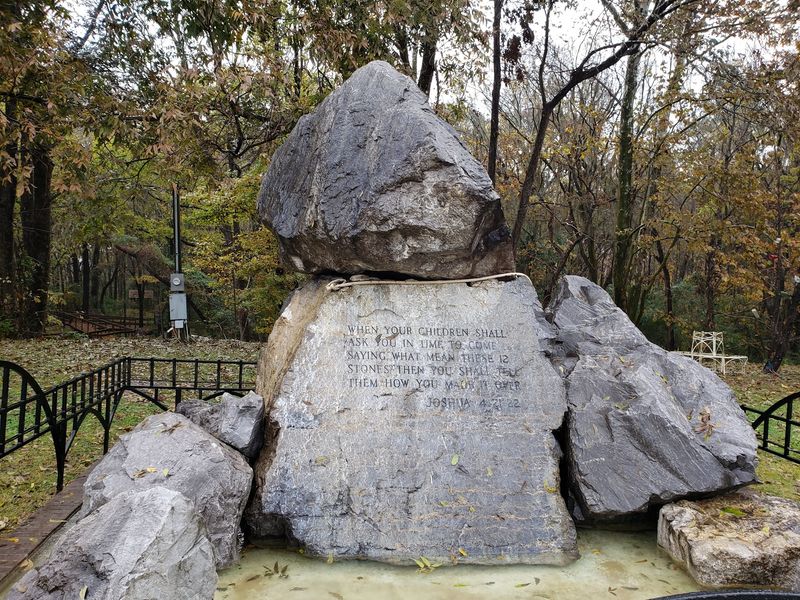
Just outside town sits an actual ghost town, and that alone should sell anyone on the area. Old Cahawba Archaeological Park was once Alabama’s state capital.
Now it is ruins, empty streets, and enormous trees growing where houses used to stand. Brick columns rise out of the ground with nothing attached to them.
The site sits along the Alabama River, which makes the whole place feel even more removed from ordinary life. Archaeologists still work there, uncovering pieces of what was lost.
Closer to home, Songs of Selma Park offers a calmer kind of outdoor time. Walking paths, shade, and quiet make it a regular stop for people clearing their heads.
Morning walkers use it year-round. The mild Alabama winters mean outdoor time rarely gets canceled by weather.
Between the river, the parks, and the surrounding countryside, there is more green space than a town this size has any right to.
Fishing, birdwatching, and photography all fit naturally here. So does sitting on a bench and doing none of those things.
Cahawba in particular rewards repeat visits. The light changes, the seasons change, and the place reads differently every time.
Outdoor access without entrance fees or crowds is part of what makes the low cost of living here feel like more than just a number.