
One Tiny Vermont College Town Combines Full Tuition Scholarships With A Reputation That Reaches Far Beyond The State
You know that feeling of accomplishment when something you earned didn’t just fall into your lap from nowhere. That’s exactly the feeling you get attending this college.
This tiny Vermont town combines full tuition scholarships with a reputation that reaches far beyond state lines. Nothing about the program feels handed out without real effort behind it.
Students who earn the scholarship often speak about the process with genuine pride. The town itself stays small and close-knit, adding to the personal feel of the entire experience.
Regulars in the area know the college by reputation alone, even without any direct connection to it. This town proved that a big reputation doesn’t require a big population to back it up.
The Biggest Small City In The Green Mountain State
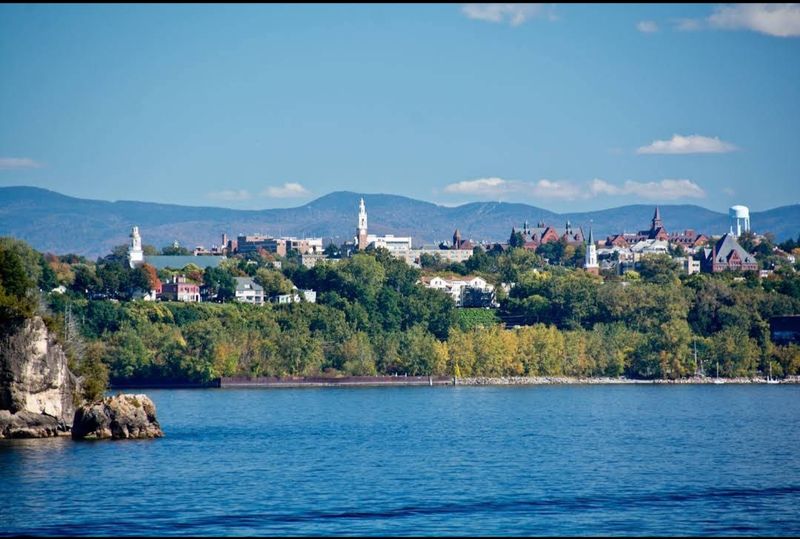
Here is a fun puzzle for trivia night. Burlington is the largest city in Vermont, but only about 45,000 people live there.
That number would barely fill a big football stadium in some states. Still, the name Burlington pops up in college guides, travel lists, and outdoor magazines from coast to coast.
A big reason is the University of Vermont, often called UVM. The school was founded in 1791, the same year Vermont became the fourteenth state.
The letters UVM come from Latin, standing for Universitas Viridis Montis. That means University of the Green Mountains, which sounds like a place where wizards might study geology.
Back in 1985, a well-known college guide named UVM one of the original Public Ivies. The label points to public schools that offer an education close to what famous private colleges provide.
Champlain College adds even more energy to town. Its campus sits in a neighborhood of old Victorian houses, and many offices and classrooms are inside those historic homes.
Put the two schools together and a big slice of the city seems to carry a backpack. Coffee shops fill up with study groups, and bookstores stay busy all year.
For families thinking about college, the mix is worth a close look. The town is small enough to feel friendly, yet serious enough to open doors far away.
You can find this lively lakeside city at Burlington on the eastern shore of Lake Champlain.
Full Tuition Scholarships That Change The Math
Picture a high school senior opening a letter that says tuition is covered. No catch, no fine print about winning a pie-eating contest, just a real chance at a respected school.
At UVM, that letter is real for many Vermont students. The Green and Gold Promise Scholarship covers full tuition for Vermont residents whose families fall under a set income level.
Students who qualify can keep the award for four years of study. That means planning a future without worrying each year whether the money will disappear.
Many families assume a school with a national name must be out of reach. Programs like this one flip that idea upside down.
Here is a smart tip for anyone curious. Filling out the FAFSA early is usually the first step, since schools use it to check who qualifies for aid.
Students from outside Vermont are not left out of the conversation either. UVM offers merit awards based on grades, and plenty of out-of-state students receive help through them.
Champlain College also hands out scholarships and grants to a large share of its students. Asking questions early helps families compare real offers instead of guessing.
The bigger story is about opportunity. A kid from a dairy farm town can end up studying next to classmates from California or Korea, all without drowning in tuition bills.
Church Street Marketplace Brings The Crowd
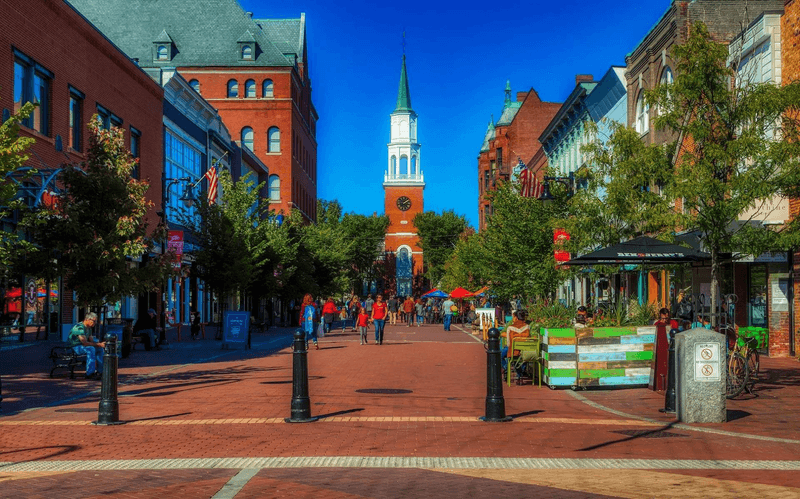
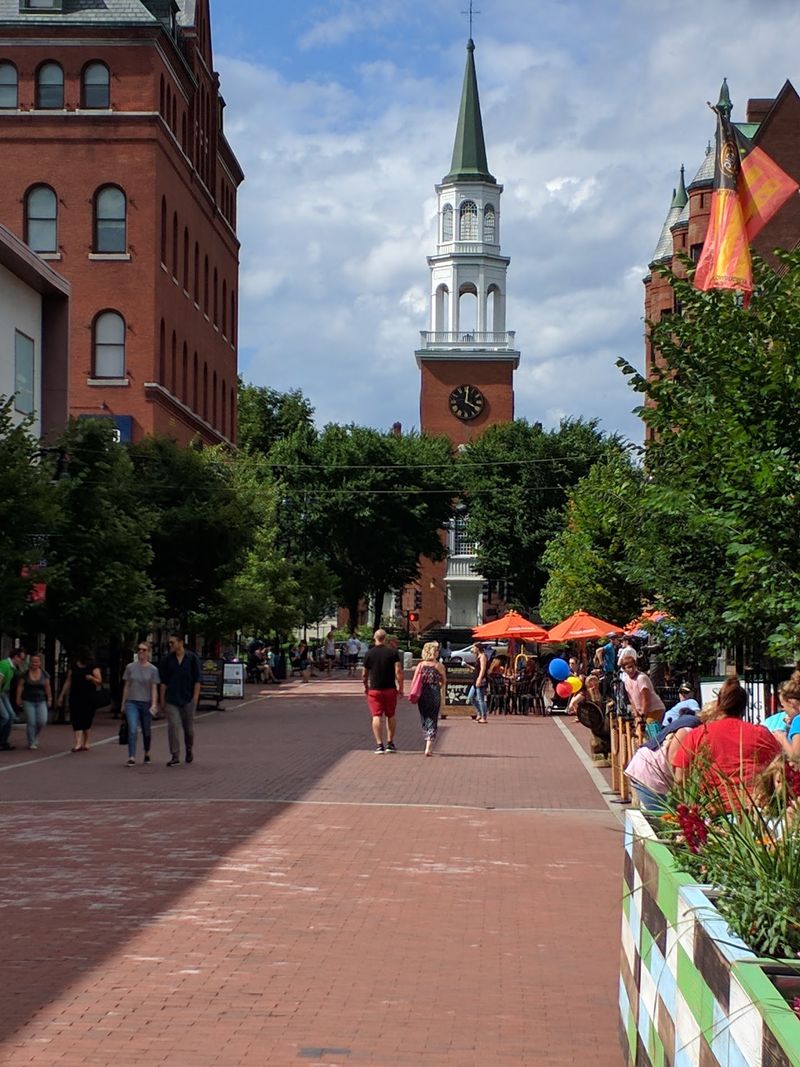
Cars are not invited to this party. Four blocks of Church Street were closed to traffic in 1981, turning downtown into a brick walkway made for strolling.
The result is one of the busiest spots in the state. Shops, cafes, and restaurants line both sides, and an old white church steeple stands watch at the northern end.
Street performers are part of the charm. Jugglers, musicians, and the occasional person balancing something odd on their chin keep things entertaining.
Seasons change the whole look of the place. Summer brings flower baskets and outdoor tables, while winter wraps the trees in twinkling lights.
College students use the marketplace like an outdoor living room. It is a common meeting spot for friends, first dates, and parents visiting on weekends.
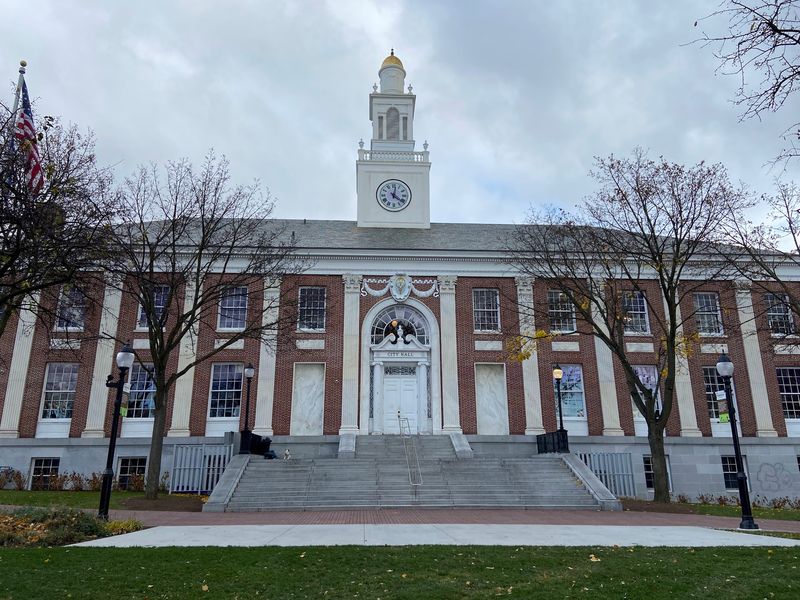
City Hall Park sits nearby and hosts events, food trucks, and festivals throughout the year. The park got a major makeover a few years ago, adding more green space and seating.
A quick tip helps here. Local shops sell Vermont-made goods like maple candy, wool socks, and handmade pottery, which make better souvenirs than a plain keychain.
Some festivals take over the street too, including a summer jazz festival that fills the air with music. People-watching here could honestly count as a hobby.
Local artists also show work in small galleries just off the main walkway. Even a short walk can turn into an afternoon of browsing.
Lake Champlain Views That Steal The Show
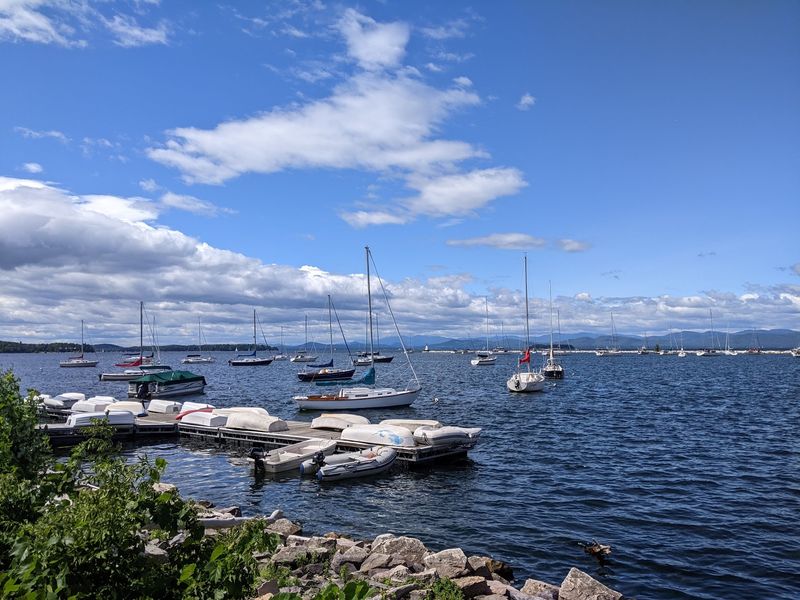
Sunsets over Lake Champlain have a reputation of their own. The sun drops behind New York’s Adirondack Mountains, painting the sky orange, pink, and purple.
Bring a camera, because the colors change quickly.
Waterfront Park is the classic place to catch it. Wooden swings along the boardwalk give people a front-row seat, and they are rarely empty on warm evenings.
The lake itself is huge, stretching about 120 miles from north to south. Some people even call it the sixth Great Lake, though the real Great Lakes might have something to say about that.
Legend says a lake monster named Champ lives in the deep water. Nobody has proven it, but the local summer baseball team, the Vermont Lake Monsters, has a mascot named Champ.
Right along the shore sits ECHO, Leahy Center for Lake Champlain. It is a science museum with fish tanks, hands-on exhibits, and lots of facts about the lake’s wildlife.
Bikers and walkers love the Island Line Trail. It follows an old railroad path and leads out onto a skinny causeway that seems to float across the water.
For students, the lake becomes a favorite study break destination. Once the ice melts, kayaking, paddleboarding, and sailing lessons become popular.
Winter changes the scene completely. Frozen coves and snowy shorelines look like a holiday card, and ice fishing shacks sometimes dot the frozen bays.
Campus Life On The Hill
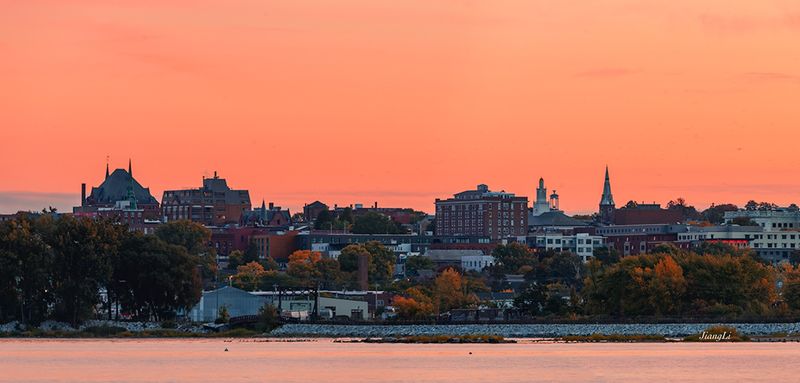
Walk a few blocks uphill from downtown, and the city starts to look like a college brochure. Here, UVM spreads across a ridge with views of both the lake and the Green Mountains.
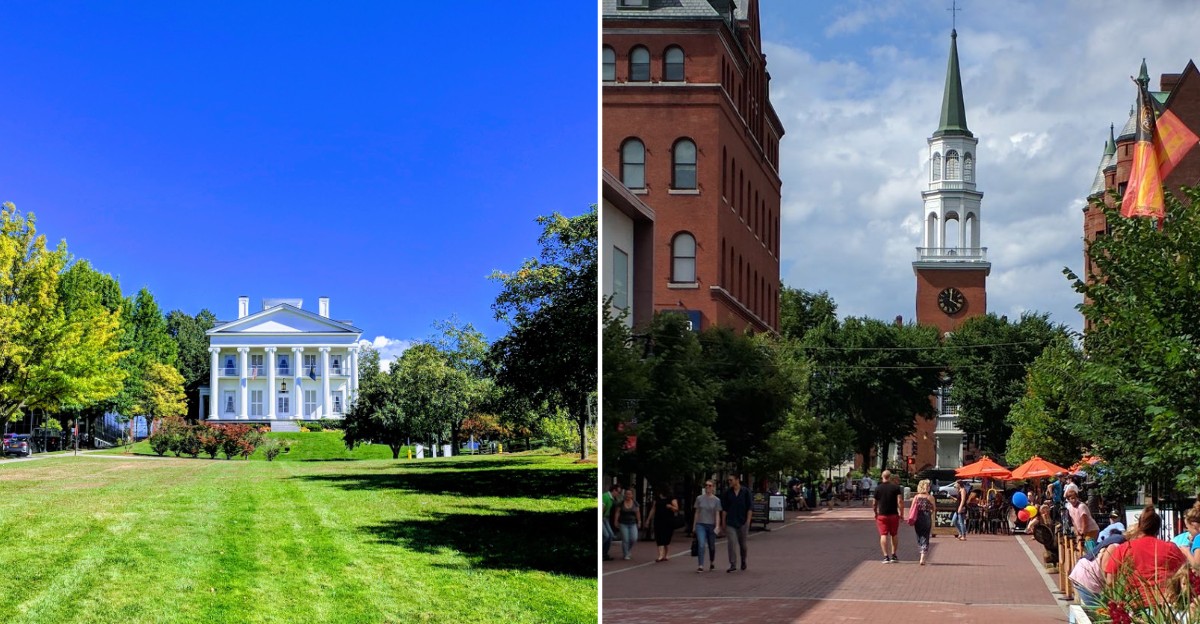
The heart of campus is the University Green, a wide lawn framed by old brick buildings. On sunny days, it fills with frisbees, picnic blankets, and students pretending to read.
Squirrels here seem to have zero fear of humans.
The Old Mill building stands out with its tall tower. Its cornerstone was laid in 1825 by the Marquis de Lafayette, the French hero of the American Revolution.
Ira Allen Chapel is another landmark, named after one of the university’s founders. Its bell tower is visible from much of the city.
The Fleming Museum of Art sits on campus too. It holds artwork and objects from around the world, including an Egyptian mummy that draws plenty of curious visitors.
UVM is known for strong programs in environmental studies, nursing, medicine, and business. The Larner College of Medicine has trained doctors since the early 1800s.
Winter sports are a big deal here. UVM ski teams have won several national titles, and hockey games at Gutterson Fieldhouse draw loud, bundled-up crowds.
Visiting families should plan a campus tour. Seeing the walk between classes on a chilly morning is the best way to decide if the hill feels like home.
History Lives At The Ethan Allen Homestead
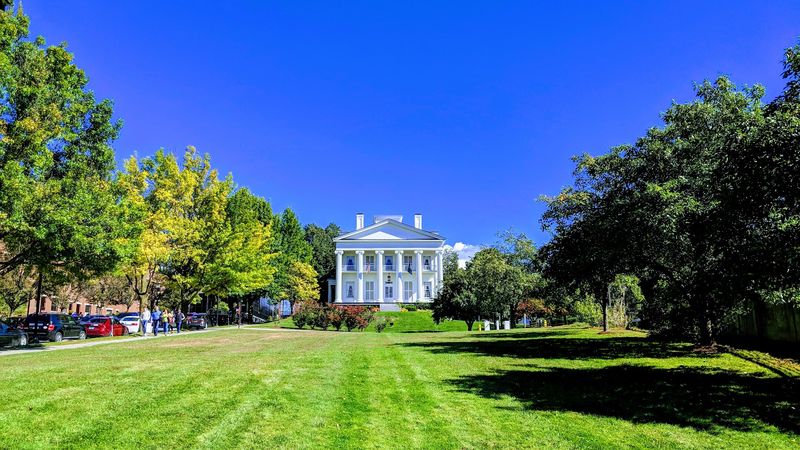
Long before college tours and coffee shops, Burlington belonged to farmers and frontier fighters. One of the most famous was Ethan Allen, leader of the Green Mountain Boys.
Allen and his group became legends during the Revolutionary War. In 1775, they captured Fort Ticonderoga from the British, helping supply the patriots with cannons.
Later in life, Allen settled on a farm along the Winooski River, just north of downtown. His restored 1787 farmhouse now serves as the Ethan Allen Homestead Museum.
Visitors learn how families lived on the Vermont frontier. Displays cover cooking, farming, and daily chores that would make modern kids very grateful for dishwashers.
The grounds also include walking trails and gardens. The river nearby adds a peaceful backdrop for a picnic or a quiet stroll.
Here is a quirky bit of history. Vermont was once its own independent republic from 1777 to 1791, with its own money and even its own postal service.
Allen played a big role in those early years. His younger brother Ira Allen later helped found the University of Vermont, tying the family story right back to campus.
Allen is buried in Green Mount Cemetery nearby, where a tall statue marks his grave. The monument is hard to miss, rising high above the other stones.
For students studying history, the homestead turns textbook chapters into something real. Standing near the same river Allen knew makes the past easier to picture.
Shelburne Museum And Easy Day Trips
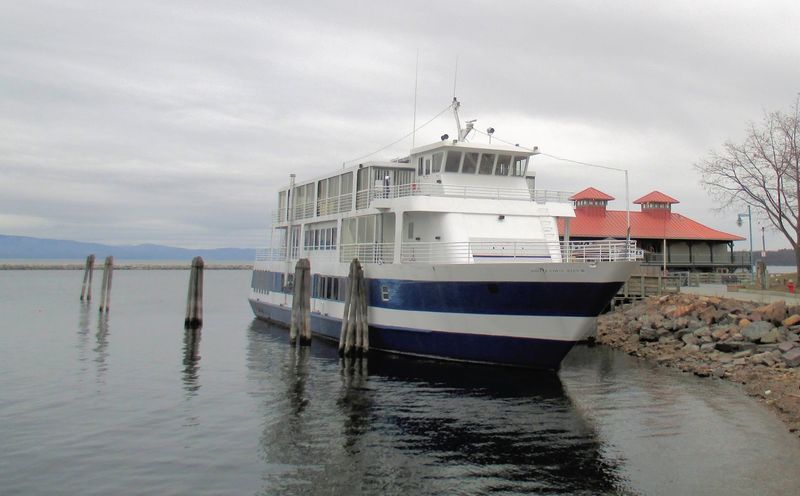
Some museums have one building. Shelburne Museum, just south of Burlington, has dozens of them spread across its grounds.
The collection includes more than 100,000 objects.
Founded in 1947 by collector Electra Havemeyer Webb, the museum gathers American folk art, quilts, toys, and decorative objects. Many of the buildings were moved here from other places, piece by piece.
The star attraction is the Ticonderoga, a 220-foot steamboat that once carried passengers across Lake Champlain. It now sits on dry land, which is probably the strangest parking spot in Vermont.
There is also a covered bridge, a lighthouse, a one-room schoolhouse, and a round barn. Wandering the grounds is a bit like visiting a tiny village from the 1800s.
Next door, Shelburne Farms offers a working dairy farm on the lakeshore. Kids can meet cows, watch cheese being made, and explore walking trails with lake views.
The grand barn looks more like a castle than a place for animals.
Heading east from the city, the Green Mountains are less than an hour away. Hiking trails, ski areas, and maple sugarhouses make easy weekend trips.
Nearby spots like these shape what makes student life here special. Weekends can include art, animals, or mountain summits without a long drive.
Here is a tip for families visiting campus. Pairing a college tour with a stop at the museum turns a serious trip into a fun one for younger siblings.
A Green City With A Sweet Side
Ice cream history was made here in 1978. Two friends named Ben Cohen and Jerry Greenfield opened their first scoop shop inside an old gas station in Burlington.
A small plaque marks the spot today, at the corner of St. Paul and College Streets. It is a fun stop for anyone who believes dessert deserves its own history lesson.
The city is also known for caring about the planet. Burlington became the first city in the United States to get all of its electricity from renewable sources.
Wood chips, wind, water, and solar power all help keep the lights on. For students studying the environment, the whole city works like a living classroom.
Food here often comes from nearby farms. The Burlington Farmers Market brings local growers, bakers, and makers together, offering everything from fresh berries to maple treats.
Bikes are everywhere, and plenty of residents skip the car when they can. Snowy winters barely slow down the most dedicated riders.
Music and art add color to daily life too. Local venues, murals, and festivals give students plenty to do after classes end.
Neighbors tend to know each other, and shop owners often greet customers by name. That friendly vibe helps newcomers settle in fast.
All of this explains why the city’s name reaches so far beyond Vermont. A small place with big ideas, strong schools, and real help paying for college is hard to forget.