
Peace Used To Define This Oregon Lake Town Before Tourists Arrived
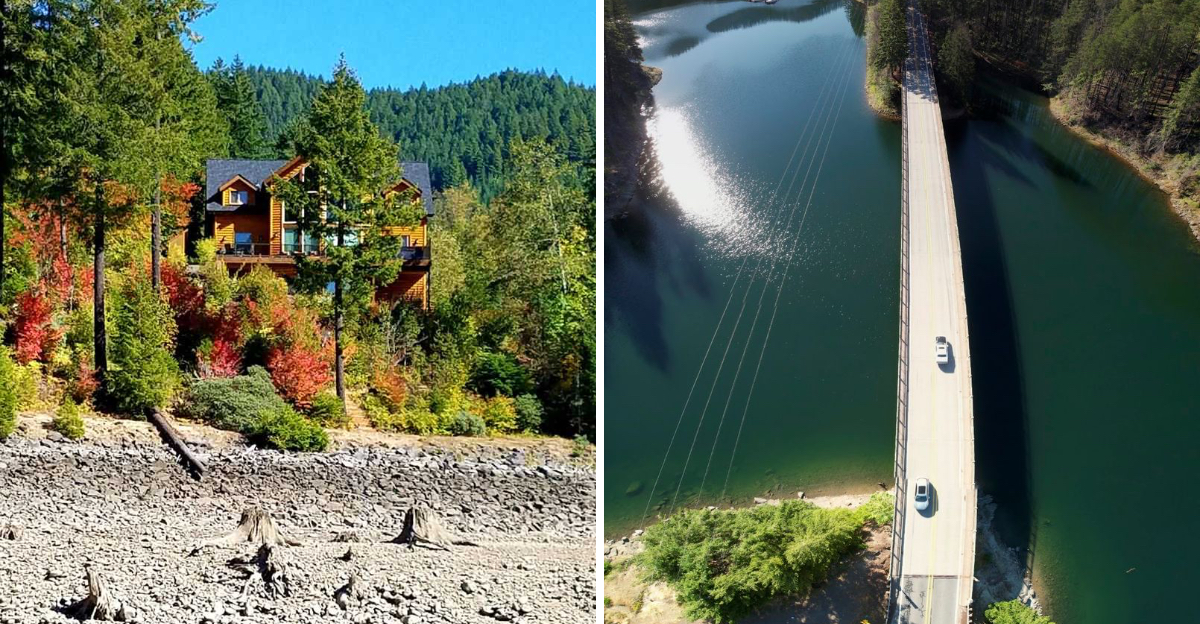
A whole town disappeared underwater, and hardly anyone talks about it anymore.
Long before tourists found the road in, this Oregon lake town belonged to loggers, railroad crews, and quiet mornings.
Peace ran the show back then, and the mountains kept the noise far from the water.
Then, wildfire ripped through in 2020, and everything changed overnight.
Somehow, the calm never fully disappeared. Herons still claim the misty mornings before anyone else arrives.
There is a dam holding back more than water, a mountain view that stuns first time visitors, and a forest most people never explore.
Oregon is quietly rewriting this town’s whole story, one rebuilt block at a time.
The name stays a secret, but the drive there might be worth planning soon.
A Valley That Disappeared Underwater
The original Detroit did not just grow and change over time. It was swallowed whole by rising water.
When the Detroit Dam was completed in 1953, the North Santiam River backed up into the valley and covered the old townsite entirely.
The community had to relocate to higher ground. Streets, buildings, and the original layout of the town now rest beneath the surface of Detroit Lake.
Locals sometimes say the old town still watches from below.
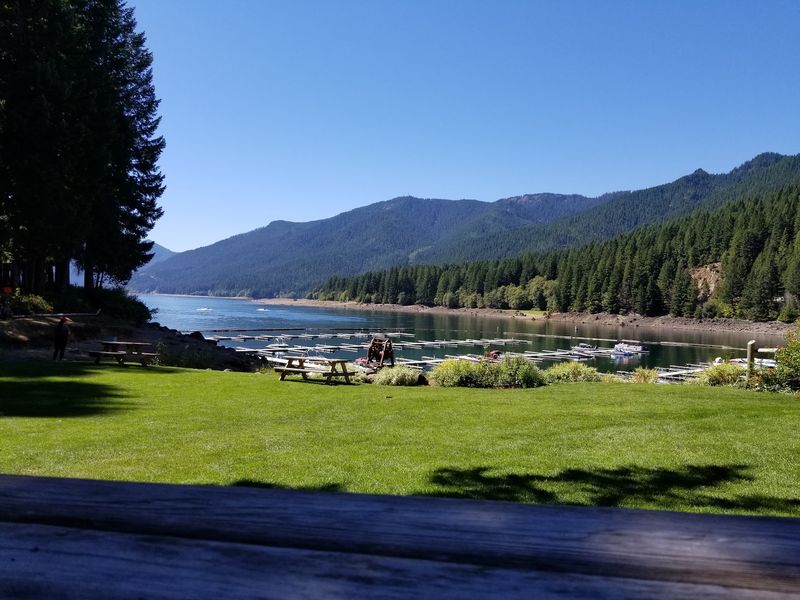
What replaced it is one of the most striking lakes in Oregon. Detroit Lake stretches roughly nine miles long and draws visitors from across the Pacific Northwest.
The water is clear, the surrounding ridgelines are dramatic, and the scale of it all is hard to take in at first glance.
The dam itself stands as a massive piece of mid-century engineering. It controls flooding along the North Santiam River and provides water storage for the region.
Without it, the lake and the modern version of the town would not exist at all.
The Quiet Before The Crowds Found It
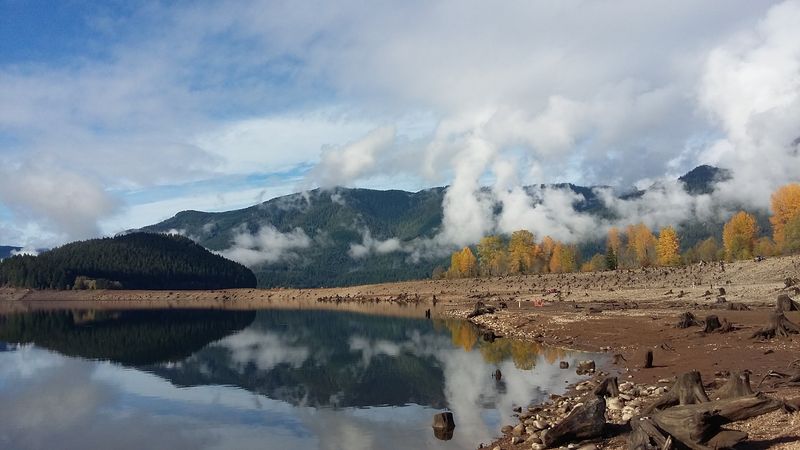
Before word spread about the fishing and the scenery, Detroit had a quieter identity. Loggers, railroad workers, and small-scale settlers shaped the early character of the area.
The pace was slow, and the population stayed modest for decades.
The town was named in the 1890s after Detroit, Michigan, because many early settlers had roots there. That Michigan connection gave the Oregon outpost its unexpected name, one that still catches people off guard when they first hear it.
Peace was not just a feeling here. It was the default setting.
The mountains kept the noise out, and the roads into town were not exactly inviting a rush of visitors. Life moved at the rhythm of the seasons, the river, and the forest.
That slower pace still lingers in certain corners of Detroit, Oregon, especially in the early morning hours before the boat launches fill up. For a brief window each day, the lake still belongs entirely to the herons and the mist.
Water Sports That Took Over The Shoreline
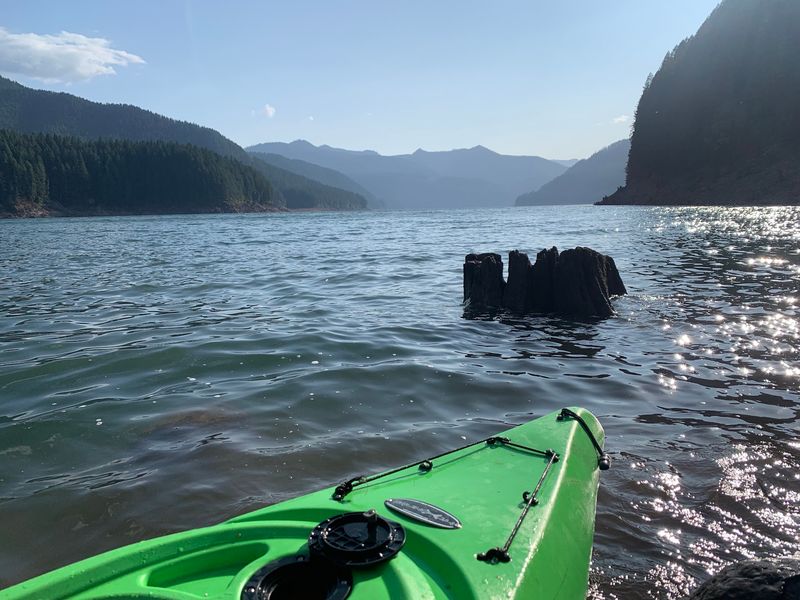
Once the lake filled in and the summers proved reliably warm, it did not take long for the water sports crowd to arrive. Detroit Lake became a go-to destination for boating, water skiing, and wakeboarding throughout the Pacific Northwest.
Kayakers and paddleboarders also claimed their share of the shoreline. The calmer coves offer a slower way to experience the lake, especially on weekday mornings before the speedboats come out.
The contrast between the two experiences is striking.
Anglers have their own deep loyalty to Detroit Lake. Rainbow trout, kokanee salmon, and brown bullhead catfish are among the species that keep fishing enthusiasts coming back season after season.
The lake typically reaches full recreational capacity from mid-spring through mid-summer.
Detroit Lake State Recreation Area provides boat ramps, moorage, and camping sites that make multi-day water trips practical and comfortable. Oregon state parks have invested in the infrastructure here, and it shows in how smoothly the busy summer season tends to operate along the water.
Hiking Trails That Reward The Effort
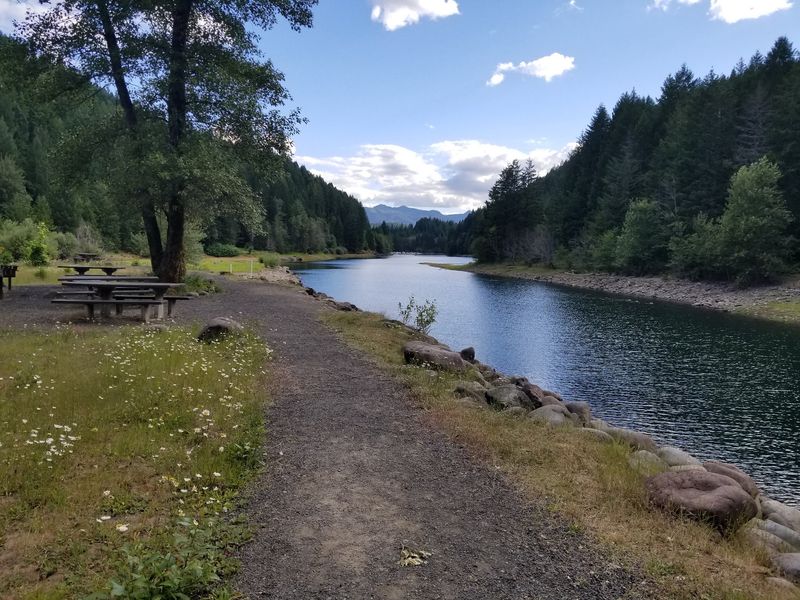
The lake gets most of the attention, but the trails around Detroit deserve equal billing. The surrounding Willamette National Forest opens up a vast network of hiking routes that range from easy lakeside walks to serious mountain climbs.
Views of Mount Jefferson reward hikers who push into the higher elevations. Oregon’s second tallest peak rises sharply to the east, and on clear days the sight of it from a ridgeline above the lake is genuinely hard to forget.
The mountain has a way of making everything else feel small.
Shorter day hikes lead to waterfalls and canyon overlooks that are accessible even for casual walkers. Pansy Lake and the Opal Creek area are popular options within reasonable driving distance for those using Detroit as a base camp.
Backpackers find plenty of multi-day routes that push deeper into the Cascades. The forest here is old and dense in places, with Douglas fir and western red cedar creating a canopy that filters the light into something almost cinematic on the right afternoon.
When Fire Changed Everything In 2020
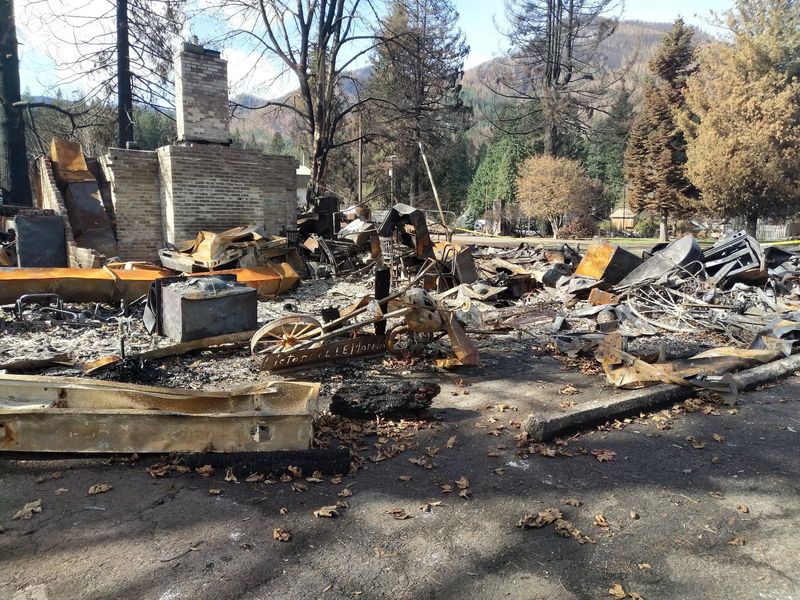
Early September 2020 is a stretch of days Detroit residents do not need to look up. The Beachie Creek and Lionshead fires merged and tore through the area with devastating speed.
Wind-driven and unpredictable, it overwhelmed the town before many had time to fully process what was happening.
Roughly eighty percent of Detroit’s homes and businesses were destroyed. The scale of the loss was staggering for such a small community.
Structures that had stood for decades were reduced to ash within hours.
Oregon communities rallied around Detroit in the weeks and months that followed. Relief efforts, donations, and volunteer labor poured in from across the state and beyond.
The response was large and fast, though the road ahead was clearly going to be long.
The fire reshaped the town’s physical landscape completely. Where buildings once stood, cleared lots and new foundations began to appear.
The event forced Detroit into a kind of unplanned reinvention, one that the community has approached with a resilience that has impressed even outside observers.
Rebuilding With Purpose And Grit
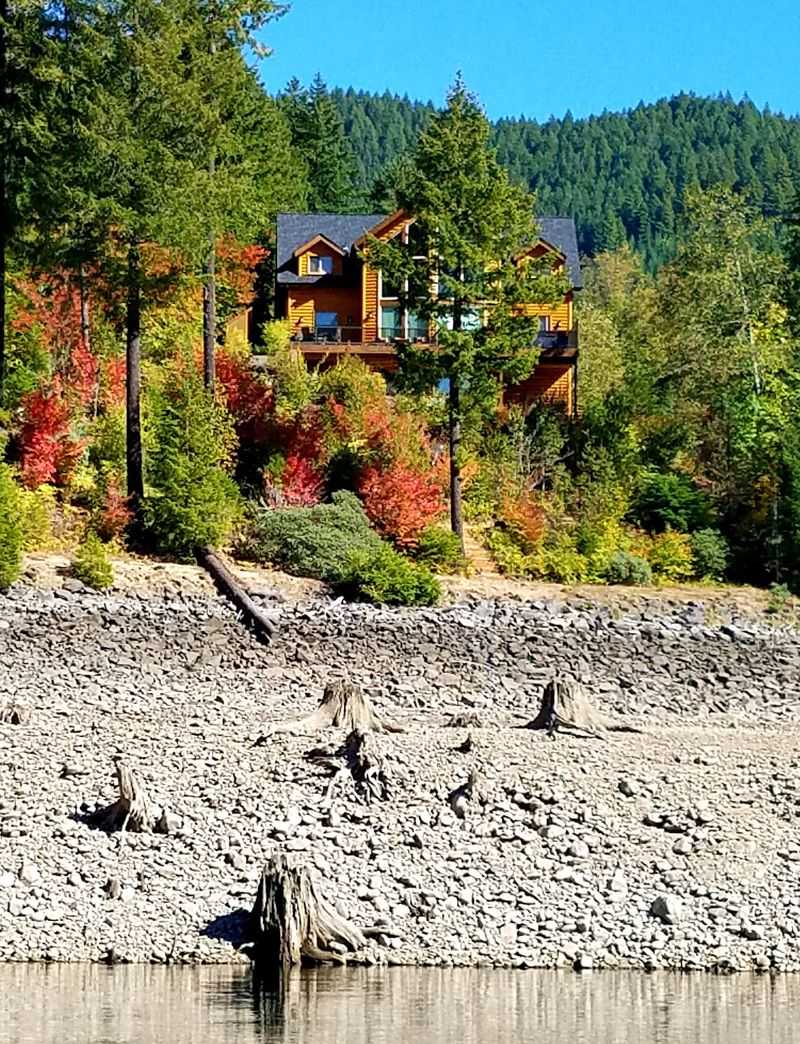
Recovery in Detroit has not been a straight line. Rebuilding after a disaster of that scale involves permits, funding, supply chains, and emotional weight that outsiders rarely fully appreciate.
The process has been slow in some areas and surprisingly fast in others.
A new civic center that houses the city hall and local fire district stands as one of the more visible symbols of forward momentum. Oregon state agencies and federal programs have provided support, but the local determination has driven much of the actual progress on the ground.
New housing has gone up in phases. Some residents returned quickly once they could.
Others took longer, and some chose not to return at all. The population remains small, but the people who stayed have made their intentions clear through the work they have put in.
Visitors who come now will see a town in active transition. Construction equipment, fresh lumber, and new signage share space with surviving structures.
Detroit, Oregon is not frozen in the past. It is actively writing its next chapter, and that energy is visible on every block.
Winter Brings A Different Kind Of Adventure
Summer gets the headlines, but Detroit in winter has its own distinct appeal. The Cascade Range transforms under snowfall, and the roads leading into the mountains open up access to a completely different set of activities.
Hoodoo Ski Area sits a short drive from Detroit and offers alpine skiing and snowboarding across a range of terrain. It is a smaller mountain compared to some of Oregon’s larger resorts, but that scale works in its favor.
Lines are shorter and the atmosphere stays relaxed.
Nordic skiers and snowshoers find groomed trails and backcountry routes throughout the surrounding national forest. Snowmobiling is also popular in the area, with open terrain that draws riders from across the region on winter weekends.
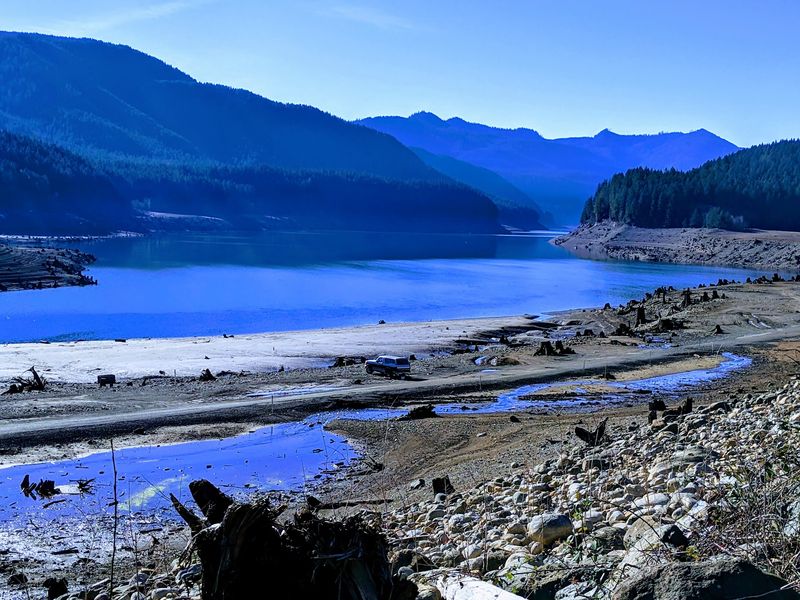
The lake itself takes on a different personality in winter. Water levels drop, the boat traffic disappears, and the shoreline becomes something almost meditative.
Oregon winters in the Cascades are not for everyone, but for those who embrace the cold, the rewards are real and the crowds are refreshingly absent.
Community Events That Keep The Calendar Full
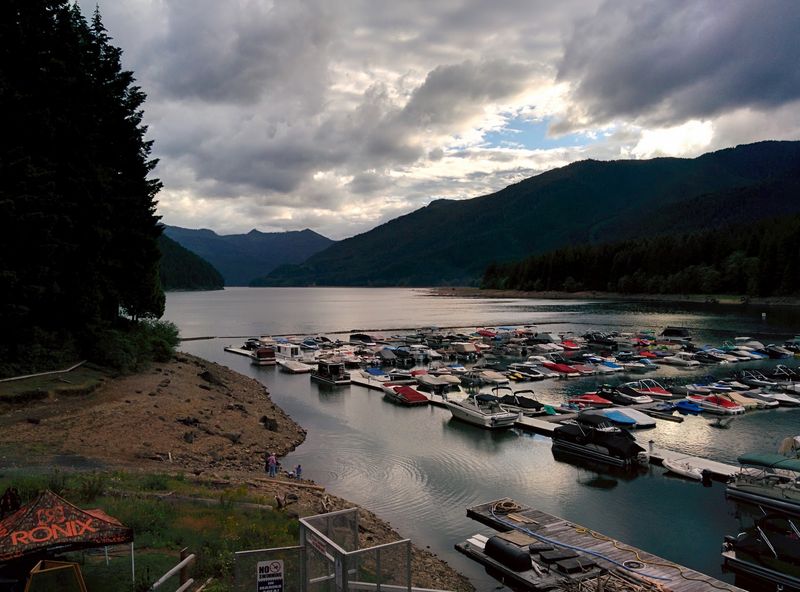
Detroit may be small, but it has never been short on community spirit. Local events give the calendar a rhythm that draws both residents and returning visitors year after year.
The town knows how to put on a good time without overcomplicating it.
The Annual Fishing Derby each May is a beloved tradition. Families drive in from across Oregon to compete, compare catches, and spend time on the water together.
It has a relaxed competitive energy that fits the town’s personality well.
Later in the year, the Annual Cruz-In Car Show brings a different crowd. Classic cars line up near the lake, and the event draws enthusiasts who appreciate both the vehicles and the mountain backdrop.
It is the kind of event that feels right at home in a small Oregon town.
These gatherings matter beyond their entertainment value. They signal that Detroit is still here, still active, and still welcoming.
For a community that has faced serious hardship, every event that fills the streets is a quiet but meaningful act of perseverance.
The Willamette National Forest As A Backyard
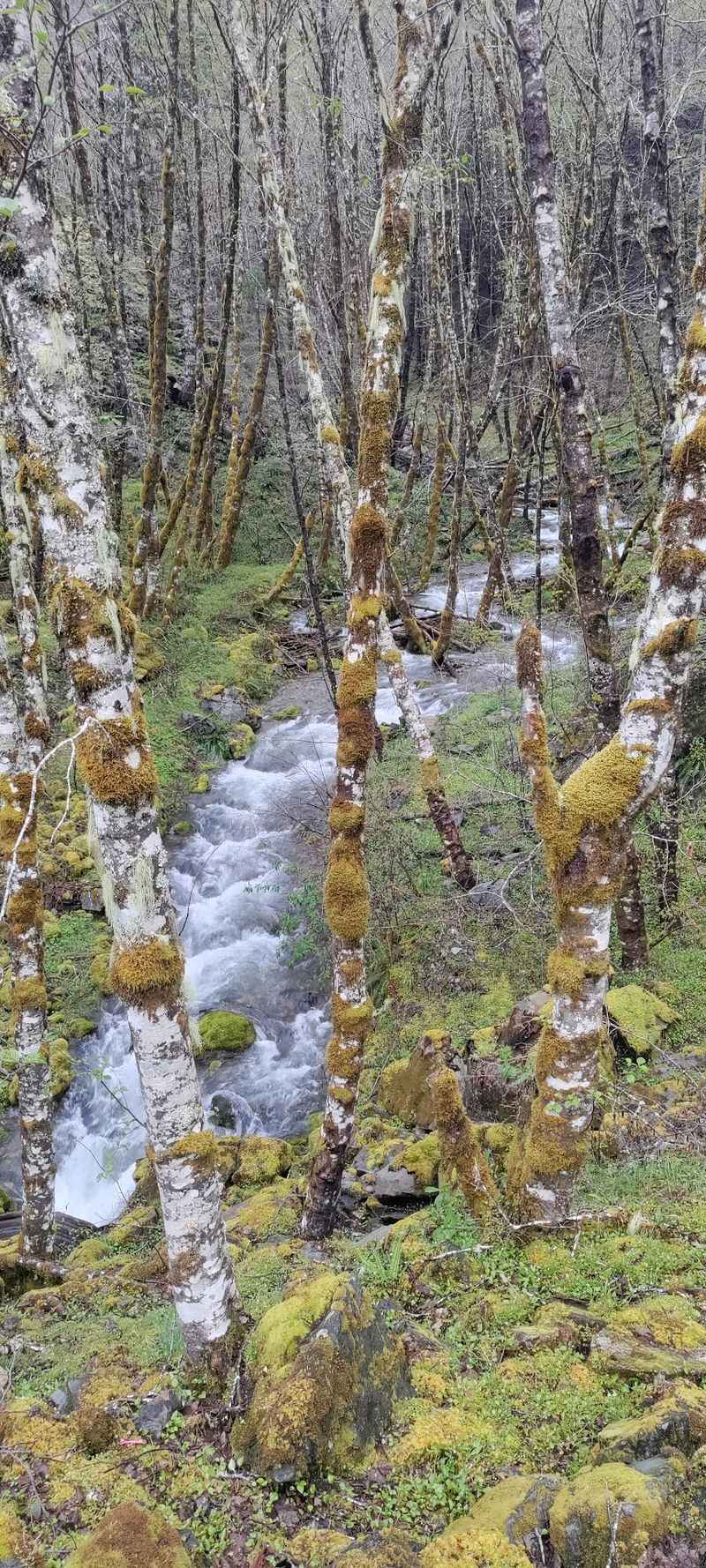
Detroit sits right at the edge of the Willamette National Forest, and that proximity is one of the town’s greatest advantages. The forest is enormous, covering millions of acres across western Oregon, and the section near Detroit is among its most scenic stretches.
Scenic drives wind through stands of old-growth timber that have been standing for centuries. Wildlife sightings are common for those who move quietly and pay attention.
Black-tailed deer, osprey, and the occasional black bear are part of the regular cast in this part of Oregon.
The forest also contains rivers and streams that feed into the lake system. Opal Creek, known for its brilliant blue-green water, runs through a wilderness area not far from Detroit and draws visitors who want to experience old-growth forest at its most undisturbed.
For campers, the national forest offers dispersed camping options beyond the developed state park sites. Waking up deep in the trees with no cell signal and no noise except birdsong and wind is an experience that people return to Detroit specifically to repeat.
Planning A Trip To Detroit Lake
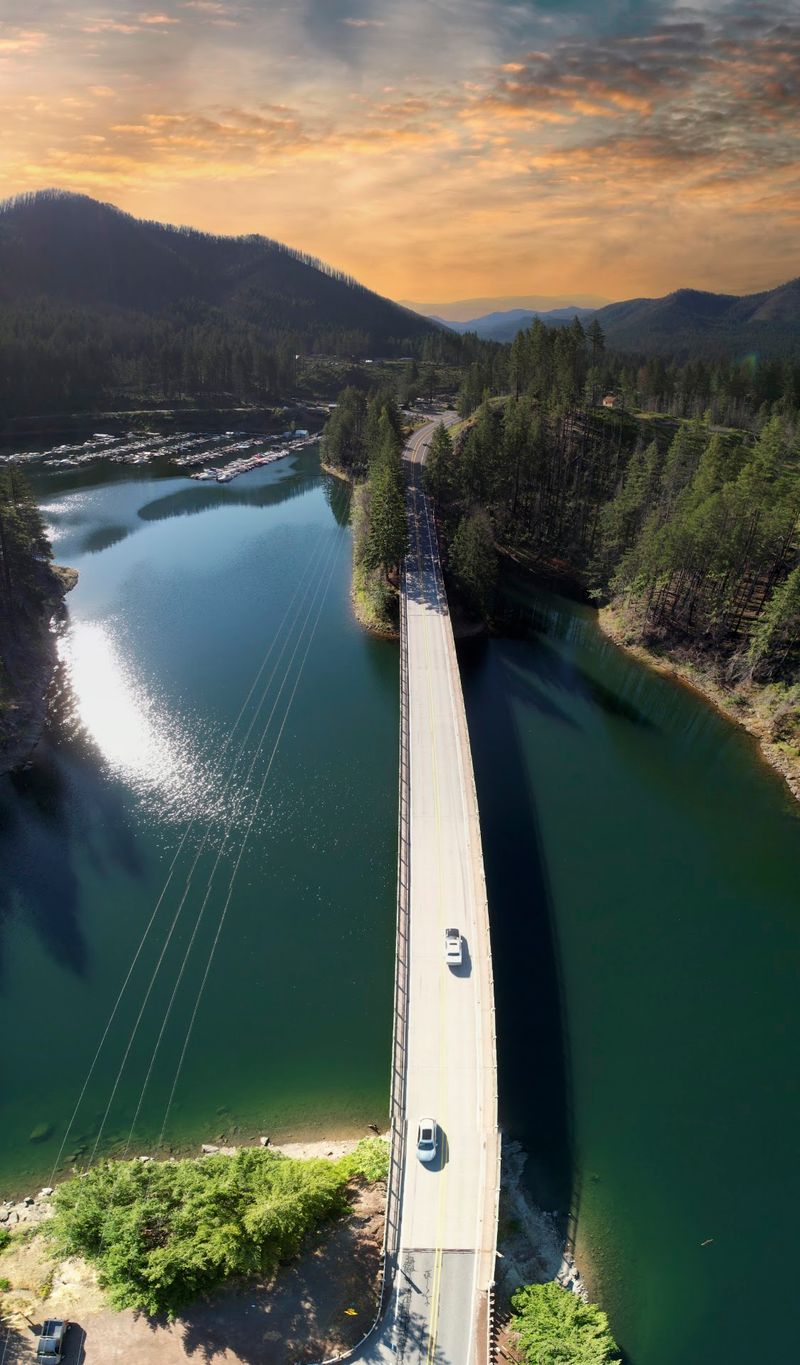
Getting to Detroit, Oregon requires a drive through some genuinely beautiful mountain scenery. Highway 22 follows the North Santiam River corridor and delivers travelers directly into town.
The route itself is worth slowing down for, especially in fall when the canyon colors peak.
Detroit Lake State Recreation Area offers close to 300 campsites with a range of hookup options, tent sites, and amenities including flush toilets and showers. The park also has swimming areas and a fishing dock that make it practical for families planning extended stays.
The city of Detroit can be contacted at PO Box 589, 160 Detroit Ave N., Detroit, OR 97342 for local information and planning resources. The community is small, so calling ahead or checking official channels before a visit is always a smart move, especially in the shoulder seasons.
Peak summer weekends fill up fast. Booking campsites well in advance is strongly recommended for anyone planning a July or August visit.
Arriving on a weekday, if schedules allow, gives a noticeably different and more relaxed experience at the lake.