
Pelicans, Rainbow Trout, And 11,000 Years Of History Await At This Utah Lake Park
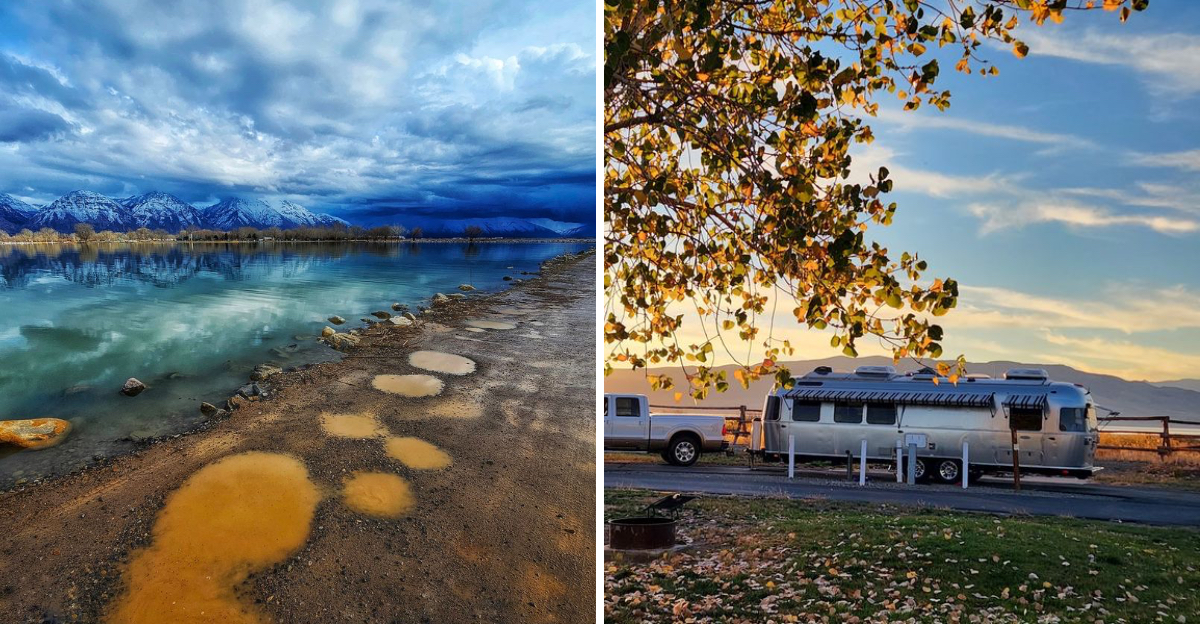
Picture-perfect mountain views frame a lake so big it hides thousands of years of history beneath calm water. Pelicans glide low while anglers cast lines nearby, and the scene feels like a secret this corner of Utah has quietly kept to itself.
Ancient petroglyphs sit near modern marinas, and eagles patrol the sky above kayakers paddling toward a beach few people know exists.
Fishing here means chasing catfish, walleye, and a rare native species swimming nowhere else on the planet. Campers wake to sailboats drifting past their tents, and birders lose track of time watching wings cut across the water.
This corner of Utah rewards anyone patient enough to look past the obvious. Pack a rod, a paddle, or just curiosity, and let this shoreline surprise you.
Whispers From The Distant Past
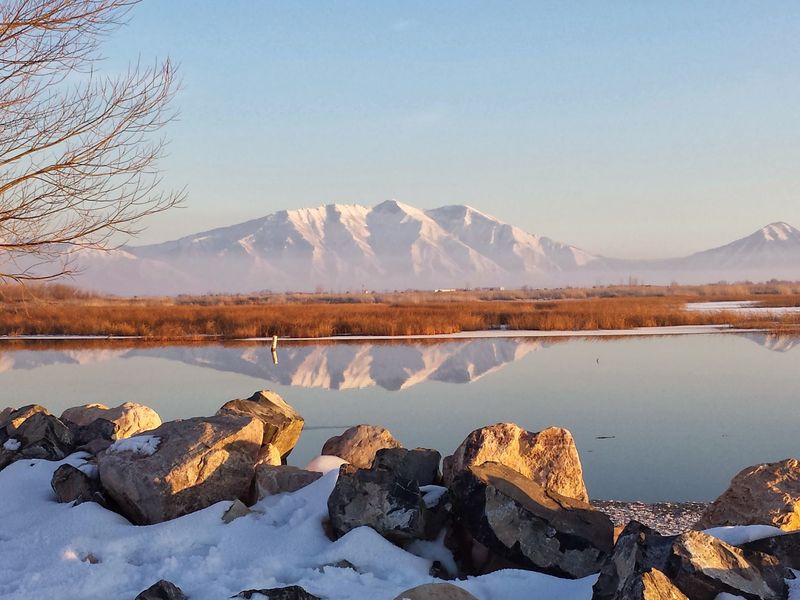
Few places carry 11,000 years of human history so quietly beneath the surface. The shores of Utah Lake have been a crossroads for humanity since pre-Clovis peoples first arrived.
Fremont and Numic cultures followed, leaving behind rock engravings and artifacts that still speak volumes today.
The Smith Family Archaeological Preserve, located west of the lake, holds thousands of intricate petroglyphs. These images were created across generations by Indigenous peoples who called this landscape home.
Visiting the area offers a rare, grounding sense of just how long humans have valued this water source.
Utah Lake itself is a remnant of prehistoric Lake Bonneville, a massive inland sea that once blanketed much of western Utah. Spanish explorers documented the lake in 1776, calling the surrounding valley among the most fertile they had encountered.
Mormon pioneers arrived in 1847 and quickly recognized its importance as a food source, cementing the lake’s role in shaping Utah’s early civilization. Every visit adds a new layer of understanding.
A Freshwater Giant In The Desert
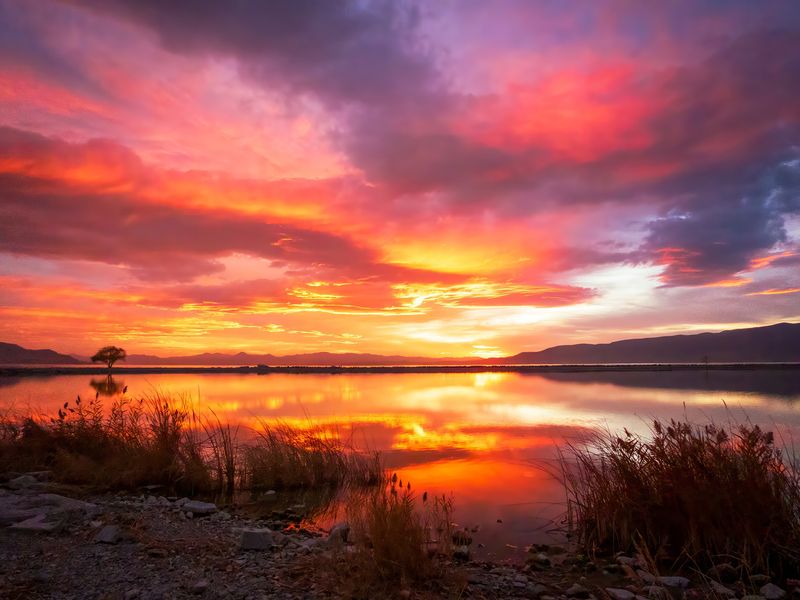
Stretching roughly 24 miles long and 13 miles wide, Utah Lake ranks among the largest natural freshwater lakes in the entire western United States. That kind of scale feels almost surreal when you consider it sits in one of North America’s most arid regions, receiving only about 15 inches of rainfall per year.
The lake averages just around nine feet in depth, making it one of the shallowest large lakes on the continent. Four major rivers feed its waters, including the Provo and Spanish Fork rivers, while the Jordan River carries water northward out of the lake.
This dynamic hydrology gives the lake a constantly active, living character.
Its waters carry a naturally cloudy appearance due to high calcite content from surrounding limestone mountains. Utah Lake State Park sits conveniently on the eastern shore, just minutes from downtown Provo, Utah.
Visitors stepping out of the city suddenly find themselves facing open water, big skies, and mountain backdrops that reframe the whole afternoon. The contrast is striking every single time.
The Park That Took Decades To Build
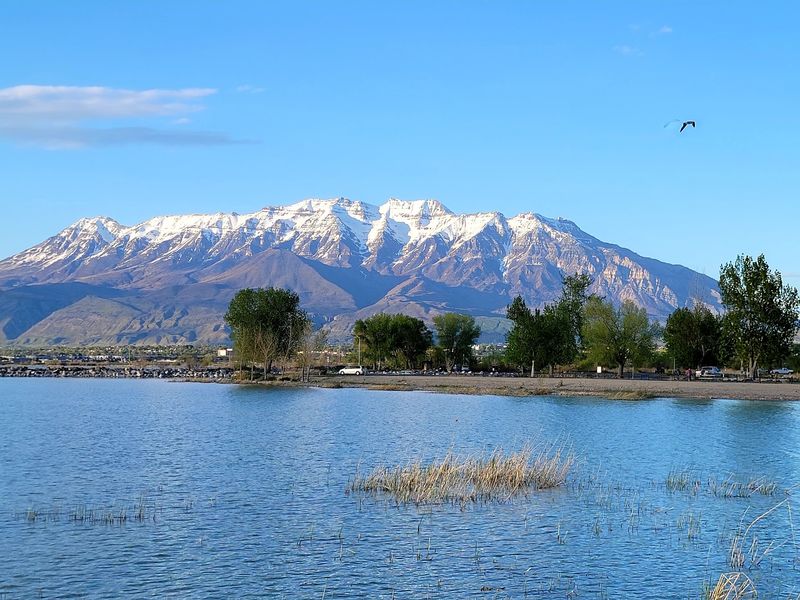
The story of Utah Lake State Park did not happen overnight. Local leaders envisioned a dedicated recreational space on the lake’s shore long before one existed.
Construction on the Provo Boat Harbor began in the 1930s, with the Civilian Conservation Corps providing essential labor and expertise to make it a reality.
Provo City later developed shoreline picnic and camping facilities, steadily building out the infrastructure that visitors enjoy today. The area officially opened as Utah Lake State Park in 1967, a milestone that formalized decades of community investment.
Since then, the park has continued evolving to serve the growing recreational demands of the Wasatch Front region.
Located at 4400 W Center St, Provo, UT 84601, the park sits approximately 45 miles south of Salt Lake City. Its position just west of Provo’s downtown core makes it an effortlessly accessible day trip or overnight destination.
The park’s development reflects a long-standing community belief that Utah’s largest freshwater lake deserves a welcoming front door for everyone to use.
On The Water Every Which Way
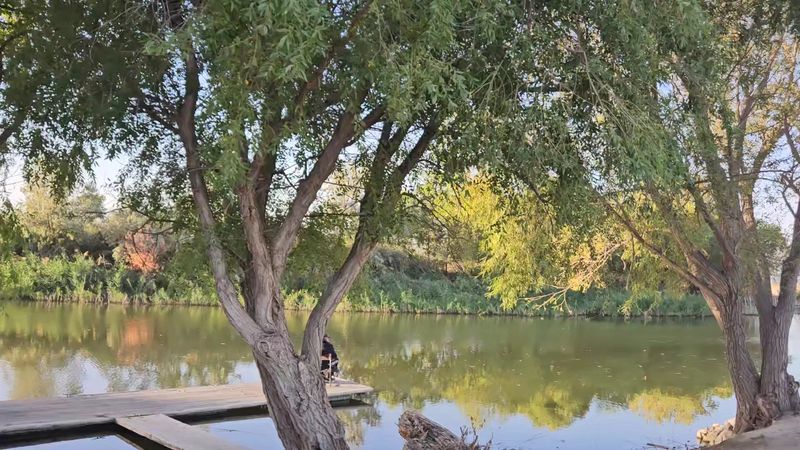
Power boating, sailing, kayaking, paddleboarding, canoeing, jet skiing – the water at Utah Lake State Park handles all of it without breaking a sweat. The sheer size of the lake means there is room for everyone, from the adrenaline seeker to the person who just wants to drift quietly near the shore with a paddle in hand.
The park features two distinct marinas to support all this activity. The inner marina includes four boat ramps, courtesy docks, a fueling station, and a marine pump-out facility.
Slip rentals are available for seasonal docking, making the setup genuinely practical for regular boaters.
The outer marina offers a sandy beach that doubles as a swimming area and a launching point for non-motorized watercraft. Rentals for kayaks and paddleboards are available, giving visitors without their own gear a real shot at getting on the water.
Steady winds across the lake’s open surface create reliable conditions for sailing. Whether someone shows up with a 30-foot vessel or a rented kayak, the park delivers a satisfying day on Utah’s largest lake.
Casting Lines Into Living History
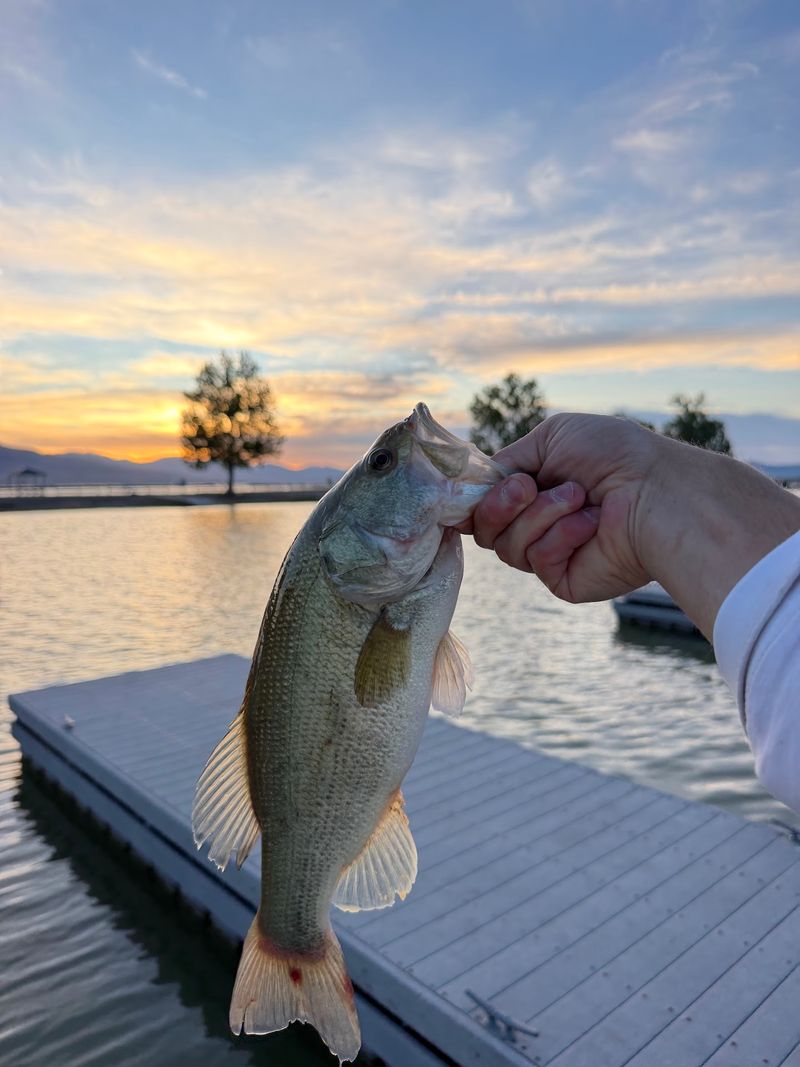
Fishing at Utah Lake carries a quiet drama that experienced anglers recognize immediately. Channel catfish, walleye, white bass, and several panfish species populate these waters, offering year-round opportunities for anyone willing to show up with a rod and some patience.
The lake’s warm average water temperature creates comfortable conditions for many species.
Rainbow trout add another dimension to the fishing scene, particularly in the cooler months when water temperatures drop. The Provo River, where it enters the lake, provides additional trout fishing opportunities that many visitors overlook entirely.
Winter brings its own rewards, with ice fishing for perch and bluegill drawing a dedicated crowd when conditions allow.
Utah Lake is also the sole natural home of the threatened June sucker, a fish found nowhere else on Earth. Conservation efforts have stabilized its population, and anglers are required to release any June sucker caught.
A dedicated fishing area for visitors with physical disabilities ensures the experience remains accessible to everyone. Fish cleaning stations are available on site, wrapping up a successful outing with practical convenience that serious anglers genuinely appreciate.
Pelicans, Eagles, And Every Bird In Between
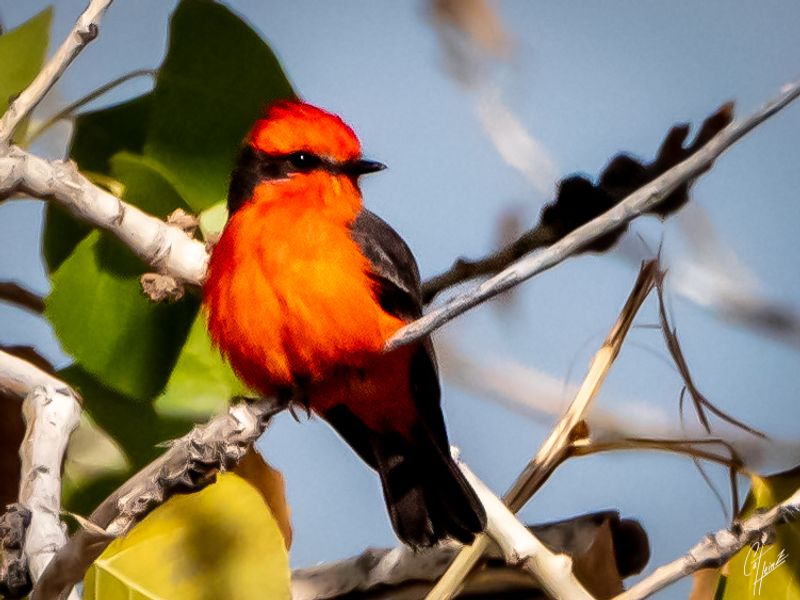
American White Pelicans gliding over open water is the kind of sight that stops people mid-sentence. Utah Lake State Park sits along a significant migratory corridor, making it a prime destination for birdwatchers at virtually any time of year.
The surrounding wetlands and open water support a remarkable variety of species.
Double-crested Cormorants, Western Grebes, California Gulls, Caspian Terns, and Northern Harriers all call this area home during various seasons. Winter brings Bald Eagles swooping into view, a highlight that draws dedicated birders from across Utah and beyond.
Spotting one perched near the shoreline on a cold morning is an experience that lingers long after the drive home.
Bird Island, located on the lake’s southern end, serves as a crucial nesting area for birds and other wildlife. The park provides peaceful shoreline views and birdwatching platforms that offer excellent vantage points without disturbing nesting areas.
Early mornings are particularly rewarding, when bird activity peaks and the lake sits calm and quiet. The sheer biodiversity here underscores just how ecologically significant this water body truly is.
Sleep Under The Stars Lakeside
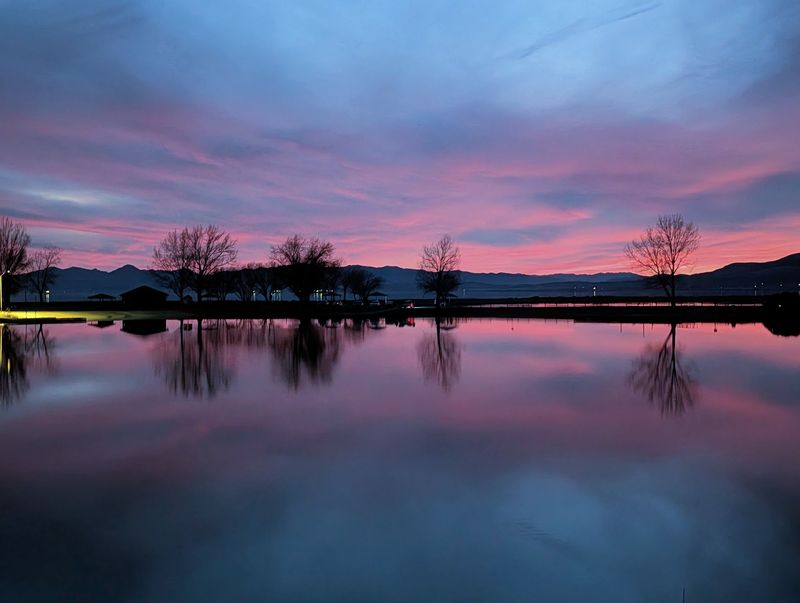
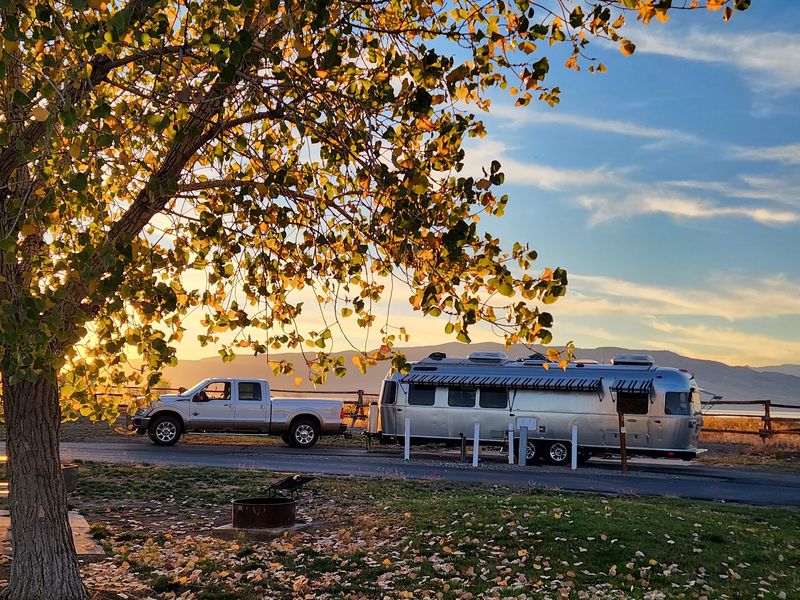
Camping at Utah Lake State Park comes with a level of comfort that tent campers and RV enthusiasts both appreciate. The RV campground features 31 pull-through sites, each equipped with water and power hookups.
Covered picnic tables, fire pits, and barbecue grills make each site feel like a proper outdoor living room.
Modern restrooms and hot showers keep the experience from feeling too rustic, which is exactly the balance many families are looking for. An RV dump station adds practical convenience for longer stays.
The campground connects directly to the Provo River Trail, a paved path that winds through cottonwood-shaded habitat and delivers stunning mountain views along the way.
Sunsets from the campground are a recurring highlight in visitor accounts, with sailboats drifting across the water as the sky shifts color behind the Wasatch Range. Pets are welcome throughout the park, and the camp hosts are known for being friendly without hovering.
Group pavilions can be reserved for larger gatherings, making the park a solid choice for family reunions or organized outdoor events. Utah offers few camping spots this close to a city that feel this removed from it.
More To Explore Beyond The Shoreline
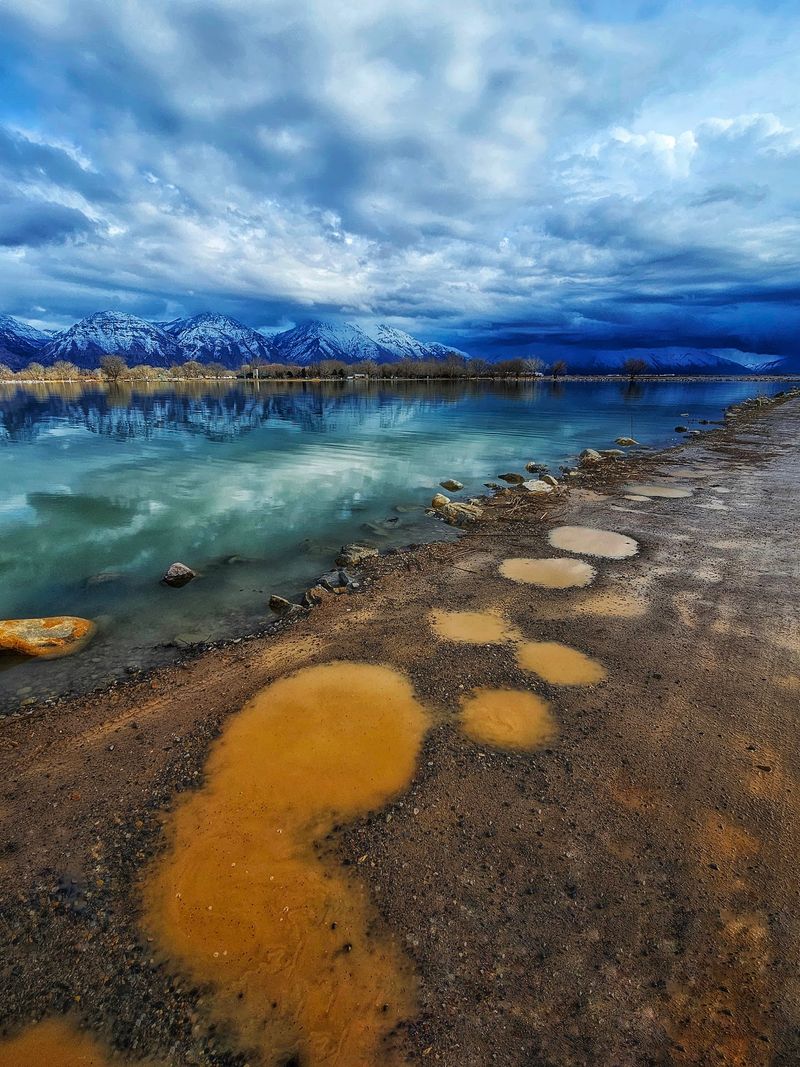
Water gets most of the attention, but the land-based offerings at Utah Lake State Park deserve their own spotlight. Scenic trails wind along the lakeshore, providing flat, accessible paths for casual walkers, cyclists, and anyone who just wants to clear their head with a good stroll.
Wildlife sightings along these routes are common and always welcome.
A disc golf course adds a playful dimension to the park experience, offering a fun group activity that does not require any prior skill. A sand volleyball court rounds out the active options for visitors who want something competitive without getting wet.
These additions reflect the park’s ongoing effort to serve a wider range of interests and age groups.
Picnic areas scattered throughout the property give families a comfortable base for the day. Shaded pavilions provide relief during summer heat, while open tables offer unobstructed lake views for those who prefer sunshine with their sandwiches.
A well-regarded playground keeps younger visitors busy between fishing trips and beach runs. The Provo River estuary trail nearby adds yet another dimension, threading through bird-rich wetland habitat that rewards slow, attentive exploration.
The Visitor Center Tells The Whole Story
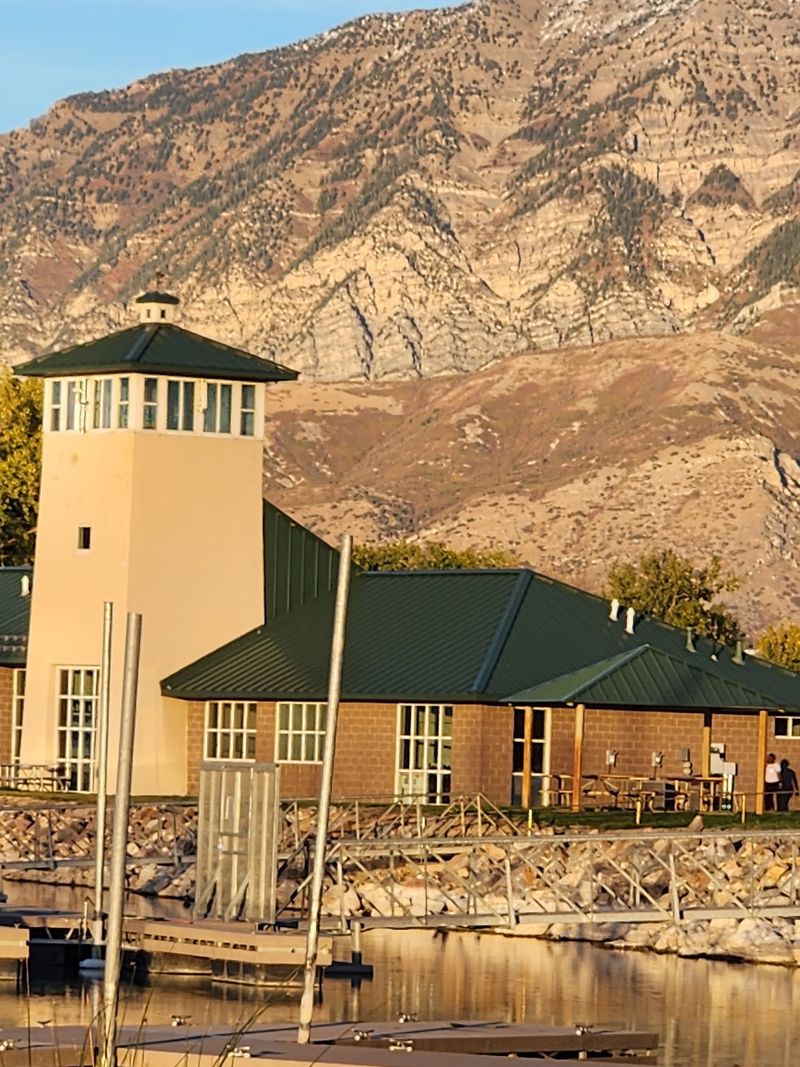
Not every state park visitor center earns a second look, but the one at Utah Lake State Park is worth the stop. Mounted fish specimens give visitors a close-up view of the lake’s aquatic residents without needing a fishing rod.
American Indian arrowheads and grinding stones sit alongside these natural history displays, bridging the ecological and cultural dimensions of the park in one room.
Dozens of historic photographs line the walls, depicting the lake across different eras and offering a visual timeline that stretches back well over a century. A 1890s swimming suit and a 1950s fishing net provide oddly charming historical context, the kind of detail that makes a place feel lived-in rather than curated.
These objects tell the story of generations who came to this same shoreline for rest, food, and community.
Knowledgeable staff are available to help visitors plan their time, whether that means recommending a hiking trail, pointing out the best fishing spots, or explaining the lake’s ongoing conservation efforts. A personal flotation device lending station near the center promotes water safety for families who may have forgotten their own gear.
A conference room on site can also be reserved for meetings or private events.
A Living Ecosystem Under Pressure And Recovery
Utah Lake is more than a recreation destination. It functions as a keystone ecosystem in western North America, supporting tens of millions of birds, fish, and other species across its watershed.
The health of this lake ripples outward in ways that affect the entire surrounding environment in Utah and beyond.
Invasive carp have created serious ecological pressure over decades, at one point making up roughly 90 percent of all fish biomass in the lake. Massive removal efforts are actively underway, targeting these fish to restore the balance that native species need to thrive.
The threatened June sucker, found nowhere else on the planet, has benefited from these ongoing conservation programs.
Restoration projects have steadily improved water quality, enhanced stream flows, and rebuilt habitats for native plants and animals. The lake also contributes to local precipitation patterns and helps filter pollution from the surrounding watershed, ecosystem services that are easy to overlook but genuinely vital.
Despite the challenges, Utah Lake has shown real resilience. The commitment from conservation groups, state agencies, and the broader community signals a determined effort to protect this irreplaceable body of water for every future visitor who shows up hoping to spot a pelican.